Top 3 Caves around Penàguila
Best caves around Penàguila, a municipality in Alicante, Spain, offer a blend of natural landscapes and historical significance. The area is known for its natural features and archaeological discoveries, particularly ancient rock art. While some sites are protected, the broader region provides various subterranean experiences. Penàguila's terrain presents opportunities for exploring both natural formations and historical structures.
Best caves around Penàguila
- The most popular caves is La Sarga Rock Art Cave, a cave that features ancient rock art. Access…
Last updated: May 6, 2026
El Canyo Ice Well
Highlight • Monument
Translated by Google •
Tip by

Alcoy–La Sagra Cave Greenway Trail
Highlight (Segment) • Trail
Translated by Google •
Tip by
Sign up now to discover places like this
Get recommendations on the best single tracks, peaks, & plenty of other exciting outdoor places.
Sign up for free
Cova Gelada
Highlight • Cave
Translated by Google •
Tip by

La Sarga Rock Art Cave
Highlight • Cave
Translated by Google •
Tip by
Corral dels Matets
Highlight • Structure
Translated by Google •
Tip by

Start today with a free account
Your next adventure awaits.
Login or Signup

Tips from the Community

The corrals were mainly used to keep livestock in winter. The abundance of these buildings makes us think about the importance of livestock farming to feed a large population in a mountainous area. The animals made it possible to take advantage of mountain lands that were not suitable for agriculture and produced food rich in protein and fertilizer to improve the productivity of the land.
4
0
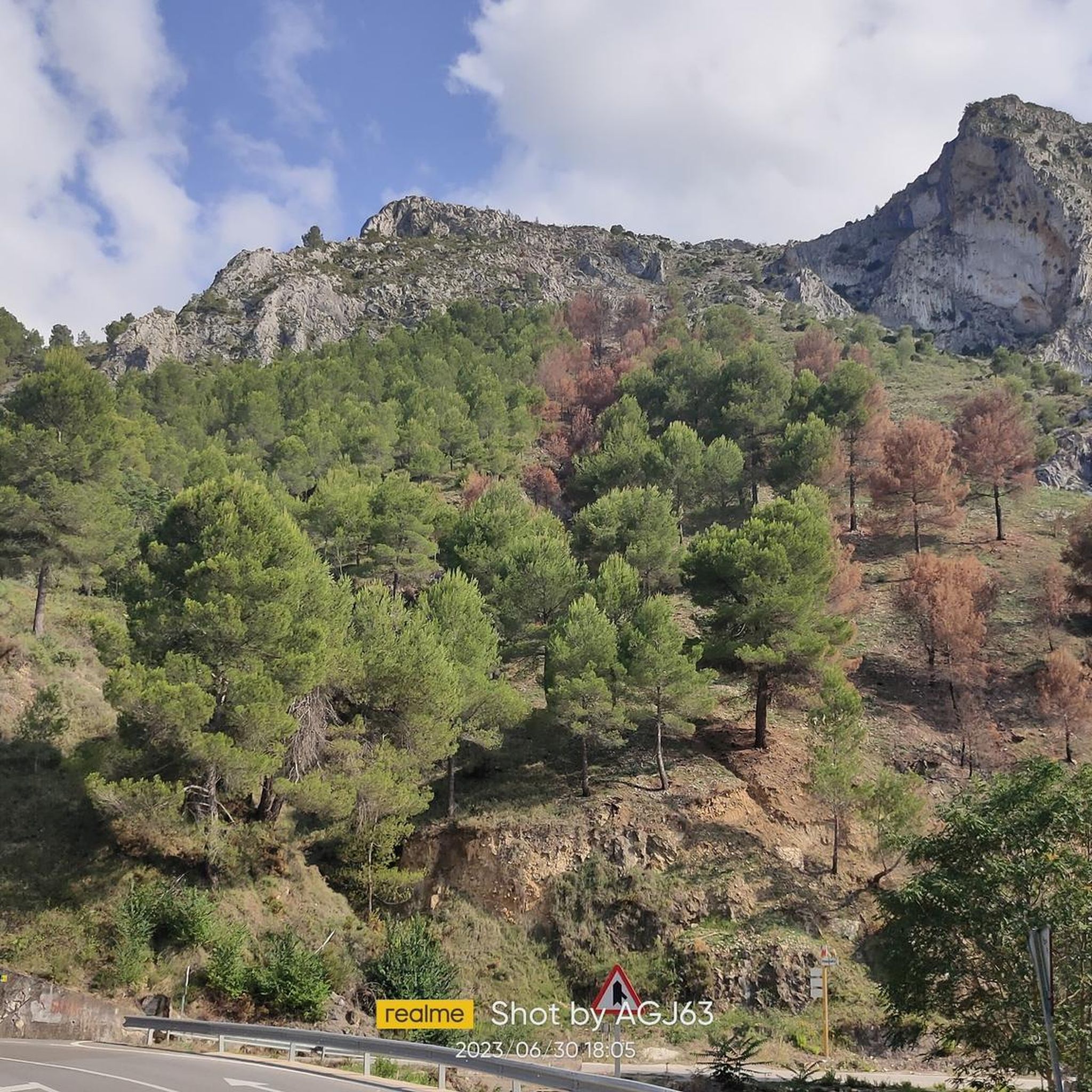
The Pou or Cava del Canyo is a construction that was used for the manufacture and conservation of ice, collecting and pressing the snow from winter snowfalls. It is estimated that it was built at the end of the 18th century which still preserves the Arabic tile roof. It has a capacity of 770 m3, 9.8 m in diameter and 10.3 m in interior height. It is located at an altitude of 1235 meters above sea level.
0
0

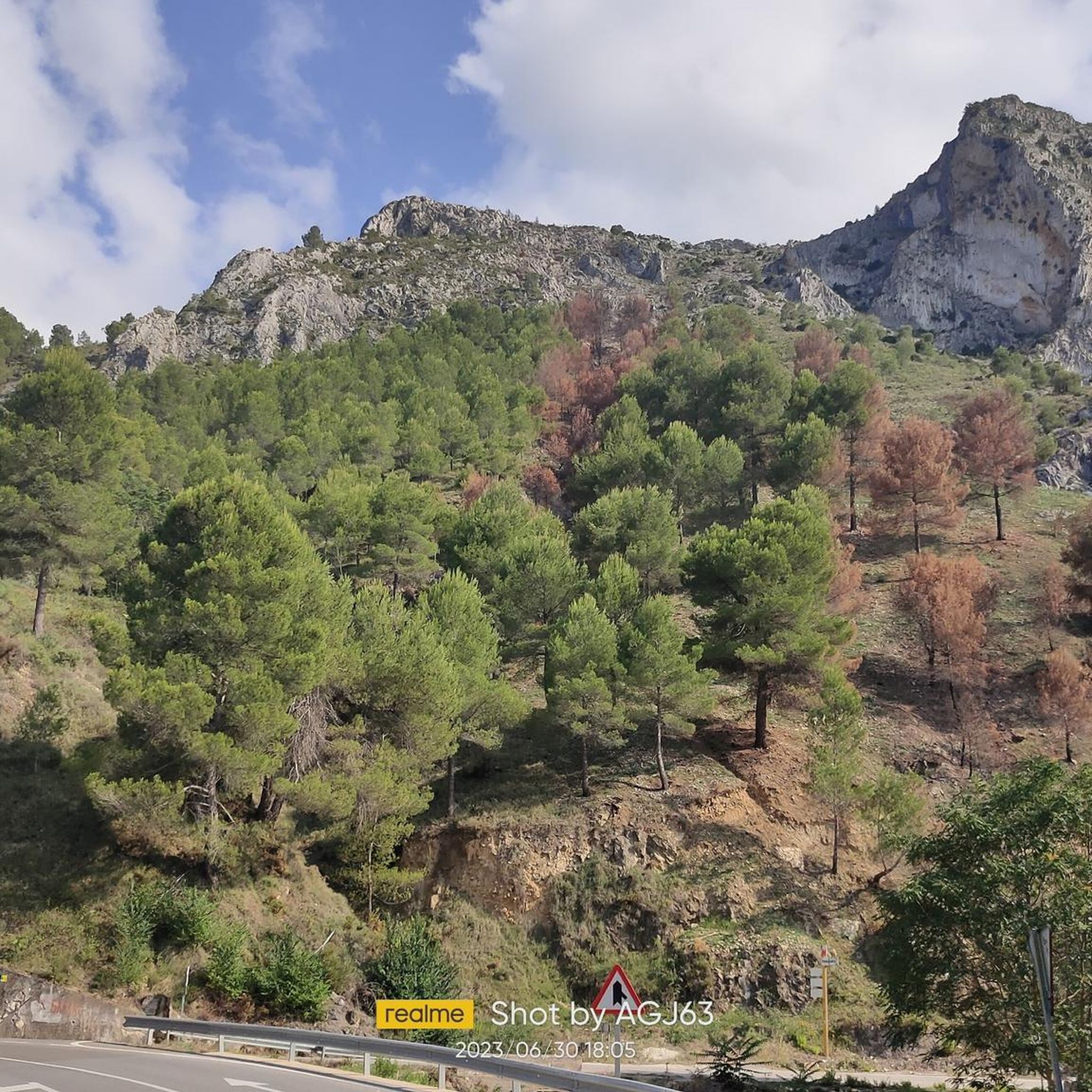
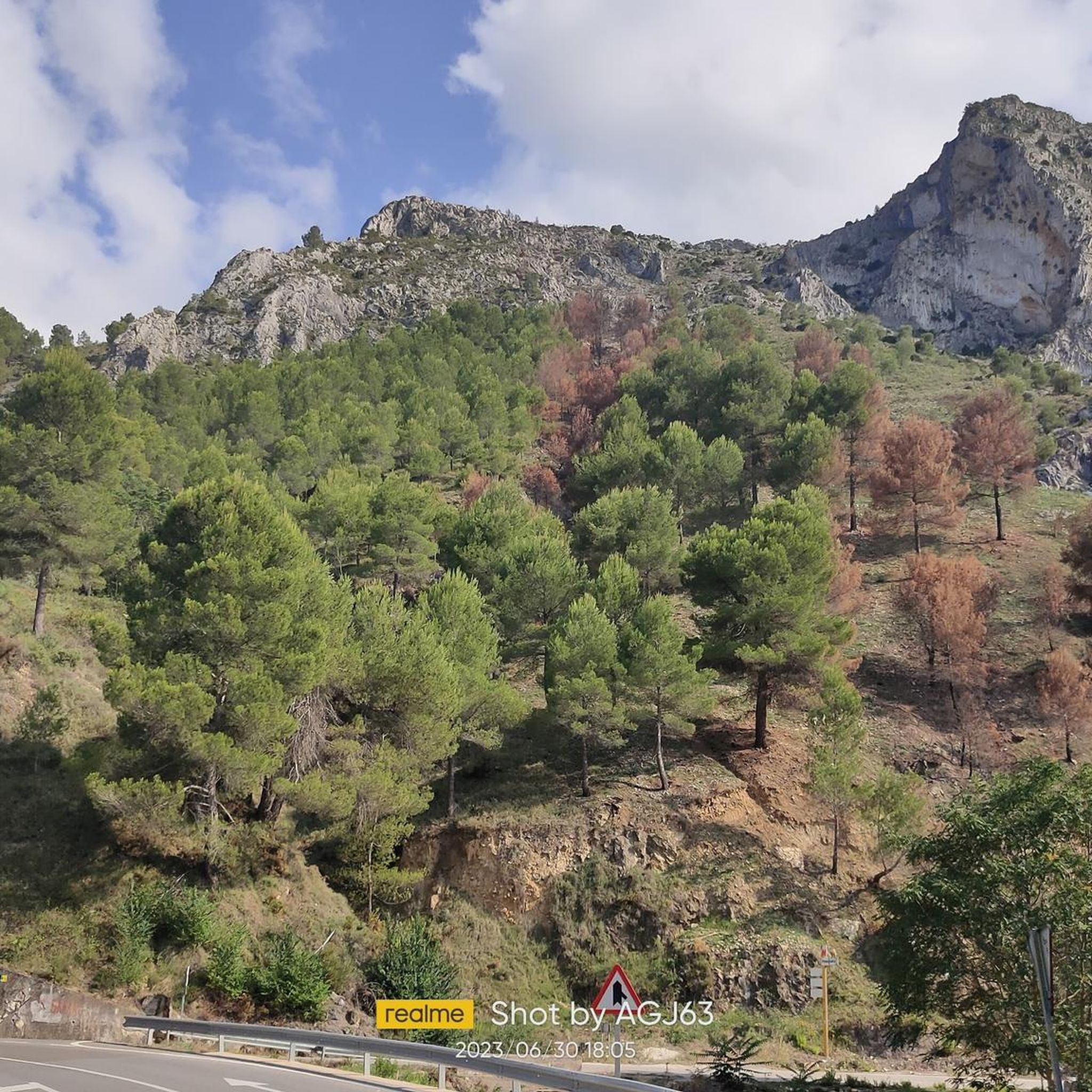
The Cueva Helada, located in the heart of the Carrascal de la Fuente Roja natural park, is known for staying at about seven degrees Celsius throughout the year.
1
0

This curious construction is one of the attractions of the Camí del Geladors. It is an old well to collect snow that has the peculiarity of being the only one to have a hexagonal plan, unlike the rest in the area that are circular. To get there, follow the path in very good condition with very pleasant views throughout its length.
2
0

Cova Gelada, known for its particularly low temperatures.
0
1
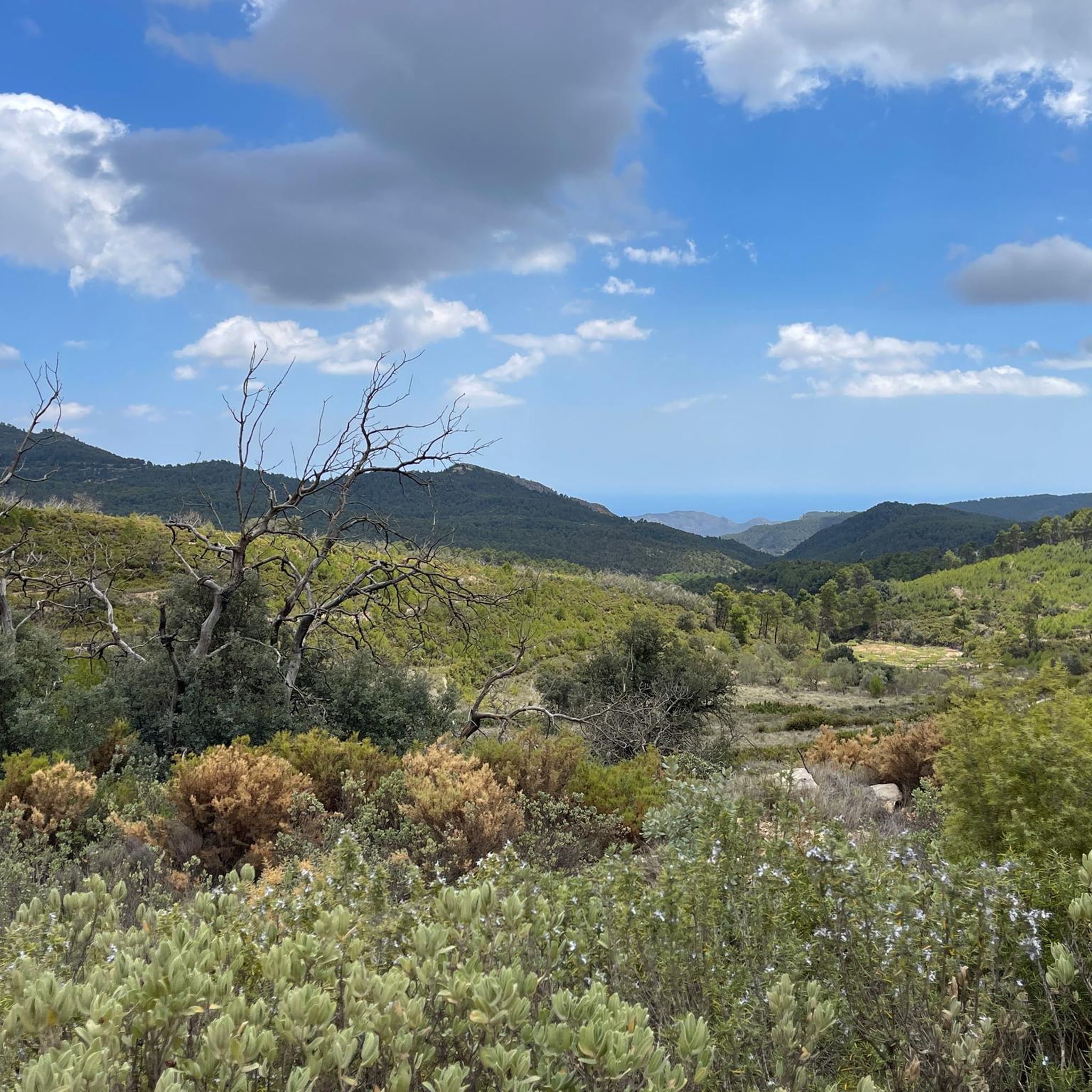
Very entertaining and fun trail with little technical difficulty and quite loose stone terrain in sections. The path runs through a very picturesque setting and connects the greenway with the La Sagra cave.
1
0
Cave with rock art. Access is open to the public at pre-established times. The environment is very nice
1
0

Two small man-made caves surrounded by a stone wall.
0
0
Frequently Asked Questions
What kind of historical and archaeological sites can I explore around Penàguila?
The region around Penàguila is rich in history. You can visit the La Sarga Rock Art Cave, which features ancient rock art and is a significant Neolithic archaeological site. Additionally, the El Canyo Ice Well offers a glimpse into historical practices of natural refrigeration, being a unique hexagonal snow well from the 18th century.
Are there any caves with unique natural features near Penàguila?
Yes, the Cova Gelada, located in the heart of the Carrascal de la Fuente Roja natural park, is known for its consistently low temperatures, staying at about seven degrees Celsius throughout the year.
What kind of trails are available for exploring the caves and surrounding areas?
You can explore the Alcoy–La Sagra Cave Greenway Trail, which connects a greenway with the La Sagra cave. This trail offers a picturesque setting with little technical difficulty, making it very entertaining and fun.
Are there any family-friendly activities or caves suitable for children around Penàguila?
While specific caves may have restricted access due to their archaeological significance, the Alcoy–La Sagra Cave Greenway Trail is described as having little technical difficulty and a picturesque setting, which can be enjoyable for families. Always check access requirements for specific cave visits.
What outdoor activities can I do near the caves of Penàguila?
The area around Penàguila offers various outdoor activities. You can find numerous hiking trails, including routes like the 'Ruins and Gorge near Penáguila – Els Molins Waterfall loop'. There are also running trails and gravel biking routes, such as the 'Tour of the Font Roja Natural Park'.
What should I know about visiting the La Sarga Rock Art Cave?
The La Sarga Rock Art Cave features ancient rock art and is a critical Neolithic archaeological site. Access is open to the public at pre-established times, and the environment is very nice. Due to its regulated access for conservation, prior permission is often required for visits, which typically last 3-4 hours and focus on interpreting its prehistoric occupation.
Are there any man-made caves or historical structures besides natural caves?
Yes, in addition to natural caves, you can find the Corral dels Matets, which consists of two small man-made caves surrounded by a stone wall. These corrals were historically used to keep livestock, reflecting the importance of farming in the mountainous area.
What is the significance of the cave paintings discovered in the Penàguila municipality?
Penàguila gained significant attention with the discovery of 7,000-year-old cave paintings within its municipal area. These ancient artworks, found in difficult-to-access rock shelters, depict figures such as archers, deer, and goats. While not publicly accessible due to their challenging location and the need for preservation, their archaeological significance is immense, offering invaluable insights into early human inhabitants.
What is the best time to visit the caves and natural sites around Penàguila?
The region generally offers pleasant conditions for outdoor activities. For sites like the Cova Gelada, its consistent cool temperature makes it a unique visit year-round. For hiking and exploring trails, spring and autumn typically offer milder weather, avoiding the peak heat of summer or potential chill of winter.
What kind of footwear and clothing are recommended for exploring caves in the area?
For interpretive speleology experiences, such as those offered at sites like Cueva de la Sarsa (a notable cave in the vicinity), it's recommended to wear appropriate old clothing and sturdy footwear. Cave environments can be characterized by constantly dripping water and potentially slippery sections, so good grip and clothes you don't mind getting dirty are advisable.
Are there any permits or special access requirements for visiting caves around Penàguila?
For archaeologically significant sites like the La Sarga Rock Art Cave, access is regulated for conservation purposes, and prior permission is often required for visits. It's always best to check specific access requirements and opening times before planning your trip to any protected or sensitive cave site.
What makes the El Canyo Ice Well unique compared to other historical snow wells?
The El Canyo Ice Well is unique because it is the only one in the area to have a hexagonal plan, unlike most other snow wells in the region which are circular. This distinctive shape makes it a notable historical construction along the 'Camí del Geladors' (Ice Cream Makers' Path).
Most popular attractions around Penàguila

Get inspired with the komoot mobile app


Explore more
Extend your search for the best caves by checking out these guides of the top ones around Penàguila:
