Top 4 Caves around Sant Antoni De Vilamajor
Best caves around Sant Antoni De Vilamajor are found within a landscape characterized by granite formations and historical significance. The area features natural rock shelters, ancient burial sites, and former mining tunnels. These geological features often hold archaeological evidence of prehistoric human activity, including Neolithic and Chalcolithic settlements. The region offers opportunities to explore diverse underground structures and learn about their natural and historical context.
Best caves around Sant Antoni De Vilamajor
- The most popular caves is Cave Hill,…
Last updated: May 6, 2026
The Swallows' Rock
Highlight • Natural Monument
Translated by Google •
Tip by

Rocs de Sant Magí Neolithic Settlement
Highlight • Historical Site
Translated by Google •
Tip by

Sign up now to discover places like this
Get recommendations on the best single tracks, peaks, & plenty of other exciting outdoor places.
Sign up for free
Cave Hill
Highlight • Summit
Translated by Google •
Tip by

Socau Mine
Highlight • Cave
Translated by Google •
Tip by

Costa de Can Martorell Burial Cave
Highlight • Historical Site
Translated by Google •
Tip by

Sign up for free to discover even more caves around Sant Antoni De Vilamajor.
Sign up for free
Already have an account?
Start today with a free account
Your next adventure awaits.
Login or Signup
Popular around Sant Antoni De Vilamajor

Tips from the Community

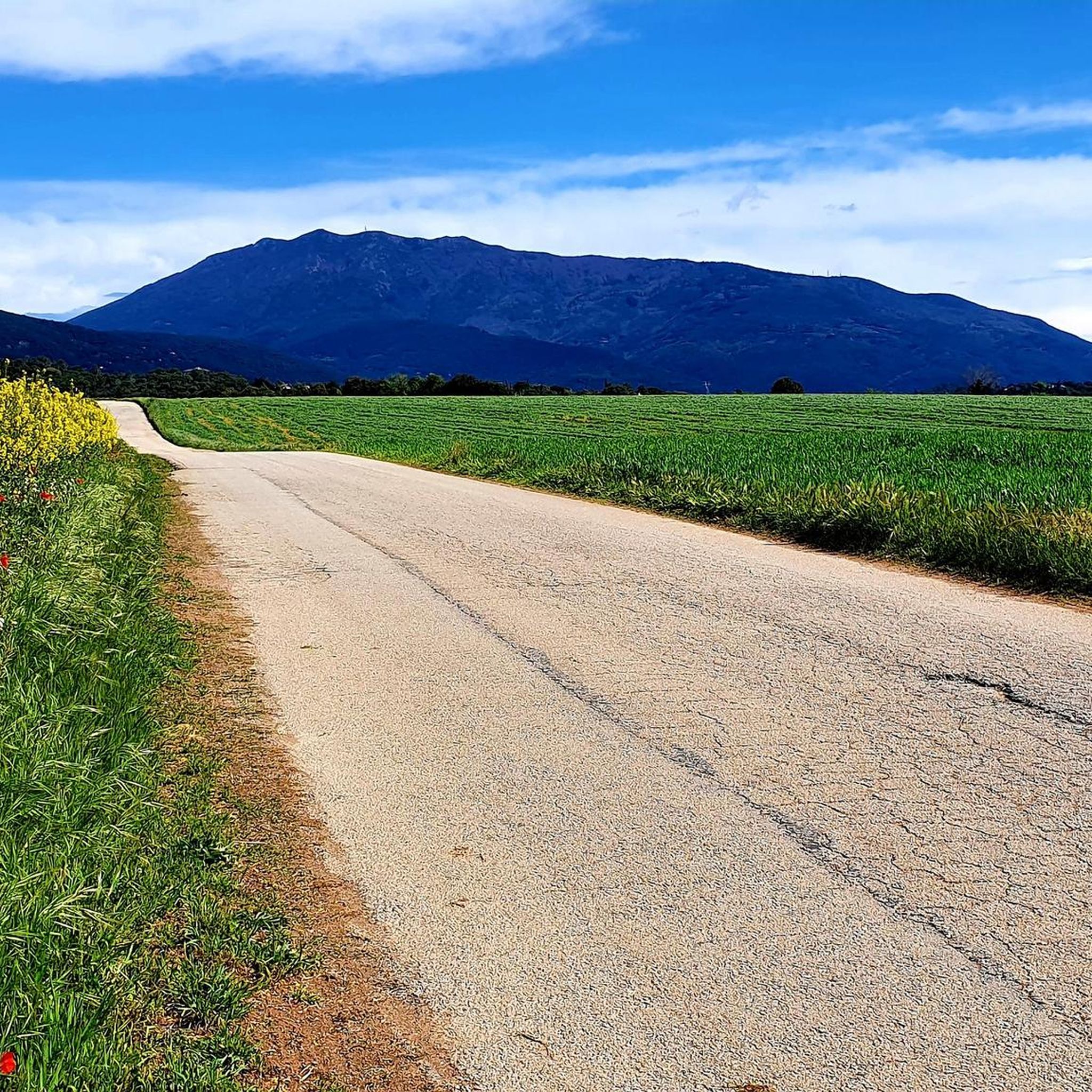
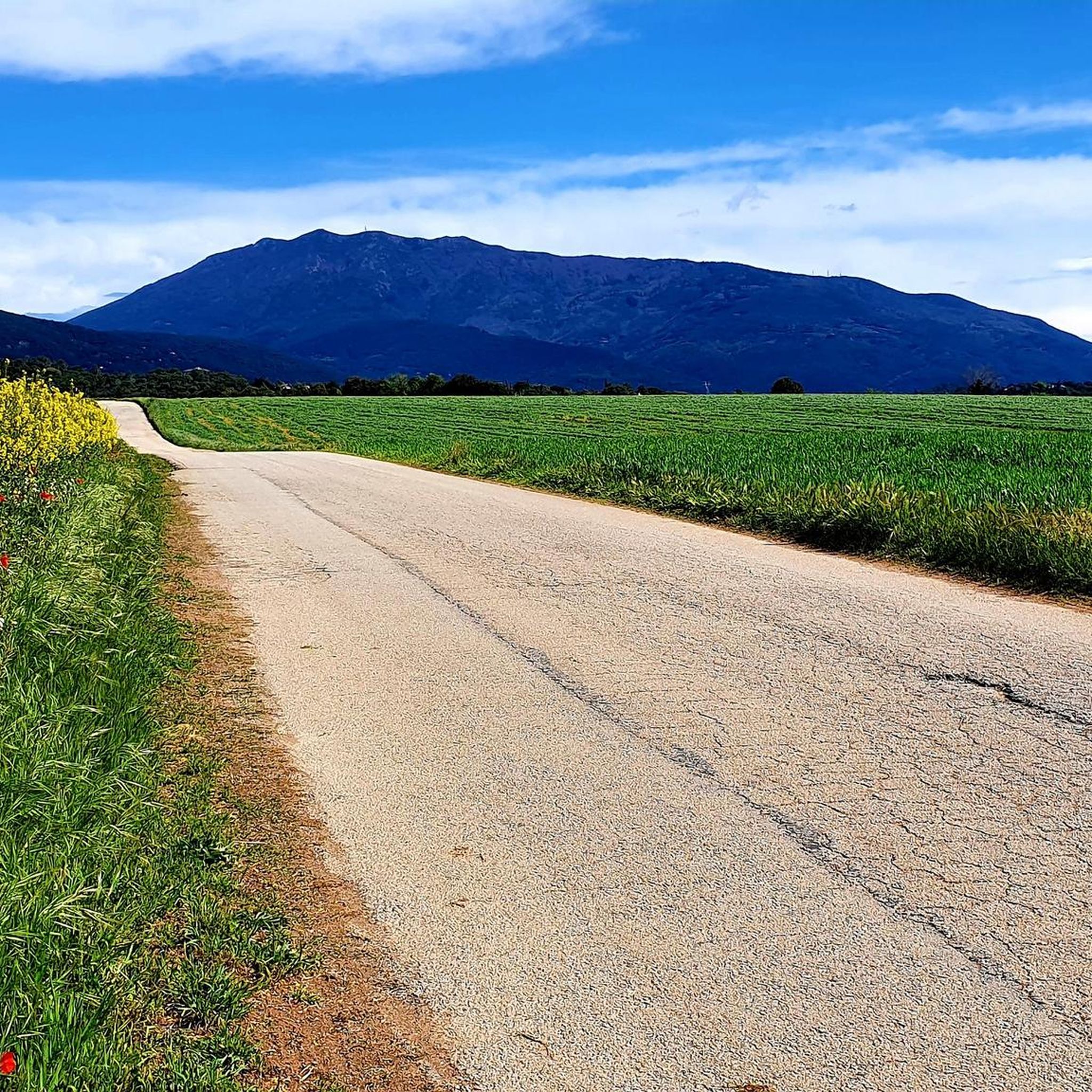
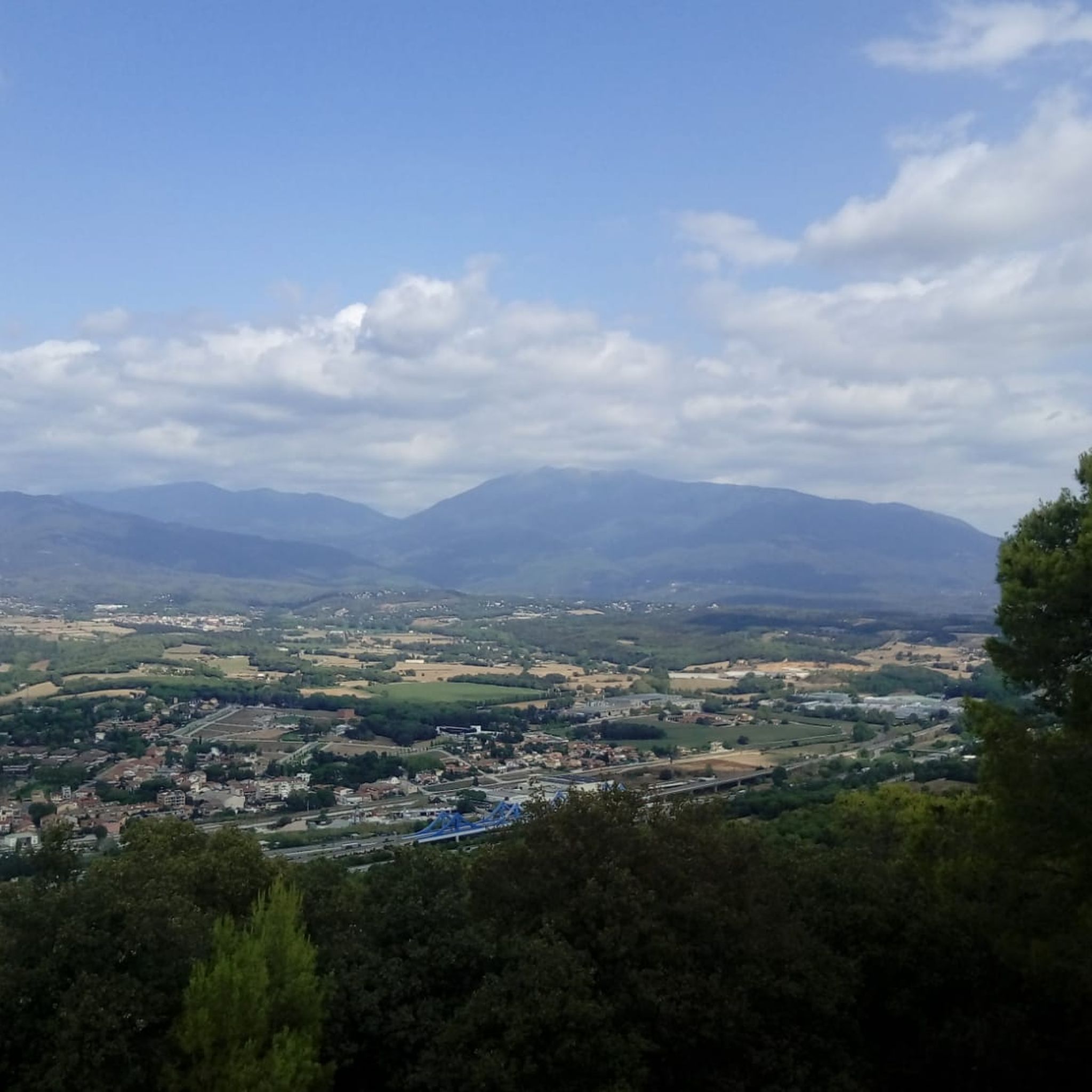
A modest peak in Pla de la Calma, used by shepherds as a natural lookout point: from there they could see when the fogs descended from Matagalls, and the whistling of the wind in its small hollow signaled impending bad weather. The slate of the hill bears marks of use by old charcoal burners and muleteers, indicating that it was more of a practical crossing point than a refuge. A simple place, yet rich in historical significance.
1
0
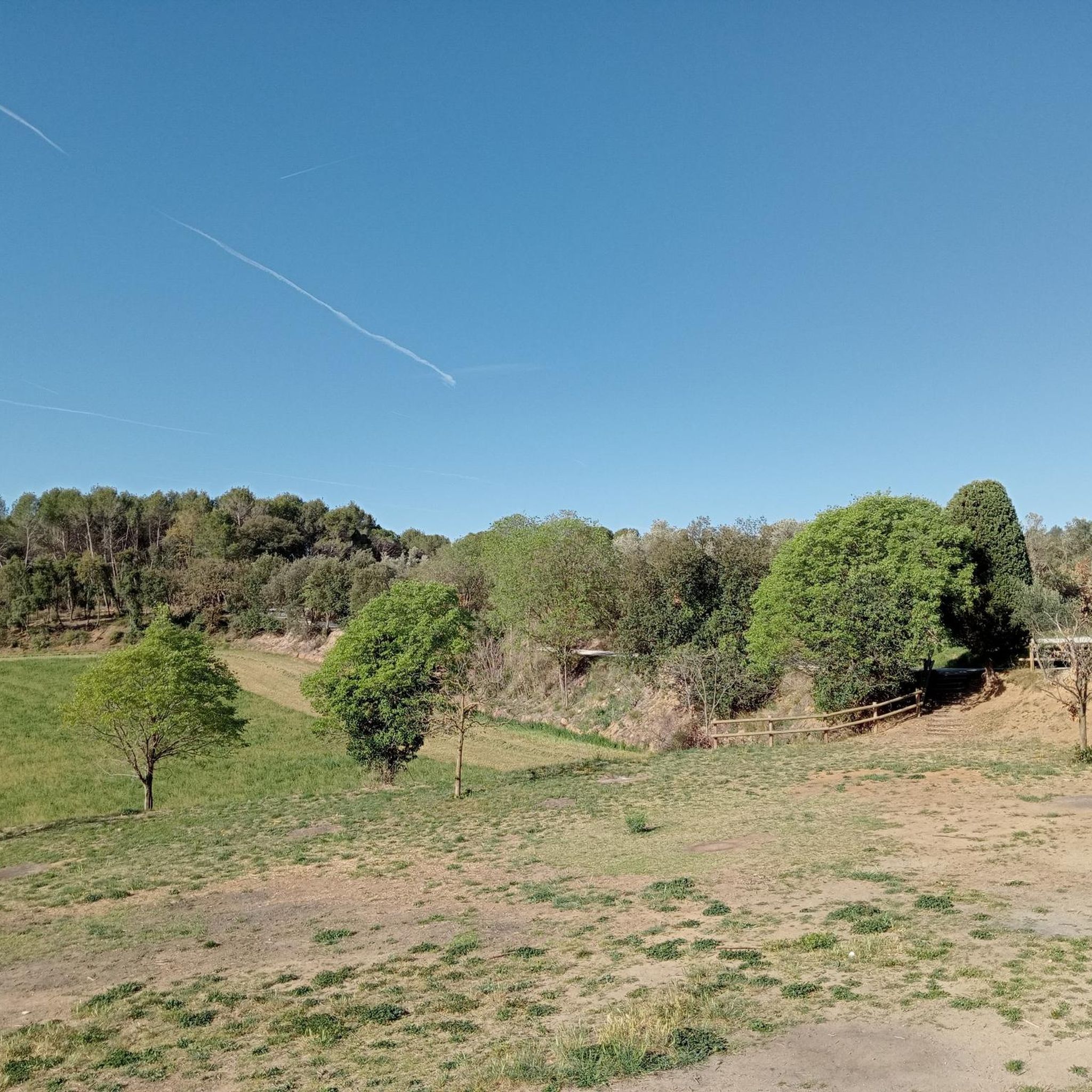
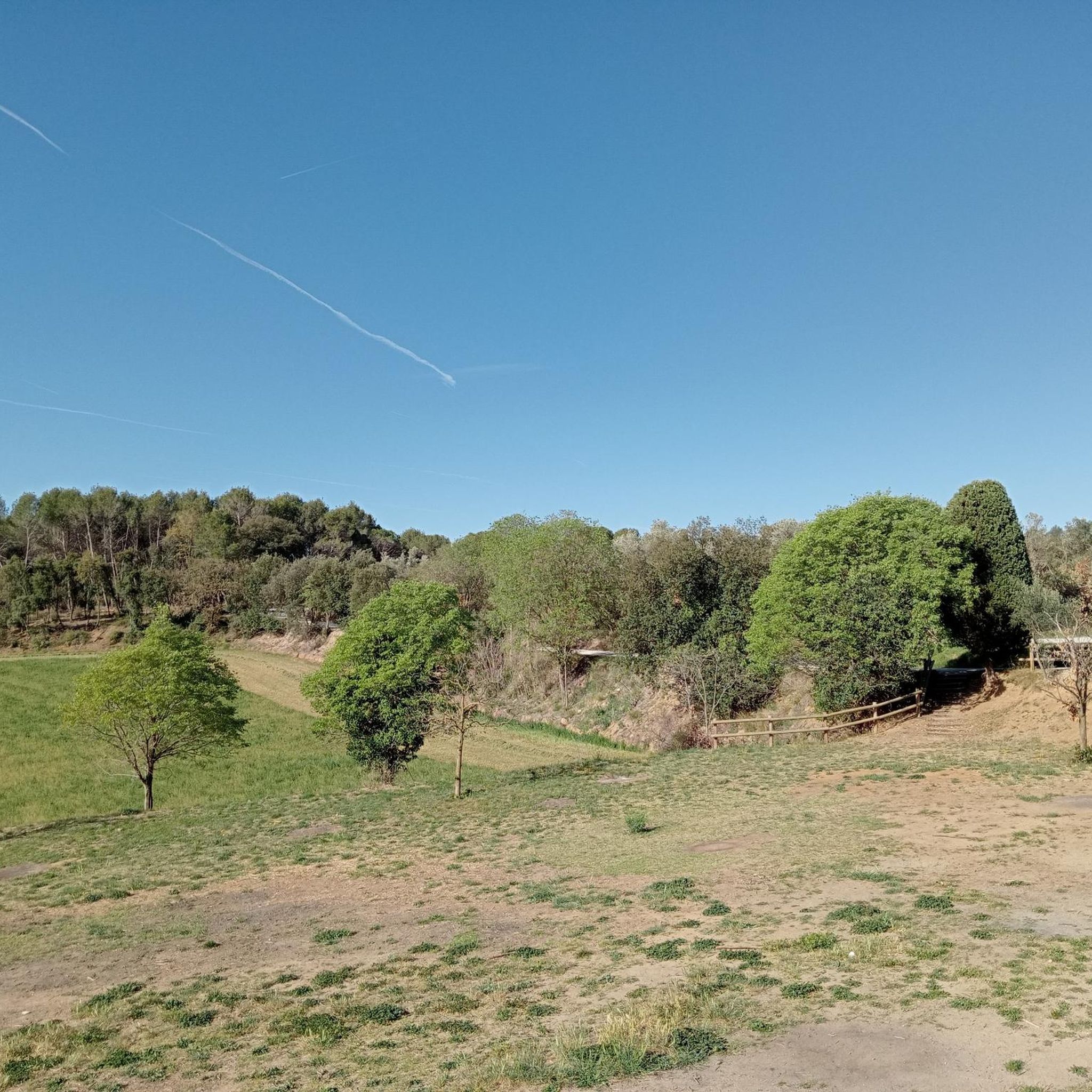
More than just a place where people lived, this site stands out because it doesn't quite fit the classic settlement pattern of the area. Its location, nestled between rock and forest, suggests it wasn't a permanent settlement, but rather a site used at very specific times: seasonal migrations, hunting trips, or gatherings of small groups. A unique feature is that the remains of highly fragmented occupations have been documented at this location, suggesting it was a "ritual passage" rather than a long-term encampment. Some scholars even propose that its irregular layout among the rocks could indicate symbolic activities or territorial markers, something uncommon in other sites in the area.
1
0
Hidden among the forests of Figaró, the Socau Mine was a small magnetite mine in the late 19th century. Today, half-covered by vegetation, it retains its entrance tunnel and some of the rusted mine carts. Some hikers say that as they approach, the air feels colder, as if the earth still breathes from within. Some leave candles or stones at the entrance, following an old local custom of asking for protection before entering places where the mountain "speaks."
1
0
This cave, inhabited in prehistoric times, contains remains that demonstrate its use in the Neolithic or Bronze Age, such as stone tools, pottery fragments, and evidence of fire. Its strategic location, hidden but with good visibility of the surroundings, made it ideal as a refuge or stopover. Today, for cyclists like us, it's an excellent shelter in case of rain or to enjoy breakfast in the shade, thanks to its peaceful and protected location.
1
0

The "Pedra de Les Orenetes" (Swallows' Stone) is made up of a large granite block about 8 m long, 3 m wide and 3 m high, which has been heavily eroded. The basal part shows several cavities, one of which is a medium-sized shelter, which is the main area of the paintings. From this concavity, through which the block can be crossed from below, other concavities and eroded points with pictographic representations continue to the right. These correspond to curved, serpentine strokes, points, female figures, cruciform figures, bars, finger marks, anthropomorphic forms, quadrupeds, branch-shaped figures and human representations, as well as remains of pigment that are difficult to interpret. the schematic-semi-schematic to the stylized and naturalistic), chromatic (reddish, reddish-brown, reddish-orange and yellowish-orange) and techniques (fingering, simple stroke and flat ink) as well as a diverse degree of erosion that seems to indicate a process with superimpositions and diverse phases, some of which seem to be related to those of the Cogul shelter.
1
0

Spectacular rocks found in this area near the Bosc de Rsucalleda, with curious shapes.
6
0

According to Anna Gómez, it is about "(...) iron ore or magnetite mines that were in operation between the years 1880 and 1895. To extract the mineral, a wagon road was built that went from Vallcàrquera to the 'ancient path ral del Congost, behind the Torre de Can Parera'. The mine has comfortable dimensions throughout its route (about two meters high by one and a half meters wide). The mouth is partially obstructed by a collapse of the margin where it is open, but it is still quite comfortably accessible. After 17 meters with about thirty centimeters of water, the gallery continues inland for another 14 meters. Now the floor is covered by a thread of water that flows from an underground course that appears almost at the end of the main gallery.
0
0
It is a mixed structure consisting of a burial chamber with a corridor excavated in the granite rock of the southern slope of the hill, with a vestibule or vestibule with megalithic access. The chamber has a semicircular floor plan (5m length x 3m width x 2m height) without a roof, given that it collapsed above the archaeological level. The corridor (2.25m length x 1.60m width x 1.40m height), with an elongated floor plan, connects the hall with the bedroom. The antechamber (1.75m width x 1m length), with a trapezoidal plan, is made up of three large slabs arranged and nailed to the subsoil (the slab-door was documented to have been displaced from its original place). The archaeological intervention documented three different stratigraphic levels: the surface level, made up of soil and scattered bone remains, a second level made up of the stone blocks that formed the original vault that covered the chamber and the corridor, and a third level where it was documented abundance of human bone remains (affected by the demolition) and much of the documented archaeological material. Specifically, between 195 and 205 buried individuals of both sexes were documented, mostly between 20 and 40 years old, although there were also children. Among these remains were documented 68 flint arrowheads, several fragments of bell-shaped pottery, two manual stone mills and various faunal remains, among others. The archaeological research concluded that an accidental event, probably a war conflict between groups, led to the death of a significant volume of the population. Chronologically, the site belongs to the Chalcolithic period (2200-1800 BC).
0
0
Frequently Asked Questions
What are the most notable caves to visit near Sant Antoni De Vilamajor?
While Sant Antoni De Vilamajor features several local rock shelters and historical sites, the most extensive and well-known cave systems in the broader region include the Cave Hill, The Swallows' Rock, and the Rocs de Sant Magí Neolithic Settlement. Further afield, the Coves del Salnitre (Collbató Caves) near Montserrat offer impressive stalactite and stalagmite formations, and the Cova del Drac in Sant Celoni is known for its local legends.
Are there any caves with historical significance around Sant Antoni De Vilamajor?
Yes, the area is rich in historical cave sites. The Swallows' Rock was inhabited in prehistoric times, with remains from the Neolithic or Bronze Age. The Rocs de Sant Magí Neolithic Settlement consists of granite blocks forming shelters used during the Neolithic period. Additionally, the Costa de Can Martorell Burial Cave is a significant Chalcolithic burial chamber dating back to 2200-1800 BC.
What kind of geological features can I expect to see in the caves of this region?
The local caves often feature granite formations, natural rock shelters, and eroded cavities. For more classic cave formations like stalactites and stalagmites, the Coves del Salnitre (Collbató Caves) near Montserrat are renowned for their spectacular displays, including vast chambers and intricate columns formed over millions of years.
Are there family-friendly cave experiences near Sant Antoni De Vilamajor?
The Cova del Drac in Sant Celoni is a great option for families, offering an adventurous outing connected to local folklore and a scenic 1.5 km route. While the local sites like The Swallows' Rock and Rocs de Sant Magí Neolithic Settlement are accessible for exploration, the Coves del Salnitre also offer guided tours that can be engaging for older children, though they involve climbing many steps.
What outdoor activities can I do near these caves?
The region around Sant Antoni De Vilamajor offers diverse outdoor activities. You can find numerous hiking trails, including routes to sites like the Hermitage of Saint Sebastian or the Moor's Tower. There are also extensive options for road cycling and general cycling, with routes exploring the Montseny area and beyond.
What is the 'Socau Mine' and can I visit it?
The Socau Mine is a former magnetite mine from the late 19th century, hidden among the forests of Figaró. Today, it retains its entrance tunnel and some rusted mine carts. While accessible, it's a challenging site, and some local customs suggest leaving a stone or candle for protection. The mine has comfortable dimensions for exploration, but parts may have water.
Are there any caves that offer panoramic views?
Yes, Cave Hill is a summit that features a cave below it. From the top, visitors can enjoy expansive views of the Montseny area, making it a popular spot for both cave exploration and scenic overlooks.
What is the best time of year to visit the caves in this region?
The caves maintain a relatively constant environment year-round. For instance, the Coves del Salnitre have a stable temperature of 14°C. However, for outdoor exploration of sites like The Swallows' Rock or the Cova del Drac, spring and autumn offer pleasant weather for hiking to and from the cave entrances, avoiding the summer heat or potential winter chill.
What do visitors enjoy most about the caves around Sant Antoni De Vilamajor?
Visitors appreciate the unique blend of natural beauty and historical significance. Many enjoy the spectacular rock formations and the sense of discovery at sites like The Swallows' Rock, which also offers a peaceful shelter. The historical context of ancient settlements and burial sites, such as the Rocs de Sant Magí Neolithic Settlement, also draws considerable interest.
Are there guided tours available for any of the caves?
Yes, guided tours are available for the Coves del Salnitre (Collbató Caves). These tours provide detailed explanations of the geological processes and share stories and legends associated with the caves, enhancing the visitor experience.
What should I wear when visiting the caves?
For caves like the Coves del Salnitre, which maintain a constant cool temperature (14°C) and high humidity, it's advisable to wear layers and comfortable, sturdy shoes suitable for walking on uneven surfaces and climbing steps. For outdoor cave sites, dress appropriately for the weather conditions and wear hiking shoes.
Are there any local legends associated with the caves?
Yes, the Cova del Drac in Sant Celoni is famously associated with the legend of the Dragon of Vilardell, which is said to have terrorized the inhabitants until it was slain by a knight. This adds a mythical dimension to the natural site.
Most popular routes around Sant Antoni De Vilamajor
Most popular attractions around Sant Antoni De Vilamajor

Get inspired with the komoot mobile app


Explore more
Extend your search for the best caves by checking out these guides of the top ones around Sant Antoni De Vilamajor:
