Top 5 Caves around Òdena
Best caves around Òdena are situated within a geologically interesting and mountainous region, offering diverse natural features. The landscape around Òdena is characterized by rocky formations and varied terrain, making it a destination for exploring geological formations. This area provides opportunities for discovering natural caves, rock shelters, and historical sites with cave formations. The region offers a variety of geological formations, from deep cavities to monumental arches.
Best caves around Òdena
- The most popular caves is Font de l'Esllavissada,…
Last updated: July 4, 2026
Font de l'Esllavissada
Highlight • Cave
off the cliff, hence the toponym of the landslide. Inside there is a small perennial water …
Translated by Google •
Tip by

Cova de l'Arcada
Highlight • Cave
Translated by Google •
Tip by

Sign up now to discover places like this
Get recommendations on the best single tracks, peaks, & plenty of other exciting outdoor places.
Sign up for free
Prehistoric Park of Capellades
Highlight • Historical Site
Translated by Google •
Tip by

Devil's Cave
Highlight • Cave
Translated by Google •
Tip by

Start today with a free account
Your next adventure awaits.
Login or Signup
Tips from the Community

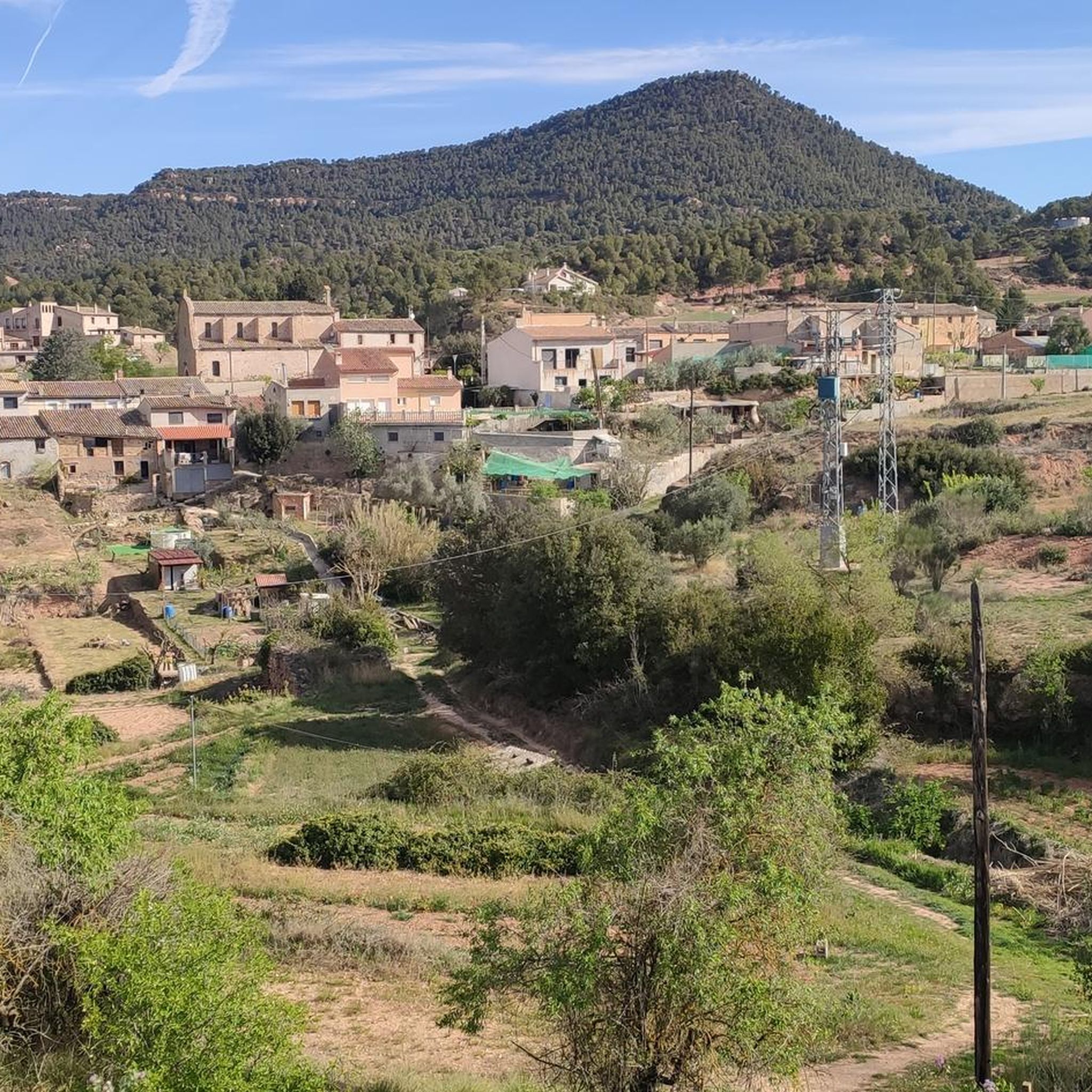
The Capellades prehistoric park is a cultural facility located in the Cinglera del Capelló, the cliff on which the town of Capellades sits, in the Catalan region of l'Anoia. This area, in addition to its geological and landscape value, has great archaeological value, due to the presence of around twenty sites from various periods. The cliff itself is one of the park's attractions. Its origin is in the action of carbonated waters that, by fossilizing plant colonies, form fall travertines, a type of fossil waterfall that is locally called "capellons". Its growth formed cornices, grottoes and caves that were used as shelter by groups of prehistoric settlers. One of these caves constitutes the best preserved Paleolithic archaeological site in the complex, known as "l'Abric Romaní", used as a refuge by groups of Neanderthals and which has been excavated since 1983.
0
0

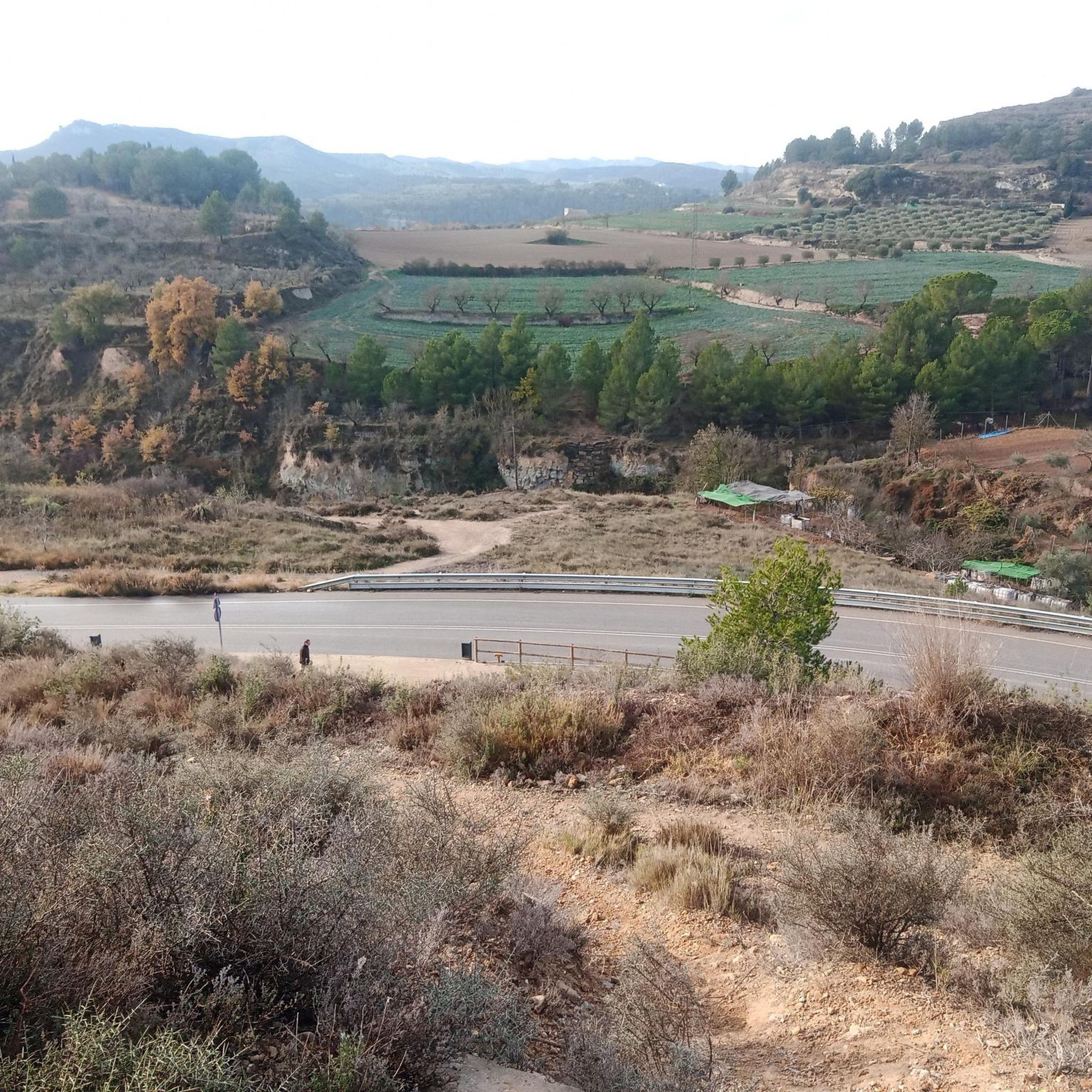
The Devil's Cave is a rock formation in the municipality of Sant Martí de Tous. From above you can see the hole made by the river and you can also go inside, entering the cave following the stream of water.
0
0

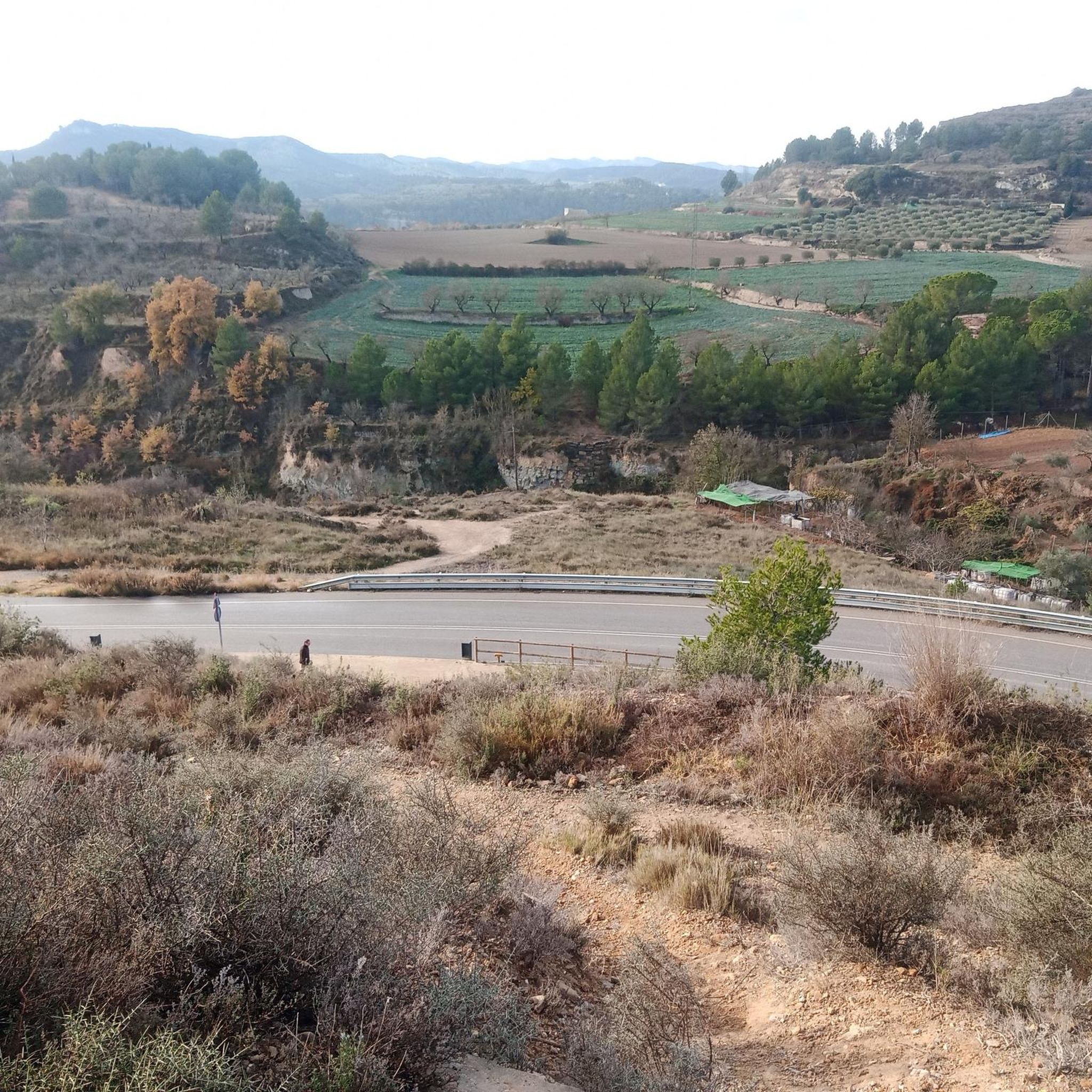
Cavity 23 meters long by 5 meters wide. It is formed under some rocks off the cliff, hence the toponym of the landslide. Inside there is a small perennial water cistern, built in 1947, and next to it there is a chest with a fountain, which although years ago we had seen in good condition, is currently unusable. All of this favored the climbers' stay. Known since time immemorial. Mentioned in all the collections of cavities and guides of Montserrat, but of little speleological interest.
1
0

Small fountain hidden inside a bauma.
0
0
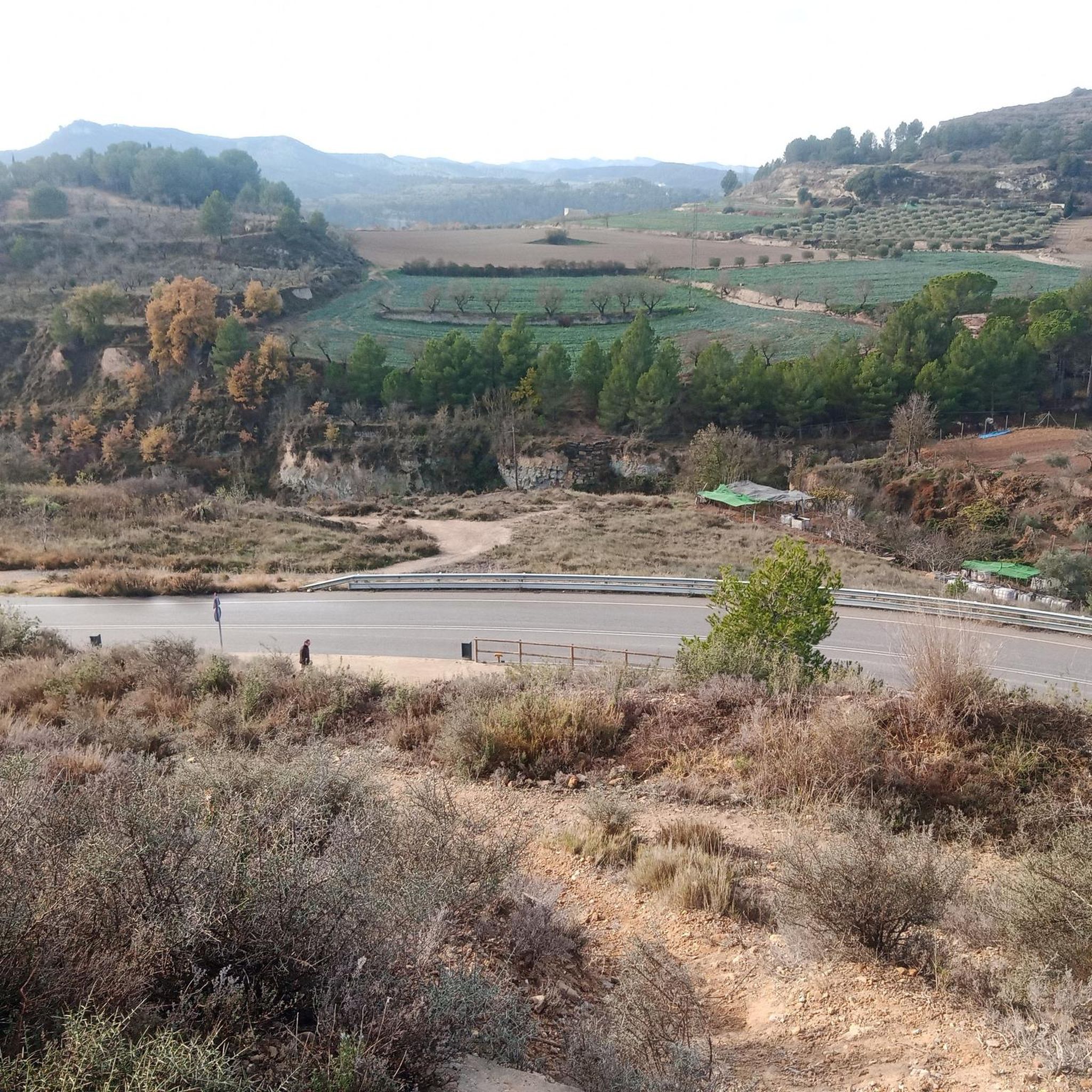
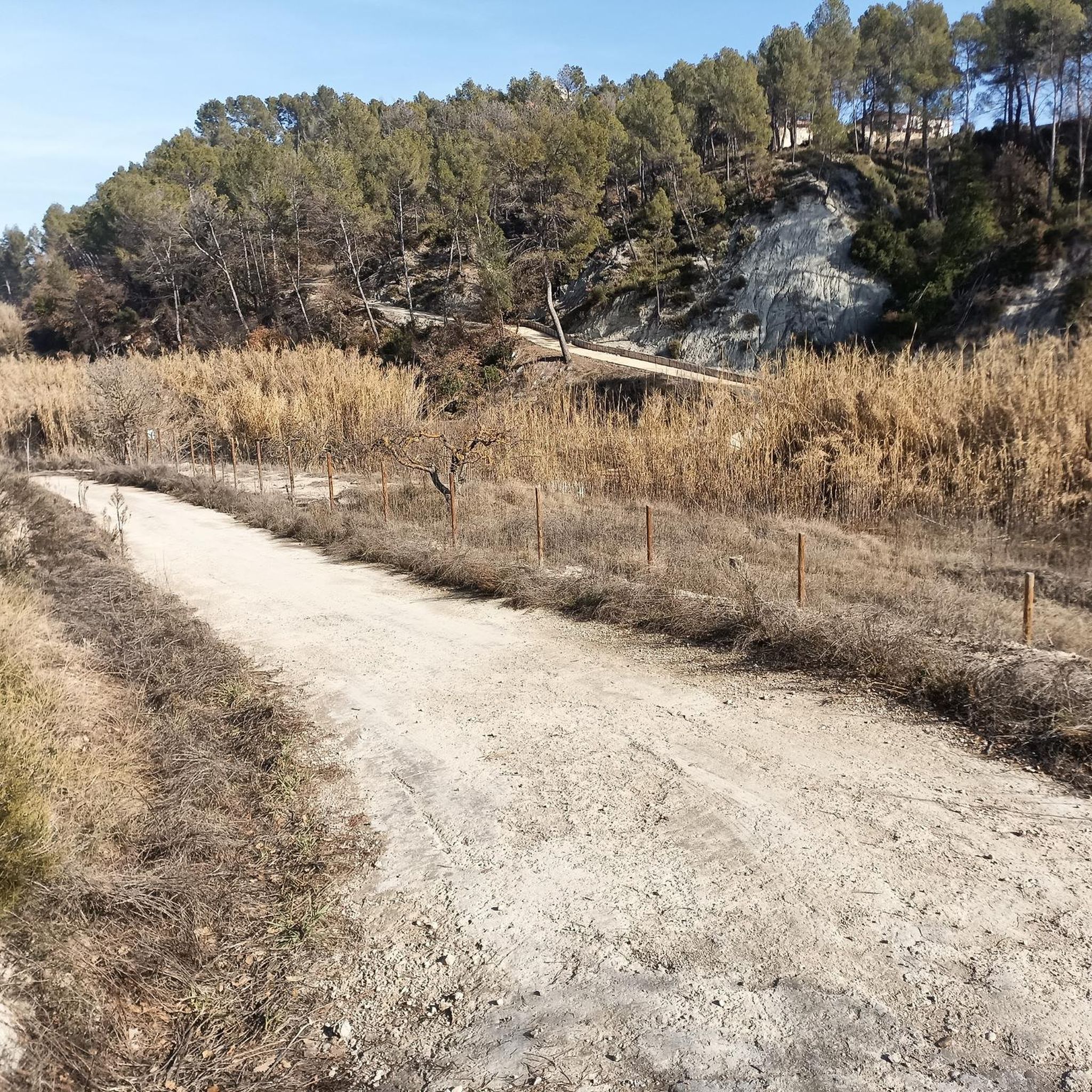
On the northern slope of the Serrat del Cabrit, there is a deep torrent hidden in the shade of holm oaks: the Coma Alta. This torrent, usually dry, descends in a SW direction until it reaches a vertical jump of 50 meters. At the foot of this jump, we find the Cova de l'Arcada. Unlike the Salnitre, the Arcada is not underground and has a small entrance. It's just the opposite: open and shallow, but of colossal size. Its monumental arch is approximately 30 meters high by 60 meters wide and 10 meters deep. Canyoning enthusiasts can access it from above, through the Torrent de la Coma Alta, abseiling to the entrance of the cave.
0
0

Frequently Asked Questions
What types of geological formations can I expect to see around Òdena?
The region around Òdena is known for its diverse geological features, including natural caves, rock shelters, and historical sites with cave formations. You can find deep cavities, monumental arches, and prehistoric shelters formed by rocky formations and varied terrain.
Are there any caves suitable for families near Òdena?
Yes, the Prehistoric Park of Capellades is a family-friendly option. It's a cultural facility located in the Cinglera del Capelló, offering insights into geological and archaeological value, including caves used as shelter by prehistoric settlers.
Which cave features a monumental arch?
The Cova de l'Arcada is a natural monument known for its colossal arch, approximately 30 meters high by 60 meters wide and 10 meters deep. It's an open and shallow formation located at the foot of a 50-meter vertical jump.
Are there any caves around Òdena that were historically used by climbers?
Yes, Font de l'Esllavissada is a cavity 23 meters long by 5 meters wide, formed under cliff rocks. It contains a small perennial water cistern and was historically used by climbers. Similarly, Cova del Cabrit is a spacious balma well-known to climbers, often containing utensils for cooking.
What kind of historical sites are associated with caves in the area?
The Prehistoric Park of Capellades is a significant historical site. It features around twenty archaeological sites from various periods, including 'l'Abric Romaní', a well-preserved Paleolithic archaeological site used as a refuge by Neanderthals.
Can I explore caves that have water features?
The Devil's Cave in Sant Martí de Tous is a rock formation where you can see the hole made by the river and even go inside, following the stream of water. Additionally, Font de l'Esllavissada contains a small perennial water cistern.
What outdoor activities can I do near the caves around Òdena?
Beyond exploring caves, you can find various outdoor activities. There are numerous hiking trails around Òdena, including easy and moderate routes. For cyclists, there are gravel biking routes, and for runners, several running trails are available.
Are there challenging cave explorations available?
The Cova de l'Arcada is categorized as challenging, especially for canyoning enthusiasts who can access it from above through the Torrent de la Coma Alta, abseiling to its entrance.
What do visitors say about the caves around Òdena?
Visitors appreciate the unique geological formations and the opportunities for exploration. The komoot community has shared over 10 photos and given more than 15 upvotes across various highlights, indicating a positive experience with the natural beauty and historical significance of these sites.
Are there any caves that offer shelter?
Yes, the Cova del Cabrit is a spacious balma that is well-prepared for shelter. It's a known spot for climbers and often contains utensils for cooking, suggesting its use as a temporary refuge.
What is the 'Cinglera del Capelló' mentioned in relation to the Prehistoric Park of Capellades?
The Cinglera del Capelló is the cliff on which the town of Capellades sits. It's a key attraction of the Prehistoric Park of Capellades, known for its geological value. Its origin lies in the action of carbonated waters forming 'fall travertines' or 'capellons', which created cornices, grottoes, and caves used by prehistoric settlers.
Most popular attractions around Òdena

Get inspired with the komoot mobile app


Explore more
Extend your search for the best caves by checking out these guides of the top ones around Òdena:
