Top 5 Castles around Pastrana
Best castles around Pastrana offer a glimpse into the region's rich history and diverse architectural heritage. Situated near the Tagus River, the area features a landscape shaped by centuries of human activity. Visitors can explore a variety of historical sites, including ancient fortifications and archaeological parks. The region provides 5 castles to discover, each with unique historical significance.
Best castles around Pastrana
- The most popular castles is Recópolis Archaeological Site, a historical site that contains the ruins of an…
Last updated: July 17, 2026
Recópolis Archaeological Site
Highlight • Historical Site
Translated by Google •
Tip by

Zorita de los Canes Castle
Highlight • Castle
Translated by Google •
Tip by
Sign up now to discover places like this
Get recommendations on the best single tracks, peaks, & plenty of other exciting outdoor places.
Sign up for free
Pastrana
Highlight • Settlement
Translated by Google •
Tip by

Almoguera Castle
Highlight • Castle
Translated by Google •
Tip by
Castillo de Anguix
Highlight • Castle
Translated by Google •
Tip by
Start today with a free account
Your next adventure awaits.
Login or Signup
Tips from the Community

The castle of Zorita de los Canes stands on a hill on one of the banks of the Tagus River. It is a fortification of Arab origin built in the 9th century.
4
1
The castle of Almoguera dates from the 15th century, although it was built on the ruins of an old Arab fortification. Little remains of this medieval construction, as the current castle is a reconstruction from the end of the 20th century.
1
0
Recópolis is an archaeological site located near Zorita de los Canes. Here are the ruins of an ancient Visigothic city.
3
2
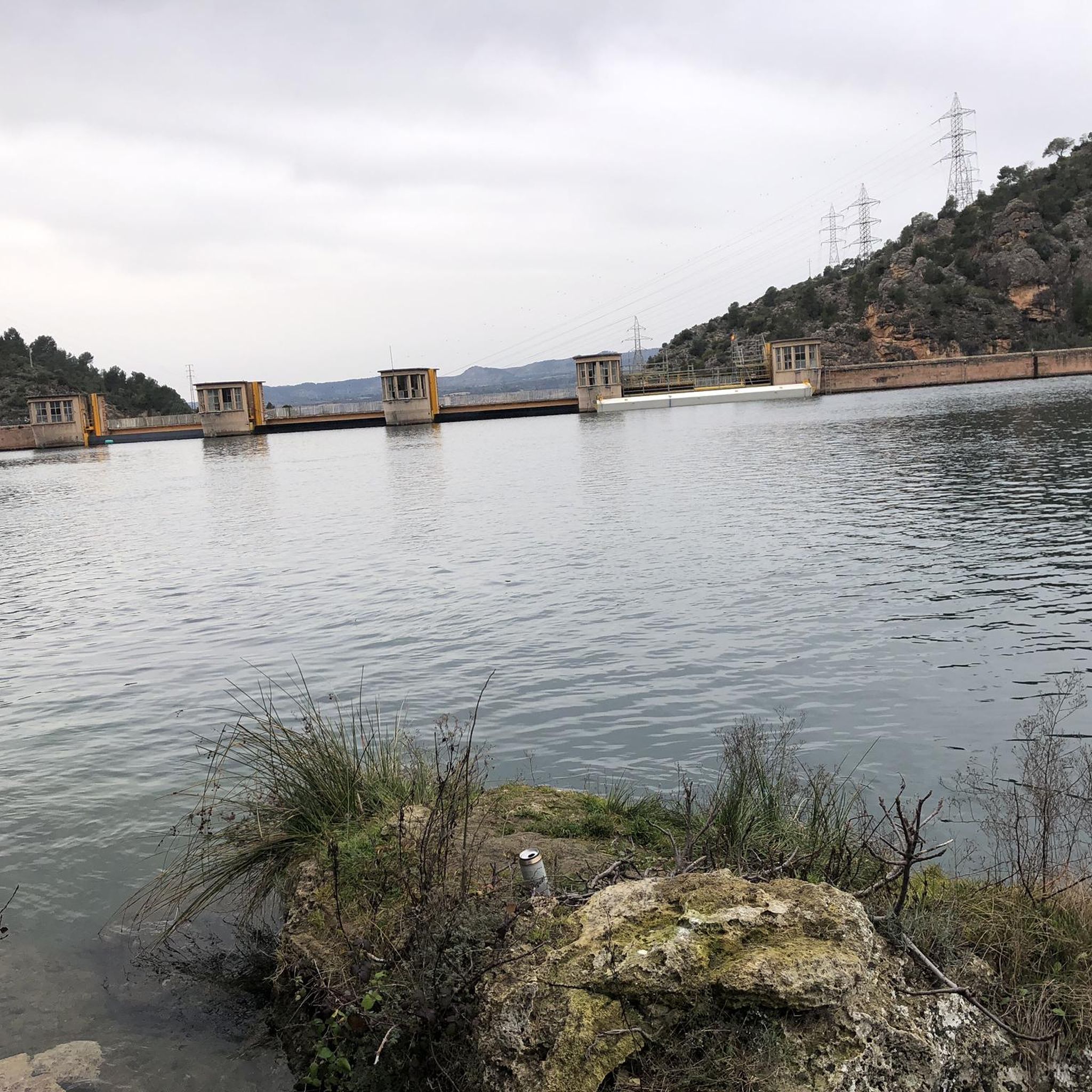
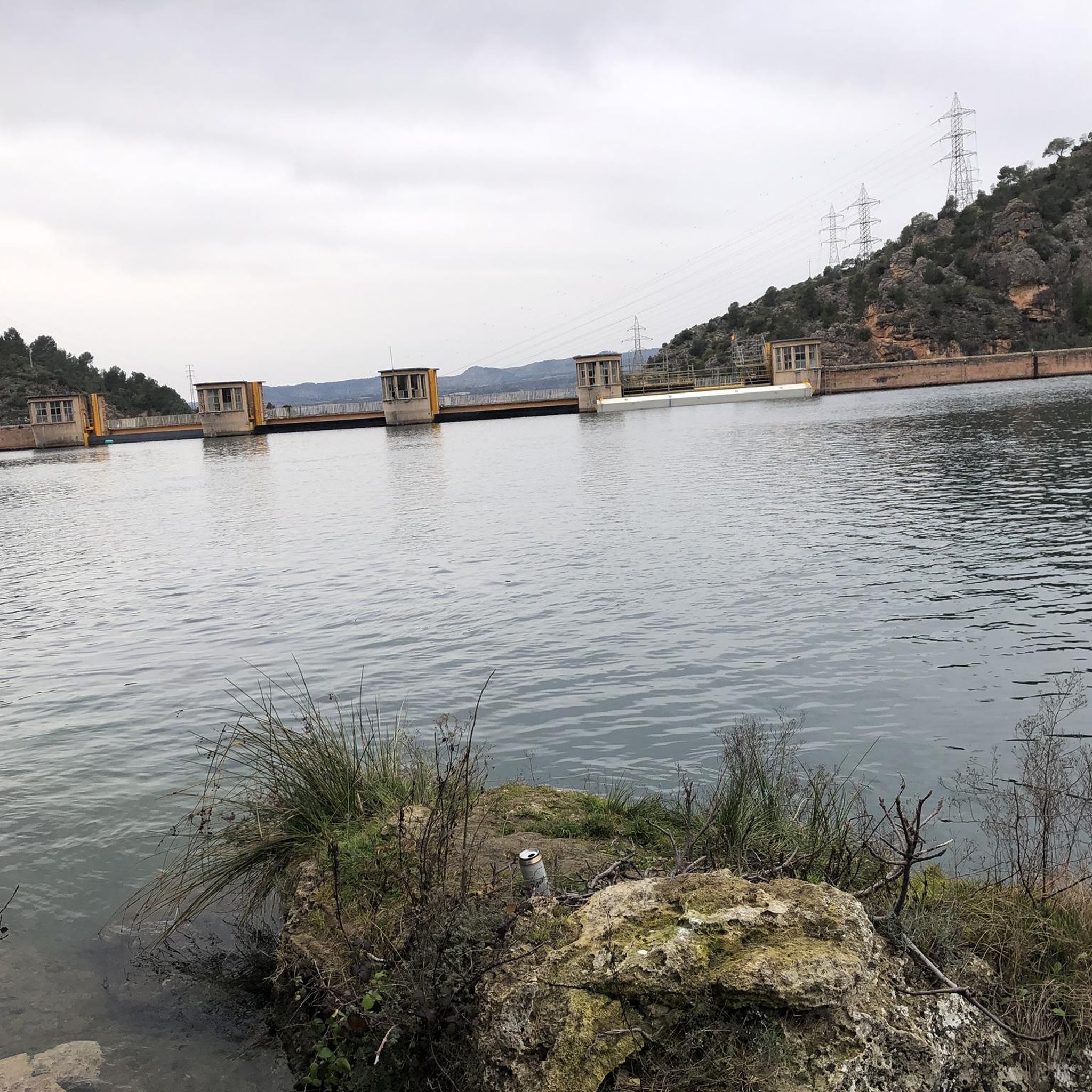
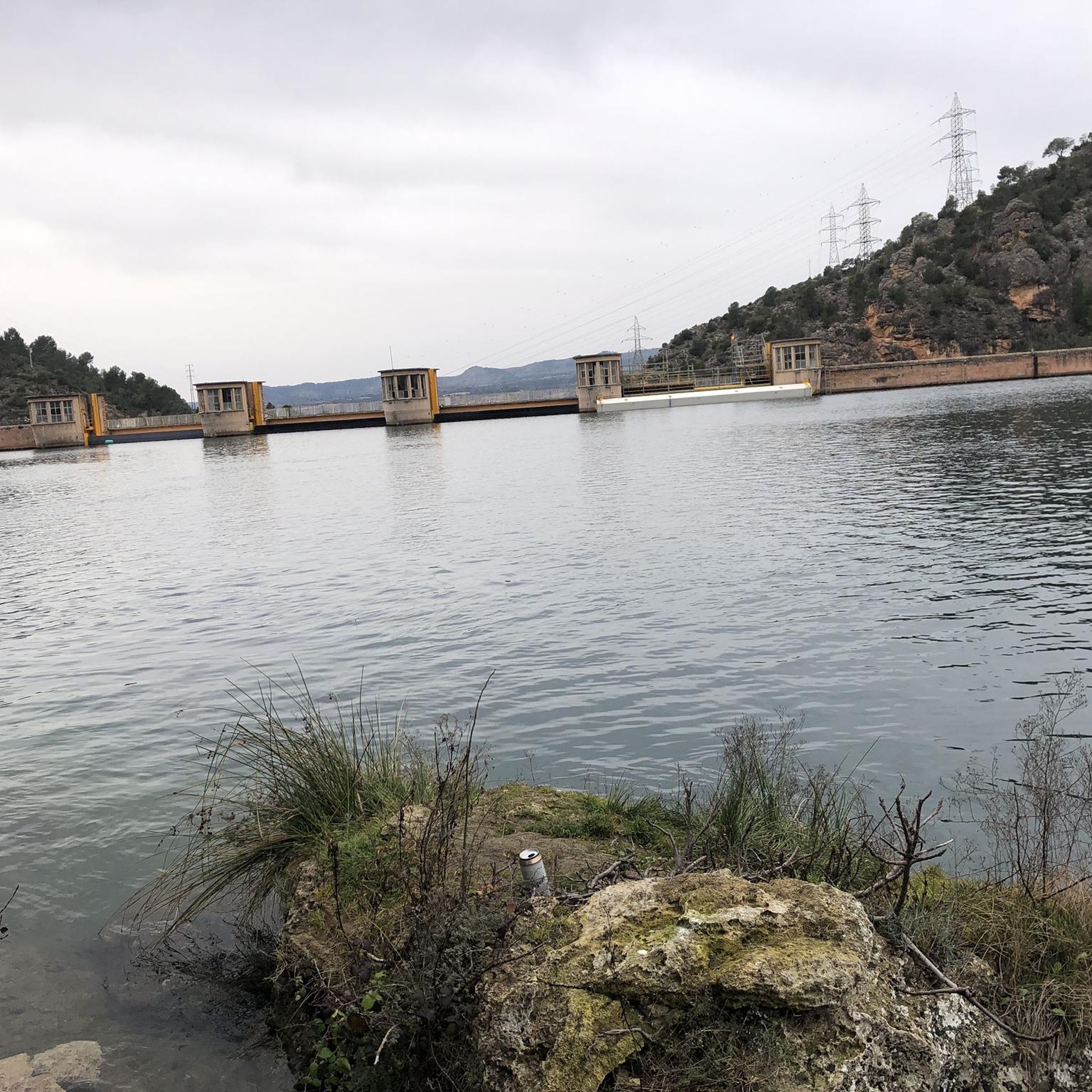
The picturesque medieval castle of Anguix dates from the 12th century and is located on top of a rock, overlooking the Bolarque reservoir.
1
0

In the plain of the Arles river, between the Tagus and the Tajuña, the Villa Ducal de Pastrana welcomes us. Its multiple samples of artistic and cultural heritage have given it the title of Artistic Historical Site. Pastrana is enriched with figures and literary stories; Thus, its Carmelite convents were founded by Saint Teresa and Saint John of the Cross. Moratín later settled in the town for long periods of time and, closer to our days, Camilo José Cela immortalized it by portraying it in his Viaje a la Alcarria. The Plaza de la Hora is governed by the imposing Ducal Palace, in Renaissance style and with an abundance of Mannerist elements. Some wonderful coffered ceilings also designed by Alonso de Covarrubias, in Plateresque style, have been preserved. Likewise, the skirting boards of Toledo tiles in the Mudejar style stand out. It offers its visitors the opportunity to visit various museums and emblematic monuments of the town. DUCAL PALACE TAPESTRY MUSEUM SANTA TERESA V CENTENARY MUSEUM
18
0
A typical Gothic castle whose current shape was arranged by the masters of the Order of Calatrava, inside which we will find interesting remains from the different periods in which it was occupied. The Iron Gate, the result of the reforms of Caliph Al-Nasir in the 10th century; the Priory Church of San Benito inside the enclosure; the crypt with a Visigothic Corinthian capital, reused as a baptismal font; the Sala del Moro, covered by a hemispherical ashlar vault; the Torre del Espolón, adaptation to the use of artillery, from the s. XVI; the cistern; the Omega room, with two rooms excavated in the rock, a ribbed plaster vault and a bench running along the walls; the watchtower And all this, in the surroundings of the Visigothic city of Recópolis.
6
2

Fortification located in the Spanish municipality of Zorita de los Canes (Guadalajara). It is located on the hill under which the town is located, on the left bank of the Tagus River. Strategically located, the fortress began to be built at the end of the 9th century by order of the Cordovan emir Mohamed I. It was ceded by Alfonso VIII of Castile to the Order of Calatrava in 1174.2 It was declared a Historic-Artistic Monument on June 3, 1931.
4
2

Rock castle of Arab origin located in a strategic position next to the Tagus River in an area where Roman and Visigothic remains have been found. It's nice to walk through the surrounding alleys!
0
0
Frequently Asked Questions
What historical periods do the castles around Pastrana represent?
The castles and historical sites in the Pastrana region showcase a rich tapestry of history, from ancient Visigothic settlements to medieval Arab fortifications and 15th-century reconstructions. You can explore sites like the Recópolis Archaeological Site, which contains ruins of a Visigothic city, or the Zorita de los Canes Castle, originally of Arab origin.
Are there any castles with unique architectural features near Pastrana?
Yes, the region offers diverse architecture. The Zorita de los Canes Castle features Gothic architecture with remains from different periods, including an Iron Gate from Caliph Al-Nasir's reforms. The Ducal Palace of Pastrana, a prominent Renaissance palace, incorporates Gothic and Mudejar elements in its facade and interior.
What is the most historically significant castle in Pastrana itself?
The most historically significant castle in Pastrana is the Ducal Palace of Pastrana (Palacio Ducal de Pastrana). This 16th-century Renaissance palace is famous for being the place where Princess of Eboli, Ana de Mendoza y de la Cerda, was imprisoned by order of Philip II.
Can I visit the Ducal Palace of Pastrana?
Yes, the Ducal Palace of Pastrana functions as a museum today. It offers insights into the lives of Spanish nobility during the Renaissance through its exhibited objects and documents. Guided tours are available to explain its architectural features and historical importance.
Are there castles near Pastrana that offer scenic views?
Absolutely. The Zorita de los Canes Castle stands on a hill overlooking the Tagus River valley, providing wonderful views. Similarly, the Castillo de Anguix is perched on a rock, offering picturesque views over the Bolarque reservoir.
What outdoor activities can I combine with visiting castles in the Pastrana area?
The Pastrana area is excellent for outdoor activities. You can find numerous hiking, running, and mountain biking trails. For example, there are routes like the 'Camino de Zorita and Recópolis Loop' which combines historical sites with nature. You can explore more options on the Hiking around Pastrana guide.
Are there hiking trails that lead to or pass by castles?
Yes, several hiking trails in the region allow you to explore castles and historical sites. The 'Camino de Zorita and Recópolis Loop' is a moderate hiking route that takes you past the Recópolis Archaeological Site and near Zorita de los Canes Castle. Find more details in the Hiking around Pastrana guide.
What is the Recópolis Archaeological Site?
The Recópolis Archaeological Site is a significant historical site near Zorita de los Canes, containing the ruins of an ancient Visigothic city. It is one of only two known sites in Europe from the 5th-8th century, offering a unique glimpse into Visigothic Hispania.
Are there any castles built on older fortifications?
Yes, Almoguera Castle, dating from the 15th century, was built on the ruins of an old Arab fortification. This highlights the strategic importance of its location next to the Tagus River throughout different historical periods.
What makes Zorita de los Canes Castle unique?
The Zorita de los Canes Castle is unique for its Arab origins in the 9th century, later adapted by the Order of Calatrava. It features a blend of architectural styles, including a Gothic layout, an Iron Gate from Caliph Al-Nasir's reforms, and a crypt with a Visigothic Corinthian capital. It also offers commanding views of the Tagus River valley.
What is the best season to explore the castles and surrounding areas near Pastrana?
The spring and autumn months generally offer the most pleasant weather for exploring the castles and hiking trails around Pastrana. Temperatures are milder, making outdoor activities more comfortable than the heat of summer or the cooler, potentially wetter days of winter.
Are there any less crowded castles to visit near Pastrana?
While the Ducal Palace of Pastrana and Zorita de los Canes Castle are popular, exploring sites like Almoguera Castle or Castillo de Anguix might offer a quieter experience, especially during off-peak times. These sites still provide significant historical and architectural interest.
Most popular attractions around Pastrana

Get inspired with the komoot mobile app


Explore more
Looking for the best castles somewhere else? Discover other guides around Pastrana:
