Top 4 Castles around Lascuarre
Best castles around Lascuarre are found in a region rich with historical defensive structures, particularly significant during the Reconquista. This area, located in the province of Huesca, Spain, offers insights into medieval military and residential architecture. The landscape features remnants of ancient fortifications that played a crucial role in the formation of the Kingdom of Aragon. Exploring these sites provides a tangible connection to the region's past and its strategic importance.
Best castles around Lascuarre
- The most popular castles is…
Last updated: July 4, 2026
Abandoned Village of Castarlenas
Highlight • Historical Site
Translated by Google •
Tip by

Castillo de Benabarre
Highlight • Castle
Numerous battles were fought in the castle of Benabarre and it was demolished at the beginning of the …
Translated by Google •
Tip by

Sign up now to discover places like this
Get recommendations on the best single tracks, peaks, & plenty of other exciting outdoor places.
Sign up for free
Torre de Viacamp and Hermitage of San Esteban
Highlight • Historical Site
The fortified complex is located on a plateau above the village of Viacamp and consists of the remains of the perimeter wall, a slender cylindrical tower and a hermitage of Romanesque origin, possibly the castle chapel.
Translated by Google •
Tip by

Roda Wall
Highlight (Segment) • Historical Site
Translated by Google •
Tip by

Start today with a free account
Your next adventure awaits.
Login or Signup

Tips from the Community

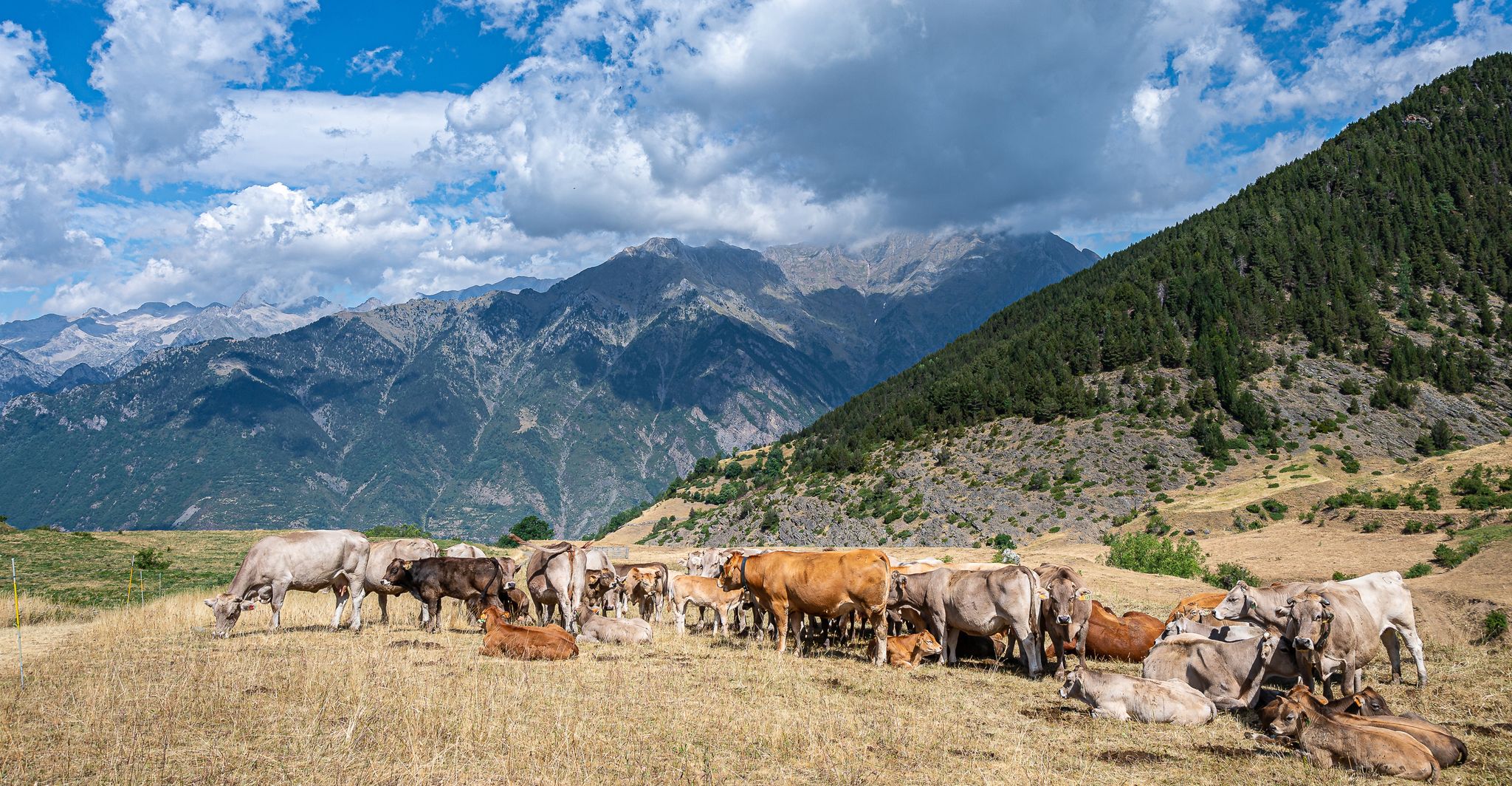
A medieval watchtower. It was part of the network of towers and castles that were built throughout the Ribagorza and Sobrarbe mountain ranges during this period of reconquest (Vicampa, Luzás, Benabarre Castle, La Mora, Monzón Castle, Samitier, Puebla de Fantova, Cajigar...among many others...)
0
0

Beautiful fortification of the old town, it has been restored and the walk around it has very nice views.
0
0


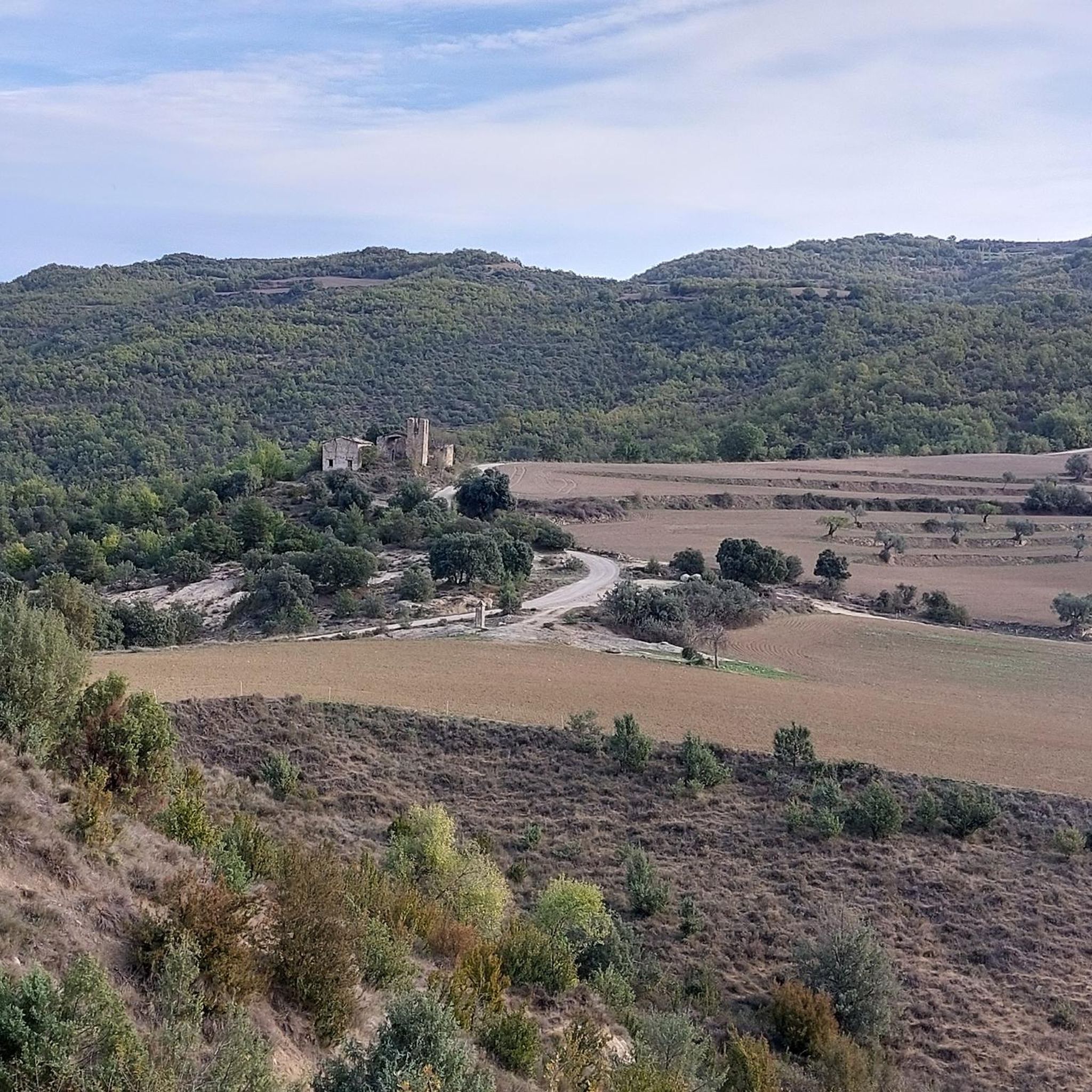
https://www.montsecdelestall.com/ruta/ficha/Torre_De_Viacamp The fortified complex is located on a plateau above the village of Viacamp and consists of the remains of the perimeter wall, a slender cylindrical tower and a hermitage of Romanesque origin, possibly the castle chapel. The tower has a circular plan, a diameter of about 11 meters and a height of 20 meters, with walls almost 3 meters thick. As it is built, it seems to have been built both inside and outside with the help of a double scaffold, which is due to the great thickness of the walls. Like most defensive structures of the period, the ground floor was walled, with a high, round-arched entrance facing south-east. The ground floor was used as a storage room and is not accessible from the outside. After the restoration work carried out in 2005 and 2006, it was found that the tower had five floors, although only four of them remain today. The upper part, which has now disappeared, could have been made up of small defensive openings in the form of battlements or a conical roof. Very close to the tower and within the walls is the church of San Esteban de Viacamp, of Romanesque origin, a classic among the fortresses of the Upper Ragon. Originally dedicated to the Archangel Michael, it was later dedicated to Saint Stephen. Next to the church is the old cemetery, which has not been abandoned. The remains of the external enclosure are in the areas bordering the plateau and are made of ashlar and masonry with some high-quality parts. Remains of walls and foundations or the beginnings of towers have been preserved, although they are not very high. (Wikipedia)
1
0

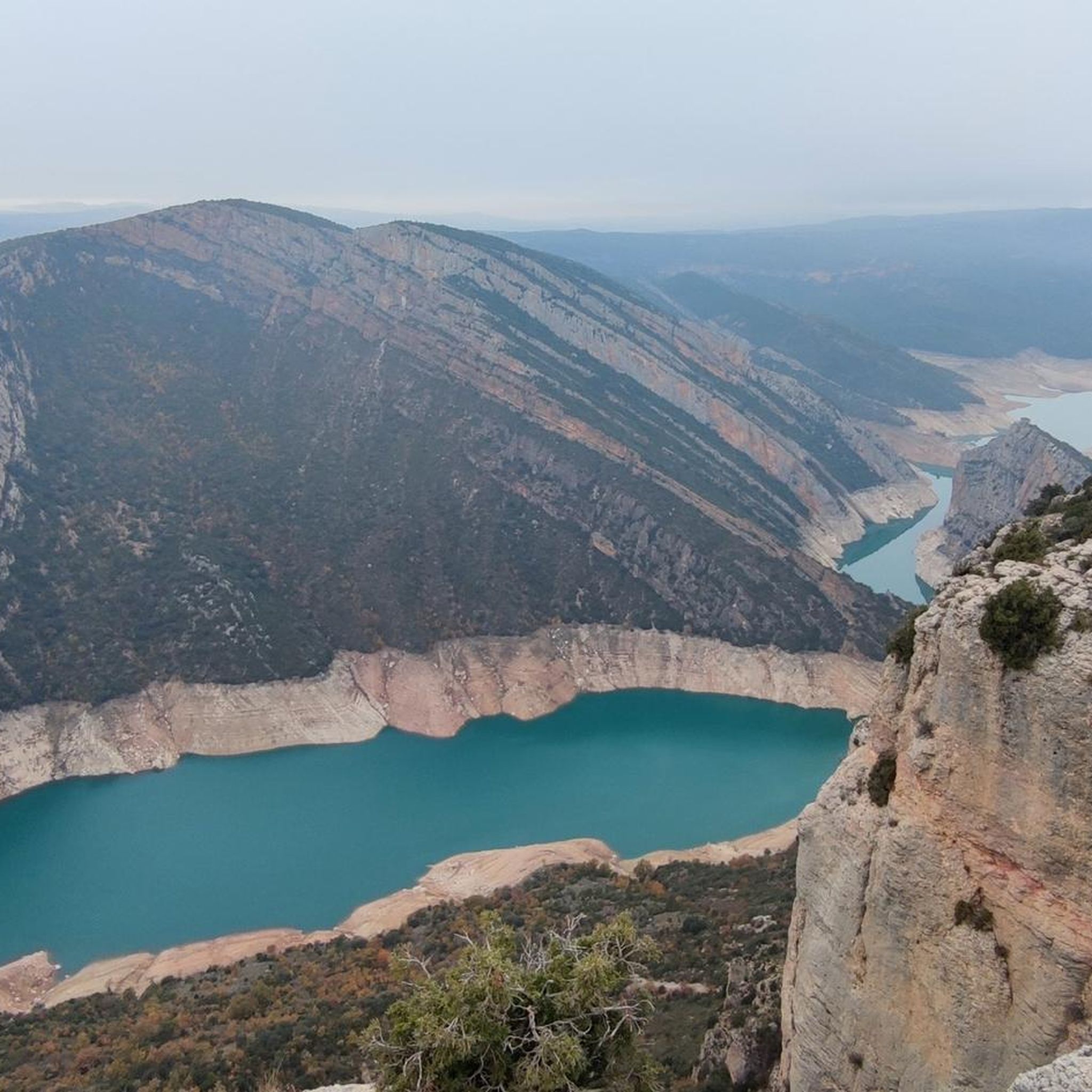
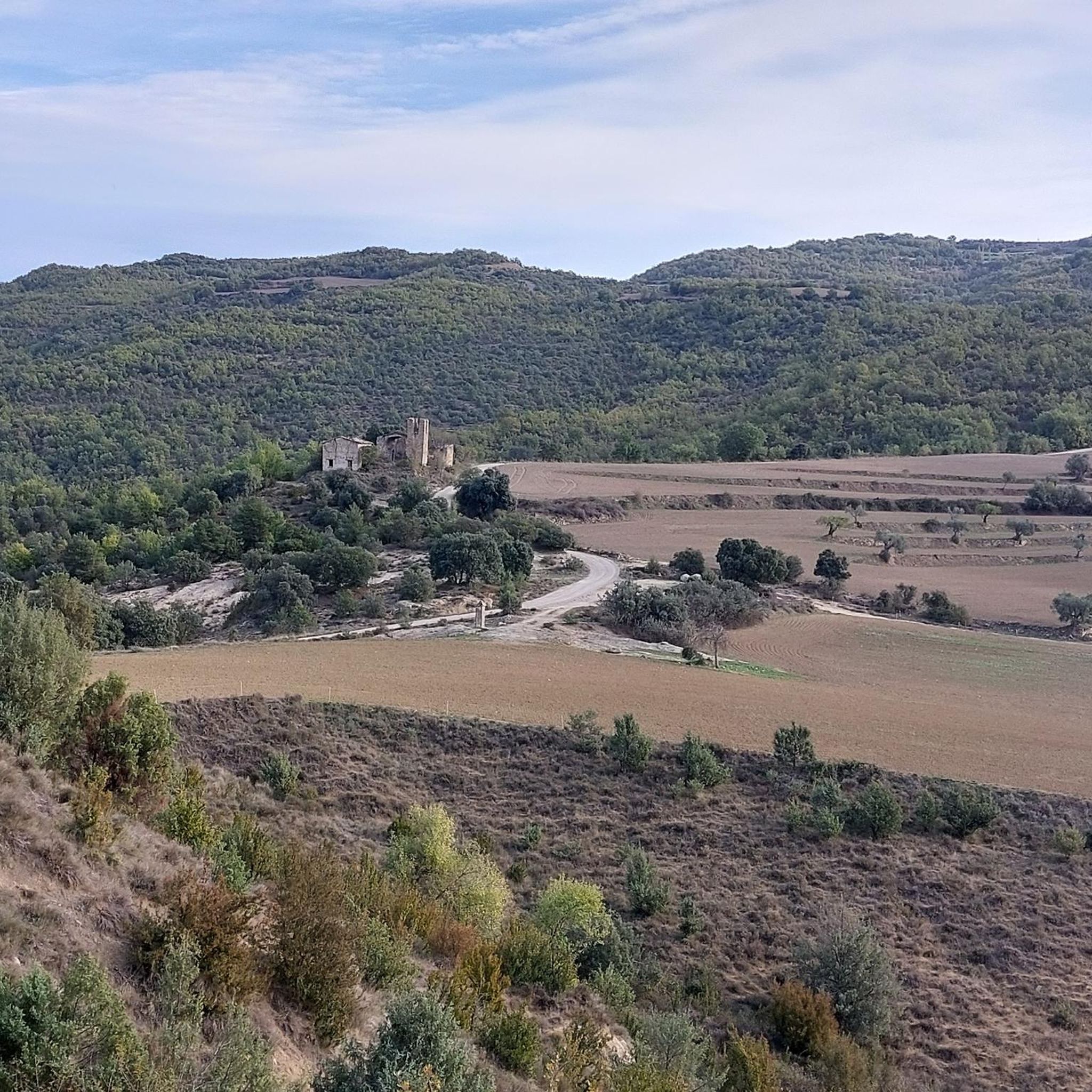
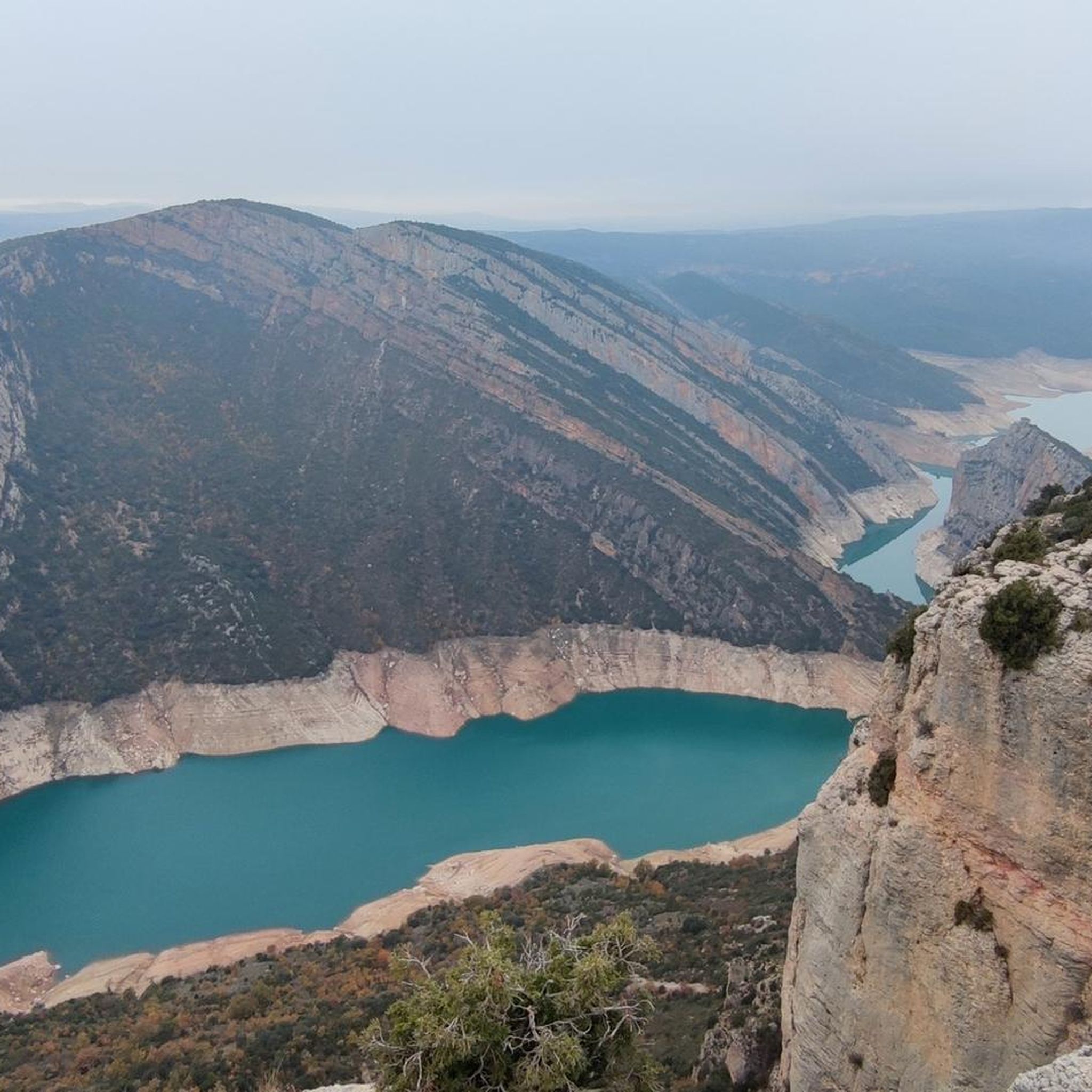
Castarlenas is a town that, unfortunately, was depopulated about fifty years ago. Even so, you can easily reach it by walking from the town of Torres del Obispo, although you will have to be careful if you try to enter its streets, since a large part of its buildings are in ruins, so it is not highly advisable. In addition to an information panel where you can learn much more about this place, you will have excellent views of the Barasona reservoir and the Carrodilla mountain range.
1
0

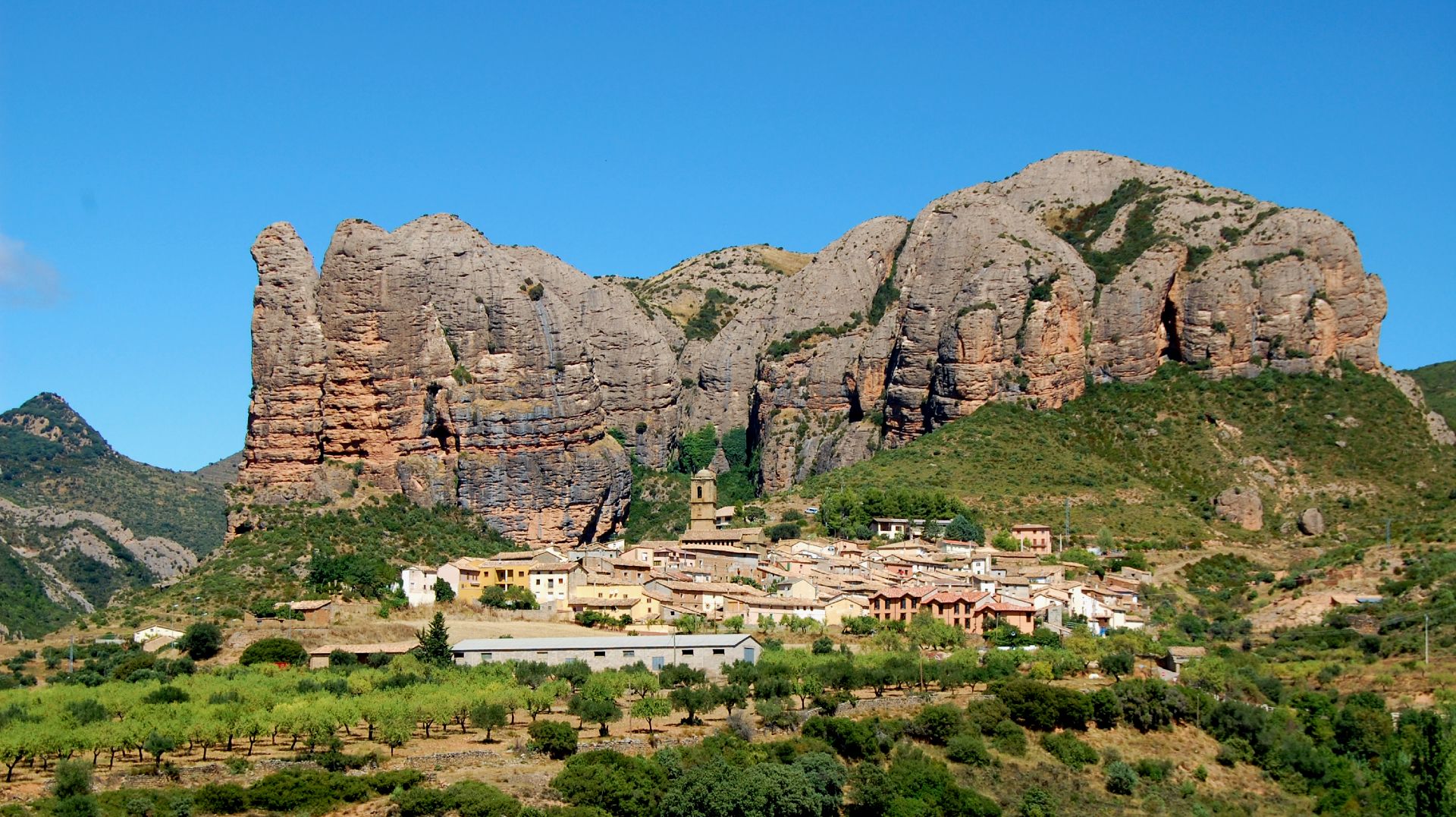
Access point to the Castle and Church (in the image) by stairs. Numerous battles were fought in the castle of Benabarre and it was demolished at the beginning of the 17th century and reused in the 19th century with new executions, remaining active in the Catalan and Carlist wars. Due to these war conflicts, it was rebuilt to transform it into a rifle fort. Today it looks more like a 19th century fort, although it retains older walls from when it was the castle-palace of the counts of Ribagorza. Thus, it is a monumental complex of a single enclosure where all the transformations of the property parallel to the historical ups and downs are integrated. It is located at the top of the town and is visible from several points in the area. It is made up of the Romanesque church and the fortress, dating from the 12th century. It consists of two enclosures, an upper one, older and with a Muslim layout, of which there are walls at the base of the rock on which it sits, as well as the base of a quadrangular tower.
3
0
Access point to the Castle and Church (in the image) by stairs. Numerous battles were fought in the castle of Benabarre and it was demolished at the beginning of the 17th century and reused in the 19th century with new executions, remaining active in the Catalan and Carlist wars. Due to these war conflicts, it was rebuilt to transform it into a rifle fort. Today it looks more like a 19th century fort, although it retains older walls from when it was the castle-palace of the counts of Ribagorza. Thus, it is a monumental complex of a single enclosure where all the transformations of the property parallel to the historical ups and downs are integrated. It is located at the top of the town and is visible from several points in the area. It is made up of the Romanesque church and the fortress, dating from the 12th century. It consists of two enclosures, an upper one, older and with a Muslim layout, of which there are walls at the base of the rock on which it sits, as well as the base of a quadrangular tower.
1
0

Castarlenas, an abandoned village in a beautiful landscape. Forest as far as the eye can see. In the distance you can see the Barasona reservoir, three or four villages, the highest mountains in the Pyrenees, and in between pure nature.
2
0
Frequently Asked Questions
What is the historical significance of castles in the Lascuarre region?
The castles and defensive structures in the Lascuarre region played a crucial role during the Reconquista in the Ribagorza area during the 10th and 11th centuries. They were vital for controlling territory and contributed to the formation of the Kingdom of Aragon, showcasing a rich history of medieval military and residential architecture.
Can you tell me more about the Castillo de Lascuarre?
The Castillo de Lascuarre is a significant medieval castle, primarily consisting of a rectangular tower and remnants of a fortified enclosure. It originated as an Arab construction and underwent many modifications due to conflicts. It served as the head of a defensive network, controlling other castles like Laguarres, Luzás, and Juseu. Restoration efforts have made it more accessible, allowing visitors to visualize its strategic importance and defensive architecture.
What other notable defensive structures are in the Lascuarre area?
Beyond the main Castillo de Lascuarre, historical records mention other defensive structures such as the Torre de los Moros, a primitive watchtower, and the Castillo de Mellera. These, along with the main castle, formed a crucial defensive line during the Muslim presence in the Pre-Pyrenees.
What outdoor activities can I do near the castles around Lascuarre?
The area around Lascuarre's castles offers various outdoor activities. You can find numerous routes for hiking, cycling, and road cycling. Popular routes include the 'Depopulated area of Castarlenas from Capella' for hiking and various challenging cycling loops like 'Puente de Abajo – Plaza Mayor de Graus' from Lascuarre.
Are there hiking trails near these castles?
Yes, there are several hiking trails near the castles. For example, you can explore the 'Depopulated area of Castarlenas from Capella' or the 'Viacamp Tower loop from Viacamp'. These trails offer a chance to combine historical exploration with scenic walks. You can find more details on hiking around Lascuarre.
Are the castles around Lascuarre suitable for families?
Many of the historical sites and castles, especially those with restored areas like the Benabarre castle and the Roda Wall, offer accessible paths and interesting historical contexts that can be engaging for families. Exploring the ruins and imagining medieval life can be a fun educational experience.
When is the best time to visit the castles in the Lascuarre region?
The best time to visit the castles in the Lascuarre region is generally during the spring and autumn months. The weather is milder, making it more comfortable for exploring ruins and enjoying outdoor activities like hiking. Summers can be hot, and winters can be chilly, though visiting in the off-season might offer a more tranquil experience.
Are there good viewpoints near the castles?
Yes, many castles and historical sites in the region are strategically located on elevated positions, offering excellent viewpoints. For instance, the Castillo de Benabarre is visible from various points in the area, and the Benabarre castle rises above the town, providing an unmistakable image. The Roda Wall also offers scenic walks with very nice views.
What do komoot users enjoy most about the castles around Lascuarre?
Komoot users appreciate the historical depth and the scenic beauty of the region's castles. They enjoy the tangible connection to the past, the architectural remnants, and the panoramic views from these ancient sites. The Castillo de Benabarre and the restored Benabarre castle are particularly popular for their historical significance and visual appeal.
Is Loarre Castle located in Lascuarre?
No, while Loarre Castle is a prominent castle in the same province of Huesca and is considered one of the best in Aragon, it is not situated in Lascuarre. It is located near the town of Loarre.
Are there any hidden gem historical sites in the Lascuarre region?
The region is rich with historical sites that offer a glimpse into its past. The Abandoned Village of Castarlenas is a unique historical site, offering a poignant look at a depopulated village amidst a beautiful natural landscape, with views of the Barasona reservoir and the Pyrenees.
How long should I plan to spend visiting the castles?
The time needed depends on which castles you visit. For a single site like the Castillo de Lascuarre or the Castillo de Benabarre, you might spend 1-2 hours exploring. If you plan to visit multiple sites or combine your visit with hiking, you could easily spend a full day or more exploring the historical and natural attractions of the region.
Most popular attractions around Lascuarre

Get inspired with the komoot mobile app


Explore more
Looking for the best castles somewhere else? Discover other guides around Lascuarre:
