Top 5 Caves around Junta De Villalba De Losa
Best caves around Junta De Villalba De Losa are found in a region characterized by its karst landscapes and historical significance within the province of Burgos. The area is known for its subterranean networks, including the Cueva del Puente, which features Roman engravings. This part of northern Burgos offers a blend of natural geological formations and archaeological sites. The broader region also hosts extensive cave systems, providing diverse opportunities for exploration.
Best caves around Junta De Villalba De Losa
- The…
Last updated: October 20, 2026
Rock Caves of Villanueva de Valdegovía
Highlight • Cave
Translated by Google •
Tip by

Ungino Cave
Highlight • Cave
Translated by Google •
Tip by

Sign up now to discover places like this
Get recommendations on the best single tracks, peaks, & plenty of other exciting outdoor places.
San Miguel El Viejo Cave
Highlight • Cave
Translated by Google •
Tip by
Cueva de los Moros
Highlight • Cave
Translated by Google •
Tip by

Hayal de Curtiveranos Cave
Highlight • Cave
Translated by Google •
Tip by
Start today with a free account
Your next adventure awaits.
Popular around Junta De Villalba De Losa
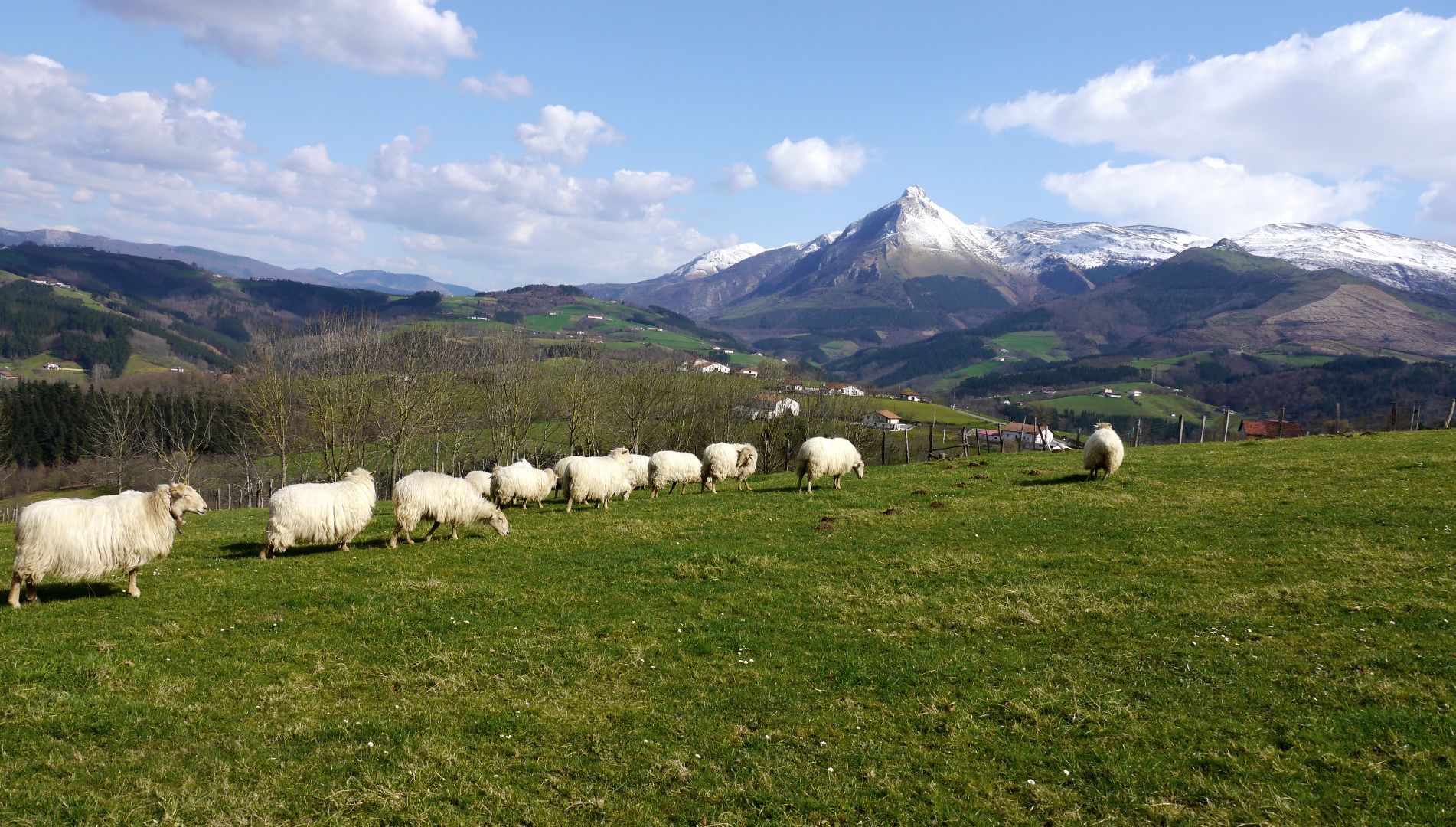
Mountains with tradition in Spain’s Basque Country – Shepherd's Path (GR 282)
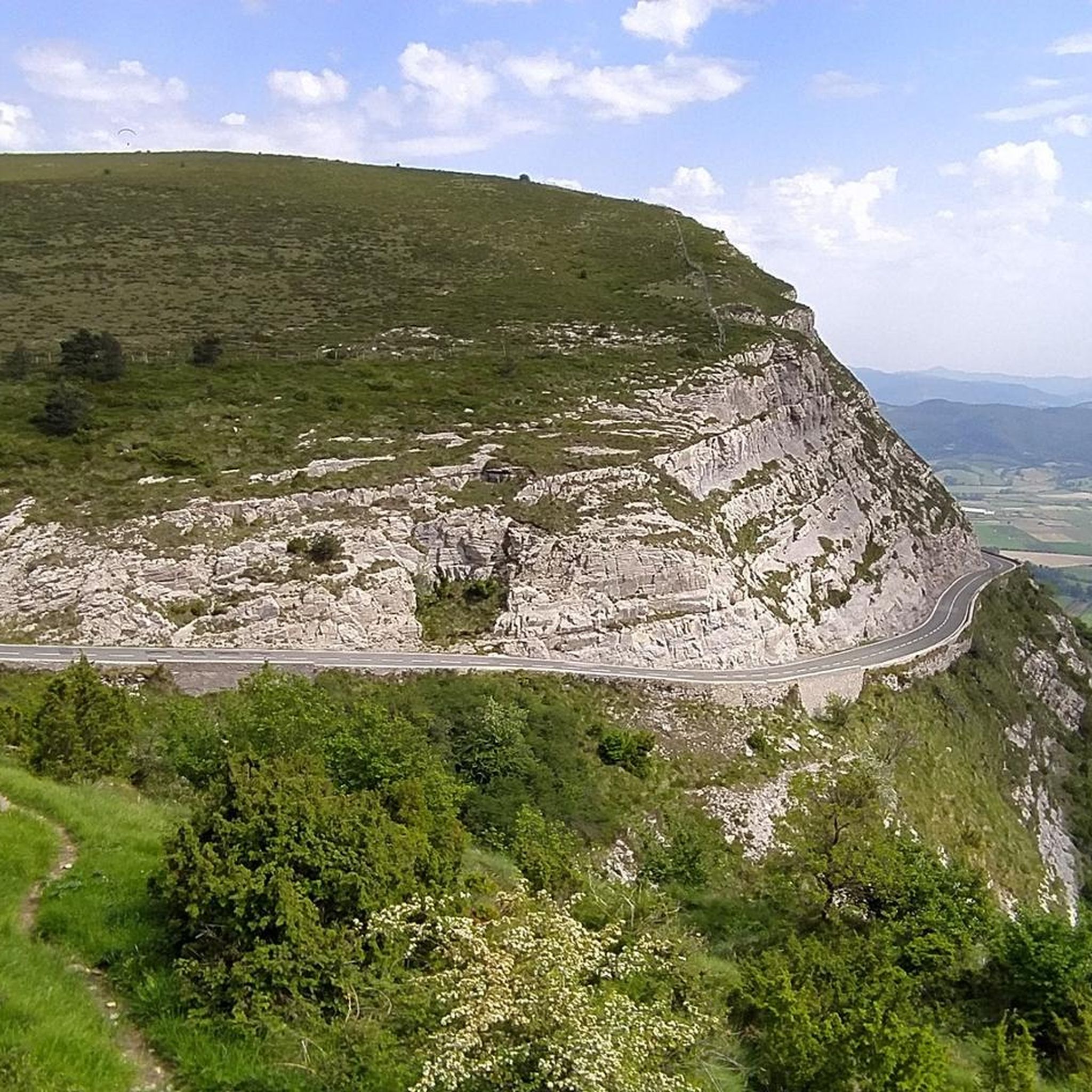
Road Cycling Routes around Junta De Villalba De Losa
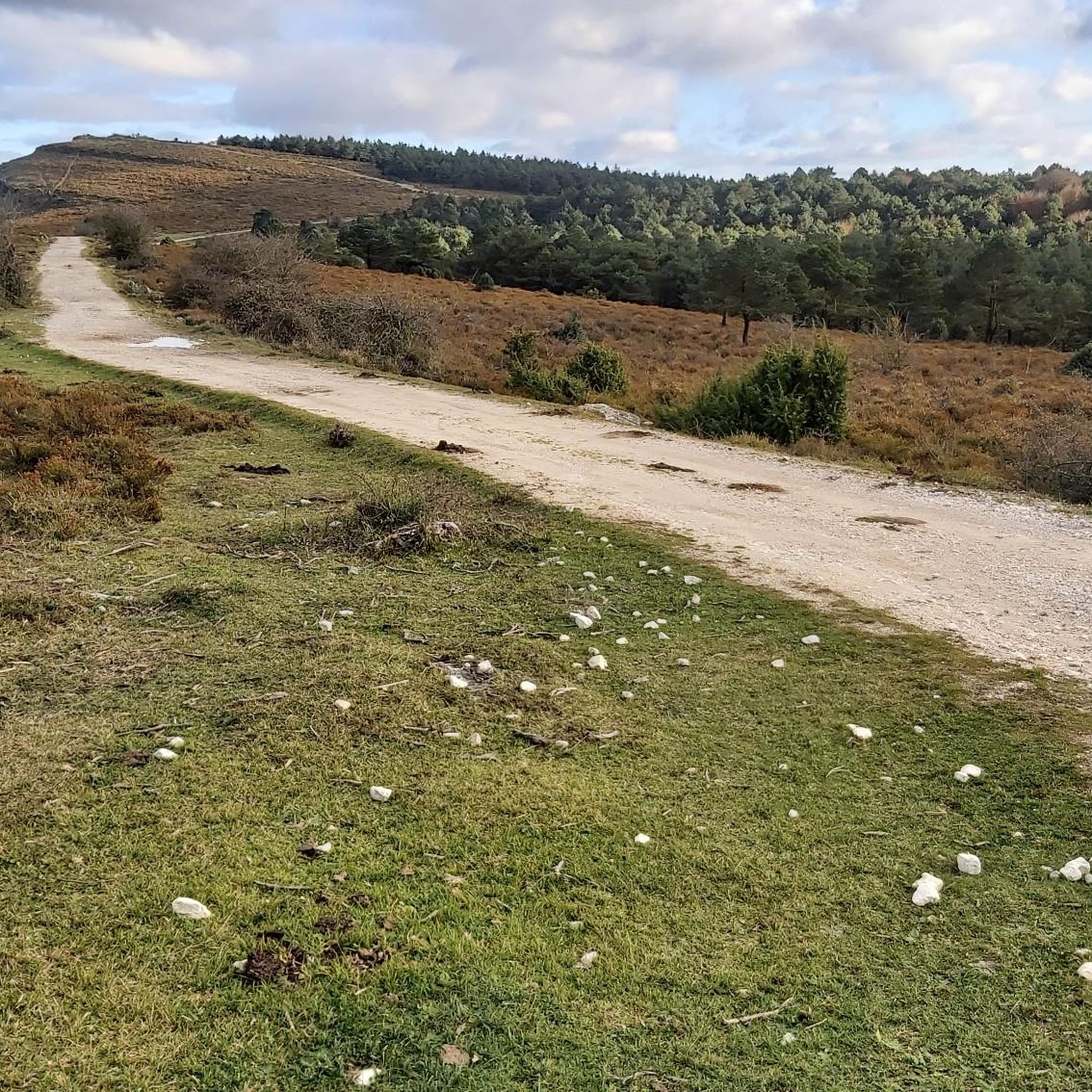
Running Trails around Junta De Villalba De Losa
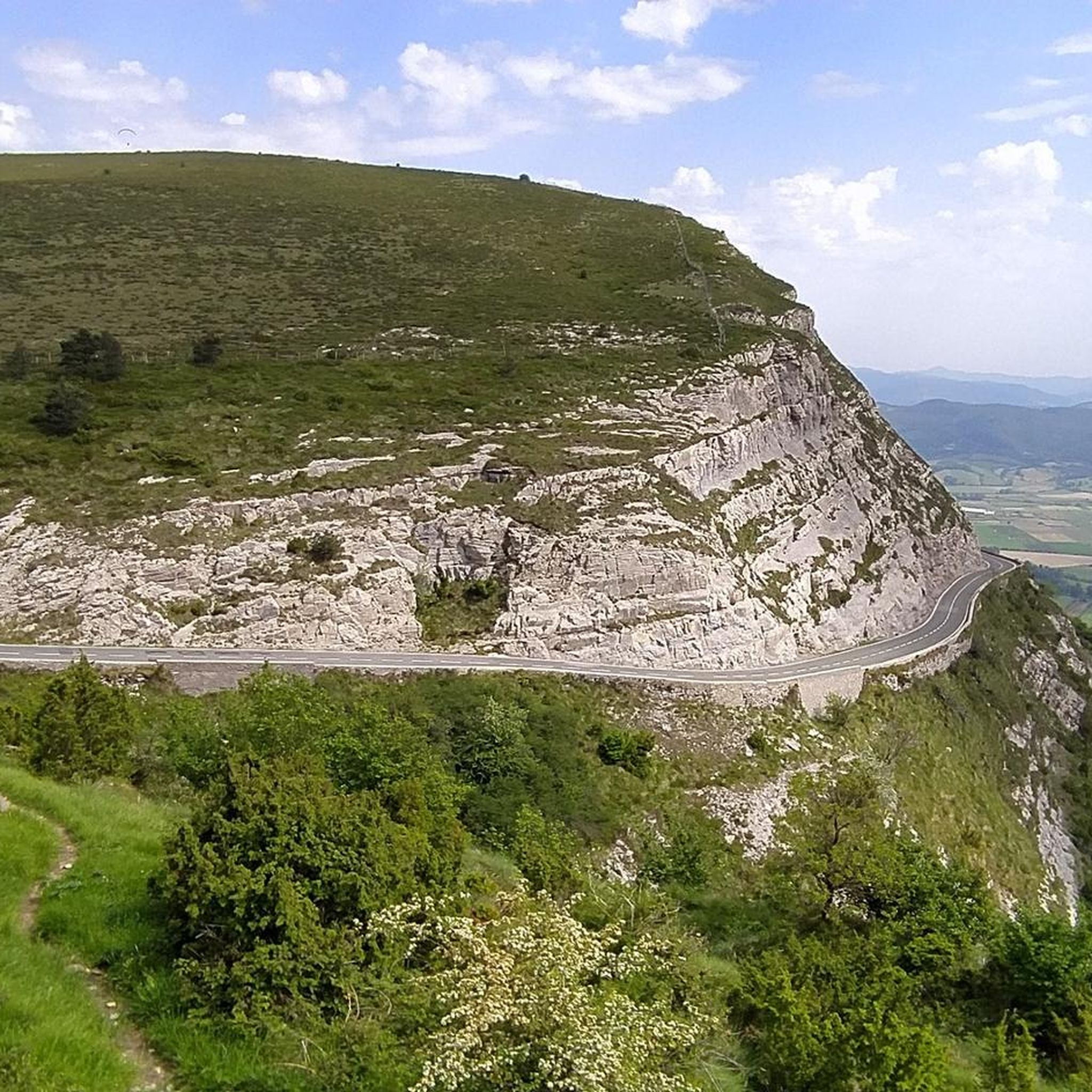
Hiking around Junta De Villalba De Losa
Cycling around Junta De Villalba De Losa
MTB Trails around Junta De Villalba De Losa

Gravel biking around Junta De Villalba De Losa
Other adventures around Junta De Villalba De Losa

Tips from the Community

Respect and take care of the place
0
0

When the river is low with water, it is difficult to cross it to reach the interior.
3
0

Medium difficulty walk through the Angosto area... Valdegobia and etc.
1
0

The original village dates back to prehistoric times, to the Iron Age. There are some references to it during the Roman times and the Muslim times. Now it is a small town with less than 200 inhabitants.
1
0

In the vicinity of the town of Manzanedo, the cave church of Cueva del Hoyo is located. It is excavated in a natural cavity open through an entrance and with a small window and a natural skylight.
0
0
A huge cavity. The interior is easily accessible. And the environment is amazing. Highly recommended
3
0
Splendid hole, through which you can get. And I have heard that you can even go out 400 meters further, but I have not tried it.
1
0
A beautiful cave in the middle of the Sierra, ideal to shelter for a while on hot or rainy days.
0
0
Frequently Asked Questions
What are the most historically significant caves in the region?
The Rock Caves of Villanueva de Valdegovía are notable for their prehistoric origins, with references dating back to the Iron Age, Roman, and Muslim times. Additionally, the Cueva del Puente, though not a komoot highlight, is regionally significant for its Roman engravings from 235 CE, making it one of the deepest sites in the Iberian Peninsula with such ancient markings.
Are there any caves suitable for beginners or those looking for an easier exploration?
The Cueva del Puente, located in Junta de Villalba de Losa, features a 'comfortable corridor' approximately 1 kilometer in length from its main entrance, making it relatively easy to explore for visitors. For a different experience, San Miguel El Viejo Cave offers an easily accessible interior when river levels are low.
What kind of natural features can I expect to see in the caves around Junta de Villalba de Losa?
The region is characterized by its karst landscapes, offering a variety of subterranean formations. The nearby Ojo Guareña Natural Monument, one of the largest cave systems globally, boasts extraordinary geological formations shaped by river erosion, including a 54-meter-high waterfall within Cueva Palomera. Locally, Ungino Cave is described as a beautiful cave nestled in the Sierra.
Are there family-friendly options for cave exploration?
While specific family-friendly ratings for individual caves are not available, the accessible corridor of Cueva del Puente could be suitable for families. For a broader experience, the Cueva Palomera within the Ojo Guareña complex offers a 'cave walk' that might be engaging for families interested in geological features.
What is the Ojo Guareña Natural Monument and how is it related to Junta de Villalba de Losa?
The Ojo Guareña Natural Monument is a globally significant karst complex located in the north of the Burgos province, not far from Junta de Villalba de Losa. It's one of the largest cave systems in Spain, featuring over 100 kilometers of interconnected galleries, and offers immense scale, archaeological riches, and unique geological formations.
Can I find archaeological findings or ancient art in the caves?
Yes, the Cueva del Puente is known for its Roman engravings from 235 CE. The Ojo Guareña Natural Monument also contains significant archaeological findings, including cave paintings, engravings, ceramic remains, and fossilized barefoot footprints dating back thousands of years.
What outdoor activities can I do near these caves?
Beyond caving, the region offers various outdoor activities. You can find numerous routes for hiking, cycling, and running. Popular hiking routes include those around the Nervión River and Salto del Nervión Viewpoint, offering diverse difficulty levels.
Are there any caves with religious or cultural significance?
Yes, the Cueva-Ermita de San Bernabé, located within the Ojo Guareña Natural Monument, houses a hermitage carved into the rock with paintings from 1705. It has served as a place of worship and a meeting point for the local council for centuries. Additionally, Cueva de los Moros features artificial caves and a cave church.
What is the best time to visit the caves in this region?
While specific seasonal recommendations for all caves are not provided, generally, caves maintain a consistent temperature year-round. For caves like San Miguel El Viejo Cave, visiting when river levels are low is crucial for easy access to the interior. Ungino Cave is noted as ideal for shelter on hot or rainy days.
What is the Grupo Espeleológico Edelweiss and their connection to the local caves?
The Grupo Espeleológico Edelweiss is a renowned speleological group founded in 1951. They have extensively explored and documented the karst systems in the Burgos region, including the Cueva del Puente and the broader Ojo Guareña complex, contributing significantly to the understanding of these subterranean networks. You can learn more about their work on Wikipedia.
Are there any caves that offer a unique or challenging exploration experience?
For those seeking a more adventurous experience, Hayal de Curtiveranos Cave is described as a 'splendid hole' where one can enter, with reports of being able to explore up to 400 meters further inside. The vast and interconnected galleries of the Ojo Guareña Natural Monument also present a significant challenge for experienced speleologists.
Most popular routes around Junta De Villalba De Losa
Most popular attractions around Junta De Villalba De Losa

Get inspired with the komoot mobile app


Explore more
Extend your search for the best caves by checking out these guides of the top ones around Junta De Villalba De Losa:
