Top 8 Castles around Tàrbena
Best castles around Tàrbena are situated in a region known for its historical fortifications and strategic viewpoints. The area features ancient Mudejar alcazabas and castle ruins, many offering panoramic vistas of the surrounding valleys and mountains. These sites provide a tangible connection to the region's Moorish past and subsequent historical events. Many of these landmarks near Tàrbena castles are accessible via hiking trails, allowing visitors to explore both history and natural landscapes.
Best castles around Tàrbena
- The most popular castles…
Last updated: August 27, 2026
El Castell de Guadalest and the Guadalest Reservoir
Highlight • Historical Site
Translated by Google •
Tip by

Polop Castle and San Gregorio Hermitage
Highlight • Castle
Translated by Google •
Tip by
Sign up now to discover places like this
Get recommendations on the best single tracks, peaks, & plenty of other exciting outdoor places.
Sign up for free
Castellet d'Orba Castle Ruins
Highlight • Castle
Translated by Google •
Tip by

Entrance to Guadalest's Old Town
Highlight • Historical Site
Translated by Google •
Tip by
Església - Fortalesa Castell de Pop
Highlight • Religious Site
Translated by Google •
Tip by

Sign up for free to discover even more castles around Tàrbena.
Sign up for free
Already have an account?
Start today with a free account
Your next adventure awaits.
Login or Signup
Tips from the Community

With several interesting museums
3
0
The old town is a labyrinth of narrow, colorful alleys.
5
0
Nice narrow alleys with a good location.
6
0
With beautiful little alleys.
8
0

Església - Fortalesa Castell de Pop (Iglesia de San Miguel Arcángel), the parish church and castle of San Miguel Arcángel. The town of Murla developed around this fortified church over time, with the origins of the castle itself dating back to the early centuries of Muslim rule. The strategic location of the castle and parish church of San Miguel Arcángel allowed control of the passage between L'Alcoià and La Marina Alta, as well as protection for the population from frequent pirate attacks. In the 16th century, the castle building in Murla was remodeled to house the parish church, which consists of a nave divided into three sections and cross-ribbed vaults. It still boasts two imposing towers, and its simple exterior contrasts with the religious architecture of the interior, where Gothic ornamentation can be admired. The fortified church gained importance in the 16th century due to the attacks by Barbarossa's pirates. At the foot of the tower is the laundry room, which is still in use today...
2
0

short video about hiking in this area could be found under the following link:https://www.youtube.com/watch?v=X6oq671xdhM
1
0

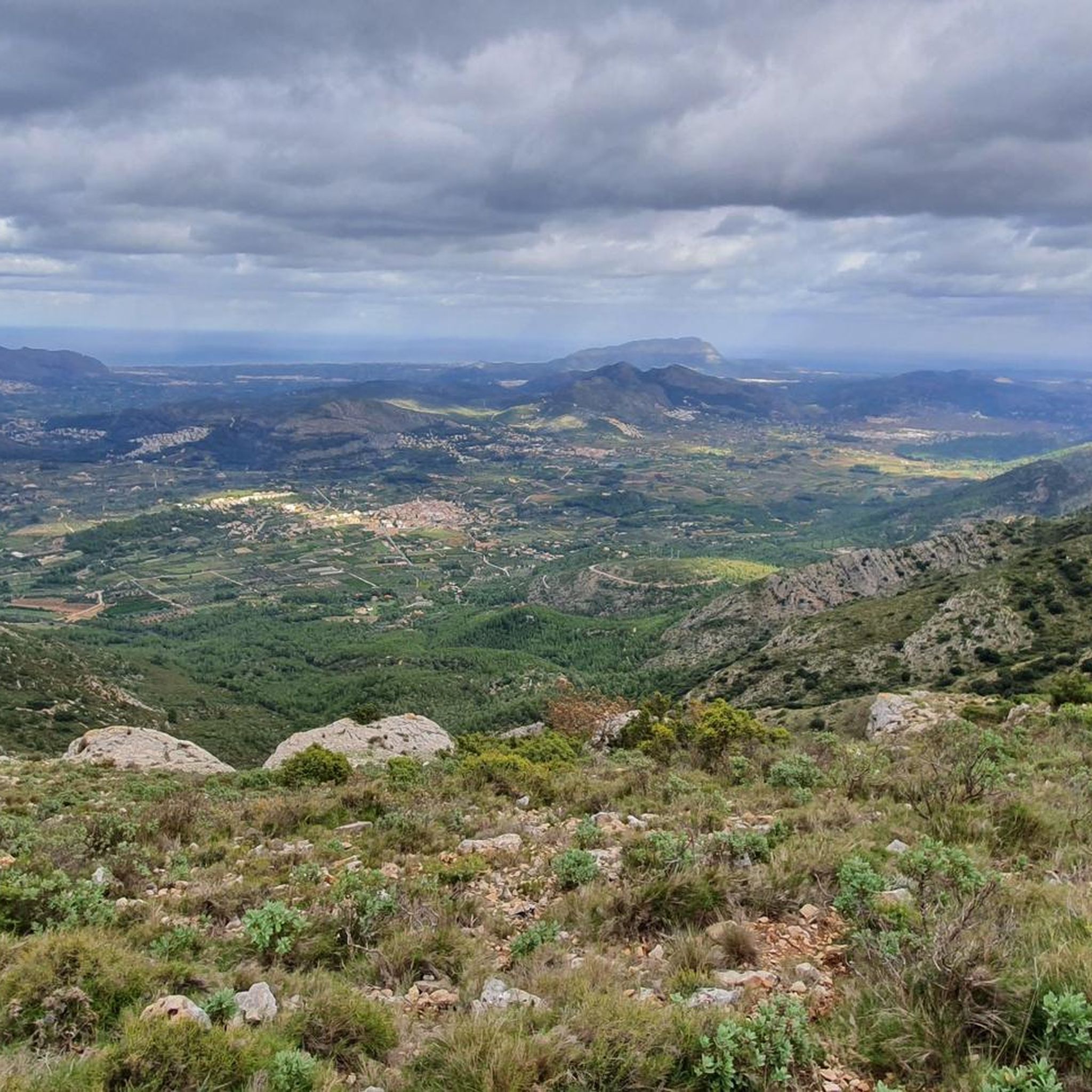
A steep climb, but well worth it! With an old cemetery at the top and beautiful views all around.
0
1

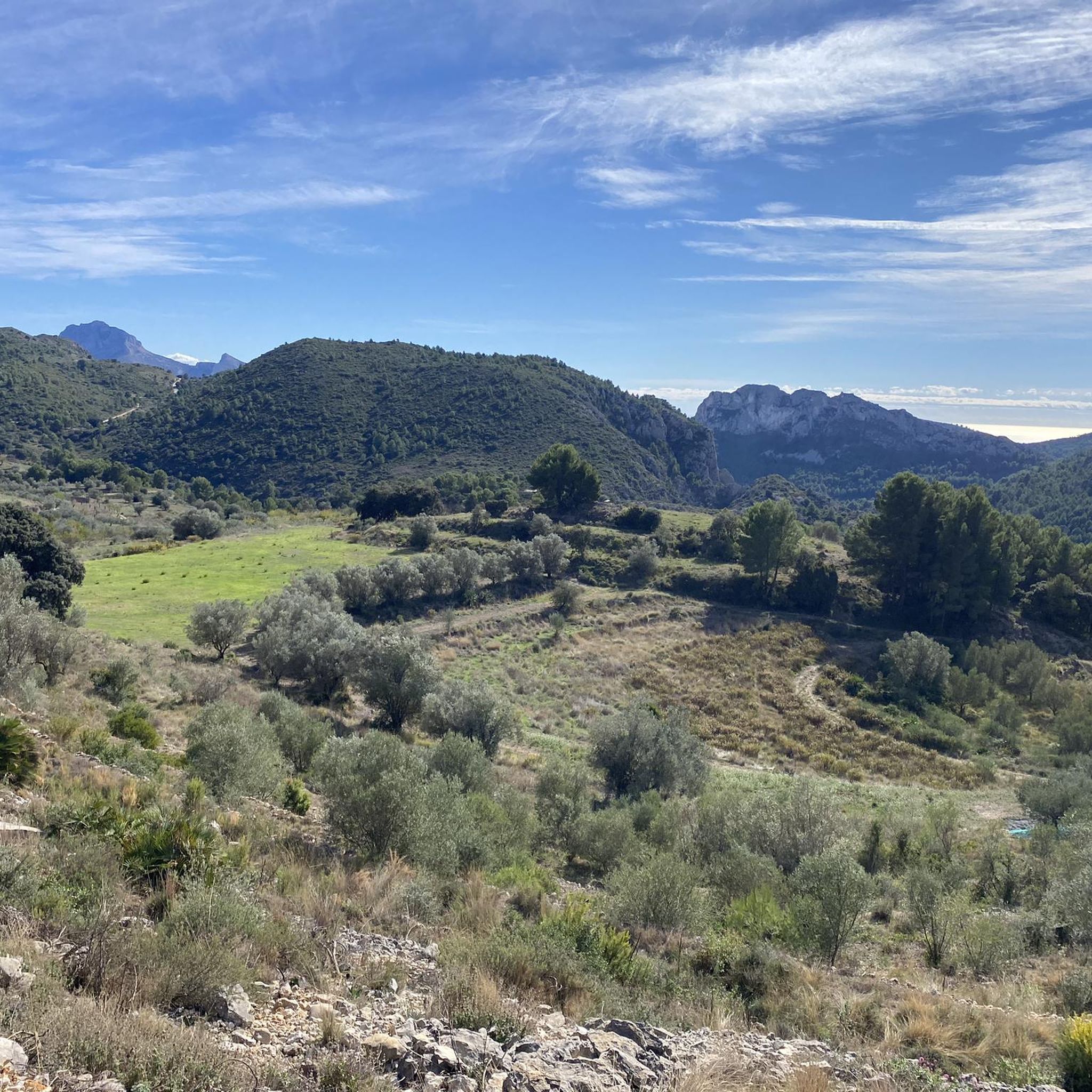
In this area are the ruins of the stone castle of Castellet d'Orba (also known as Murla Castle), which once dominated the region from an elevated position.
1
0
Frequently Asked Questions
What is the historical significance of the castles around Tàrbena?
The castles in the Tàrbena area, such as the Castillo de Tàrbena (Castell dels Moros), are primarily Mudejar alcazabas with origins dating back to the 10th century. They reflect a rich Moorish heritage and served as strategic fortifications, offering commanding views of the surrounding valleys. These sites have witnessed various historical battles and were associated with influential families, providing a tangible connection to the region's past.
What kind of views can I expect from the castles?
Many castles around Tàrbena are perched on elevated positions, offering stunning panoramic views. For example, from the Castillo de Tàrbena, you can see the Tàrbena valley and distant mountains. Similarly, Castellet d'Orba Castle Ruins provides excellent coastal and hinterland views, and Polop Castle also offers a dominant perspective over its town.
Are there hiking opportunities to reach the castles?
Yes, many castles are accessible via hiking trails. The walk to the Castillo de Tàrbena, for instance, is a 3 km uphill journey from the village parking lot, taking about 1.5 hours round trip. The Penya Castellet Summit and Castle Ruins also involves a challenging ascent to an altitude of 1,049 meters.
What outdoor activities can I do near these castles?
Beyond exploring the castles, the Tàrbena region offers various outdoor activities. You can find numerous road cycling routes, running trails, and gravel biking routes. These routes often pass through scenic landscapes and near historical sites, allowing you to combine sports with cultural exploration.
Are the castles around Tàrbena suitable for families?
While many castles are ruins and involve uphill walks, some sites offer features that can be enjoyed by families. For example, the Church-Fortress of Saint Michael the Archangel (Murla) is listed as family-friendly. When planning a visit with children, consider the terrain and difficulty of the approach to specific castle ruins.
Can I visit the castles with my dog?
The region's natural trails and open spaces are generally dog-friendly, especially for walks to castle ruins. However, specific rules may apply within the immediate vicinity of some historical sites or protected areas. It's always advisable to keep dogs on a leash and ensure they are well-behaved, especially around other visitors and wildlife.
When is the best time of year to visit the castles around Tàrbena?
The region enjoys a Mediterranean climate. Spring (April-May) and autumn (September-October) are generally ideal, offering pleasant temperatures for hiking and exploring without the intense heat of summer. Winter can also be suitable, though some trails might be cooler or wetter. Summer can be very hot, making early morning or late afternoon visits preferable.
Are there any wheelchair accessible castles near Tàrbena?
Most castles in the Tàrbena area are ancient ruins located on hills or mountains, accessed by unpaved trails or steep paths. This makes them generally not wheelchair accessible. Visitors with mobility concerns should research specific sites thoroughly before planning a visit.
What other historical sites can I explore in the Tàrbena area?
Beyond the castle ruins, the region offers other historical points of interest. El Castell de Guadalest is a notable historical site declared a Historic-Artistic Site, featuring extraordinary museums. The Church-Fortress of Saint Michael the Archangel (Murla) is another significant monument with historical roots as an old castle during Islamic rule.
What amenities are available in Tàrbena village?
The village of Tàrbena offers basic amenities for visitors. You can find cafes and pubs to refresh yourself after exploring. While specific details on accommodation are not provided, the village serves as a good base for accessing the surrounding castles and hiking trails.
What do visitors enjoy most about the castles around Tàrbena?
Visitors particularly enjoy the combination of historical exploration and breathtaking natural scenery. The panoramic views from elevated castle ruins, the immersive experience of walking through ancient sites, and the opportunity to connect with the region's Moorish past are frequently highlighted. The hiking trails leading to these sites are also a significant draw.
Is there parking available for visiting the castles?
For the Castillo de Tàrbena, parking is available in the village, from where the uphill walk to the ruins begins. For other castle sites, parking availability may vary, often involving parking in nearby villages or designated trailheads. It is recommended to check specific access information for each castle you plan to visit.
Most popular attractions around Tàrbena

Get inspired with the komoot mobile app


Explore more
Looking for the best castles somewhere else? Discover other guides around Tàrbena:
