Top 5 Castles around Ollauri
Best castles around Ollauri are found within the wider Rioja Alta region, which is characterized by its winemaking heritage and historical architecture. Ollauri itself features well-preserved 17th-century mansions and palaces, alongside ancient underground cellars. The area's landscape includes the Ebro river and surrounding vineyards, providing a scenic backdrop for historical sites. While traditional medieval castles are not abundant directly in Ollauri, the surrounding areas offer several significant historical fortresses.
Best castles around Ollauri
- The most popular castles is The Castle…
Last updated: July 4, 2026
Anguciana
Highlight • Settlement
Translated by Google •
Tip by

San Vicente de la Sonsierra Fortress Castle
Highlight • Castle
Translated by Google •
Tip by

Sign up now to discover places like this
Get recommendations on the best single tracks, peaks, & plenty of other exciting outdoor places.
Sign up for free
The Castle
Highlight • Historical Site
Translated by Google •
Tip by

View to castillo de Davalillo
Highlight • Viewpoint
Translated by Google •
Tip by
View of the Ebro River and vineyards from Briones Castle
Highlight • Viewpoint
Translated by Google •
Tip by

Start today with a free account
Your next adventure awaits.
Login or Signup
Tips from the Community

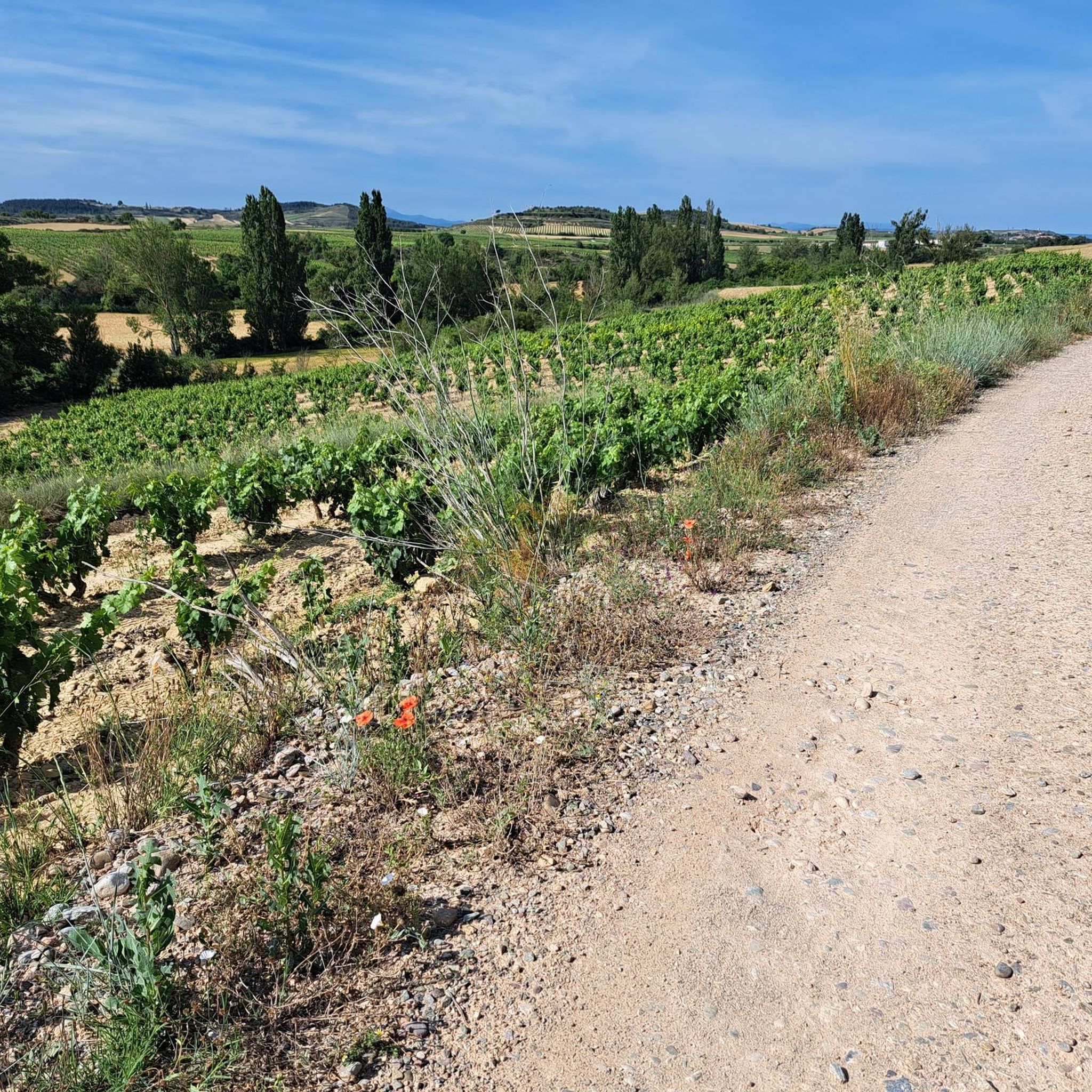
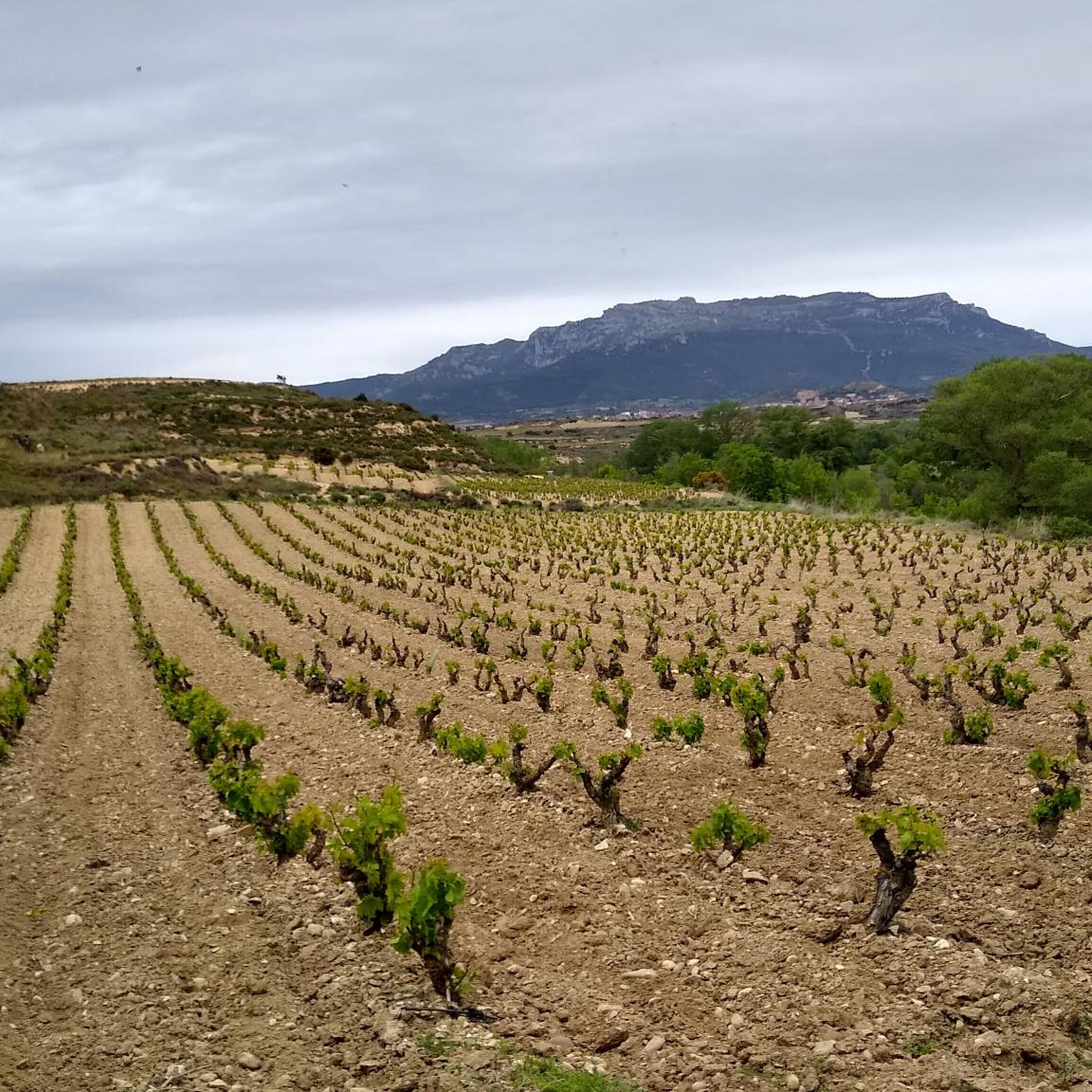
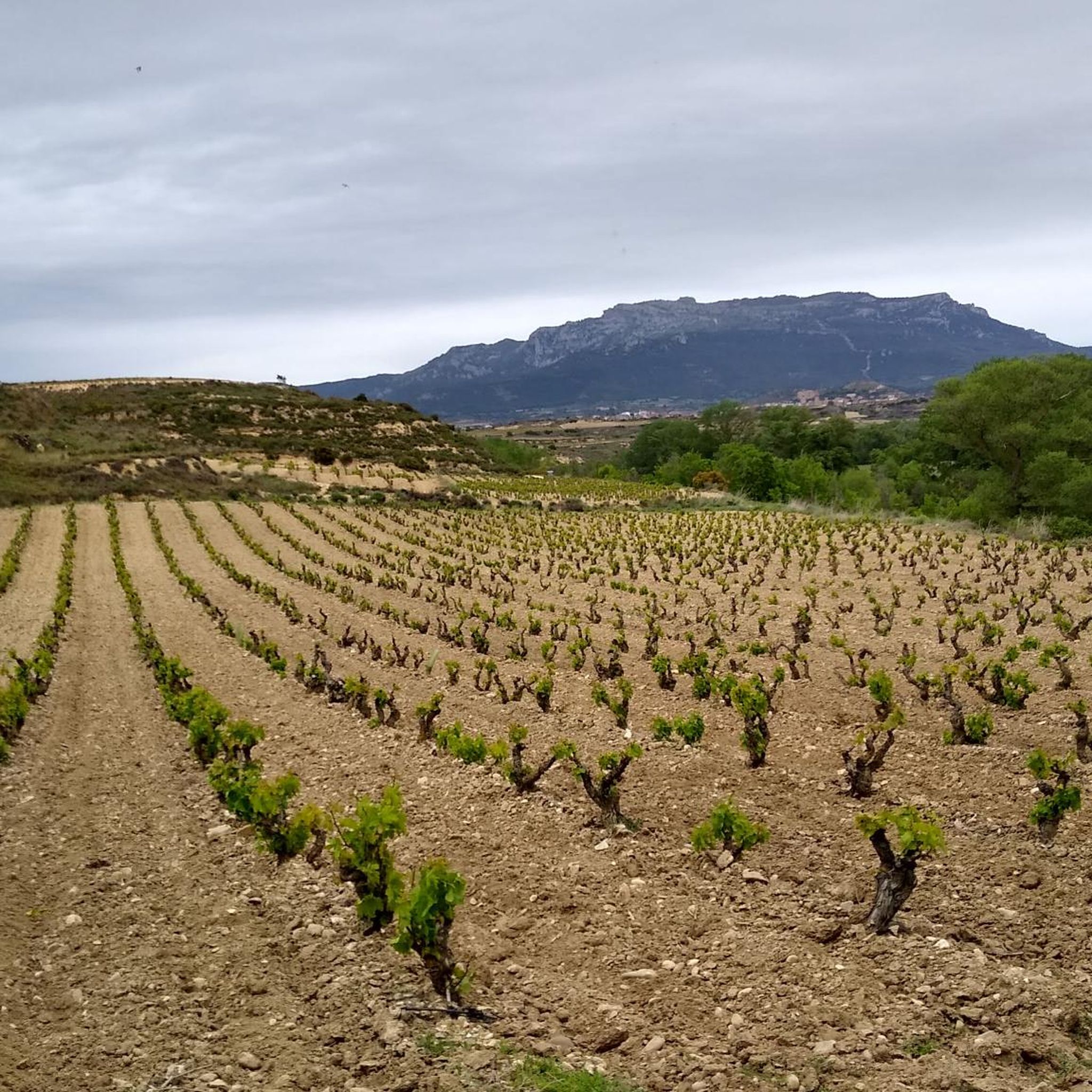
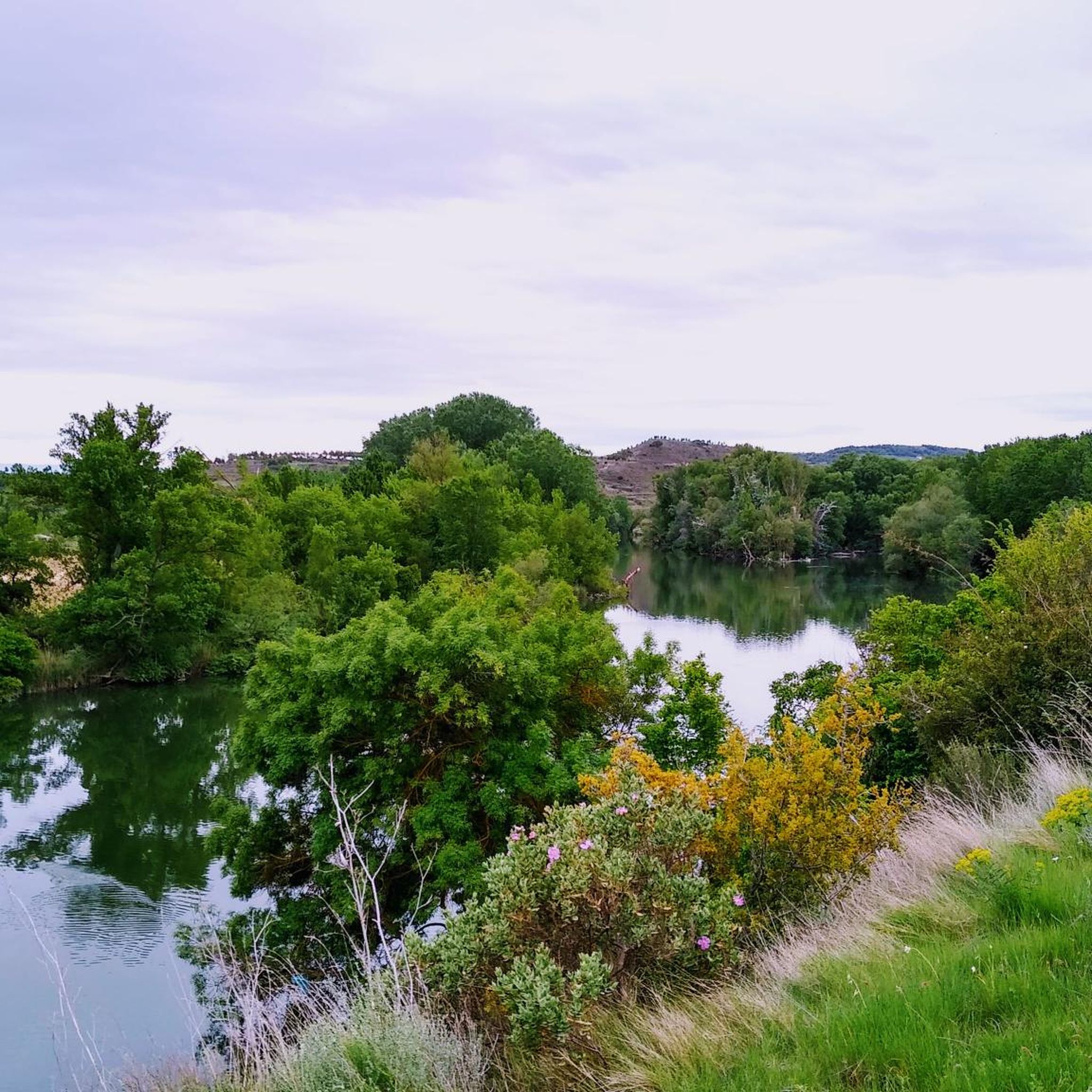
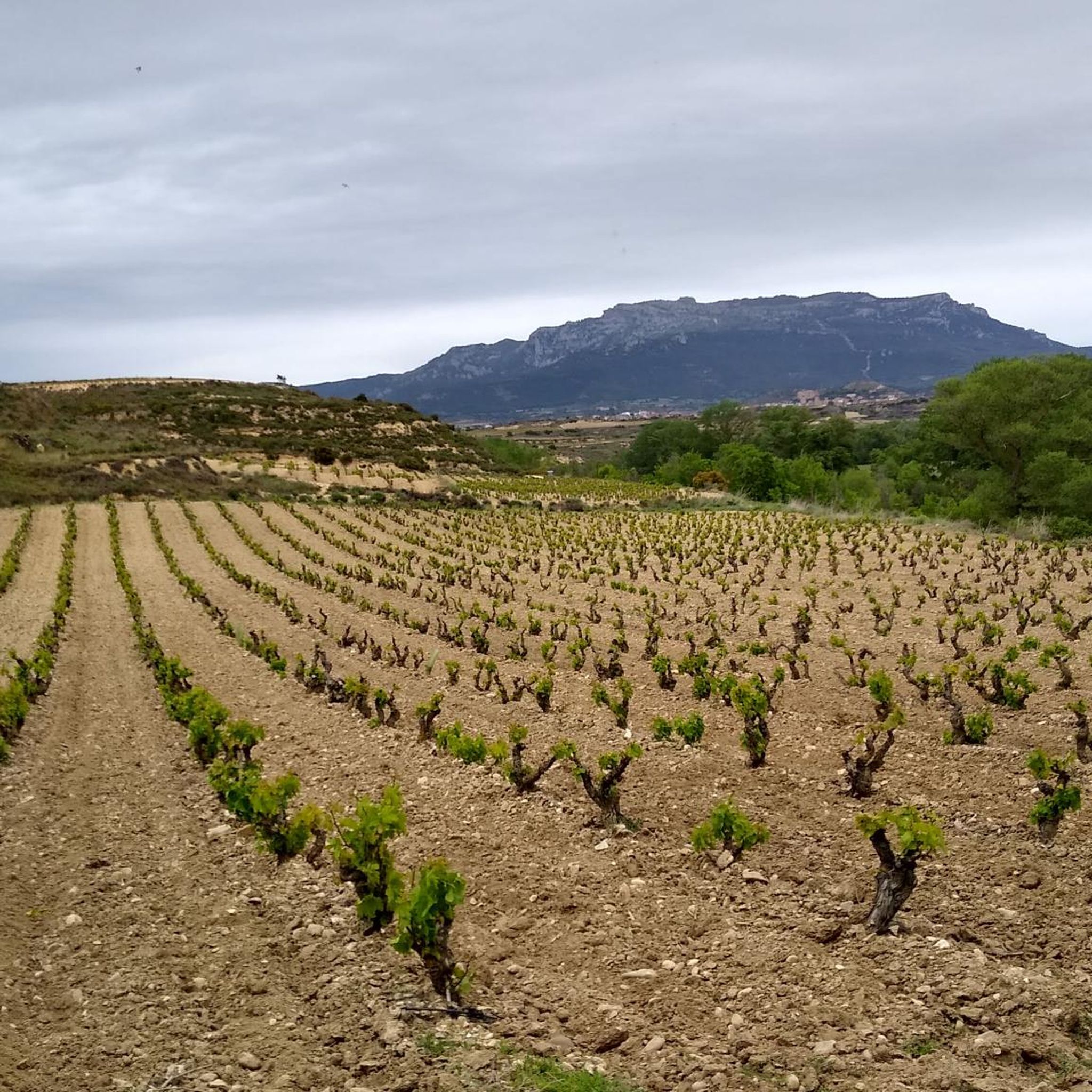
From the Briones castle there is a spectacular view of the Ebro River and the surrounding vineyards and, in the background, the limestone ridges of the Alava mountains.
1
0

It costs nothing to go up and the horizon makes up for it. Of course, follow the path through the farm that I have followed, not the one that the Komoot says, which is wrong.
3
0

The Castillo fortaleza de San Vicente de la Sonsierra is an impressive medieval castle that rises above the River Ebro. It was built in the 12th century by the Kingdom of Navarre to defend its border with Castile. It was part of a defense line connecting Laguardia and Labastida, and was the largest fortress in Navarre on the Ebro. The castle has a semi-circular shape that adapts to the rock on which it stands. It consists of three walled areas: the albacar, where the houses of the old town stood, the cortijo, where the parish church, the chapel of San Juan and the cemetery are, and the castle itself, with the keep and the bell tower. The castle lost its military importance after the annexation of Navarre by Castile in 1512, and was later used as a quarry and rubbish dump. In the 20th century, people began to realize its historical and artistic value, and several restoration projects were carried out. The castle is now a monument of cultural interest and a tourist attraction
1
0

The panoramic view of the Rioja is wonderful. Below you can also see a medieval bridge over the Ebro.
3
0

Documented for the first time in 1367, when Enrique de Trastámara gave it to Carlos El Malo of Navarra, it is likely that it was built during the reign of Alfonso VIII to strengthen the area's defense against Navarre. It is Romanesque in style and is made up of a walled outer enclosure with a polygonal plan with seven sides. The keep, with four floors, has a square floor plan and is attached to the wall at its eastern end. The castle is located on a hill next to a meander of the Ebro river, a strategic place next to the Briones castle to protect the area from Navarrese attacks.
1
0
We have news of this population since 1093, since it appears in some deeds by which Don Lope, lord of Vizcaya, Guipúzcoa, Álava and Nájera, donated his possessions to his children, among whom was Toda, lady of Anguciana. Since the 14th century it was the Lordship of the Salcedo family, who inhabited the Torre Fuerte, of which the south entrance and some loopholes are preserved. In addition to the Torre Fuerte de los Salcedo (14th century), in the Gothic style, other places of interest in Anguciana are the church of San Martín, from the 16th century, renovated in the 17th century (two chapels in the first section, lower part of the tower, doorway and apse), the 18th century (chapel of the second section) and the 20th century (upper bodies of the tower) and the hermitages of Santa María de Oreca, from the 17th century and of La Esclavitud.
2
0
Small promontory with the remains of a tower. Very good views.
4
0

It is the typical castle-fortress raised on a hill, an old memory of the early medieval rock castle, with a defensive function.
3
0
Frequently Asked Questions
What kind of historical sites can I expect to find around Ollauri?
While traditional medieval castles are not abundant directly in Ollauri, the area is rich in historical architecture. You'll find well-preserved 17th-century mansions and palaces, ancient underground wine cellars, and significant historical settlements. The broader Rioja Alta region also offers several fortresses and castle remains.
Are there any traditional castles or fortresses directly in Ollauri?
Ollauri itself is more known for its historical urban fabric, including 17th-century mansions and palaces, and its deep connection to winemaking through sites like Bodegas Ollauri-Conde de los Andes. For traditional fortresses, you would need to explore the wider Rioja Alta region, where sites like Sajazarra Castle and Castillo de los Velasco are located.
Which historical sites near Ollauri offer the best views?
For spectacular panoramic views, consider visiting View of the Ebro River and vineyards from Briones Castle. From this location, you can see the Ebro River, surrounding vineyards, and the limestone ridges of the Alava mountains. Another spot with very good views is The Castle, a small promontory with the remains of a tower.
Can you tell me more about Anguciana, one of the historical settlements mentioned?
Anguciana is a settlement with a rich history dating back to 1093. It preserves the Torre Fuerte de los Salcedo from the 14th century, featuring Gothic-style architecture. Other points of interest include the 16th-century church of San Martín and the hermitages of Santa María de Oreca and La Esclavitud.
What is the San Vicente de la Sonsierra Fortress Castle known for?
The San Vicente de la Sonsierra Fortress Castle is an impressive medieval castle built in the 12th century by the Kingdom of Navarre. It served as a defensive stronghold on a hill overlooking the Ebro River. Visitors can enjoy wonderful panoramic views of La Rioja from its ramparts, and see a medieval bridge over the Ebro below.
Are there any ancient castle remains or towers to explore?
Yes, you can explore the remains of a tower at The Castle, which offers excellent views. Additionally, the settlement of Anguciana features the well-preserved Torre Fuerte de los Salcedo from the 14th century.
What is the significance of Bodegas Ollauri-Conde de los Andes in the region?
Bodegas Ollauri-Conde de los Andes is a historically significant site, showcasing the region's profound winemaking heritage. While not a castle, it features spectacular ancient underground cellars, some dating back to the Renaissance, with unique architectural details and geological formations. It offers a deep dive into ancestral wine culture and history.
Are there family-friendly historical sites or activities near Ollauri?
Many historical sites in the region, including settlements like Anguciana, are suitable for families to explore. The historical context and architectural elements can be engaging for all ages. Exploring the ancient underground cellars at Bodegas Ollauri-Conde de los Andes also offers a unique and educational experience.
What outdoor activities, like hiking or cycling, can I do near these historical sites?
The area around Ollauri and its historical sites offers various outdoor activities. You can find numerous running trails, road cycling routes, and MTB trails. For example, there are moderate running loops like 'Carabriñas loop from Barrio de La Estación' and road cycling routes such as 'Following the Ebro River — circular from Briones'. You can find more details on these activities in the Running Trails around Ollauri, Road Cycling Routes around Ollauri, and MTB Trails around Ollauri guides.
What do visitors enjoy the most about the historical sites around Ollauri?
Visitors particularly enjoy the stunning panoramic views from locations like View of the Ebro River and vineyards from Briones Castle and The Castle. The rich history and well-preserved architecture of settlements like Anguciana and the defensive structures of the San Vicente de la Sonsierra Fortress Castle are also highly appreciated.
Is it possible to visit these historical sites during winter?
While many historical sites remain accessible year-round, it's advisable to check specific opening hours and conditions, especially for smaller sites or those with outdoor elements. The region's weather in winter can be cooler, so dressing warmly is recommended. The scenic views, however, can be particularly striking with winter light.
Are there any historical sites with unique geological features?
Yes, the Bodegas Ollauri-Conde de los Andes, while not a castle, features a unique geological fault within its Calao de los Gallegos, the longest gallery in its ancient underground cellars. This natural formation has fascinated scholars for centuries and adds another layer of interest to the historical site.
Most popular routes around Ollauri
Most popular attractions around Ollauri

Get inspired with the komoot mobile app


Explore more
Looking for the best castles somewhere else? Discover other guides around Ollauri:
