Top 5 Castles around Utebo
Castles around Utebo provide insight into the rich history of the Zaragoza province. While Utebo features significant Aragonese Renaissance architecture with Mudejar influences, such as the notable "El campanario de los espejos," traditional castles are found in the surrounding region. These historical sites reflect centuries of diverse cultural heritage, from Islamic art to Aragonese royal residences. The area offers a variety of historical structures to explore.
Best castles around Utebo
- The most popular castles is Aljafería Palace, a castle…
Last updated: July 4, 2026
Aljafería Palace
Highlight • Castle
Translated by Google •
Tip by

Roman Walls and Torreón de la Zuda, Zaragoza
Highlight • Historical Site
Translated by Google •
Tip by

Sign up now to discover places like this
Get recommendations on the best single tracks, peaks, & plenty of other exciting outdoor places.
Sign up for free
Aljafería Park
Highlight (Segment) • Castle
Translated by Google •
Tip by
View of Castillo de Miranda
Highlight • Viewpoint
Translated by Google •
Tip by
Mountain Bike Trails at Castillo de Alfajarín
Highlight • MTB Park
Translated by Google •
Tip by

Start today with a free account
Your next adventure awaits.
Login or Signup
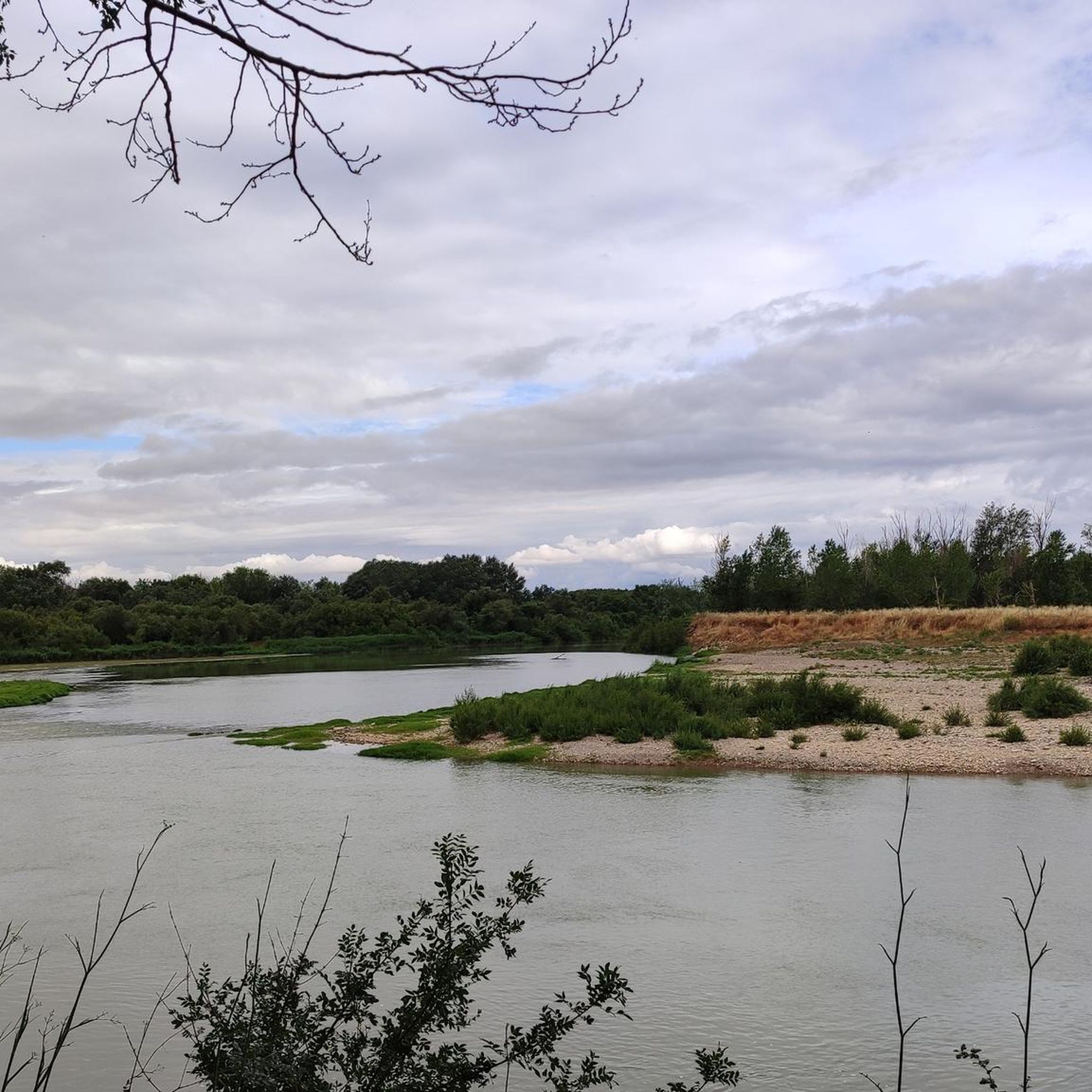
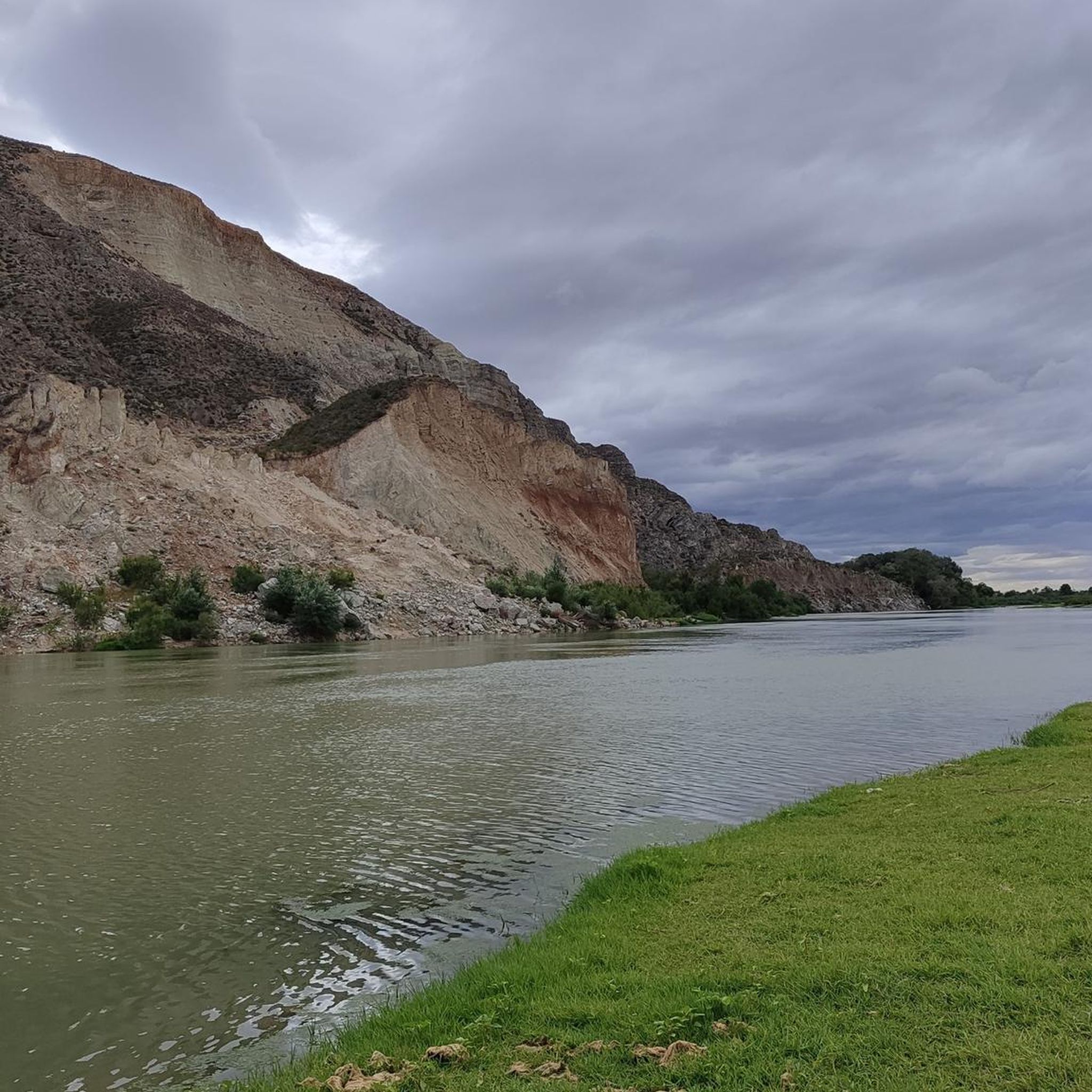
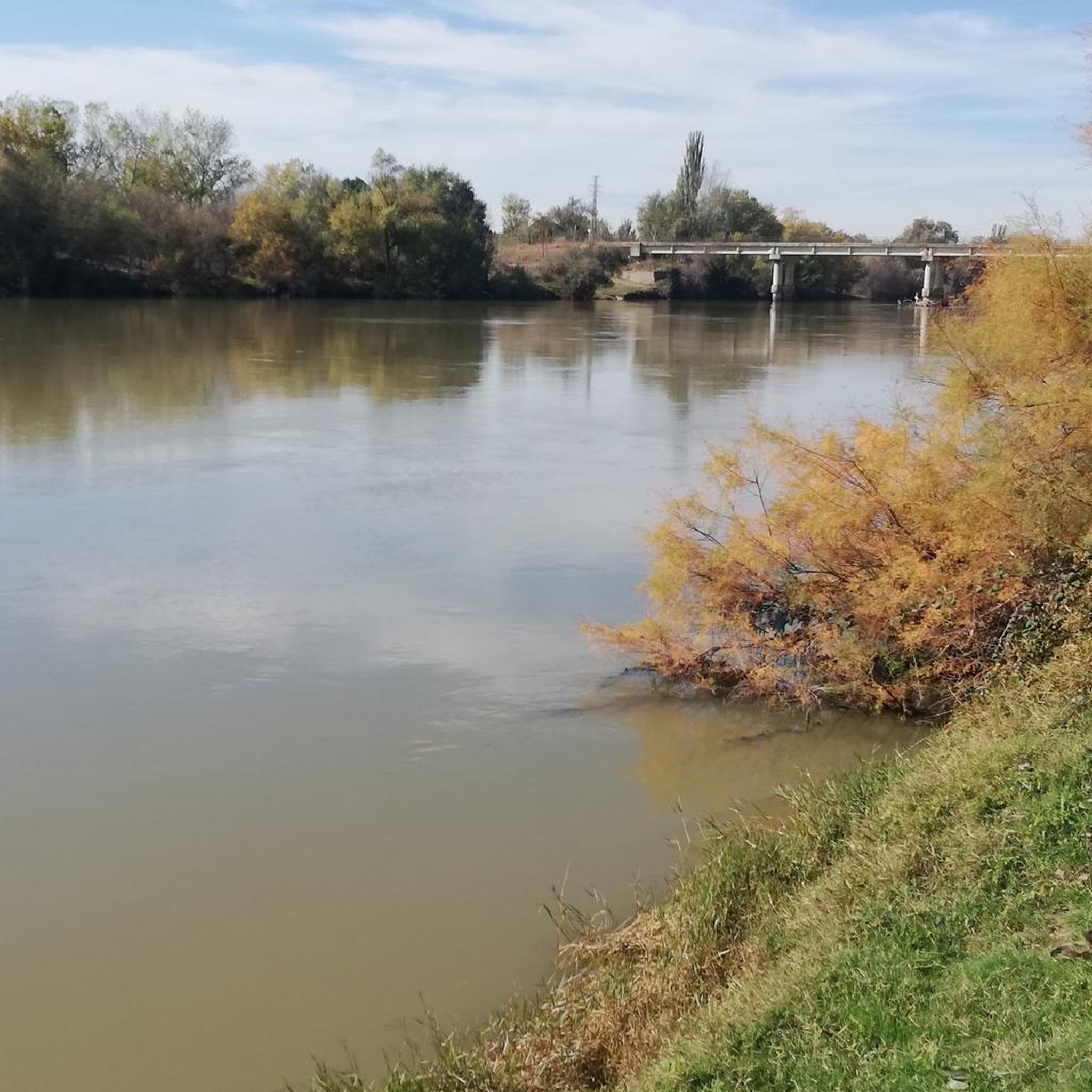

Tips from the Community

There are few preserved walls, they seem low but they were so deep, they are free to visit. However, it is advisable to book the Roman visit to Zaragoza, it is cheap at 5.5 euros and for 3 euros more a visit to the Roman museums is included, very interesting.
5
0

In the afternoon it opens at 4.30pm
1
0

It is worth enjoying it inside as well, not just outside.
2
1
Park around the Aljafería Palace.
2
0
Sometimes it seems like you are in Rome, everywhere you go you can see ruins from that time.
3
0
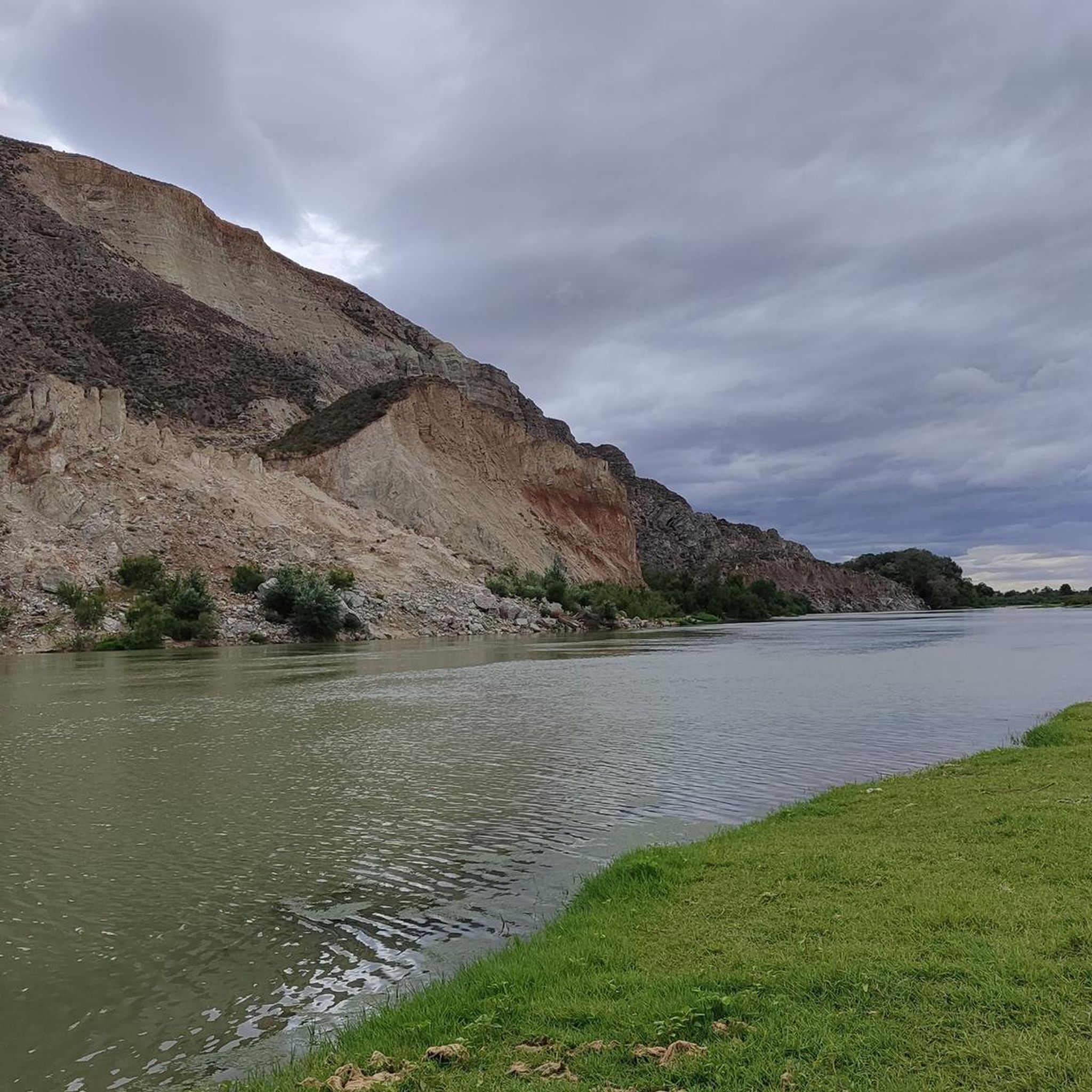
As the name suggests, "views of Miranda Castle". And it could not be better said, because just when you reach the path of the last small access climb you come across a fence that is "not at all misleading" that it is a military zone and that you should not even think of crossing it. The strange thing is that on the entrance sign the castle appears within the official path, and on the komoot the military zone appears quite a bit further back.
1
0

Declared a World Heritage Site by UNESCO in 2001. It is a fortified palace of Aragonese Mudejar style, built in the second half of the 11th century. It was ordered to be built by Al-Muqtadir, king of the Taifa of Saraqusta between 1046 and 1081, to be the residence of the Hudi kings, an Arab dynasty that reigned in Zaragoza, among other places, from 1039 to 1110. Throughout its history, the Aljaferia Palace has had different functions and, therefore, several reconstructions. It has served as a Taifal palace, a Mudejar palace, palace of the Catholic Monarchs, an Inquisition prison, military barracks and seat of the Cortes of Aragon. Visit by booking guided tours (for free) or on your own. You can visit the Muslim palace, the Mudejar palace and the Troubadour Tower. In the Muslim palace, you’ll find the Patio de Santa Isabel, one of the most beautiful corners of the Aljaferia. Be sure to appreciate the details of the beautiful Arab arches. Do not miss the permanent exhibition, the throne room and the facilities that were used as a prison inside the Troubadour Tower. Free guided tours take place at 10:30 a.m., 11:30 a.m., 12:30 p.m., 4:30 p.m., 5:30 p.m. and 6:30 p.m. In the morning, it is open from 10:00 a.m. to 2:00 p.m. In the afternoon, it is open from 4:00 p.m. to 6:30 p.m. (from November to March) and from 4:30 p.m. to 8:00 p.m. (from April to October). On Sundays from November to March, it is closed in the afternoon, so guided tours are only available in the morning. Admission is €5 or €1 if you are over the age of 65, a student, or have a youth card. On Sundays, it is free. https://reservasonline.aljaferia.com/
1
0

Remains of the Roman walls of the city and Torreón de la Zuda. During the Muslim era, Zuda was the city's fortress, built on the old Roman wall, and served as the governor's residence2. After the Christian takeover of the city in 1118, the building became the royal palace and seat of the kings of Aragon. Throughout its history, it was also used as a hospital and prison for Aragonese nobles. Today, after archaeological excavations and restoration, it houses a municipal tourism office1. If you have the opportunity, I recommend visiting this place full of history. 😊
7
0
Frequently Asked Questions
What kind of historical sites can I find around Utebo?
While Utebo itself is known for its significant Aragonese Renaissance architecture with Mudejar influences, such as the beautiful 'El campanario de los espejos' (bell tower of mirrors) of the Church of Nuestra Señora de la Asunción, traditional castles are found in the surrounding Zaragoza province. These include the magnificent Aljafería Palace and the ruins of Castillo de Miranda.
Are there any family-friendly castles or historical sites near Utebo?
Yes, the Aljafería Palace is considered family-friendly, offering a fascinating glimpse into Spanish-Islamic and Aragonese royal history. Additionally, the Roman Walls and Torreón de la Zuda in Zaragoza are also suitable for families, providing an accessible historical experience.
What is the historical significance of the Aljafería Palace?
The Aljafería Palace is a unique and important example of Spanish-Islamic art from the Taifa period, serving as a recreational residence for Muslim kings. After the reconquest, it became the residence of the Christian kings of Aragon and is now the seat of the regional parliament. Its history spans centuries as a fortified enclosure, royal palace, and even a prison.
Can I visit the bell tower in Utebo, 'El campanario de los espejos'?
Yes, Utebo's 'El campanario de los espejos' (the bell tower of mirrors) of the Church of Nuestra Señora de la Asunción is a magnificent example of late Mudejar style. It's known for its ceramic tiles and historical significance, completed in 1544. Visiting the tower and Utebo's old town offers insight into the town's rich architectural heritage.
What outdoor activities can I do near these castles?
The area around Utebo offers various outdoor activities. You can find numerous cycling routes, including those around the Ebro River and Galachos of Juslibol, with options for easy to moderate difficulty. For mountain biking enthusiasts, there are trails like those at Castillo de Alfajarín. Hiking routes are also available, such as those leading to viewpoints and natural areas. You can explore more options on the Cycling around Utebo, MTB Trails around Utebo, and Hiking around Utebo guide pages.
Are there any parks or natural areas associated with the castles?
Yes, the Aljafería Palace is surrounded by the pleasant Aljafería Park. This public park provides a serene setting around the historical landmark, offering a nice space for relaxation before or after your visit to the palace.
What do visitors enjoy most about the castles and historical sites near Utebo?
Visitors particularly appreciate the rich history and architectural beauty. The Aljafería Palace is highly praised for its unique Spanish-Islamic art and its role as a former royal residence. The View of Castillo de Miranda offers a glimpse into a significant 12th-century castle ruin, important in the reconquest of Zaragoza. The blend of different historical periods and architectural styles is a major draw.
Is there a castle near Utebo that is good for mountain biking?
Yes, the Castillo de Alfajarín is known for its mountain bike trails. It's described as a mountain bike 'Eldorado' with many different descents, some with ramps and berms, suitable for various skill levels.
What is the significance of the Roman Walls and Torreón de la Zuda in Zaragoza?
The Roman Walls and Torreón de la Zuda represent layers of history in Zaragoza. The Zuda was originally the city's fortress during the Muslim era, built on old Roman foundations, and served as the governor's residence. After the Christian reconquest, it became a royal palace. Today, it houses a municipal tourism office and offers a fascinating look into the city's past.
Are there any viewpoints to see castles or historical ruins near Utebo?
Yes, the View of Castillo de Miranda is a specific highlight that offers views of a 12th-century castle, now in ruins. This viewpoint provides a historical perspective on King Alfonso I 'El Batallador's' strategy during the reconquest of Zaragoza.
What is the best time of year to visit castles in the Aragon region?
While specific data for Utebo is not provided, generally, spring (April-May) and autumn (September-October) are ideal for visiting historical sites in Aragon. The weather is typically mild and pleasant, making it comfortable for exploring both indoor and outdoor attractions without the intense heat of summer or the chill of winter.
Most popular attractions around Utebo

Get inspired with the komoot mobile app


Explore more
Looking for the best castles somewhere else? Discover other guides around Utebo:
