Top 4 Castles around Xixona / Jijona
Best castles around Xixona / Jijona are strategically located on limestone ridges, offering historical insights and panoramic views of the surrounding landscape. This region, known for its turrón production, features historical sites with origins dating back to the Almohad period. The castles reflect centuries of modifications, including Christian reconquest and defensive reinforcements. Visitors can explore structures that once played a crucial role in defending the Kingdom of Valencia.
Best castles around Xixona / Jijona
- The most popular castles is Barchell…
Last updated: May 6, 2026
Castle and Hermitage of San Pedro
Highlight • Castle
Translated by Google •
Tip by

Castalla Castle
Highlight • Castle
Translated by Google •
Tip by

Sign up now to discover places like this
Get recommendations on the best single tracks, peaks, & plenty of other exciting outdoor places.
Sign up for free
Barchell Castle
Highlight • Castle
Translated by Google •
Tip by
Castle of Xixona
Highlight • Castle
Translated by Google •
Tip by

Castell de Penella
Highlight • Castle
Translated by Google •
Tip by

Sign up for free to discover even more castles around Xixona / Jijona.
Sign up for free
Already have an account?
Start today with a free account
Your next adventure awaits.
Login or Signup
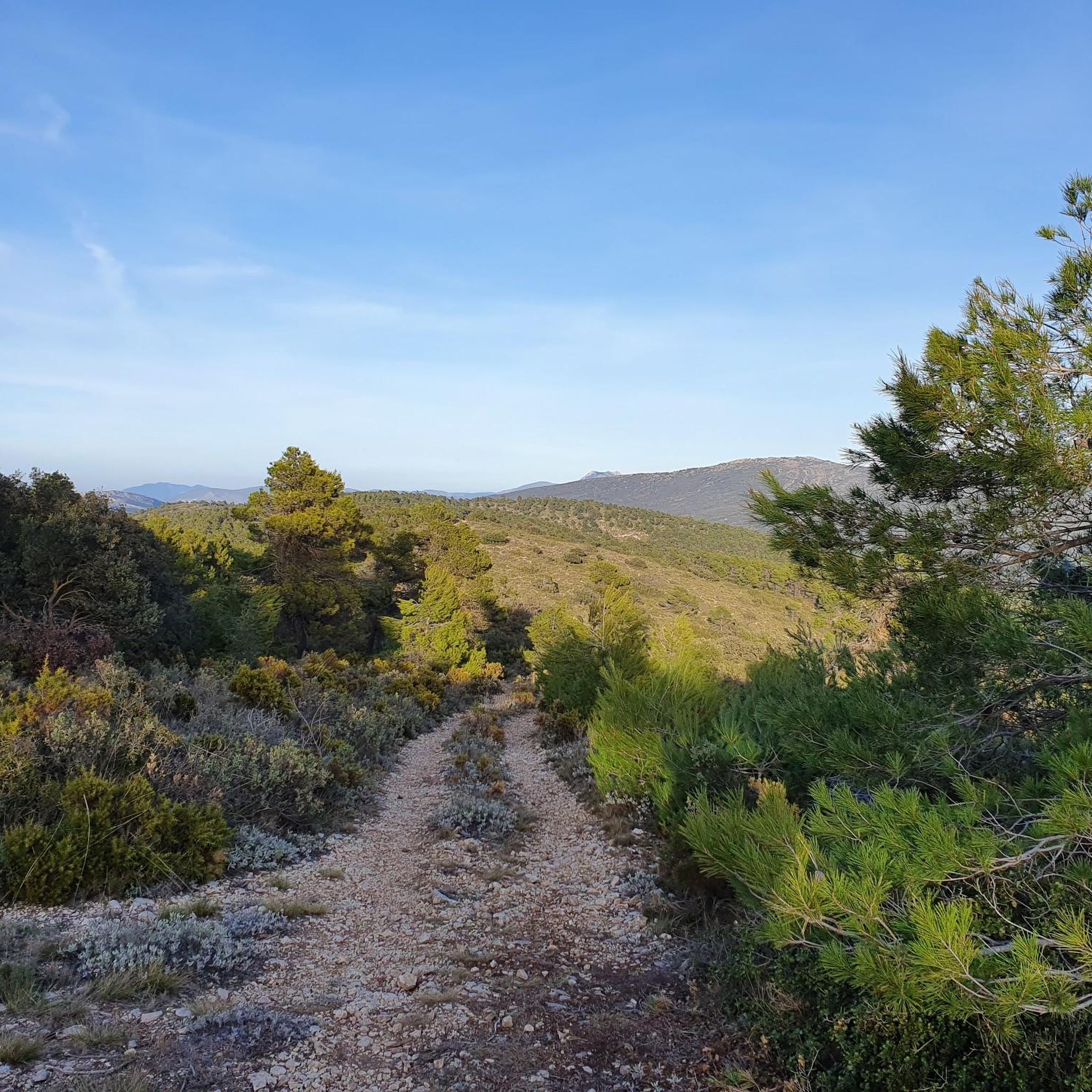

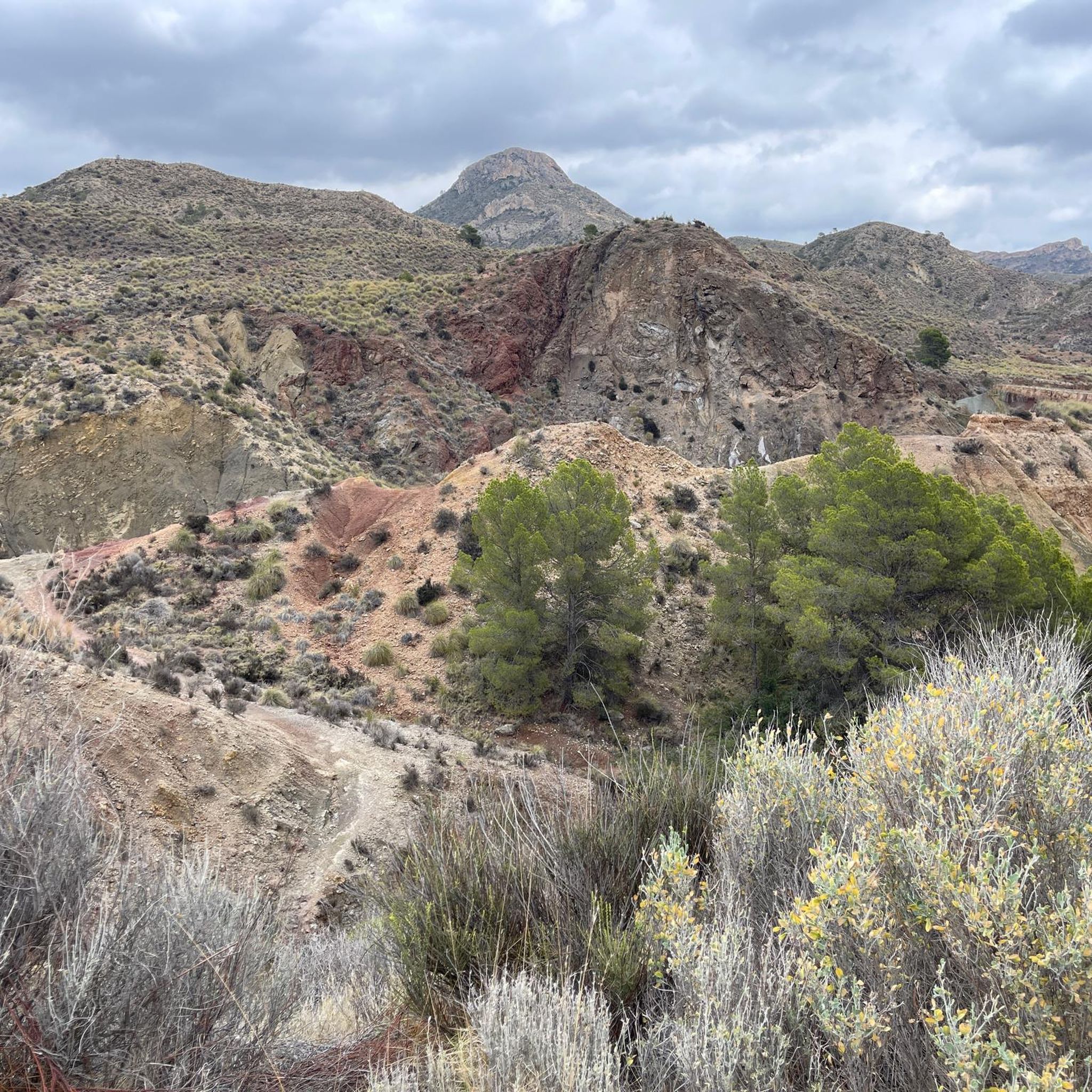
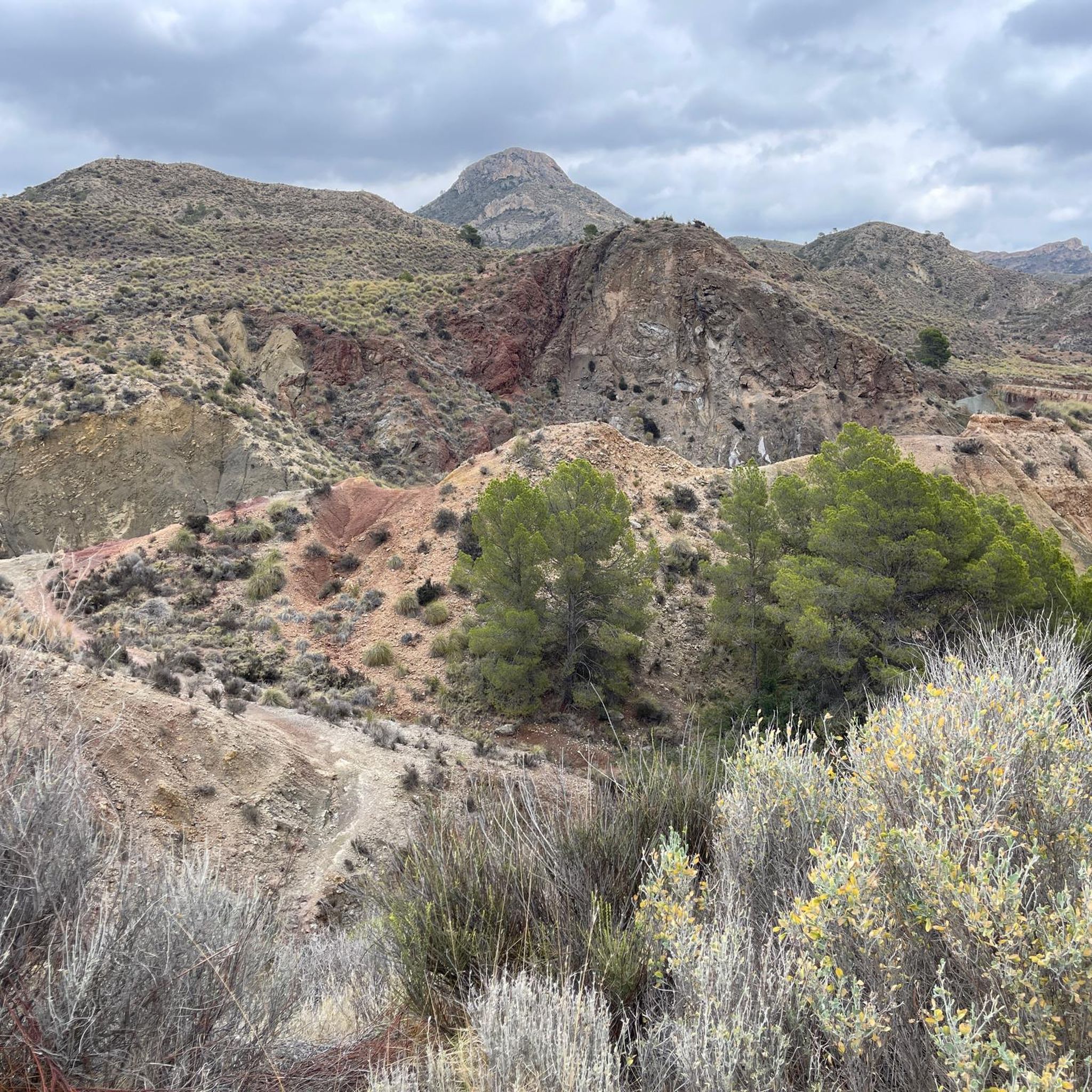
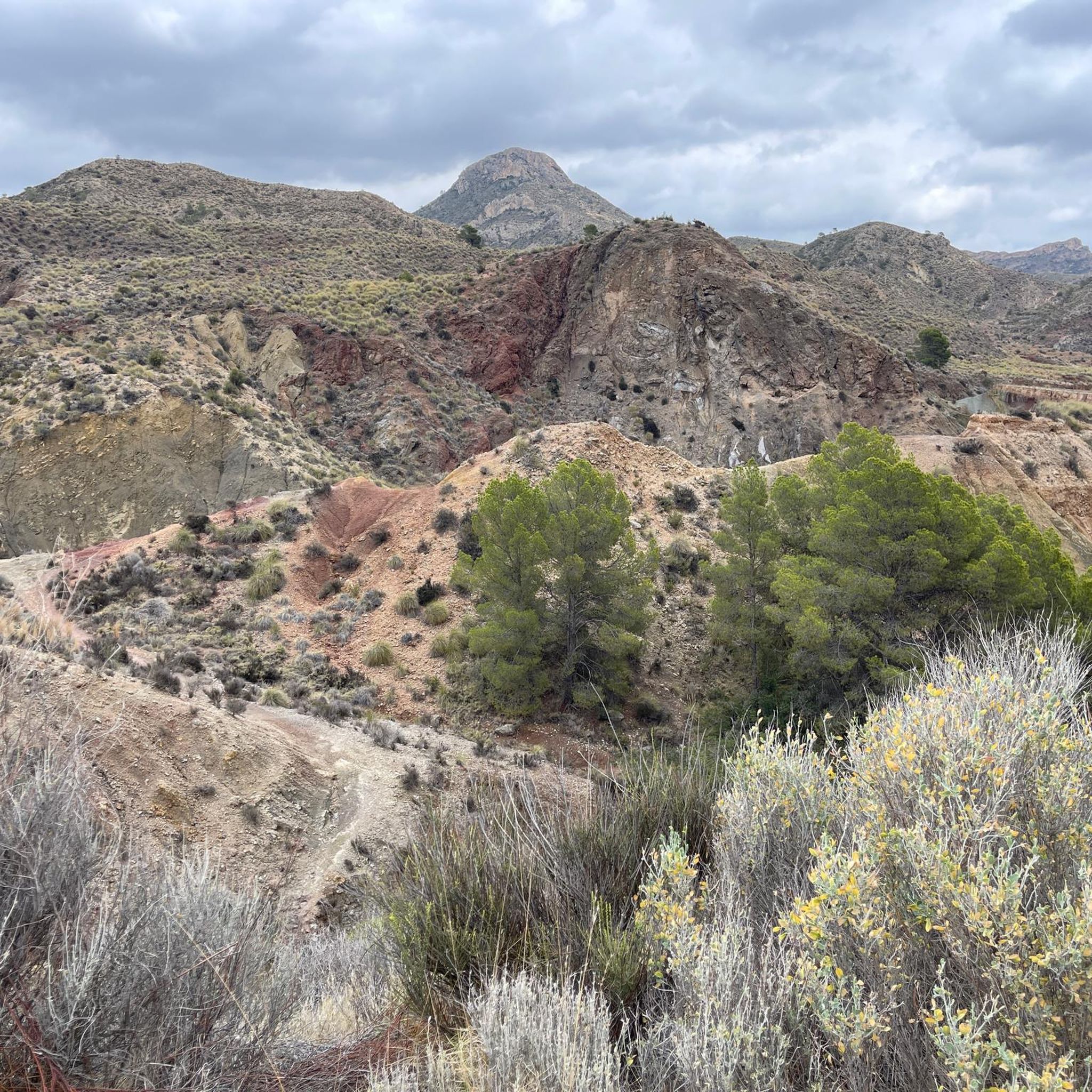
Tips from the Community

Not much remains of the castle. But the view from the top is great.
0
0

Beautiful castle on the GR7 hiking trail
1
0
Castalla is a municipality in the Valencian Community, Spain, located in the northeast of the province of Alicante, in the Hoya de Alcoy region. It is the capital of the historical sub-region of Hoya de Castalla (in Valencian, Foia de Castalla) and has 11,365 inhabitants (INE 2023). Geography Location of Castalla in relation to Hoya de Alcoy The municipality of Castalla covers an area of 114.6 km² that varies from flat to steep: the Castalla castle itself is located on a hill that dominates the entire valley. The town, which is located around the castle, is located on the slopes of the hill, 675 meters above sea level. Castalla occupies the western and southwestern part of the Hoya de Castalla, and is located between the North of the Sierra del Maigmó (1296 m), the Sierra de Castalla (1175 m) and the Sierra de Argueña (1228 m). The municipal area also consists of a large forest area that occupies 52.9 km² (equivalent to 46% of the total area of the municipality).4 The climate of the area can be classified within a Mediterranean climate of medium mountain. The average annual temperature is around 13 degrees. Rainfall is not abundant, around 400 mm per year, although the mountain ranges favor the formation of cloudiness and local precipitation, increasing with altitude. Snowfall is not rare on winter days in the months of January and February. https://es.wikipedia.org/wiki/Castalla
2
0


The chapel is beautiful, but the view you can enjoy from here is even better. It's worth the effort, the view from "above" is amazing.
5
0

You have to take your time to enjoy everything.
2
0

One of the must-visit points in Alicante
0
0

Nice castle and also a great vantage point.
0
0
Frequently Asked Questions
What is the historical significance of castles in the Xixona / Jijona region?
The castles in the Xixona / Jijona region, such as the Castle of Xixona, played a crucial role in defending the border of the Kingdom of Valencia. Many have Almohad origins, dating back to the late 12th or early 13th century, and were later modified and reinforced after the Christian reconquest. They offer a tangible connection to centuries of historical events and defensive strategies.
What architectural features can I expect to see at the castles in this area?
You can expect to see a mix of architectural styles reflecting their history. Features often include impressive defensive walls and towers, such as the prominent Torre Grossa at the Castillo de Jijona. Many castles, like the Barchell Castle, showcase construction techniques like rammed earth (tapial) from their Almohad origins, alongside later Christian fortifications.
Which castles offer the best panoramic views of the region?
Several castles in the Xixona / Jijona area are known for their excellent views. The Castle of Xixona provides great views of the town. Similarly, the Castle and Hermitage of San Pedro offers extensive views of the mountains and the town of Agost. From the Castillo de Jijona, you can enjoy panoramic vistas of Xixona, the surrounding hills, and even the Mediterranean Sea on clear days.
Are there any less-known castles or 'hidden gems' worth visiting in the area?
Beyond the more prominent sites, you might enjoy exploring Castalla Castle, located on a promontory 780 meters above sea level, offering a beautiful historical site. Another option is Castell de Penella, where although not much of the castle remains, the view from the top is highly recommended.
Can I combine a castle visit with outdoor activities like hiking or cycling?
Absolutely! The region around Xixona / Jijona is excellent for combining castle visits with outdoor adventures. Many castles are situated along or near hiking and cycling routes. For example, Barchell Castle is located on the GR7 hiking trail. You can find various cycling routes, MTB trails, and gravel biking options in the area. Explore more at the Cycling around Xixona / Jijona guide or the MTB Trails around Xixona / Jijona guide.
What kind of hiking trails are available near the castles?
Near the castles, you'll find a variety of hiking trails, ranging from moderate to difficult, often leading to viewpoints or through scenic mountain landscapes. Many trails offer opportunities to explore the natural beauty of the region. For detailed routes and difficulty levels, check out the MTB Trails around Xixona / Jijona guide, which also includes walking sections, or the Cycling around Xixona / Jijona guide for routes that pass by historical sites.
Is public transport available to reach the castles in Xixona / Jijona?
While specific public transport routes directly to every castle ruin might be limited, Xixona / Jijona itself is accessible by public transport. From the town, you can often reach the castles, such as the Castle of Xixona, by a relatively short walk or a local taxi service. It's advisable to check local bus schedules for the most up-to-date information on reaching the towns closest to the castles.
Are the castles around Xixona / Jijona suitable for families with children?
Yes, many castles in the region can be a great experience for families. While some might involve a short climb, the historical context and panoramic views can be engaging for children. The Castle of Xixona, for instance, offers good views and is relatively accessible. The recently restored recreational area near the entrance of the Castillo de Jijona also makes it more family-friendly.
What is the best time of year to visit the castles in Xixona / Jijona?
The best time to visit the castles and enjoy outdoor activities in Xixona / Jijona is generally during the spring (April-May) and autumn (September-October) months. During these periods, the weather is mild and pleasant, ideal for exploring historical sites and hiking. Summers can be hot, while winters are generally mild but can have occasional snowfall in higher elevations.
Are there cafes or amenities near the castle ruins?
While the castle ruins themselves typically do not have on-site cafes, the towns they overlook, such as Xixona, Agost, or Castalla, offer various amenities including cafes, restaurants, and shops. For example, after visiting the Castle of Xixona, you can easily find places to eat and drink in the town below.
What do visitors enjoy most about the castles in Xixona / Jijona?
Visitors frequently highlight the incredible panoramic views from the castle sites, often extending to the Mediterranean Sea. The historical significance and the tangible connection to the region's past, from Almohad origins to Christian fortifications, are also highly appreciated. Many enjoy the combination of cultural exploration with the opportunity for scenic walks and photography.
Most popular routes around Xixona / Jijona
Most popular attractions around Xixona / Jijona

Get inspired with the komoot mobile app


Explore more
Looking for the best castles somewhere else? Discover other guides around Xixona / Jijona:
