Top 12 Gorges around Benidoleig
Canyons around Benidoleig are characterized by mountainous terrain and diverse geological features. The region, nestled in the broader Alicante province, offers access to routes traversing remote canyons and ancient rock formations. Benidoleig itself is home to the Cueva de las Calaveras, a significant underground grotto. The area provides opportunities to explore both traditional canyons and unique geological sites.
Best canyons around Benidoleig
- The most popular canyons is Juvees d'Alt, a historical site that features old agricultural houses in ruins…
Last updated: August 27, 2026
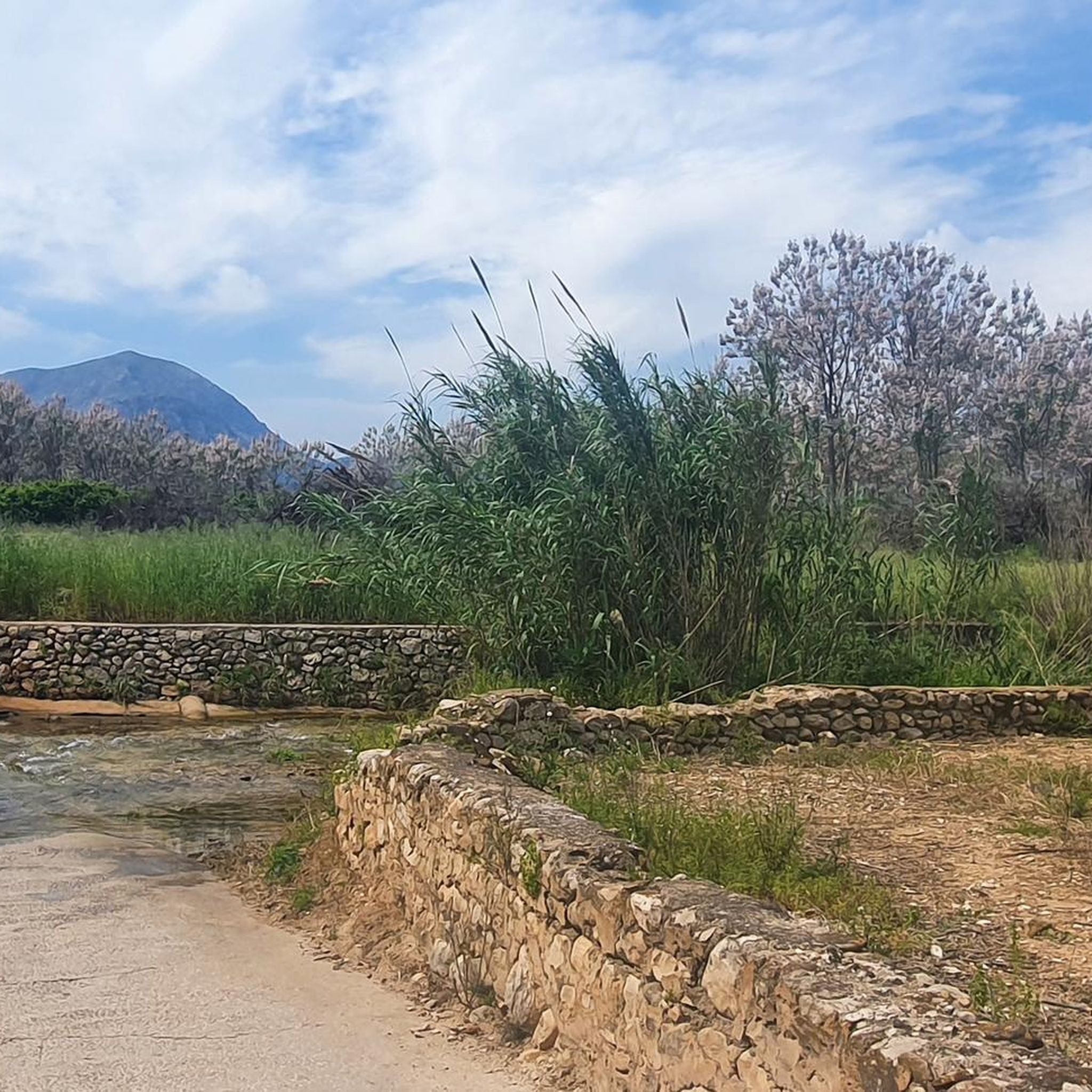
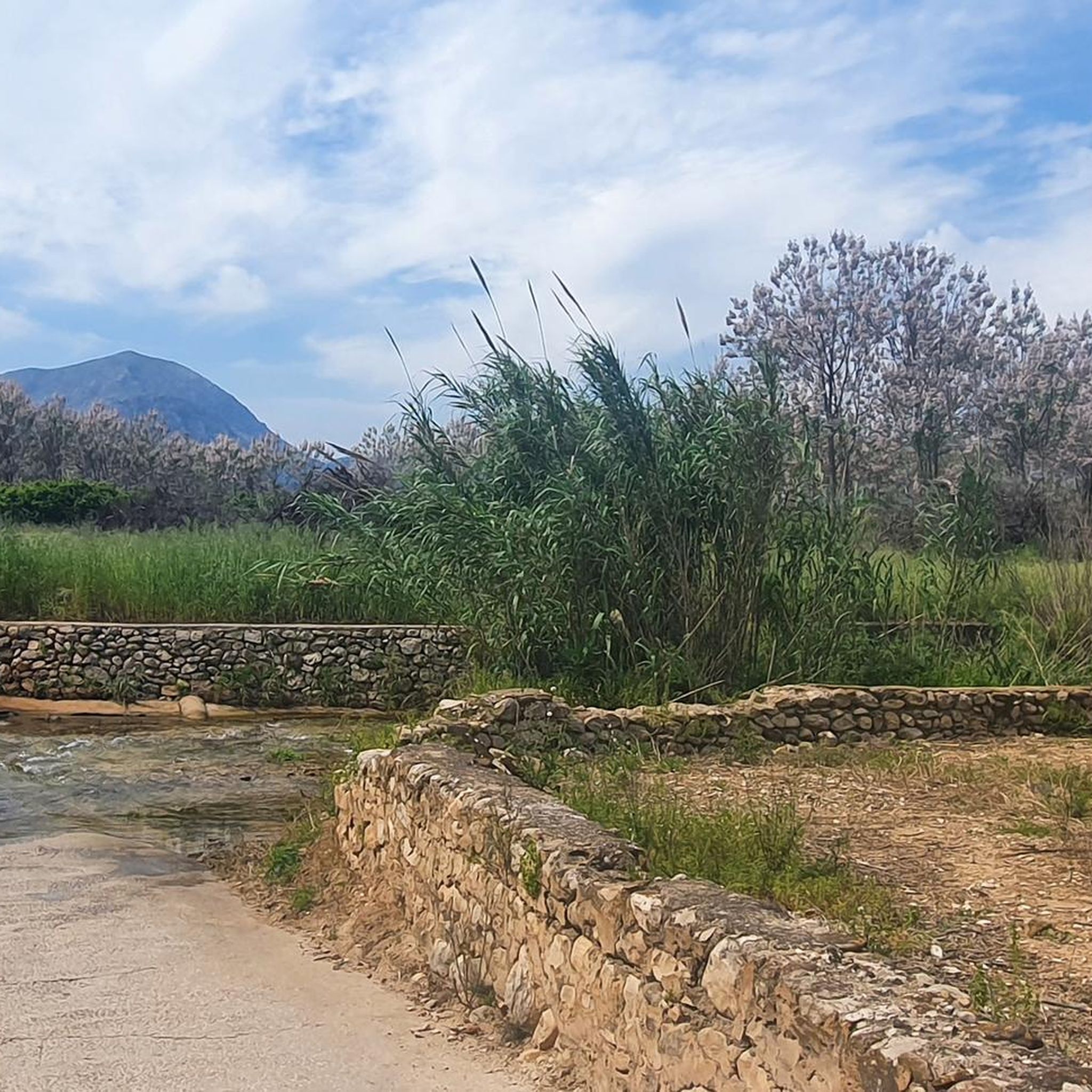
Gorgos Riverbed and Aqueduct in Gata de Gorgos
Highlight • River
Translated by Google •
Tip by

Old dam at Barranc del Infern
Highlight (Segment) • Structure
Translated by Google •
Tip by

Sign up now to discover places like this
Get recommendations on the best single tracks, peaks, & plenty of other exciting outdoor places.
Sign up for free
Juvees d'Alt
Highlight • Historical Site
Translated by Google •
Tip by

Ebo River Crossing
Highlight • River
Showing Translation
Tip by

Hell’s Gorge
Highlight • Gorge
Showing Translation
Tip by
Sign up for free to discover even more gorges around Benidoleig.
Sign up for free
Already have an account?
Start today with a free account
Your next adventure awaits.
Login or Signup

Tips from the Community

the 2nd barranco you meet, after climbing out of the first barranco and descending again
0
0
The first descent of 300m via a large section of the 6800 steps, brings you to the first barranco, Rio Girona
0
0

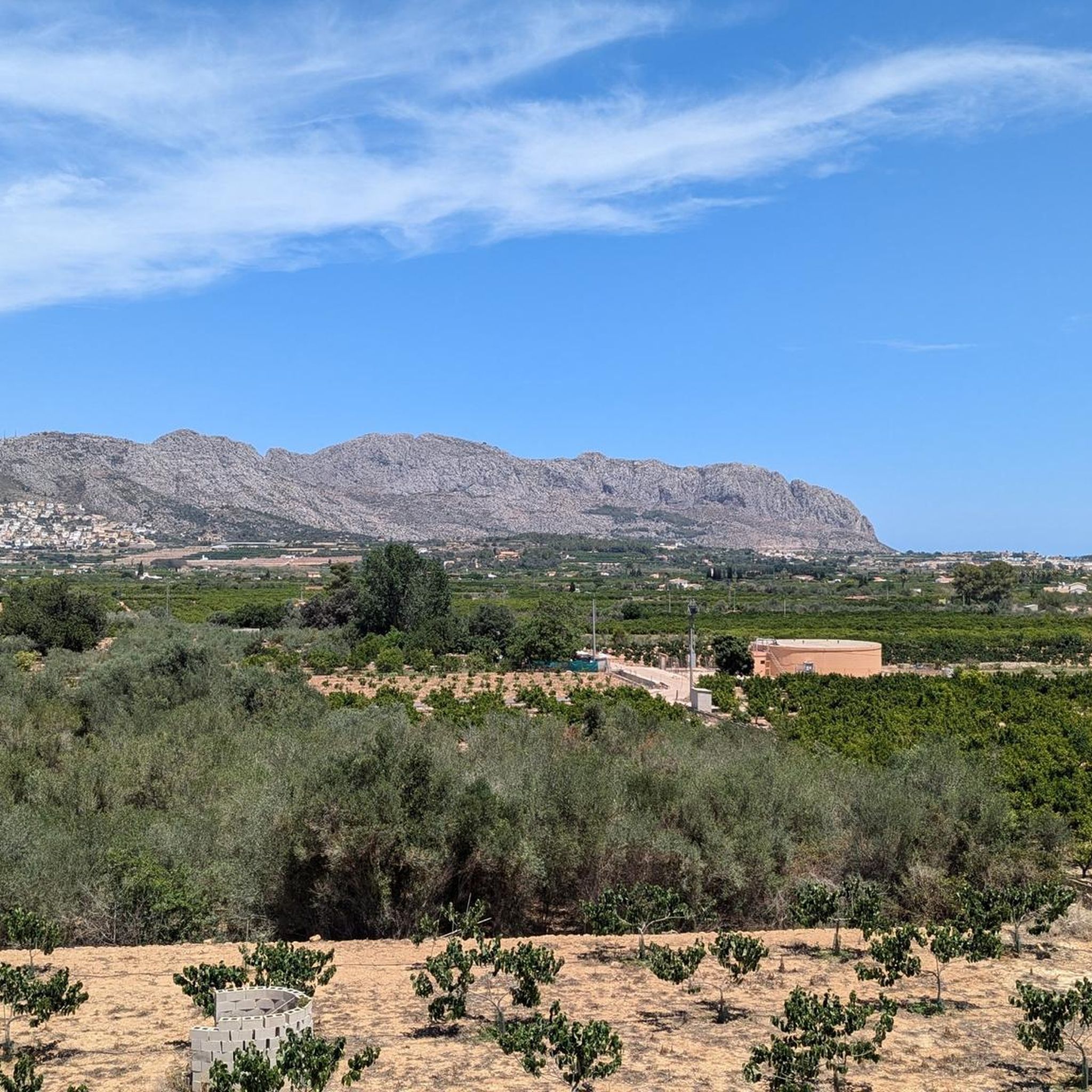
Beautiful rolling road through a Beautiful landscape
0
0

Gata de Gorgos owes its name to the river (bed) the Gorgos that runs through the village. This river flows into the Mediterranean Sea at Jávea. The village is located at approximately 75m above sea level and has over 6000 inhabitants who mainly speak Spanish and Valencian. From the 16th to the 18th century, agriculture was the most important source of income for the village. The most important things that were grown during this time were: wheat, (wine) grapes, cane, olives, barley, almonds and, for example, grapes for raisins. Until the middle of the 20th century, agriculture was the most important financial sector for Gata de Gorgos. Due to the deterioration of the quality of the soil, but especially due to the demand for (second) homes on the coast, the former agricultural land has now been built on in many places by, among other things, urbanisation and tourism has become an important source of income. Gata de Gorgos has a very charming centre that is definitely worth a visit. Those looking for products made of reed will find what they are looking for here. The place is known for its handmade articles (artesanías) made of reed (hats, baskets and the like). The shops that sell these products have earned Gata de Gorgos its nickname ‘Bazaar of the Costa Blanca’.
3
0

interesting city in the Spanish hinterland
0
2

Definitely do it. Walking in the riverbed is not boring at all and the cave is the ultimate experience.
0
1

Beautiful and picturesque town in the interior of the Marina Alta. There are several interesting sites that can be seen from the road, but without a doubt the river ravine is the most picturesque as it has the houses on one side.
2
0
This is the crossing of the Ruta del Barranco del Infierno to the Ebro river upstream. The views of the gorge are amazing and, although the crossing has rocks and stones, they can be easily navigated. Caution is recommended during flood periods or check the status of the crossing beforehand.
3
1
Frequently Asked Questions
What are the most notable natural features or canyons to explore around Benidoleig?
Beyond traditional canyons, Benidoleig is home to the impressive Juvees d'Alt, a historical site with ancient agricultural ruins and Moorish cisterns. You can also explore the Old dam at Barranc del Infern, which offers a unique hiking experience through a dry riverbed. A significant natural feature directly in Benidoleig is the Cueva de las Calaveras (Cave of Skulls), an extensive underground grotto with geological and archaeological importance.
What kind of geological formations can I expect to see in the canyons near Benidoleig?
The region offers diverse geological formations. In the Cueva de las Calaveras, you'll find impressive stalactites, stalagmites, and grand domes. Hiking through the Barranc del Infern reveals eroded rock formations and colorful rock walls. Other areas, particularly those suitable for canyoning like the Barranco del Infierno near Fleix, feature sculpted rock formations.
Can you tell me more about the Cueva de las Calaveras in Benidoleig?
The Cueva de las Calaveras (Cave of Skulls) is a significant natural attraction located directly on the Pedreguer-Benidoleig road. This impressive underground grotto stretches over 900 meters, with a visitor's path covering more than 300 meters. It features original stalactites, stalagmites, and grand domes, along with a beautiful lake called Toll Blau. The cave holds immense geological and archaeological value, with vestiges of habitability from the Middle and Upper Paleolithic periods and paleontological remains. It is also adapted for visitors with disabilities.
What is the <a href="https://www.komoot.com/highlight/229747" target="_blank" rel="noopener">Old dam at Barranc del Infern</a> like for hiking?
The Old dam at Barranc del Infern offers a unique hiking experience where the dry riverbed itself forms the trail. You'll walk through a gorge with many eroded rock formations framed by colorful rock walls. While beautiful, be aware that the path to the dam can be densely overgrown with thorny plants, and some sections may require navigating through them.
Are there any historical sites within the canyons or gorges around Benidoleig?
Yes, Juvees d'Alt is a notable historical site. It features old agricultural houses in ruins with Moorish-origin cisterns. The PR-CV 147 trail passes through this area, offering a glimpse into the region's past agricultural practices and engineering.
What kind of outdoor activities can I do near these canyons?
The area around Benidoleig offers a variety of outdoor activities. You can find numerous running trails, including the challenging Serra de Segària PR-CV 415 Loop. For cyclists, there are many road cycling routes like the Dénia Castle – Puerto de Sorell loop. Gravel biking is also popular, with routes such as the Val de Ebo Descent. For more adventurous canyoning, the Barranco del Infierno near Fleix offers a technical descent.
Are there challenging hiking sections in the gorges around Benidoleig?
Yes, some sections can be quite challenging. For instance, the Narrow Path Out of the Gorge is described as very steep, overgrown, damp, and occasionally with scree. It requires good footwear and caution, especially as it can be difficult to stay on the path and is very exposed. It is not recommended in the rain.
What is the <a href="https://www.komoot.com/highlight/964080" target="_blank" rel="noopener">Gorgos Riverbed and Aqueduct in Gata de Gorgos</a>?
The Gorgos Riverbed and Aqueduct is a picturesque feature running through the village of Gata de Gorgos. The village itself is known for its charming center and handmade articles made of reed, earning it the nickname 'Bazaar of the Costa Blanca'. The riverbed offers a beautiful landscape to explore, with houses lining one side.
Is the Barranco del Infierno suitable for beginner canyoning?
The Barranco del Infierno, particularly the one accessible from villages like Fleix, is generally described as a more adventurous and technical canyoning experience. It involves a 'dry and tortuous route' with descents and abseils, requiring specific equipment like helmets and ropes. This suggests it's better suited for experienced canyoning enthusiasts rather than beginners.
What should I know about the <a href="https://www.komoot.com/highlight/4042808" target="_blank" rel="noopener">Barranco del Infierno Riverbed Crossing</a>?
This is one of the crossings of the Ruta del Inferno to the Ebo River. It's generally easily crossed on foot. However, during times of flooding, the river can become quite mighty, so it's recommended to be careful or consult with locals in the town about the river's state before attempting the crossing. Walking in the riverbed is considered an engaging experience.
Are there any family-friendly natural attractions near Benidoleig?
The Cueva de las Calaveras (Cave of Skulls) in Benidoleig is a great family-friendly option. It's an accessible underground grotto with well-maintained visitor paths, allowing families to explore impressive geological formations and learn about prehistoric history in a safe environment. While some canyon routes can be challenging, the cave offers a unique and less strenuous natural experience.
What do visitors enjoy most about the canyons and gorges around Benidoleig?
Visitors appreciate the diverse natural beauty and unique experiences. Many enjoy the peaceful, wild landscapes and the opportunity to explore ancient geological formations. The dry riverbeds, like those at Barranc del Infern, are praised for their eroded rock formations and colorful walls. The historical elements, such as the Moorish cisterns at Juvees d'Alt, also add to the appeal.
Most popular routes around Benidoleig
Most popular attractions around Benidoleig

Get inspired with the komoot mobile app


Explore more
Already discovered everything in this region? See additional gorges around Benidoleig for your next adventure:
