Top 5 Castles around Trillo
Best castles around Trillo are found in a region characterized by its natural beauty, including the convergence of the Cifuentes and Tagus rivers. The area offers historical sites with connections to castles and fortress-like structures. These sites provide insights into medieval architecture and regional history. The landscape around Trillo features river valleys and hills, offering a backdrop for exploring these historical landmarks.
Best castles around Trillo
- The most popular castles is Cifuentes, a settlement that features a castle built…
Last updated: July 4, 2026
Cifuentes
Highlight • Settlement
Translated by Google •
Tip by

Arbeteta
Highlight • Settlement
Translated by Google •
Tip by

Sign up now to discover places like this
Get recommendations on the best single tracks, peaks, & plenty of other exciting outdoor places.
Sign up for free
Ruins of Ocentejo Castle
Highlight • Castle
Translated by Google •
Tip by

Views of Arbeteta Castle
Highlight • Castle
Translated by Google •
Tip by

Start today with a free account
Your next adventure awaits.
Login or Signup
Popular around Trillo


Tips from the Community

First checkpoint on the route from Madrid to Barcelona. In the main square we find places to get supplies and rest.
0
0

Muslim castle built on a firm rock. Impregnable. for the defense of the Tagus River.
0
0
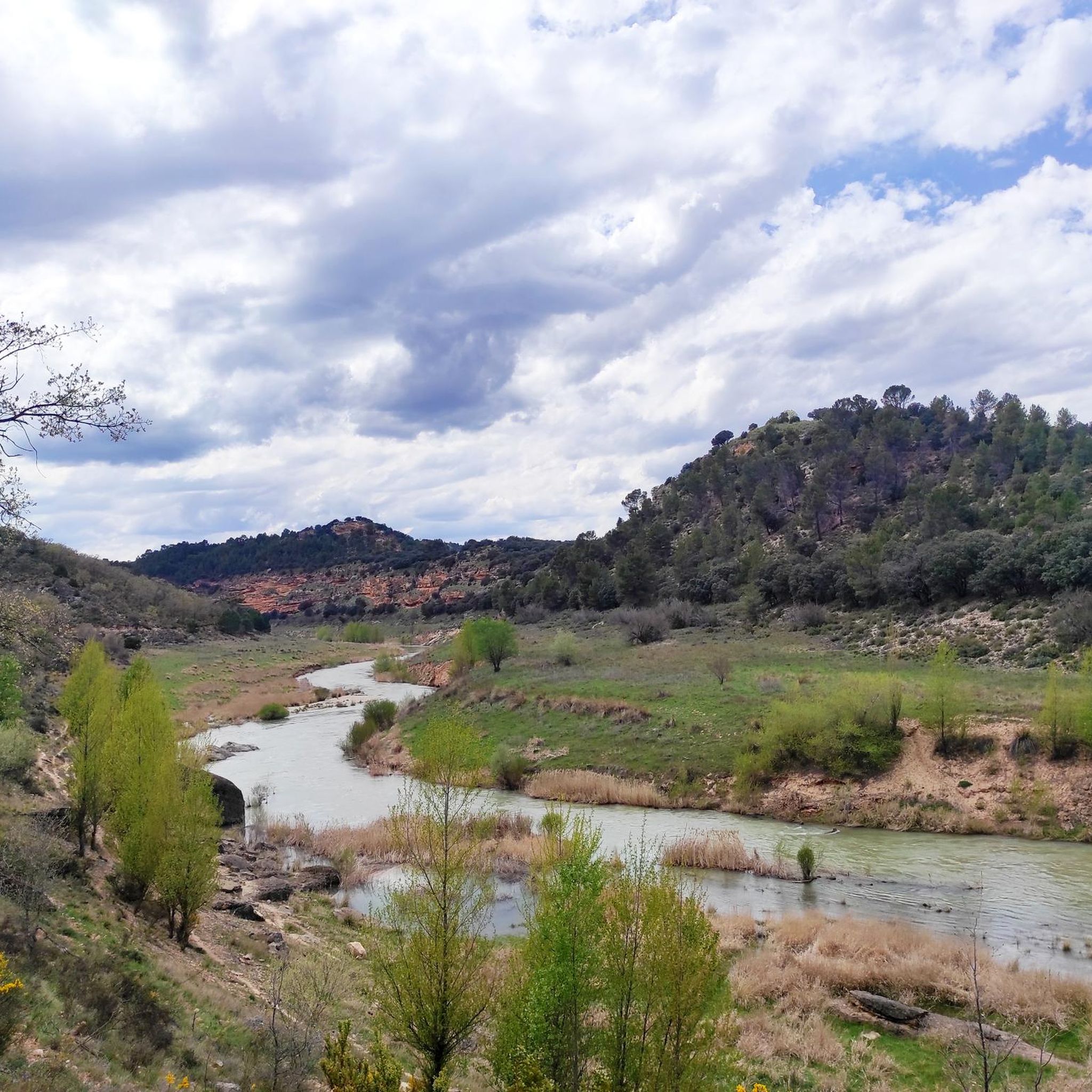
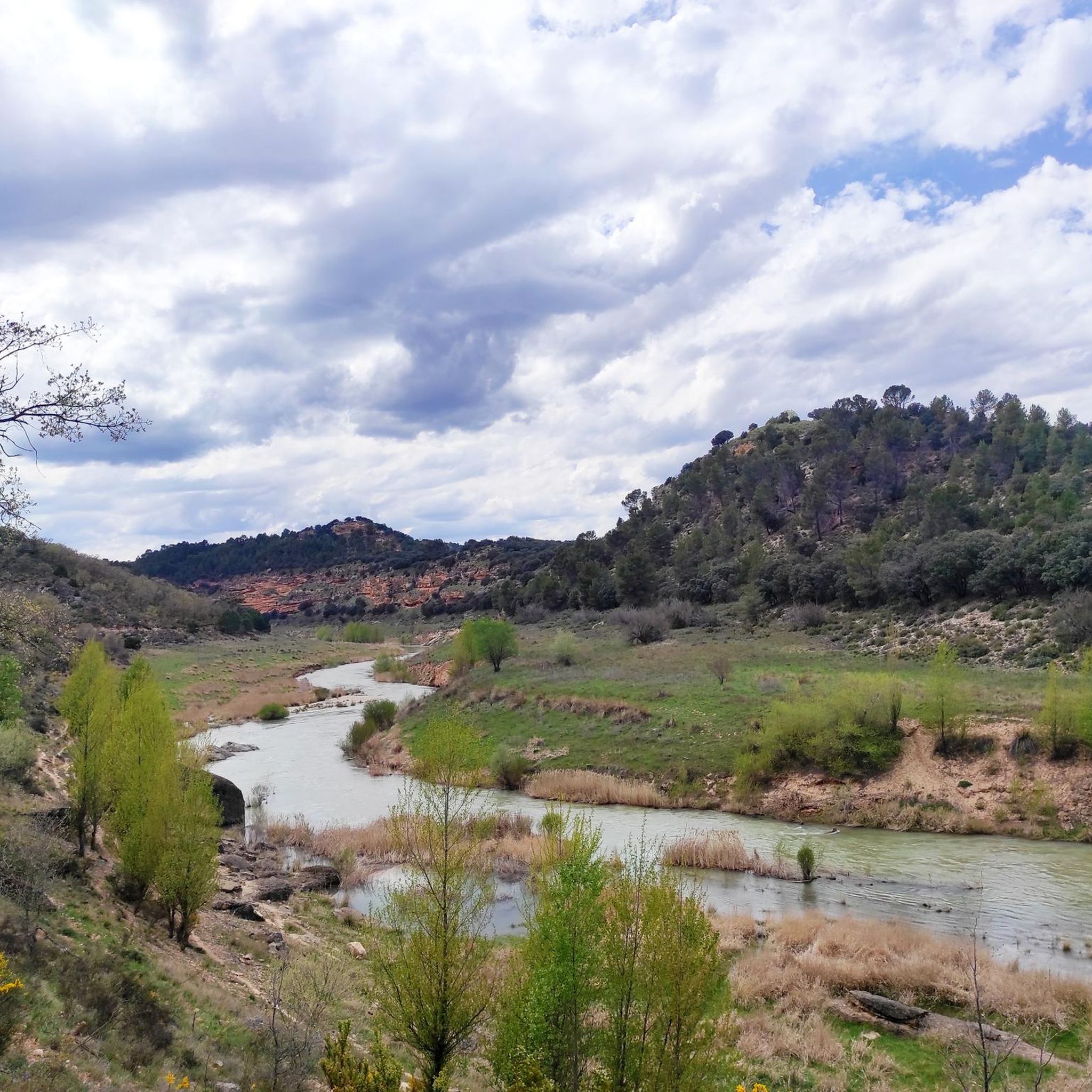
A beautiful village at the entrance of the Alto Tajo. With its ruined castle, its church, its square and its landscapes, it is an ideal place to admire nature.
0
0

The hiking route begins at a crossroads at the exit of the town, going down the path of the castle, where there is a panel with information about the route. The itinerary is marked with green and white paint marks. The path continues downhill and passes the dry bed of the Valpinoso stream, where the fountain of Los Caños is located and remains of a beautiful medieval bridge. A fork appears immediately, the path to the left is the return route and is also the access to the castle. The trail continues to the right and climbs up some hills of cultivated fields to a hill with good views of the village's fertile plain and the surrounding mountains, in the environmental transition between the countryside and peasant moors of the Alcarria Alta and the higher mountains. solitary in the province of Guadalajara in the forests and ravines of the Alto Tajo. The sticks of the route are stuck in the ditch of the road.
0
1

Circulating near the town of Arbeteta, at one of its ends and next to the Arroyo de la Rambla, is the Castle elevated on top of a huge rock. Spectacular when you go under it.
0
0

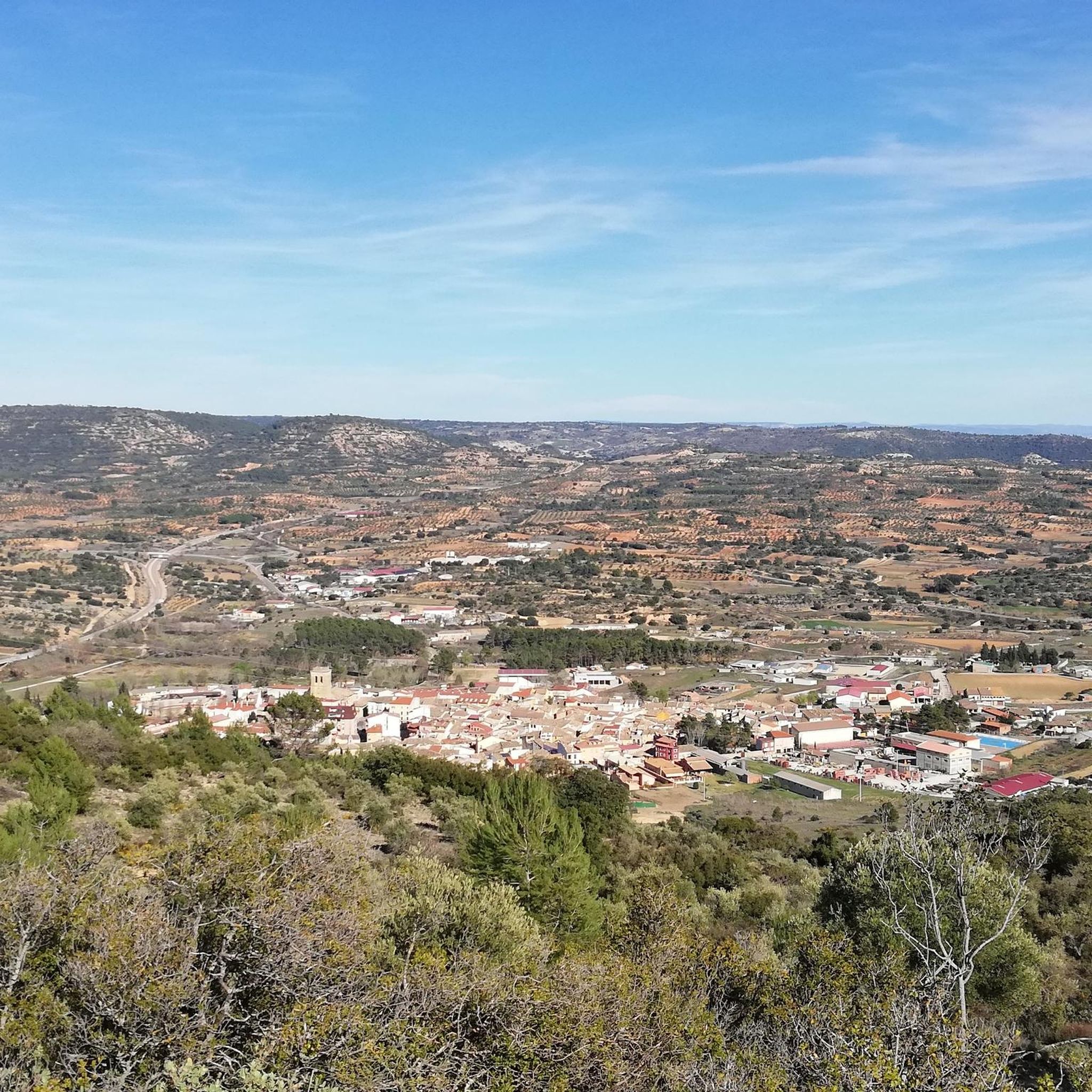
In Cifuentes there is also a castle, built by Don Juan Manuel in the 14th century when he took possession of the Señorío de Cifuentes. The town of Alcarria has been known since the Middle Ages as the town of the "hundred fountains", due to the numerous springs that flow through the streets of the town. The animation of the population is in the Plaza Mayor, and also concentrates the historical and monumental heritage, next to it is the old Ducal Palace and the impressive church of Santo Domingo. The gravel route leaves the town through the Balsa y el Molino, a channel that carries water from the main springs of the Cifuentes River to a large original stone pond from the Middle Ages. The route follows the Camino de Santiago de la Ruta de la Lana through the two Gargoyles, Arriba and Abajo. The arrows point in the direction of Santiago de Compostela and appear in the opposite direction.
0
0
Frequently Asked Questions
What historical sites related to castles can I visit near Trillo?
Near Trillo, you can explore several significant historical sites. The town of Cifuentes features a medieval castle built by Don Juan Manuel. You can also find the evocative ruins of the Monastery of Santa María de Óvila, known for its unique history. Additionally, there are the Ruins of Ocentejo Castle, offering a glimpse into the past amidst natural beauty.
What is the history behind the Monastery of Santa María de Óvila?
The Monastery of Santa María de Óvila, near Trillo, is a former Cistercian monastery dating back to 1181. It has a fascinating history, including its partial dismantling and relocation to California in the 1930s by William Randolph Hearst. Despite this, significant historical remnants, including a 13th-century winery and a 17th-century cloister, still stand, offering a contemplative experience amidst ruins.
What can I see at the Castillo de Cifuentes?
The Castillo de Cifuentes, located in the nearby town of Cifuentes, is a significant medieval fortress. Commissioned in 1324, it features a square plan with five towers, including a prominent pentagonal keep. While interior access may be restricted due to ongoing restoration, its formidable silhouette and impressive views of the surrounding landscape are well worth admiring from the exterior.
Are there any castle viewpoints near Trillo?
Yes, you can visit Views of Arbeteta Castle. This Muslim castle is built on a firm rock, offering a spectacular sight when viewed from below, especially when circulating near the town of Arbeteta.
What kind of outdoor activities can I do near these castles?
The region around Trillo offers a variety of outdoor activities. You can find numerous hiking trails, including the 'Viana Trail' and routes to the 'Tetas de Viana'. For road cycling, options like the 'Entrepeñas Reservoir Loop' are available. Mountain biking enthusiasts can explore trails such as 'Trillo - Embalse de Entrepeñas'. You can find more details on these activities in the hiking, road cycling, and MTB guides around Trillo.
Are there family-friendly historical sites or castles near Trillo?
The town of Cifuentes, with its castle and historical monumental heritage, is considered family-friendly. Exploring the ruins of the Monastery of Santa María de Óvila can also be an educational experience for families, offering a tangible connection to history in a natural setting.
What natural features can I see when visiting castles near Trillo?
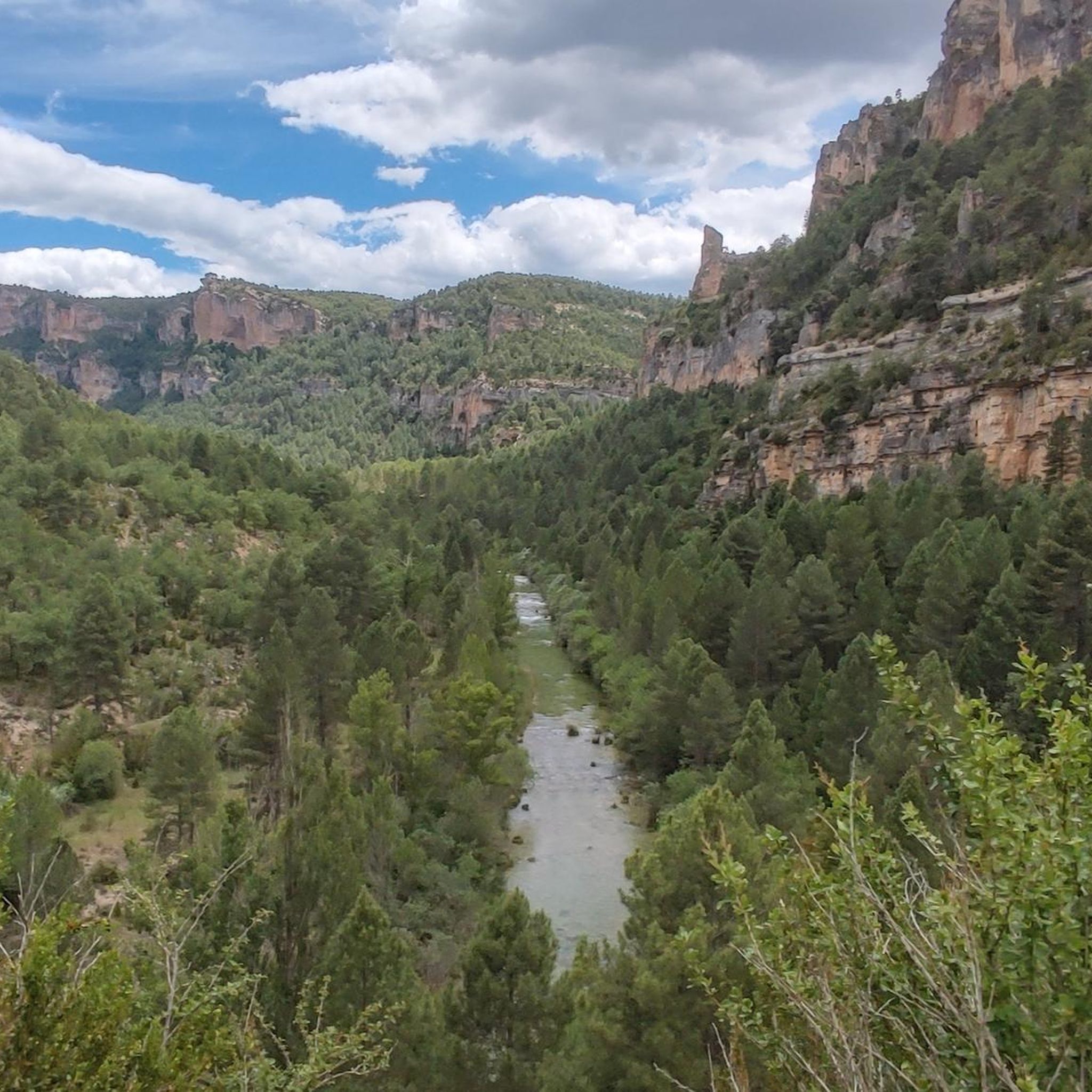
The castles and historical sites near Trillo are often set amidst beautiful natural landscapes. For instance, the Monastery of Santa María de Óvila ruins are close to the Tagus River. The Ruins of Ocentejo Castle are part of a village at the entrance of the Alto Tajo, providing an ideal place to admire nature alongside historical remnants. The region is characterized by river valleys and hills.
What is the best time to visit the castles and historical sites around Trillo?
The region's natural beauty, including the convergence of the Cifuentes and Tagus rivers, makes spring and autumn pleasant for exploration. These seasons generally offer milder weather, which is ideal for walking around ruins and enjoying the views without extreme heat or cold. Always check the local weather forecast before your visit.
Can I find cafes or restaurants near the castles in the Trillo area?
The town of Cifuentes, where the Castillo de Cifuentes is located, has a lively Plaza Mayor where you can find places to get supplies and rest. Trillo itself also offers cafes and restaurants, providing options for refreshments before or after your historical explorations.
What are the Ruins of Ocentejo Castle like?
The Ruins of Ocentejo Castle are located in a beautiful village at the entrance of the Alto Tajo. This site offers a unique opportunity to admire nature alongside historical remnants, providing a picturesque setting for those interested in exploring ruined castles and their surroundings.
Is there public transport available to reach castles near Trillo?
While Trillo is primarily known for its natural beauty and is often accessed by car for exploring the surrounding areas, local transportation options to specific castle sites can be limited. It's advisable to check local bus schedules or consider driving for more flexibility when visiting sites like the Castillo de Cifuentes or the Monastery of Santa María de Óvila.
What should I wear when visiting the ruins of Santa María de Óvila?
When visiting the ruins of the Monastery of Santa María de Óvila, it is advisable to wear sturdy footwear due to the uneven ground. The site offers a contemplative experience amidst a natural landscape, and comfortable shoes will enhance your exploration of the historical remnants.
Most popular attractions around Trillo

Get inspired with the komoot mobile app


