Top 8 Castles around Bétera
Best castles around Bétera offer a glimpse into the rich history of this municipality in the Camp de Túria region of Valencia, Spain. The area features historical structures, including those of Arab origin, that served defensive purposes and evolved over centuries. Bétera is situated amidst a landscape that has witnessed significant historical events and architectural transformations. The region provides a tangible connection to its past through these well-preserved historical sites.
Best castles around Bétera
- The most popular castles is Castell…
Last updated: May 6, 2026
Castell de Serra
Highlight • Castle
The fortress, which was not intended to house civilians, was part of the defense system of Northern Valencia along …
Translated by Google •
Tip by

El Puig
Highlight • Castle
Translated by Google •
Tip by

Sign up now to discover places like this
Get recommendations on the best single tracks, peaks, & plenty of other exciting outdoor places.
Sign up for free
Castillo del Real
Highlight • Castle
Tip by

View from the Castel Real
Highlight • Viewpoint
Tip by

Castell de Benisanó
Highlight • Castle
Translated by Google •
Tip by

Sign up for free to discover even more castles around Bétera.
Sign up for free
Already have an account?
Start today with a free account
Your next adventure awaits.
Login or Signup
Tips from the Community

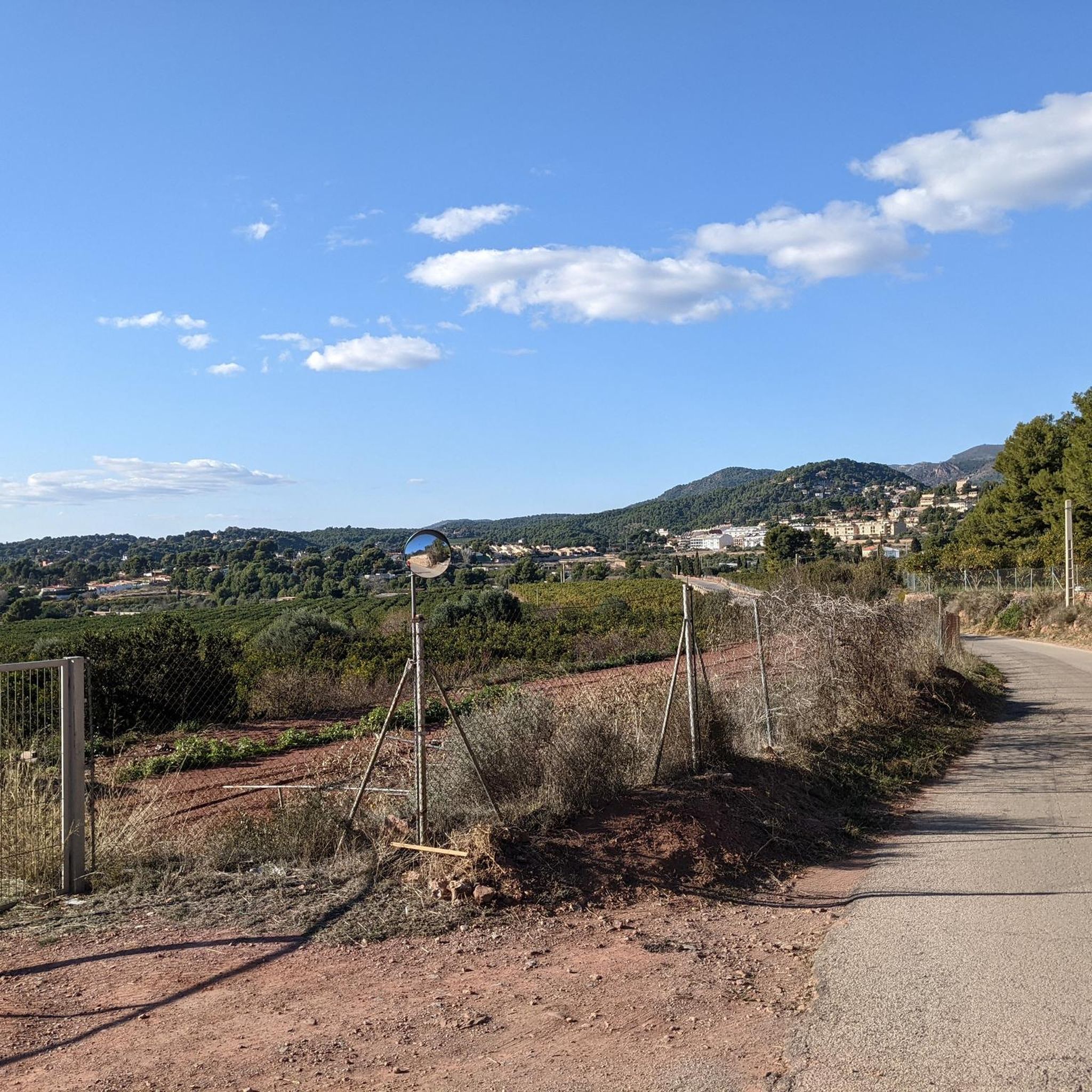
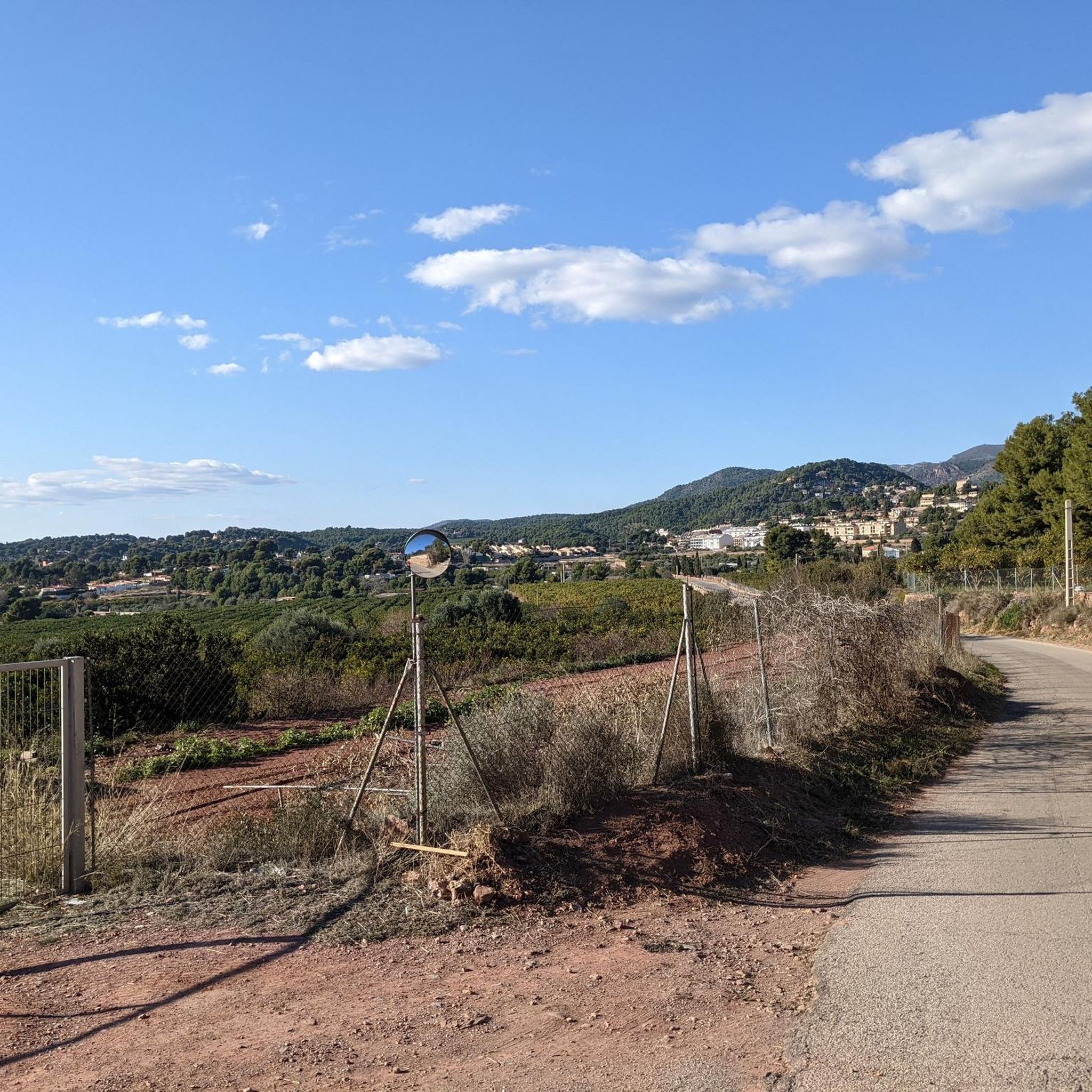
Accessible by forest track.
0
0

Take some time to explore this wonderful place
1
0
The views from the Castel réal are stunning - you can even see the see and Valencia, as well as the coast beyond
1
0

Benissanó Castle is one of the best preserved in the Valencian Country and was built in the second half of the 15th century on the site of an old Arab farmhouse called Benixanut, thanks to the wishes of the Cavanilles and Villarrasa family, lords of Benissanó. This building can be considered as a castle-palace, where the fortress and the stately residence are combined. In its primitive aspect, the castle had a drawbridge and a moat; the top of the central tower was triangular and pointed; these elements were removed in later reforms.
0
0

Built in the 8th and 9th centuries, the Castell is a fortress that has a floor plan of 600 square meters. The powerful main tower stands out, with a square floor plan and about ten meters high, at the northwest end.
10
3
Remains of the Arab castle in the town of Serra. Only part of the keep and the wall remain. great views.
0
0

A site with great historical value given its importance during the wars with the Moors. From here El Cid defended himself in the Valencia war where the Moors were dethroned. There are still some ruins of the old fortification worth visiting.
1
1

This historic castle was built around the 8th-9th century and is of Islamic origin. It was part of the defence system of the north of Valencia. This is a definite highlight in the area and a great place to take a photo. The path up to the castle, although steep, is short.
0
0
Frequently Asked Questions
What historical castles can I visit in Bétera?
Bétera is home to the Castell de Bétera, also known as the Castillo Palacio de los Boíl. This castle has Arab origins, dating back to an 11th-century watchtower, and has undergone numerous transformations over centuries. It now houses municipal offices and offers free guided tours, providing a tangible connection to the region's rich history and diverse architectural influences. You can learn more about its history and architecture during a visit.
Are there other significant historical structures near Bétera besides the main castle?
Yes, about 3 kilometers from Bétera, you'll find the Torre Bofilla. This medieval watchtower, dating back to the 12th or 13th century, was part of an Islamic farmhouse and a defensive system. While it's an important archaeological site representing the region's Muslim heritage, it is currently not open to the public for visits.
Which castles around Bétera offer the best views?
For breathtaking views, consider visiting Castell de Serra, which provides a grandiose view of the Sierra Calderona. Another excellent spot is Castillo del Real, a dramatic landmark known for its stunning vistas, including views of the Mediterranean Sea and Valencia from the View from the Castel Real.
What are some popular castles that are well-preserved?
Castell de Benisanó is one of the best-preserved castle-palaces in the Valencian Country. Built in the second half of the 15th century on an old Arab farmhouse site, it beautifully combines fortress and stately residence architecture.
Are there any castles with a strong connection to historical figures like El Cid?
Yes, El Puig, known in the Middle Ages as Cebolla, was an important military post for the Castilian knight El Cid. He gathered his troops here and coordinated attacks during the Battle of Valencia. You can still visit some remains of the fort that was built on the mountain during Arab rule, offering a glimpse into this significant historical period.
What kind of outdoor activities can I do near the castles in Bétera?
The area around Bétera offers various outdoor activities. You can explore cycling routes like the 'From Betera to Lliria — Circular Walk' or 'Marines Viejo – Ojos Negros Greenway loop'. For mountain biking, consider trails such as 'Font de la Cava – Olocau Castle loop'. There are also gravel biking options like 'Morería Pass – Llentiscle Spring loop'. You can find more details and routes in the Cycling around Bétera, MTB Trails around Bétera, and Gravel biking around Bétera guides.
What is the best time to visit the castles around Bétera?
While specific seasonal considerations for castles are not detailed, the region generally enjoys a Mediterranean climate. Visiting during spring or autumn often provides pleasant weather for exploring historical sites and engaging in outdoor activities without the intense heat of summer.
Are there any easy walks or accessible castles for visitors?
The Castell de Bétera is centrally located within the town and houses municipal offices, making it easily accessible for visitors. It offers free guided tours, which can be a good option for an easy exploration. For other castles, some may involve a stiff climb, like Castillo del Real, but the views are often worth the effort.
What do visitors enjoy most about the castles in the Bétera region?
Visitors frequently appreciate the rich history and architectural diversity of the castles, many of which have Arab origins and have evolved over centuries. The grandiose views from sites like Castell de Serra and Castillo del Real are also highly praised. The komoot community has shown significant engagement, with 83 upvotes and 45 photos shared, highlighting the visual appeal and historical significance of these sites.
Can I find any castles that were part of a larger defensive system?
Yes, Castell de Serra, a small fortress of Arab origin, was an integral part of the defense system of Northern Valencia, alongside other castles like those in Náquera and Olocau. The Torre Bofilla also served as a lookout and alert tower for the city of Valencia, highlighting its role in the region's historical defenses.
Are there any castles that have been restored or are undergoing archaeological work?
The Castell de Bétera has undergone recent restoration efforts, co-financed by the European Union, aimed at recovering its original appearance. These efforts have also uncovered significant archaeological finds dating from the Late Bronze Age to the Christian conquest, including Iberian, Andalusian, and Almohad remains. The Torre Bofilla has also seen restoration to preserve its structure.
Most popular attractions around Bétera

Get inspired with the komoot mobile app


Explore more
Looking for the best castles somewhere else? Discover other guides around Bétera:
