Top 5 Castles around La Horcajada
Best castles around La Horcajada are found in a region historically significant as part of the Señorío de Valdecorneja. While no castles are directly within La Horcajada municipality, the surrounding area offers notable historical sites. The landscape features the Corneja Valley, providing strategic locations for ancient fortifications. Visitors can explore a rich history spanning from Roman occupation to medieval times.
Best castles around La Horcajada
- The most popular castles is El Barco de Ávila, a settlement that features a…
Last updated: May 7, 2026
Valdecorneja Castle
Highlight • Castle
Translated by Google •
Tip by

El Barco de Ávila
Highlight • Settlement
Translated by Google •
Tip by
Sign up now to discover places like this
Get recommendations on the best single tracks, peaks, & plenty of other exciting outdoor places.
Sign up for free
Castle of El Barco de Ávila
Highlight • Castle
Translated by Google •
Tip by
Puente del Congosto
Highlight • Historical Site
Translated by Google •
Tip by

El Mirón Castle
Highlight • Castle
Translated by Google •
Tip by
Start today with a free account
Your next adventure awaits.
Login or Signup

Tips from the Community

Valdecorneja Castle, located in El Barco de Ávila, is a medieval gem that dominates the Tormes River valley from a strategic, elevated position. It is one of the most emblematic monuments in the province of Ávila and a must-see for history and architecture lovers.
2
0
Visiting El Barco de Ávila is an excellent option for a cultural and natural getaway at any time of year. This medieval town, located in the Alto Tormes region and at the gateway to the Sierra de Gredos, combines history, architecture, landscapes, and gastronomy in a charming way.
2
0

Built on a Vettonian fort that was destroyed by the Romans, it was built in the 12th century and rebuilt in the 14th century. After being conquered from the Arabs, King Alfonso VI donated the Lordship of Valdecorneja to his daughter and son-in-law, Ramon de Borgoña, for repopulation. At the beginning of the 14th century, Henry II of Trastamara donated these lands to the House of Alba in the person of Don García Álvarez de Toledo. The House of Alba was responsible for building the castle. Grand Duke Don Fernando Álvarez de Toledo had his second residence here. During the Peninsular War, it suffered significant deterioration, not only due to the war itself but also because its stones were used to build private homes. The old interior arcade (which apparently formed a double gallery on the inside of the tower) was dismantled and rebuilt to provide arcades for the town hall building, located in the Plaza Mayor. Between 1851 and 1904, the interior of the castle grounds was used as a municipal cemetery, which further deteriorated its condition. Today, the exterior is in perfect condition after restorations carried out in 1985 and 2004, preserving its original perimeter. The pavement and part of the keep were repaired. Access to the monument is free, and visitors can see the well located in the center of the courtyard, a vaulted cistern excavated in the subsoil rock, and the ancient windows and oriel windows with double pointed arches. The courtyard is used for certain cultural events held in this town.
1
0

Beautiful castle that is located at the top of the town of El Barco de Ávila and that shows us the history that the town had in ancient times. Even running its walls are beautiful!
0
1
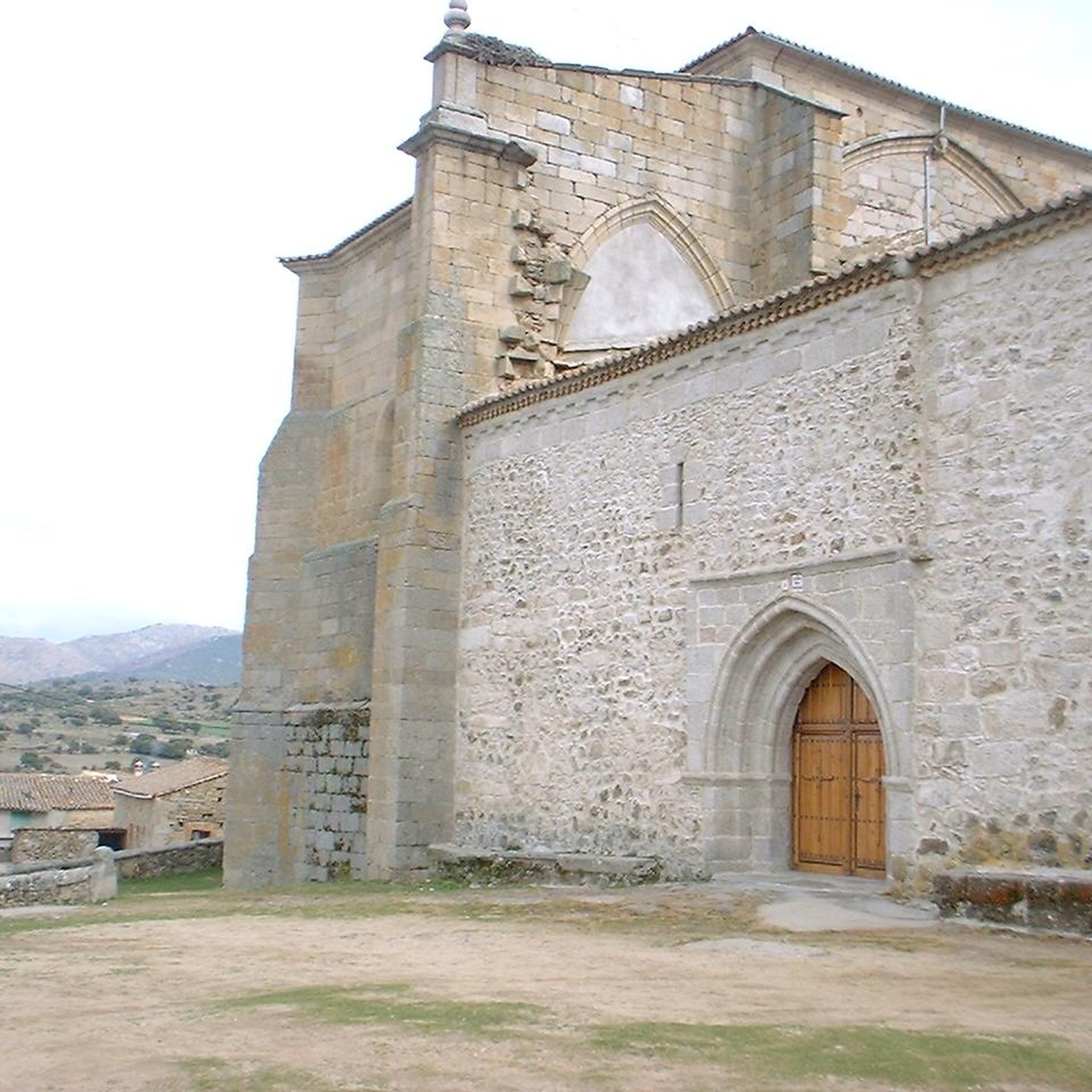
Right at the top of the town of El Mirón there is a hill with an old tower/castle from past times that offers impressive views of the town and the area as a whole.
1
0
The Salamanca town of Puente del Congosto, located a few kilometers from the entrance of the Tormes river in charro territory, owes its name to the gorges and channels that the erosion of the water has been causing. The origin of the town dates back to the 11th century.
0
0
Views from the Castle of El Mirón from where you can see a great view of the landscape of the area. The old castle can be visited without any problem, but with a road bike it is complicated, you can go with it on your back. Nice castle!
0
0
Beautiful castle that is located at the top of the town of El Barco de Ávila and that shows us the history that the town had in ancient times. On arrival at the town you can see the towers and walls.
0
0
Frequently Asked Questions
What is the historical significance of castles in the La Horcajada region?
The castles in this region were historically part of the Señorío de Valdecorneja, established in 1254. They played a crucial strategic role, often built on elevated positions to command views over valleys like the Corneja and Tormes. Sites like El Mirón Castle even show evidence of Roman occupation and early medieval structures, highlighting a rich history spanning centuries.
Which castles offer the best panoramic views?
For breathtaking panoramic views, El Mirón Castle is highly recommended. Perched atop a hill, it offers commanding vistas over the Corneja Valley and surrounding areas, with views extending as far as Salamanca on clear days. Valdecorneja Castle also provides impressive views over the Tormes River valley from its elevated position.
Are there any Roman or Visigoth remnants at these castles?
Yes, El Mirón Castle is particularly notable for its historical layers. Excavations have revealed remains from Roman occupation at the base of its walls, and an early medieval church with a square nave and apse, possibly Mozarabic or Visigoth in style, adding to its archaeological interest.
What outdoor activities can I do near the castles?
The area around the castles offers various outdoor activities. You can find numerous routes for running, mountain biking, and road cycling. For example, there are running trails like the 'El Barco de Ávila – Valdecorneja Castle loop' and MTB routes such as 'El Tormes, la Garganta de los Caballeros y el Aravalle'. You can explore more options in the Running Trails around La Horcajada, MTB Trails around La Horcajada, and Road Cycling Routes around La Horcajada guides.
Are the castles around La Horcajada family-friendly?
Yes, some castles are suitable for family visits. Valdecorneja Castle is categorized as family-friendly. The ascent to El Mirón Castle is also described as a short, well-designed walk with resting spots, making it accessible for most visitors, including families.
What makes Valdecorneja Castle a must-see?
Valdecorneja Castle is an emblematic medieval monument in the province of Ávila, dominating the Tormes River valley from a strategic, elevated position. It's a must-see for history and architecture enthusiasts, and you can even cycle through parts of the surrounding historical complex, including the Roman bridge nearby.
What can I expect when visiting El Barco de Ávila?
El Barco de Ávila is a charming medieval town declared a Historic-Artistic Site. It features a superb 12th-century castle, remnants of medieval walls, and a Romanesque-style bridge over the River Tormes. The town center offers a lively atmosphere with arcaded squares, cobbled streets, and a rich heritage, making it an excellent option for a cultural and natural getaway.
What are the unique features of El Mirón Castle?
El Mirón Castle is unique for its strategic location atop a hill, utilizing natural rock formations for defense. It boasts sturdy masonry walls, a prominent rectangular keep, and arrow slits. Its historical layers, including Roman and early medieval remnants, and its well-preserved tower, offer a deep dive into the region's past. It's also praised for its tranquility and spectacular views.
What is the best time of year to visit the castles near La Horcajada?
While specific opening times vary, visiting during spring or autumn generally offers pleasant weather for exploring the outdoor castle ruins and enjoying the panoramic views. The region's natural beauty, especially the Corneja Valley, is particularly enchanting during these seasons. Clear days are ideal for appreciating the extensive vistas from elevated castles like El Mirón Castle.
Are there any less crowded castles to explore in the region?
El Mirón Castle is often described as a relatively hidden gem. Despite its historical allure and breathtaking views, it maintains a sense of tranquility, making it an excellent choice for those looking to explore a castle without large crowds.
How long should I plan for a visit to these castles?
For individual castles like El Mirón Castle or Valdecorneja Castle, you might spend 1-2 hours exploring the ruins, enjoying the views, and reading informative signs. If you plan to visit the town of El Barco de Ávila and its castle, allow for a half-day to fully experience the town's historical sites and atmosphere.
Are there any historical bridges near the castles?
Yes, the region features notable historical bridges. El Barco de Ávila boasts a Romanesque-style bridge over the River Tormes. Additionally, Puente del Congosto, a few kilometers away, is another historical site known for its bridge and the gorges formed by the Tormes river.
Most popular attractions around La Horcajada

Get inspired with the komoot mobile app


