Top 7 Waterfalls around Los Guajares
Waterfalls around Los Guajares are located in a municipality within Spain's Granada province, characterized by its abrupt and steep terrain. This area offers a scenic and historically rich experience, with its valleys and diverse landscapes providing opportunities to explore the natural beauty of flowing water. Hiking routes often follow rivers, leading through picturesque settings. The region features historical remains such as El Castillejo, a 13th-century fortress, adding cultural significance to its natural attractions.
Best waterfalls around Los Guajares
- The most…
Last updated: July 17, 2026
Río Verde Waterfalls, Barranco de las Chortales
Highlight • Waterfall
Translated by Google •
Tip by

Waterfall of the Arroyo del Alcázar
Highlight • Waterfall
Translated by Google •
Tip by

Sign up now to discover places like this
Get recommendations on the best single tracks, peaks, & plenty of other exciting outdoor places.
Sign up for free
Three Waterfalls
Highlight • Waterfall
Translated by Google •
Tip by

Petrified Trees Waterfall
Highlight • Waterfall
Translated by Google •
Tip by

Montalbán Irrigation Channel Waterfall
Highlight • Waterfall
Translated by Google •
Tip by

Sign up for free to discover even more waterfalls around Los Guajares.
Sign up for free
Already have an account?
Start today with a free account
Your next adventure awaits.
Login or Signup

Tips from the Community

The sinter crusts of the lime-rich water make the tree trunks trapped in the waterfall appear petrified. Hence the common name "Cascada de los Arboles Petrificados" (Petrified Trees Cascade). However, these are not petrified trees, but mineral deposits in flowing water that cover both rocks and plants (sinter). Source: Wikiloc
0
0

A lovely place to cool off and spend a wonderful day in the surroundings.
0
0

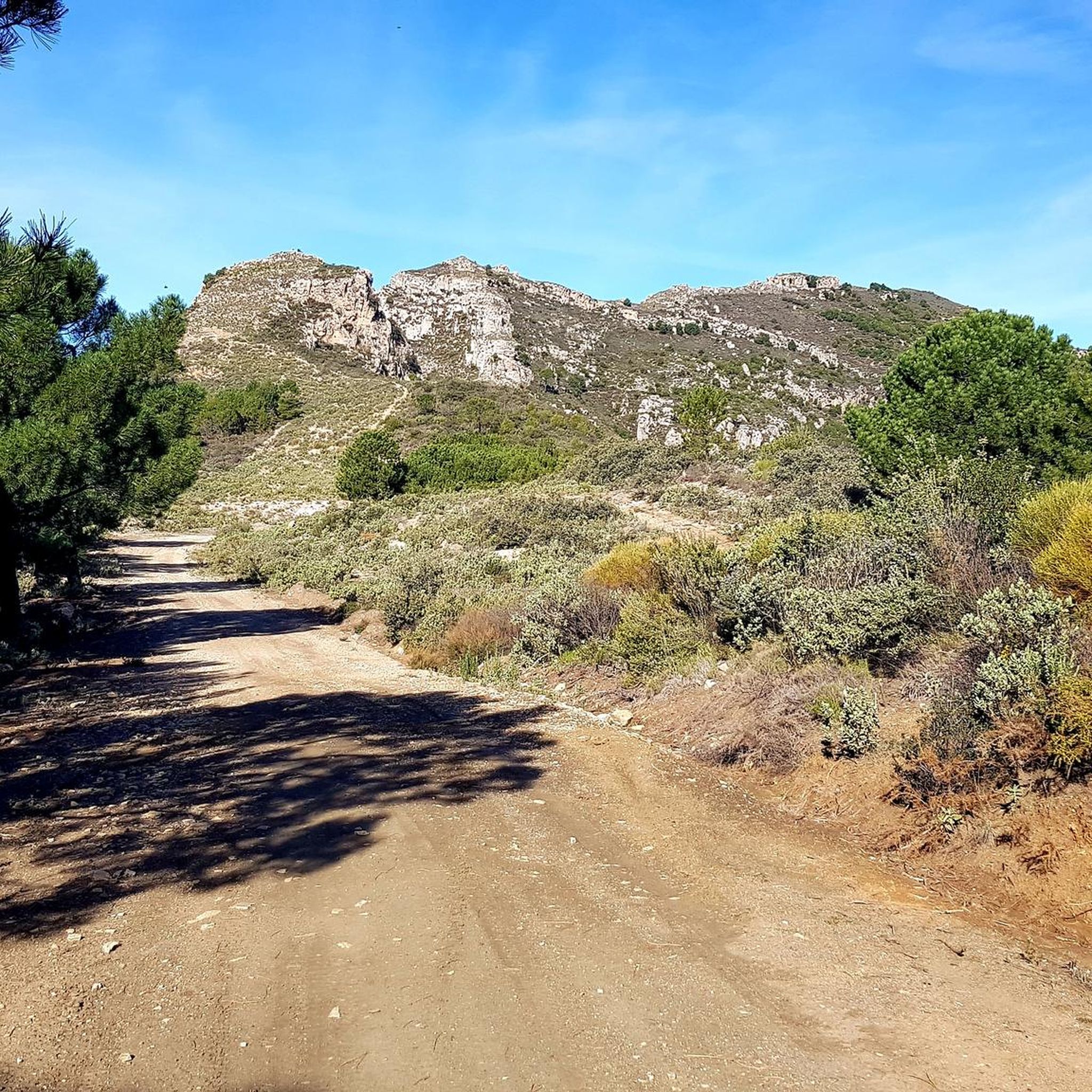
Currently, a section of 800 meters is still heavily overgrown, with huge rosemary and sage bushes, as well as thorns. It's best to bring a stick or something similar to push them away. However, the view is unique, and the spring is a dream.
0
0

The waterfalls can probably only be seen if you walk through the river bed and this also carries water in summer. With hiking boots you get 100% wet feet. Water sandals would be the better shoe choice here. Apparently the path through the river is well known and people knew about it. At first it doesn't look like the river has any water at all, but then the path becomes greener and greener and there is no longer a path next to the river. Close your eyes and through or vice versa. Definitely full with the right footwear. After 200 m of wet feet, a small path begins on the left in the direction of the river, up through the olive trees.
1
0

This is a waterfall that we find on the hiking route from Lanjaron to the Tello refuge, along the path or path of the Mezquerina ditch in the section specifically of the Montalban ditch.
0
0
This waterfall is located next to Alós Baños de Urquizar
1
0

This high waterfall with crystalline waters falls directly next to the Azequia Montalbán.
2
0
This tall waterfall with crystal-clear waters falls directly next to the Montalbán irrigation canal.
0
0
Frequently Asked Questions
What are some unique waterfalls to visit in Los Guajares?
Beyond the well-known Río de la Toba, you can explore the Petrified Trees Waterfall, which features spectacular geological formations where mineral deposits make tree trunks appear petrified. Another unique spot is the Three Waterfalls, a beautiful location with three cascades of different sizes, where stirrups are embedded in the rock for climbing.
Are there family-friendly waterfalls in Los Guajares?
Yes, the Waterfall of the Arroyo del Alcázar is noted as family-friendly. While it can be challenging to reach depending on water levels, it offers a beautiful spot for cooling down. The area around Río de la Toba also has footpaths suitable for families.
What is the best time to visit the waterfalls in Los Guajares?
The waterfalls, especially the Río de la Toba (El Salto), are most impressive after heavy rainfall, typically during the wetter seasons. This is when they become a major tourist attraction, offering an immense and beautiful spectacle. However, some areas can get very hot in summer, so consider visiting during spring or autumn for more comfortable hiking conditions.
What natural features can I expect to see near the waterfalls?
The region is characterized by abrupt and steep terrain, offering diverse landscapes. You'll find lush valleys, craggy cliffs, ancient terraced farmlands, and varied woodlands. Many waterfalls are found in canyons and gorges, such as the Río Verde Waterfalls, Barranco de las Chortales, which offers incredible views of the riverbed.
Are there historical sites near the waterfalls in Los Guajares?
Yes, the area around the Río de la Toba waterfall is historically rich. It was a scene of conflicts in the 16th century. Nearby, you can explore historical remains such as El Castillejo, a 13th-century fortress, and La Fuente Santa, an area linked to local legends.
What outdoor activities can I do near the waterfalls?
The region offers excellent opportunities for hiking and canyoning. The 'Ruta de la Toba' is a nine-kilometer trail that follows the Río de la Toba, connecting the three villages of Los Guajares. The Barranco del Río de la Toba ravine is also significant for canyoning. For other outdoor activities, you can find various running trails, cycling routes, and gravel biking routes around Los Guajares.
Can I swim in the waterfall areas?
Some waterfall locations offer opportunities for swimming. For instance, the Río Verde Waterfalls, Barranco de las Chortales is described as a very nice shady place where you can swim and find refreshment, especially on hot summer days. The Waterfall of the Arroyo del Alcázar is also a beautiful spot for cooling down.
How accessible are the waterfalls in Los Guajares?
Accessibility varies. Some waterfalls, like one between Guájar Alto and Guájar Faragüí, are easily accessible by car, offering a convenient stop. Others, such as the Waterfall of the Arroyo del Alcázar, can be challenging to reach depending on water levels and may involve slippery ground due to loose gravel.
What do visitors enjoy most about the waterfalls in Los Guajares?
Visitors frequently highlight the spectacular natural beauty and the refreshing experience. The Río Verde Waterfalls, Barranco de las Chortales is praised for its incredible views and being a great spot to cool off. The unique geological formations at the Petrified Trees Waterfall also captivate visitors.
Are there any waterfalls created by irrigation channels?
Yes, the Montalbán Irrigation Channel Waterfall is a notable example. This high waterfall with crystalline waters falls directly next to the Azequia Montalbán and is found on hiking routes in the area, such as the path from Lanjaron to the Tello refuge.
What should I pack for a waterfall hike in Los Guajares?
Given the varied terrain and potential for cooling down or swimming, it's advisable to pack appropriate hiking footwear, water, sun protection, and swimwear if you plan to take a dip. Be prepared for potentially slippery paths, especially near the water, and consider the heat during summer months.
Are there any gorges or canyons to explore near the waterfalls?
Yes, the region is known for its gorges and canyons. The Barranco de las Chortales, part of the Río Verde Waterfalls, is a prominent canyon. The Barranco del Río de la Toba ravine is also a significant area for canyoning, offering adventurous exploration opportunities.
Most popular routes around Los Guajares
Most popular attractions around Los Guajares

Get inspired with the komoot mobile app


Explore more
Happy to travel a little further afield? Then browse these guides for the best waterfalls around Los Guajares:
