Top 11 Caves around Llutxent
Best caves around Llutxent are found within a municipality in the province of Valencia, Spain, offering access to natural formations and historical sites. The region is characterized by its accessible hiking routes that often lead to these natural features. Llutxent's caves provide insights into local heritage and the historical uses of these natural spaces. The area is suitable for those interested in combining outdoor activity with a touch of local history.
Best caves around Llutxent
- The most popular caves is…
Last updated: May 7, 2026
Cova Negra
Highlight • Cave
Translated by Google •
Tip by

Cova de la Verge
Highlight • Cave
Translated by Google •
Tip by

Sign up now to discover places like this
Get recommendations on the best single tracks, peaks, & plenty of other exciting outdoor places.
Sign up for free
Parpalló-Borrell Interpretation Centre
Highlight • Rest Area
Translated by Google •
Tip by

Cim de la Safor (1,013 m)
Highlight • Summit
Translated by Google •
Tip by

Cavern of Quatretonda
Highlight • Cave
Translated by Google •
Tip by

Sign up for free to discover even more caves around Llutxent.
Sign up for free
Already have an account?
Start today with a free account
Your next adventure awaits.
Login or Signup

Tips from the Community

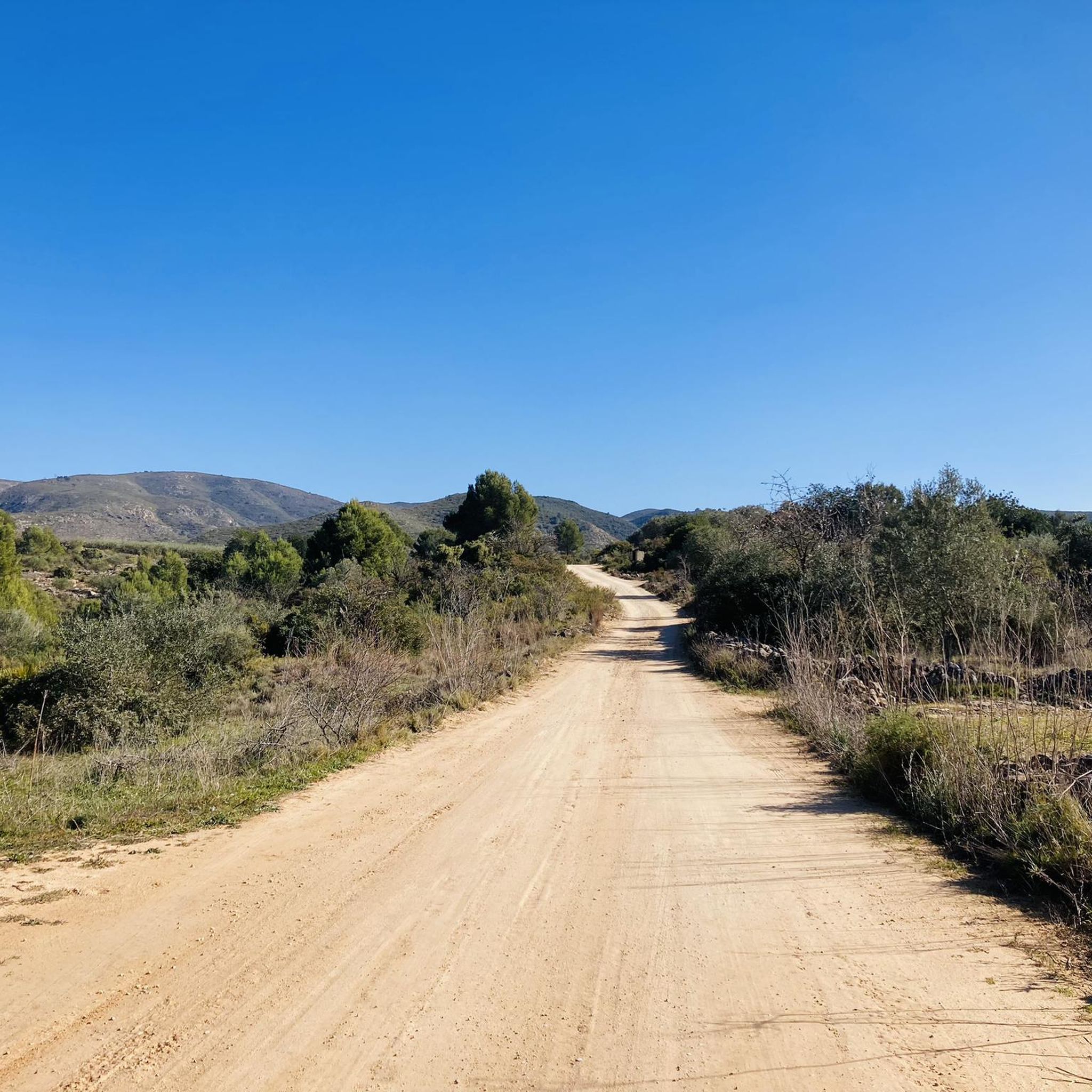
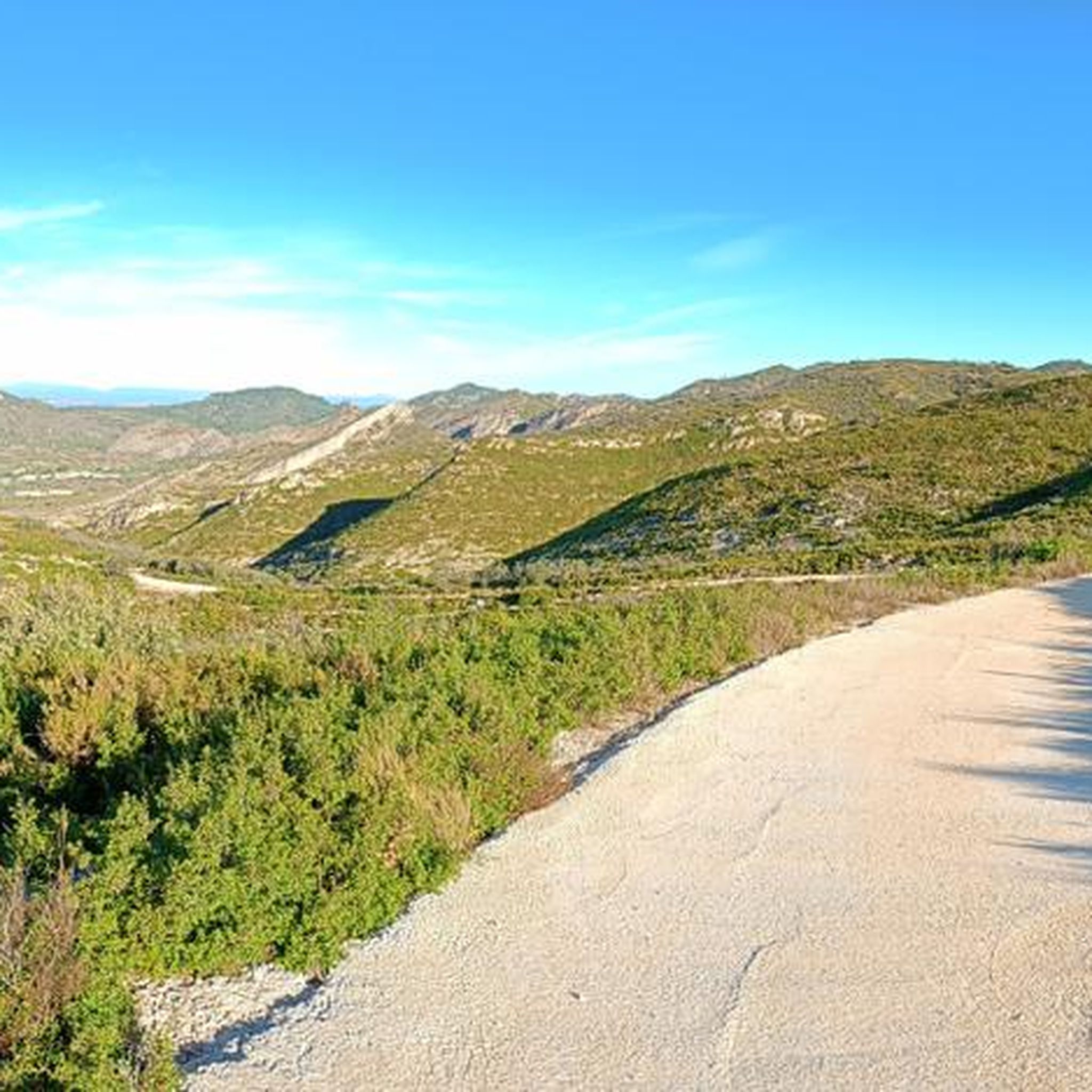
From the TOP of the mountain one can have great view of La SAFOR and MARINA ALTA areas (nice view of Gandia and Oliva towns). Unfortunately, due to very rich vegetation (high trees) it is not possible to enjoy a 360 degree view similar to option which one has by hiking up Montuver mountain. Short video about this hike could be found under the following link: https://www.youtube.com/watch?v=j-mfyWy6RzQ
1
0
There are few options to achieve TOP of the Maneuver mauntain. The easiest one is just follow road for the special vehicles. Even if you have selected this option - you will have many challenging alternatives sections during hiking up. Better to make a hike by the good weather (no clouds). 360 degree view from the top is spectacular and one is able to see Ibiza/Formentera islands.
1
0

The La Cova Negra municipal natural area is located in the municipality of Játiva, province of Valencia. In the Cova Negra is the Middle Paleolithic site in which remains of Homo Neanderthal have appeared. This natural area is located in the narrow valley formed by the Albaida River, as it crosses the reliefs of the Sierra Grossa, at the exit of the so-called Estret de les Aigües. In the widest meander formed by the Albaida River, at the height of Pico del Paller, you can see the Cova Negra, named for the blackish appearance of its walls.
2
1

An ecological centre with a car park and visitor amenities. Also a good spot to start a hike from
0
0

Steep climb. Will be rewarded with a great view
1
0

La Cova Negra is a cavity that is located in a gorge called the Strait of Waters. Its black color is mainly due to the smoke from the bonfires made by its former inhabitants, the Neanderthals who occupied it for a few months of the year. An important amount of flint tools and other archaeological remains have been found here.
3
0

La Cova Negra is an important archaeological site, located in the widest meander of the Albaida river. It was home to Neanderthal man in the Paleolithic. The cave gets its name from the dark color of the walls. Human remains and paintings have been found inside.
2
0
La Cova Negra is an important archaeological site, located in the widest meander of the Albaida river. It was home to Neanderthal man in the Paleolithic. The cave gets its name from the dark color of the walls. Human remains and paintings have been found inside. It is a space of fundamental importance for understanding the culture of the Mosterian and the reality of the Neanderthals. The Almodí Museum exhibits an exact reproduction of a parietal bone from the period, discovered in the cave.
2
0
Frequently Asked Questions
What are the most notable caves to visit around Llutxent?
Around Llutxent, you can explore several significant caves. Cova Negra is a historically important site, once a Neanderthal shelter, known for its dark interior from ancient fires and located within a natural area with trails along the Albaida River. For a more challenging experience, the Cavern of Quatretonda is a deep karst formation popular for speleology. The Parpalló-Borrell Interpretation Centre provides access to the archaeologically rich Parpalló cave, intensely inhabited during the Upper Paleolithic period.
Are there any family-friendly caves or activities near Llutxent?
Yes, the Cova de la Verge is a small, family-friendly cave located in the Senda Morada de Gandia. It's a chapel dedicated to the Virgen de los Desamparados and is easily reachable on foot, even with children. Additionally, the Parpalló-Borrell Interpretation Centre is family-friendly, offering facilities and access to the historic Parpalló cave, making it suitable for all ages interested in archaeology and nature.
What kind of natural features can I expect to see near the caves?
The caves around Llutxent are often situated within beautiful natural landscapes. For instance, Cova Negra is part of a Municipal Natural Area with trails running along the Albaida River. The broader Llutxent region is known for its natural beauty, including the unique El Surar Natural Municipal Area, home to the southernmost cork oak forest in the Valencian Community, offering breathtaking views and signposted hiking trails.
Are there historical or archaeological sites associated with the caves?
Absolutely. Cova Negra is a significant archaeological site, having served as a shelter for Neanderthals, with important flint tools and other remains found there. The Parpalló-Borrell Interpretation Centre provides access to the Parpalló cave, which was intensely inhabited by Homo sapiens during the Upper Paleolithic period and is a crucial archaeological landmark.
Do I need special permits to visit caves in the Llutxent area?
For general access to natural areas like the one surrounding Cova Negra, specific permits are typically not required for casual visits. However, for specialized activities like speleology in challenging caves such as the Cavern of Quatretonda, it is advisable to check with local caving associations or authorities for any necessary permits or guided tours, as these often involve vertical paths and require specific equipment and expertise. Access to the Parpalló cave is managed through the Parpalló-Borrell Interpretation Centre.
What outdoor activities can I do near these caves?
The Llutxent area is a paradise for outdoor enthusiasts. Many caves are integrated into hiking trails. You can find numerous routes for road cycling, gravel biking, and general cycling. For example, explore road cycling routes like the "Puerto de l'Orxa - Alpatro – Port de Salem and Beniarrés loop" or gravel biking routes such as the "Benita Fountain – La Bastida Refuge loop." For more options, check out the Road Cycling Routes around Llutxent, Gravel biking around Llutxent, and Cycling around Llutxent guides.
Are there hiking trails that incorporate cave visits?
Yes, several hiking trails in the Llutxent region lead to or pass by caves. For instance, Cova Negra is located within a natural area with trails along the Albaida River that allow you to reach the cave. The Parpalló-Borrell Interpretation Centre is also a good starting point for hikes that can incorporate a visit to the Parpalló cave. The region is generally known for its extensive network of trails showcasing natural beauty and historical sites.
What is the best time of year to visit the caves and surrounding area?
While there's no specific 'best time' for the caves themselves, the Llutxent region, being ideal for hiking and outdoor activities, is generally best enjoyed during the milder seasons. Spring (March to May) and autumn (September to November) offer pleasant temperatures for exploring the natural areas and trails around the caves, avoiding the intense heat of summer and potential chill of winter.
What should I wear when visiting caves around Llutxent?
For visiting caves and exploring the surrounding natural areas, it's recommended to wear comfortable hiking shoes with good grip, as trails can be uneven. Layers of clothing are advisable, as cave interiors can be cooler than outside temperatures. For more challenging caves or speleology, specialized gear such as helmets, headlamps, and appropriate protective clothing would be necessary.
What do visitors enjoy most about the caves and natural areas near Llutxent?
Visitors frequently appreciate the blend of natural beauty and historical significance. The opportunity to explore ancient sites like Cova Negra, which served as a Neanderthal shelter, offers a unique glimpse into the past. The scenic trails along the Albaida River and the challenging speleology experiences at sites like the Cavern of Quatretonda are also highly valued. The region's diverse offerings, from family-friendly walks to demanding explorations, cater to a wide range of interests.
Are there any other significant natural areas near Llutxent besides the caves?
Yes, the El Surar Natural Municipal Area, located between Llutxent and Pinet, is a highly significant natural attraction. It's renowned for being the southernmost cork oak forest in the Valencian Community, thriving in a unique humid microclimate. This area offers breathtaking views and well-marked trails, making it an excellent spot for hiking and appreciating botanical heritage, distinct from the cave systems.
Most popular routes around Llutxent
Most popular attractions around Llutxent

Get inspired with the komoot mobile app


Explore more
Extend your search for the best caves by checking out these guides of the top ones around Llutxent:
