Top 5 Castles around Murla
Best castles around Murla are found in the Marina Alta region of Alicante, Spain, an area characterized by its historical fortifications and natural landscapes. Murla is situated within the Pop or Jalón river valley, offering strategic viewpoints and insights into centuries of regional history. The area's terrain features remnants of Islamic rule and later Christian adaptations, making it a location of cultural significance. Visitors can explore various historical sites integrated into the natural environment.
Best castles around Murla
- The most…
Last updated: August 28, 2026
Castellet d'Orba Castle Ruins
Highlight • Castle
Translated by Google •
Tip by

Església - Fortalesa Castell de Pop
Highlight • Religious Site
Translated by Google •
Tip by

Sign up now to discover places like this
Get recommendations on the best single tracks, peaks, & plenty of other exciting outdoor places.
Sign up for free
Church-Fortress of Saint Michael the Archangel (Murla)
Highlight • Religious Site
This used to be an old castle during the Islamic rule. During the last Muslim period it was owned by Al-Azraq.
Translated by Google •
Tip by

Castell d'Aixa Ruins and Viewpoint
Highlight • Castle
Translated by Google •
Tip by

Ambra Castle
Highlight • Castle
Pego was founded as a Christian settlement on a hill in the widely scattered Uxola settlement, which was under the …
Translated by Google •
Tip by
Sign up for free to discover even more castles around Murla.
Sign up for free
Already have an account?
Start today with a free account
Your next adventure awaits.
Login or Signup
Tips from the Community

Església - Fortalesa Castell de Pop (Iglesia de San Miguel Arcángel), the parish church and castle of San Miguel Arcángel. The town of Murla developed around this fortified church over time, with the origins of the castle itself dating back to the early centuries of Muslim rule. The strategic location of the castle and parish church of San Miguel Arcángel allowed control of the passage between L'Alcoià and La Marina Alta, as well as protection for the population from frequent pirate attacks. In the 16th century, the castle building in Murla was remodeled to house the parish church, which consists of a nave divided into three sections and cross-ribbed vaults. It still boasts two imposing towers, and its simple exterior contrasts with the religious architecture of the interior, where Gothic ornamentation can be admired. The fortified church gained importance in the 16th century due to the attacks by Barbarossa's pirates. At the foot of the tower is the laundry room, which is still in use today...
2
0

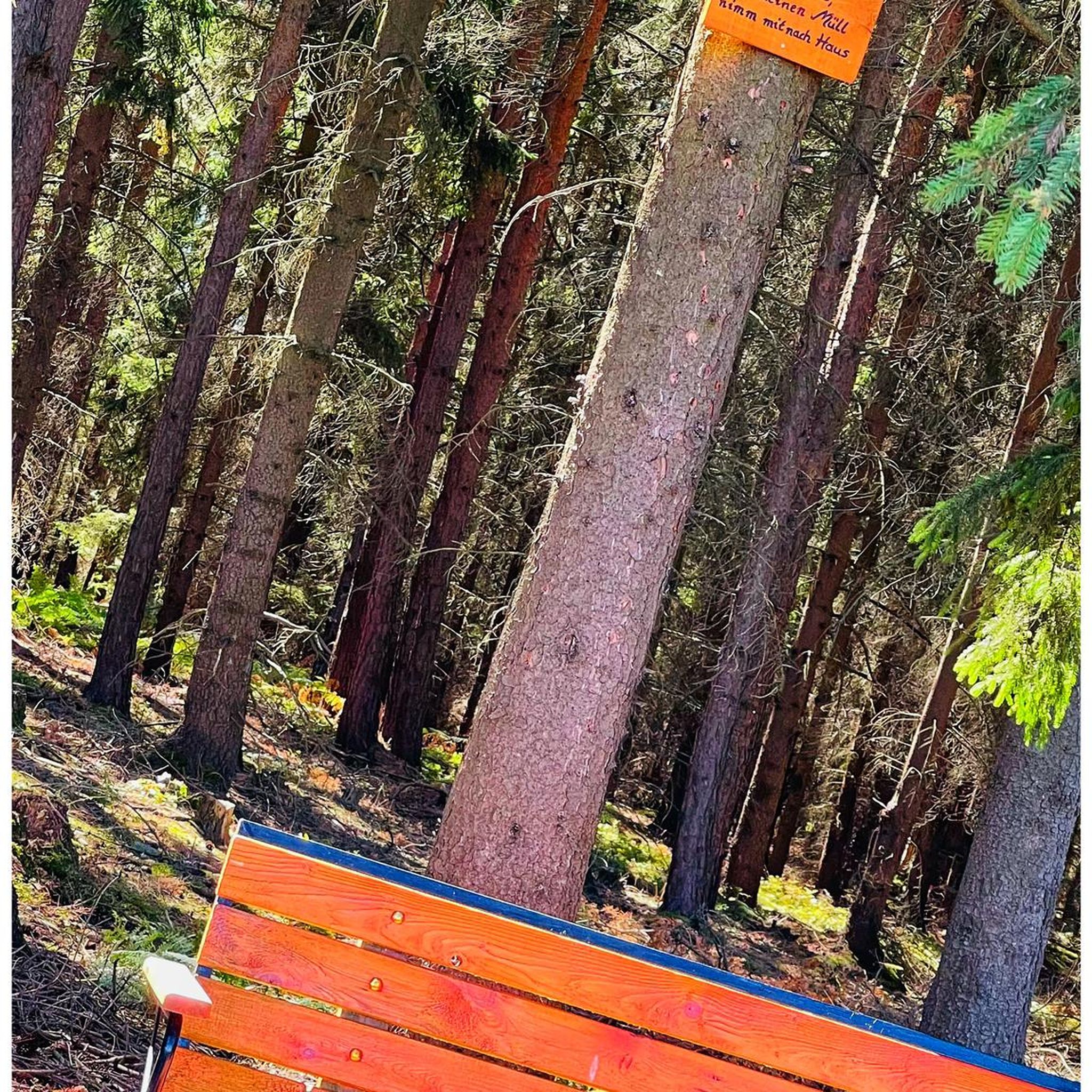
A perfect place to have a rest on a hot day. There are a few benches in the shade under the trees. And there is a tap to refill your bidon.
0
0
The Ambra Castle (Spanish: Castillo de Ambra, Catalan: Castell d'Ambra) Pego was founded as a Christian settlement on a hill in the widely scattered Uxola settlement, which was under the power and care of the Ambra Castle. This castle, located about two kilometers as the crow flies southwest of the current town center on the rocky ridge of the Montaña de Abra in the Sierra de Migdia, dominated the access to the Ebo Valley (La Vall d'Ebo) and controlled the area as far as the marshes of Pego-Oliva. The Muslims native to this area probably took building materials from this castle to build the city walls and towers. The Ambra Castle is of Arab origin, and construction began in the second half of the 12th century. After the uprisings of al-Azraq at the end of the 13th century, 20 houses were built within the castle walls. They served as accommodation until the construction of the village of Pego began in 1280.
2
0

The fortress church of Murla is the most striking monument in the municipality. This used to be an old castle during the Islamic rule. During the last Muslim period it was owned by Al-Azraq. At the foot of the tower is the washroom, which is still used today.
2
0

"Castle" is not much, but the view makes up for it! Beautiful view of Lliber and a mountain ridge. Do it!
0
1

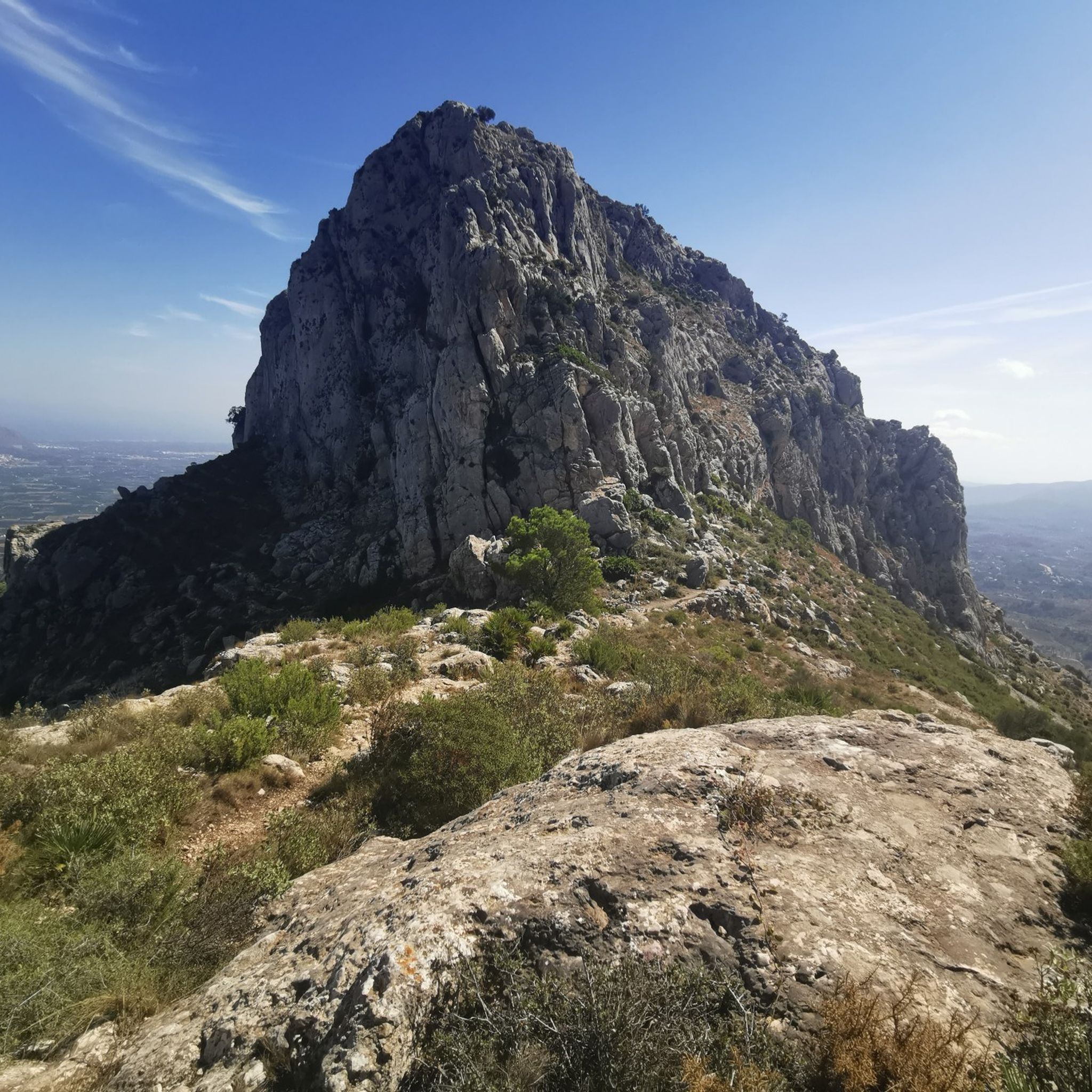
In Jalon drive up the blue bridge to the end of the street, there is a small parking lot. From there a short steep climb, approx. 1.5 hours. A wonderful panoramic view from the ruins that fully rewards the effort. The tour requires sure-footedness.
1
2

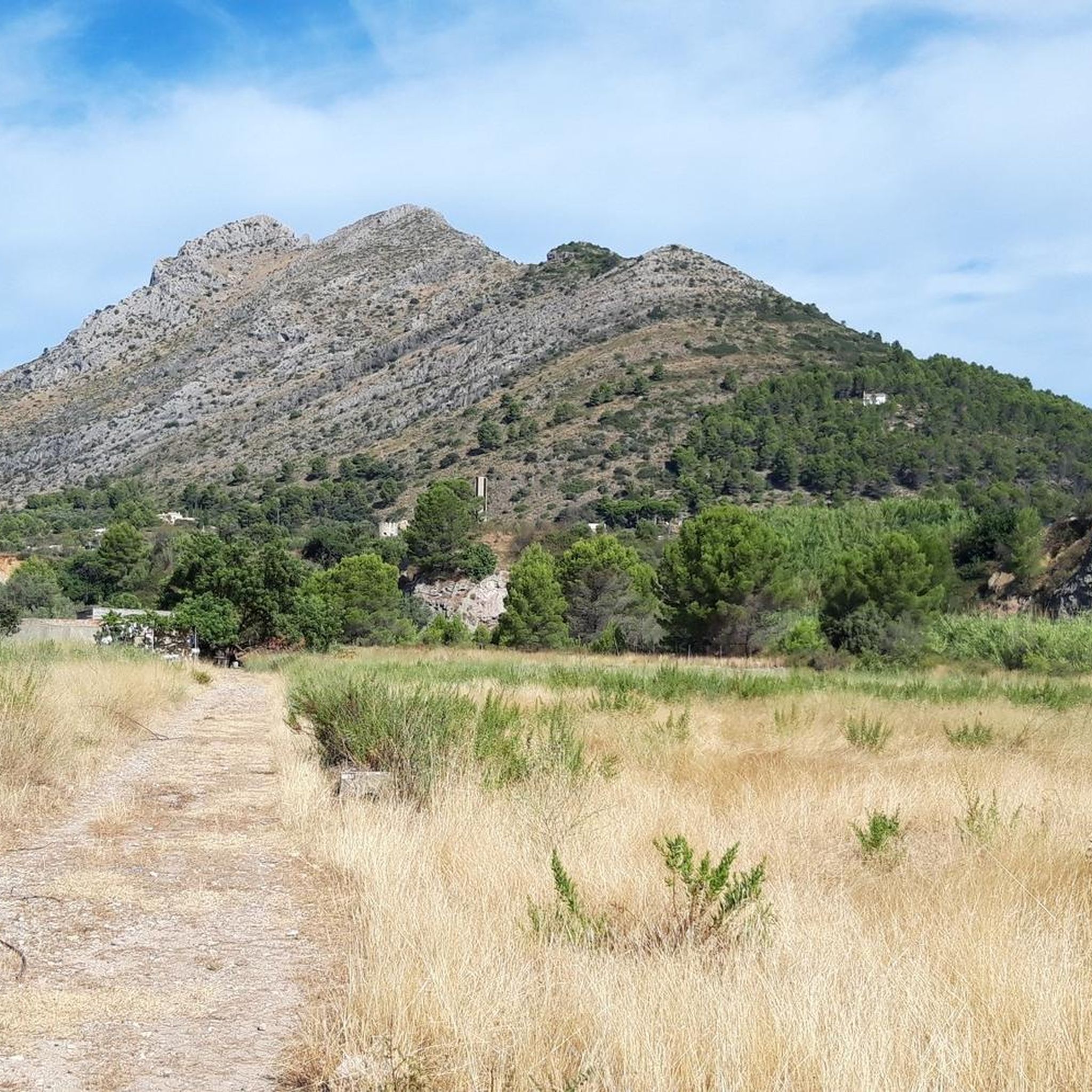
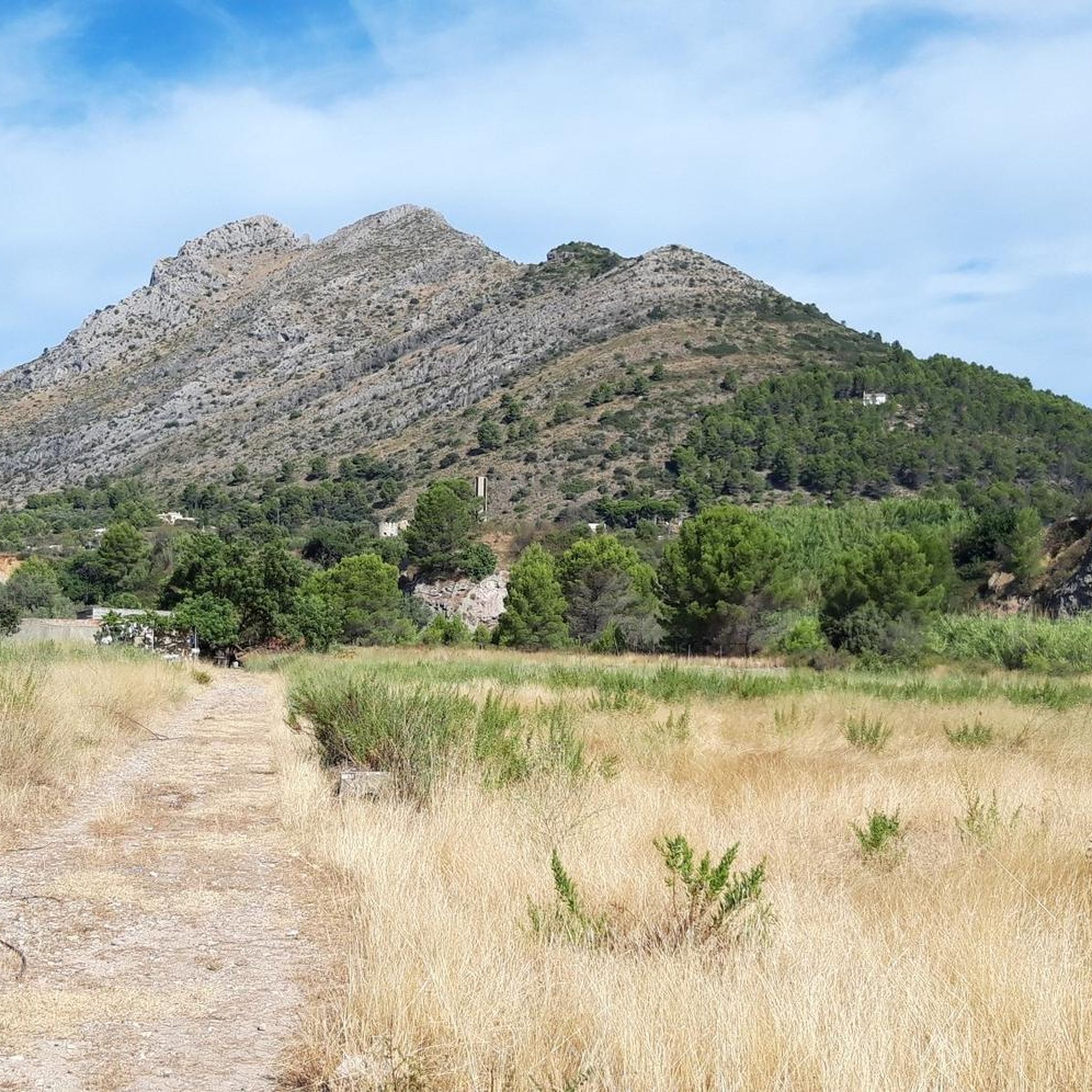
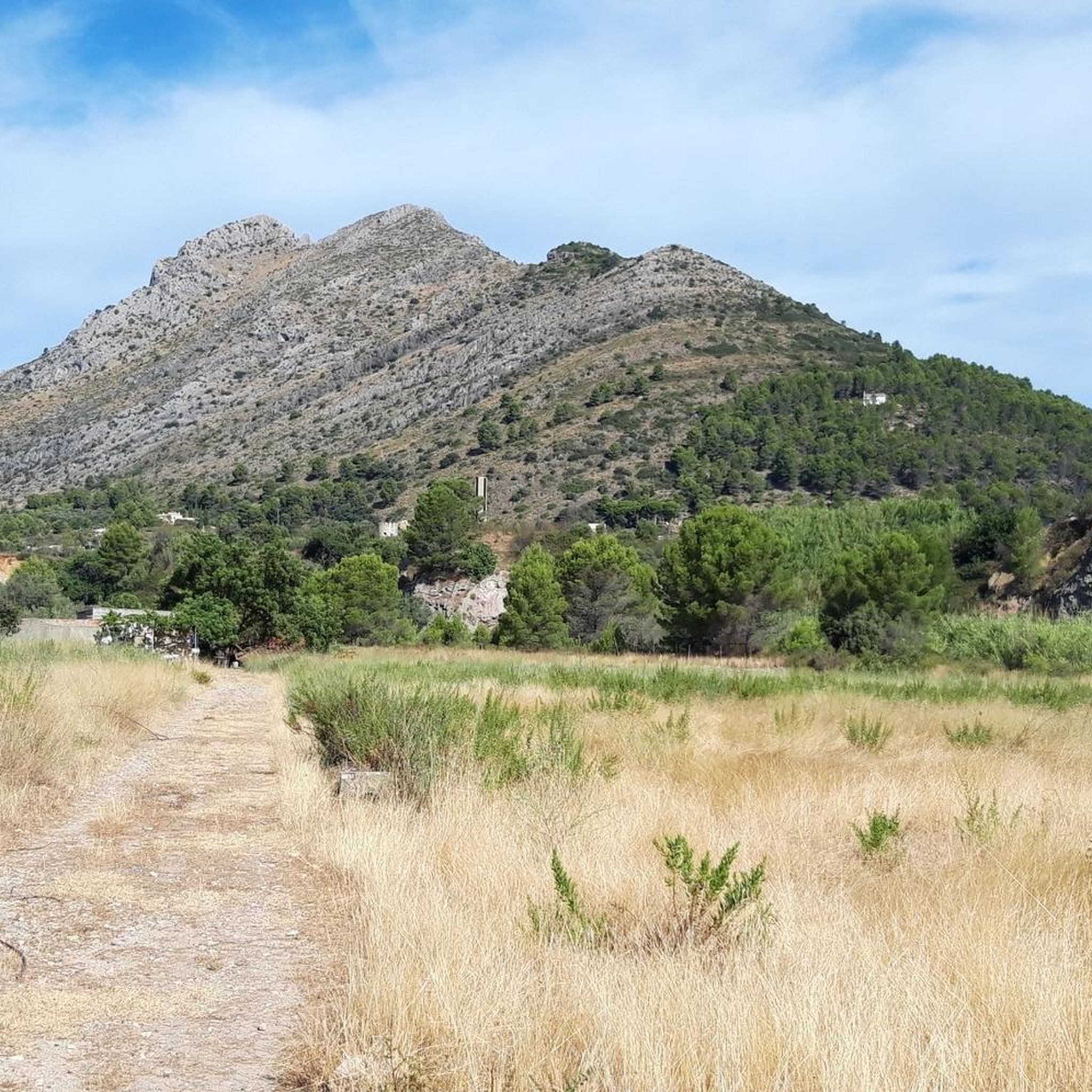
In this area are the ruins of the stone castle of Castellet d'Orba (also known as Murla Castle), which once dominated the region from an elevated position.
1
0

At the top of the route, there are a few remains of the castle.
0
1
Frequently Asked Questions
What is the historical significance of castles in Murla?
Murla's castles, particularly the Church-Fortress of Saint Michael the Archangel (Murla), reflect centuries of history, from Islamic rule to the Christian Reconquest and defenses against Barbary pirates. They were strategically important for controlling the Pop or Jalón river valley, offering insights into the region's turbulent past and its blend of military architecture and religious history.
What makes the Church-Fortress of Saint Michael the Archangel (Murla) unique?
The Church-Fortress of Saint Michael the Archangel (Murla) is unique due to its dual nature as both a defensive fortress and a religious building. Originally an Islamic castle, it was repurposed and remodeled into a parish church in the 16th century, integrating defensive features like thick walls and arrow slits with religious architecture. Its strategic location also protected the population from pirate attacks.
Are there other notable castle ruins to explore near Murla?
Yes, besides the fortified church, you can explore the ruins of Castell d'Aixa Ruins and Viewpoint, which offers extensive views from its elevated position, and Castellet d'Orba Castle Ruins, another historical site with broad views of the surrounding landscape. Ambra Castle, an Arab-origin castle, also offers historical context to the region.
What kind of views can I expect from the castles around Murla?
Many of the castle sites around Murla offer panoramic views. For instance, Castell d'Aixa Ruins and Viewpoint provides beautiful 360-degree views from about 600 meters above sea level. The Castellet d'Orba Castle Ruins also offer extensive views of the surrounding coastal and hinterland landscapes.
Are there family-friendly castles or sites in Murla?
The Church-Fortress of Saint Michael the Archangel (Murla) is categorized as family-friendly, offering an accessible historical and cultural experience. Its unique blend of castle and church history can be engaging for all ages.
What is the best time to visit the castles around Murla?
The Murla region generally enjoys a Mediterranean climate. Spring and autumn offer pleasant temperatures for exploring historical sites and outdoor activities, avoiding the intense heat of summer. Winter can also be a good time for cooler, clearer days, though some facilities might have reduced hours.
What outdoor activities can I do near these castles?
The area around Murla offers various outdoor activities. You can find numerous cycling routes, including moderate to difficult options like the 'Font del Llavador de Parcent – Velosol Café loop' or the 'Xaló – View of Peñón de Ifach loop'. There are also mountain hikes and MTB trails available. For more details, explore the Cycling around Murla, Mountain Hikes around Murla, and MTB Trails around Murla guides.
Are there hiking trails near the castles?
Yes, there are several hiking trails near the castles. For example, the area offers mountain hikes with routes like the 'Hole of the Serra de Bèrnia – Forat de Bèrnia loop' and the 'Rocky Staircase Trail – Benimaurell Public Washhouse loop'. These trails vary in difficulty from moderate to difficult. You can find more information in the Mountain Hikes around Murla guide.
What do visitors enjoy most about the castles around Murla?
Visitors frequently highlight the extensive and beautiful views from the castle ruins, such as those from Castell d'Aixa Ruins and Viewpoint. The historical significance and unique architecture of sites like the Church-Fortress of Saint Michael the Archangel (Murla) are also highly appreciated, with many enjoying the blend of history and the opportunity for a peaceful rest in the shade.
Are there cafes or restaurants near the castles in Murla?
Murla village, where the Church-Fortress of Saint Michael the Archangel is located, offers local amenities including cafes and restaurants. For other castle ruins that are more remote, it's advisable to check local listings or plan to visit the village for refreshments.
Can I bring my dog to the castle areas?
While specific regulations for each castle ruin may vary, many outdoor historical sites in the region are generally dog-friendly, especially for walks around the exterior or on trails leading to them. It is always recommended to keep dogs on a leash and clean up after them. For specific rules, check local signage upon arrival.
Most popular attractions around Murla

Get inspired with the komoot mobile app


Explore more
Looking for the best castles somewhere else? Discover other guides around Murla:
