Top 11 Caves around Arcos De Jalón
Best caves around Arcos De Jalón are found within a landscape shaped by rivers and geological activity. This region in Soria, Spain, features river gorges like those of the Jalón and Tajuña, which have carved out numerous natural formations. These areas are characterized by impressive rocky walls and varied subterranean spaces. The presence of historical sites, including ancient mines and archaeological findings, adds to the area's significance.
Best caves around Arcos De Jalón
- The most popular caves is Gorges of…
Last updated: July 4, 2026
Gorges of the Jalón River
Highlight • Gorge
Translated by Google •
Tip by

Tajuña River Gorges
Highlight (Segment) • Canyon
Translated by Google •
Tip by
Sign up now to discover places like this
Get recommendations on the best single tracks, peaks, & plenty of other exciting outdoor places.
Sign up for free
Mines of the Río Blanco
Highlight • Historical Site
Translated by Google •
Tip by

Chaorna Historic Village
Highlight • Settlement
Translated by Google •
Tip by

Aire Tunnel
Highlight (Segment) • Structure
Translated by Google •
Tip by
Sign up for free to discover even more caves around Arcos De Jalón.
Sign up for free
Already have an account?
Start today with a free account
Your next adventure awaits.
Login or Signup

Tips from the Community

Many years ago, it was created by workers from Somaén who went every day to the Río Blanco Iron Ore Mine. Going through the tunnel made the path much shorter and easier. That was the reason for drilling into the mountain. Today, it serves hikers and mountaineers to make the journey to La Mora Cave or the Río Blanco Reservoir easier. It should be noted that the entrance and exit are low to prevent large animals from entering; it is necessary to enter and exit on all fours, using hands and knees. The interior of the tunnel is high. A headlamp is required. It is approximately 110 meters long.
0
0

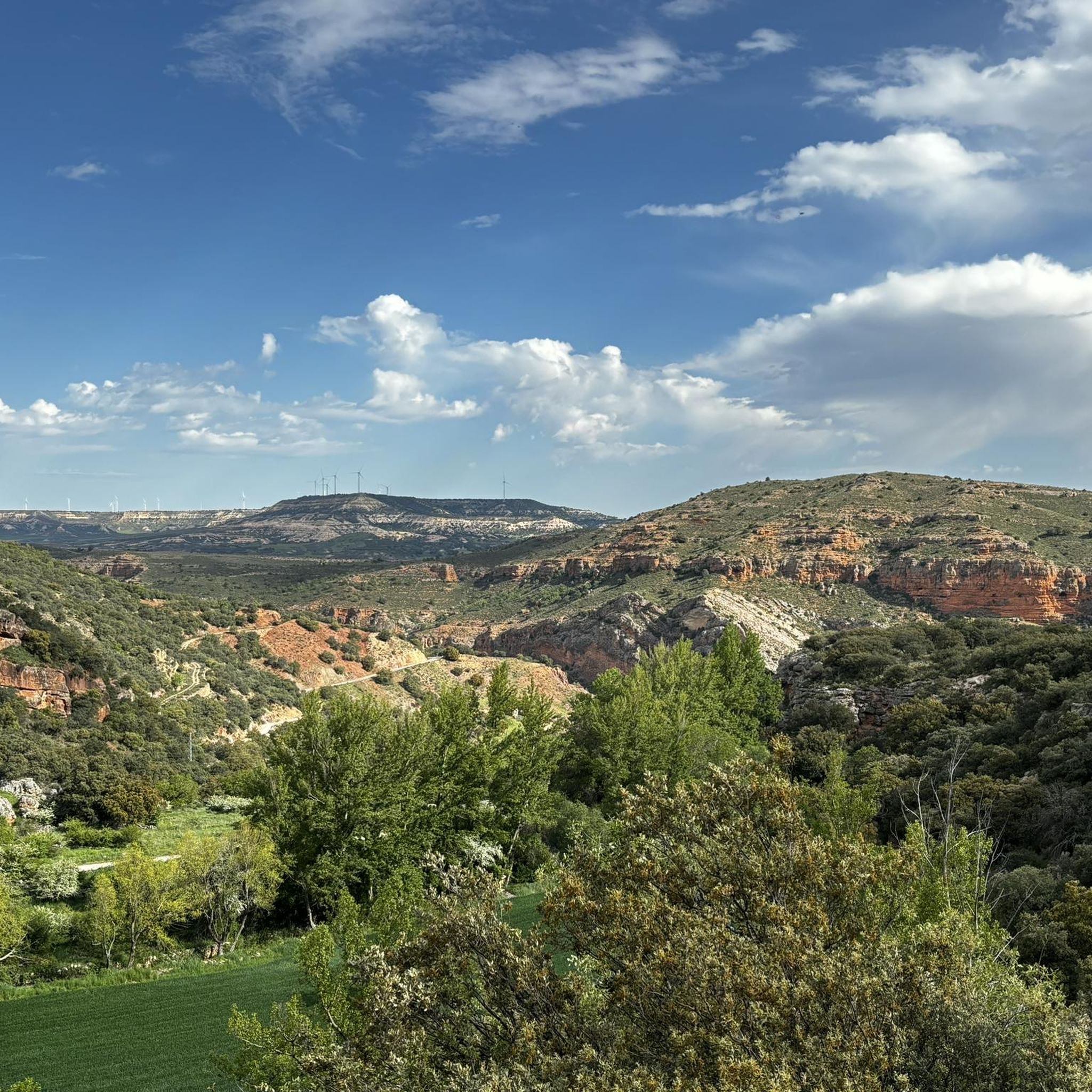
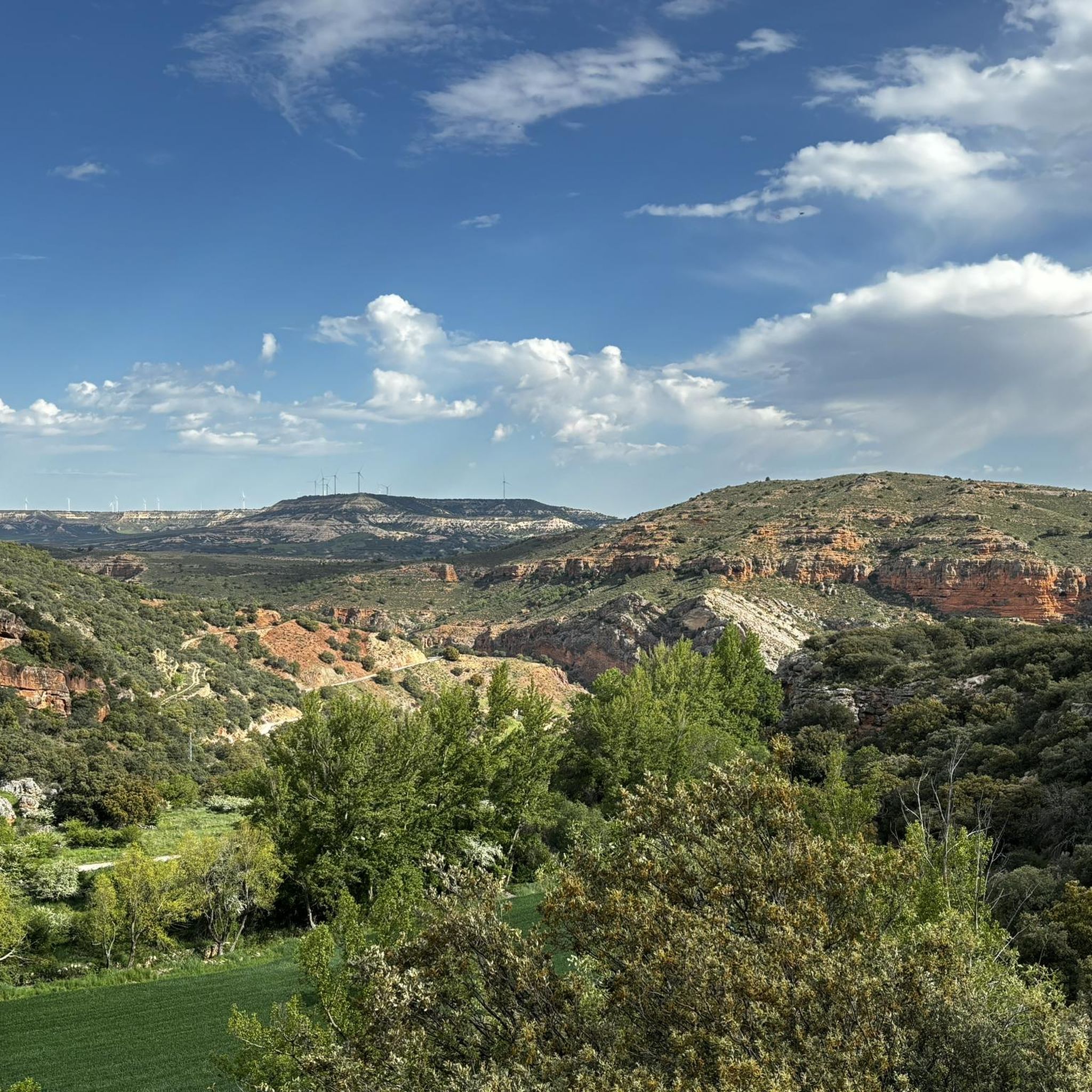
The Río Blanco Mines, located near Arcos de Jalón in the province of Soria, are part of the area's fascinating industrial and natural heritage. The mines were primarily exploited for iron extraction.
4
0

Beautiful waterfalls in a unique place
0
0
Nice place, like the rest of the landscape upstream and downstream of La Hoz del Rio Tajuña.
1
0
These iron ore mines come from Roman times.
1
0

Beautiful red rock face scares old iron mines along the White River valley.
2
0
It is a charming town located to the south-east of the province of Soria. Among other beauties, it has a Muslim watchtower, a cave under the rock that is below the Tower, a very old church, a laundry room, a drinking trough, a fountain, an old fireplace, a bread oven, a forge, and even a bench (seat ) of style, Dalíliano. The Almugera stream or Chaorna stream runs through the same town, which, a few kilometers below, forms the beautiful ravine of the stairs, in whose lateral cliffs, there are some caves, such as the Cueva de la Mora, with a small entrance, but great depth and interior spaciousness. Chaorna is a town that deserves several visits.
1
0

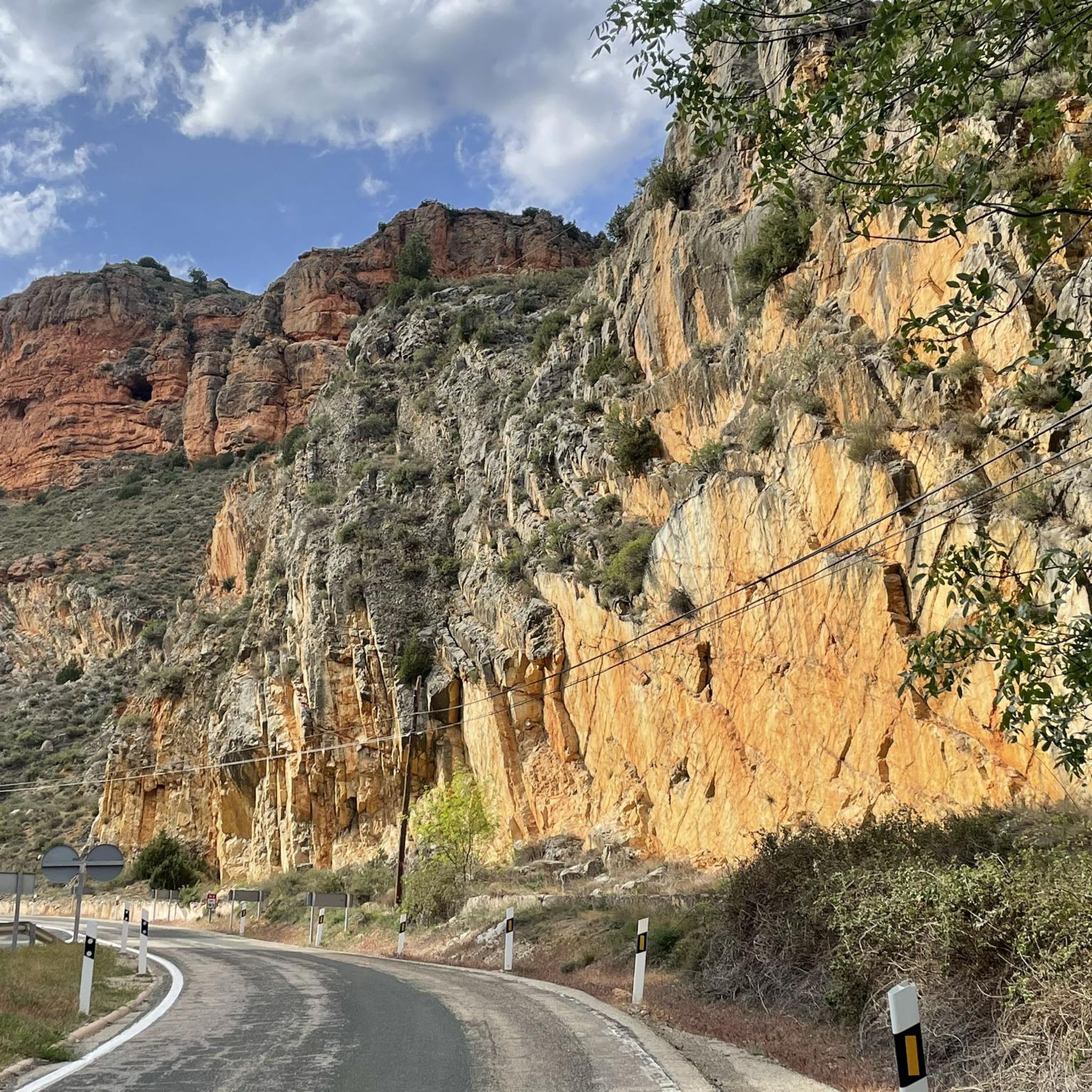
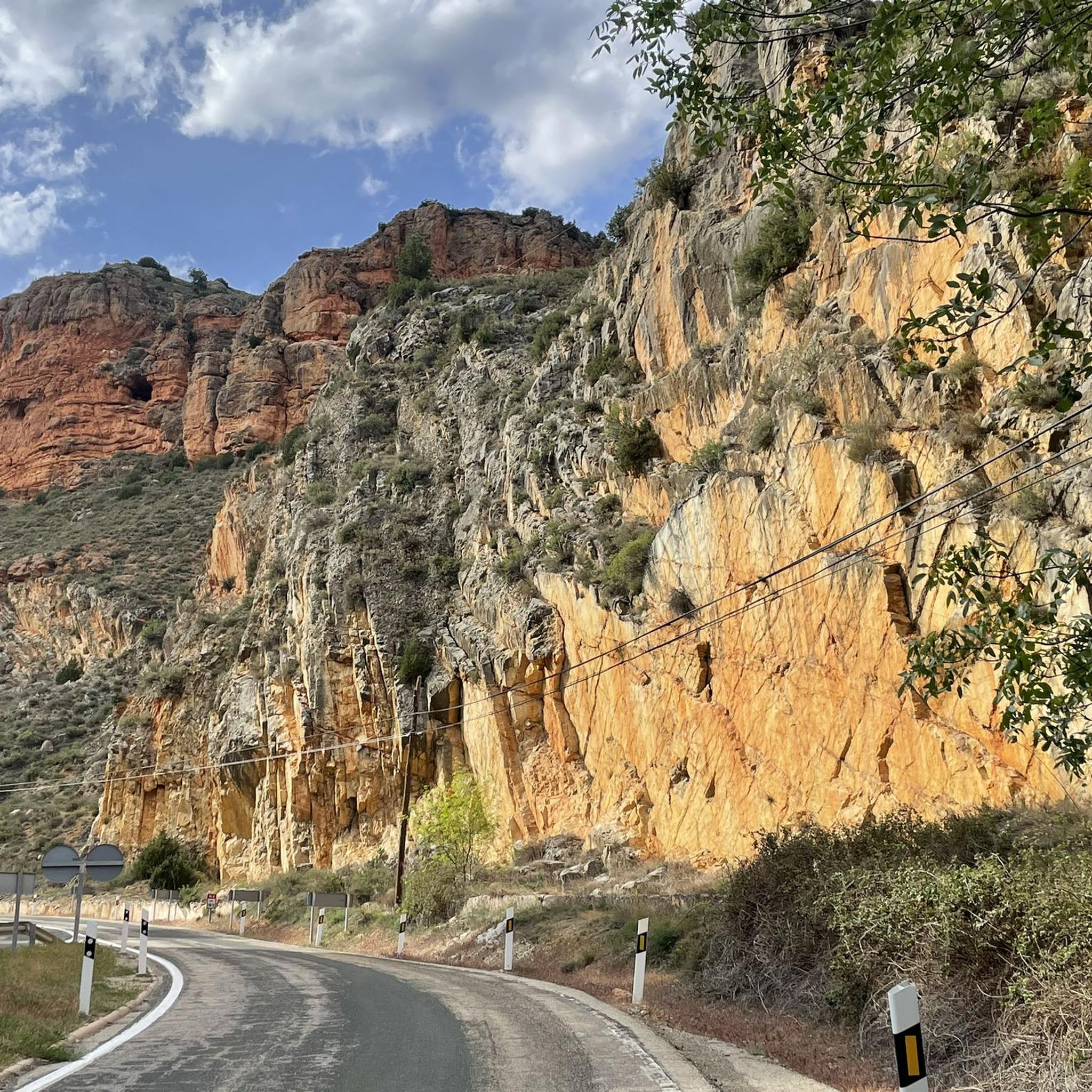
In this stretch of road that passes by the Río Jalón we find the set of fluvial terraces created by the passage of the river through this area. High walls rise on both sides of the river!
0
0
Frequently Asked Questions
What are the most notable caves and subterranean formations to explore near Arcos de Jalón?
The region around Arcos de Jalón offers a variety of subterranean experiences. The most prominent is the Cueva de la Mora, located near Chaorna, known for its considerable depth and interior spaciousness despite a small entrance. Additionally, the Gorges of the Jalón River and the Tajuña River Gorges feature numerous small caves carved into their impressive rocky walls. You can also explore the historical Mines of the Río Blanco, which are ancient iron extraction sites.
Are there any caves with historical or archaeological significance in the Arcos de Jalón area?
Yes, the Cueva de la Mora holds significant historical and archaeological interest. H. Breuil reportedly found fauna within the cave, and the Marquis of Cerralbo discovered Neolithic burial sites there. The cave is also noted for being largely dry and fossil-rich. Furthermore, the Mines of the Río Blanco are historical sites primarily exploited for iron extraction, with origins dating back to Roman times.
Can I combine cave exploration with hiking in Arcos de Jalón?
Absolutely. Many of the cave sites are integrated into the natural landscape, making them ideal for combining with hikes. For instance, the Gorges of the Jalón River offer spectacular walks alongside impressive rocky walls with small caves. The Aire Tunnel, originally created for miners, now serves hikers accessing the Cueva de la Mora or Río Blanco Reservoir. You can find various hiking routes in the region, including those along the Way of El Cid, by checking the Hiking around Arcos De Jalón guide.
What are the difficulty levels for exploring caves in this region?
The difficulty varies. Some areas, like the small caves in the Gorges of the Jalón River, might be easily accessible. However, exploring the Cueva de la Mora involves a low-ceilinged ramp and a steep descent into a chamber, for which a rope is available. The Aire Tunnel requires moving on hands and knees at the entrance and exit, and a headlamp is essential. Some sections of the Tajuña River Gorges may also require crawling to explore deeper.
Are there any family-friendly cave activities or accessible options near Arcos de Jalón?
While specific 'family-friendly' cave tours aren't detailed, the general exploration of the Gorges of the Jalón River offers scenic walks where families can observe the natural landscape and small cave formations from a distance. For more adventurous families, some sections of the Tajuña River Gorges might be suitable for exploring small cracks and caves, but be aware that some areas require crawling. Always assess the specific conditions and difficulty before bringing children into confined spaces.
What natural features can I expect to see when visiting the caves and gorges?
The region is rich in geological formations. You'll encounter impressive rocky walls, fluvial terraces shaped by rivers like the Jalón and Tajuña, and varied subterranean spaces. The Gorges of the Jalón River are known for their high walls and spectacular landscapes, often with birds of prey nesting in the crevices. The Tajuña River Gorges feature curious cracks and canyons. Inside caves like the Cueva de la Mora, you'll find large chambers, ramps, and fossil-rich environments.
What is the best time of year to explore caves in the Arcos de Jalón area?
The caves in Arcos de Jalón can generally be explored year-round, but conditions may vary. During warmer months, caves offer a cool escape from the heat. In winter, while surface conditions might be colder, the internal temperature of caves tends to be more stable. Always check local weather conditions and be prepared for potentially humid or wet environments inside, especially in the innermost sections of caves like the Cueva de la Mora where humid clay is found.
Are there any specific safety considerations or equipment recommendations for caving here?
For any cave exploration, especially in less developed sites like the Cueva de la Mora, it's crucial to be prepared. A headlamp is essential, particularly for features like the Aire Tunnel. Sturdy footwear with good grip is recommended. Some descents, such as within the Cueva de la Mora, may involve ropes. Always inform someone of your plans and consider going with experienced cavers if attempting more challenging explorations.
What other outdoor activities are available near the caves of Arcos de Jalón?
Beyond caving, the region offers a wide range of outdoor activities. You can enjoy extensive hiking trails, including routes along the Jalón River and the historic Camino del Cid. There are also numerous running trails and challenging MTB trails that traverse the diverse landscapes, including the gorges and historical mining areas.
What do visitors enjoy most about the caves and natural areas around Arcos de Jalón?
Visitors frequently appreciate the unique blend of natural beauty and historical significance. The impressive rocky walls and small caves within the Gorges of the Jalón River are often highlighted, with many enjoying the chance to spot birds of prey. The historical context of sites like the Mines of the Río Blanco and the archaeological findings in the Cueva de la Mora add a fascinating dimension to the exploration. The opportunity to venture into varied subterranean spaces, from narrow passages to larger chambers, is also a key draw.
Most popular attractions around Arcos De Jalón

Get inspired with the komoot mobile app


Explore more
Extend your search for the best caves by checking out these guides of the top ones around Arcos De Jalón:
