Top 12 Caves around el Poble Nou de Benitatxell / Benitachell
Caves around el Poble Nou de Benitatxell / Benitachell are characterized by a rugged coastline and unique geological formations. This area features caves shaped by marine erosion and those adapted by human activity over centuries. The coastline between Cabo de la Nao and Punta de Moraira offers a variety of subterranean and coastal grottoes. These sites provide insights into both natural processes and historical human uses.
Best caves around el Poble Nou de Benitatxell / Benitachell
- The most popular caves is Cova Tallada (Cut Cave), a cave that is a jewel of nature on the Costa Blanca, located at sea level. It was created by humans between the 12th and 14th centuries and features a natural pool and arches.
- Another must-see spot is Morro del Bou Cave, a cave in the limestone cliff. This functional cave is utilized by fishermen seeking shelter during rough weather and offers views of the cove.
- Visitors also love Cala Moraig - Cova dels Arcs, a cave known for its natural arches and as the sea exit for Spain's longest underground watercourse. It is a location for photography and snorkeling.
- el Poble Nou de Benitatxell / Benitachell is known for sea-level caves, historical dwelling caves, and functional refuges. Visitors can explore natural formations and sites with evidence of past human habitation.
- The caves around el Poble Nou de Benitatxell / Benitachell are appreciated by the komoot community, with more than 260 upvotes and over 240 photos shared.
Last updated: May 7, 2026
Cova Tallada (Cut Cave)
Highlight • Cave
Translated by Google •
Tip by

Coastal path to Cova Tallada and Torre del Gerro
Highlight (Segment) • Trail
Translated by Google •
Tip by
Sign up now to discover places like this
Get recommendations on the best single tracks, peaks, & plenty of other exciting outdoor places.
Sign up for free
Cova de la Cendra
Highlight • Cave
It is located in the incomparable coastal setting of rocky cliffs that develops between Cabo de la Nao and Punta de Moraira.
Translated by Google •
Tip by
Cala Moraig - Cova dels Arcs
Highlight • Cave
Translated by Google •
Tip by
Morro del Bou Cave
Highlight • Cave
Translated by Google •
Tip by
Sign up for free to discover even more caves around el Poble Nou de Benitatxell / Benitachell.
Sign up for free
Already have an account?
Start today with a free account
Your next adventure awaits.
Login or Signup
Popular around el Poble Nou de Benitatxell / Benitachell
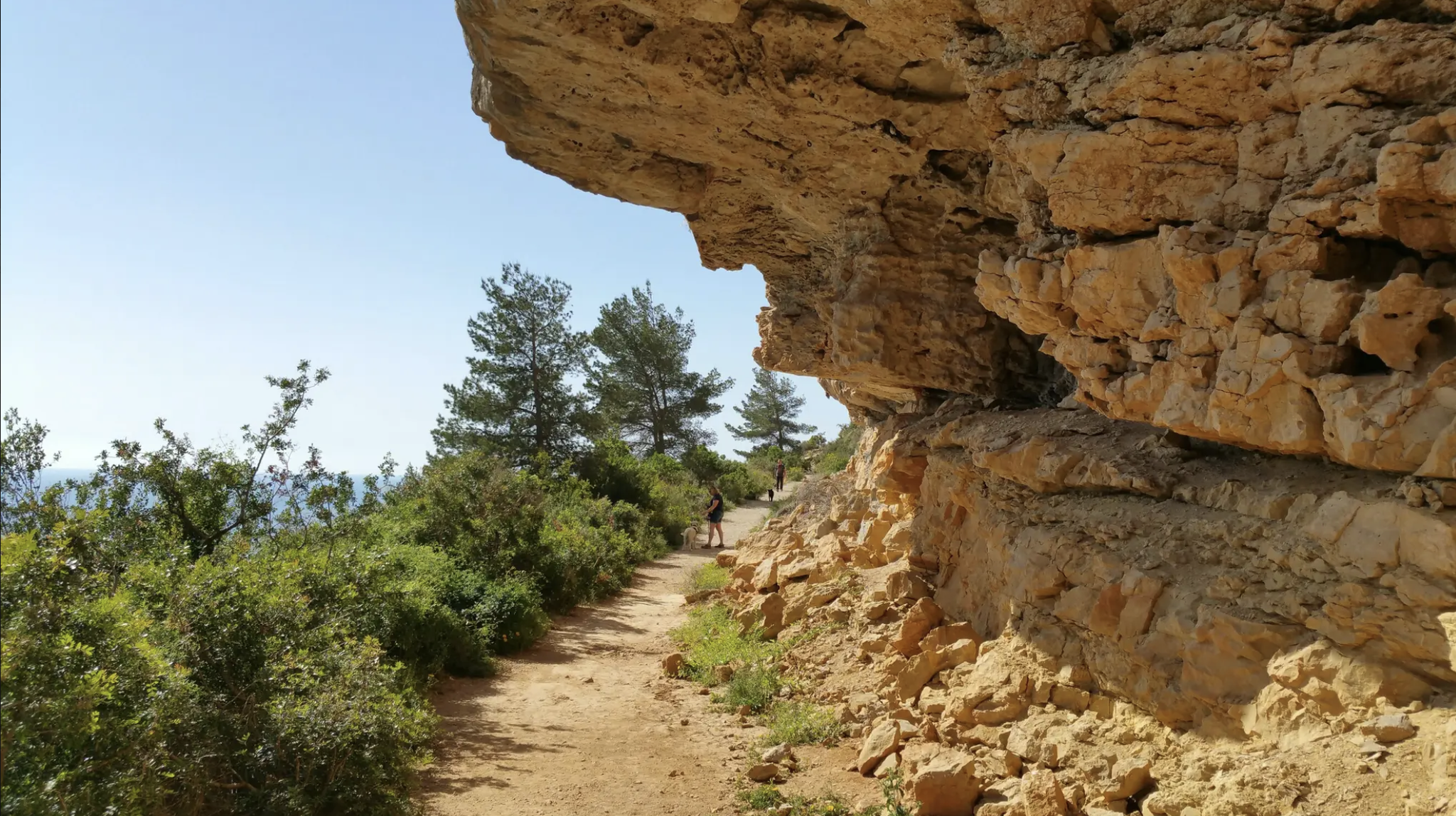
Family walks in Spain — hiking in Alicante
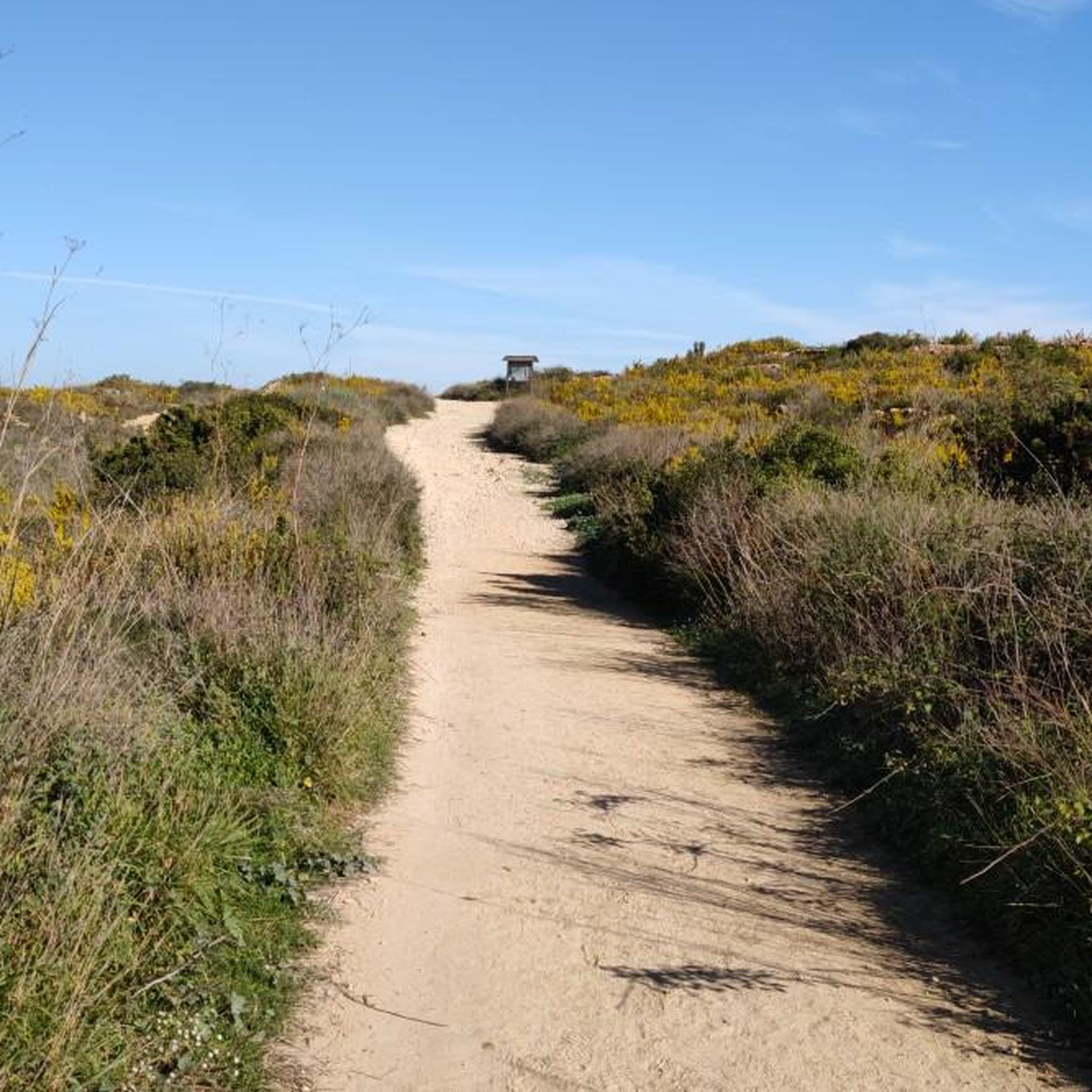
Road Cycling Routes around el Poble Nou de Benitatxell / Benitachell
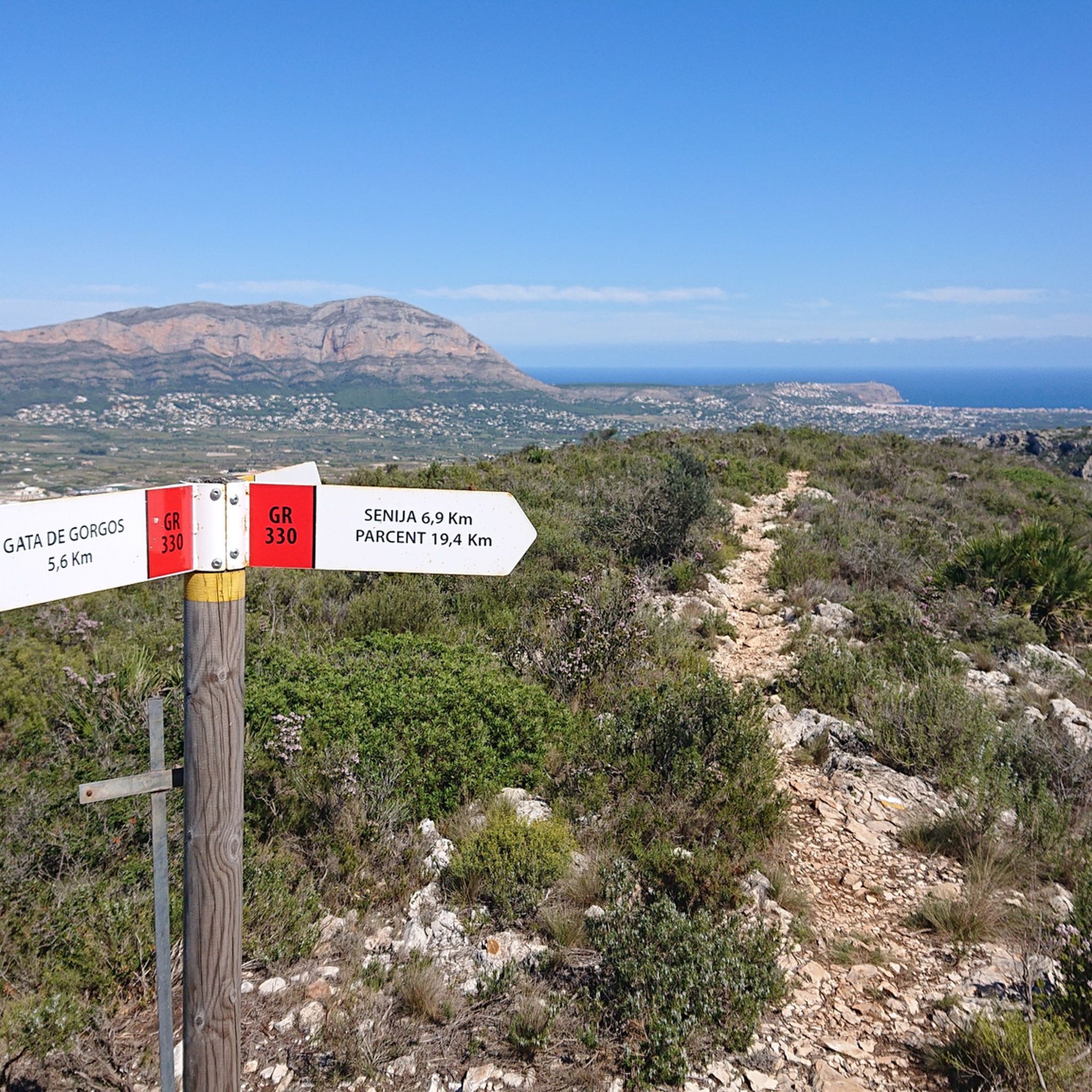
Hiking around el Poble Nou de Benitatxell / Benitachell
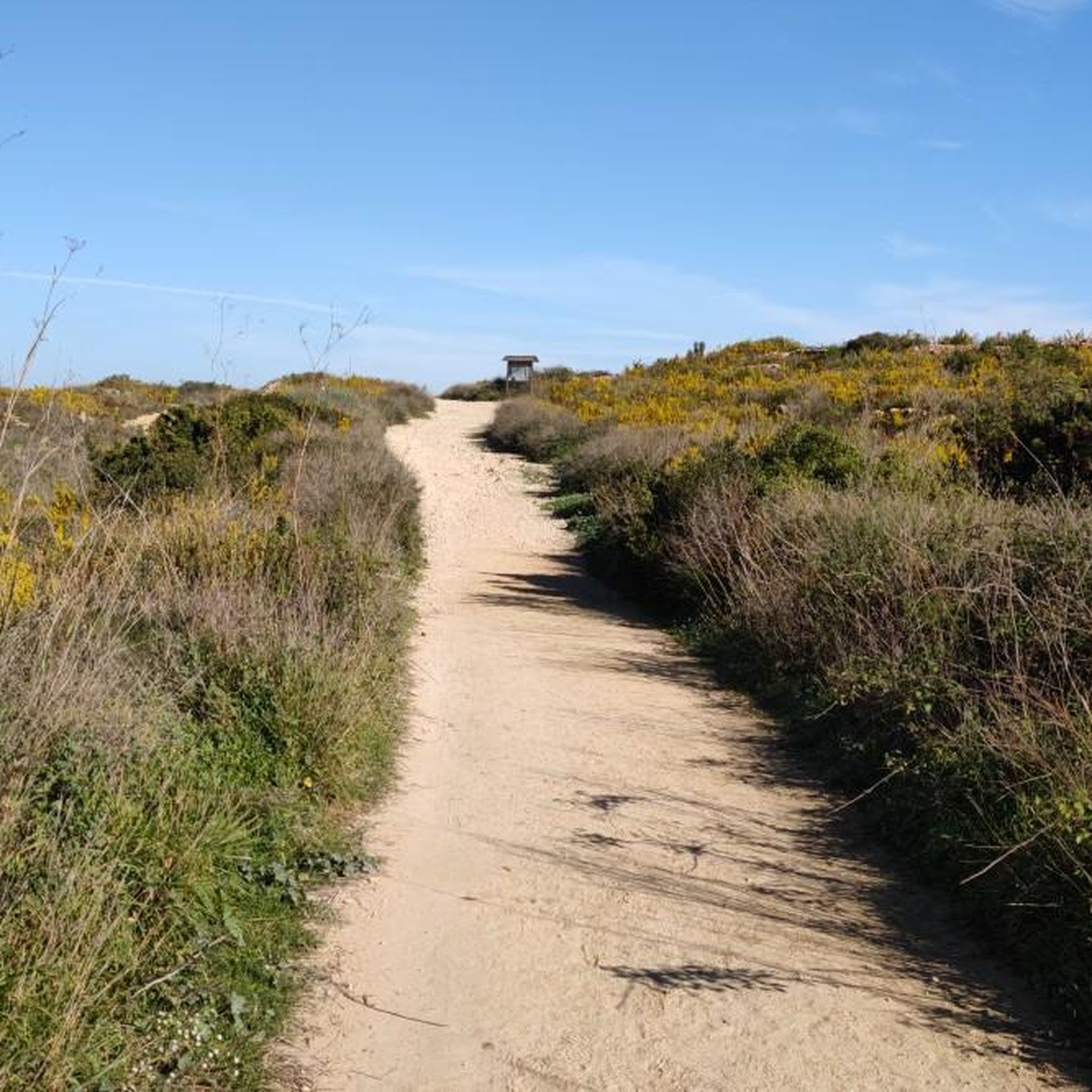
MTB Trails around el Poble Nou de Benitatxell / Benitachell
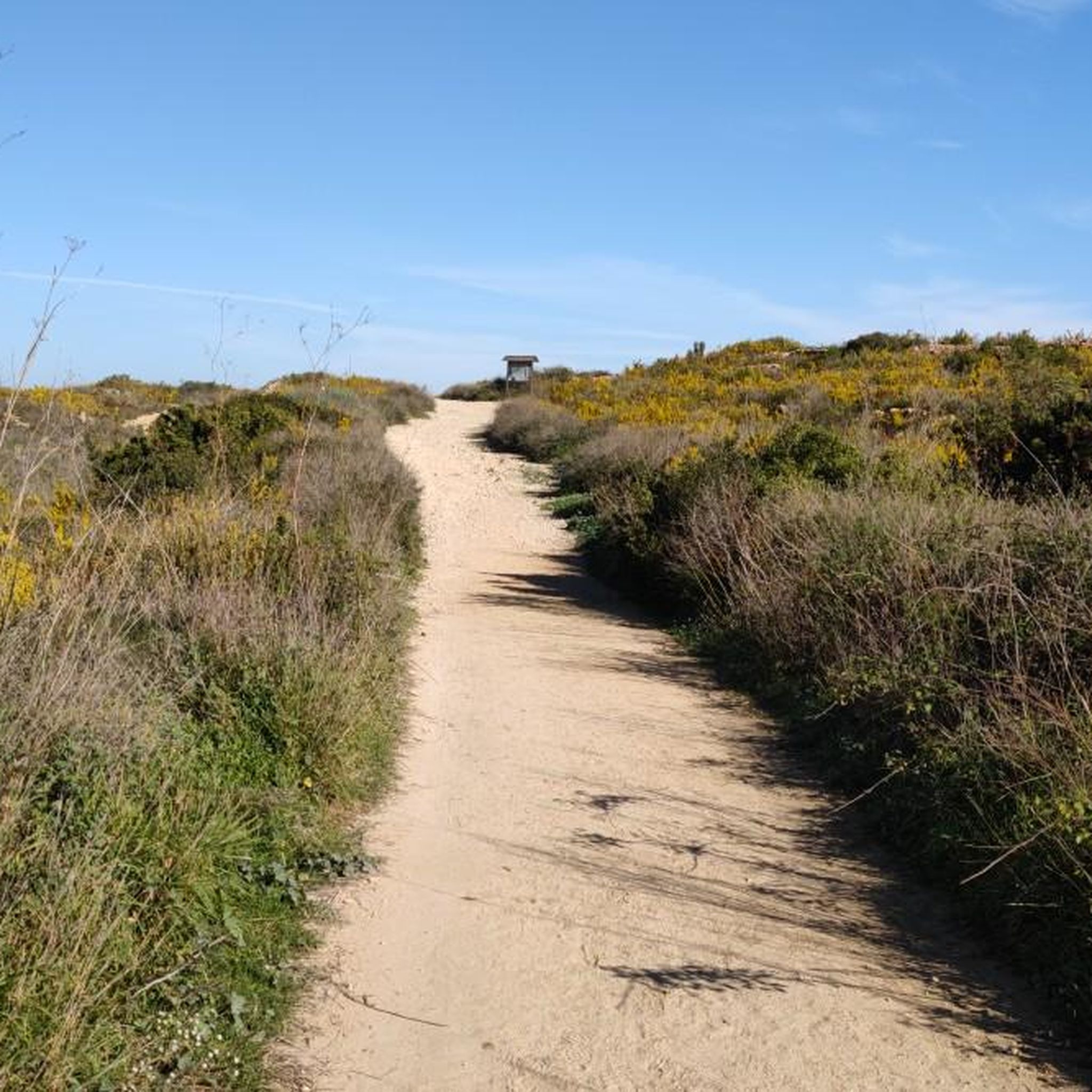
Cycling around el Poble Nou de Benitatxell / Benitachell
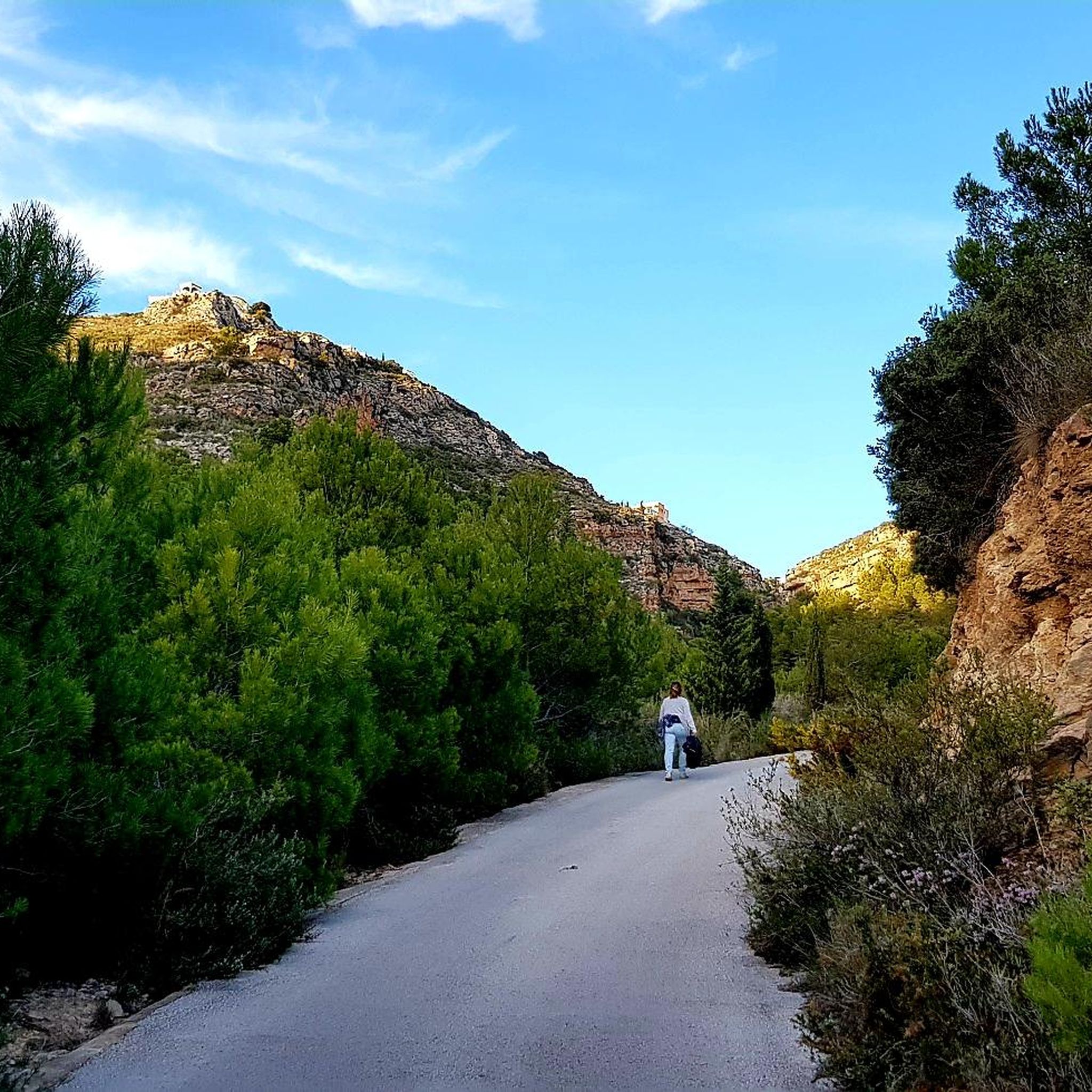
Running Trails around el Poble Nou de Benitatxell / Benitachell

Gravel biking around el Poble Nou de Benitatxell / Benitachell
Mountain Hikes around el Poble Nou de Benitatxell / Benitachell
Other adventures around el Poble Nou de Benitatxell / Benitachell

Tips from the Community

Well... You can do that... But apart from a great view of the sea, it doesn't really have much to offer.
0
0

https://www.covatalladadenia.com/en/ The Cova Tallada is a natural jewel on the Costa Blanca. It is a cave at sea level that offers one of the most unforgettable views of nature. The spectacular cave, created by man in the XII-XIV centuries, makes this place a human masterpiece. In addition, the natural pool at the foot of the cave and the incredible arches make this place a must-see for everyone.
1
0

When the water level is high - especially at high tide - the cave cannot be entered. Unfortunately 😕 The cave is in the rock, but above it there is more or less solid rubble that could fall down - so be careful 🤕 The route to the cave and the cave are in a nature reserve, registration is required 🙂
2
2

Short video about my hike of this route could be found under the following link: https://www.youtube.com/watch?v=7ps67-1Q8vc
0
1
Do not miss exciting descending towards to cave (see short videon under following link: https://www.youtube.com/watch?v=7ps67-1Q8vc
2
1

Very narrow and uneven path along hillside, with steep drop to sea on one side, and many trip and fall hazards. Steep steps down in places with no hand holds, and rock scrambles in others, with knotted ropes and chains to assist.
8
1

The trail is not as bad as it looks in some photos. Although it has 3 rope-secured passages, the path is not exposed (I didn't need the rope). Only those who get dizzy very quickly will have to overcome these passages.
1
0

La Cova dels Arcs, as well as being a magical corner to watch a sunrise, take pictures or practice snorkeling (in the “dels Immersionistes” room, the one with easy access), has an area for expert speleologists capable of delving into which is considered the outlet to the sea of the longest groundwater course in Spain. It is located next to Cala del Moraig.
8
1
Frequently Asked Questions
What are the most popular caves to visit around El Poble Nou de Benitatxell?
The region offers several notable caves. Cova Tallada (Cut Cave) is a sea-level cave with a rich history, featuring a natural pool and impressive arches. Another highlight is Cala Moraig - Cova dels Arcs, famous for its natural arches and as the sea exit for Spain's longest underground watercourse. Visitors also appreciate Morro del Bou Cave for its views and as a historical refuge.
Are there any caves with historical significance in the area?
Yes, the region is home to caves with significant historical value. Cova Tallada, for instance, was an ancient quarry actively used from the 12th to 14th centuries and even served as a refuge during WWII. Another important site is Cova de la Cendra, which is a well-known archaeological site from the Paleolithic and Neolithic periods.
What kind of natural features can I expect to see in these caves?
The caves around El Poble Nou de Benitatxell showcase diverse natural features. Cova dels Arcs is known for its three naturally carved stone arches and an open dome to the sky, creating a captivating play of light. The nearby 'Fish Cave' (Cova del Moraig / Cova del Riu Blanc) features crystal-clear water and a unique 'blurred water' effect due to the mixing of cold spring water and seawater. Many caves are sea-level, offering stunning coastal views and marine environments.
What is the best way to access Cova dels Arcs?
Cova dels Arcs is accessible by walking from Cala Moraig. For a more adventurous approach, you can reach it by kayak or paddleboard from neighboring beaches. Sturdy or water shoes are recommended due to potentially slippery surfaces.
Are there any challenging caves for experienced explorers?
Yes, some caves offer a more challenging experience. Accessing Cova Tallada by foot involves a narrow and uneven path with steep drops, requiring the use of chains anchored in the rock. The 'Fish Cave' (Cova del Moraig / Cova del Riu Blanc) also presents a challenge, as its entrance is a small cavity in the rock, primarily accessible by sea via kayak or paddleboard, and should only be visited on calm days.
Can I go snorkeling or diving in or near these caves?
Absolutely. Cova dels Arcs is a popular spot for snorkeling, especially in its accessible 'dels Immersionistes' room, and its underwater environment is rich for divers and speleologists. The 'Fish Cave' (Cova del Moraig / Cova del Riu Blanc) also offers a unique snorkeling experience due to its freshwater-saltwater mix and marine life. The area around Cova Tallada is a protected marine reserve, providing opportunities to observe marine life.
What is the best time of year to visit the caves?
The caves can be visited year-round, but the experience varies. During peak seasons, popular spots like Cala Moraig - Cova dels Arcs can be quite crowded. For sea caves, calm weather conditions are crucial for safe access, especially for kayaking or paddleboarding. Spring and autumn generally offer pleasant temperatures for hiking and exploring.
Are there hiking trails that lead to or pass by these caves?
Yes, several hiking trails incorporate cave exploration. The Ruta de los Acantilados de Benitatxell, a 4-kilometer round-trip trail starting from Cala Moraig, features several smaller, historical caves. You can also find mountain hikes in the area, such as those listed in the Mountain Hikes around el Poble Nou de Benitatxell / Benitachell guide, which may offer views or access to cave areas.
What other outdoor activities can I do near the caves?
Beyond cave exploration, the region offers a variety of outdoor activities. You can enjoy gravel biking on scenic routes, or explore the coastline with running trails. The dramatic cliffs and clear waters are also ideal for kayaking, paddleboarding, and snorkeling, especially around Cala Moraig.
What should I wear or bring when exploring the sea caves?
When exploring sea caves, it's advisable to wear sturdy or water shoes, as surfaces can be slippery and uneven. If you plan to swim or snorkel, bring appropriate gear. For caves requiring more adventurous access, like Cova Tallada, be prepared for rock scrambles and potentially using ropes or chains. Always check weather and sea conditions before heading out.
Are there any hidden or less-known caves worth discovering?
Beyond the well-known sites, the Ruta de los Acantilados de Benitatxell features several smaller, artificial caves like Cova de les Morretes and Cova Domingo l'Aviar. These were historically used as shelters by smugglers, fishermen, or local farmers, offering a glimpse into local history along a scenic hiking trail.
Most popular routes around el Poble Nou de Benitatxell / Benitachell
Most popular attractions around el Poble Nou de Benitatxell / Benitachell

Get inspired with the komoot mobile app


Explore more
Extend your search for the best caves by checking out these guides of the top ones around el Poble Nou de Benitatxell / Benitachell:
