Top 4 Caves around Marbella
Best caves around Marbella are found within the province of Malaga, offering diverse geological formations and historical significance. Marbella is situated on the Costa del Sol, providing access to both coastal and mountainous landscapes. The region is characterized by its Mediterranean climate and varied terrain, which includes several notable cave systems. These caves offer insights into ancient history and natural wonders, making them accessible destinations for exploration.
Best caves around Marbella
- The most popular caves is Ojén, a settlement that is a white town located on the Coastal Mountain Range, 10 kilometers from Marbella. It is known for its small caves that were historically used to store food and feed.
- Another must-see spot is Puerto Rico Caves, a cave offering shade and views over the valley and the sea. From this location, the coast of Africa can be visible on clear days.
- Visitors also love Cueva Santa Viewpoint, a viewpoint and historical cave. This site, known to have been inhabited since prehistoric times, is now a place of worship with altars and images of saints.
- Marbella is known for natural caves, historical sites, and religious cave hermitages. The area offers a variety of caves to see and explore, from ancient dwellings to natural monuments.
- The caves around Marbella are appreciated by the komoot community, with 8 photos and 47 upvotes from other users.
Last updated: July 4, 2026
Ojén
Highlight • Settlement
Translated by Google •
Tip by

Puerto Rico Caves
Highlight • Cave
Translated by Google •
Tip by

Sign up now to discover places like this
Get recommendations on the best single tracks, peaks, & plenty of other exciting outdoor places.
Sign up for free
Mina Buenavista
Highlight • Historical Site
Good shoes would not be bad.
-> Because of the Passion Caterpillar (extremely dangerous for dogs) in March and April with caution. You can see the nests in the trees and avoid the corner with dogs if necessary.
Translated by Google •
Tip by
La Virgencita Hermitage
Highlight • Religious Site
Translated by Google •
Tip by
Cueva Santa Viewpoint
Highlight • Viewpoint
Translated by Google •
Tip by

Start today with a free account
Your next adventure awaits.
Login or Signup
Popular around Marbella

Triathlon 360 – my journey around the world

Road to Lisbon – bikepacking the Alps, Pyrenees and Picos de Europa
Hike between sea and mountains — Gran Senda de Málaga (GR 249)
Road Cycling Routes around Marbella
Running Trails around Marbella
Hiking around Marbella
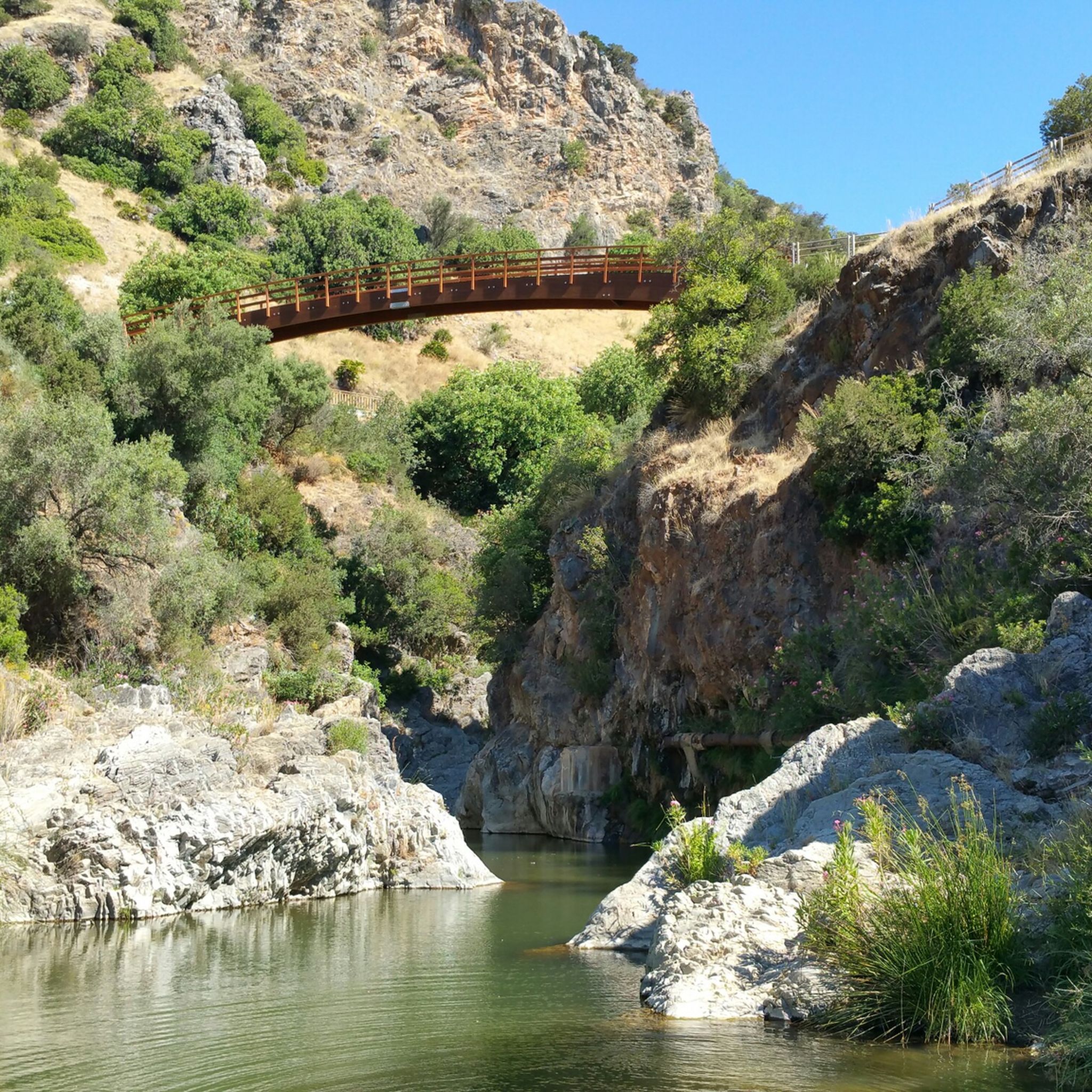
Cycling around Marbella
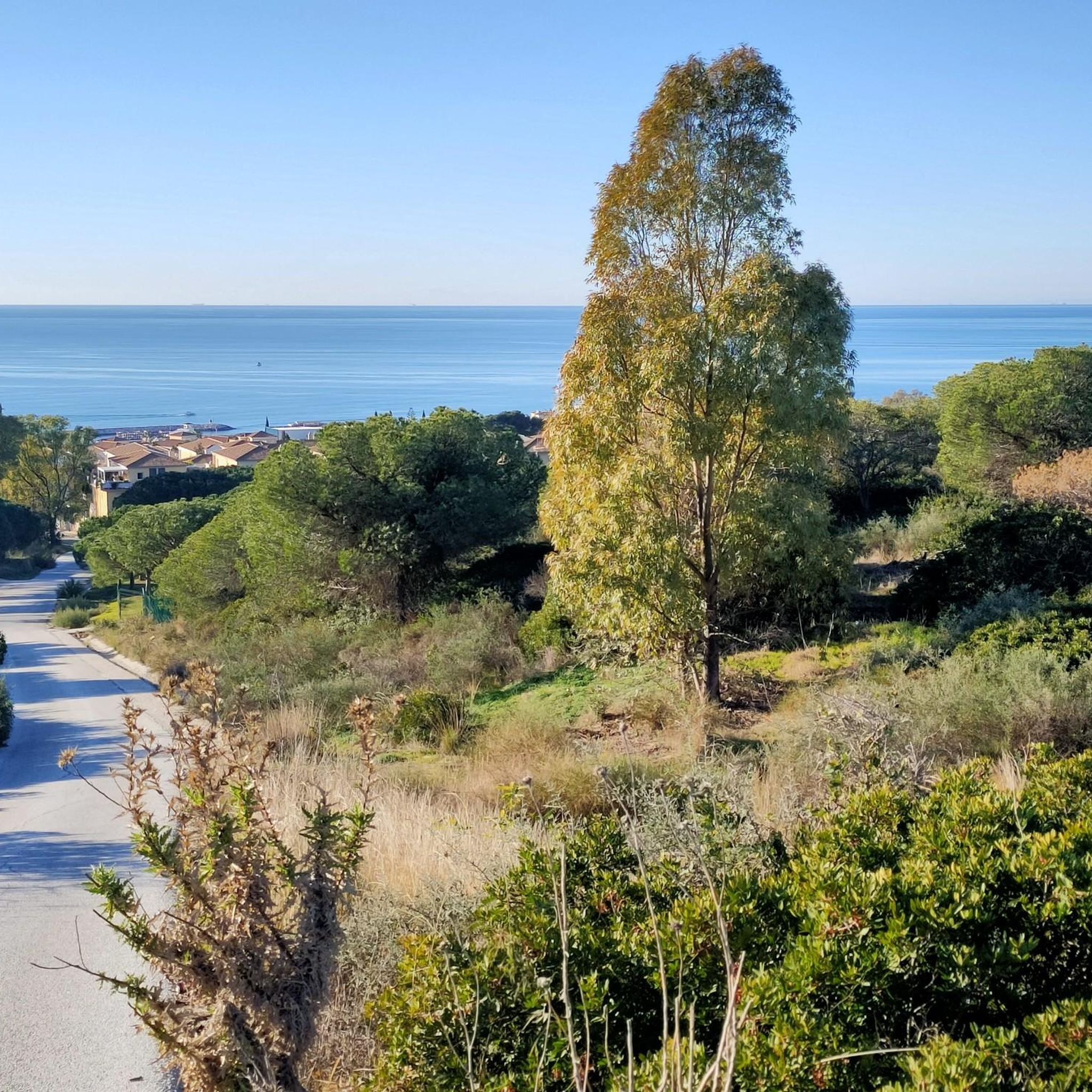
MTB Trails around Marbella
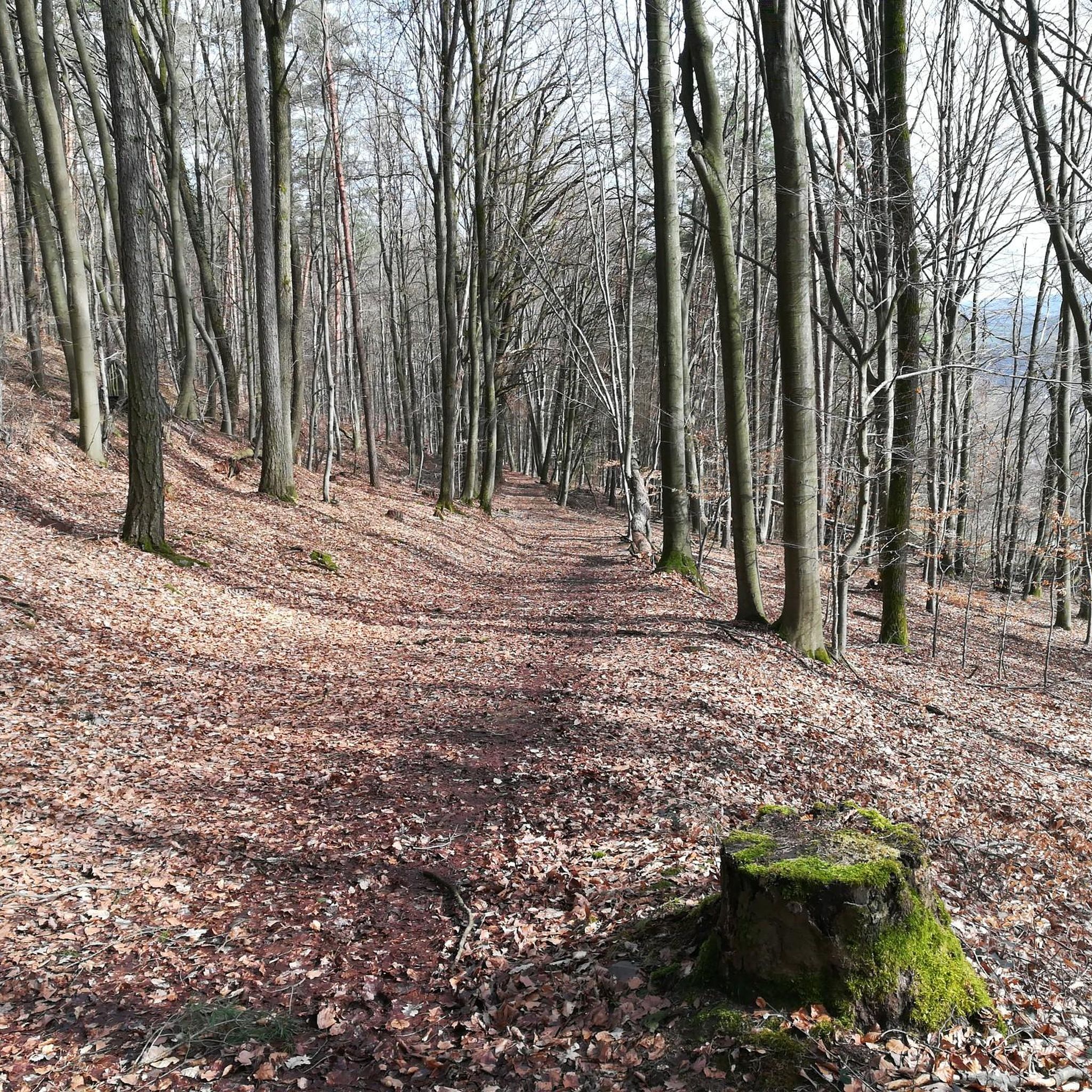
Gravel biking around Marbella
Other adventures around Marbella


Tips from the Community

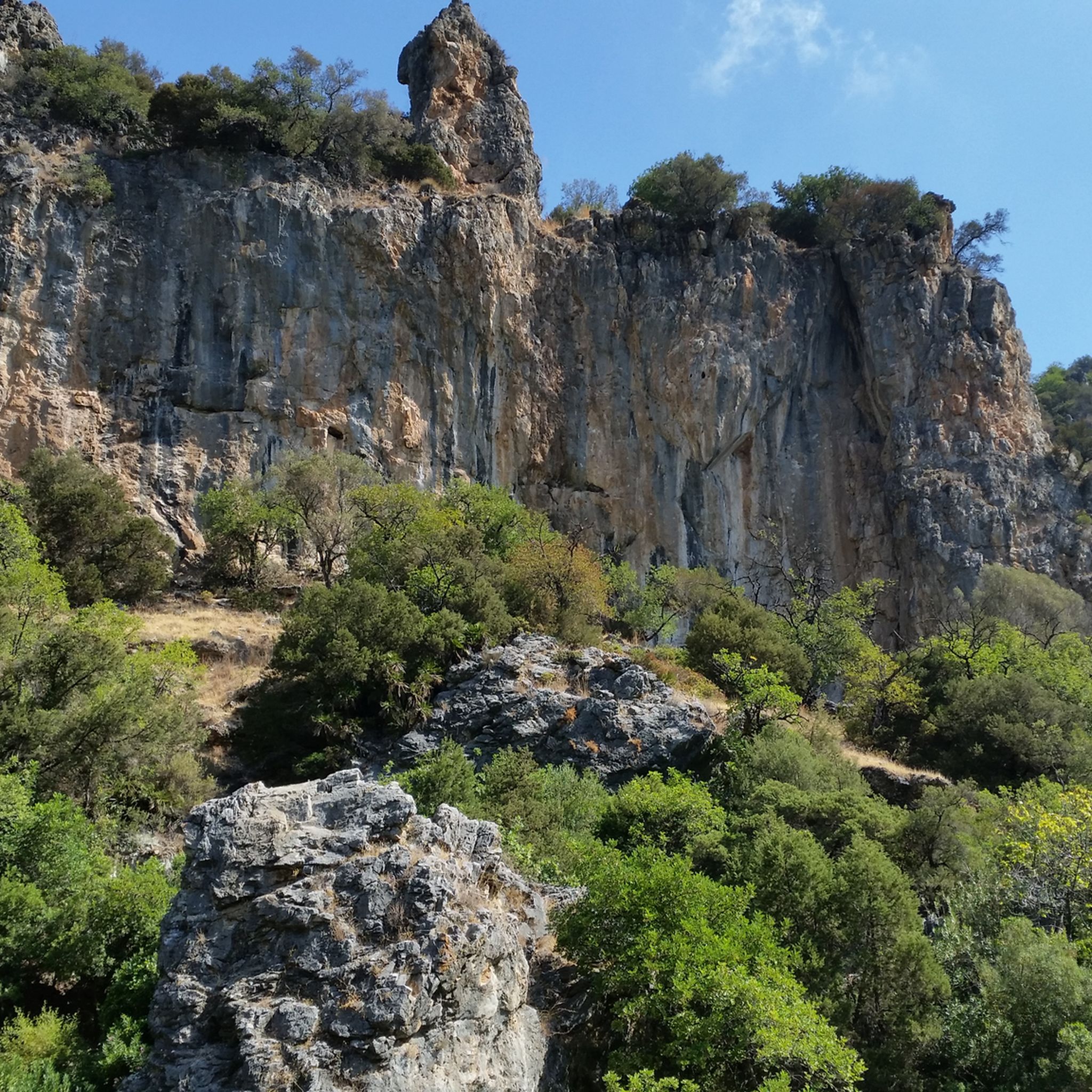
Notable karst caves, which also provided us with shelter from the rain that set in.
0
0


The Mirador de Cueva Santa in Monda is a spectacular observation point that offers stunning views of the surrounding area. This viewing point is located on the route to the Cueva Santa, a place of both natural and historical interest. To reach the viewing point, you can follow the hiking route that starts in the village of Monda. The path is well signposted and of moderate difficulty, making it accessible to most hikers.
1
0
The Holy Cave in Monda is a fascinating place to visit. It is located in the town of Monda, in Andalusia, Spain. The route to the cave is quite picturesque and offers spectacular views of the surroundings.
1
0

As cut_the_crap has already said...this impressive cave deserves more respect from people and not to be converted into a holy place of worship. Bats also live here!!
1
0

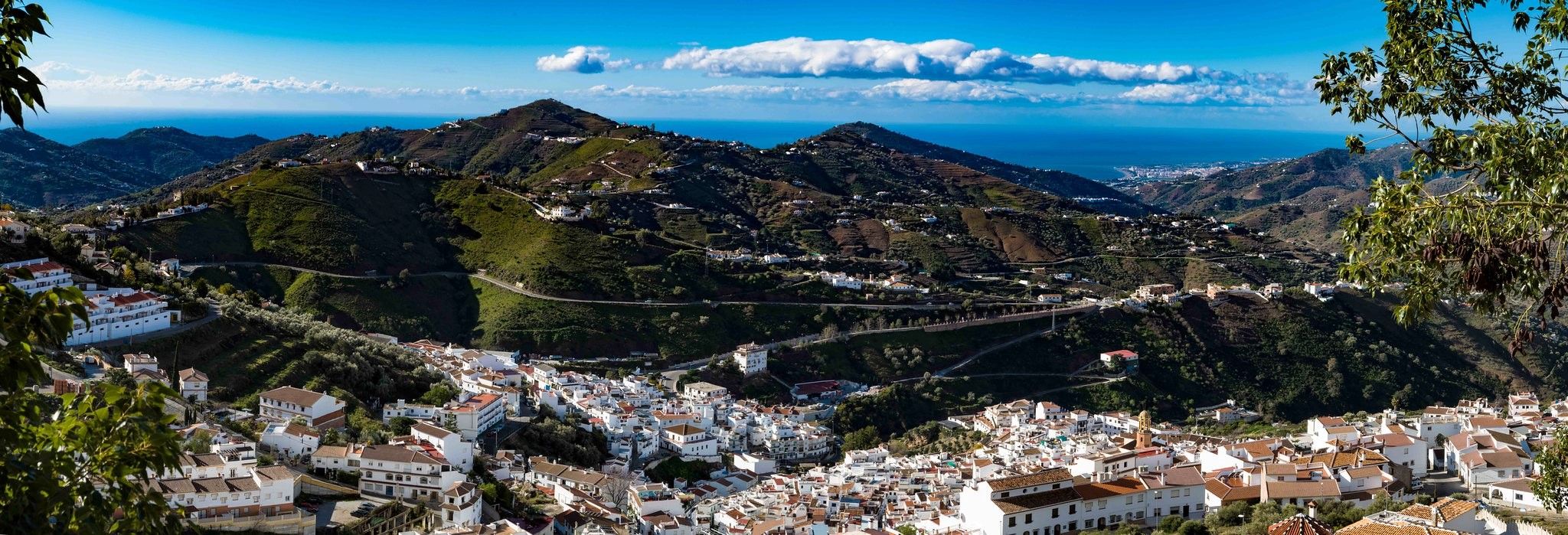
From up here you have a great view of the Torrecilla, the Sierra de Tolox, Sierra Cabrilla, Sierra Prieta, Sierra Alcaparaín, Sierra del Valle de Abdalajís and El Torcal de Antequera. The two villages visible from here are Yunquera (left) and Alozaina (right), both located in the Sierra de las Nieves.
1
0
Today the Cueva Santa is a place of worship, although it is known that it was inhabited since prehistoric times. Unfortunately, it has suffered too much from human influence and most of the stalagmites and stalactites have broken off. Altars and images of saints were placed inside, which looks a bit kitschy. The cave is very humid, you can tell by the continuous noise of dripping and the vegetation at the entrance.
3
0
Frequently Asked Questions
What are the most notable caves to visit near Marbella?
While Marbella itself offers smaller, historically significant caves like those in Ojén and the Puerto Rico Caves, the wider Costa del Sol region boasts several spectacular options. These include the extensive Nerja Cave, known for its stunning formations, the prehistoric Cueva de la Pileta with ancient cave paintings, and the unique marine Cueva del Tesoro.
Are there family-friendly caves around Marbella?
Yes, several caves offer family-friendly experiences. The Ojén settlement, with its small historical caves, is considered family-friendly. Further afield, the Nerja Cave is well-equipped with walkways and offers a virtual reality tour, making it accessible for most families. The Cueva del Tesoro is also a good option for families due to its unique marine origin and manageable exploration.
What kind of natural features can I expect to see in the caves near Marbella?
The region's caves showcase diverse natural wonders. The Nerja Cave is famous for its immense stalactites and stalagmites, including a record-holding column. The Cueva del Tesoro, being a marine cave, features striking galleries and underground lakes formed by sea erosion. Even smaller local caves like the Puerto Rico Caves offer impressive rock formations and provide shade with great views.
Are there historical or cultural sites within these caves?
Absolutely. Many caves in the region hold significant historical and cultural value. The Nerja Cave, discovered in 1959, reveals geological processes spanning millions of years and was inhabited by humans for thousands of years. It contains some of Europe's oldest cave paintings. The Cueva de la Pileta is a prehistoric jewel, declared a National Monument, renowned for its Upper Palaeolithic cave paintings. Closer to Marbella, the Cueva Santa Viewpoint is known to have been inhabited since prehistoric times and is now a place of worship.
What outdoor activities can I do near these caves?
The areas surrounding the caves offer excellent opportunities for outdoor activities. Near Marbella, you can find numerous hiking trails, ranging from easy to difficult, such as the Rocky Zigzag Trail near the Puerto Rico Caves. There are also cycling routes, including those that pass through or near the Ojén caves. The Cueva del Gato, while its interior is restricted, offers a beautiful natural pool at its entrance for swimming and is surrounded by scenic hiking areas.
What is the best time to visit the caves near Marbella?
The caves in the Costa del Sol region can generally be visited year-round. However, for a comfortable experience, spring (April-May) and autumn (September-October) offer pleasant temperatures for exploring both the caves and the surrounding outdoor areas. During the hot summer months, the caves provide a cool escape, but it's advisable to book tickets in advance, especially for popular sites like the Nerja Cave.
How accessible are the caves for visitors with mobility concerns?
Accessibility varies by cave. The Nerja Cave, for instance, is well-equipped with walkways and railings in its publicly accessible sections. It also offers a virtual reality tour for those with mobility impairments, allowing them to experience the cave's wonders. Other caves, like Cueva de la Pileta, involve guided tours with torches and may have uneven terrain, making them less suitable for those with significant mobility challenges.
Are there any unique or 'hidden gem' caves worth exploring?
Beyond the well-known sites, the region offers unique experiences. The La Virgencita Hermitage near Ojén is a precious and hidden sanctuary within a cave, historically used by shepherds and still a pilgrimage site. The Mina Buenavista offers a short but steep hike to a less-frequented historical cave site, providing a sense of solitude and different views.
What do visitors enjoy most about the caves around Marbella?
Visitors frequently appreciate the blend of natural beauty and historical significance. The small caves in Ojén are loved for their historical use and the village's charm. The Puerto Rico Caves are praised for providing shade and spectacular views, sometimes even reaching the coast of Africa. The Cueva Santa Viewpoint is noted for its panoramic vistas and ancient history, despite its modern religious alterations.
How far are the major caves like Nerja and La Pileta from Marbella?
The Nerja Cave is approximately an hour's drive east of Marbella. The Cueva de la Pileta, located near Benaoján in the Serranía de Ronda, is about an hour and fifteen minutes away from Marbella. The Cueva del Tesoro in Rincón de la Victoria is roughly an hour and a half drive from Marbella.
Are there any specific safety considerations for exploring caves in this region?
When visiting caves, especially those with less developed infrastructure, it's important to wear good shoes due to potentially uneven or slippery terrain. For sites like Mina Buenavista, be aware of natural hazards like the Passion Caterpillar during certain months if you are with dogs. Always follow local guidelines and, for guided tours like at Cueva de la Pileta, adhere to the guide's instructions.
Most popular routes around Marbella
Most popular attractions around Marbella

Get inspired with the komoot mobile app


Explore more
Extend your search for the best caves by checking out these guides of the top ones around Marbella:
