The 6 Most Amazing Peaks around L'Arboç
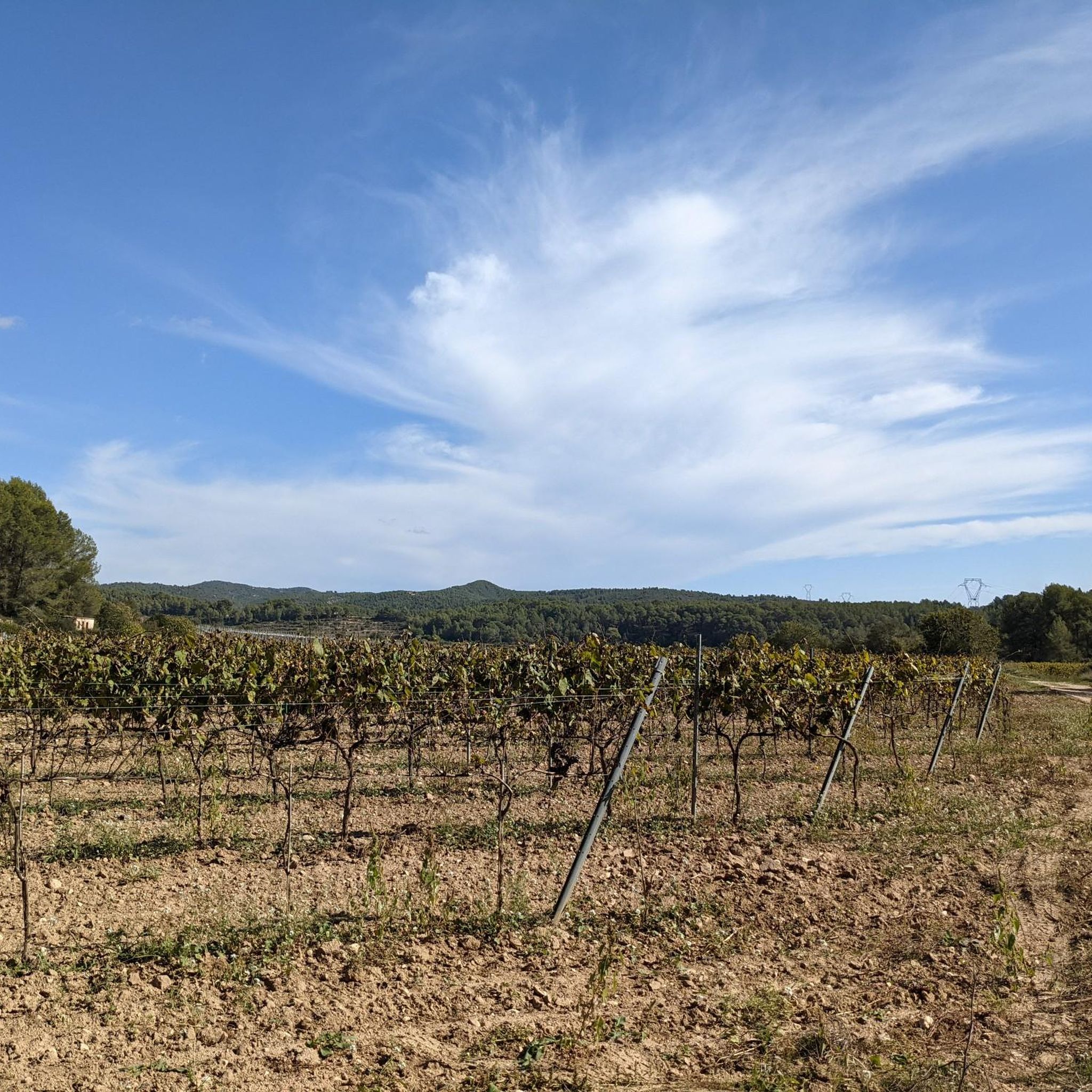
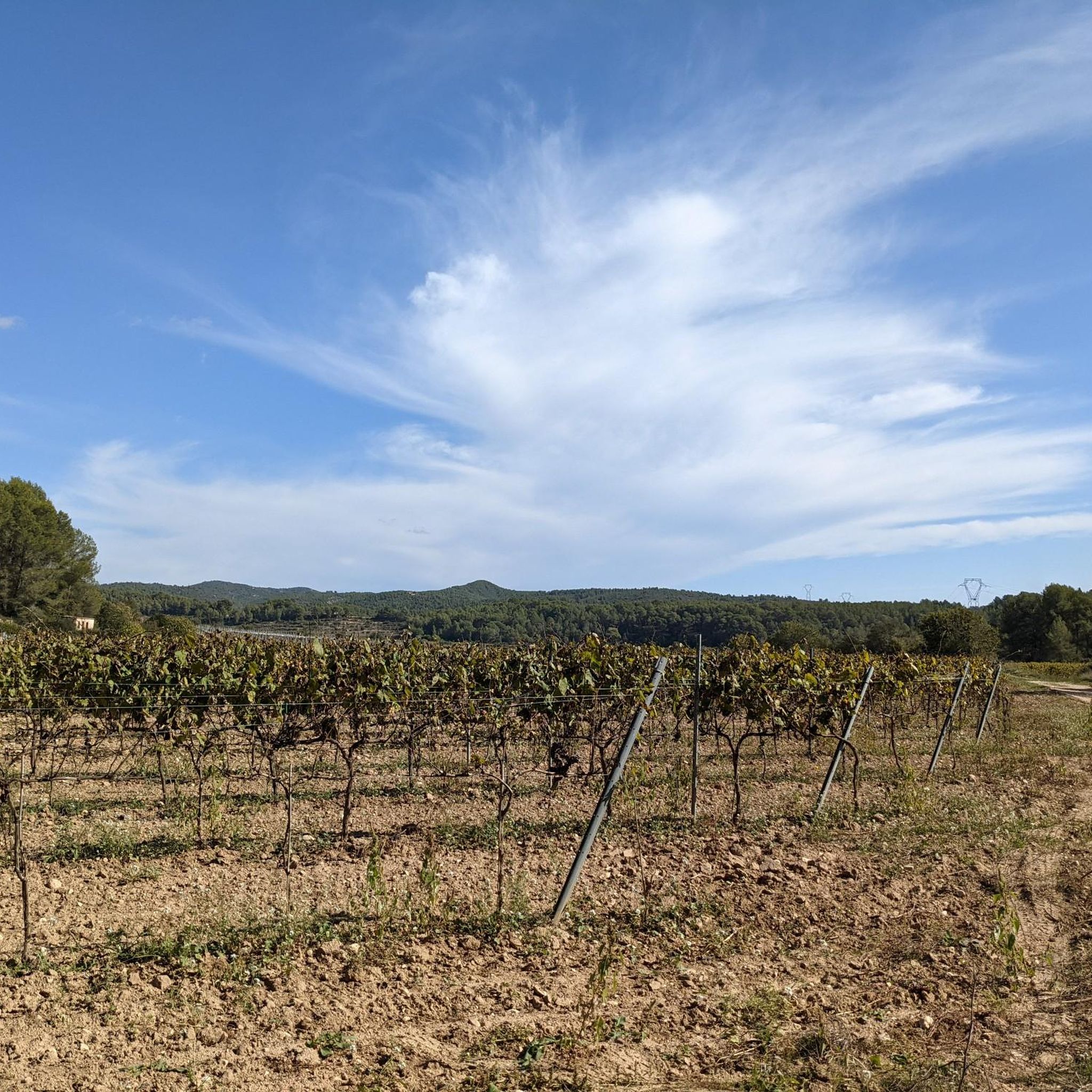
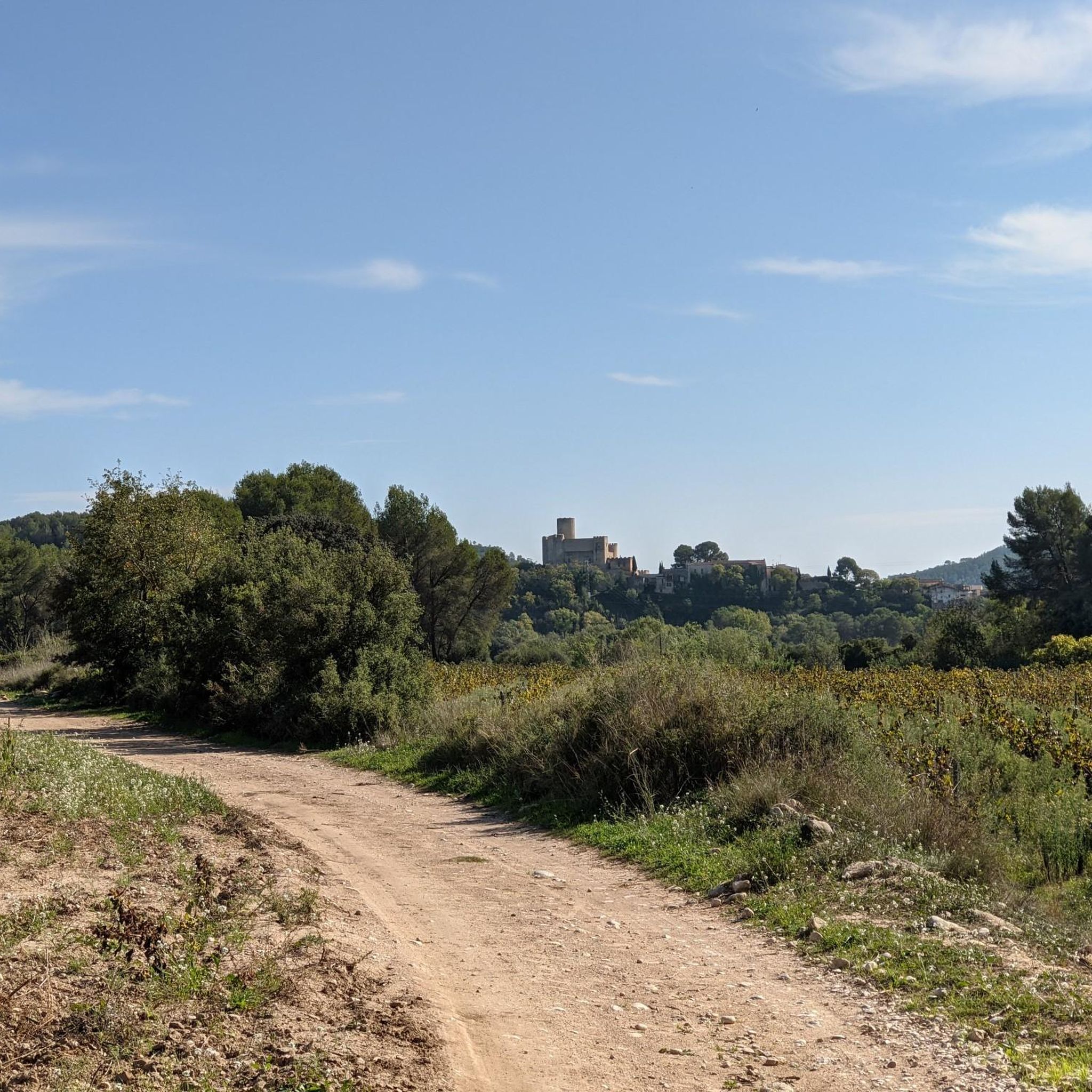
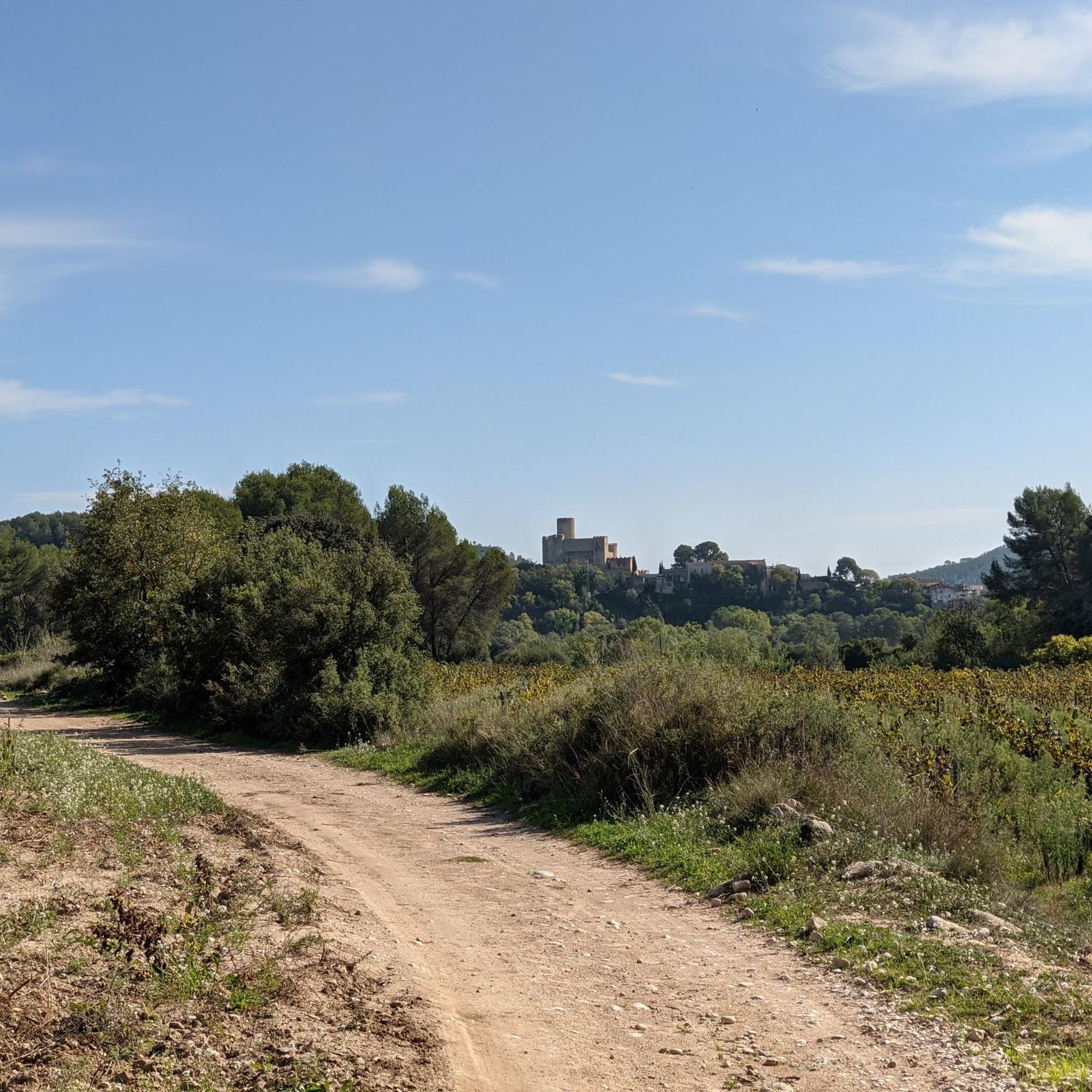
Best mountain peaks around L'Arboç are situated in the Penedès plain, an area characterized by vineyards and a rich historical landscape in Tarragona, Catalonia. While prominent mountain peaks are not directly within the town, the surrounding region offers hiking routes with moderate elevation gains. These routes often lead to scenic viewpoints overlooking features such as the Foix Reservoir. The area provides opportunities to experience the local natural landscape and historical sites.
Best mountain peaks around L'Arboç
- The most popular mountain…
Last updated: July 4, 2026
Puig de l'Àliga
Highlight • Summit
Translated by Google •
Tip by

El Castellot
Highlight • Historical Site
Translated by Google •
Tip by

Sign up now to discover places like this
Get recommendations on the best single tracks, peaks, & plenty of other exciting outdoor places.
Sign up for free
Penya del Papiol
Highlight • Summit
Translated by Google •
Tip by

Fita dels Tres Termes
Highlight • Summit
Translated by Google •
Tip by

La Talaia Summit and Observation Tower
Highlight • Summit
Translated by Google •
Tip by
Sign up for free to discover even more peaks around L'Arboç.
Sign up for free
Already have an account?
Start today with a free account
Your next adventure awaits.
Login or Signup


Tips from the Community

Beautiful hike and a great view of Vilanova i la Geltrú and the sea.
8
0


The Puig de l'Àliga, at 464 meters above sea level, is not the highest peak of the Garraf, that honor goes to the Puig de la Mola (534 meters), but it is the highest of the foothills southern parts of the Garraf massif. It forms a natural border between the regions of Alt Penedès and Garraf and is a natural viewpoint of both the Penedès plain and the Garraf coast. At its highest point there is a geodesic vertex, a large cross, and a fire watch tower.
2
0
La Fita dels Tres Termes is a mountain 234 meters high located in the Garraf massif, at the confluence of the municipalities of Vilanova and la Geltrú, Castellet and la Gornal and Cubelles. In its highest part, next to the forest surveillance tower, there is a cairn of mortar, right at the apex of the three municipal boundaries.
5
0

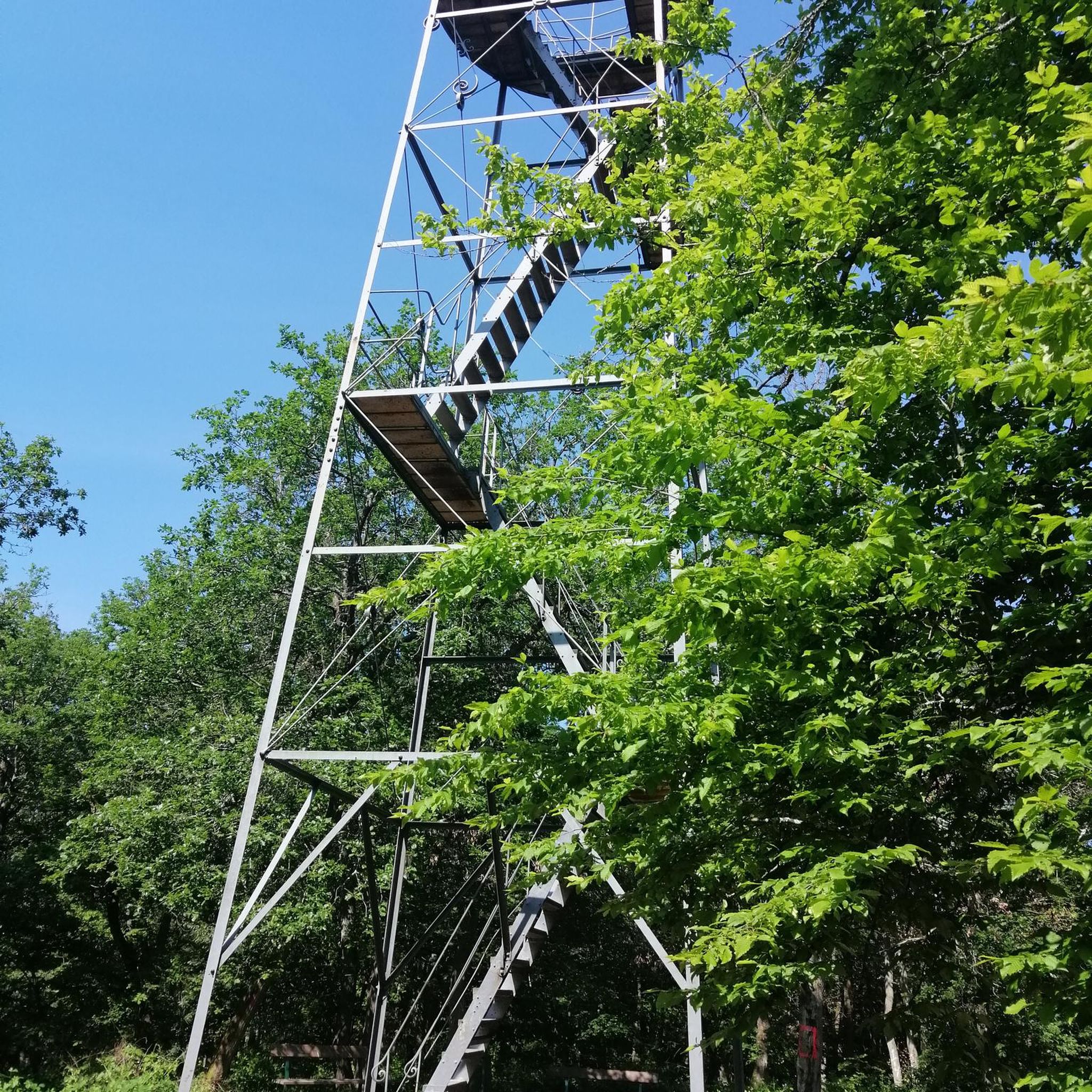
Beautiful tower not only for its views but also for the views it offers of the Penedès plain. The demanding climb is worth it!
0
0

Small peak, near a quarry, where a series of rural roads converge. This is a typical area of the Penedès with extensive fields of vineyards interspersed with scattered farmhouses where you can also appreciate old quarries. From the top, if the vegetation allows us, you can see from Montserrat, la Mola, la Morella, el Montmell, el Montau and el Puig de l'Àliga, among others. As can be read on a small panel at the top, the Toponym derives from the word "popia", which in the geographical vocabulary of the popular language designates a hill of low height, with a regularly rounded shape and a wide base: the shape of the chest of 'a woman. The word "Papiol" derives from this metaphor. The name is already documented in 992 as the boundary of Viladellops (Olèrdola). Essential peak included in the list of 100 peaks of the F.E.E.C. https://www.feec.cat/activitats/100-cims/cim/penya-del-papiol/
1
0
Located on the hill of the same name, at an altitude of 468 meters, on the Marmellar stream and dominating the entire extension of the Penedès plain, the Castellot is one of the most recognizable surveillance and defense structures of the medieval period. This small fortress had the mission of serving as a lookout and defense of the territory in the event of an attack by the Saracens. Due to its small size, it never had a castle structure, it was just a watchtower and defense tower, with a small attached construction and next to it the primitive chapel of Sant Miquel. The complex is dated between the end of the 10th century and the beginning of the 11th century, with some modifications made in the 13th century, before being abandoned and becoming a temporary refuge for shepherds, vagabonds and bandits. A second phase of restoration was completed in March 2021, mainly focused on the watchtower, the upper part of which can now be accessed via an internal staircase.
0
0
Located on the hill of the same name, at an altitude of 468 meters, on the Marmellar stream and dominating the entire extension of the Penedès plain, the Castellot is one of the most recognizable surveillance and defense structures of the medieval period. This small fortress had the mission of serving as a lookout and defense of the territory in the event of an attack by the Saracens. Due to its small size, it never had a castle structure, it was just a watchtower and defense tower, with a small attached construction and next to it the primitive chapel of Sant Miquel. The complex is dated between the end of the 10th century and the beginning of the 11th century, with some modifications made in the 13th century, before being abandoned and becoming a temporary refuge for shepherds, vagabonds and bandits. A second phase of restoration was completed in March 2021, mainly focused on the watchtower, the upper part of which can now be accessed via an internal staircase.
0
0
Frequently Asked Questions
What are the most popular mountain peaks to visit near L'Arboç?
Among the most appreciated peaks by the komoot community are Puig de l'Àliga, offering expansive views of the Penedès plain and Garraf coast, and La Talaia Summit and Observation Tower, known for its rewarding vistas after a climb. Another significant spot is El Castellot, a historical site with a small fortress that served as a medieval lookout.
Are there family-friendly hiking options around L'Arboç's peaks?
While L'Arboç itself is in a plain, the surrounding area offers moderate hikes suitable for families, particularly those leading to scenic viewpoints. For example, the 'View of the Foix Reservoir – Castellet Castle loop from l'Arboç' is an easy hiking route. You can find more options in the Hiking around L'Arboç guide.
What natural features can I expect to see when hiking near L'Arboç?
The region around L'Arboç is characterized by vineyards and the Penedès plain. Hikes often lead to scenic viewpoints overlooking the Foix Reservoir. Peaks like Puig de l'Àliga offer views of both the plain and the Garraf coast, while Penya del Papiol provides vistas of Montserrat and other distant mountain ranges on clear days.
Are there historical sites or cultural landmarks on or near these mountain peaks?
Yes, the area combines natural beauty with historical significance. El Castellot is a notable historical site, a small medieval fortress at 468 meters that served as a lookout and defense structure. Its watchtower was recently restored and can be accessed via an internal staircase.
What are the best hiking trails with elevation around L'Arboç?
For moderate elevation gains and scenic views, consider routes like 'Embalse de Foix - Circular until the Castellet' or 'Pantà de Foix and Castell de Castellet – Parc del Foix – Circular Route'. These trails offer a good balance of challenge and reward, often providing views of the Foix Reservoir. You can explore these and more in the Hiking around L'Arboç guide.
What other outdoor activities can I do near the mountain peaks of L'Arboç?
Beyond hiking, the region offers opportunities for running and gravel biking. You can find various routes in the Running Trails around L'Arboç guide, including routes around the Foix Reservoir. For cyclists, the Gravel biking around L'Arboç guide features routes like 'The south of the plain in gravel' and 'Penedès 360 by gravel bike'.
Is it possible to access these peaks by public transport, or is a car necessary?
While L'Arboç itself has public transport connections, accessing specific trailheads for mountain peaks often requires a car for convenience. Many routes start from areas where parking is available, but direct public transport to the more remote trailheads might be limited. It's advisable to check local transport options for your specific starting point.
Are there any challenging mountain climbs near L'Arboç?
While L'Arboç is in a plain, some nearby peaks offer more challenging ascents. For instance, the climb to La Talaia Summit and Observation Tower can be steep. Penya del Papiol is also categorized as challenging, with some areas noted as 'very dangerous and slippery'.
What do visitors enjoy most about the mountain peaks experience near L'Arboç?
Visitors frequently highlight the rewarding views after a climb, with many describing them as breathtaking. The combination of natural landscapes, such as the Penedès plain and the Garraf coast, with historical elements like El Castellot, makes for a diverse and engaging experience. The komoot community has shared over 30 photos and given more than 70 upvotes, reflecting a strong appreciation for the area's offerings.
Are there any specific tips for hiking <a href="https://www.komoot.com/highlight/3923019" target="_blank" rel="noopener">Penya del Papiol</a>?
When hiking Penya del Papiol, it is strongly recommended to wear mountain shoes as some areas are described as 'very dangerous and slippery'. Despite this, the peak offers extensive views of the surrounding vineyards and distant mountain ranges like Montserrat, making the demanding climb worthwhile for prepared hikers.
Can I bring my dog on the trails around L'Arboç's peaks?
Many natural areas and trails in Catalonia are dog-friendly, but it's always best to check specific regulations for each route or natural park. Generally, if dogs are kept on a leash and owners clean up after them, they are welcome on most hiking paths. Always ensure your dog is capable of handling the terrain and distance of your chosen route.
What is the best time of year to visit the mountain peaks near L'Arboç for hiking?
The Penedès region, where L'Arboç is located, experiences a Mediterranean climate. Spring (April to June) and autumn (September to November) generally offer the most pleasant temperatures for hiking, avoiding the intense heat of summer and potential chill of winter. These seasons also provide beautiful scenery, with blooming wildflowers in spring and vibrant colors in autumn.
Most popular routes around L'Arboç
Most popular attractions around L'Arboç

Get inspired with the komoot mobile app


Explore more
See even more amazing summits around L'Arboç with these guides:
