Top 5 Lakes around Calp
Best lakes around Calp are centered around the significant saltwater lagoon known as Las Salinas de Calpe. This unique wetland area is a central natural attraction, historically used for salt extraction since Roman times. It is a protected natural reserve, supporting diverse flora and fauna, and serves as a crucial stopover point for migratory birds. The lagoon's ecological importance and historical context make it a notable feature of the region.
Best lakes around Calp
- The most popular lakes is Viewpoint of the Salinas de Calpe, a viewpoint that occupies a depression filled with quaternary alluvial deposits and is a protected natural area. It is known for its natural beauty and rich biodiversity, especially in aquatic birds.
- Another must-see spot is El Saladar Saltworks, a lake that is a protected nature reserve and provides a habitat for numerous animal species. Visitors can expect to see flamingos and other waterfowl, making it an ideal spot for birdwatchers.
- Visitors also love Salinas de Calp Viewpoint, a scenic observation point located near Las Salinas de Calpe. This area is known for its beautiful scenery, ecological importance, and diverse birdlife, including flamingos.
- Calp is known for its unique saltwater lagoons and historic salt flats. These areas offer diverse ecosystems and opportunities for birdwatching.
- The lakes around Calp are appreciated by the komoot community, with over 90 upvotes and more than 140 photos shared.
Last updated: August 28, 2026
Viewpoint of the Salinas de Calpe
Highlight • Viewpoint
Translated by Google •
Tip by

El Saladar Saltworks
Highlight • Lake
Showing Translation
Tip by
Sign up now to discover places like this
Get recommendations on the best single tracks, peaks, & plenty of other exciting outdoor places.
Sign up for free
Salinas de Calpe
Highlight (Segment) • Lake
The Calpe salt flats were used for salt production as early as Roman times and remained in operation until the 20th century. Today, they are a protected nature reserve and provide a protected habitat for numerous animal species. They are particularly known for their flamingos and other waterfowl, making them an ideal spot for birdwatchers. Paths around the salt flats offer impressive views of the Peñón de Ifach.
Translated by Google •
Tip by

Flamingo
Highlight • Viewpoint
Showing Translation
Tip by
Salinas de Calp Viewpoint
Highlight • Viewpoint
Translated by Google •
Tip by
Sign up for free to discover even more lakes around Calp.
Sign up for free
Already have an account?
Start today with a free account
Your next adventure awaits.
Login or Signup




Tips from the Community

The Salinas de Calpe occupy a depression filled with Quaternary alluvial deposits. The position of the Peñón de Ifach is a decisive factor in the formation of this interesting wetland. It is a lagoon of tombolo origin, generated from the development of a double sandbar.
18
0
The Calpe Salt Flats are a protected natural area located within the town of Calpe, near the Peñón de Ifach Natural Park. This 41.08-hectare area is known for its natural beauty and rich biodiversity, especially its waterfowl.
7
0
They are a salt lagoon of tombolic origin, formed about 2 million years ago when the Peñón de Ifach was an island. Wave action created two sandbars that closed off the bay, isolating the seawater and forming the lagoon. Salt production: began in Roman times (2nd century AD), becoming very important for food preservation and the production of garum. It supplied salt to more than 40 municipalities. [calpe.es] After several periods of decline, production ceased definitively in 1988. Since 1993, it has been a Protected Wetland.
6
0

Beautiful view. I go there all the time.
1
0
Beautiful flamingos, lots of observation points.
5
0


The flamingos in Calpe’s Las Salinas are a beautiful surprise. These greater flamingos migrate from places like southern France, Sardinia, and even North Africa. Some stay year-round, while others stop here during spring and autumn migrations. Flamingos have been visiting Calpe’s Las Salinas since at least Roman times, when salt was first harvested here. The lagoon was officially protected in 1988, and today it serves as a peaceful feeding ground right next to the city—overlooked by the impressive Peñón de Ifach. Despite the surrounding high-rise buildings, the flamingos don’t seem to mind. They feed and rest here undisturbed, making Las Salinas one of the most unique spots in the region where nature and city life meet.
4
1

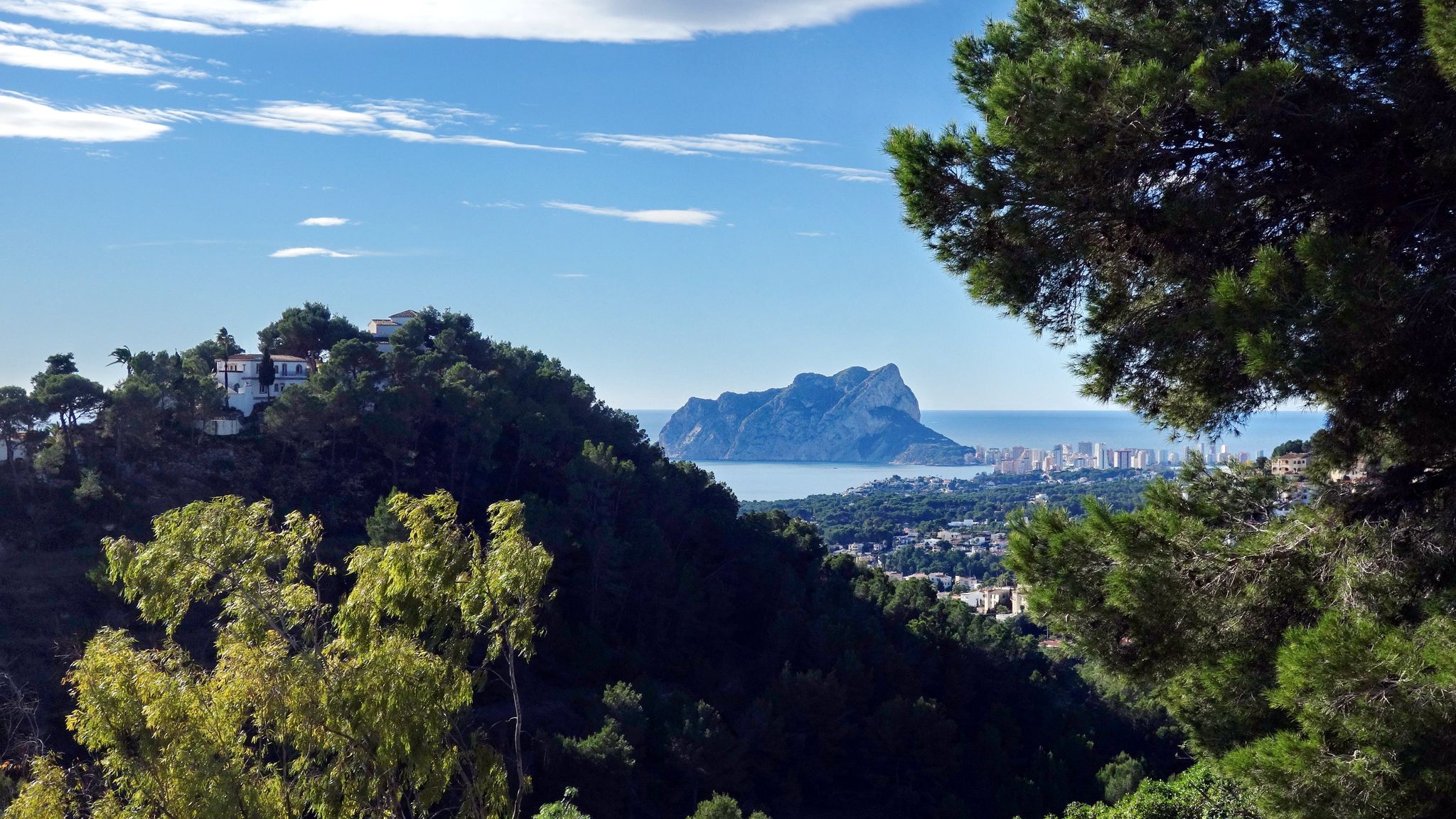
The Salinas de Calpe viewpoint offers magnificent views of the salt lagoon and its rich wildlife, especially the flamingos. Located along the path around the salt flats, it provides a perfect view of the nature reserve and the imposing Peñón de Ifach in the background. From here, you can enjoy the unique landscape of the salt flats, especially at sunrise or sunset, when the light bathes the lagoon in beautiful colors. The viewpoint is easily accessible and a popular spot for nature and photography enthusiasts.
8
0
Frequently Asked Questions
What makes the lakes around Calp unique?
The primary lake in Calp, Las Salinas de Calpe, is a distinctive natural salt lake. It's a protected natural reserve known for its pink-tinged waters (due to high salt content and tiny shrimp), abundant birdlife including a resident flamingo colony, and a rich history of salt extraction dating back to Roman times. Its tombolic origin, influenced by the Peñón de Ifach, also contributes to its unique geological formation.
Can I see flamingos at the Calp lakes?
Yes, the Calp Salt Lakes are a crucial stopover point for migratory birds and host a resident colony of flamingos. You can often see them feeding in the shallow waters, especially during migration season. The Flamingos highlight is a popular spot for viewing these magnificent birds.
Are the Calp salt lakes suitable for families?
Absolutely. The Calp Salt Lakes are very family-friendly due to their easy accessibility and the engaging wildlife observation opportunities. Highlights like the Viewpoint of the Salinas de Calpe and El Saladar Saltworks are specifically categorized as family-friendly. Children often enjoy spotting flamingos and other birds along the walking trails.
What kind of outdoor activities can I do near the Calp lakes?
The area around the Calp lakes offers excellent opportunities for walking and cycling. A circular walking route allows visitors to explore the main salt lake, with interpretive panels providing information. Adjacent bike lanes connect the lakes to the town center and Peñón de Ifach Natural Park. For more extensive cycling, you can explore various routes mentioned in our guides like Road Cycling Routes around Calp, Cycling around Calp, and Gravel biking around Calp.
What is the best time to visit the Calp Salt Lakes for birdwatching?
The Calp Salt Lakes are a crucial stopover point for migratory birds, so birdwatching is excellent throughout the year. However, migration seasons (spring and autumn) often bring the highest diversity of species. Sunrise and sunset offer particularly beautiful lighting for photography and a serene atmosphere.
Are there accessible trails around the Calp lakes?
Yes, the Calp Salt Lakes are known for their easy accessibility. Wooden trails and observation hides are available for quiet, undisturbed viewing of the wildlife. The circular walking route around the main salt lake is generally flat and well-maintained, making it suitable for most visitors.
What historical significance do the Calp lakes hold?
The Calp Salt Lakes have a rich history of salt extraction that dates back to Roman times. Salt was essential for preserving fish catches, and Calp was an important center for its production. Although commercial salt production ceased in 1988, the area's historical importance is still evident, and visitors can see excavated ancient fish farms known as "Baños de la Reina" (Queen's Baths) nearby.
Where are the best viewpoints to observe the Calp Salt Lakes?
Several viewpoints offer excellent perspectives of the salt lakes. The Viewpoint of the Salinas de Calpe and Salinas de Calp Viewpoint are popular spots. From these points, you can enjoy panoramic views of the lagoon, its diverse birdlife, and the majestic Peñón de Ifach in the background. The paths surrounding El Saladar Saltworks also provide impressive views.
Is there parking available near the Calp lakes?
Yes, the Calp Salt Lakes are conveniently located just behind Calp's town center, and free parking is available nearby, making it easy to visit even for a short trip.
Can I bring my dog to the Calp lakes?
While the Calp Salt Lakes are a protected natural reserve, dogs are generally permitted on leashes on the designated walking paths. However, it's always best to check local signage for any specific restrictions, especially concerning sensitive wildlife areas, to ensure the safety and well-being of the birds.
What kind of birds, besides flamingos, can I see at the Calp Salt Lakes?
Beyond the iconic flamingos, the Calp Salt Lakes are a biodiversity hotspot, hosting over 170 different bird species throughout the year. You can expect to see various waterfowl such as herons, ducks, avocets, and stilts, making it an ideal location for birdwatching enthusiasts.
Are there any cafes or facilities near the Calp lakes?
The Calp Salt Lakes are located within the urban center of Calp, so you'll find a variety of cafes, restaurants, and other facilities within a short walking distance from the lake area. This makes it convenient to combine your nature visit with a meal or refreshment.
Most popular routes around Calp
Most popular attractions around Calp

Get inspired with the komoot mobile app


Explore more
Still not found your perfect lake around Calp? Check out the guides of these regions to see even more beautiful places.
