Top 4 Caves around Sant Lluís
Best caves around Sant Lluís offers access to a variety of subterranean formations, from ancient burial sites to natural sea caves. The region, located on Menorca, provides a convenient base for exploring the island's diverse geological features. These caves are primarily formed in limestone bedrock, with many showing signs of historical human activity. The landscape around Sant Lluís features coastal areas and ravines, contributing to the formation of these natural wonders.
Best caves around Sant Lluís
- The most popular caves…
Last updated: July 4, 2026
Cales Coves Necropolis
Highlight • Historical Site
Translated by Google •
Tip by

Talatí de Dalt Archaeological Site
Highlight • Historical Site
Due to the location near one of the main roads with parking, it is also often busy...
Translated by Google •
Tip by

Sign up now to discover places like this
Get recommendations on the best single tracks, peaks, & plenty of other exciting outdoor places.
Sign up for free
Barranc d’en Riu
Highlight • Gorge
Translated by Google •
Tip by

Entrance to Cova d'en Xoroi
Highlight • Cave
All handrails made of tree branches and …
Translated by Google •
Tip by

Cala en Porter and Torre d'en Galmés Coastal Path
Highlight • Beach
Translated by Google •
Tip by

Start today with a free account
Your next adventure awaits.
Login or Signup
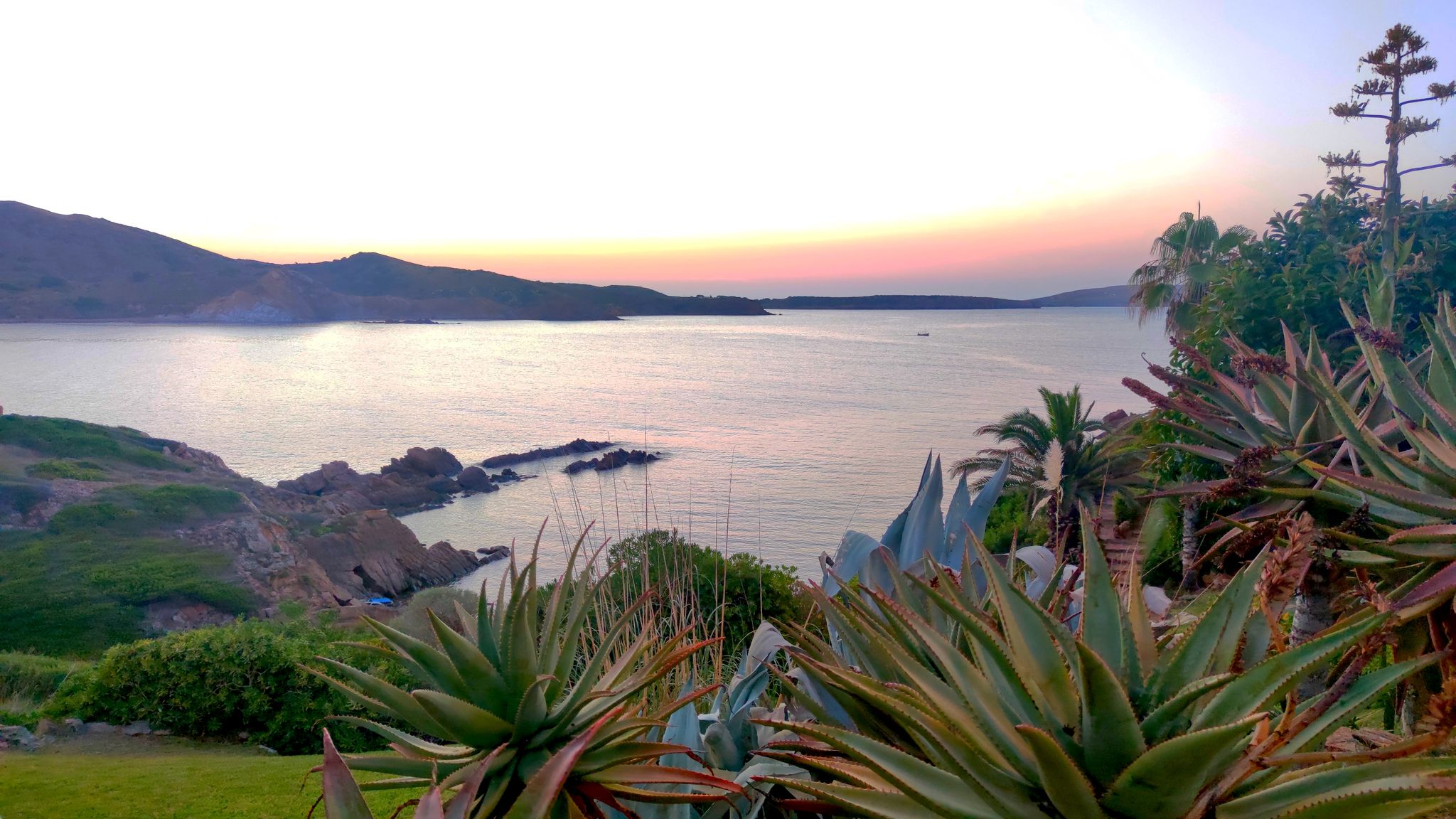
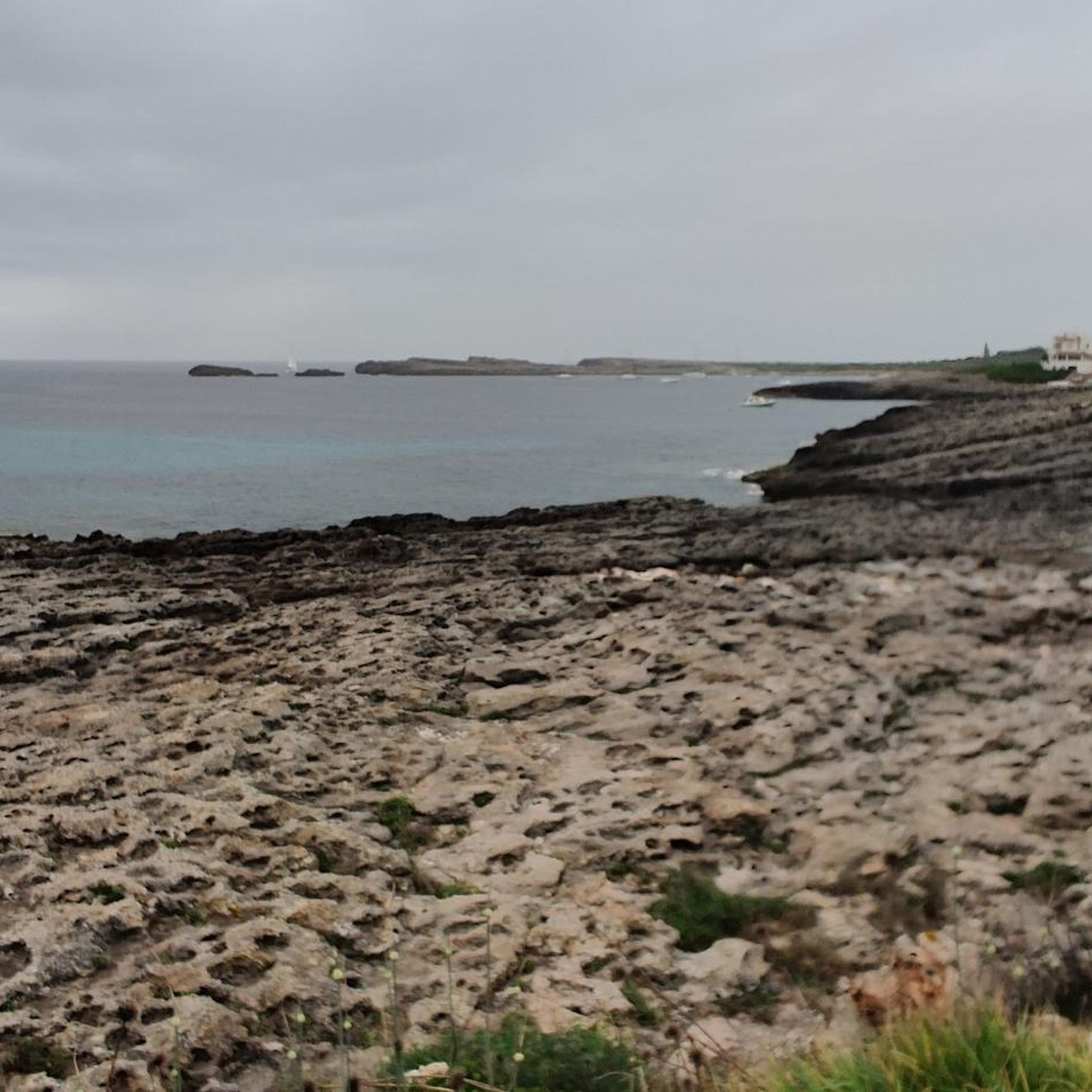
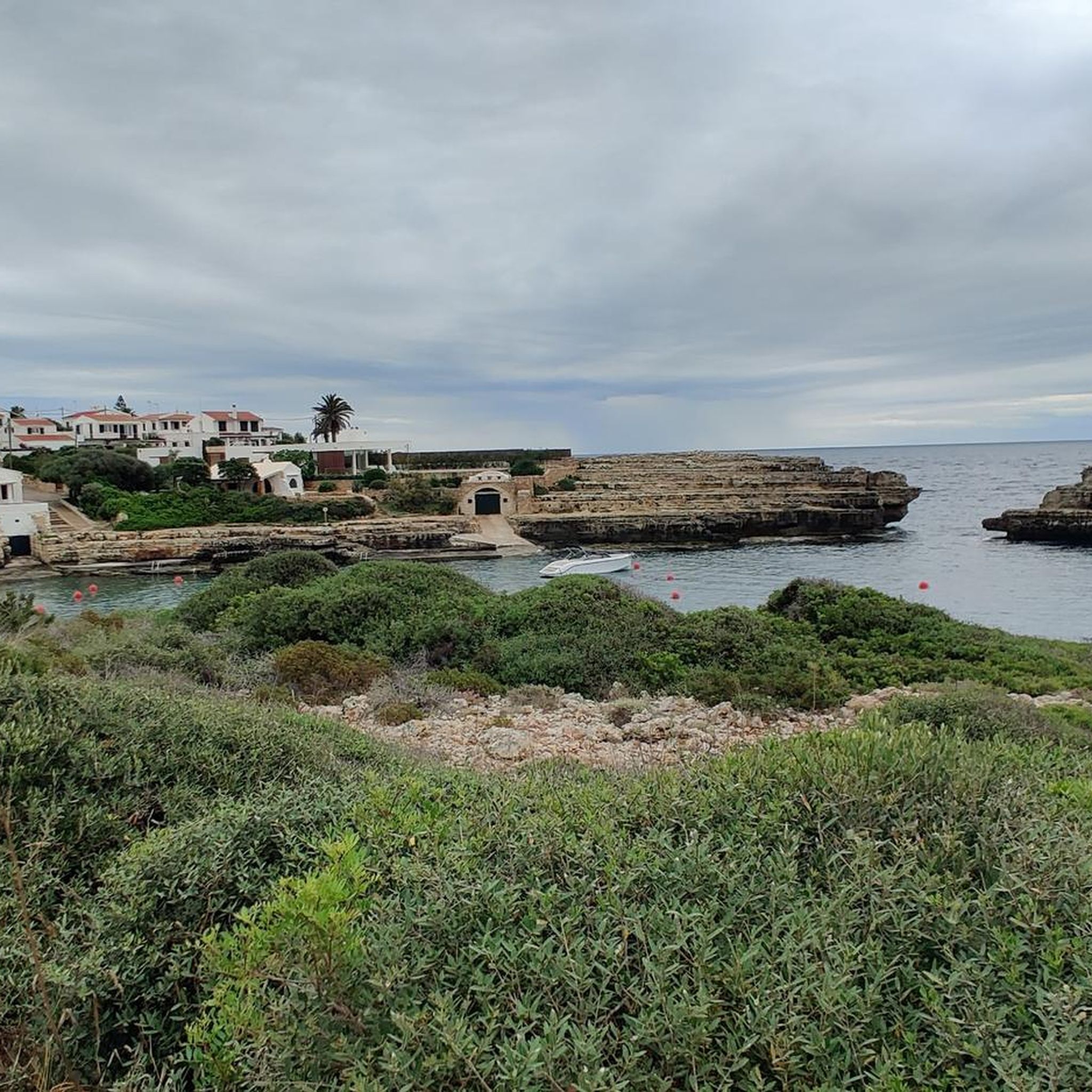
Other adventures around Sant Lluís

Tips from the Community

A refreshing drink at BasicoS at the end of the hike
0
0

Beautiful Taiolotic site, with beautiful remaining ruins, a "taialot" still present dominating the site and above all a superb "Taula", standing stone!
0
0

It is one of the most impressive prehistoric sites in Menorca, notable for its monumental table, one of the best preserved on the island, with an inclined slab resting on the central monolith. It dates from the Talayotic period (1000 BC) and has talayots, caves carved into the rock, houses, cyclopean walls and a ceremonial enclosure. Accessible by mountain bike or gravel, it is ideal for a cycle tour combined with other nearby sites such as Torre d'en Galmés or Naveta des Tudons. An essential place to discover the Talayotic history of Menorca. 🚴♂️
0
0
In the ravine and its surroundings there are remains from the Talayotic period, with caves that were used as necropolises, especially in the nearby area of Calescoves, where there are more than 90 burial caves dug into the rock. It is believed that this ravine was a communication route between the interior of the island and the coast, used by the ancient Menorcan communities.
1
0
Near the ravine, on the cliffs of Cala en Porter, is the famous Cova d’en Xoroi, a cave with one of the most popular legends of Menorca. According to the story, a mysterious castaway or pirate called Xoroi found refuge in this cave and lived there for years with a Menorcan woman who had been kidnapped. Over time, they had children and lived in hiding until they were discovered. When they were pursued, Xoroi and one of his children jumped into the sea from the cliffs and were never heard from again.
1
0
This is a spectacular route for cycling tourism in Menorca, combining nature, history and trails with impressive views. It is a wetland with great biodiversity, rock formations and prehistoric caves. You can cycle along rural roads and trails that connect with the Camí de Cavalls (Stage 17), linking Cala en Porter with Calescoves and Son Bou. Some sections have rocky terrain and slopes, so it is advisable to use a mountain bike or gravel bike. During the route you will cross landscapes of ravines, fields and coast, making it an ideal route for those looking for a varied cycling experience in Menorcan nature.
3
0

A dream bay that you shouldn't miss!
5
1

Prehistoric site on the island of Menorca. It is one of the emblematic towns of Menorcan prehistory.
2
0
Frequently Asked Questions
What types of caves can I explore near Sant Lluís?
Near Sant Lluís, you can discover a diverse range of caves. These include ancient burial sites like the Cales Coves Necropolis, natural sea caves accessible by kayak or snorkeling near Binibèquer, and even a unique cave transformed into a bar and club, the Entrance to Cova d'en Xoroi. Further afield, you can find the impressive natural cathedral of Cova des Coloms.
Which caves offer historical insights into Menorca's past?
For a deep dive into history, the Cales Coves Necropolis is a must-visit. It features over 90 hand-dug burial caves dating back to the Talayotic period, with some even containing Roman inscriptions. Another significant site is the Talatí de Dalt Archaeological Site, which includes accessible prehistoric structures and caves.
Are there family-friendly caves to visit around Sant Lluís?
Yes, the Talatí de Dalt Archaeological Site is considered family-friendly, offering an engaging way to explore prehistoric structures and caves. Additionally, exploring the sea caves around Binibèquer via guided kayaking or snorkeling tours can be a fun and adventurous activity for families.
Can I explore sea caves near Sant Lluís?
Absolutely. The area around Binibèquer, very close to Sant Lluís, is known for its sea caves. Kayaking and snorkeling tours often depart from Cala Torret in Binibèquer to explore hidden grottoes and fascinating geological formations like 'sa cova d'es Pont' and El Bufador de Binibequer cave. These offer an adventurous way to experience Menorca's coastal geology.
What outdoor activities can I do near these caves?
The region around Sant Lluís offers numerous outdoor activities. You can find excellent hiking opportunities, including trails like the 'Horse Trail: Binibèquer Vell' or longer routes such as 'Cala San Esteban – Torre de Alcaufar loop'. For cyclists, there are various MTB trails and road cycling routes that combine nature, history, and impressive views, often connecting with sections of the Camí de Cavalls. You can find more details on hiking around Sant Lluís.
What should I wear when exploring caves in Sant Lluís?
For historical sites like Cales Coves Necropolis or Talatí de Dalt, comfortable walking shoes are recommended, as some areas may have uneven terrain. If you plan to explore sea caves, swimwear and water shoes are essential. For any cave exploration, a flashlight is advisable, especially for deeper or less illuminated sections.
Is there a cave known for its views or entertainment?
Yes, the Entrance to Cova d'en Xoroi is famously known as a unique bar and club carved into a cliff face. It offers stunning panoramic views of the sea, especially at sunset, and is a popular spot for enjoying a drink in a vibrant atmosphere. It can also be visited during the day for the views.
How long does it take to explore the caves around Sant Lluís?
The duration varies depending on the cave. Exploring the Cales Coves Necropolis and its surroundings can take a couple of hours, allowing time for walking and appreciating the historical significance. A visit to Talatí de Dalt might take 1-2 hours. Sea cave tours typically last a few hours, while a visit to Cova d'en Xoroi can be as short as enjoying a drink or an entire evening.
What do visitors enjoy most about the caves near Sant Lluís?
Visitors frequently praise the unique blend of natural beauty and profound historical significance, particularly at sites like Cales Coves Necropolis. The stunning views and vibrant atmosphere of Cova d'en Xoroi are also highly rated. Many appreciate the opportunity to explore ancient sites and experience the island's geological wonders, often highlighting the peaceful and close-to-nature hiking experiences.
Are there any large natural caves to visit in Menorca, accessible from Sant Lluís?
Yes, while not directly in Sant Lluís, the Cova des Coloms (The Cave of Pigeons) is a major natural wonder on Menorca and is accessible by a short drive. Often called 'La Catedral' due to its impressive size, it's the largest cave on the island, measuring about 300 meters in length and 24 meters in height, featuring dramatic limestone formations. It's believed to have been a sanctuary during the Talayotic Period.
Where can I find parking near the main cave attractions?
Parking is generally available near popular sites. For Cales Coves Necropolis, there are designated parking areas. The Talatí de Dalt Archaeological Site has parking conveniently located near one of the main roads. For Cova d'en Xoroi, there is also parking available, though it can get busy during peak times, especially around sunset.
Most popular attractions around Sant Lluís

Get inspired with the komoot mobile app


Explore more
Extend your search for the best caves by checking out these guides of the top ones around Sant Lluís:
