Top 6 Gorges around Tías
Best canyons around Tías, Lanzarote, feature unique geological formations shaped by volcanic activity. The region is characterized by narrow volcanic cracks and deep barrancos, revealing ancient lava and sediment layers. Coastal areas also present volcanic stone coves, offering diverse natural attractions. These formations provide varied experiences for exploration.
Best canyons around Tías
- The most popular canyons is Barranco del Higueral, a gorge located in the geologically oldest region of Lanzarote. This area reveals formations over 10 million years old. …
Last updated: July 4, 2026
Barranco del Higueral
Highlight • Gorge
Translated by Google •
Tip by

Quiquere Ravine
Highlight • Gorge
There is something !
Translated by Google •
Tip by

Sign up now to discover places like this
Get recommendations on the best single tracks, peaks, & plenty of other exciting outdoor places.
Sign up for free
Las Grietas (Barranco Negro)
Highlight • Canyon
Tip by

Barrancos de Los Ajaches
Highlight • Gorge
Translated by Google •
Tip by

View of Barranco (Dry Riverbed Gorge)
Highlight • Gorge
Translated by Google •
Tip by

Start today with a free account
Your next adventure awaits.
Login or Signup


Tips from the Community

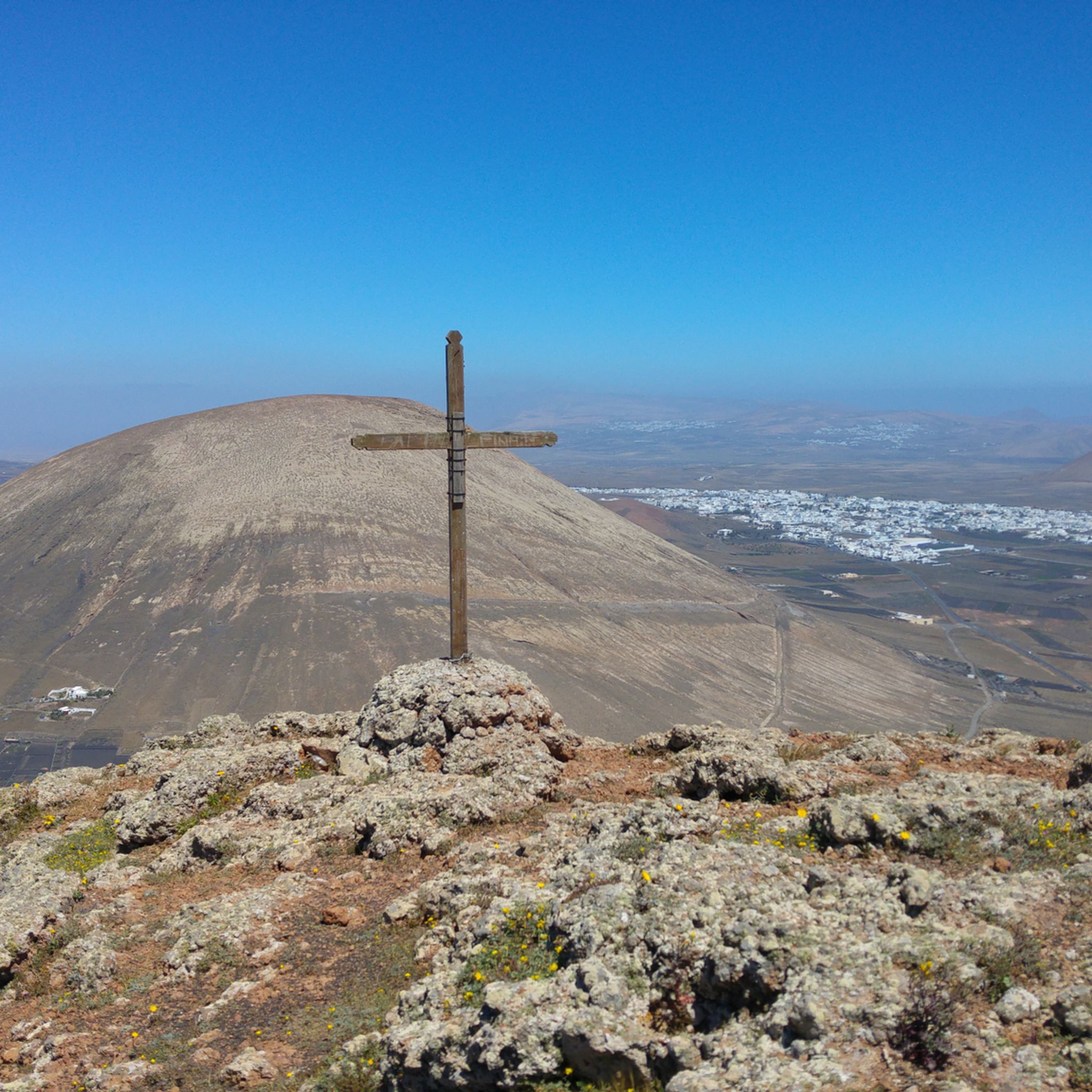
Las Grietas (The Cracks) of Lanzarote are a huge lava rock formation. This natural monument is 600 meters high, and it's located on one of Montaña Blanca's slopes. This crack extends for about twenty meters through a narrow corridor of solidified lava to its final wall. Then you will have to turn around to get out. Its amazing. These small canyons have been drilled in by the action of water over the years. There are three cracks in total separated by only a few meters between them.
0
0

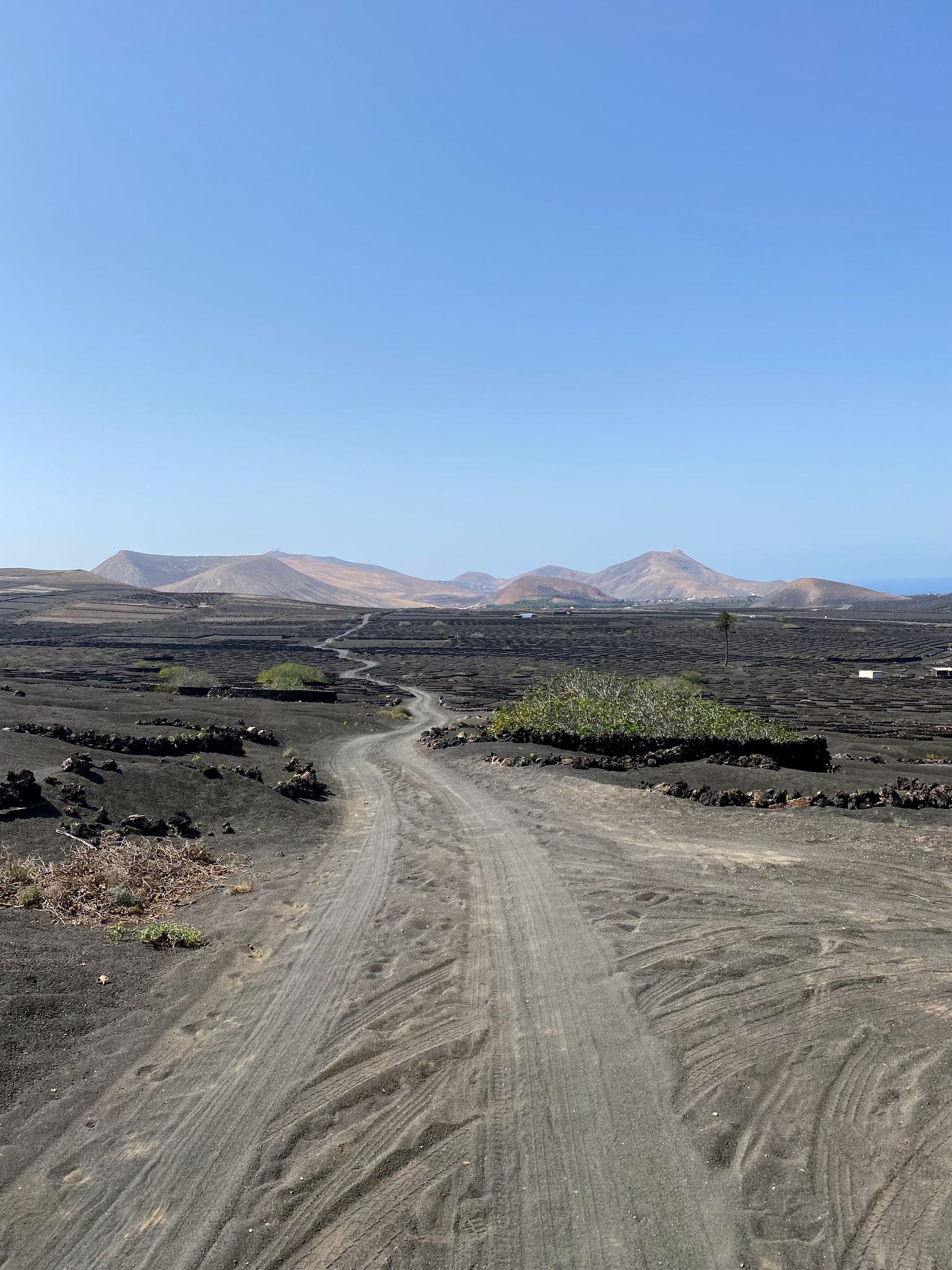
It's unbelievable how colorful this barren landscape can be
0
1

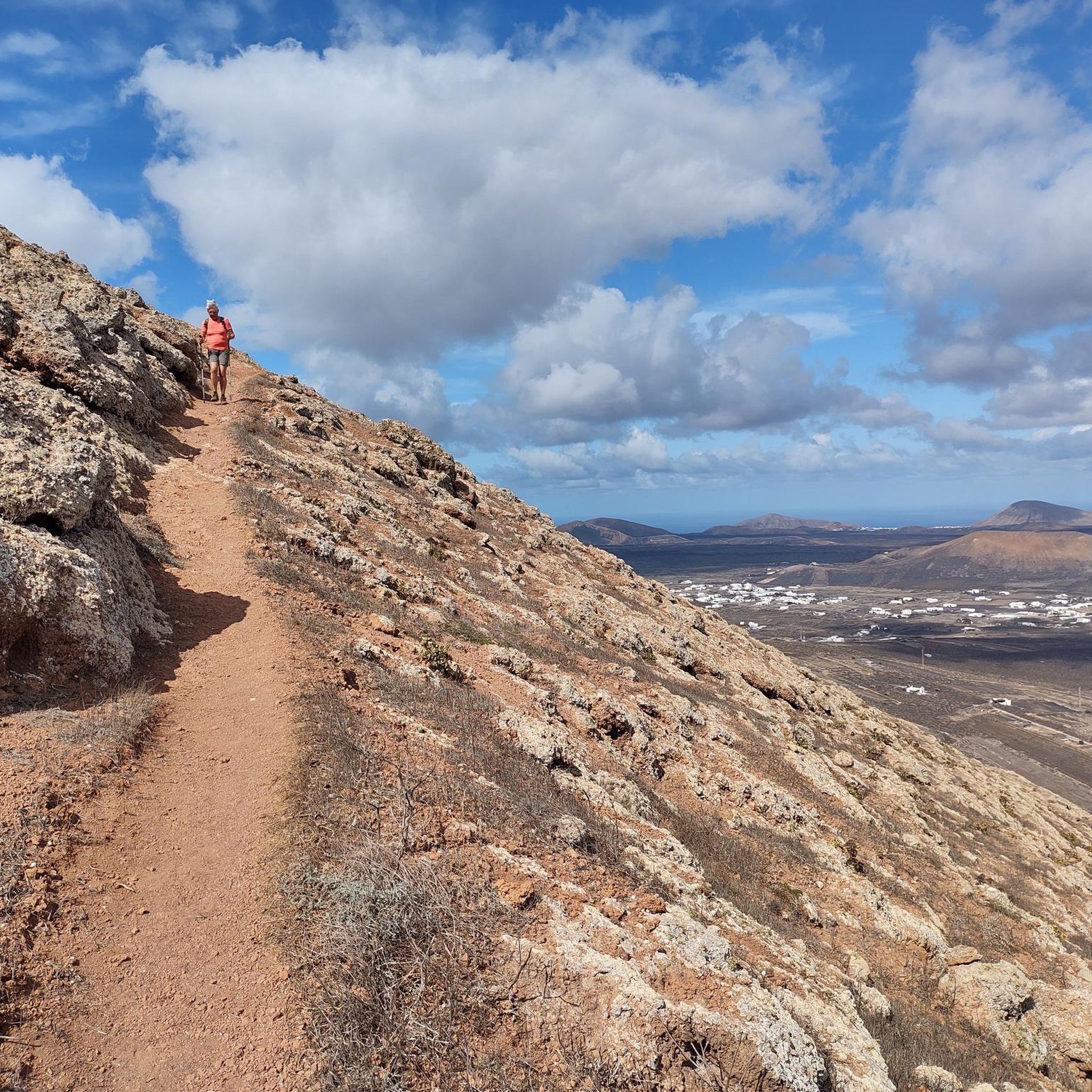
Steep little valley called bco. del Quiquere easily passable with care
0
0

The V-shaped valleys and gorges are called 'Barranco'
0
0
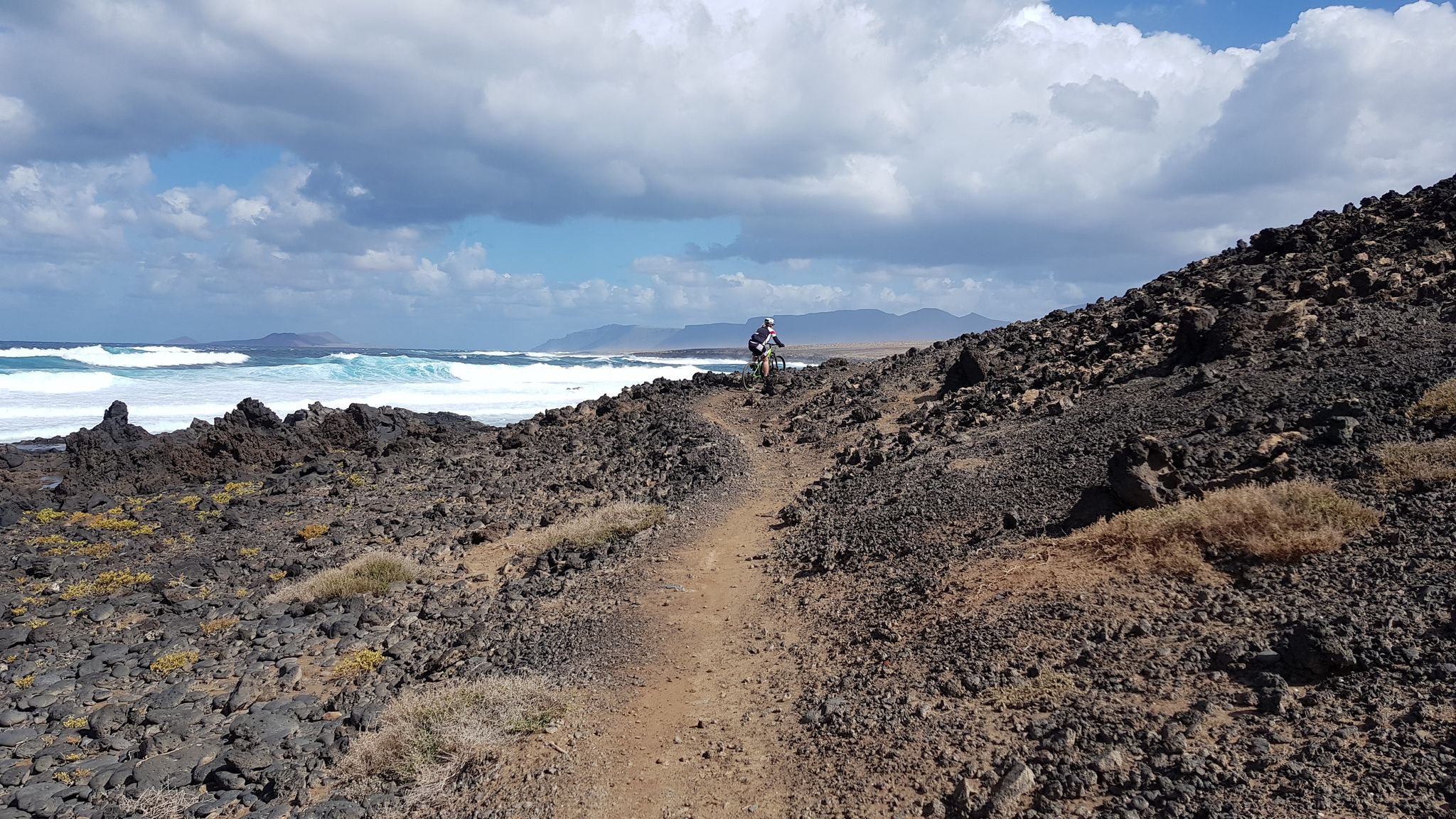
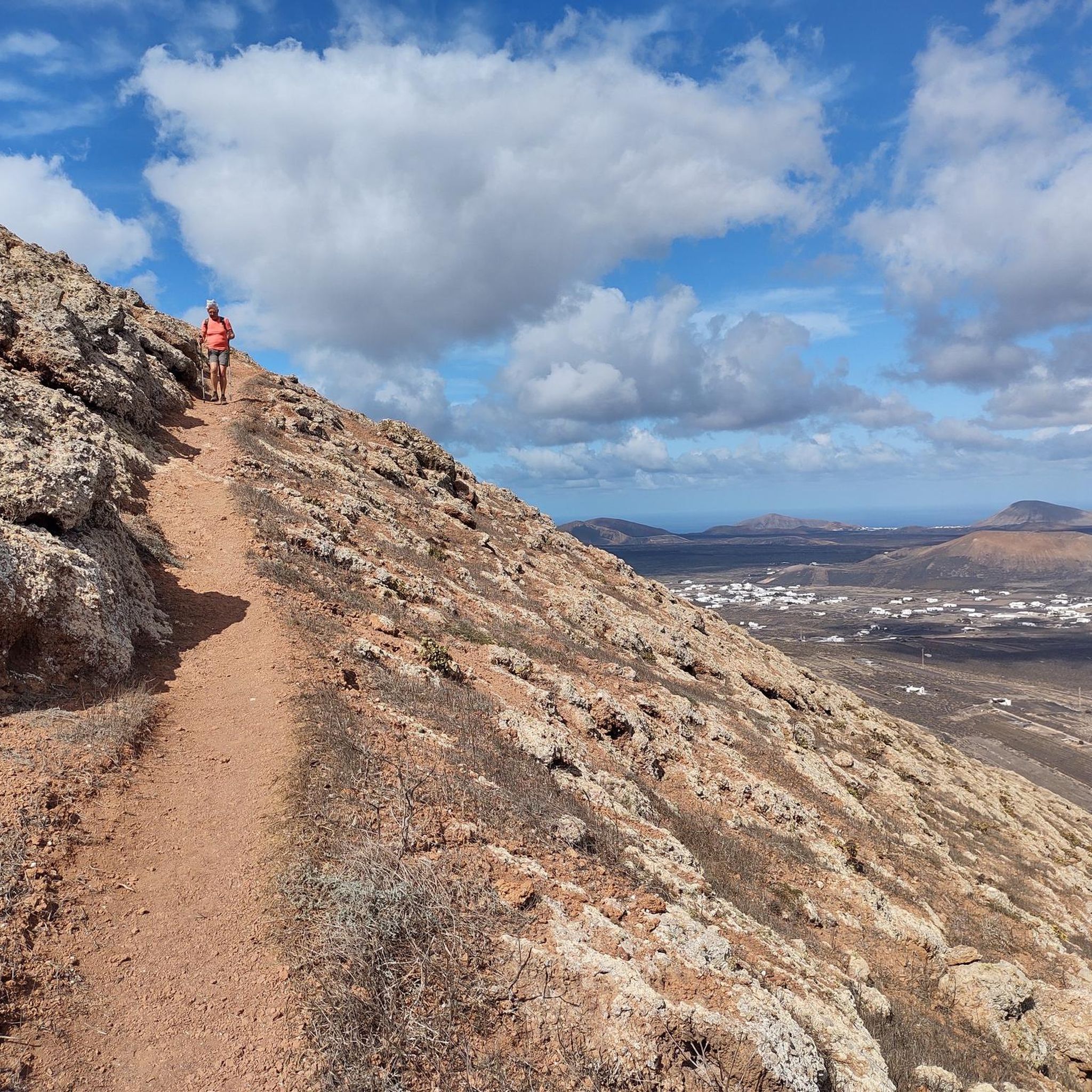
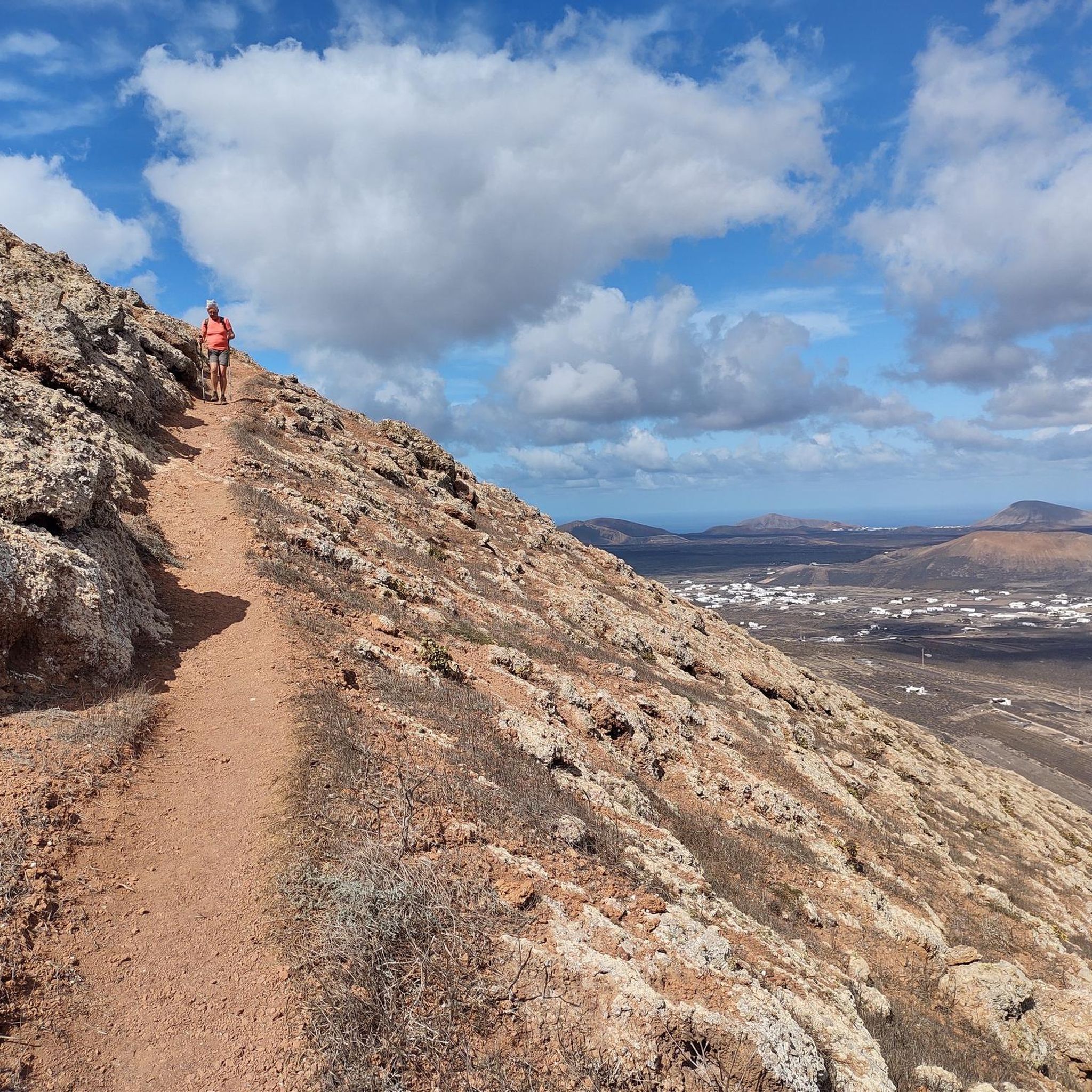
The lava fields are a sporting challenge, but a breathtaking backdrop
0
0


As already mentioned, you should wear good, sturdy shoes. There are also bad sections along the coast.
1
0

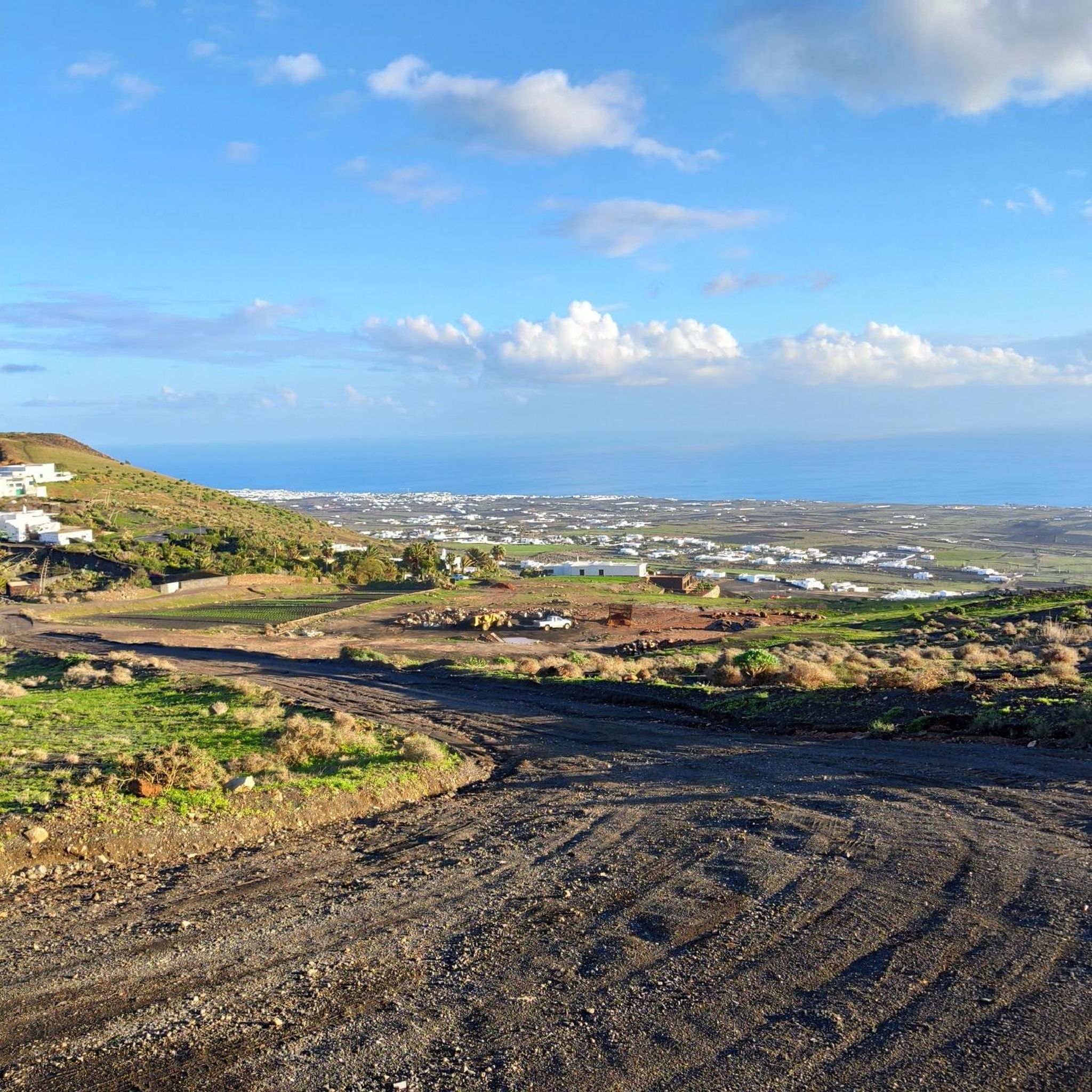
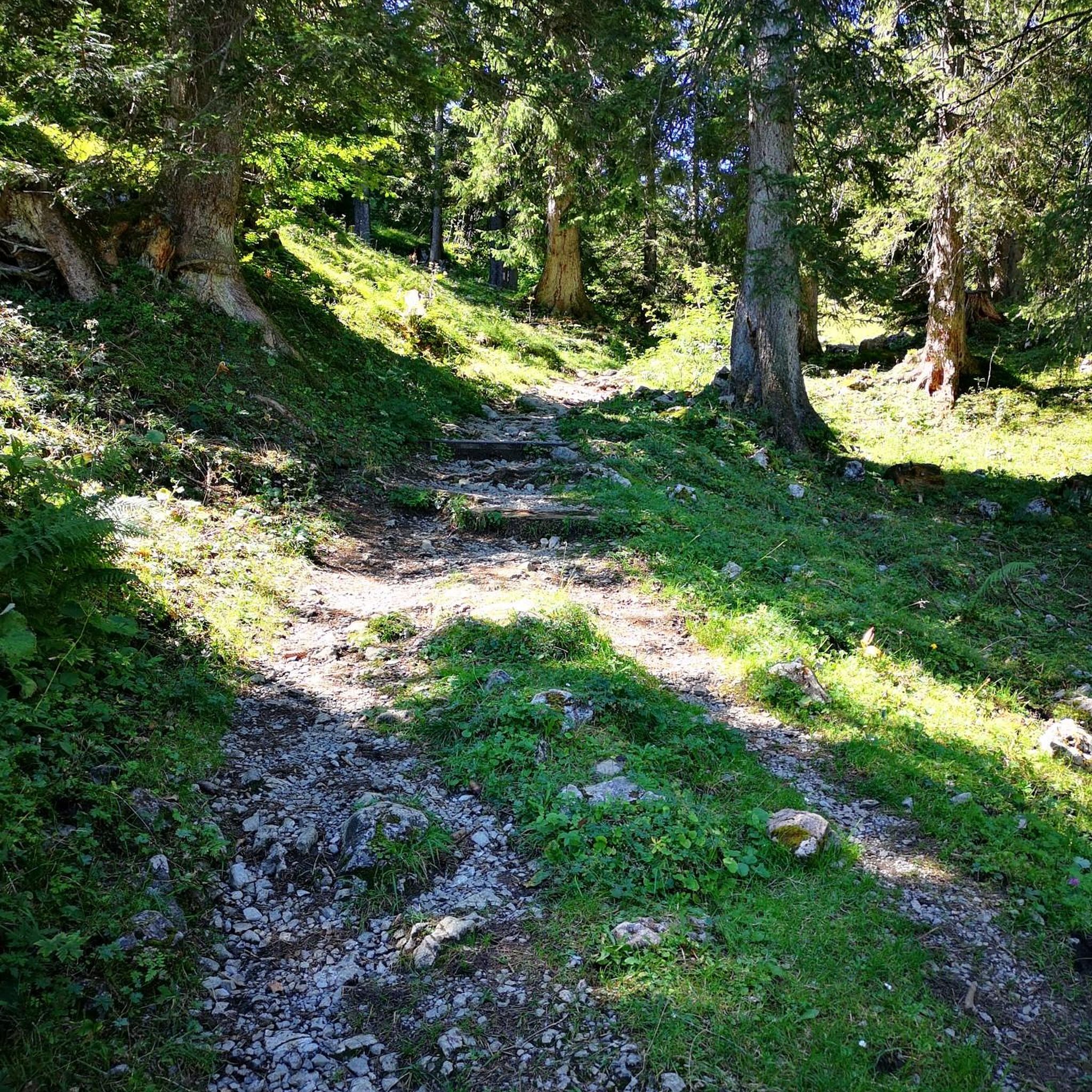
At first it goes down quite steeply. The ground is not “even” everywhere!!! And then up the other side via a really steep staircase made of natural stone. There is something !
1
0
Frequently Asked Questions
What kind of terrain can I expect when exploring the canyons around Tías?
The canyons in the Tías region feature diverse terrain shaped by volcanic activity. For instance, exploring Quiquere Ravine involves steep sections and uneven ground, requiring sturdy footwear. Other areas, like Las Grietas (Barranco Negro), can be slippery inside the narrow volcanic fissures. You'll encounter solidified lava formations, sediment layers, and natural stone paths.
What are some notable natural features or landmarks to see in the canyons near Tías?
The region is rich in unique geological formations. Las Grietas (Barranco Negro), for example, features impressive narrow cracks in volcanic rock, offering a unique walk through solidified lava. From this site, you can also enjoy panoramic views towards Puerto del Carmen and the sea. The barrancos often reveal layers of ancient lava and sediment, showcasing the island's geological history.
Are there any family-friendly canyoning routes or walks suitable for children in the Tías area?
While many canyons in Tías involve uneven terrain and steep sections, some areas offer more accessible experiences. For example, the main cove at Barranco del Quíquere provides safe access via a staggered path and calm waters, which can be suitable for families looking for a less strenuous natural experience. Always assess the specific route's difficulty and wear appropriate footwear.
What is the best time of year to visit the canyons around Tías?
Lanzarote generally enjoys a mild climate year-round. Visiting during mid-morning or mid-afternoon is often recommended for optimal lighting, especially for photography in places like Las Grietas. The cooler months from autumn to spring might be more comfortable for hiking, avoiding the peak heat of summer. After the first rains, some areas, like Barranco del Higueral, can even show tinges of green, adding to their beauty.
What outdoor activities can I do near the canyons in Tías?
Beyond exploring the canyons themselves, the Tías area offers various outdoor activities. You can find numerous running trails, such as the 'Nations Square – Playa Grande loop from Puerto del Carmen,' or cycling routes like 'Through the volcanic landscape – La Geria Vineyards loop from Balcón del Mar.' For more options, explore the running trails around Tías or the cycling routes around Tías.
What makes Barranco del Higueral significant?
Barranco del Higueral is located in the geologically oldest region of Lanzarote, with formations dating back over 10 million years. This makes it a fascinating destination for those interested in the island's ancient volcanic past and unique rock formations.
Are there any hidden gem canyons or less-known spots near Tías?
While popular, Las Grietas (Barranco Negro) is often considered a beautiful 'secret' spot in Lanzarote, offering a unique visual experience. For those seeking a more secluded coastal experience, Barranco del Quíquere features several volcanic stone coves, some of which are more challenging to access, providing a sense of discovery.
What do visitors enjoy most about the canyons around Tías?
Visitors frequently appreciate the unique geological formations and the opportunity to witness Lanzarote's volcanic history up close. The impressive fissures of Las Grietas and the ancient landscapes of Barranco del Higueral are often highlighted. Many also enjoy the photographic opportunities and the sense of exploring a truly unique natural environment.
What should I pack or wear when visiting the canyons?
Given the uneven and sometimes slippery terrain, wearing good, sturdy shoes with adequate grip is highly recommended. Depending on the season, light layers of clothing are advisable. If you plan to visit coastal barrancos like Quiquere Ravine, swimwear and a towel might be useful for swimming or diving.
Can I find any viewpoints offering scenic vistas of the canyons?
Yes, several canyons and trails offer excellent viewpoints. For instance, Quiquere Ravine is known for its viewpoints along the trail. Additionally, from sites like Las Grietas, you can enjoy panoramic views towards the coast. The lava fields around the 'View of Barranco (Dry Riverbed Gorge)' also provide a breathtaking backdrop.
What is special about Barrancos de Los Ajaches?
Barrancos de Los Ajaches are exciting gorges that have formed within a 15 million-year-old volcanic massif. These small canyons have carved into the landscape over thousands of years, offering a glimpse into the island's ancient geological processes and creating a rugged, captivating environment for exploration.
Most popular attractions around Tías

Get inspired with the komoot mobile app


Explore more
Already discovered everything in this region? See additional gorges around Tías for your next adventure:
