Top 7 Castles around Cambrils
Castles around Cambrils offer a glimpse into the region's historical past, characterized by its coastal location and defensive structures. The area features medieval fortresses and ancient defensive towers, reflecting its strategic importance against past invasions. These historical sites are often situated amidst natural landscapes, providing opportunities for exploration beyond the urban center.
Best castles around Cambrils
- The most popular castles is La Mola Castle, Colldejou, a challenging historical site and summit. This route requires good condition and sturdy, non-slip footwear due to difficult sections.
- Another must-see spot is Sant Miquel d'Escornalbou Castle and Monastery, a castle, viewpoint, and historical site. This stately mansion from the early 20th century incorporates the remains of a medieval castle built on a Roman fortress, and a monastery.
- Visitors also love Castell dels Teixells, a castle and historical site. This well-preserved building, also known as the farmhouse of Sant Rafael, is located on the Camino de los Tegells in Cambrils.
- Cambrils is known for its medieval fortresses, defensive towers, and historical farmhouses. These structures offer a variety of historical insights and architectural styles to explore.
- The castles around Cambrils are appreciated by the komoot community, with 72 upvotes and 57 photos shared by visitors.
Last updated: May 7, 2026
La Mola Castle, Colldejou
Highlight • Castle
Translated by Google •
Tip by

Sant Miquel d'Escornalbou Castle and Monastery
Highlight • Castle
Translated by Google •
Tip by

Sign up now to discover places like this
Get recommendations on the best single tracks, peaks, & plenty of other exciting outdoor places.
Sign up for free
Castell dels Teixells
Highlight • Castle
Translated by Google •
Tip by
Escornalbou Castle-Monastery
Highlight (Segment) • Castle
Translated by Google •
Tip by

Castell Monestir d'Escornalbou and View of the Costa Daurada
Highlight (Segment) • Castle
Translated by Google •
Tip by
Sign up for free to discover even more castles around Cambrils.
Sign up for free
Already have an account?
Start today with a free account
Your next adventure awaits.
Login or Signup
Popular around Cambrils
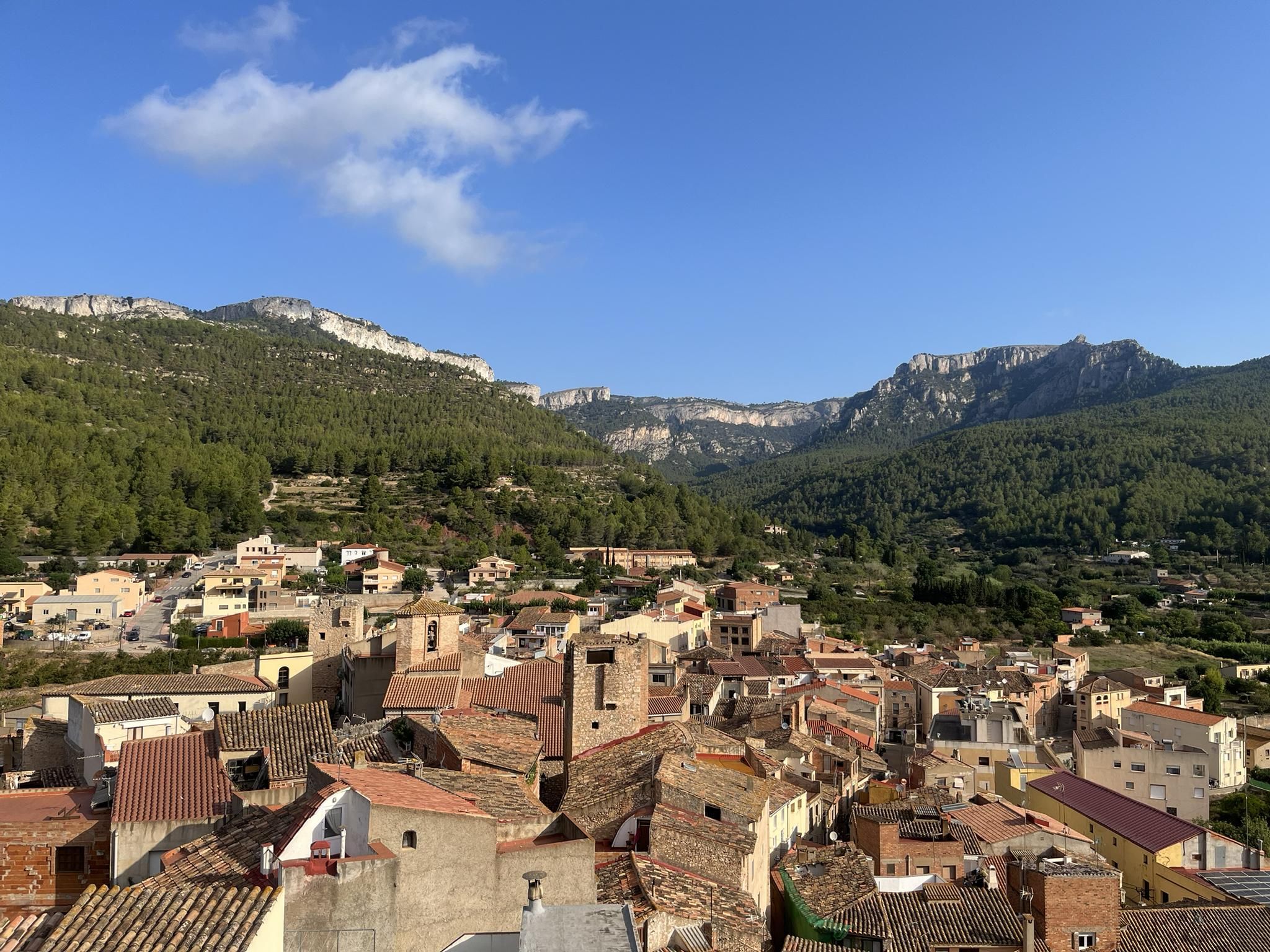
From Cambrils to the Ebro Delta - Camí del Vent (GR 192)
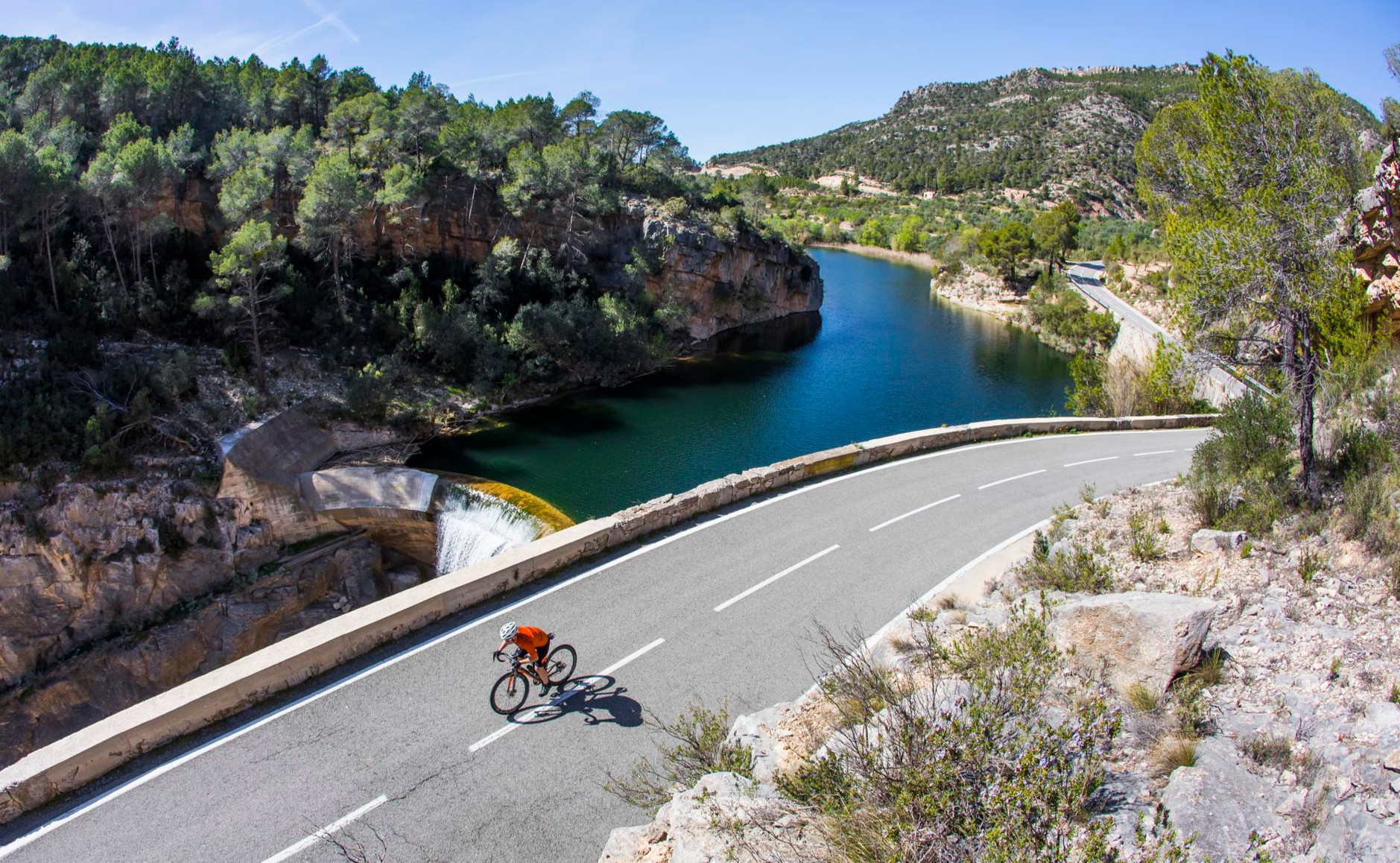
Costa Daurada - Mountains, orchards and monuments by bike
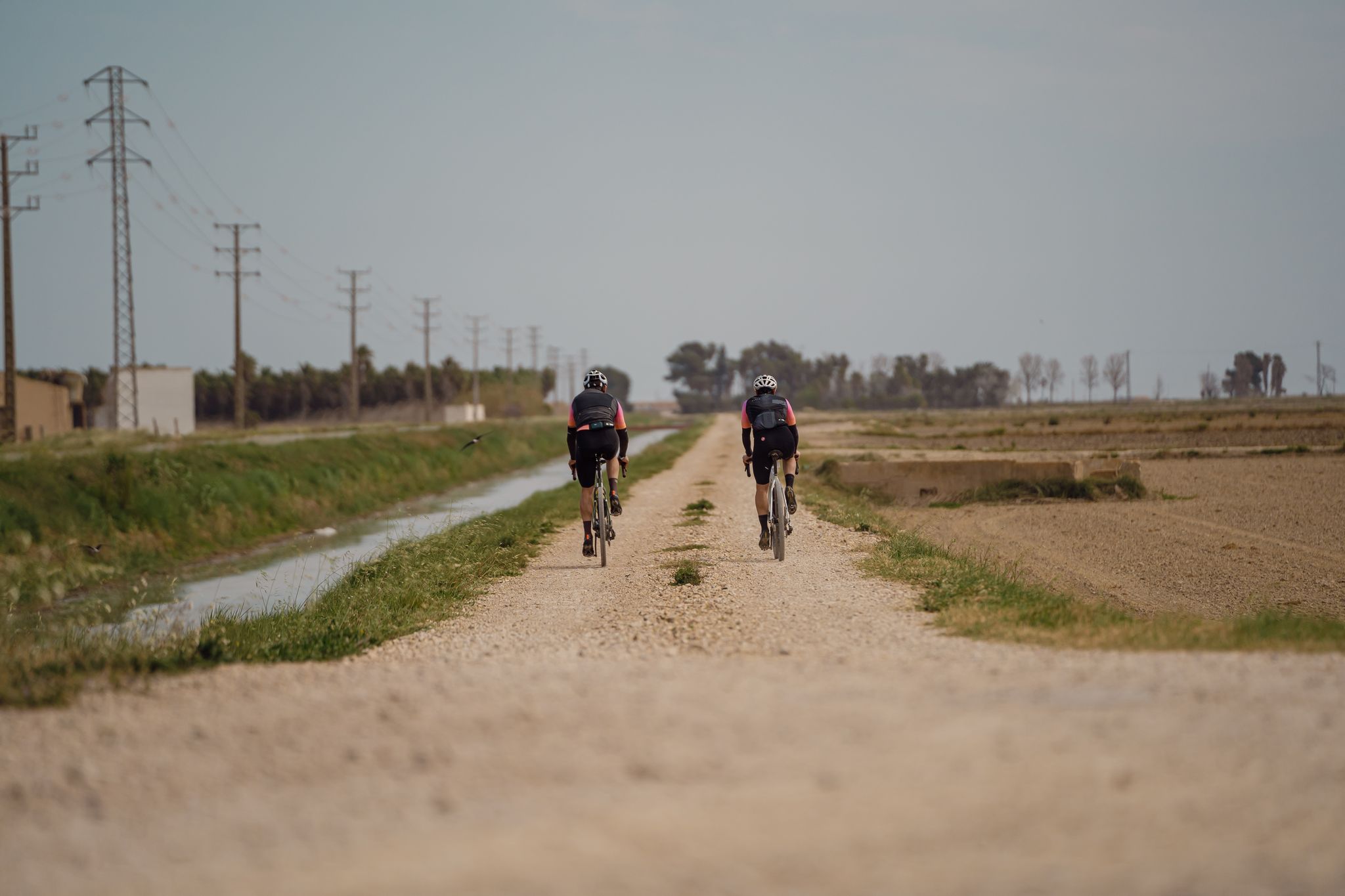
Discover Catalonia on a gravel bike
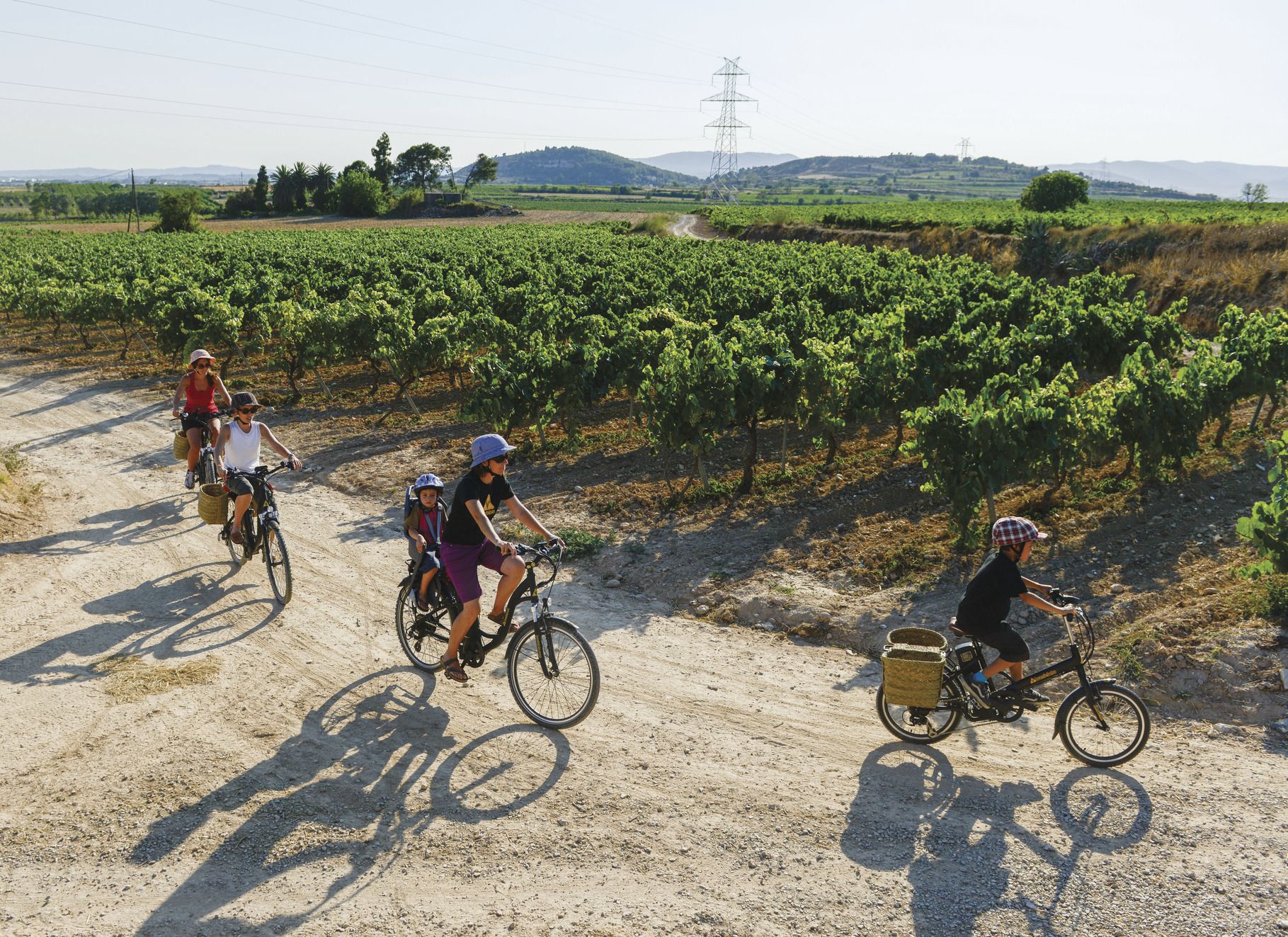
Cycling through Catalonia with your family
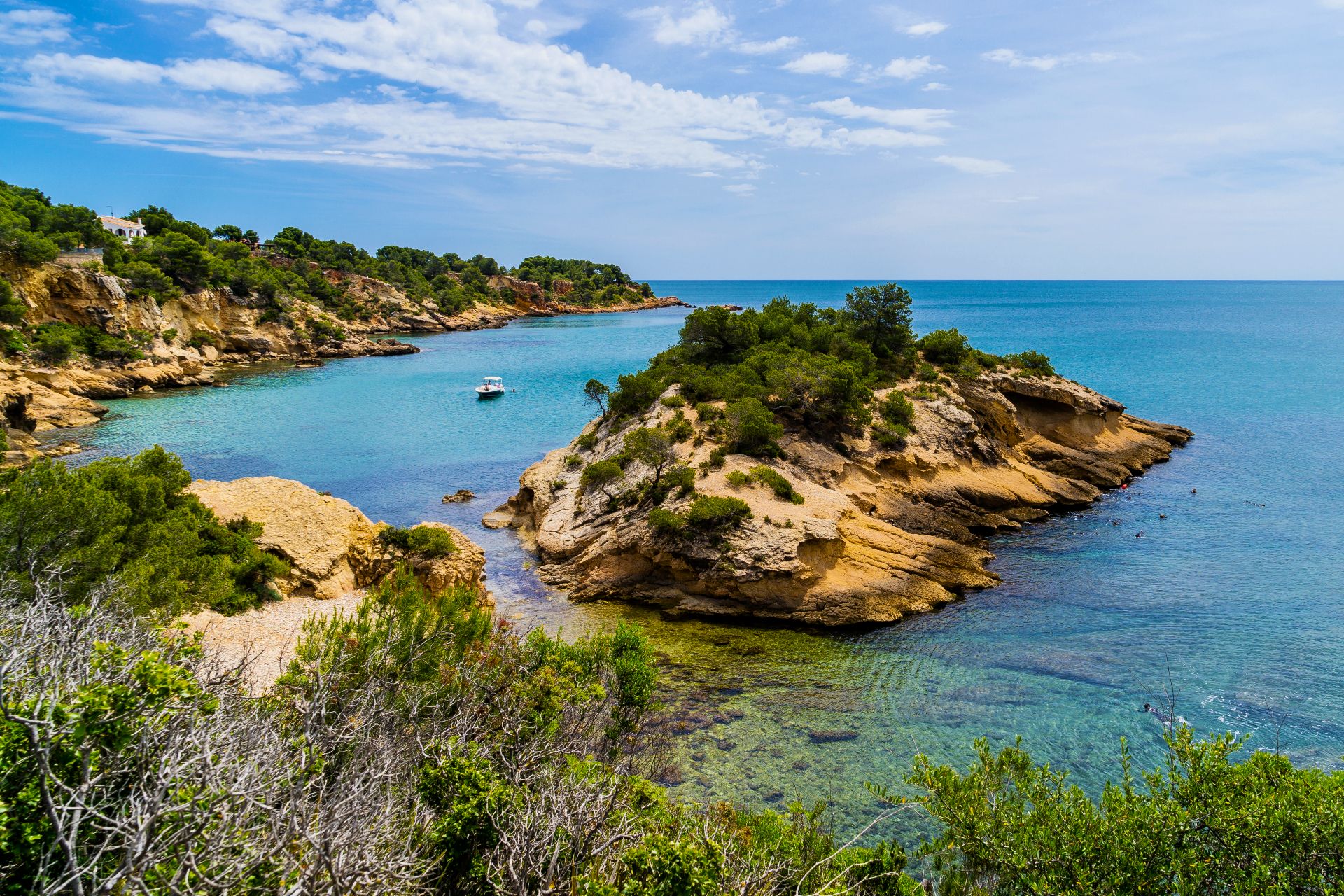
The Catalan coast on foot – Mediterranean Path (GR 92)
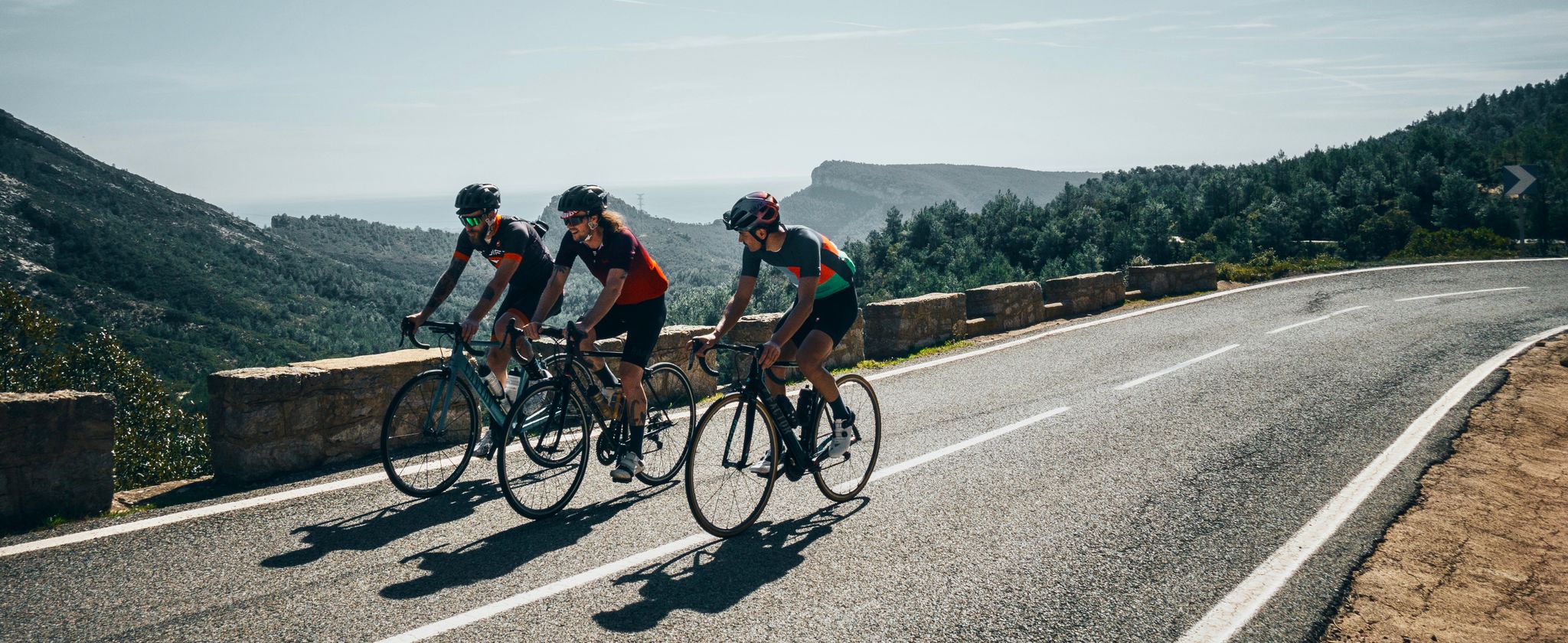
A long road bike weekend in Cambrils
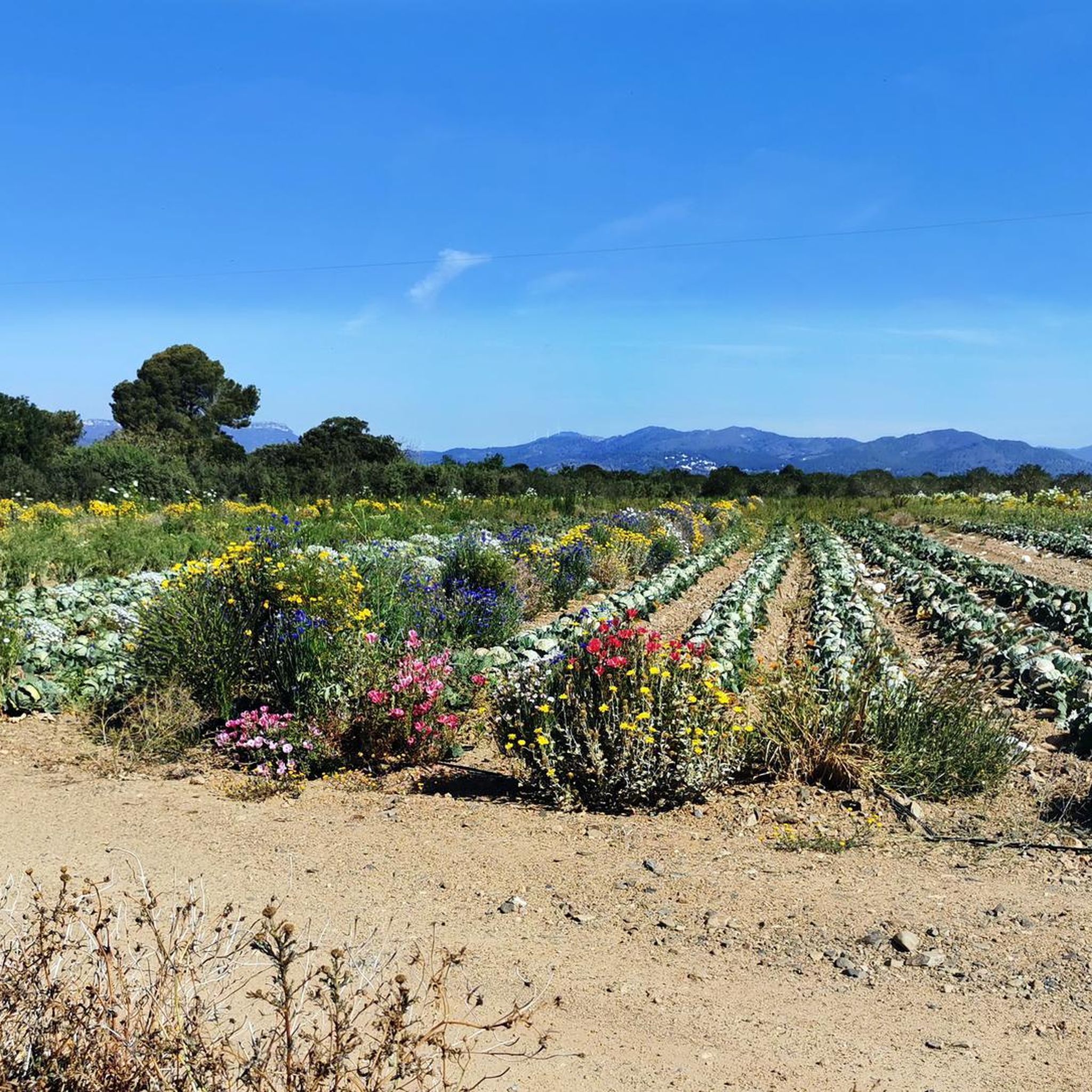
Road Cycling Routes around Cambrils
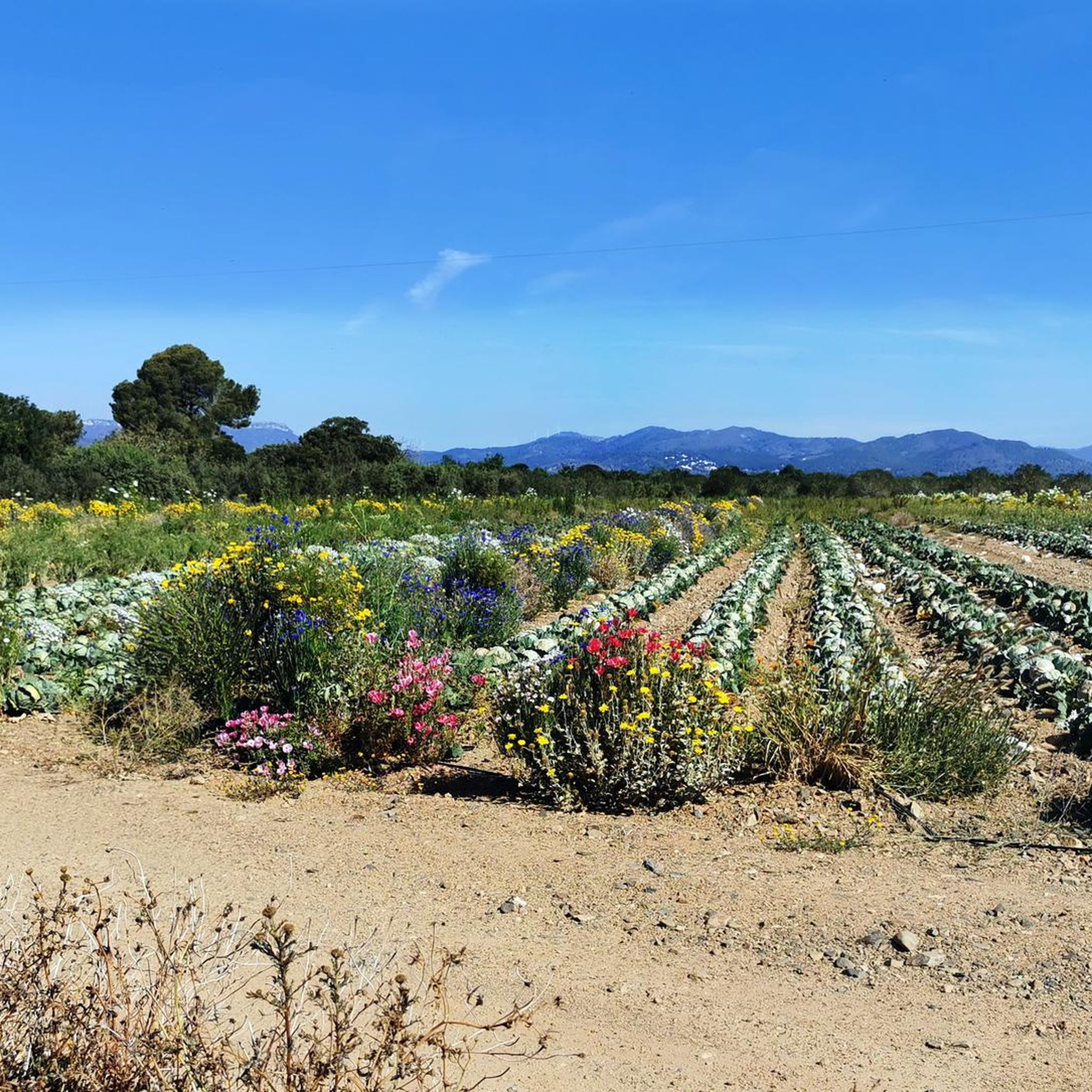
Hiking around Cambrils
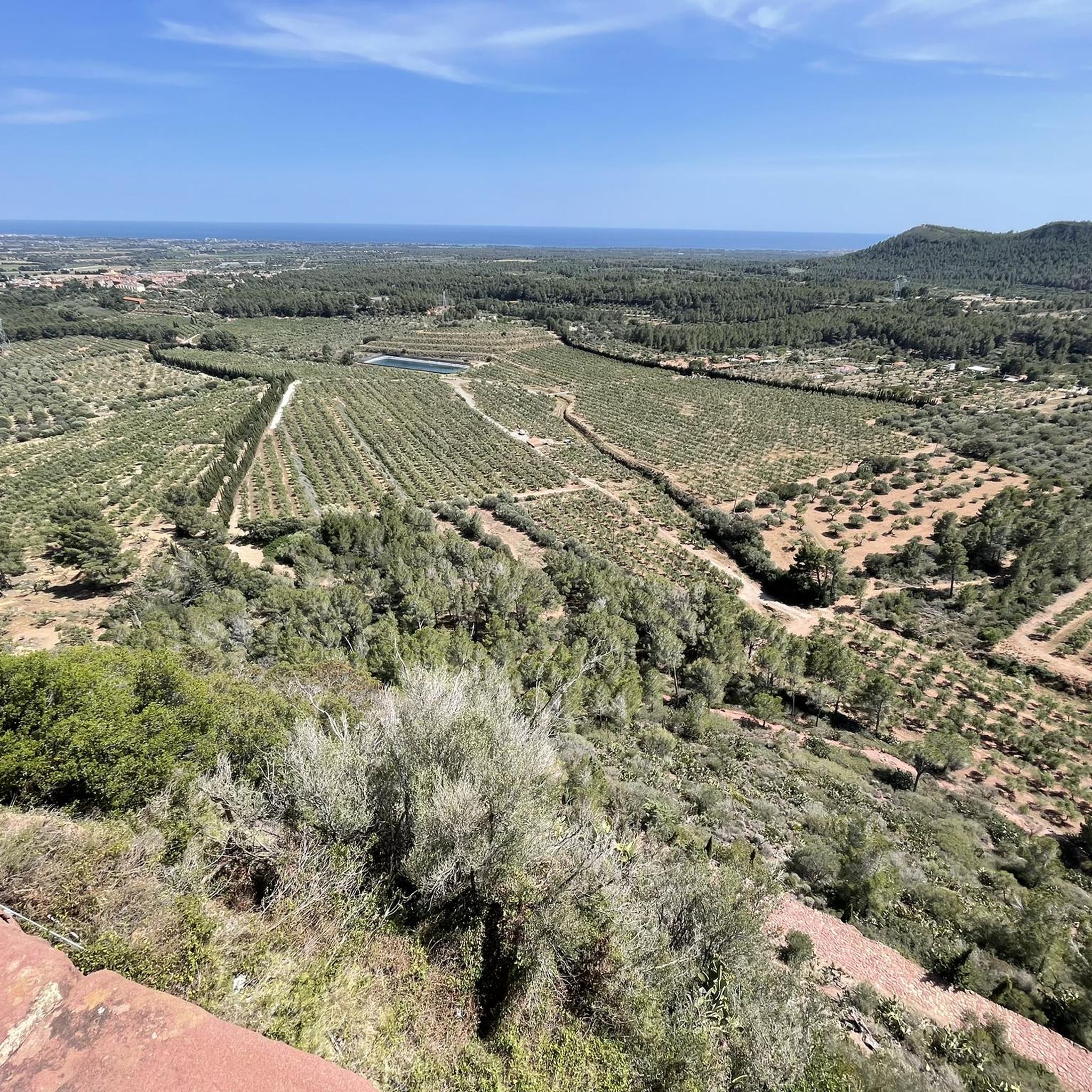
Running Trails around Cambrils
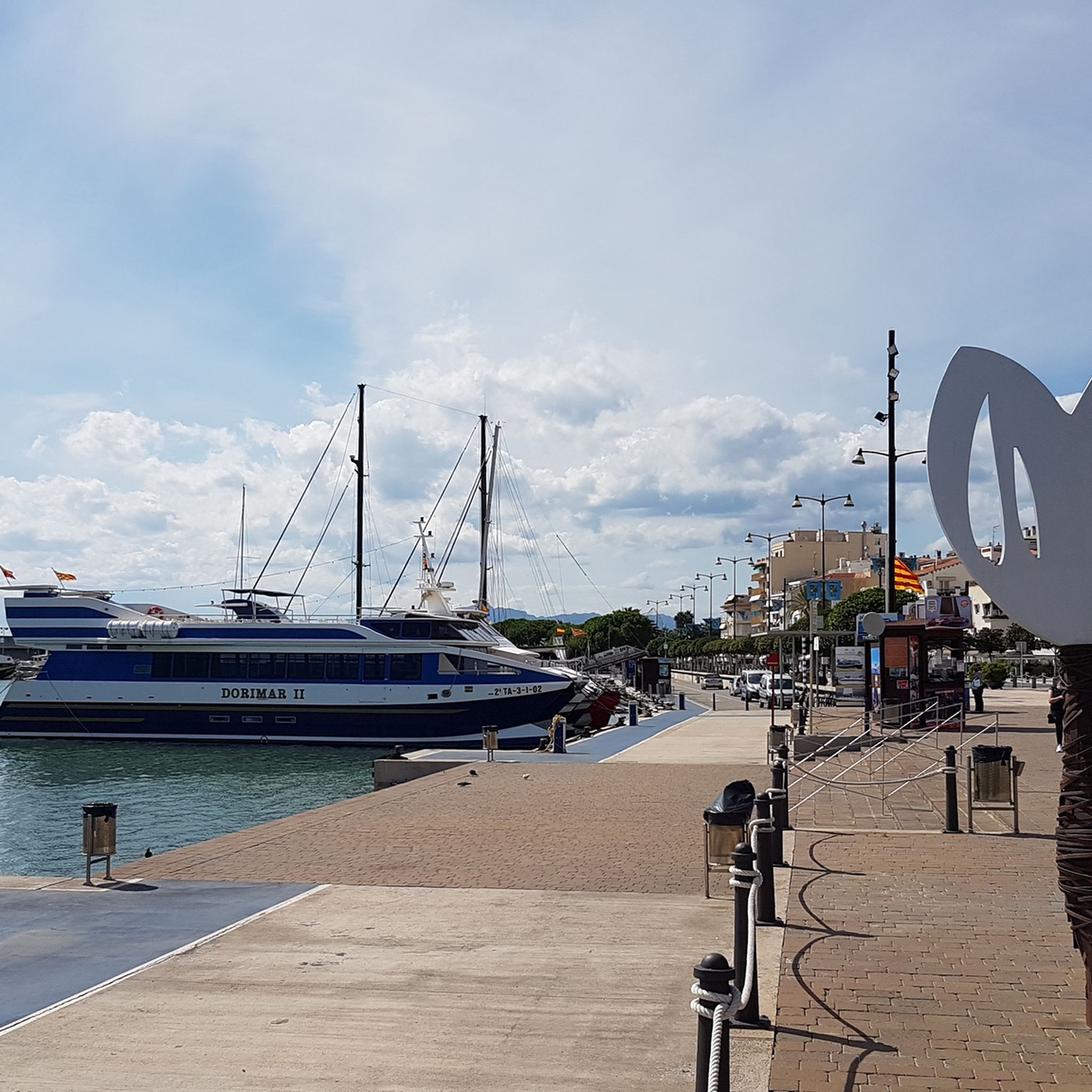
Cycling around Cambrils
Other adventures around Cambrils


Tips from the Community

Very quiet road. Beautiful scenery, a tough climb.
0
0

Old Farmhouse. Ideal to replenish and rest.
0
1

Great route for racing cyclists
0
0

Beautiful historic farmhouse, if you still have water in your bottle drink it here and enjoy life.
14
0

From up here you have a beautiful view.
0
0

Beautiful house typical of this area of Reus and characterized by having a tower that can be seen from the outskirts.
0
0

Stately mansion from the early 20th century, made up of the remains of two medieval buildings, the Escornalbou monastery, founded in 1153, and the castle, built on the remains of a Roman fortress. For six centuries this architectural complex formed the barony of Escornalbou, but after the confiscation of Mendizabal it was practically in ruins. In 1911 it was acquired by the philanthropist, diplomat and writer Eduard Toda, who restored it following very personal criteria: some structures were demolished and towers were erected in an "exotic" medieval style. Of the old monastery, only the Romanesque church remains, remains of the chapter house and the structure of the cloister, converted into a viewpoint of the Camp de Tarragona region.
3
1

The Mas dels Tegells, also called Mas de Sant Rafael, during the Middle Ages, was the nucleus of its own term. At the end of the 19th century, it was restored and given a neo-Gothic appearance both to its two side towers with battlements and battlements and to its outer wall.
3
0
Frequently Asked Questions
What historical sites, beyond castles, can I explore around Cambrils?
Beyond the castles, Cambrils offers several historical watchtowers that played a crucial role in defending the coast. The Torre del Port, a 17th-century watchtower, offers panoramic views of the Mediterranean and houses a museum. You can also visit the 14th-century Torre de l'Ermita in Cambrils' Old Town, and the Torre del Bou, which is the last remaining part of the town's medieval walled enclosure.
Are there any castles in Cambrils that are particularly family-friendly?
While many castles around Cambrils are historical sites, some offer easier access or interesting features for families. The Sant Miquel d'Escornalbou Castle and Monastery is a stately mansion with a rich history, built on the remains of a Roman fortress. It has parking facilities, making it more accessible for families. While the Castle of Vilafortuny is not typically open for public tours, its impressive exterior can be admired, and it's located conveniently between Salou and Cambrils.
What kind of views can I expect from the castles around Cambrils?
Many castles around Cambrils offer stunning panoramic views. From the Sant Miquel d'Escornalbou Castle and Monastery, you can enjoy expansive vistas of the Camp de Tarragona region from its cloister, which has been converted into a viewpoint. The La Mola Castle, Colldejou, situated at a summit, also provides breathtaking natural scenery, though reaching it requires a challenging hike. Additionally, the Castellet de les Mugues Ruins offer a viewpoint over the surrounding landscape.
Are there hiking trails near the castles around Cambrils?
Yes, several castles are situated near excellent hiking opportunities. For instance, reaching La Mola Castle, Colldejou involves a challenging hike that offers great nature. If you're looking for more structured routes, you can find various options in the Hiking around Cambrils guide, which includes trails that can be combined with visits to historical sites.
What are the accessibility options for castles near Cambrils?
Accessibility varies among the castles. Sant Miquel d'Escornalbou Castle and Monastery offers parking, making it more accessible by car. However, sites like La Mola Castle, Colldejou, require good physical condition and sturdy footwear due to difficult sections. The Castellet de les Mugues Ruins involve a 60-meter climb from the main path. For the Castle of Vilafortuny, while not open for tours, its exterior is easily viewable from nearby roads.
Can I combine a castle visit with other outdoor activities like cycling?
Absolutely! The region around Cambrils is popular for cycling. The Escornalbou Castle-Monastery is a well-known destination for road cyclists, featuring a super nice climb with an excellent finish at the castle. You can explore various cycling routes in the Gravel biking around Cambrils and Road Cycling Routes around Cambrils guides, many of which pass by or near historical sites.
What should I wear when visiting castles around Cambrils?
Given the varied nature of the sites, it's best to be prepared. For castles like La Mola Castle, Colldejou, which involve challenging hikes, sturdy, non-slip footwear is essential. For other sites, comfortable walking shoes are generally recommended. If visiting during warmer months, light clothing, a hat, and sunscreen are advisable. For cooler periods, layers are best, especially at higher elevations or exposed viewpoints.
Are there any less crowded or hidden gem castles to visit near Cambrils?
While the main castles attract visitors, you might find a more tranquil experience at sites like Castell dels Teixells, also known as the farmhouse of Sant Rafael. This well-preserved historical building offers a glimpse into the region's past in a more serene setting. The Castellet de les Mugues Ruins, an old Iberian settlement used as a fortification, also provides a unique, less-trafficked historical exploration.
What is the best time to visit the castles around Cambrils?
The best time to visit is generally during the spring (April to June) and autumn (September to October) when the weather is mild and pleasant for exploring. Summers can be very hot, especially for sites involving hiking, while winters are cooler but still suitable for visits, though some facilities might have reduced hours. Visiting during off-peak seasons can also mean fewer crowds.
How far are the castles from the center of Cambrils?
The distances vary depending on the castle. For example, the Castle of Vilafortuny is conveniently located just five minutes from the center of Cambrils. Other castles like Sant Miquel d'Escornalbou Castle and Monastery and La Mola Castle, Colldejou, are further inland and may require a drive of 20-40 minutes from Cambrils, depending on traffic and specific location.
Most popular routes around Cambrils
Most popular attractions around Cambrils

Get inspired with the komoot mobile app


Explore more
Looking for the best castles somewhere else? Discover other guides around Cambrils:
