Top 10 Lakes around Castejón De Sos
Best lakes around Castejón De Sos are located in the Aragonese Pyrenees, a region characterized by its high peaks and glacial valleys. This area provides access to numerous mountain lakes, known locally as "ibones," primarily situated within the Posets-Maladeta Natural Park. The natural landscape includes diverse vegetation, ranging from mixed forests to alpine pastures, and offers extensive trekking opportunities. The region is a significant ecological area with impressive valleys and waterfalls.
Best lakes around Castejón De Sos
- The most popular…
Last updated: July 4, 2026
Linsoles Reservoir
Highlight • Lake
Translated by Google •
Tip by

Lago de Eriste
Highlight (Segment) • Lake
Translated by Google •
Tip by

Sign up now to discover places like this
Get recommendations on the best single tracks, peaks, & plenty of other exciting outdoor places.
Sign up for free
Ibón de la Escarpinosa
Highlight • Lake
Translated by Google •
Tip by
Bortonés Lake
Highlight • Lake
Translated by Google •
Tip by

Lower Vallibierna Lake
Highlight • Lake
Translated by Google •
Tip by

Sign up for free to discover even more lakes around Castejón De Sos.
Sign up for free
Already have an account?
Start today with a free account
Your next adventure awaits.
Login or Signup
Popular around Castejón De Sos
Other adventures around Castejón De Sos

Tips from the Community

Beautiful lake and views. A bit crowded in August.
0
0


Currently called Lake Eriste, it has also been known as the Eriste or Linsoles Reservoir. It was built in the 1960s as part of the creation of the Eriste Hydroelectric Power Station, although its function is to collect water from the power station and accumulate it for the Sesué generating station. A pleasant path runs along its left bank with numerous benches and picnic tables where you can make stops.
0
0

Nearing 2,500 meters high, the Vallibierna ravine hides two lakes: the lower and the upper. Following the GR 11 in the direction of Cap de Llauset, the low lake is the first to appear, offering an idyllic picture.
1
0

The Linsoles Reservoir is a small reservoir that is located very close to the town of Eriste, and where the waters of the Ésera river, coming from the Maladeta massif, come from.
0
0

All the Aragonese lakes are protected as they are included in the Inventory of Singular Wetlands, so any activity that could modify the quality of their waters is prohibited. While bathing is not specifically mentioned, it is understood that bathing with chemicals on the skin such as sunscreens, deodorants, perfumes or creams is negatively affecting the quality of the water, so it cannot be done. You can read the protection decree and the list of wetlands included here: boa.aragon.es/cgi-bin/EBOA/BRSCGI?CMD=VEROBJ&MLKOB=558856590404
0
0
The Linsoles (or Eriste) Reservoir was built in the 1960s to collect the water channeled through the mountain to power the Eriste hydroelectric power station. It is one of the 3 reservoirs of the Ésera river in the Benasque valley.
0
0
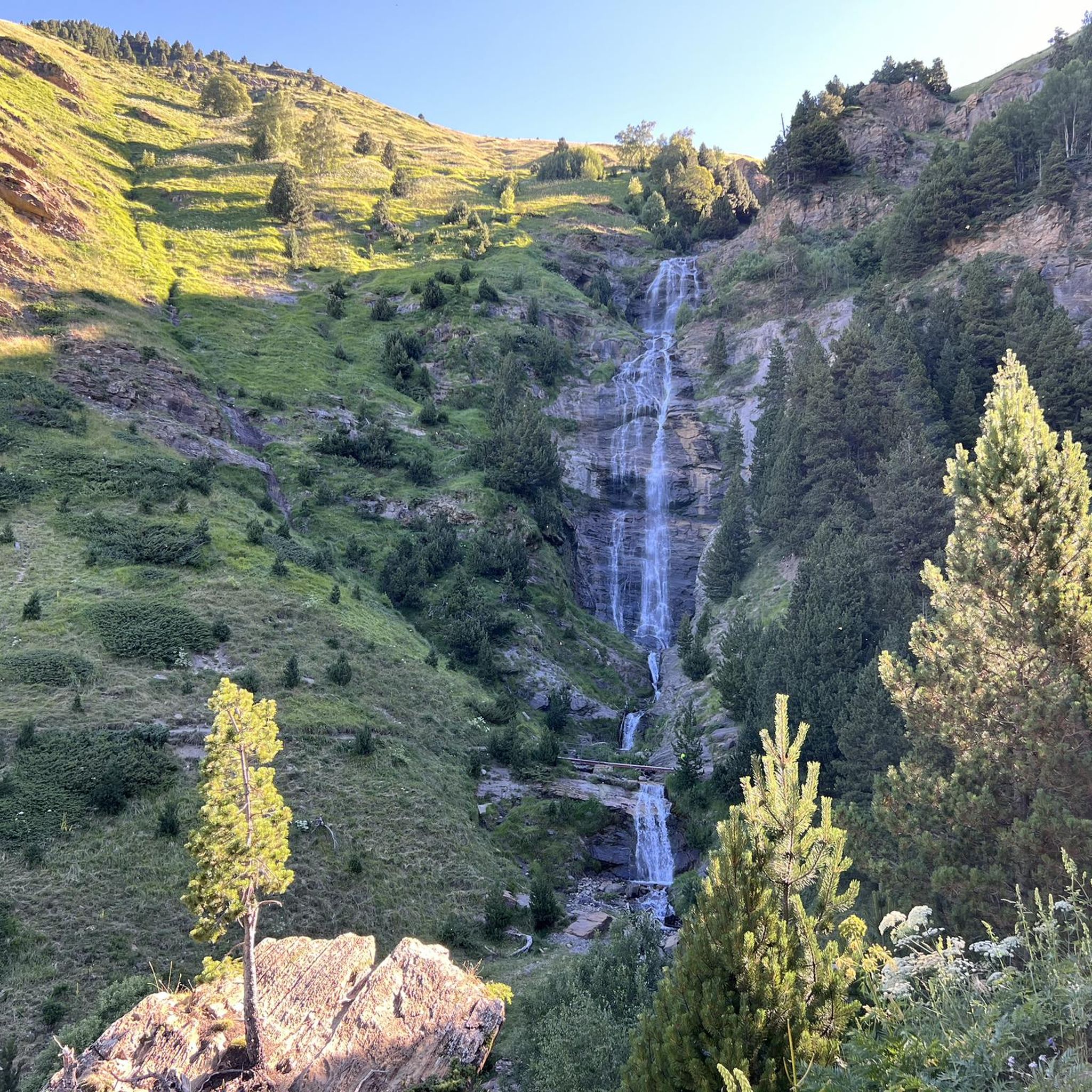
Ibón postcard under the imposing Agulles de Perramó and fed by the Escarpinosa waterfall.
0
0
Frequently Asked Questions
What are some of the most popular lakes for hiking near Castejón de Sos?
For a picturesque alpine experience, the Ibón de la Escarpinosa is highly recommended, known for its idyllic landscape and clear waters. Other popular choices include the Batisielles Lakes, offering a classic Pyrenean hiking experience, and Ibón de Gorgutes, which rewards hikers with magnificent panoramic views of the Maladeta massif.
Are there any family-friendly lakes or easy trails around Castejón de Sos?
Yes, for easier access and family outings, the Linsoles Reservoir (also known as Lago de Eriste) is ideal. It features a pleasant, mostly flat walking path along its shore with benches and picnic tables. The Ibones de Villamuerta also offer a beautiful, easy, and tranquil option, particularly recommended for families and those new to mountain hiking.
Can I go swimming in the lakes around Castejón de Sos?
Swimming in many of the natural glacial lakes (ibones) is generally prohibited to protect their pristine water quality and delicate ecosystems. The Aragonese lakes are protected as part of the Inventory of Singular Wetlands, and activities that could modify water quality, such as bathing with chemicals like sunscreens, are not permitted. However, for water activities like canoeing, kayaking, and paddleboarding, the Linsoles Reservoir offers an embarkation point.
What kind of outdoor activities can I do near the lakes?
Beyond hiking to the various ibones, the region offers extensive opportunities for cycling and gravel biking. You can explore routes like the 'Linsoles Reservoir – Benasque Village Center loop' or the 'Castejón de Sos – Linsoles Reservoir loop'. For more details on these and other routes, check out the Gravel biking around Castejón De Sos and Cycling around Castejón De Sos guides.
Are there any artificial reservoirs among the natural glacial lakes?
Yes, while most lakes in the region are natural glacial 'ibones,' the Linsoles Reservoir (also known as Lago de Eriste) is an artificial reservoir. It was created in the 1960s for hydroelectric power generation and collects water from the Ésera river. It's a popular spot for gentle water activities and walks.
What makes Ibón de Plan (Basa de la Mora) special?
Ibón de Plan, also known as Basa de la Mora, is considered one of the most beautiful ibones in the Pyrenees. It's nestled in a majestic setting, encircled by massive rock formations, dense black pine forests, and verdant meadows. A local legend adds to its mystique, telling of a Moorish princess who dances on the lake's surface on the night of San Juan, visible only to the pure of heart.
Is there a mountain refuge available near the lakes?
Yes, the Cap de Llauset Refuge is located in an unrivalled location between lakes and streams. It's a serviced mountain hut offering accommodation, food service, a bar, and hot showers, making it an ideal place to stop and rest during multi-day treks.
What is the best time of year to visit the lakes around Castejón de Sos?
The best time to visit the high-mountain lakes is generally from late spring to early autumn (June to September) when the snow has melted, and trails are more accessible. During this period, you can enjoy alpine meadows, pine forests, and potentially find blueberries and raspberries in season. Always check local weather conditions before heading out.
Are there any lakes known for their unique colors or reflections?
Absolutely. Ibón de la Escarpinosa is famous for the stunning reflections of surrounding trees and mountain peaks in its calm waters. Ibón Blanco de Literola is renowned for its intense blue color, and at higher altitudes, even turquoise ice formations can be observed. Some newer ibones in the area can also have a milky color due to 'rock flour' from glacial erosion.
Are permits required for hiking in the Posets-Maladeta Natural Park?
While general hiking in the Posets-Maladeta Natural Park typically does not require specific permits for day trips, it's always advisable to check with local tourist information centers or the park's official website for any current regulations, especially for overnight stays in refuges or specific protected areas. The lakes themselves are protected as part of the Inventory of Singular Wetlands.
Are the lakes around Castejón de Sos dog-friendly?
Many trails in the Posets-Maladeta Natural Park and around the lakes are generally dog-friendly, but dogs must be kept on a leash to protect wildlife and ensure the safety of other hikers. Always check specific trail regulations and be mindful of livestock. Remember to carry out all waste, including pet waste, to preserve the natural environment.
Where can I find information about the geological history of the region's lakes?
The lakes in the Benasque Valley, locally known as 'ibones,' are predominantly of glacial origin. For deeper insights into the region's geological history, particularly regarding glaciers, you can visit the Interpretation Center for the Pyrenean Glaciers Monument in the nearby village of Eriste.
Most popular routes around Castejón De Sos
Most popular attractions around Castejón De Sos

Get inspired with the komoot mobile app


Explore more
Still not found your perfect lake around Castejón De Sos? Check out the guides of these regions to see even more beautiful places.
