Top 5 Caves around Badalona
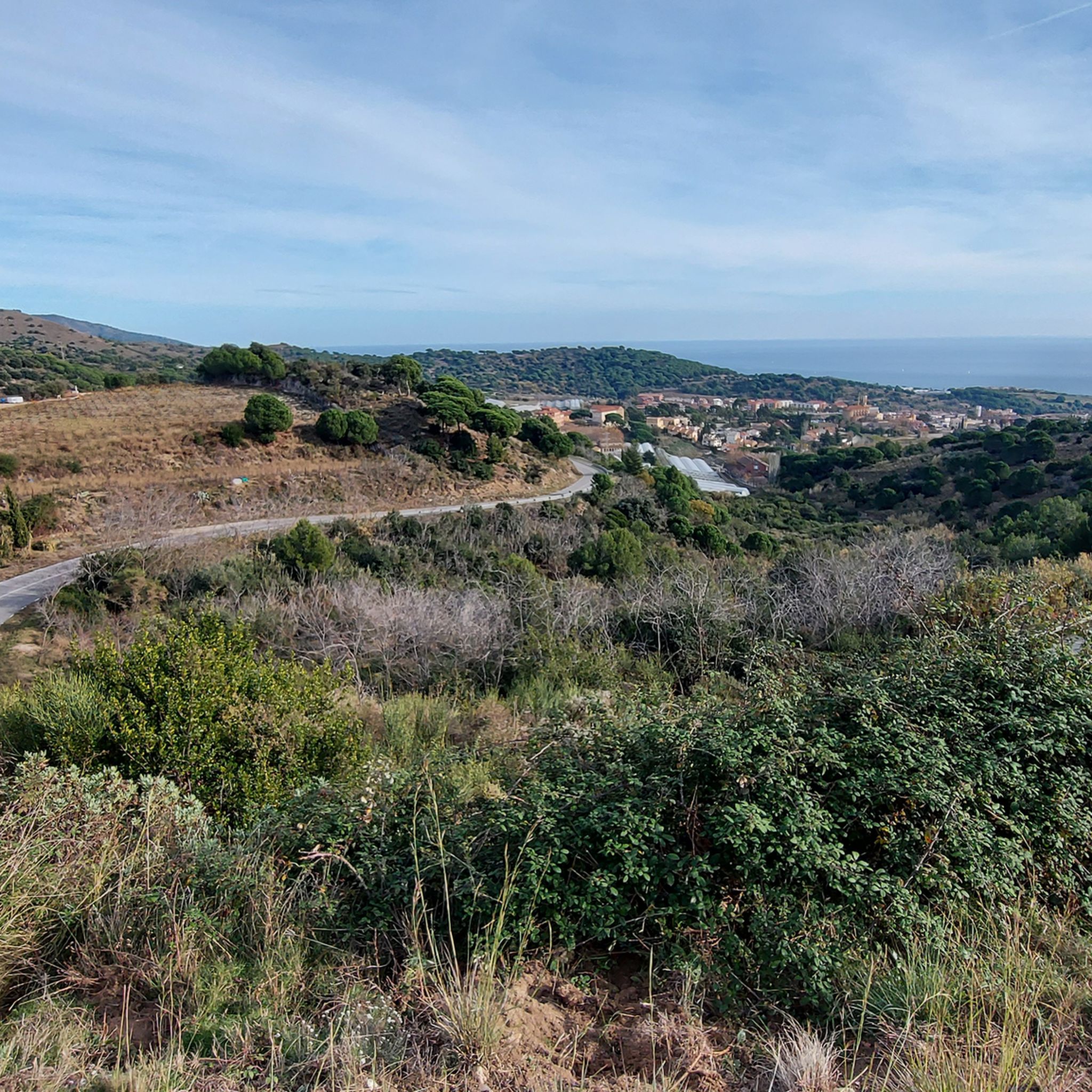
Best caves around Badalona are found within the natural landscapes surrounding the city, including the Serra de Collserola Natural Park and Parc de la Serralada de Marina. These areas offer a blend of natural formations and historical sites. The region's geology has created various cave structures, some of which have archaeological significance. Exploring these caves provides insight into the area's prehistoric and historical past.
Best caves around Badalona
- The most popular cave is Cave of the Frog, a cave…
Last updated: July 4, 2026
Cave of the Frog
Highlight • Cave
Translated by Google •
Tip by

Cova d'en Genís Paradolmen
Highlight • Cave
Translated by Google •
Tip by

Sign up now to discover places like this
Get recommendations on the best single tracks, peaks, & plenty of other exciting outdoor places.
Sign up for free
The Cave Near Can Coll
Highlight • Cave
Translated by Google •
Tip by

Roca Llobatera de Cabrils
Highlight • Cave
Translated by Google •
Tip by
Can Nadal Cave
Highlight • Cave
Introduction
The Can Nadal cave is a large monolithic block with a hollow interior that is protected to the east and at the top by a natural rock wall …
Translated by Google •
Tip by

Start today with a free account
Your next adventure awaits.
Login or Signup

Tips from the Community

A small cave hidden in a crevice of Montseny, damp and cool even in the height of summer. Its name comes from the constant croaking of frogs from the nearby stream, which seem to guard the entrance at dusk. Locals say that during storms, forest animals would take refuge inside, and that a hiker once found an old, rusty lantern hanging from the rock, as if someone had left it there to return.
0
0
A curious story circulates among the locals: during the post-war years, a man nicknamed "the Clockmaker" lived here for almost a decade, repairing clocks and small appliances in exchange for food. They say that at night a flickering light could be seen emerging from the cave, its ticking audible all the way to the Can Nadal road. Today, only the marks on the rock remain, along with a silence that seems to continue measuring time.
0
0

Genís Cave, also known as Genís Cave, is a paradolmen located in the municipality of Santa Coloma de Gramenet. It is located in the Serralada de Marina park, on the southwest side of the Pollo hill, near the hermitage of Sant Climent and 500 meters from the Puig Castellar archaeological site.
22
0

It is a cave formed by two large blocks of granite on top of which rests another block that acts as a cover, with two chambers distributed on two different levels. The lower chamber is composed of a stone of two sides, quadrangular, which was located in the center. No materials were found in this room. In the upper chamber, three burials were found with badly decomposed bones. Ceramic fragments were found in all of them. In the first there was a flint knife, an arrowhead of the same material with a peduncle, and a plate of light green diorite (143 x 55 x 7 mm.). In the second burial, two flint knives, a flint arrowhead and a rectangular light green diorite plate (78 x 37 x 8 mm.) were found in the third, a flint knife and arrow. When sifting the soil inside the cave, four flint arrowheads, a piece of greenish-colored silicate perforated round necklace, and two flint knife fragments were exhumed. It seems that cardiac material was also found in this coat. Therefore it can be said that it is a collective sepulchral crypt from the end of the Chalcolithic and the beginning of the ancient bronze. It can be considered a type of burial that coexists with the final stages of the megalithic phenomenon.
1
0
The Roca Llobatera de Cabrils is located in the Serralada Litoral Park, which is a natural shelter enlarged by human hands. The roof is a large rock, turned on the inside. The floor was probably excavated to make more room for the cave. Both inside and outside there are remains of structures (walls, a bench, a kind of stove, etc.). It was a refuge for stonecutters and hunters, and even the usual home of an immigrant from Aragon who was called El Maño.
1
0

[ENG] Introduction The Can Nadal cave is a large monolithic block with a hollow interior that is protected to the east and at the top by a natural rock wall that protrudes forming a visor. A sepulchral use is attributed to him. The first archaeological searches date from 1951 and were carried out by the Vilassar de Dalt Archaeological Group led by Jaume Ventura, and by the Provincial Archaeological Excavations Commission. The excavations were described by Pau Ubach in his Ethno-Archaeological Memoirs (L'Aixernador Edicions, 1994; p.149-154) where he comments on the discovery of stone axes, flint knives and Chalcolithic arrowheads. This prehistoric cavity was enlarged in medieval times and used as a hermitage (inhabited place where one or more people retire to lead a religious life). Later, in modern times, it was enabled as a vineyard hut and was also used by the coal miners of the area. Source: Vilanova del Vallès City Council [ESP] Introduction The cave of Can Nadal is a large monolithic block with an empty interior that is protected in the east and in the upper part by a natural rock wall that protrudes forming a visor. A sepulchral use is attributed to it. The first archaeological investigations date back to 1951 and were carried out by the Vilassar de Dalt Archaeological Group directed by Jaume Ventura, and by the Provincial Archaeological Excavations Commission. The excavations were described by Pau Ubach in his Memorias Ethno-Arqueológicas (El Aixernador Edicions, 1994; p.149-154) where he comments on the discovery of stone axes, flint knives and Chalcolithic arrowheads. This prehistoric cavity was enlarged in medieval times and used as a hermitage (inhabited place where one or more people retreat to lead a religious life). Later, in modern times it was enabled as a vineyard hut and was also used by the coal miners of the area. Source: Vilanova del Vallès Town Hall
3
0

A strange cave in the side of the trail. It is a popular place for people to visit on a nice trail near Can Coll. I am not sure if the cave actually goes anywhere but the trail at the right time of the day gets beams of light that are magical.
5
1

A Dolmen with good views and hides if you can't find the way.
7
0
Frequently Asked Questions
What types of caves and underground formations can I explore around Badalona?
Around Badalona, you can explore a variety of natural caves, ancient burial sites, and even historical structures adapted from natural formations. These include natural rock shelters, megalithic paradolmens (burial structures within natural caves), and monolithic blocks with hollow interiors that have served multiple purposes throughout history. The region's geology, particularly within the Parc de la Serralada de Marina and Serra de Collserola Natural Park, has created unique sites blending natural beauty with archaeological significance.
Are there any family-friendly caves or trails suitable for beginners near Badalona?
Yes, there are options suitable for families and beginners. For instance, The Cave Near Can Coll is located on a popular trail and is noted as family-friendly. While exploring any cave, always ensure you have appropriate footwear and supervision for children. Many trails leading to these caves are also accessible for various fitness levels.
What historical or archaeological significance do the caves around Badalona hold?
Many caves in the Badalona area are rich in history and archaeology. For example, the Cave of the Frog is known for archaeological findings including burials and flint tools, suggesting its use in prehistoric times. The Cova d'en Genís Paradolmen is a megalithic burial structure within a natural cave, offering insights into ancient practices. Can Nadal Cave has a varied history, serving as a prehistoric sepulchral site, a medieval hermitage, and later for agricultural and industrial purposes.
What natural features can I expect to see when visiting caves in this region?
The caves around Badalona are often nestled within beautiful natural landscapes like the Parc de la Serralada de Marina and Serra de Collserola Natural Park. You'll encounter unique geological formations, such as the granite blocks forming the Cave of the Frog. Many cave locations also offer scenic viewpoints and are surrounded by forests, providing a blend of underground exploration and natural beauty.
What outdoor activities can I combine with a visit to the caves?
The caves are often situated within natural parks, making them ideal for combining with other outdoor activities. You can find numerous hiking and mountain biking trails in the Parc de la Serralada de Marina and Serra de Collserola Natural Park. For example, there are many MTB Trails around Badalona and Running Trails around Badalona that pass near these natural attractions.
Are there specific hiking trails that lead to these caves?
Yes, many caves are accessible via established hiking trails within the natural parks. For instance, the Cave Near Can Coll is located directly on a popular trail. Exploring the areas around Turó de Montcada i Reixac can also reveal very beautiful caves, with routes like the Font de la Mitcha Costa nearby. These trails offer varying difficulties, from easy walks to more challenging ascents.
What is the best time of year to visit the caves around Badalona?
The caves and their surrounding natural parks can be visited year-round. Spring and autumn generally offer the most pleasant weather for hiking and exploration, with mild temperatures. Summer can be warm, but the caves themselves provide a cool escape. Winter visits are also possible, though some trails might be damp. Always check local weather conditions before your visit.
What should I wear or bring when exploring caves in the Badalona area?
When exploring caves, it's advisable to wear sturdy, closed-toe shoes with good grip, as surfaces can be uneven or slippery. Layers of clothing are recommended, as cave interiors can be cooler than outside temperatures. A headlamp or flashlight is essential for visibility, even in seemingly well-lit areas. Bringing water and snacks is also a good idea, especially if you plan to hike to the caves.
Can I reach the caves using public transport, or is a car necessary?
While some caves might require a car for the final approach, many are located within natural parks that can be accessed via public transport to nearby towns, followed by a hike. For example, sites within the Serra de Collserola Natural Park or Parc de la Serralada de Marina often have bus routes or train stations within reasonable distance of trailheads. It's best to research specific cave locations for detailed public transport options.
Are there any viewpoints or panoramic spots near the caves?
Yes, several cave locations offer excellent viewpoints. The Turó de Montcada i Reixac, for instance, provides a spectacular 360-degree panoramic view of the Vallès and Barcelonès plains, the Besòs, and the Marina and Collserola mountain ranges. The Cova d'en Genís Paradolmen also offers scenic views from its location on the southwest side of Pollo hill.
What do visitors enjoy most about the caves around Badalona?
Visitors appreciate the unique blend of natural beauty and historical intrigue. The opportunity to explore ancient sites, discover archaeological findings, and connect with the region's prehistoric past is a major draw. The natural settings within the parks also provide a refreshing escape and a chance to engage in outdoor activities like hiking, making the experience both educational and invigorating.
Most popular routes around Badalona
Most popular attractions around Badalona

Get inspired with the komoot mobile app


Explore more
Extend your search for the best caves by checking out these guides of the top ones around Badalona:
