Top 4 Caves around Oviède
Best caves around Oviède are situated in a region recognized for its significant prehistoric sites and impressive geological formations. The area features diverse karstic environments, shaped by the action of rivers over limestone rock. This landscape is notable for its rich Paleolithic art and natural underground wonders. Oviède serves as a central point for exploring these natural and historical sites.
Best caves around Oviède
- The most popular caves is Covarones of the Tuernes River, a cave that showcases a…
Last updated: May 7, 2026
Covarones of the Tuernes River
Highlight • Cave
Translated by Google •
Tip by

Cuevallagar Cave
Highlight • Cave
Translated by Google •
Tip by

Sign up now to discover places like this
Get recommendations on the best single tracks, peaks, & plenty of other exciting outdoor places.
Sign up for free
Los Covarones
Highlight • Natural Monument
Translated by Google •
Tip by

Cueva Llagar
Highlight • Cave
Tip by

View from Cuevas de la Lluera
Highlight • Viewpoint
Translated by Google •
Tip by
Start today with a free account
Your next adventure awaits.
Login or Signup
Popular around Oviède
Central Mountain Cycling Ring GR 208 - Tour of the Asturian Mountains
Unknown Paths of Asturias — GR Pilgrimage Route (105)
A pilgrimage to the peaks – Camino de los Santuarios
The heart of Asturias – Central Mountain Cycling Ring
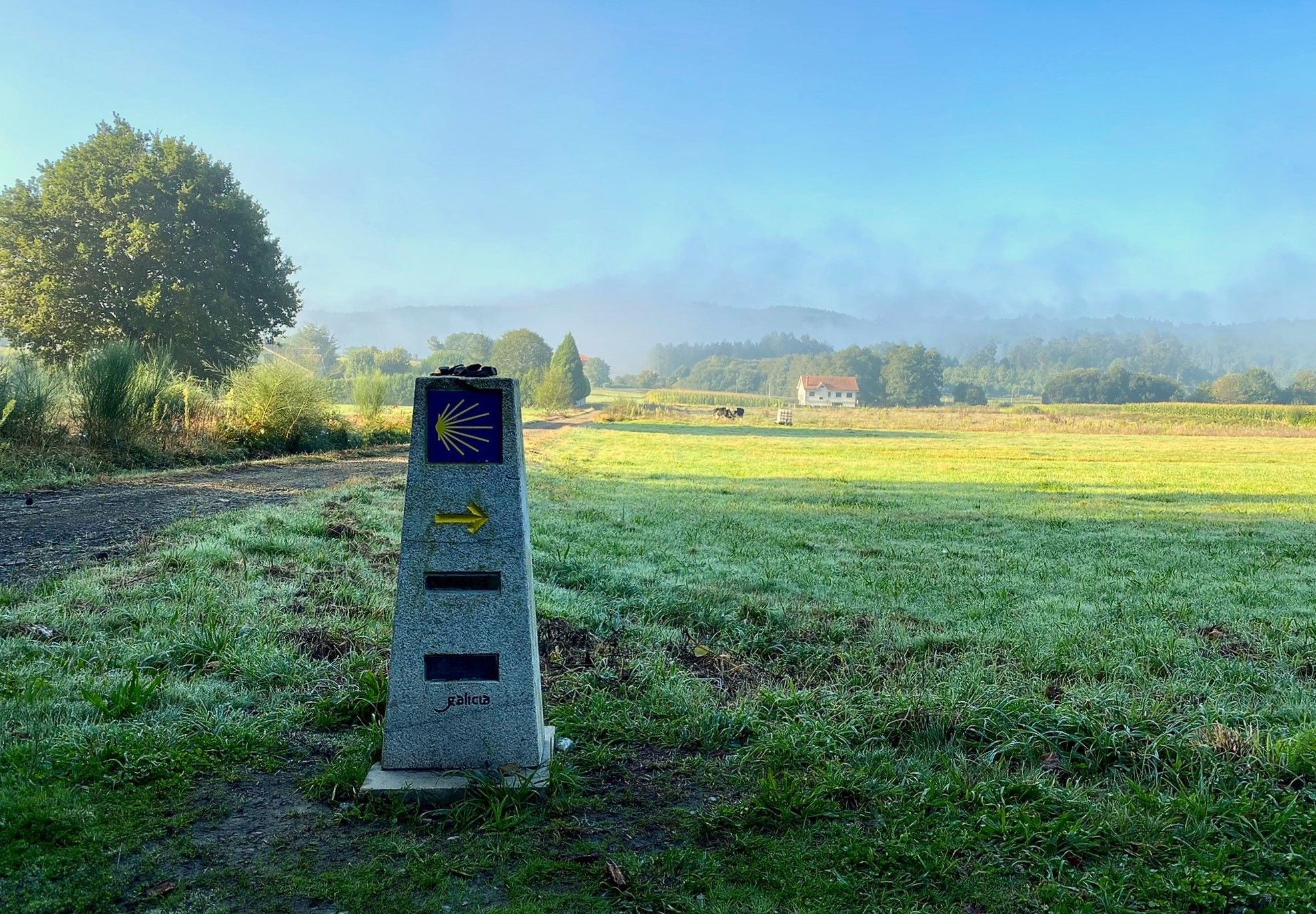
A pilgrimage on foot – Spain’s Primitive Way
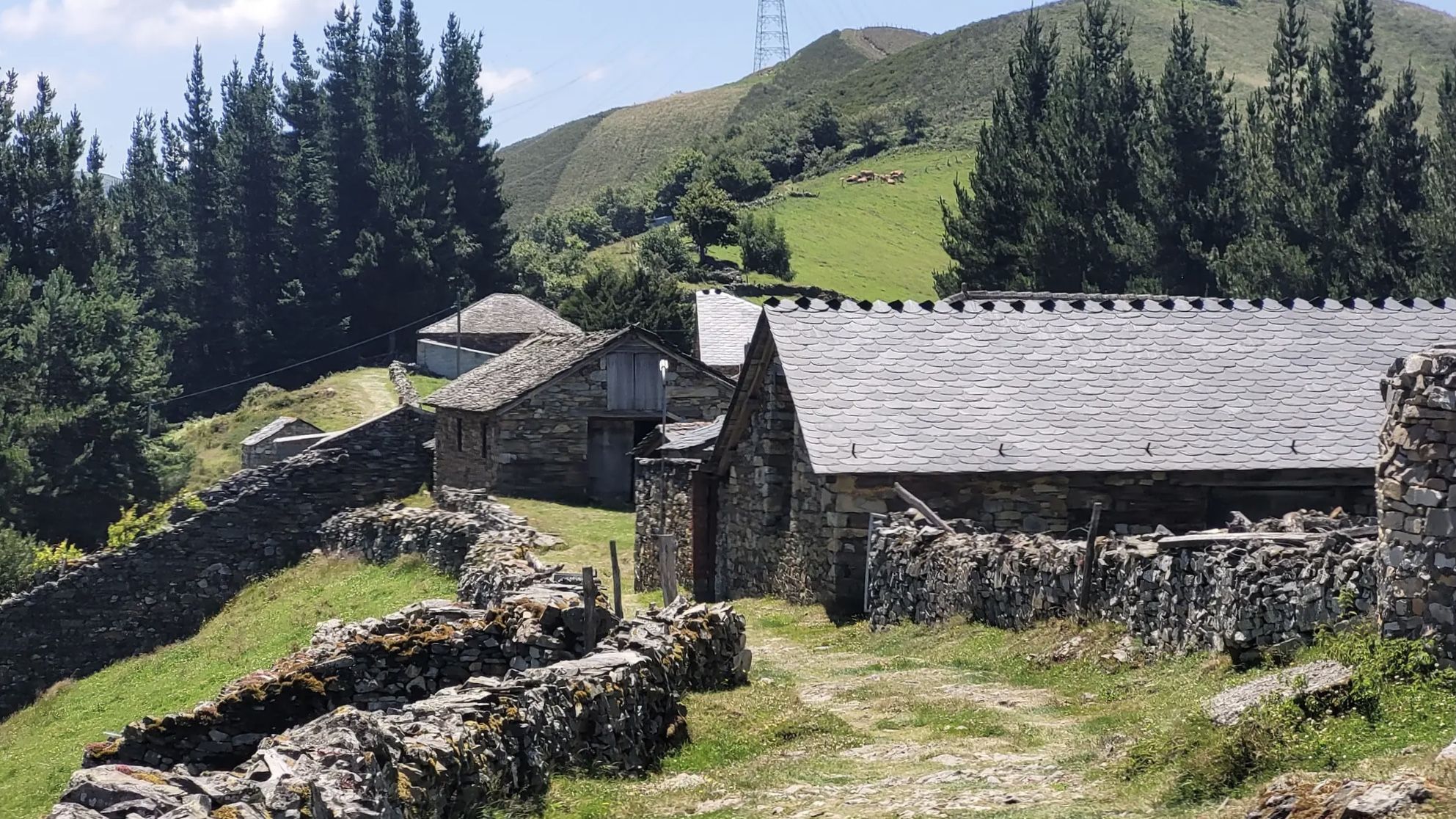
The Camino Primitivo — From Oviedo to Santiago through history
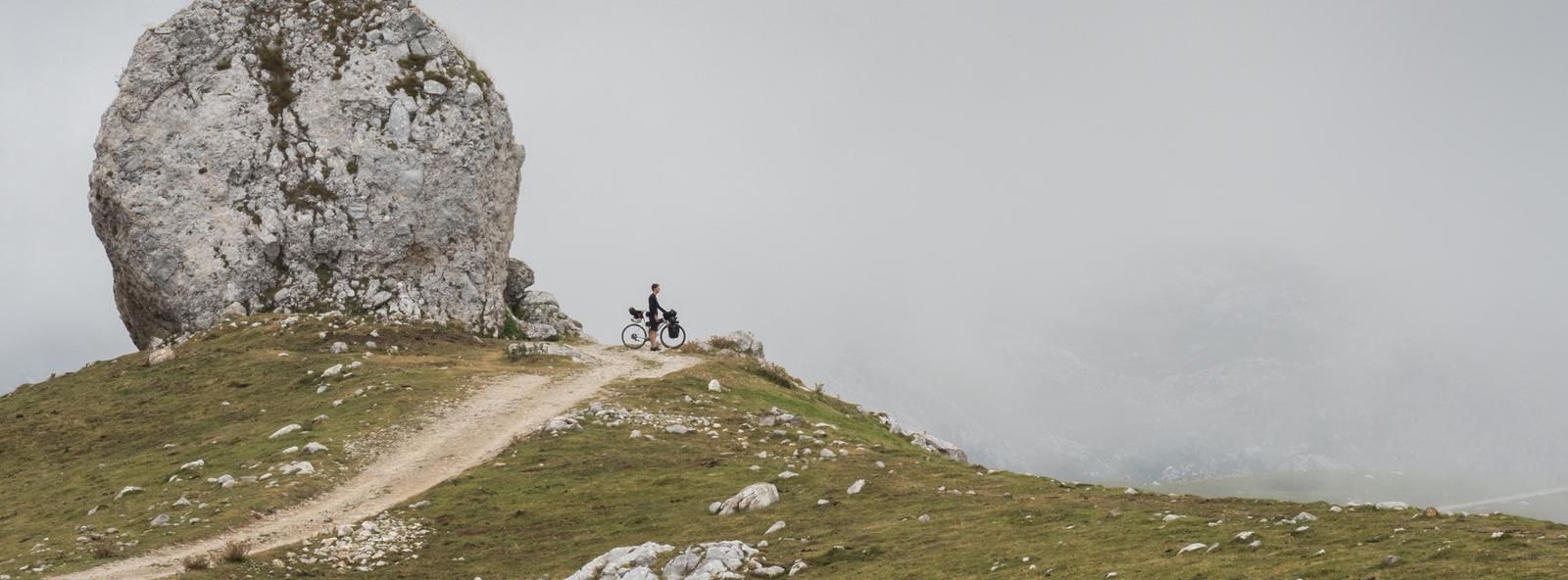
Cycling Northern Spain – (re)discovering home
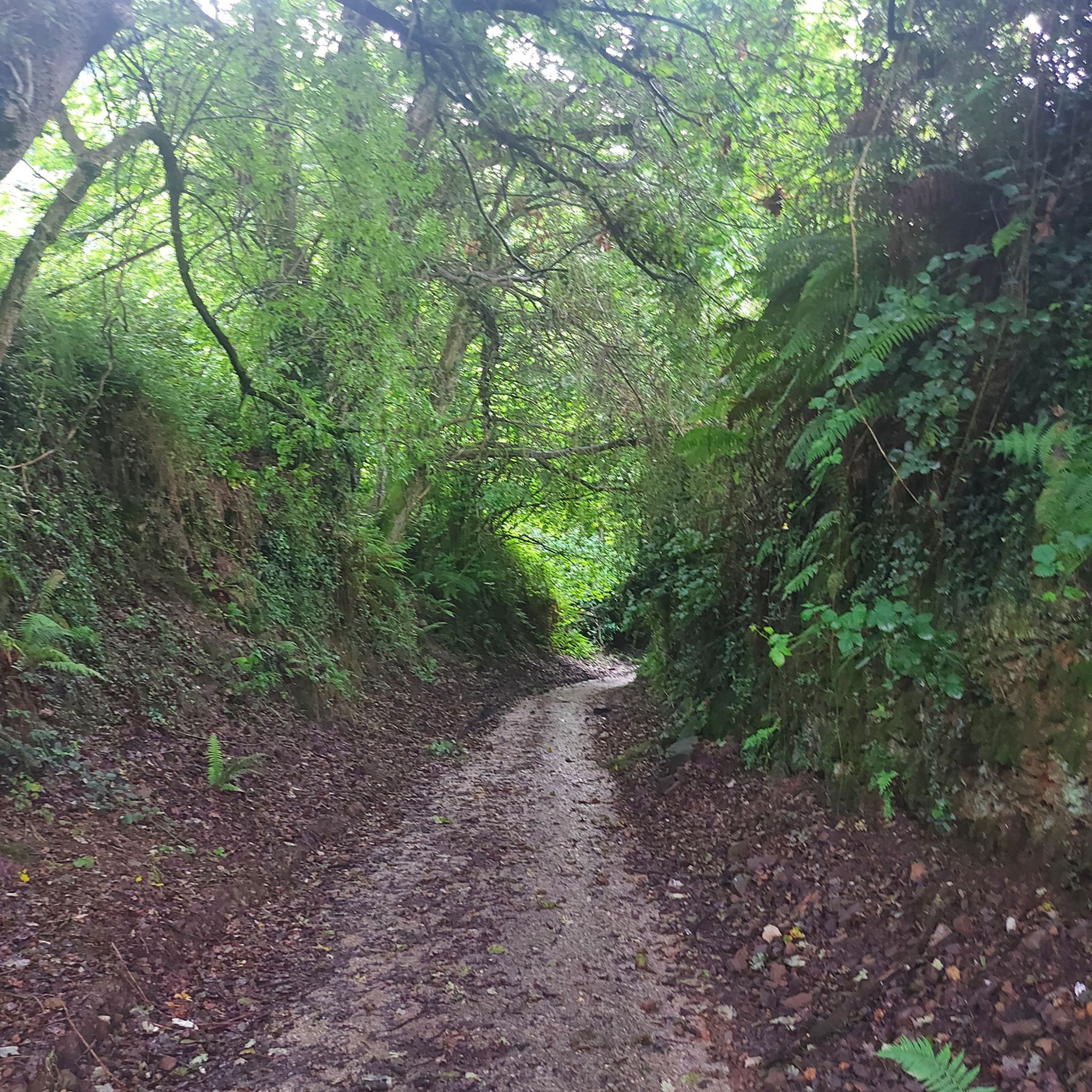
Hiking around Oviède
Road Cycling Routes around Oviède
Running Trails around Oviède
Other adventures around Oviède


Tips from the Community

The Covarones of the Tuernes River are a whimsical karst landscape formed by the natural erosion of the limestone by the river's action over centuries. At the end of its course, for almost half a kilometer, the river submerges three times, alternating between underground sections and open-air stretches surrounded by a riverside forest. Within this forest lie the remains of two old mills and even a Paleolithic cave, the Nora refuge. This geological phenomenon is a karst formation in the Carboniferous mountain limestone, which has given rise to an underground river with characteristic limestone formations such as caves, arches, stalactites, whimsically shaped stones, and windows in the ceiling resulting from the collapse of the vaults and the action of the water.
0
0
A must-see and possible route with children
0
0

At this time the cave has a stream and access is simple, there is a fence to prevent cattle from passing through but you can easily pass through.
0
0

ideal route to carry a tent or spend the night
1
0

A karstic environment in which you can see the erosion that the passage of the river has made over the years in the limestone rock, forming all kinds of caves, stalactites, arches and natural tunnels that invite you to be explored. Although to enjoy these caves in depth and above all safely, you will have to have the appropriate knowledge and material to enter them, since some areas can be quite deep.
0
0

Check the opening hours before going. Normally they are open during special holidays and the summer from Wed-Sun.
0
0
The Lluera caves are two small natural cavities (sometimes the denomination Cueva de la Lluera is used for the main one, ignoring the small one, and from the archaeological point of view Cueva de la Lluera I and Cueva de la Lluera II) . They contain prehistoric representations of the Paleolithic, which are found in the parish of San Juan de Priorio, in the municipality of Oviedo, Asturias (Spain). Archaeological remains from the Solutrean period (21,000 to 17,000 BP) and the final Upper Magdalenian have also been found. The first associated with part of the engravings. https://es.wikipedia.org/wiki/Cuevas_de_la_Lluera
0
0
Frequently Asked Questions
What are the most popular caves to visit around Oviedo?
The region around Oviedo is rich in both natural and historical caves. Highly regarded by the komoot community is Covarones of the Tuernes River, known for its impressive karstic formations and natural tunnels. Another significant site is the viewpoint for Cuevas de la Lluera, which holds important Paleolithic representations. For those seeking a more adventurous experience, Cuevallagar Cave is suitable for intermediate explorers.
Are there family-friendly caves to explore near Oviedo?
Yes, Covarones of the Tuernes River is considered a family-friendly natural monument. Here, the river has carved its way through limestone, creating fascinating caves, stalactites, and natural tunnels that are enjoyable to explore. While some areas require appropriate knowledge and material for deep exploration, the accessible parts offer a great experience for families.
Which caves in the wider Asturian region are known for prehistoric art?
Asturias is famous for its Paleolithic art caves. The Tito Bustillo Cave in Ribadesella is a UNESCO World Heritage Site with extraordinary polychrome paintings. Also a UNESCO site, the Cueva del Pindal features unique depictions of a fish and a mammoth. The Cueva de la Peña de Candamo, another UNESCO site, showcases complex compositions and varied techniques. While some original caves are closed for preservation, interpretation centers often provide access to replicas and educational materials.
What kind of geological formations can I expect to see in the caves around Oviedo?
The caves in this region are primarily karstic, meaning they are formed by the dissolution of soluble rocks like limestone. You can expect to see impressive formations such as stalactites, stalagmites, natural arches, and tunnels. Covarones of the Tuernes River is a prime example, where the river's erosion has created a whimsical landscape of these features.
Are there any caves near Oviedo that are currently closed to the public?
Yes, some historically significant caves are closed to the public to ensure their preservation. For instance, the original La Lluera Cave, known for its distinctive Paleolithic engravings, is currently closed. Similarly, the Cueva de Llonín and Cueva de la Covaciella, both UNESCO World Heritage sites with significant prehistoric art, are closed, but replicas and interpretation centers are available for visitors.
What outdoor activities can I do near the caves around Oviedo?
The region offers a variety of outdoor activities. You can find numerous hiking trails, such as the moderate Monte Naranco Circular Trail or the Oviedo-Fuso de la Reina Greenway. For cyclists, there are road cycling routes like the 'Alto del Escamplero, San Juan de la Arena y Avilés – circular desde Oviedo' or mountain biking trails including the 'Oviedo and Nalón River Loop'. You can explore more options on the Hiking around Oviède, Road Cycling Routes around Oviède, and MTB Trails around Oviède guide pages.
What should I know about visiting caves with prehistoric art, like Tito Bustillo?
Caves like Tito Bustillo Cave often have strict visitor limits to protect the delicate art. It is crucial to check current accessibility, opening hours, and booking requirements well in advance. Reservations are typically essential, and an Interpretation Centre is usually available year-round for those unable to enter the original cave.
Is there a cave near Oviedo known for its wildlife, particularly bats?
Yes, Cueva Huerta, declared a Natural Monument, is one of the largest caves in Asturias and is home to significant bat colonies. While it's an impressive geological and speleological site, access details for public tourism should be verified.
Where can I find information about the archaeological significance of caves near Oviedo?
Many caves in the region hold immense archaeological importance. For example, Las Caldas Cave, located within the Nalón Valley, has yielded significant finds from the Upper Paleolithic, including the "Venus of Las Caldas" and Paleolithic rock art. The Las Caldas Cave is a key site for understanding the lives of early inhabitants in Asturias.
What do visitors enjoy most about the caves around Oviedo?
Visitors particularly appreciate the unique blend of natural beauty and historical significance. The karstic environments, with their intricate formations and underground rivers, offer a sense of adventure and wonder. The presence of ancient Paleolithic art provides a profound connection to human history. The opportunity to explore these diverse sites, from family-friendly natural monuments to more challenging intermediate caves, is highly valued by the komoot community.
Are there any caves that offer a glimpse into life during the glacial period?
Yes, the Cuevona de Avín, located in the heart of the Picos de Europa, focuses on disseminating information about life during the glacial period. It features life-size reproductions of extinct megafauna, offering an educational and immersive experience into a bygone era.
Most popular attractions around Oviède

Get inspired with the komoot mobile app


