Top 20 Caves around Palma
Best caves around Palma offer a glimpse into Mallorca's subterranean world, characterized by its soft, easily erodible limestone. The island is home to more than 200 cave systems, with over 4000 grottoes and caves formed over thousands of years. Many of these natural features are inaccessible, but several are open to the public, showcasing unique geological formations. This Mediterranean island provides diverse cave experiences, from historical sites to natural monuments.
Best caves around Palma
- The most popular caves is Guillem Hermitage Cave, a historical site that is partly inhabited and freely accessible. It offers a unique experience of darkness and silence.
- Another must-see spot is Bed Mine, a historical cave and man-made structure. Visitors can explore a 25 m route with varying widths and a small chamber at the end.
- Visitors also love Cave of Ramon Llull, a historical site and man-made monument. This cave is known as the place where Ramon Llull meditated and had a vision.
- Palma is known for natural caves, historical sites, and man-made grottoes. The region offers a variety of caves to see and explore, from tourist-developed systems with light installations to less accessible natural formations.
- The caves around Palma are appreciated by the komoot community. The guide features 14 highlights, supported by 119 photos and 258 upvotes from users.
Last updated: August 28, 2026
Guillem Hermitage Cave
Highlight • Cave
Translated by Google •
Tip by

Cova de na Bernarda
Highlight • Cave
Attention: Third photo is the place where the path from the cave meets the path back to Port des Canonge (check out my tour with this highlight for the exact location)! Try to find the path, otherwise it will be dangerous! Do not follow the cave from our GPS track! In bad weather and wind never go to the cave!
***
Attention: Third photo shows the spot where the path from the cave meets the port of the Canonge (take a look at my tour for the exact position)! Try to find the path, it'll be dangerous if you do not! Do not follow our GPS track from the cave!
Do not go to the cave if it's rainy or windy!
Translated by Google •
Tip by

Sign up now to discover places like this
Get recommendations on the best single tracks, peaks, & plenty of other exciting outdoor places.
Sign up for free
Gènova Caves
Highlight • Cave
cuevasdegenova.com
Translated by Google •
Tip by

Bed Mine
Highlight • Cave
THE CAVITIES OF THE SERRA DE NA BURGUESA. ZONE 6: MINING IN THE SERRA D’EN MARILL (Palma, Mallorca). By Pere BOVER, Antelm GINARD, Damià CRESPÍ, Damià VICENS,
Mateu VADELL, Jaume SERRA, Gabriel SANTANDREU and Miquel Àngel BARCELÓ
Translated by Google •
Tip by

Covota of Puig Gros de Bendinat
Highlight • Cave
Translated by Google •
Tip by
Sign up for free to discover even more caves around Palma.
Sign up for free
Already have an account?
Start today with a free account
Your next adventure awaits.
Login or Signup
Popular around Palma
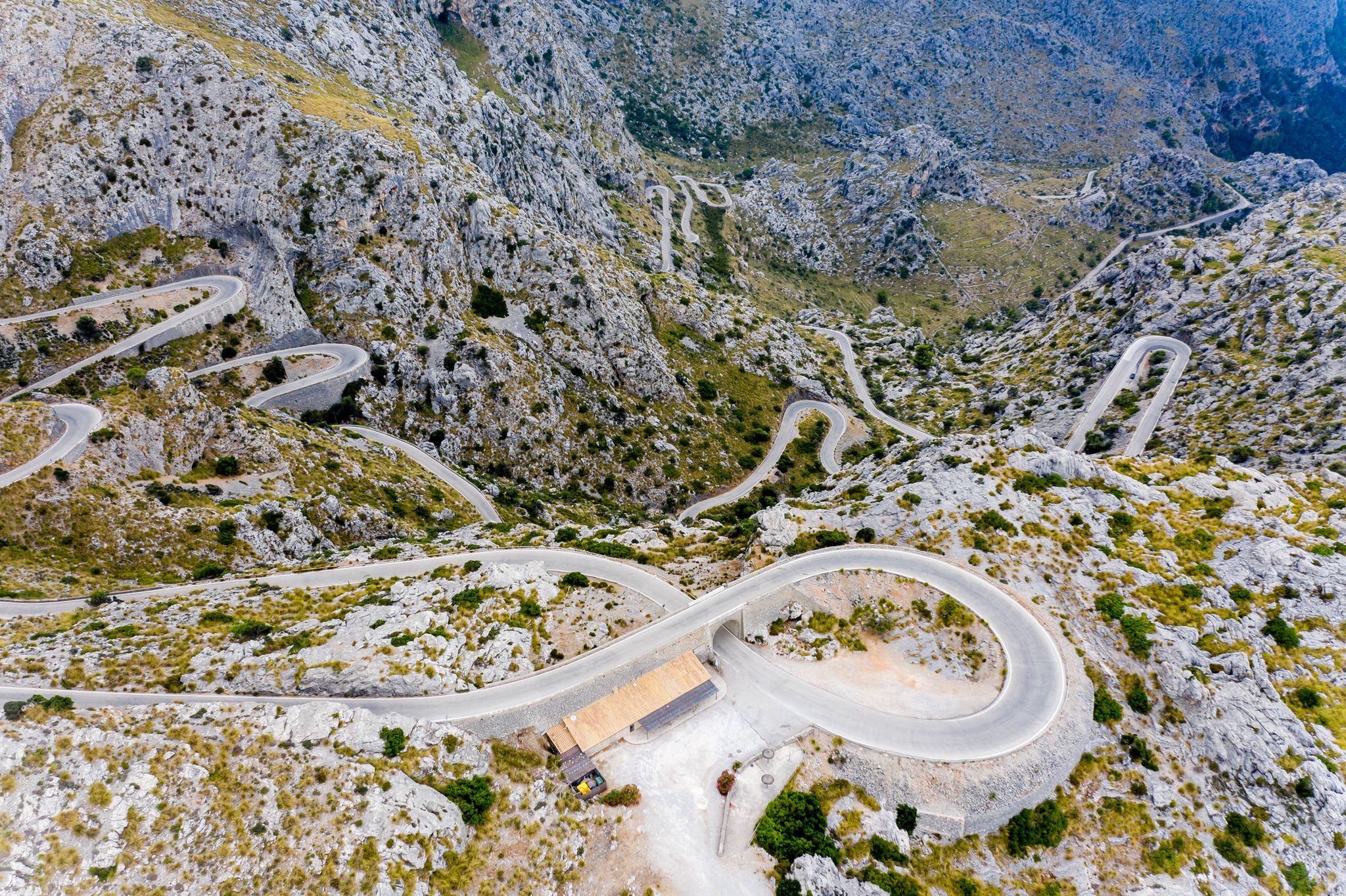
The island from above – the best climbs in Majorca
Clubhouse Rides — Rapha Mallorca
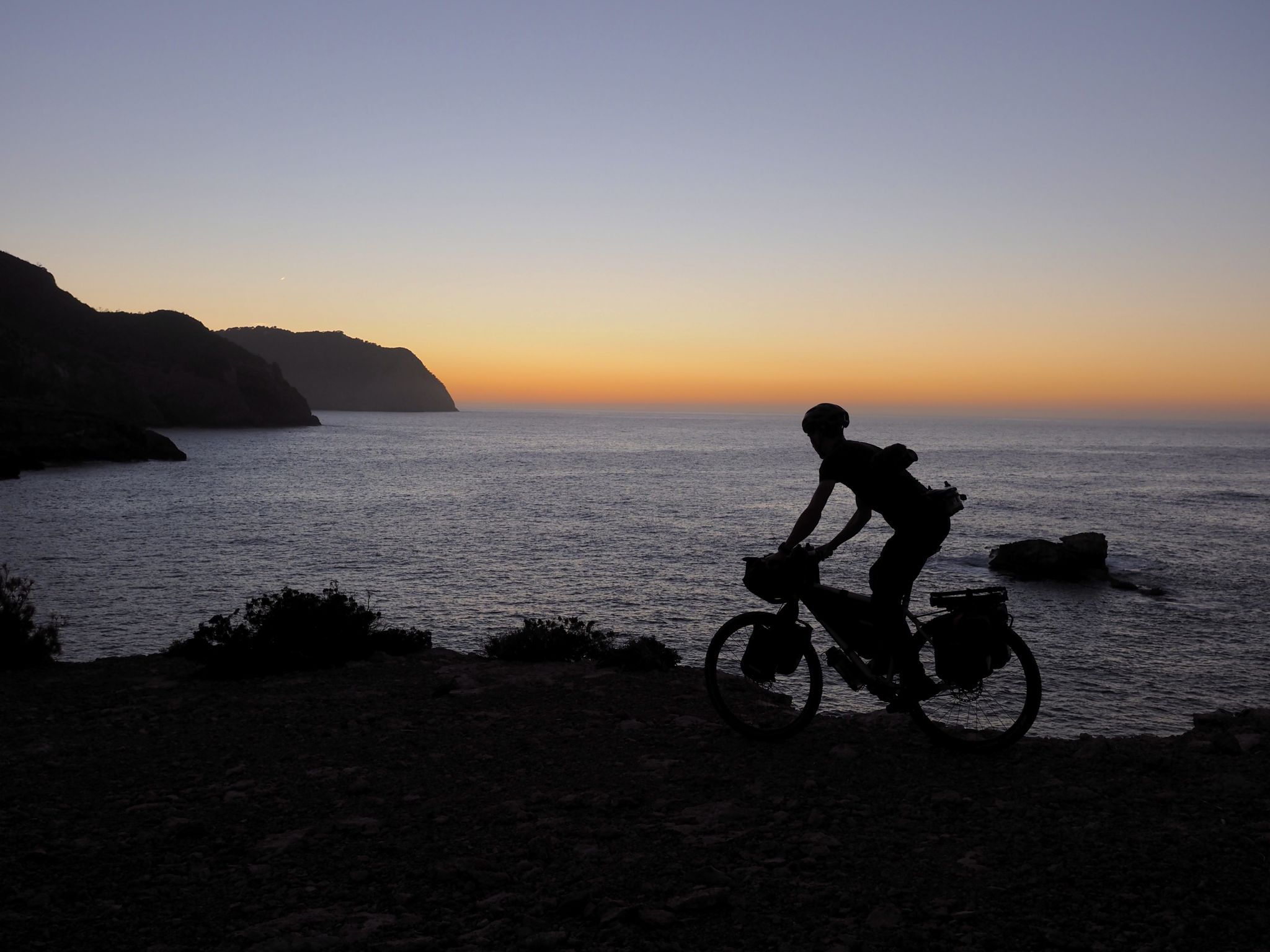
Island hopping in the Spanish Balearic Islands — the TransBaleares
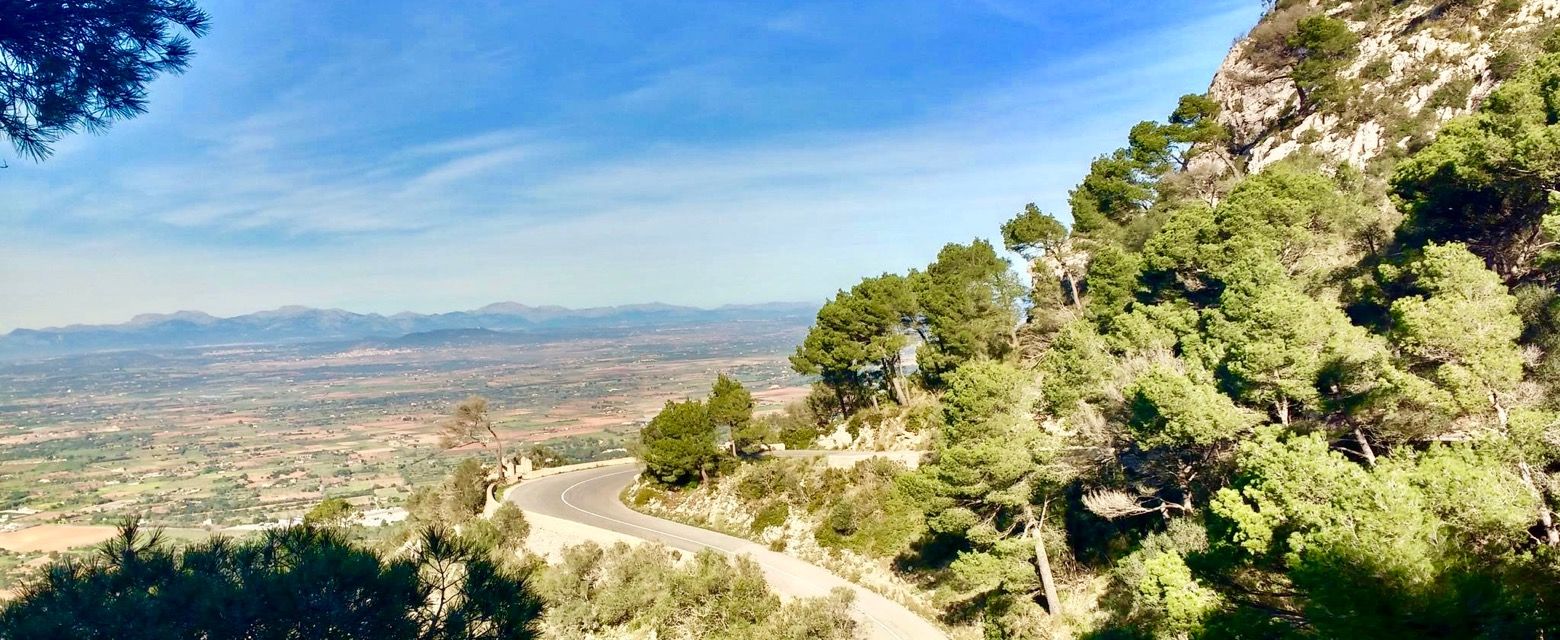
Mallorca — 7 days in road bike paradise
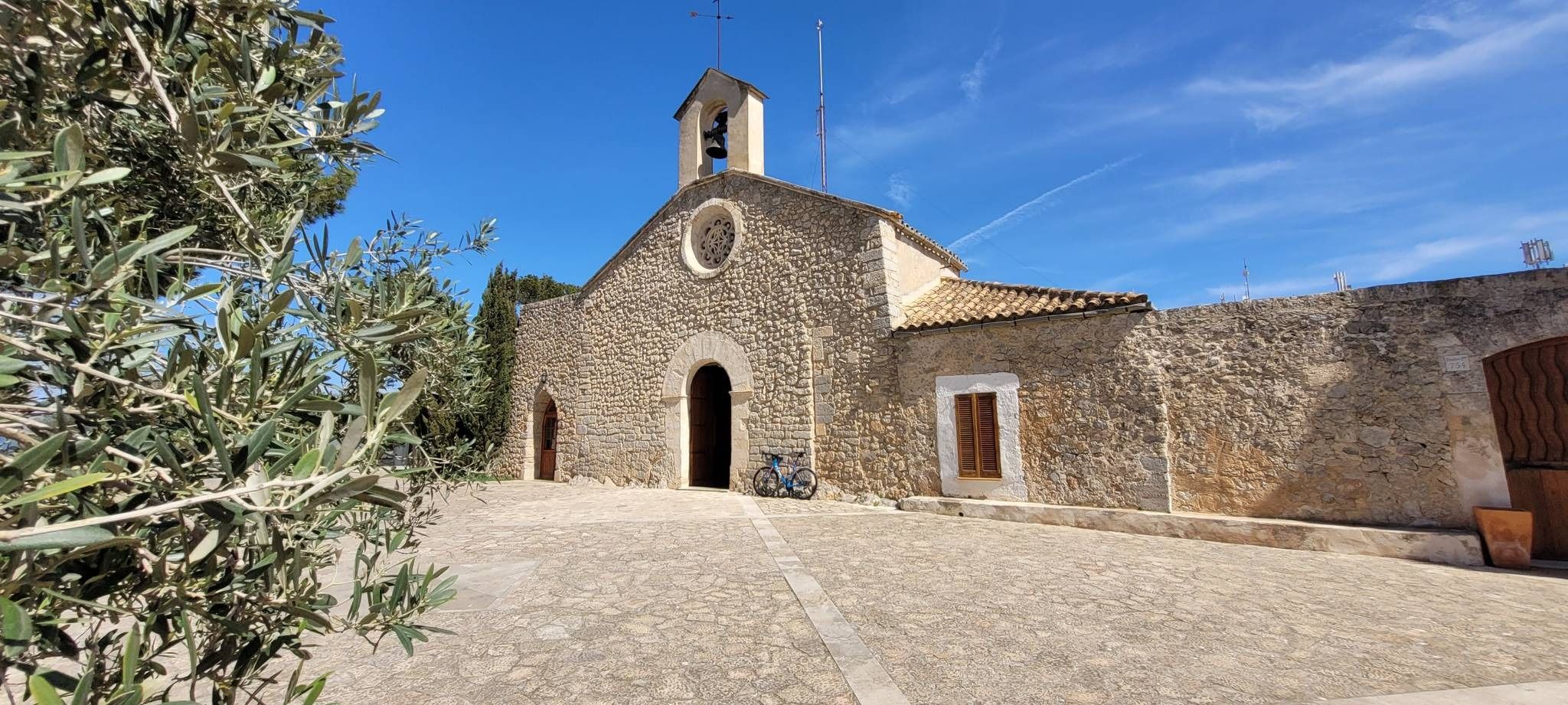
Cycling to Mallorca's hidden monasteries
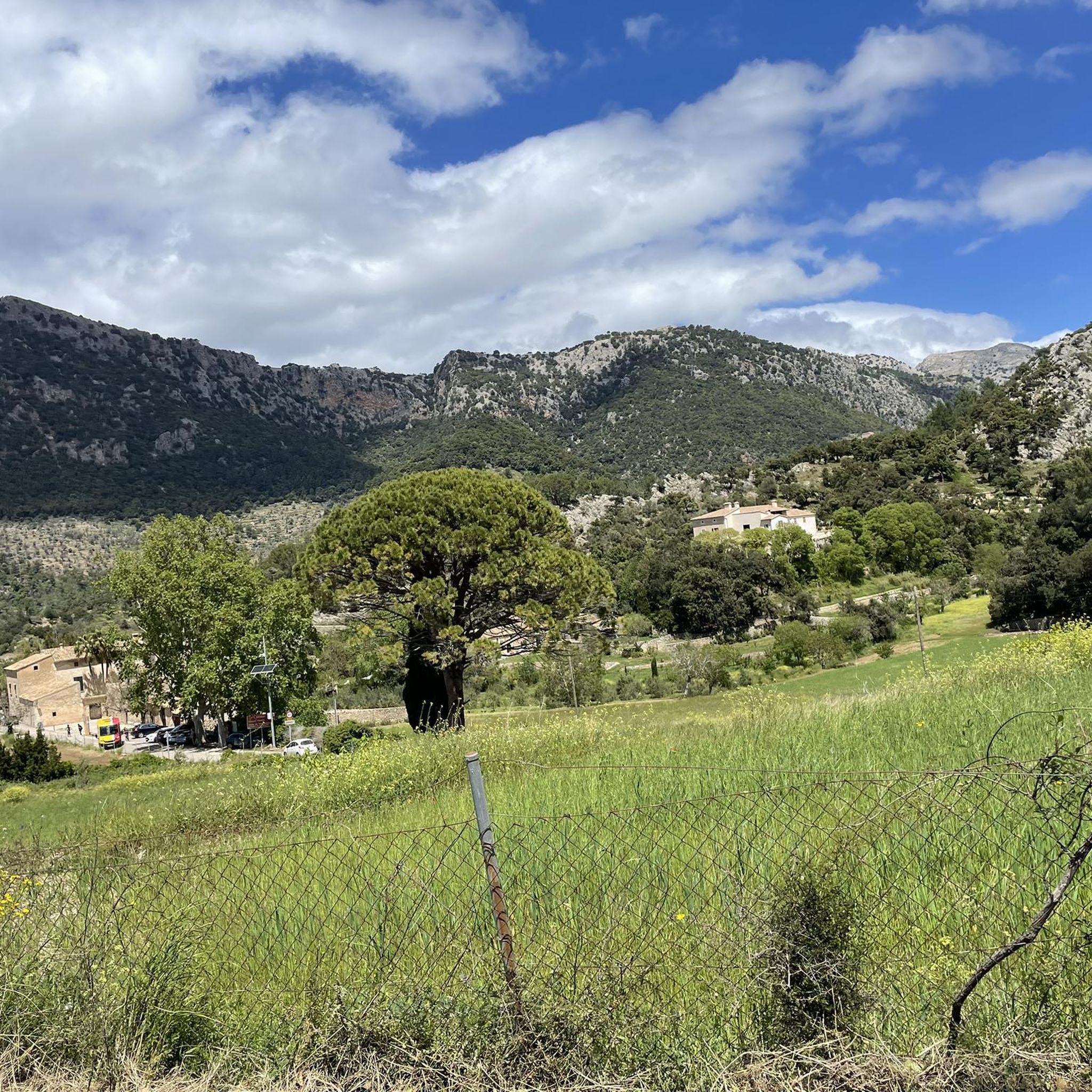
Road Cycling Routes around Palma
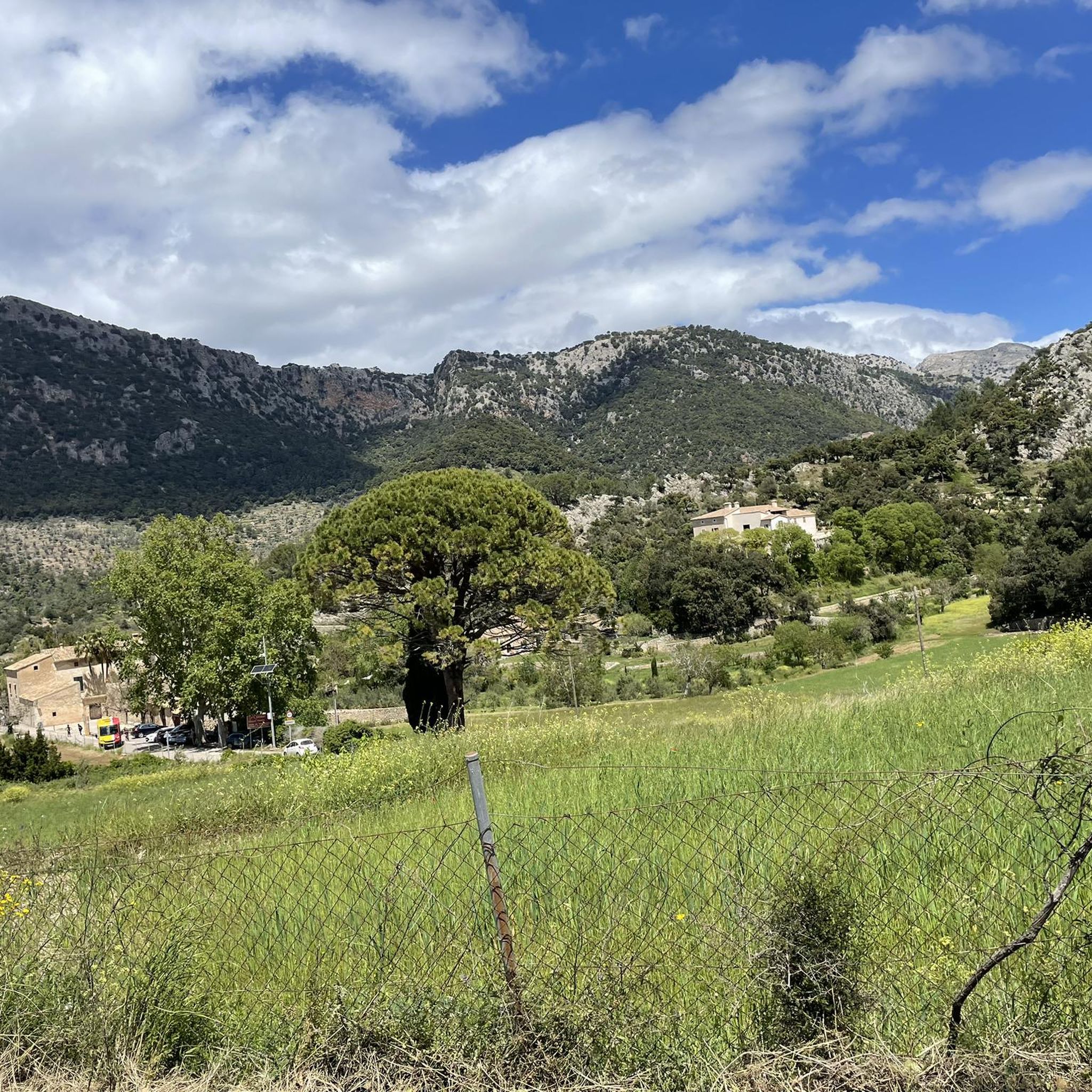
Cycling around Palma
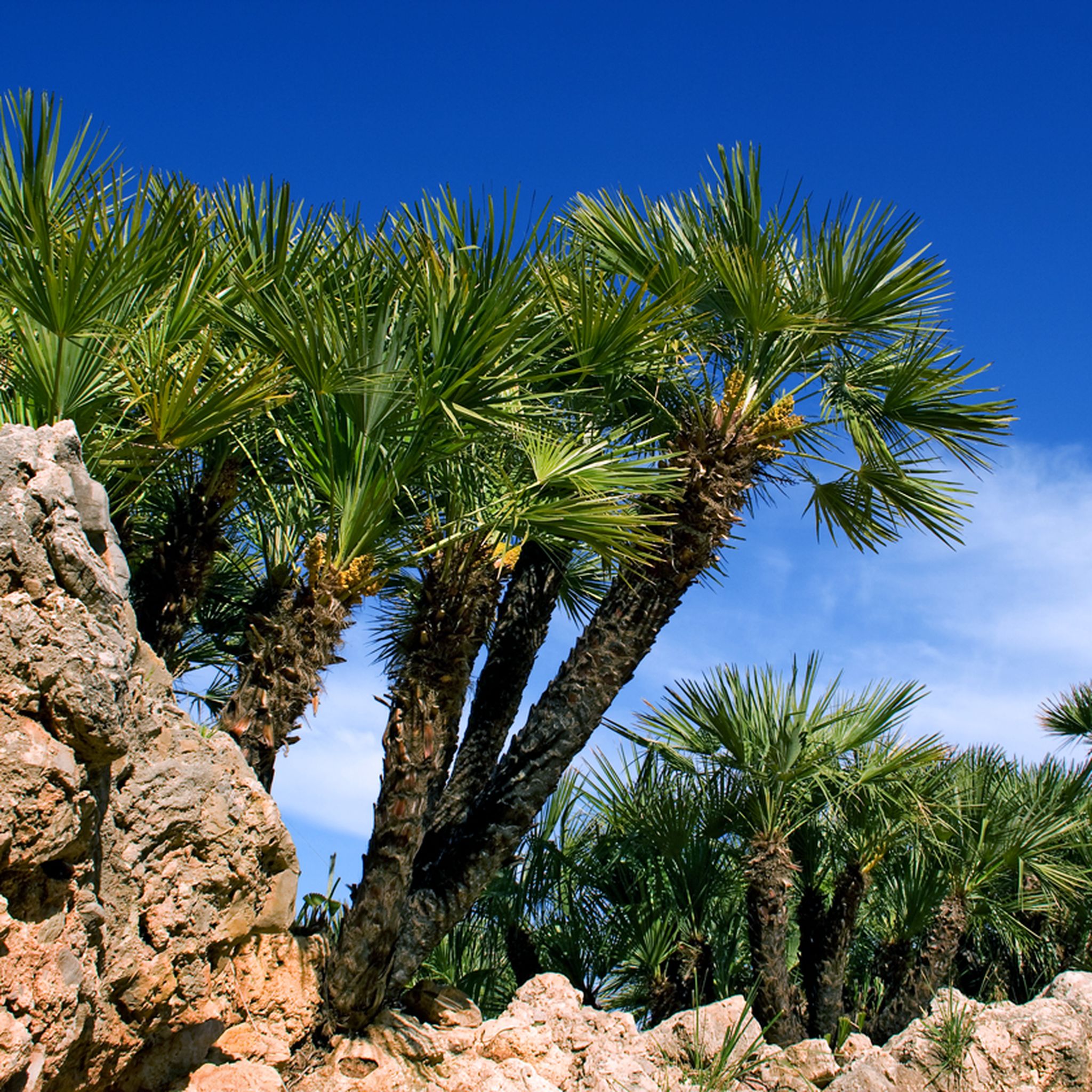
Hiking around Palma
Running Trails around Palma
MTB Trails around Palma
Other adventures around Palma


Tips from the Community

The way there is difficult to find and definitely demanding. But it was worth it. Those who love seclusion and enjoy challenging tours are in the right place here. But beware, partly very dangerous. You must be absolutely fit and sure-footed. The exact path is difficult to find or no longer findable at all. We followed our gut feeling with Maps. A very adventurous and challenging tour with beautiful views along the coast.
0
0

Partly still inhabited pilgrimage site for monks. After much hesitation we ventured in, it was very exciting!
0
0

Nice little stalactite cave that you can explore yourself. Not crowded like the big ones Admission was €12 I think
0
0

Due to the island's predominantly soft, easily erodible limestone nature, numerous caves have formed over thousands of years. The impressive number of about 4000 grottoes and caves, as well as countless crevasses, characterize the landscape. One of the very beautiful ones with an impressive light installation is the Coves de Gènova. However, the majority of the caves are not accessible to humans.
3
0
Due to the island's predominantly soft, easily erodible limestone nature, numerous caves have formed over thousands of years. The impressive number of about 4000 grottoes and caves, as well as countless crevasses, characterize the landscape. However, the majority of them are inaccessible to humans. Among them is the Cova del puig gros.
2
1

very spacious cave with windows and several rooms
0
0

Worth seeing Hermitage, which you can also admire from the inside.
1
0

Formerly inhabited complex consisting of caves and walls. Today a kind of shrine. The way there is a bit difficult, but worth it. Be sure to wear the appropriate footwear, as the path is often undefinable.
1
0
Frequently Asked Questions
Which caves near Palma are suitable for families?
The Gènova Caves are an excellent family-friendly option, located conveniently within Palma. They are tourist-developed with beautiful light installations and can be explored as part of a guided tour. Other popular choices like Cuevas del Drach and Coves dels Hams also cater well to families with their unique shows and accessible paths, though they are a short drive from Palma.
What are some of the most unique geological features I can see in the caves near Palma?
Mallorca's caves are renowned for their diverse formations. The Gènova Caves feature intricate networks and rare coralloid formations. Cuevas del Drach boasts Lake Martel, one of the largest underground lakes in the world, while Coves dels Hams is famous for its distinctive 'fishhook' shaped stalactites and stalagmites. Coves d'Artà impresses with towering formations, including the 22-meter-tall 'Queen of Paradise' stalagmite.
Are there historical or man-made caves to explore around Palma?
Yes, the region offers several historical and man-made cave experiences. The Guillem Hermitage Cave is a historical site that is partly inhabited and freely accessible, offering a unique experience of darkness and silence. The Bed Mine is another historical, man-made structure with a 25-meter route to explore. The Cave of Ramon Llull is a significant man-made monument, known as the place where Ramon Llull meditated, though it is currently inaccessible.
What is the best time of year to visit the caves in Mallorca?
The caves in Mallorca can be visited year-round. Their stable internal temperatures make them a comfortable escape from the summer heat and a sheltered attraction during cooler or rainy winter days. However, visiting during the shoulder seasons (spring and autumn) might offer a more pleasant experience with fewer crowds, especially at the more popular sites.
How can I get to the caves from Palma using public transport?
While the Gènova Caves are easily accessible within Palma by local bus or taxi, reaching other major caves like Cuevas del Drach, Coves dels Hams, Coves d'Artà, or Coves de Campanet typically requires a bus journey from Palma's Estació Intermodal. Direct bus routes are available to towns near these caves, from where you might need a short taxi ride or walk. It's advisable to check current bus schedules and routes with the local transport provider (TIB) for the most up-to-date information.
What outdoor activities can I do near the caves around Palma?
The area around Palma offers diverse outdoor activities. You can find numerous hiking trails, including easy routes like the Palma Old Town Trail or more moderate options like the Bellver Castle and Forest Loop. For those seeking more challenging adventures, there are mountain hikes in the Tramuntana mountains. Additionally, the region is popular for road cycling, with routes like the Southern Serra de Tramuntana Loop.
Are there any less commercialized or 'hidden gem' caves near Palma?
For a quieter and more natural experience away from the larger crowds, the Coves de Campanet are an excellent choice. Located in the foothills of the Tramuntana mountains, they are known for their delicate, intricate, and often thin, white formations. These caves offer beautiful structures without the extensive commercialization found at some other sites.
What should I wear when exploring the caves?
Cave temperatures remain consistently cool, typically around 18-20°C (64-68°F), regardless of the outside weather. It's recommended to wear comfortable walking shoes with good grip, as paths can sometimes be damp, and bring a light jacket or sweater, even in summer. Some caves may have uneven surfaces or steps.
Are there dining options or cafes near the major cave attractions?
Yes, most of the popular cave attractions have cafes or restaurants on-site or very close by. For instance, the Gènova Caves are situated within a residential area of Palma with various local eateries. Caves like Cuevas del Drach, Coves dels Hams, and Coves d'Artà, being major tourist destinations, are typically surrounded by facilities offering food and refreshments.
How long does a typical visit to a cave system take?
The duration of a cave visit varies depending on the specific cave and whether it's a guided tour. For major systems like Cuevas del Drach or Coves d'Artà, a guided tour, including any shows or boat rides, usually lasts between 60 to 90 minutes. Smaller caves like the Gènova Caves might take around 45-60 minutes for a guided exploration.
Are there any caves near Palma that are accessible for visitors with mobility challenges?
While many caves involve stairs and uneven terrain, some larger, more developed cave systems like Cuevas del Drach and Coves dels Hams have made efforts to improve accessibility on parts of their routes. However, full wheelchair accessibility throughout the entire cave system is rare due to the natural formations. It's best to check the specific cave's official website or contact them directly for detailed information on their current accessibility provisions.
Most popular routes around Palma
Most popular attractions around Palma

Get inspired with the komoot mobile app


Explore more
Extend your search for the best caves by checking out these guides of the top ones around Palma:
