Top 10 Caves around Tortosa
Caves around Tortosa offer a diverse range of underground experiences within the Ebro region. The area is characterized by its natural landscapes, including the Ebro River and nearby mountains, providing a rich geological setting for cave formations. While Tortosa itself does not host major public caves, the nearby town of Benifallet is home to significant cave complexes. This region combines natural exploration with historical and cultural insights.
Best caves around Tortosa
- The most popular caves is Cova de la Dona…
Last updated: July 4, 2026
Lluminosa Cave
Highlight • Cave
Translated by Google •
Tip by

Glass Cave
Highlight • Cave
Translated by Google •
Tip by

Sign up now to discover places like this
Get recommendations on the best single tracks, peaks, & plenty of other exciting outdoor places.
Sign up for free
Cova de la Dona
Highlight • Cave
Translated by Google •
Tip by
Cova d'en Marc
Highlight • Cave
Tip by

Cabrafeixet Rock Shelter
Highlight • Cave
Translated by Google •
Tip by

Sign up for free to discover even more caves around Tortosa.
Sign up for free
Already have an account?
Start today with a free account
Your next adventure awaits.
Login or Signup
Popular around Tortosa

Triathlon 360 – my journey around the world
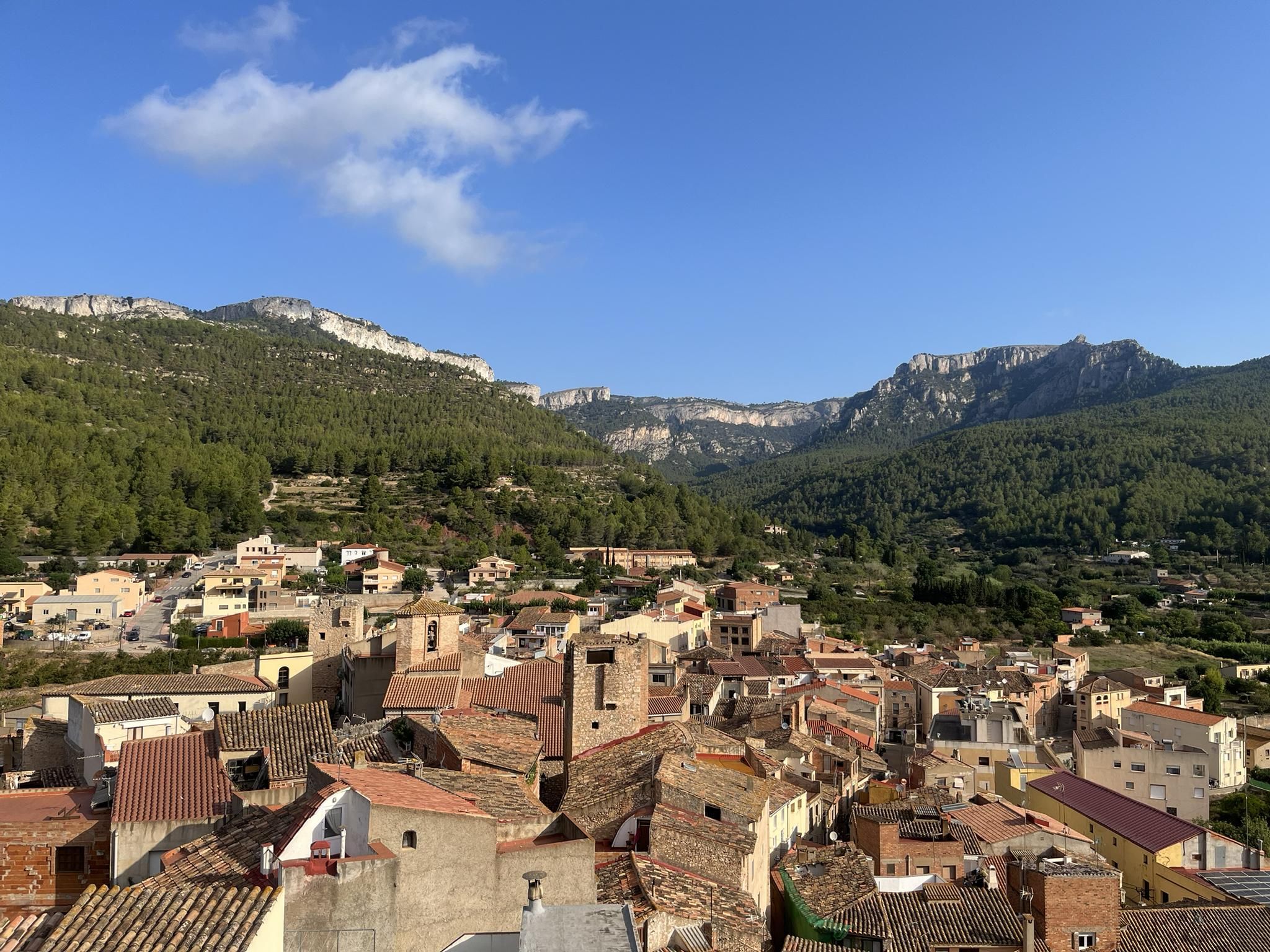
From Cambrils to the Ebro Delta - Camí del Vent (GR 192)
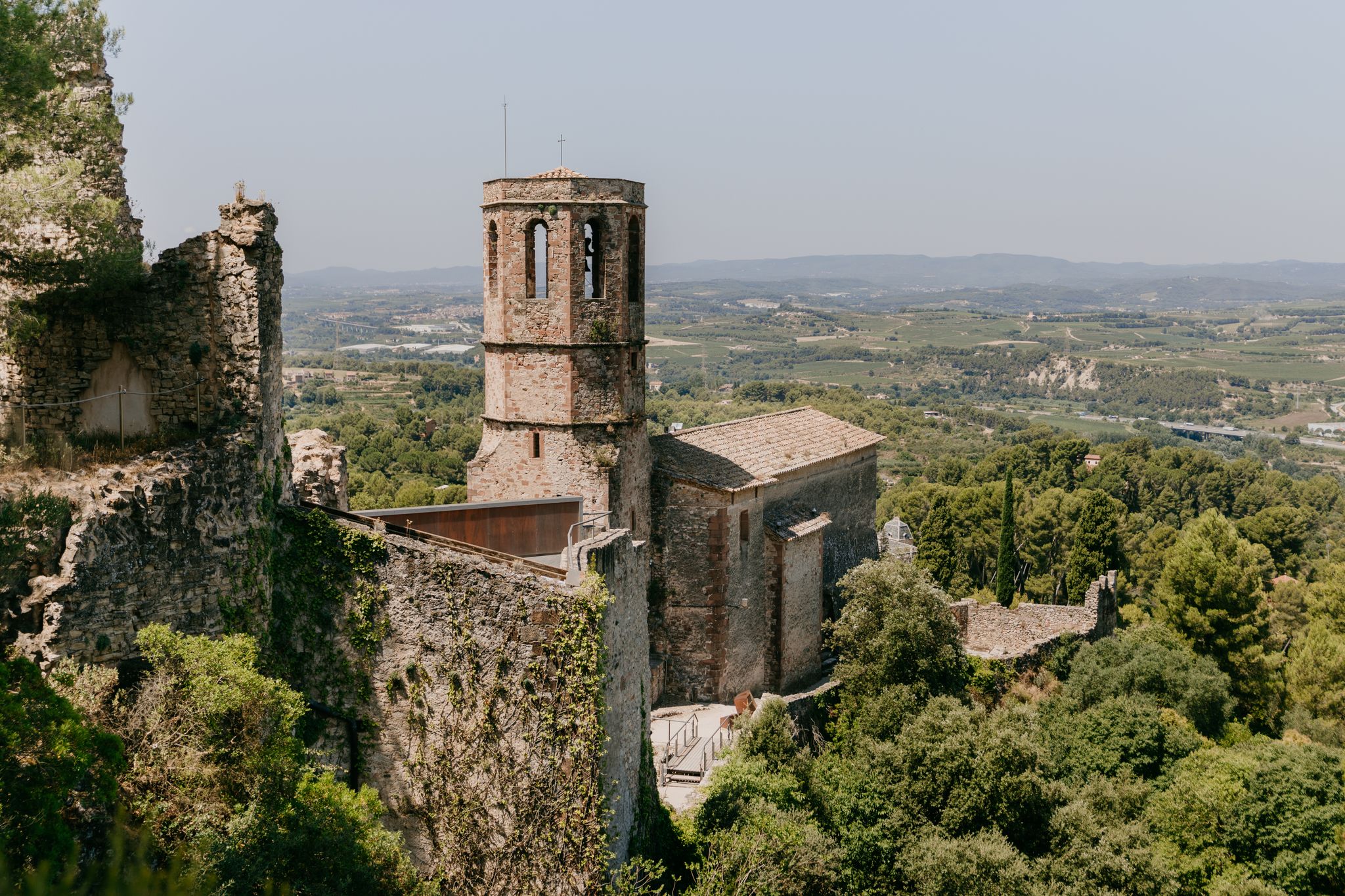
Catalonia by bike — Itineraries between culture and nature
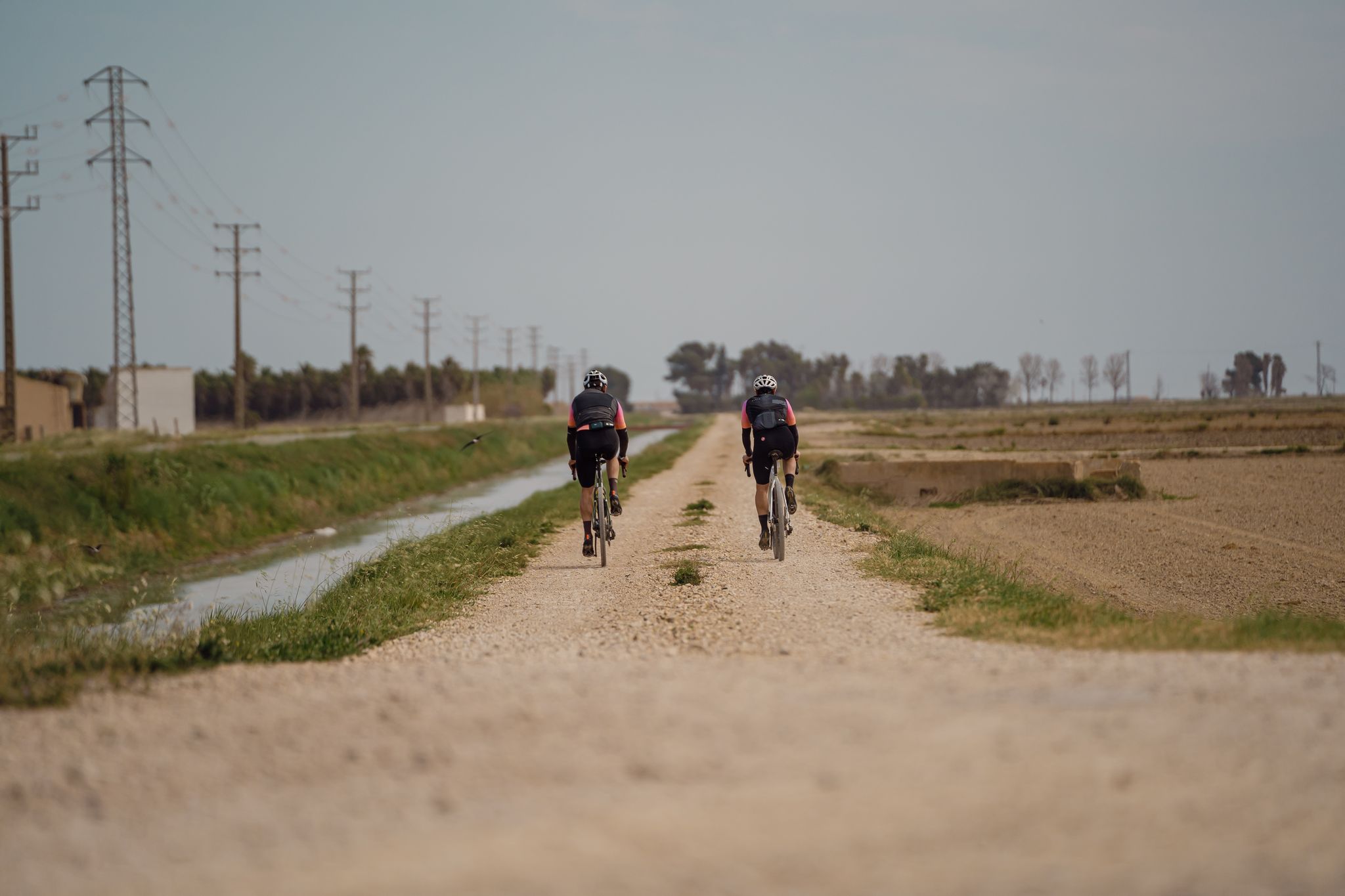
Discover Catalonia on a gravel bike
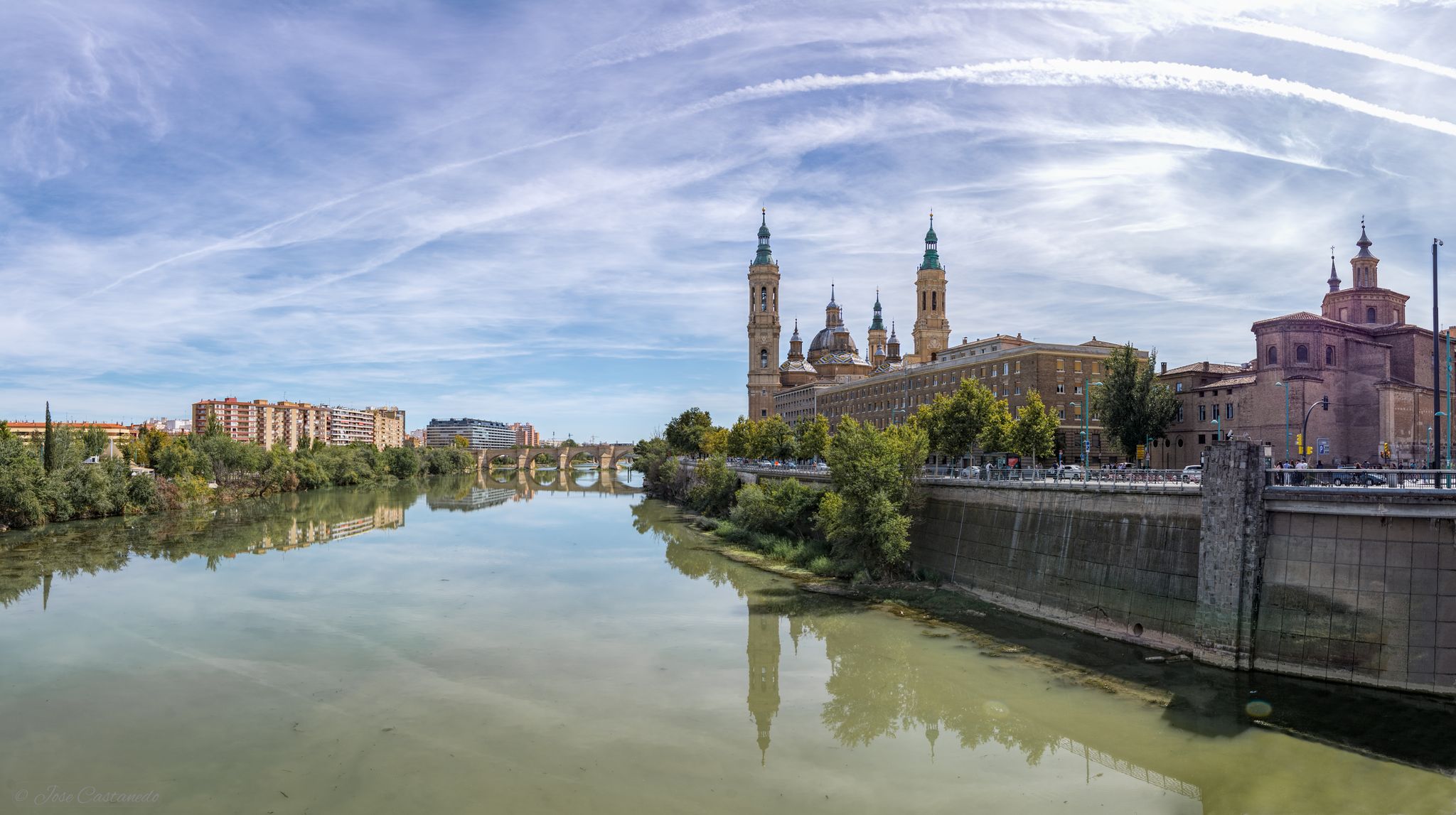
A river getaway – Ebro Natural Trail (GR 99)
A land of contrasts – Tarragona to the Pyrenees on the GR 7
Explore Spain’s Ebro lands – a cycling paradise
Vías Verdes – traffic-free cycling along railway history in Spain
Road Cycling Routes around Tortosa
Hiking around Tortosa
Other adventures around Tortosa


Tips from the Community

Spectacular balma that pierces the ridge and was once arranged as a key access point to the valley. The dry stone zigzags the ridge to comfortably access from one side of the ridge to the other. Known since ancient times as Lluminosa to differentiate it from the relatively nearby cave which, being a closed gallery, is known as Llòbrega. Cited by Faura in his Collection (1909) and by Ferraté in Speleologia de les comarques Tarragona (1918), although neither gives more information than the name. We are not aware of any specific cataloging work, although it is well known by hikers. When the Mestral winds blow, which is quite common, the force of the wind increases dramatically as it passes through the Cave.
2
0

Nice walk up to Castell de l'Airosa. Check my video: https://youtu.be/WS7DskqEu7I
2
0

The Cabrafeixet Cave or Cabrafreixet Shelter is a cave with rock painting representations protected as a World Heritage Site in the group of rock art of the Mediterranean arc of the Iberian Peninsula. There are 13 representations.
1
0
Cave that is located on the rise of Forat de l'Airosa between cliffs and hanging walls!
0
1
Very spectacular cave, with dry stone walls where you can walk around inside.
0
0
The mouth of the cave has large dimensions, 30 meters wide by about 15 high, forming a gallery about 45 meters long, occupied in part by blocks of rather large dimensions, appearing ascending in the first stretch to descend again in the final part. For a large part of the route, it preserves the dimensions of the entrance, reducing the height progressively. Below the highest part of the gallery originates a lower concavity about 15 meters long and about 10 wide and which is penetrated by a steep slope. Like other cavities in the Massif del Port, the walls are largely blackened. Cavity known since time immemorial. At the beginning of the 20th century, Neolithic remains were found and over time different archaeological activities of interest have been carried out. Mentioned in all the old speleological catalogues, it is, together with Cova Cambra, one of the most popular cavities in the Port. Lluís Porta i Massana, in his article, explains that during the wars of the 17th and 18th centuries, many of the residents of Mas de Barberans took refuge there, making each family a kind of living room with boxwood branches. He also explains that around 1828 a gang of 14 bandits, called "the Glebes", lived for quite some time in the lower chamber of the cave, even when shepherds and flocks slept in the big cave. It seems that they were the authors of twenty murders and robberies on the way out of Tortosa. They were able to arrest seven of them who died by hanging in Tortosa on January 29, 1829. Bayerri, in his Historia de Tortosa y su comarca (1934), comments that the name of the cave originates from the mineral crystallizations that are said to be there.
1
0
The Cova de la Dona can be found on the left (in the direction of the N-S march) before arriving at Pla de la MIna. It is one more of the many hollows on the route. It is signposted and the photo is almost mandatory.
1
0

going up to Casetes Velles, halfway there is the entrance that takes you to the Cave.
1
0
Frequently Asked Questions
What unique historical and cultural sites can I find in the caves near Tortosa?
The region offers fascinating historical insights. A short drive from Tortosa, the Glass Cave is a historical site and natural monument known for Neolithic remains and stories of refugees and bandits. Even more significant are the Abrics de l'Ermita (Ulldecona Cave Paintings), a UNESCO World Heritage Site with over 8,000-year-old Levantine cave paintings depicting ancient life and rituals. An Interpretation Centre there enhances the experience.
Are there any caves with notable geological features around Tortosa?
Yes, Lluminosa Cave is a spectacular natural monument that pierces a ridge, historically serving as a key access point to the valley. It's known for its dry stone arrangements and the dramatic increase in wind force when Mestral winds blow. Further afield, Cova Cambra in the Ports Natural Park features impressive chambers, a large column, distinct 'gours' (rock pools), and unique black-colored stalagmitic formations.
What are some family-friendly cave experiences in the Tortosa region?
For families, the Abrics de l'Ermita (Ulldecona Cave Paintings) offers an educational and engaging experience. The Interpretation Centre provides graphical, photographic, and audiovisual resources, along with replicas, to help visitors of all ages understand the ancient art. The augmented reality app 'e-Art' can also make the visit more interactive for children.
How accessible are the caves around Tortosa for visitors?
Accessibility varies by cave. Some, like Cova de la Dona, are signposted hollows along trails, making them relatively easy to find and access for a quick look. Others, like Cova Cambra, might require more adventurous exploration. The Abrics de l'Ermita offers guided tours and an Interpretation Centre, making the cultural experience highly accessible.
What is the best time of year to visit the caves near Tortosa?
The best time to visit the caves and the surrounding natural parks like Els Ports is generally during spring (April-June) and autumn (September-November). During these seasons, the weather is milder, making outdoor activities and cave exploration more comfortable. Summer can be very hot, while winter might bring colder temperatures, especially inside the caves.
Are there hiking opportunities near the caves in the Tortosa area?
Absolutely. Many caves are located within or near natural parks, offering excellent hiking opportunities. For example, Cova Cambra is within the Ports Natural Park. You can find numerous trails in the area, ranging from easy to challenging. Explore more options on the Hiking around Tortosa guide, which includes routes like 'La Foradada del Perelló' and 'Mont Caro Viewpoint'.
Do I need permits to visit caves around Tortosa?
For publicly accessible caves or those part of organized tours, permits are generally not required, but guided tours might need advance booking. For more remote or technically challenging caves, especially within natural parks, specific permits for speleology might be necessary. It's always best to check with local authorities or tour operators for the specific cave you plan to visit.
What other outdoor activities can I combine with a cave visit in the Tortosa region?
The Tortosa region is rich in outdoor activities. Besides hiking, you can enjoy cycling along the Ebro River or through scenic routes like the 'Old railway viaduct – Val de Zafán Greenway loop'. Running trails are also popular, with options like the 'Tortosa Municipal Market loop'. For more details, check the Cycling around Tortosa and Running Trails around Tortosa guides.
Are there any dog-friendly options for exploring caves or nearby trails?
While direct access for dogs into specific cave interiors might be restricted for safety or preservation reasons, many of the surrounding natural areas and hiking trails are dog-friendly. Always keep your dog on a leash and follow local regulations, especially within natural parks. It's advisable to check specific site rules before planning your visit with a pet.
What is special about <a href="https://www.komoot.com/highlight/327581" target="_blank" rel="noopener">Cova d'en Marc</a>?
Cova d'en Marc is a natural monument located on the rise of Forat de l'Airosa, nestled between cliffs and hanging walls. It offers a challenging yet rewarding experience, often combined with a walk up to Castell de l'Airosa, providing stunning views.
What is the significance of the Abrics de l'Ermita (Ulldecona Cave Paintings)?
The Abrics de l'Ermita are a UNESCO World Heritage Site, home to the most important collection of Levantine cave paintings in Catalonia. Dating back over 8,000 years, these 14 decorated shelters contain 386 figures vividly portraying hunting scenes, human and animal figures, and ancient rituals, offering a unique window into Neolithic life.
What can I expect when visiting <a href="https://www.komoot.com/highlight/3751916" target="_blank" rel="noopener">l'Angerra Cave</a>?
l'Angerra Cave is a curious cave that was historically used for livestock. It features a folded roof and two natural openings that act as windows, illuminating its interior. It offers a glimpse into the traditional uses of natural shelters in the region.
Most popular routes around Tortosa
Most popular attractions around Tortosa

Get inspired with the komoot mobile app


Explore more
Extend your search for the best caves by checking out these guides of the top ones around Tortosa:
