Top 11 Castles around Fontcoberta
Best castles around Fontcoberta include historically significant fortified farmhouses and Romanesque churches, offering insights into the region's medieval past. These structures, while not traditional castles, served defensive purposes and are notable for their architectural features and historical value. The area's heritage includes examples like Can Pujol and Can Figaroles, which showcase medieval defensive architecture. Romanesque churches such as Sant Feliu and Sant Sadurní also contribute to the historical landscape.
Best castles around Fontcoberta
- The most popular castles is Palol de…
Last updated: July 4, 2026
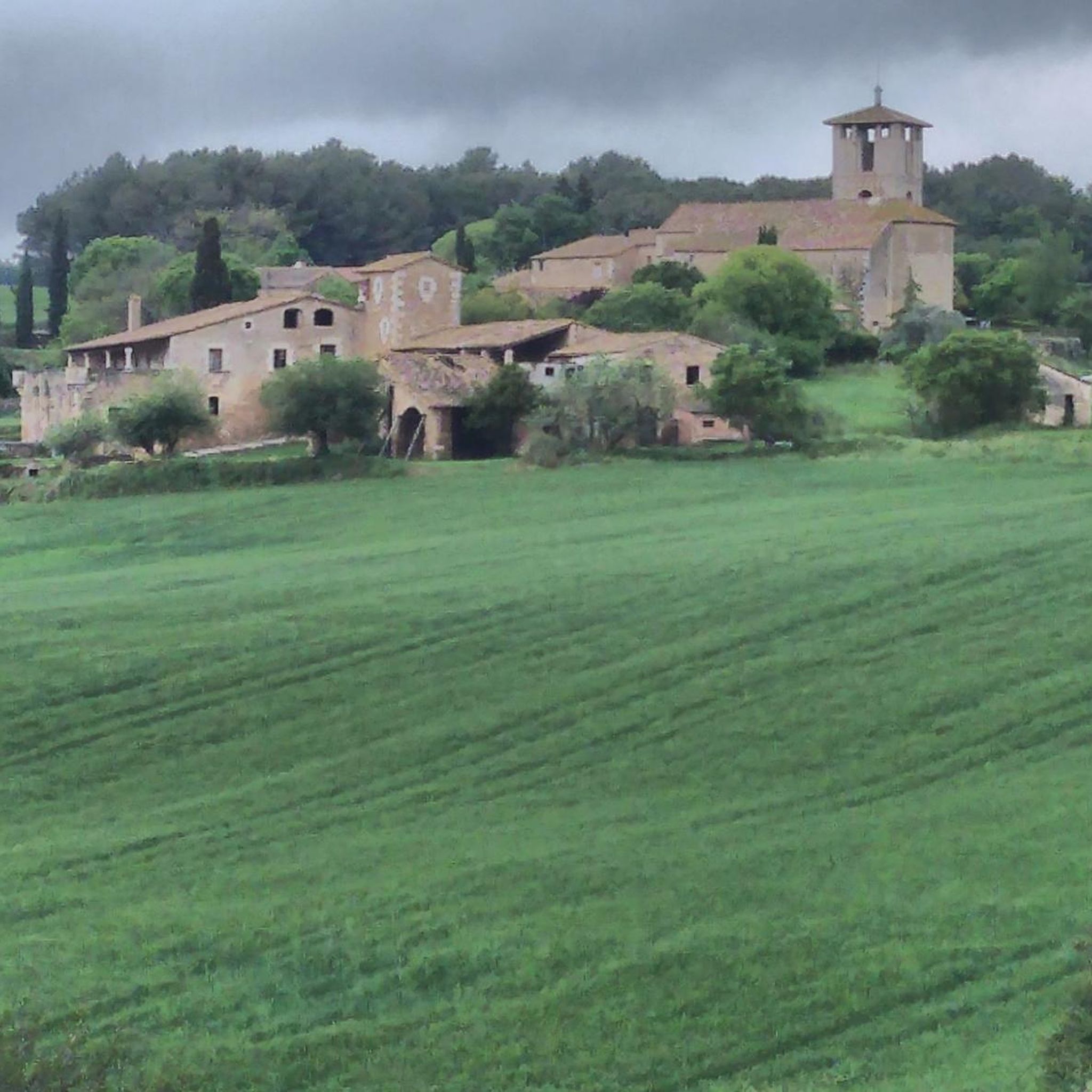
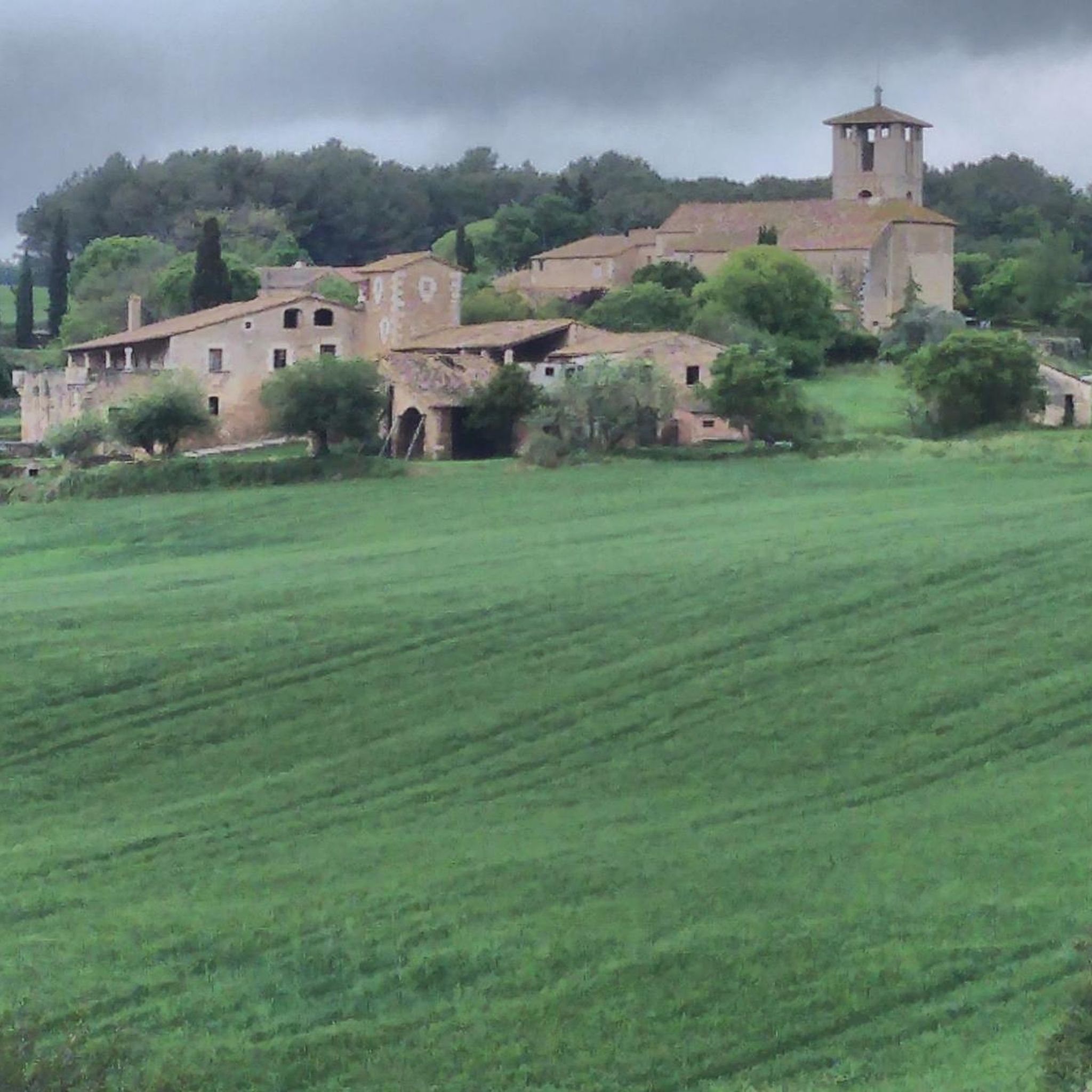
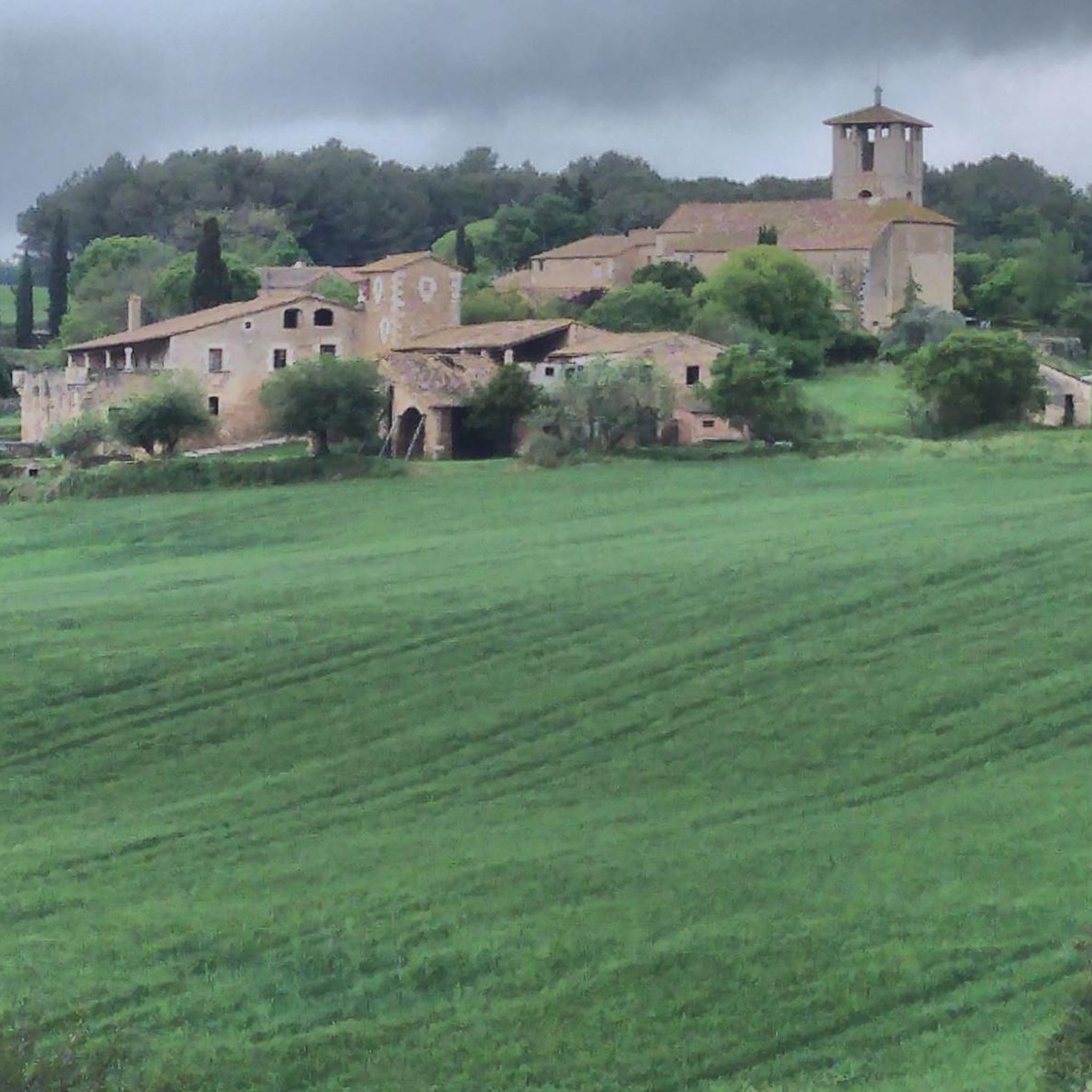
Palol de Revardit Castle and Church
Highlight • Castle
Translated by Google •
Tip by

Historic centre of Vilaür
Highlight • Historical Site
Translated by Google •
Tip by

Sign up now to discover places like this
Get recommendations on the best single tracks, peaks, & plenty of other exciting outdoor places.
Sign up for free
Palol de Revardit Castle
Highlight • Castle
Translated by Google •
Tip by

Espinavessa
Highlight • Settlement
Translated by Google •
Tip by

Sant Miquel de Revardit Church and Castle
Highlight • Castle
Translated by Google •
Tip by

Sign up for free to discover even more castles around Fontcoberta.
Sign up for free
Already have an account?
Start today with a free account
Your next adventure awaits.
Login or Signup

Tips from the Community

The castle in the small town of Palol de Revardit was built in the 15th/16th century, but a castle existed on this site as early as 1074. After 2005, it was extensively renovated. Unfortunately, we could only view it from the outside (on a Saturday afternoon), as all the doors were locked. We would also have liked to visit the interior and the exhibition. We were not able to find out when the castle is open.
0
1

Slow down and check out the Roman Church surrounded by medieval wall! Worth a stop! Too easy to ride past it!
1
0

Well I wouldn’t go out of my way to see it!
1
0

Espinavessa is part of the municipality of Cabanelles and, according to the 2011 census, it had 58 inhabitants. One of the most notable points of interest in Espinavessa is the Espinavessa Castle, a medieval fortification built by the Peralada lordship. This castle, which was erected to protect the area from attacks, especially from pirates, is today a historical and tourist monument of great value. From its rooms, you can see the Pyrenees mountains and the Mediterranean coast, which makes it a relevant tourist attraction in the region. The town of Espinavessa is located on the left bank of the Fluvià river, at its confluence with the Sant Jaume stream. Historically, the town was part of the Navata batllia until the 17th century. The population center is compact, with houses dating from the 17th and 18th centuries. Among the places of interest in Espinavessa is the parish church of Sant Llorenç, which dates from the late 18th century but contains earlier elements, such as a Romanesque-style carreu and a 14th-century Gothic tombstone. Another notable place is the Font d'Espinavessa, surrounded by vegetation and formerly used by the town's inhabitants to wash clothes.
2
0
Espinavessa is a small municipality located in the Alt Empordà region, in the province of Girona, Catalonia, Spain. It is part of the municipal area of Cabanelles and, according to the 2011 census, it had 58 inhabitants. One of the most notable points of interest in Espinavessa is the Espinavessa Castle, a medieval fortification built by the Peralada lordship. This castle, which was erected to protect the area from attacks, especially from pirates, is today a historical and tourist monument of great value. From its rooms, you can see the Pyrenees mountains and the Mediterranean coast, which makes it a relevant tourist attraction in the region. The town of Espinavessa is located on the left bank of the Fluvià river, at its confluence with the Sant Jaume stream. Historically, the town was part of the Navata batllia until the 17th century. The population center is compact, with houses dating from the 17th and 18th centuries. Among the places of interest in Espinavessa is the parish church of Sant Llorenç, which dates from the late 18th century but contains earlier elements, such as a Romanesque-style carreu and a 14th-century Gothic tombstone. Another notable place is the Font d'Espinavessa, surrounded by vegetation and formerly used by the town's inhabitants to wash clothes.
2
0

Surprising building at the bend of a bend. Castle - Church very well renovated.
1
0


Curious castle at the entrance to the village.
2
0
Frequently Asked Questions
What kind of historical sites, often referred to as 'castles,' can I expect to find around Fontcoberta?
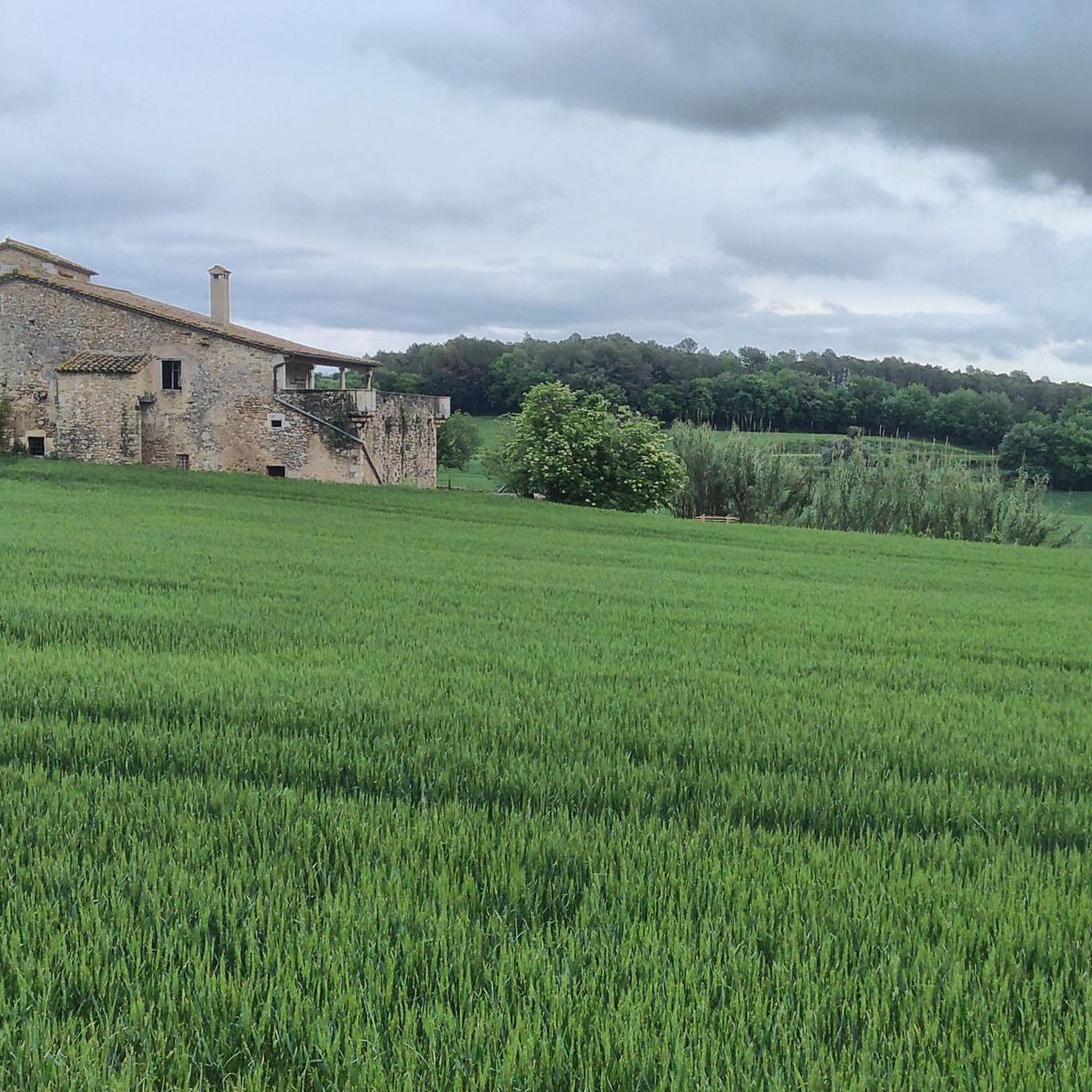
Around Fontcoberta, you'll primarily discover historically significant fortified farmhouses, known locally as 'masies fortificades,' and Romanesque churches. These structures, while not traditional castles, served defensive purposes and offer a deep dive into the region's medieval past. Examples include Palol de Revardit Castle, which is a Renaissance-era fortified structure, and the well-preserved fortified farmhouses like Can Pujol, Can Figaroles, and Can Jan, which now houses an interpretation center for the Espolla Pond natural area.
Which are the most notable historical sites or 'castles' to visit near Fontcoberta?
Among the most notable sites are Palol de Revardit Castle, known for its Renaissance architecture and preserved walls, and Sant Miquel de Revardit Church and Castle, a beautifully renovated site featuring a Roman Church surrounded by a medieval wall. The Historic centre of Vilaür also preserves parts of its original medieval wall and offers a glimpse into a fortified town.
Are there any family-friendly historical sites or 'castles' in the Fontcoberta area?
Yes, several sites are considered family-friendly. Palol de Revardit Castle and Sant Miquel de Revardit Church and Castle are both categorized as family-friendly. The settlement of Espinavessa, with its medieval fortification and historical church, also provides an engaging experience for families.
What outdoor activities can I combine with visiting historical sites around Fontcoberta?
The Fontcoberta region is excellent for combining history with outdoor activities. You can find numerous hiking, mountain biking, and cycling routes. For hiking, explore trails like the 'Pla de Martís – Salt de Martís Waterfall loop' or the 'Estany d'Espolla – Can Maula Café loop.' Mountain biking enthusiasts can try the 'Medieval Bridge of Sords – Basilica of Sant Feliu loop.' For more options, check out the dedicated guides for Hiking around Fontcoberta, MTB Trails around Fontcoberta, and Cycling around Fontcoberta.
What is the best time of year to visit the historical sites and 'castles' near Fontcoberta?
The best time to visit is generally during the spring (April to June) and autumn (September to October) months. During these periods, the weather is pleasant for exploring historical sites and enjoying outdoor activities like hiking or cycling. Summers can be hot, while winters are milder but some sites might have reduced opening hours.
Are there any less crowded historical sites or 'castles' to visit near Fontcoberta?
To avoid crowds, consider exploring some of the smaller fortified farmhouses or Romanesque churches mentioned in the region research, such as Can Pujol or Can Figaroles, which offer a more intimate historical experience. The settlement of Espinavessa, a small municipality with a medieval fortification, is also generally less frequented than larger attractions.
What are some historical highlights of the Fontcoberta region beyond the main 'castles'?
Beyond the fortified farmhouses, the region is rich in Romanesque architecture. The Church of Sant Feliu in Fontcoberta, with its Romanesque bell tower, and the Church of Sant Sadurní in Vilavenut are significant historical elements worth exploring. These churches often contain centuries of history within their walls, reflecting the area's religious and cultural heritage.
Can I find any viewpoints or scenic spots near the historical sites in Fontcoberta?
Many of the historical sites, particularly those on slight elevations like Palol de Revardit Castle, offer scenic views of the surrounding Pla de la Banyeta. The settlement of Espinavessa, for instance, provides views of the Pyrenees mountains and the Mediterranean coast from its medieval fortification. Exploring the nearby hiking and cycling routes will also lead you to various natural viewpoints.
What do visitors enjoy most about the historical sites around Fontcoberta?
Visitors appreciate the unique blend of defensive architecture and religious history found in the region. The well-preserved structures like Sant Miquel de Revardit Church and Castle are often highlighted for their surprising beauty and historical significance. The opportunity to explore medieval farmhouses and Romanesque churches, often integrated into charming villages, provides a rich cultural experience.
Are there any historical sites near Fontcoberta that are particularly good for photography?
Absolutely. The Gothic, square tower of Palol de Revardit Castle and Church is a very spectacular construction, offering striking photographic opportunities. The unique blend of Romanesque and medieval architecture at Sant Miquel de Revardit Church and Castle, with its Roman Church surrounded by a medieval wall, also makes for compelling subjects. The fortified farmhouses, with their rustic charm and historical details, are also very photogenic.
How long does it typically take to visit the main historical sites around Fontcoberta?
Visiting one or two of the main historical sites like Palol de Revardit Castle or Sant Miquel de Revardit Church and Castle can take anywhere from 1 to 2 hours each, depending on your interest in exploring the details and surroundings. If you plan to visit multiple sites or combine them with a hike or bike ride, allocate a full day to fully immerse yourself in the region's history and nature.
Most popular routes around Fontcoberta
Most popular attractions around Fontcoberta

Get inspired with the komoot mobile app


Explore more
Looking for the best castles somewhere else? Discover other guides around Fontcoberta:
