Top 9 Castles around Banyoles
Best castles around Banyoles are found in a region rich in medieval history, located in the province of Girona. The area features remnants of ancient fortifications and historical structures. Banyoles itself boasts a significant medieval past, with origins tied to the Benedictine monastery of Sant Esteve. The surrounding Girona province offers a variety of impressive castles, combining historical interest with natural beauty.
Best castles around Banyoles
- The most popular castles is Palol de Revardit Castle, a castle of Renaissance…
Last updated: August 28, 2026
Palol de Revardit Castle and Church
Highlight • Castle
Translated by Google •
Tip by

Palol de Revardit Castle
Highlight • Castle
Translated by Google •
Tip by

Sign up now to discover places like this
Get recommendations on the best single tracks, peaks, & plenty of other exciting outdoor places.
Sign up for free
Espinavessa
Highlight • Settlement
Translated by Google •
Tip by

Sant Miquel de Revardit Church and Castle
Highlight • Castle
Translated by Google •
Tip by

Castell d'Esponellà
Highlight • Castle
Translated by Google •
Tip by

Sign up for free to discover even more castles around Banyoles.
Sign up for free
Already have an account?
Start today with a free account
Your next adventure awaits.
Login or Signup
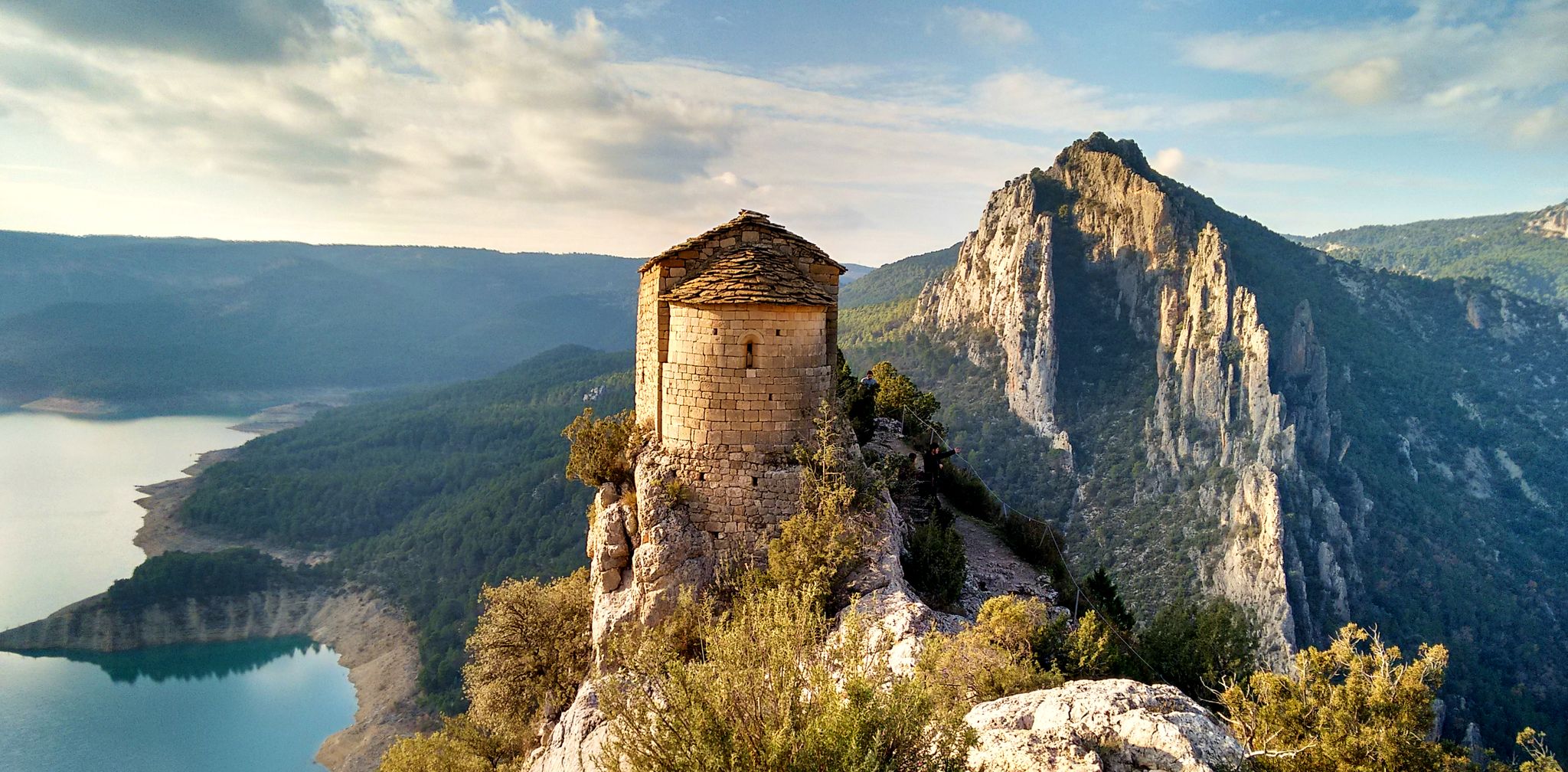
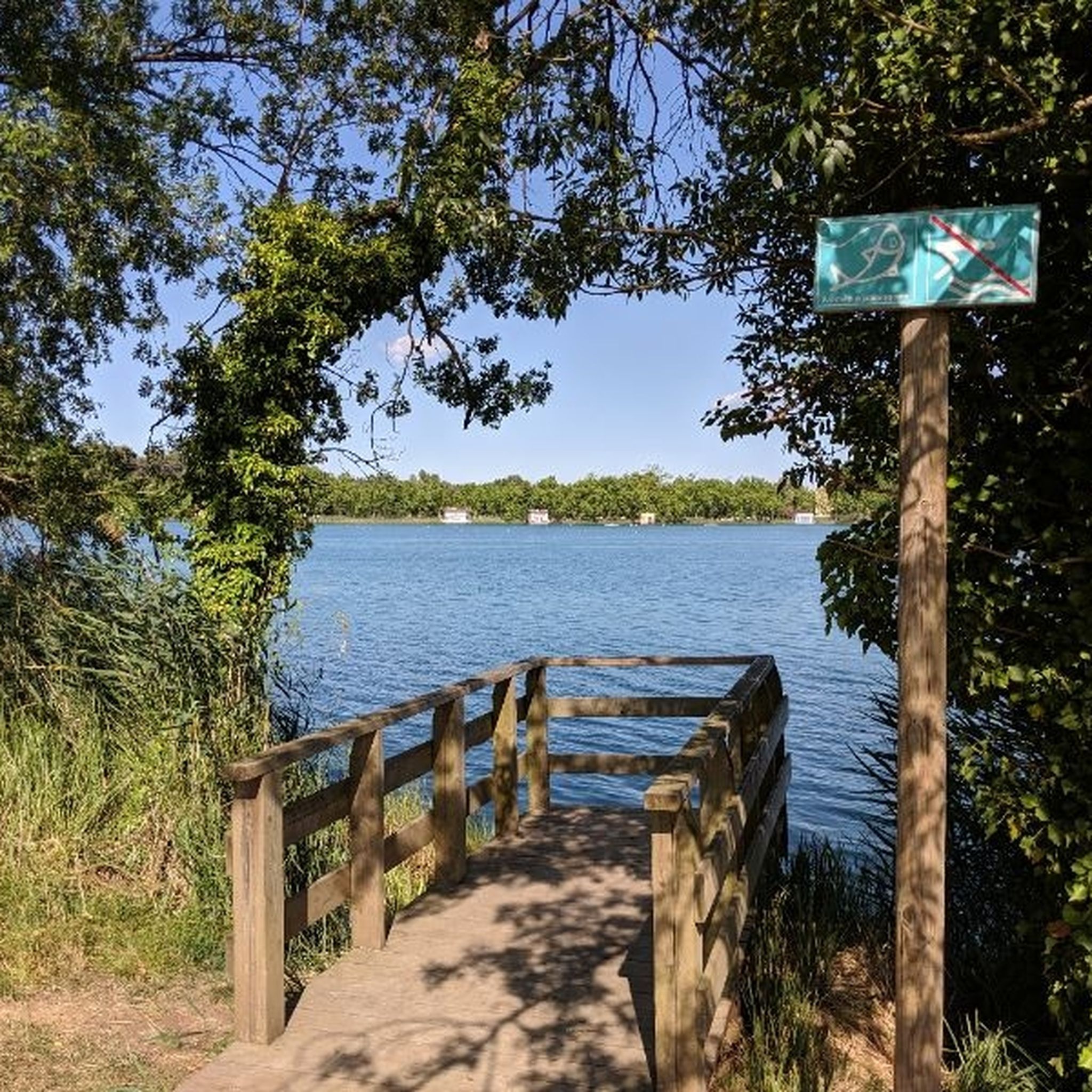
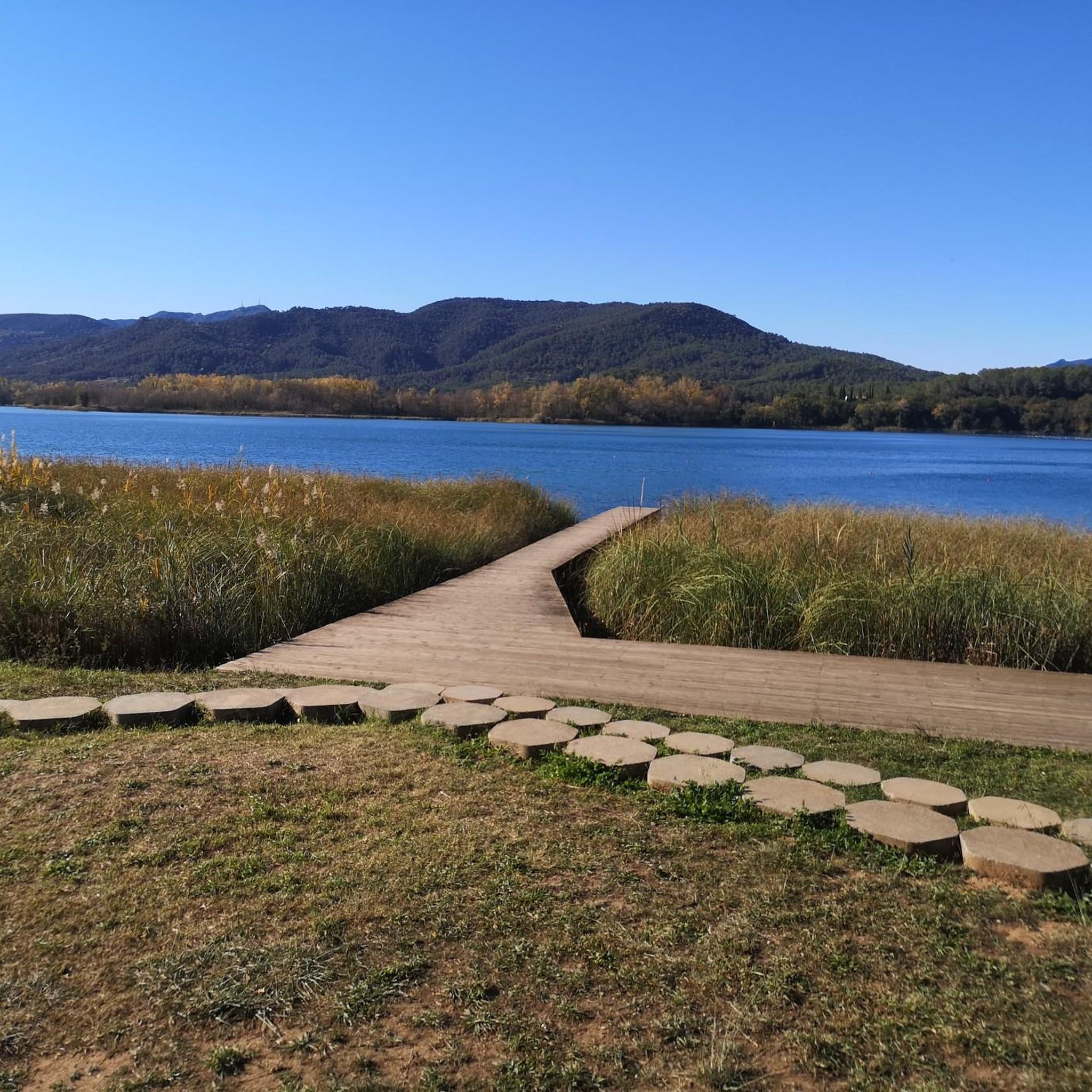
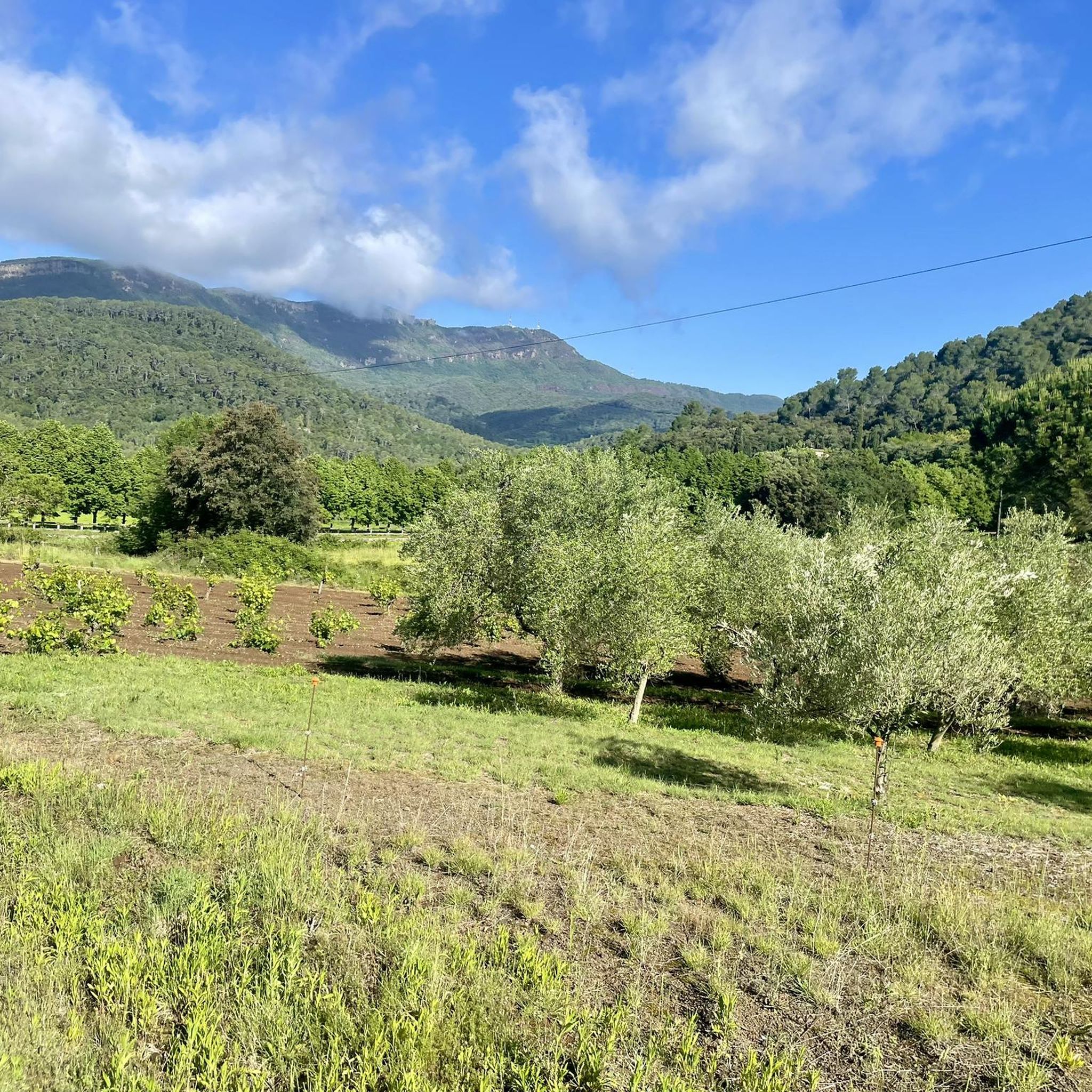

Other adventures around Banyoles

Tips from the Community

The castle in the small town of Palol de Revardit was built in the 15th/16th century, but a castle existed on this site as early as 1074. After 2005, it was extensively renovated. Unfortunately, we could only view it from the outside (on a Saturday afternoon), as all the doors were locked. We would also have liked to visit the interior and the exhibition. We were not able to find out when the castle is open.
0
1

The reconstruction work seems to be finished, today I discovered a small underground entrance, but it leads nowhere.
0
0

Slow down and check out the Roman Church surrounded by medieval wall! Worth a stop! Too easy to ride past it!
1
0

Well I wouldn’t go out of my way to see it!
1
0

Espinavessa is part of the municipality of Cabanelles and, according to the 2011 census, it had 58 inhabitants. One of the most notable points of interest in Espinavessa is the Espinavessa Castle, a medieval fortification built by the Peralada lordship. This castle, which was erected to protect the area from attacks, especially from pirates, is today a historical and tourist monument of great value. From its rooms, you can see the Pyrenees mountains and the Mediterranean coast, which makes it a relevant tourist attraction in the region. The town of Espinavessa is located on the left bank of the Fluvià river, at its confluence with the Sant Jaume stream. Historically, the town was part of the Navata batllia until the 17th century. The population center is compact, with houses dating from the 17th and 18th centuries. Among the places of interest in Espinavessa is the parish church of Sant Llorenç, which dates from the late 18th century but contains earlier elements, such as a Romanesque-style carreu and a 14th-century Gothic tombstone. Another notable place is the Font d'Espinavessa, surrounded by vegetation and formerly used by the town's inhabitants to wash clothes.
2
0
Espinavessa is a small municipality located in the Alt Empordà region, in the province of Girona, Catalonia, Spain. It is part of the municipal area of Cabanelles and, according to the 2011 census, it had 58 inhabitants. One of the most notable points of interest in Espinavessa is the Espinavessa Castle, a medieval fortification built by the Peralada lordship. This castle, which was erected to protect the area from attacks, especially from pirates, is today a historical and tourist monument of great value. From its rooms, you can see the Pyrenees mountains and the Mediterranean coast, which makes it a relevant tourist attraction in the region. The town of Espinavessa is located on the left bank of the Fluvià river, at its confluence with the Sant Jaume stream. Historically, the town was part of the Navata batllia until the 17th century. The population center is compact, with houses dating from the 17th and 18th centuries. Among the places of interest in Espinavessa is the parish church of Sant Llorenç, which dates from the late 18th century but contains earlier elements, such as a Romanesque-style carreu and a 14th-century Gothic tombstone. Another notable place is the Font d'Espinavessa, surrounded by vegetation and formerly used by the town's inhabitants to wash clothes.
2
0

Surprising building at the bend of a bend. Castle - Church very well renovated.
1
0
Frequently Asked Questions
What types of historical structures can I find in Banyoles itself?
Banyoles has a rich medieval past, featuring remnants like the Monastery of Sant Esteve (originally a fort), recovered stretches of its medieval town walls with Gothic gazebos, and the Pia Almoina, a Gothic palace now housing the Archaeological Museum. These reflect its early defensive and historical significance.
Are there traditional castles directly within the town of Banyoles?
While Banyoles has significant medieval heritage and fortifications, it does not feature a prominent, standalone "castle" in the traditional sense within the modern town center that functions as a major tourist attraction. Its historical structures are more integrated into the town's fabric, such as the fortified monastery and town walls.
What are some notable castles easily accessible from Banyoles in the wider Girona province?
For those seeking traditional castles, the wider Girona province offers several impressive examples. These include Castell de Sant Miquel with panoramic views of Girona, the unfinished but strategically located Castell de Montgrí, the well-preserved medieval walled town of Castell de Tossa de Mar, the cultural hub of Castell de Peralada, and the massive 18th-century military fortress of Castell de Sant Ferran in Figueres.
Are there any family-friendly castles to visit near Banyoles?
Yes, several castles in the area are considered family-friendly. For instance, Palol de Revardit Castle and Sant Miquel de Revardit Church and Castle are both categorized as family-friendly. These sites often offer a blend of history and open spaces suitable for families.
What kind of natural features can I expect to see around the castles near Banyoles?
The region around Banyoles is known for its natural beauty. Many castles, like Castell de Sant Miquel, offer panoramic views of the Empordà plain, the Gavarres massif, and the Pyrenees. The area also features rivers like the Fluvià near Espinavessa, and of course, the famous Lake Banyoles itself, which is a prominent natural landmark.
What outdoor activities can I do near these castles?
The area around Banyoles is excellent for outdoor activities. You can enjoy hiking, with routes like the easy Tour around Lake Banyoles. For cyclists, there are options for cycling and gravel biking, including routes around Lake Banyoles and towards medieval villages.
Is there a specific ancient site named Castellet de Banyoles?
Yes, there is an ancient Iberian archaeological site called Castellet de Banyoles. However, it's important to note that despite its name, it is not located in the modern town of Banyoles, Girona. This site from the 3rd century BC is near Tivissa in Tarragona province and features unique pentagonal towers and remnants of a 12th-century medieval castle. You can find more information about it on Wikipedia.
What do visitors enjoy most about the castles around Banyoles?
Visitors appreciate the rich history and architectural details of the castles. Many enjoy exploring the well-preserved structures, such as the Roman Church surrounded by a medieval wall at Sant Miquel de Revardit Church and Castle. The strategic locations often provide stunning views, combining historical interest with natural beauty.
Are there any castles that are currently undergoing archaeological research or reconstruction?
Yes, Castell d'Esponellà is noted as being in the process of archaeological research and reconstruction. Visitors might find it interesting to see the ongoing efforts to uncover and preserve its history.
What is the best time to visit the castles and historical sites in the Banyoles region?
While specific opening hours for each site vary, generally, spring and autumn offer pleasant weather for exploring the castles and their surroundings. These seasons avoid the peak heat of summer and the cooler, potentially wetter days of winter, making outdoor exploration more comfortable.
Can I find a castle that also has a church nearby or integrated into its structure?
Absolutely. Sant Miquel de Revardit Church and Castle is a prime example, featuring a well-renovated castle and church complex where you can explore the Roman Church surrounded by a medieval wall. Similarly, Palol de Revardit Castle and Church also highlights this combination.
Are there any castles that offer views of the Pyrenees mountains or the Mediterranean coast?
Yes, Espinavessa Castle, located in the Alt Empordà region, is known for offering views of both the Pyrenees mountains and the Mediterranean coast from its rooms. This makes it a relevant tourist attraction for its scenic beauty as well as its historical significance.
Most popular routes around Banyoles
Most popular attractions around Banyoles

Get inspired with the komoot mobile app


Explore more
Looking for the best castles somewhere else? Discover other guides around Banyoles:
