Top 9 Lakes around Ayamonte
Best lakes around Ayamonte are characterized by the town's location on the border with Portugal, at the estuary of the Guadiana River. This area features extensive and ecologically significant marshlands and saltwater lagoons. These wetland environments, including natural parks, are notable for their diverse flora and fauna. The region offers unique natural beauty and is a haven for wildlife.
Best lakes around Ayamonte
- The most popular lakes is Odeleite Reservoir, a lake that is considered a rarity. It offers beautiful views despite varying water levels.
- Another must-see spot is Odiel Marshes, a natural monument and UNESCO biosphere reserve. This area is one of the most important tidal areas in Andalusia, known for its significant bird life including more than 6,000 flamingos.
- Visitors also love Beliche Dam, a man-made monument with hiking trails. It provides views of the dam and opportunities for peaceful strolls through farmsteads and orchards.
- Ayamonte is known for its marshlands, saltwater lagoons, and man-made reservoirs. Visitors can explore a variety of aquatic environments, from natural wetlands to engineered water bodies.
- The lakes around Ayamonte are appreciated by the komoot community, with 37 upvotes and 9 photos shared by visitors.
Last updated: May 7, 2026
Odiel Marshes
Highlight • Natural Monument
Translated by Google •
Tip by

Odeleite Dam
Highlight • Lake
Sign up now to discover places like this
Get recommendations on the best single tracks, peaks, & plenty of other exciting outdoor places.
Sign up for free
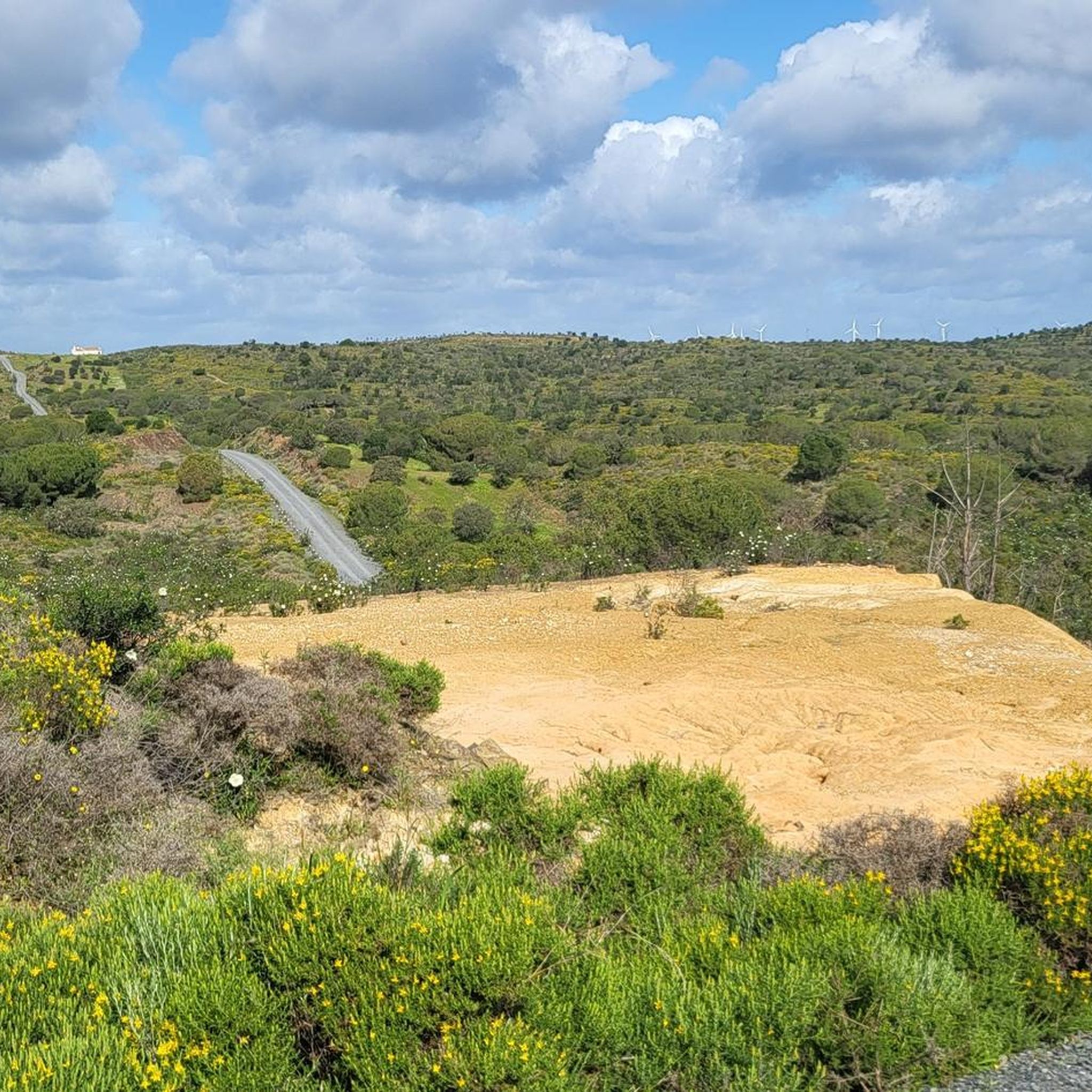
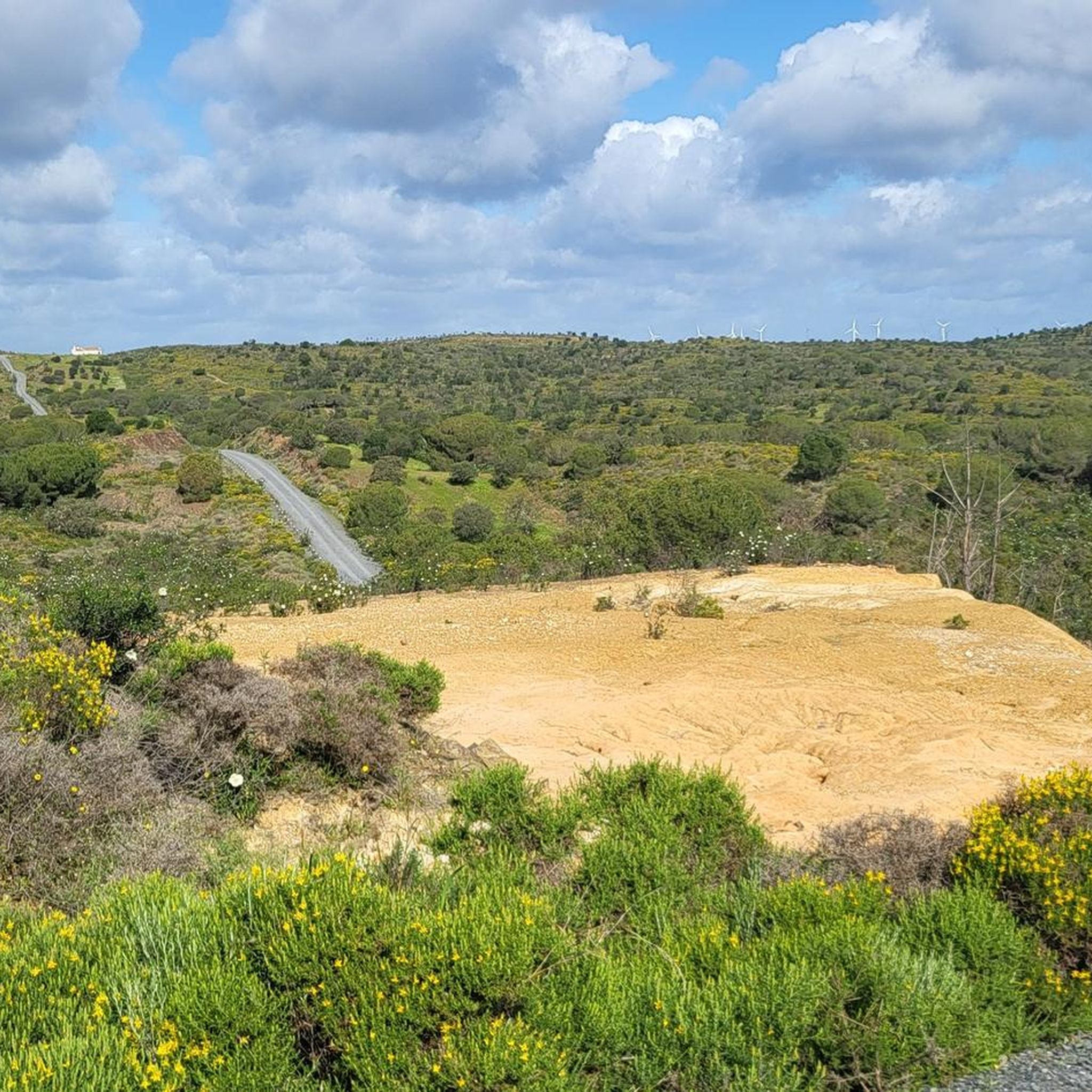
View of the Beliche Dam
Highlight • Viewpoint
Tip by

Odeleite Reservoir
Highlight • Lake
Translated by Google •
Tip by

Flamingos
Highlight • Lake
Translated by Google •
Tip by

Sign up for free to discover even more lakes around Ayamonte.
Sign up for free
Already have an account?
Start today with a free account
Your next adventure awaits.
Login or Signup

Tips from the Community

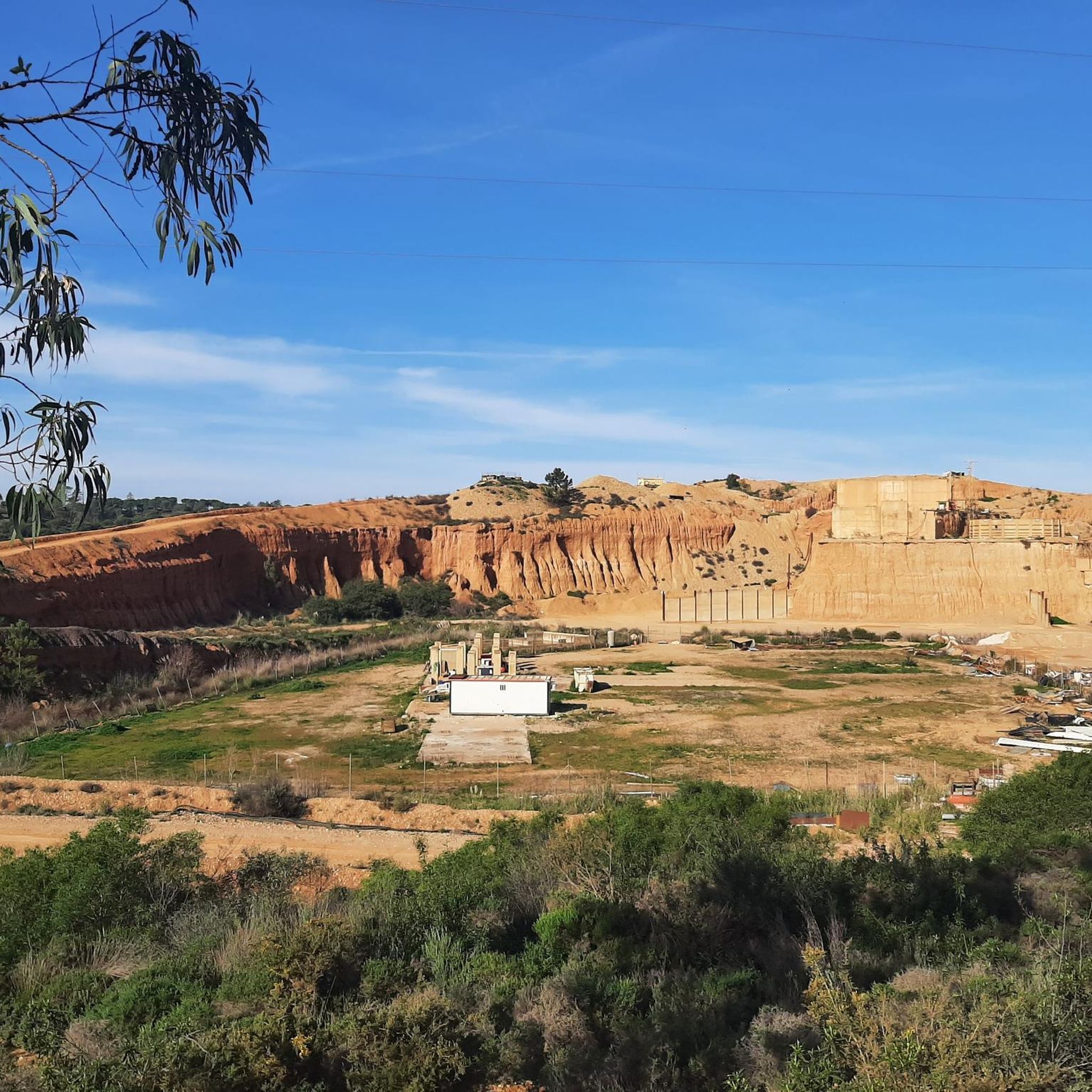
The descent from the other side of the dam should be considered OFF-ROAD as it is falling apart… The view of the dam from this side is great…
0
0

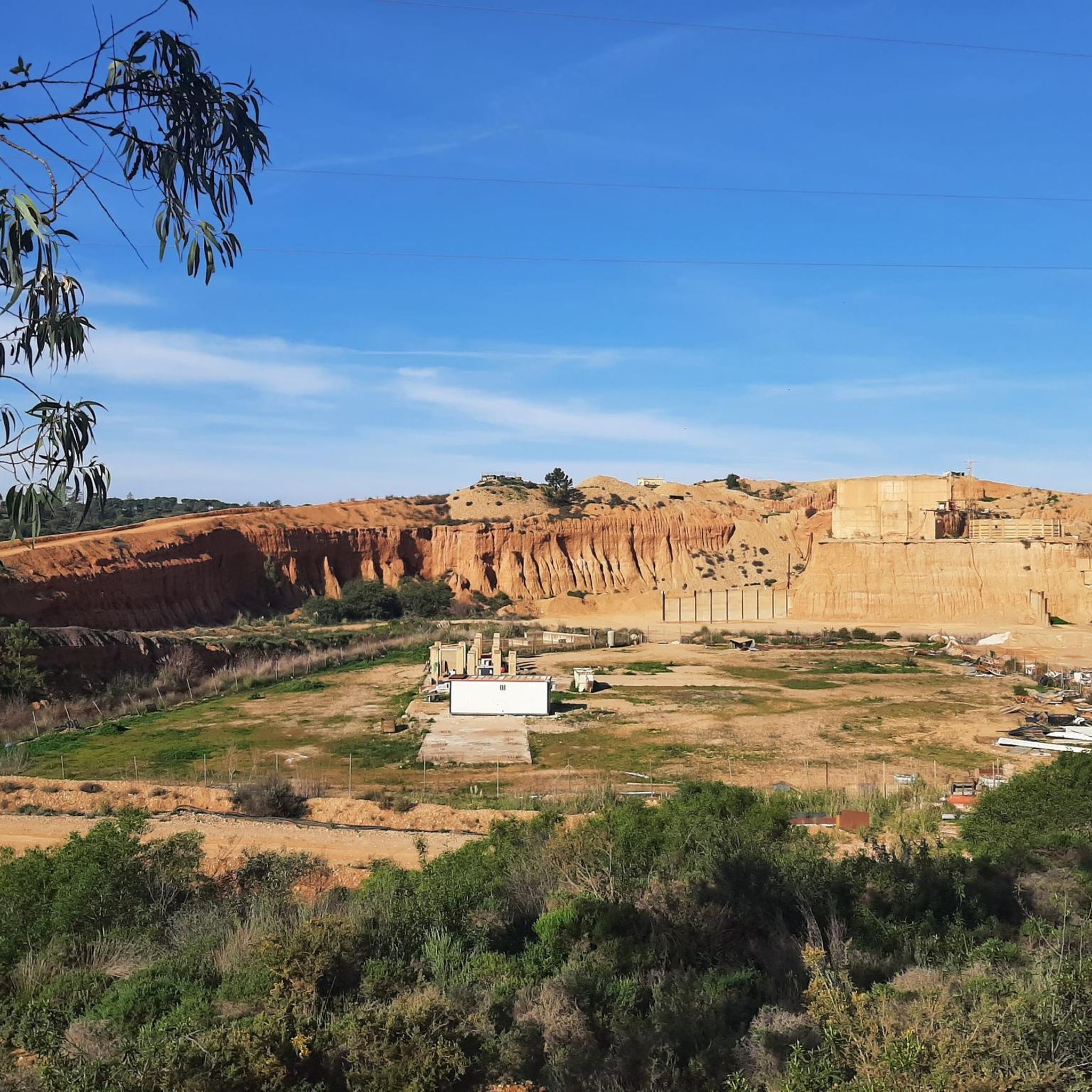
Beautiful reservoir with partly low water levels...
1
0

Flamingos are characterized by their long neck, hooked beak and pink plumage. The family has six species
5
0
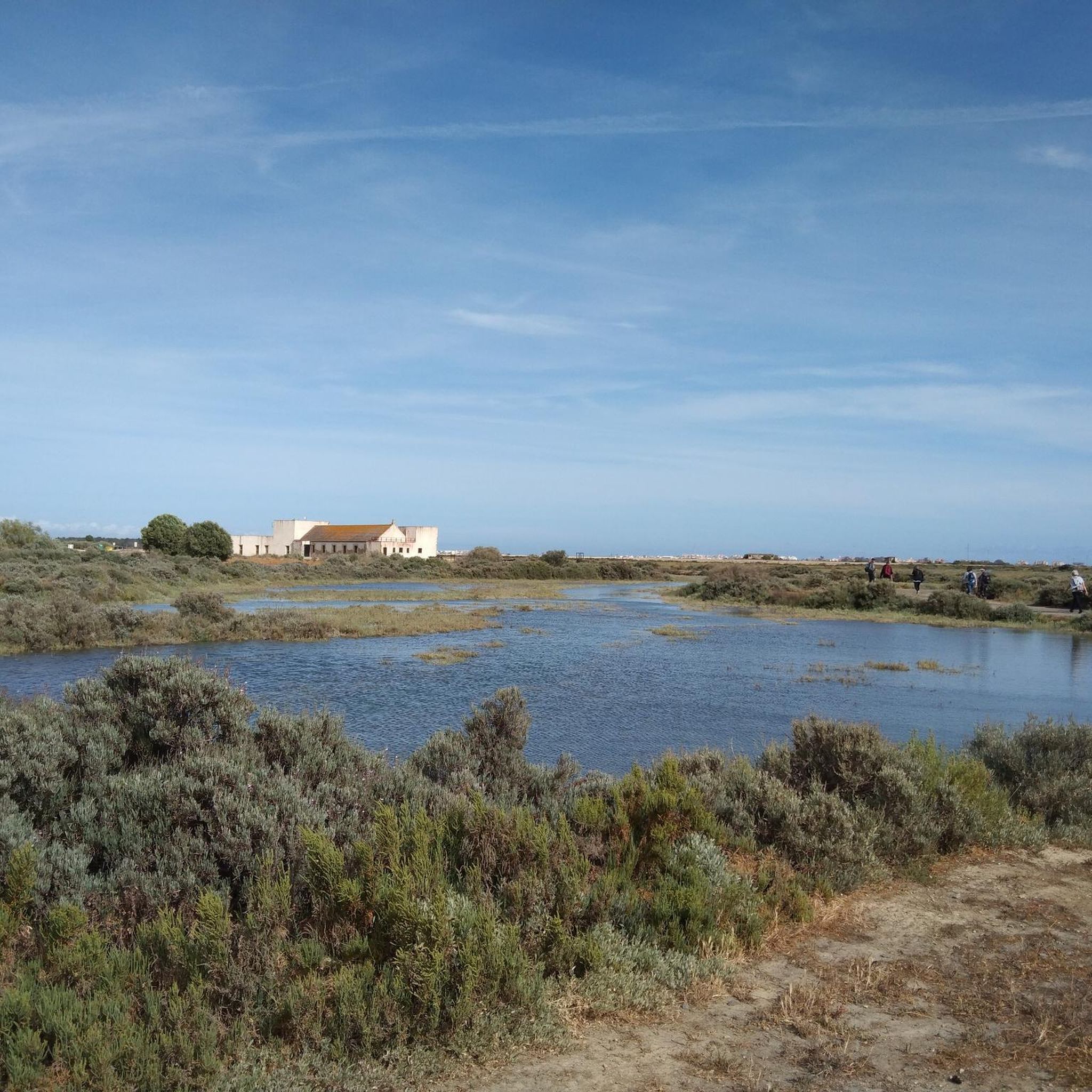
In 1984, an artificial island was constructed in the swamp area, partly to improve bird life. More than 6,000 flamingos now reside in the Odiel marshes, making it the second largest colony in Spain.
1
0

The Odiel marshes are a Unesco biosphere reserve and a natural area located at the mouth of the Odiel river. These wetlands originated from the sedimentary processes coming from the mouth of the Tinto and Odiel rivers together with the dynamics of contributions from the Atlantic Ocean, which gradually formed a large estuary, making the area one of the most important tidal areas in Andalusia. .
2
0

Even with relatively low level of water is worth to ride from VRSA
1
0

a rarity, but worth its weight in gold
1
0

Odeleite reservoir, currently with too little water.
1
0
Frequently Asked Questions
What kind of aquatic environments can I expect around Ayamonte?
Ayamonte is unique for its extensive marshlands, estuaries, and a notable freshwater lagoon, rather than traditional large lakes. The region is characterized by the mouth of the Guadiana River, forming a border with Portugal, and features ecologically significant wetlands. You'll find a mix of natural wetlands and some man-made reservoirs.
Are there any significant natural parks or reserves to visit near Ayamonte?
Yes, the most significant is the Marismas de Isla Cristina Natural Park, a vast area of marshlands between Ayamonte and Isla Cristina. It's a critical ecosystem formed by river sedimentation and Atlantic tides, crucial for nesting water birds. Another important area is Odiel Marshes, a natural monument and UNESCO biosphere reserve, known as one of the most important tidal areas in Andalusia.
Where can I see flamingos and other birdlife around Ayamonte?
The Odiel Marshes are an exceptional spot for birdwatching, home to more than 6,000 flamingos, making it the second-largest colony in Spain. The Marismas de Isla Cristina Natural Park also offers excellent opportunities to observe diverse bird species, including flamingos and storks, with observation points available.
Are there any man-made lakes or reservoirs worth visiting near Ayamonte?
Yes, the Odeleite Reservoir is considered a rarity and offers beautiful views, even with varying water levels. You can also visit the View of the Beliche Dam, a man-made monument with opportunities for peaceful strolls through farmsteads and orchards.
What are the best places for walking or hiking near these aquatic areas?
The Marismas de Isla Cristina Natural Park offers a network of paths suitable for walking, cycling, or horseback riding, including the accessible Coastal Green Road. The Beliche Dam area also has hiking trails. For more structured routes, you can explore the Hiking around Ayamonte guide, which includes trails like the 'Nice view – Endless Beach loop'.
Are there family-friendly options for visiting the lakes and natural areas?
Absolutely. The Odiel Marshes and Odeleite Reservoir are both listed as family-friendly. The Marismas de Isla Cristina Natural Park is also great for families, offering easy paths and birdwatching opportunities. Some coastal areas like Playa de la Punta del Caimán have calm, shallow waters ideal for families.
Can I find accessible routes or facilities near the lakes?
Yes, the Odeleite Reservoir is noted as wheelchair accessible and has facilities. Within the Marismas de Isla Cristina Natural Park, the Coastal Green Road, an old railway line, provides a flat and accessible route through the marshland, suitable for various mobility levels.
What is the best time of year to visit the lakes and marshlands around Ayamonte?
The region's natural beauty and birdlife are prominent throughout the year. However, for comfortable hiking and optimal birdwatching, spring and autumn offer milder temperatures. Summer can be hot, but the coastal areas provide refreshing options. The marshlands are particularly vibrant during migratory bird seasons.
Are there opportunities for cycling or mountain biking near the lakes?
Yes, the Marismas de Isla Cristina Natural Park has a network of paths suitable for cycling, including the Coastal Green Road. For dedicated routes, check out the MTB Trails around Ayamonte guide or the Gravel biking around Ayamonte guide. These include routes like the 'Guadiana River – La Zaballa Picnic Area loop' and 'Odiel Marshes – Puerto de Ayamonte loop'.
Can I go wild swimming in any of the aquatic areas near Ayamonte?
While the marshlands and estuaries are primarily for nature observation and not swimming, some coastal areas near Ayamonte offer calm, shallow waters that are ideal for swimming. For example, Playa de la Punta del Caimán near Isla Cristina provides tranquil conditions due to protection from breakwaters and sandbars, resembling inland lakes.
What do visitors enjoy most about the aquatic areas around Ayamonte?
Visitors particularly appreciate the unique natural beauty and the rich biodiversity, especially the abundant birdlife, including flamingos. The serene landscapes, opportunities for peaceful walks, and the blend of natural wetlands with man-made reservoirs like Odeleite Reservoir are highly valued. The region's strategic location at the Guadiana River estuary also offers picturesque views.
Most popular routes around Ayamonte
Most popular attractions around Ayamonte

Get inspired with the komoot mobile app


Explore more
Still not found your perfect lake around Ayamonte? Check out the guides of these regions to see even more beautiful places.
