Top 8 Castles around Xàtiva
Best castles around Xàtiva are situated in a region known for its historical significance and strategic elevated positions. The area features fortifications that have commanded the ancient Via Augusta, offering panoramic views over the Bixquert valley and surrounding mountains. These structures showcase a blend of Iberian, Roman, Islamic, and Gothic architectural styles, reflecting over two millennia of history. The terrain around Xàtiva provides varied walking routes for exploring these historical sites.
Best castles around Xàtiva
- The most popular castles is…
Last updated: July 4, 2026
Castell de Xàtiva
Highlight • Castle
Translated by Google •
Tip by

Castle of La Encomienda de Enguera
Highlight • Castle
Translated by Google •
Tip by

Sign up now to discover places like this
Get recommendations on the best single tracks, peaks, & plenty of other exciting outdoor places.
Sign up for free
Sun Tower of Xàtiva
Highlight • Castle
Translated by Google •
Tip by
Marinyén Castle
Highlight • Castle
Translated by Google •
Tip by

Lower Entrance of Marinyén Castle
Highlight • Castle
Tip by

Sign up for free to discover even more castles around Xàtiva.
Sign up for free
Already have an account?
Start today with a free account
Your next adventure awaits.
Login or Signup
Popular around Xàtiva
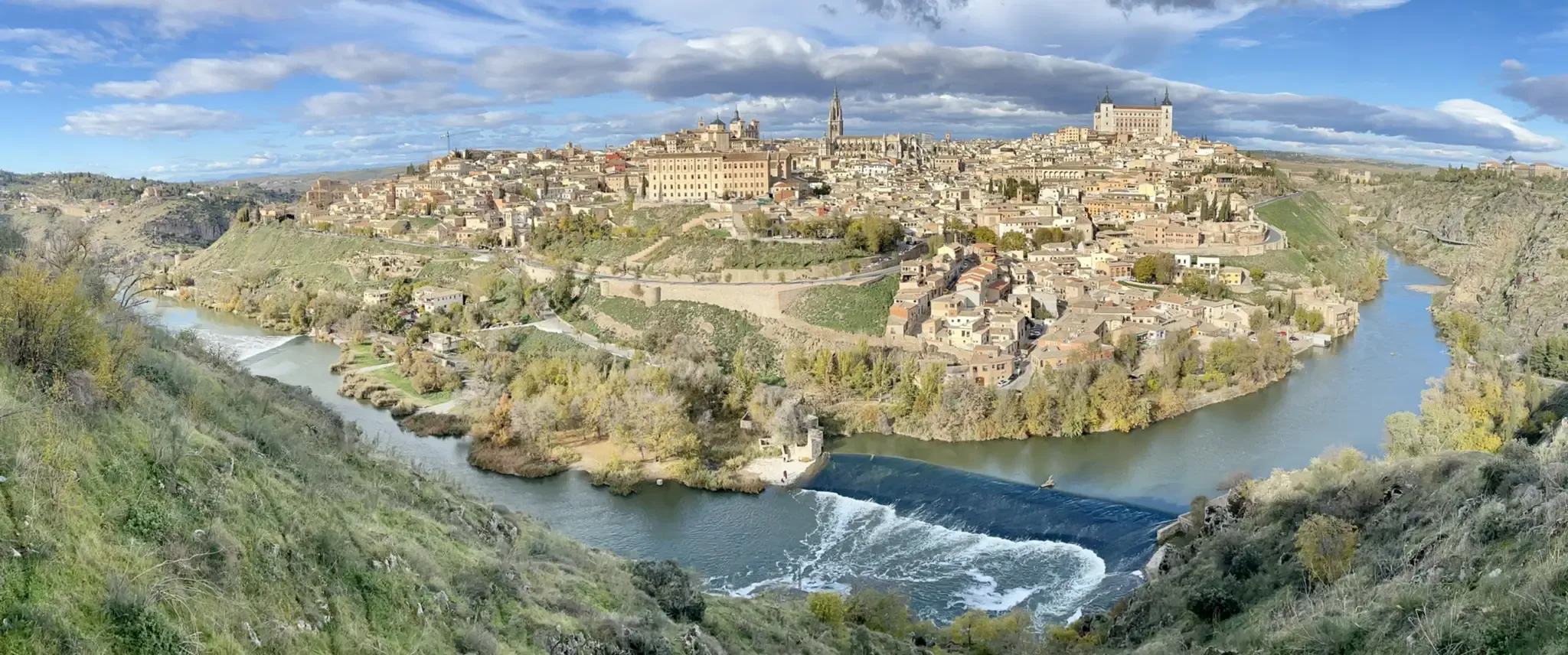
A journey to the interior of the Iberian Peninsula – Levante Way (GR 239)
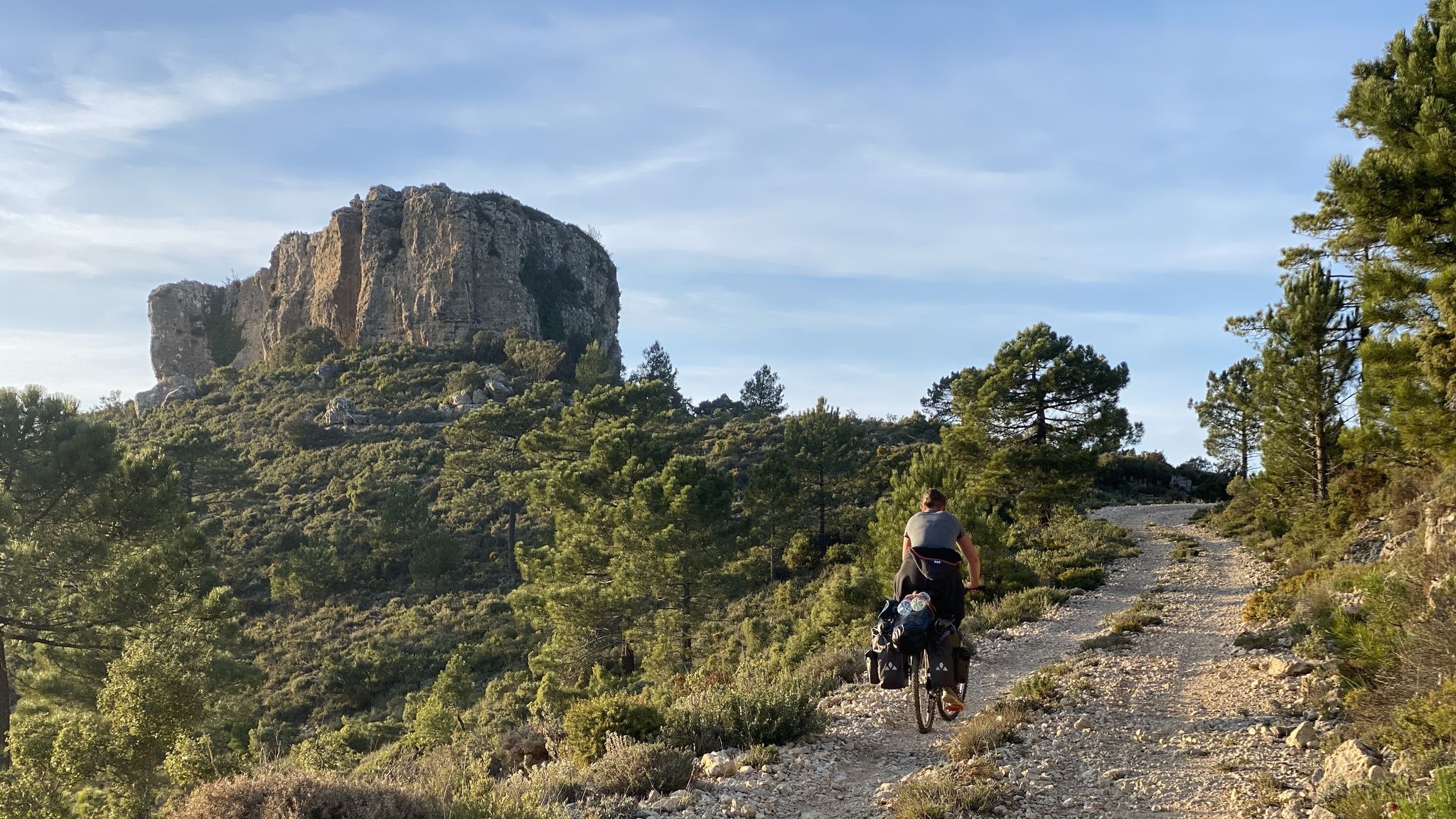
The unknown face of Valencia – Caroig Massif
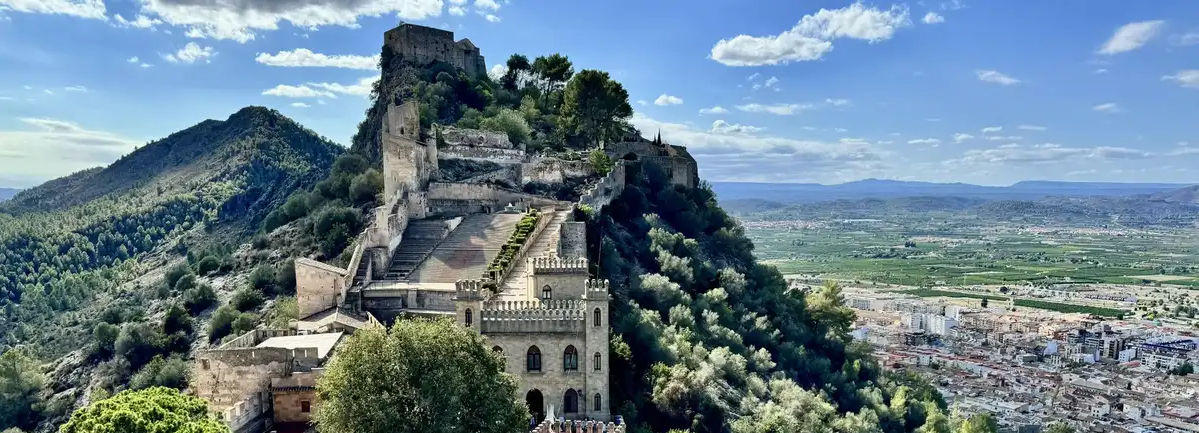
The Way of El Cid by bicycle – La Defensa del Sur (The Defence of the South)
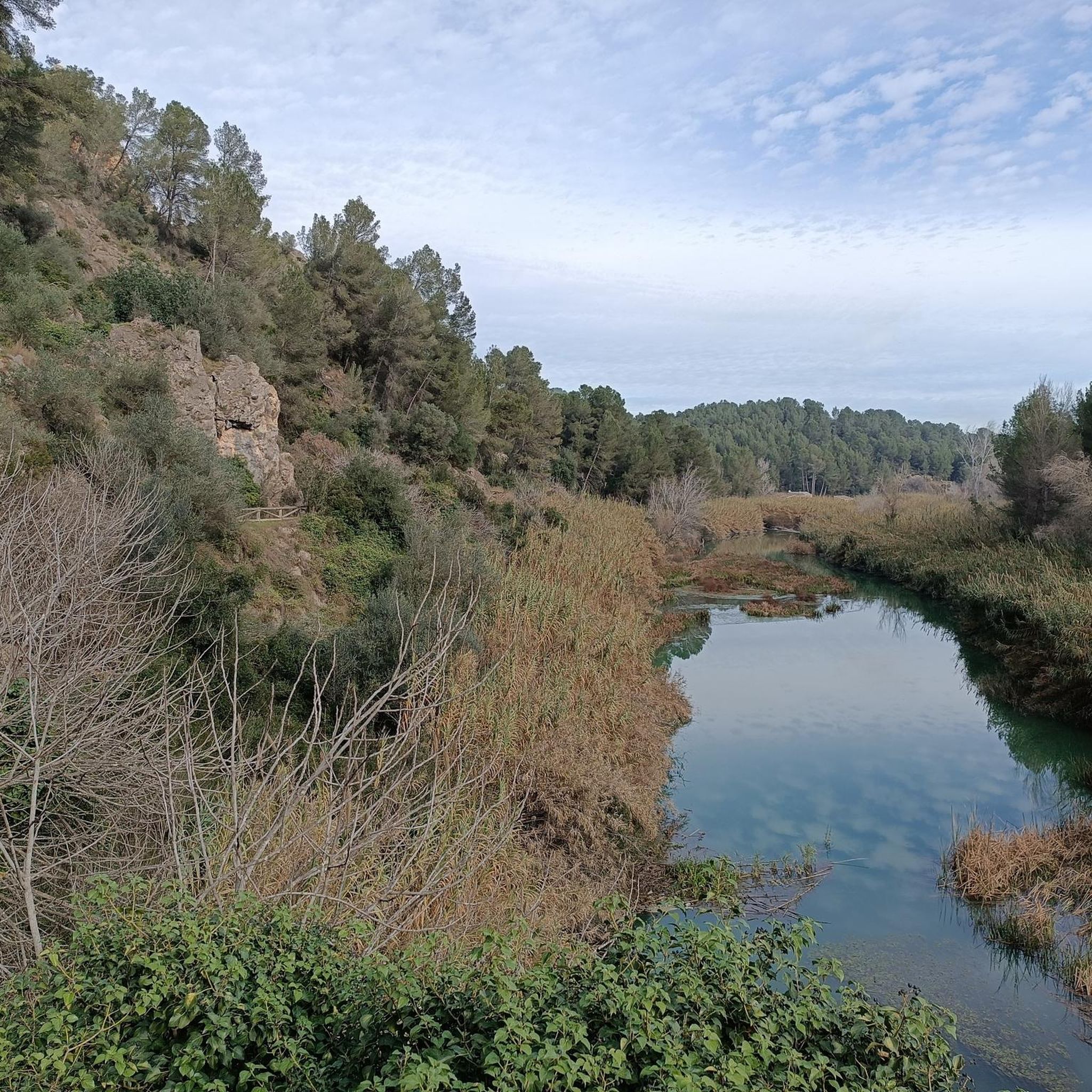
Road Cycling Routes around Xàtiva
Hiking around Xàtiva
MTB Trails around Xàtiva
Running Trails around Xàtiva
Cycling around Xàtiva

Gravel biking around Xàtiva
Other adventures around Xàtiva


Tips from the Community

The castle can be considered of Muslim origin, possibly built between the 11th and 12th centuries.
0
0
Different sections of walls can be seen that delimit a double enclosure. The lower one, with an irregular polygonal plan, preserves numerous Islamic remains and forms an antewall at the foot of the main castle. Most of the lower enclosure adapts to the terrain, and you can still see some rectangular towers, which are quite damaged, as well as some previous lower defense, even more damaged. The main enclosure is almost rectangular and is located at the top of the mountain, presenting remains of walls and angular towers, which appear to date from the Christian era, manufactured in lime and stone, highlighting to the south an advanced tower with arrow slits. In this area there is a bastion with two towers. In the center of this high enclosure, there are the remains of a large tower.
0
0

Castle of Enguera 381 SHARED The Castle of Enguera rises on a hill close to the town, a place from which to enjoy beautiful views, accessible hiking routes or a nearby via ferrata of 300 meters, the Via Ferrata Fuente Godalla (on the via ferrata you can park and climb castle).
0
0

Impressive facility and fantastic views
1
0

Impressive castle that is located on one of the mountains that is surrounded by torrents and difficult to access. It has also always been called the Mora Queen's castle.
2
0

After a steep hike up you come to the lower wall entrance to the outer ring of the Castell. There is still a very steep climb up to the inner castell itself
0
0

Wonderful place worth visiting and exploring. The Castell has a unique value for the entire Valencian Community since it was once one of the strongest and strategic points of the ancient Kingdom of Valencia. Today it offers amazing views of the entire La Costera valley and you cannot miss visiting it from the inside. To get there you will travel part of the Via Augusta, an ancient and well-known route that linked Rome with Cartagena and Cádiz, running along the Mediterranean coast and crossing the Pyrenees.
2
0
It is an Almohad tower from the 13th century that was part of the defense wall of the castle of Xàtiva. Its name is due to its orientation since it is given the first rays of the sun of the day. It consists of a rectangular floor plan with its peculiar semicircular side. It has two floors and an attached cistern.
4
0
Frequently Asked Questions
What makes Xàtiva Castle historically significant?
Xàtiva Castle is renowned for its rich history spanning over two millennia. It commanded the ancient Via Augusta, making it a crucial strategic stronghold linked to Hannibal's campaigns, Roman conquest, Islamic rule, and Christian re-conquest. Its dual-castle design (Castell Menor and Castell Major) made it particularly formidable, playing a vital role in numerous conflicts throughout history.
What architectural styles can be seen at Xàtiva Castle?
The castle is a blend of Iberian, Roman, Islamic, and Gothic architectural styles. This reflects the successive cultures that occupied and modified the fortress over centuries, each leaving its distinct mark on the ramparts, towers, gates, and internal structures.
Are there other notable castle ruins or historical sites near Xàtiva?
Yes, beyond the main fortress, you can explore other historical sites. The Sun Tower of Xàtiva, an Almohad tower from the 13th century, was part of the castle's defense wall. Further afield, you can visit the Castle of La Encomienda de Enguera, which features sections of walls with both Islamic and Christian era remains, offering beautiful views towards La Ribera Alta. Another impressive ruin is Marinyén Castle, also known as the Mora Queen's castle.
What kind of views can I expect from Xàtiva Castle?
Perched 310 to 389 meters above the city, Xàtiva Castle offers breathtaking panoramic views. From its ramparts and towers, you can see Xàtiva city, the expansive Bixquert valley, surrounding mountains, and even the border with Castile. The Castell Menor, the oldest part, provides fantastic views of the Bixquert valley.
Are there hiking trails around Xàtiva Castle?
Yes, there are several hiking trails that allow you to explore the area around Xàtiva Castle. For example, the 'Sun Tower of Xàtiva – Xàtiva Castle loop from Xàtiva' is an easy 4.4 km route. You can find more options and detailed routes in the Hiking around Xàtiva guide.
What other outdoor activities can I do near the castles in Xàtiva?
Besides hiking, the region around Xàtiva offers various outdoor activities. You can find several running trails, such as 'El Castell de Xativa -- Trail run circular' (7.3 km, difficult), and cycling routes like 'Molí Guarner – Cova Negra loop from Xàtiva' (46.8 km, difficult). Explore more options in the Running Trails around Xàtiva and Cycling around Xàtiva guides.
Is Xàtiva Castle suitable for families with children?
Yes, Castell de Xàtiva is considered family-friendly. Its expansive nature allows for exploration, and children can enjoy discovering the ramparts, towers, and historical structures. The site offers facilities, making it a good option for a family outing.
What is the best time of year to visit Xàtiva Castle?
The best time to visit Xàtiva Castle is typically during the spring (April-May) or autumn (September-October). During these seasons, the weather is milder and more pleasant for exploring the outdoor fortress and its surrounding trails. Summers can be very hot, and winters can be cooler, though generally still suitable for visits.
Are there any cafes or restaurants near Xàtiva Castle?
While there might not be cafes directly at the castle entrance, the city of Xàtiva, located just below the castle, offers a variety of cafes and restaurants. You can find options in Xàtiva's old town to enjoy a meal or a drink before or after your visit to the castle.
How can I get to Xàtiva Castle?
Xàtiva Castle is located above the city of Xàtiva. You can reach it by car, with parking available near the entrance. Alternatively, you can take public transport to Xàtiva city and then walk up to the castle, which is a popular and scenic option, or use local taxi services.
Can I bring my dog to Xàtiva Castle or on nearby trails?
While specific rules for dogs inside Xàtiva Castle may vary, many outdoor trails around the castle and in the Xàtiva region are generally dog-friendly. It's always advisable to keep dogs on a leash and ensure you clean up after them. Check local signage for any restrictions.
Are there any wheelchair accessible sections at Xàtiva Castle?
Due to its historical nature and location on a steep ridge, Xàtiva Castle has limited wheelchair accessibility. The terrain includes uneven surfaces, stairs, and steep inclines. Visitors with mobility challenges may find certain areas difficult to navigate.
What are the main parts of Xàtiva Castle that I can explore?
Xàtiva Castle is a twin fortress divided into two main parts: the older Castell Menor and the larger Castell Major. Within these, you can explore imposing ramparts, various gates (like Porta Ferrissa and Puerta de Aníbal), historical structures such as soldiers' accommodations, chapels (including the beautiful chapel of Saint George), and prison cells. The Plaza de Armas connects the two sections.
Most popular attractions around Xàtiva

Get inspired with the komoot mobile app


Explore more
Looking for the best castles somewhere else? Discover other guides around Xàtiva:
