Top 5 Lakes around Saint-Aybert
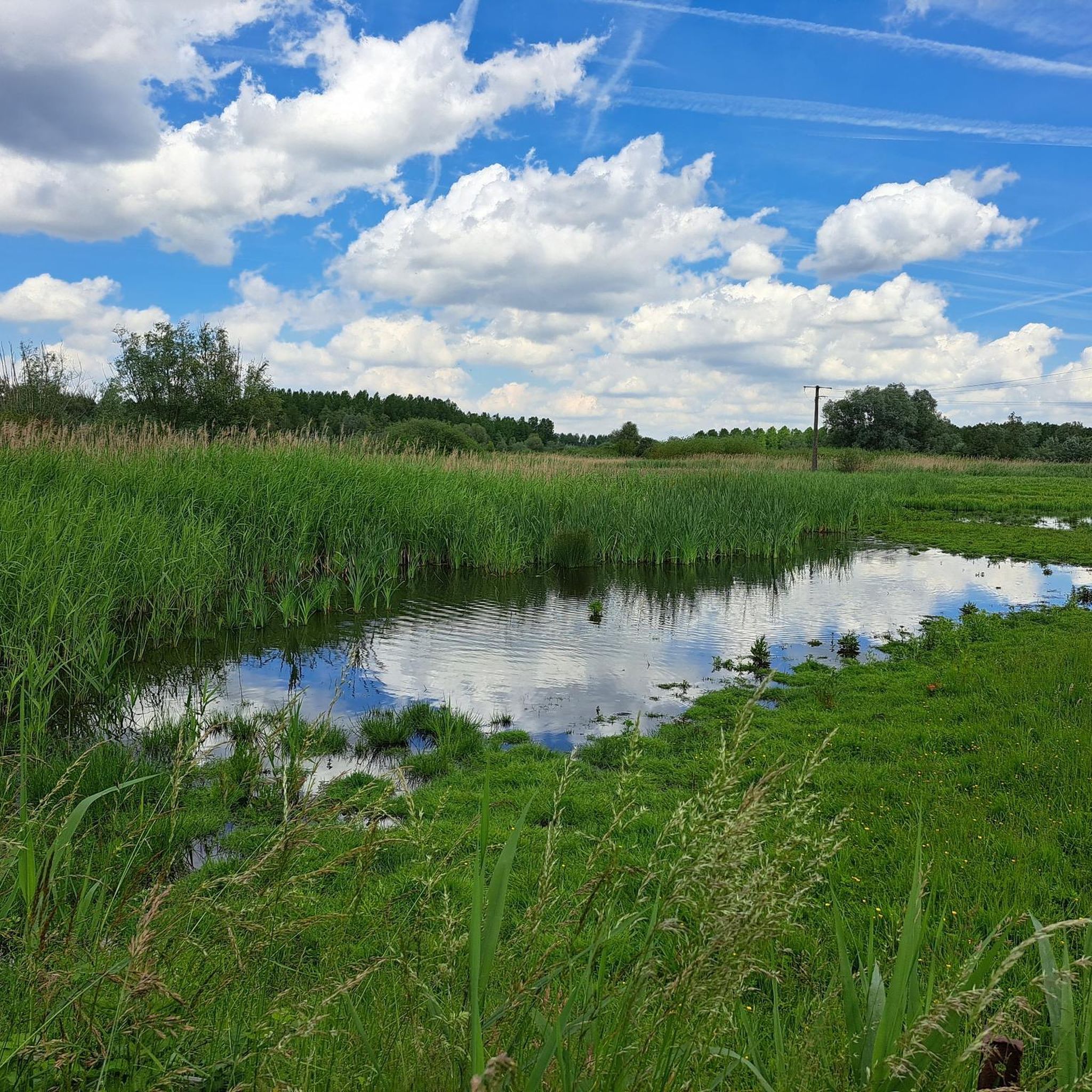
Lakes around Saint-Aybert are primarily found in the surrounding region, as the commune itself does not feature prominent natural lakes. The area is characterized by a landscape shaped by historical mining activities, which have led to the formation of several artificial ponds and wetlands. These water bodies contribute to the local natural environment, offering habitats for diverse flora and fauna. Outdoor activities near Saint-Aybert often involve exploring these water features and their surrounding trails.
Best lakes around Saint-Aybert
- The most…
Last updated: July 4, 2026
Marais d'Harchies-Hensies-Pommerœul Nature Reserve
Highlight • Natural Monument
Translated by Google •
Tip by

Étang Chabaud-Latour
Highlight • Lake
Translated by Google •
Tip by

Sign up now to discover places like this
Get recommendations on the best single tracks, peaks, & plenty of other exciting outdoor places.
Sign up for free
Lake Bernissart
Highlight • Lake
Translated by Google •
Tip by

Beloeil small pond
Highlight • Lake
Translated by Google •
Tip by

View of the pond
Highlight • Lake
Translated by Google •
Tip by

Start today with a free account
Your next adventure awaits.
Login or Signup

Tips from the Community

Attention change of regulation, a part of the reserve is forbidden to bicycles. I saw it this morning.
0
0

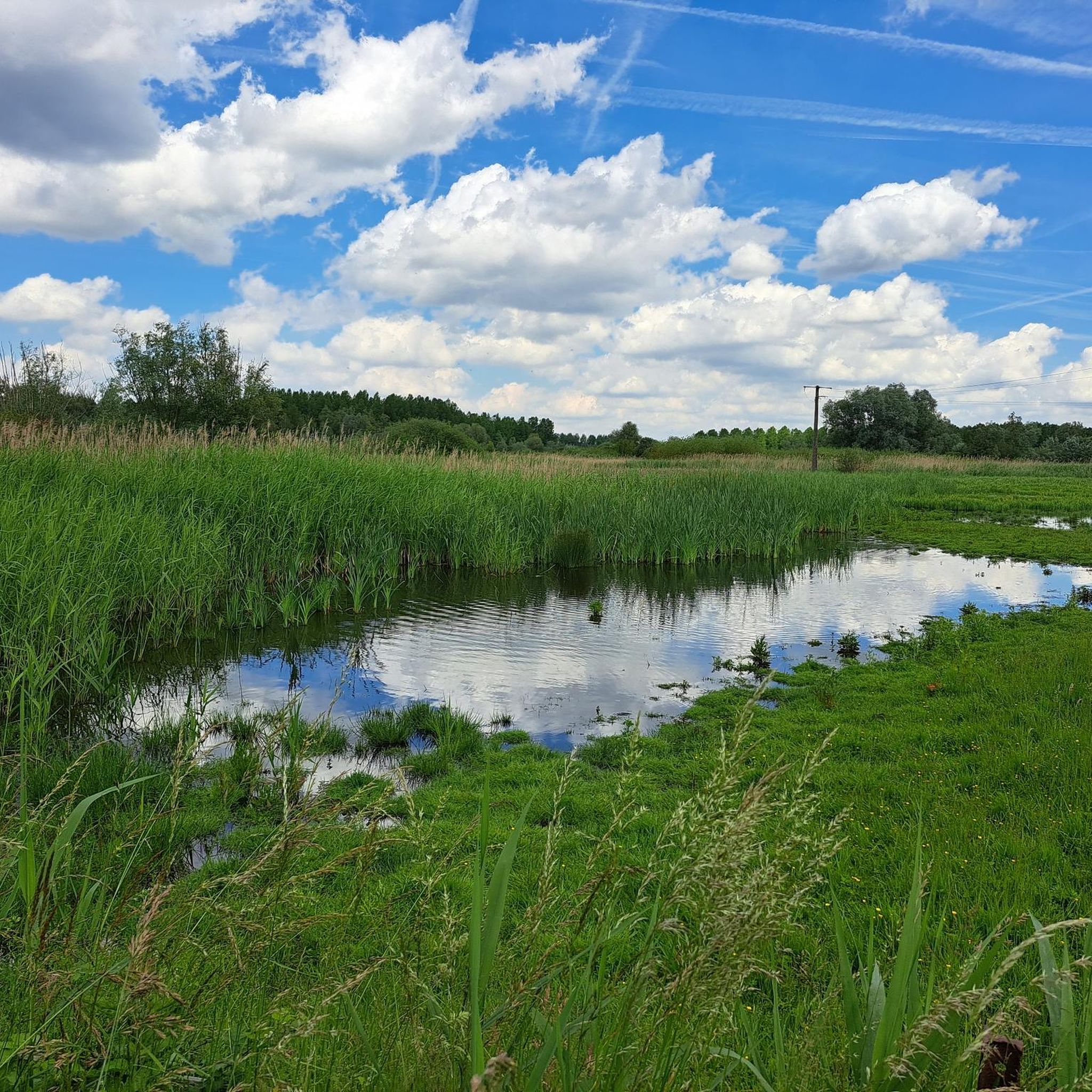
The Duck Farm was formerly part of the large park of the Princes of Ligne's castle; it was here that ducks were hunted to grace the tables of the lords of the manor, hence its name. Nowadays, it is a haven for amphibians, dragonflies, and other insects.
0
0


great route organized by the tourist office this Sunday, June 15, 2025, with stops at interesting places of passage (bird viewpoint, headframe, Conde monuments)
1
0

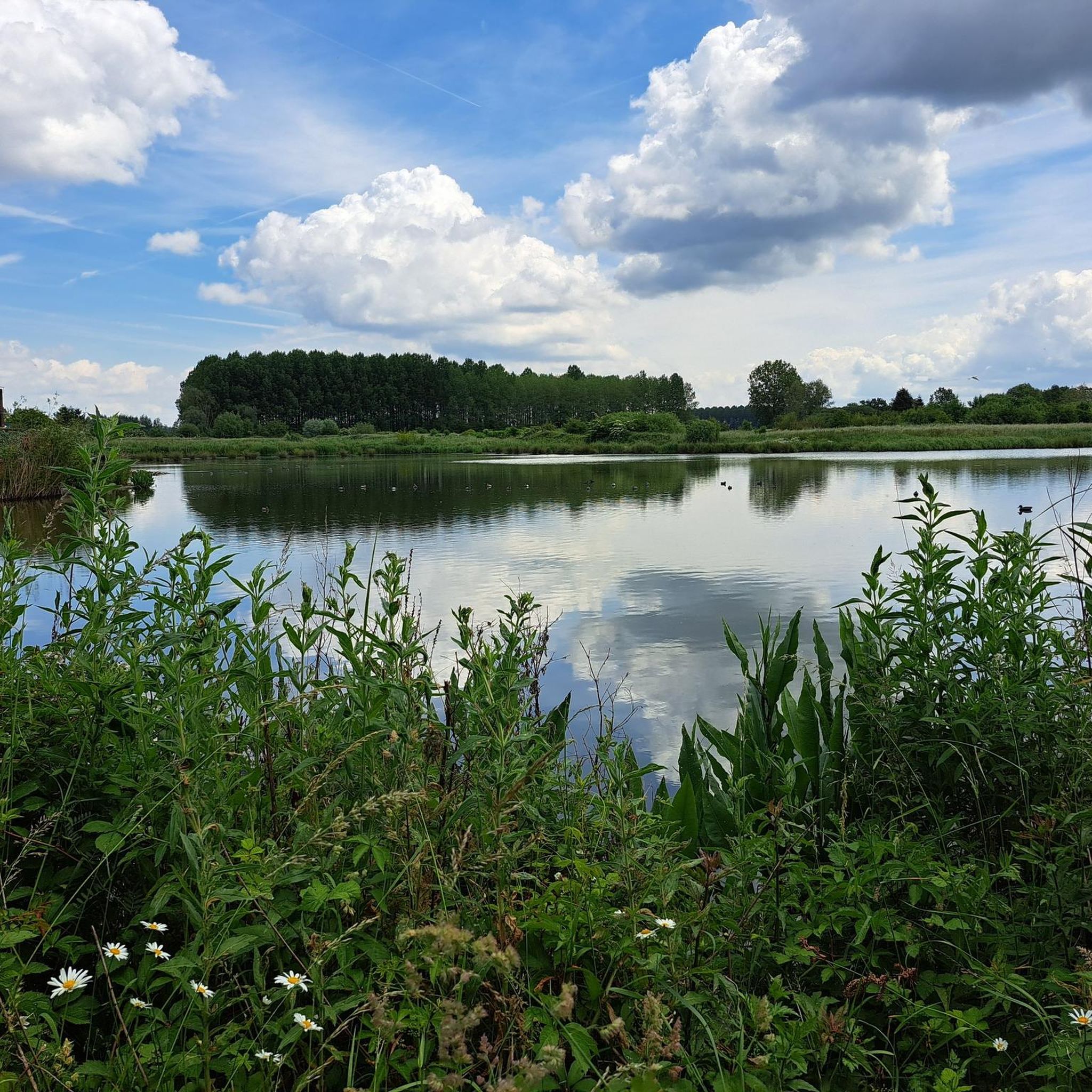
An easy 8 km hike around a beautiful pond. Lots of birds.
0
0

Well-known Carp Fishing Pond. In Spring and Summer way too busy & everyone crammed together
0
0

Take a break here to admire the idyllic landscapes at the water's edge. The Chabaud-Latour pond is a very rich natural site. Many species of birds stop there during their migration or reside there all year round.
2
0
Frequently Asked Questions
What kind of natural features can I expect to see around the lakes near Saint-Aybert?
The lakes in this region, particularly within the Scarpe-Escaut Regional Nature Park, are often former mining sites that have been reclaimed by nature. You'll find extensive wetlands, reed-covered areas, and diverse habitats for flora and fauna. Notable examples include the Marais d'Harchies-Hensies-Pommerœul Nature Reserve, known for its wetlands, and Étang Chabaud-Latour, a rich natural site for birds.
Are there good opportunities for birdwatching near Saint-Aybert?
Yes, the region is excellent for birdwatching, especially at the Marais d'Harchies-Hensies-Pommerœul Nature Reserve. This reserve is the largest reed-covered area in Wallonia and hosts over 300 bird species, with about 100 breeding there. Étang Chabaud-Latour is also a significant stopover for many migratory birds.
What outdoor activities are available around the lakes?
You can enjoy various outdoor activities such as walking, hiking, and cycling. The area offers numerous trails through natural landscapes. For specific routes, you can explore options like hiking around Saint-Aybert, gravel biking, or road cycling routes, many of which pass by or around the lakes.
Are there family-friendly options for visiting the lakes?
Absolutely. Lakes like Étang Chabaud-Latour and Lake Bernissart are considered family-friendly. Étang Chabaud-Latour offers a well-appointed children's park and a 7 km walk around its perimeter, suitable for families.
Can I bring my dog on trails around the lakes?
Many trails in the Scarpe-Escaut Regional Nature Park and around the lakes are dog-friendly. It's always recommended to keep your dog on a leash, especially in nature reserves, to protect local wildlife and ensure a pleasant experience for all visitors.
What is the best time of year to visit the lakes near Saint-Aybert?
The lakes and natural parks in the Nord-Pas-de-Calais region are beautiful year-round. Spring and autumn offer pleasant temperatures for outdoor activities and are ideal for birdwatching due to migration periods. Summer is great for longer walks and enjoying the lush greenery, while winter can provide a serene, quiet experience.
Are there accessible paths around any of the lakes?
The Marais d'Harchies-Hensies-Pommerœul Nature Reserve has sections that are wheelchair accessible, allowing a wider range of visitors to enjoy its natural beauty. For other lakes, paths may vary in terrain, so checking specific route details beforehand is advisable.
Where can I find hiking trails near the lakes?
Numerous hiking trails are available throughout the region. You can find a variety of routes, from easy to moderate, that explore the natural areas around the lakes. For detailed options, refer to the Hiking around Saint-Aybert guide, which includes trails like the "Étang Chabaud-Latour – Black Dyke Pond loop".
Are there any historical or cultural landmarks near the lakes?
The region's lakes often have a history tied to mining activities. For instance, Marais d'Harchies-Hensies-Pommerœul Nature Reserve was formed by mining subsidence, and Lake Bernissart is an artificial pond created as part of local mining. These sites offer a unique blend of natural beauty and industrial heritage.
Is there parking available at the lakes?
Yes, parking is generally available near the popular lake sites. For example, there are facilities for parking when visiting Étang Chabaud-Latour and other key natural areas within the Scarpe-Escaut Regional Nature Park.
What makes the <a href="https://www.komoot.com/highlight/2857747" target="_blank" rel="noopener">Marais d'Harchies-Hensies-Pommerœul Nature Reserve</a> special?
This reserve is a significant natural monument, renowned as the largest reed-covered area in Wallonia. It's a vital habitat for diverse flora and fauna, including rare and endangered animal species. Its formation from mining subsidence also gives it a unique ecological and historical context.
Can I cycle around the lakes?
Yes, cycling is a popular activity. Many routes are suitable for gravel biking and road cycling, offering scenic views of the lakes and surrounding landscapes. You can find specific cycling routes in the Gravel biking around Saint-Aybert and Road Cycling Routes around Saint-Aybert guides.
Most popular routes around Saint-Aybert
Most popular attractions around Saint-Aybert

Get inspired with the komoot mobile app


Explore more
Still not found your perfect lake around Saint-Aybert? Check out the guides of these regions to see even more beautiful places.
