Top 8 Castles around Halluin
Best castles around Halluin are found in a region rich with historical significance, situated near the French-Belgian border. This area features a landscape shaped by centuries of history, including fortified structures and noble residences. While some historical sites are private, the surrounding region offers several notable castles and historical parks. The blend of Flemish architectural styles and ancient remnants provides a unique historical context for visitors.
Best castles around Halluin
- The most popular castles is Heule Castle Park, a…
Last updated: July 4, 2026
Polderhoek Château (Lost Castle)
Highlight • Historical Site
Translated by Google •
Tip by

Moeskroen Castle
Highlight • Castle
Translated by Google •
Tip by

Sign up now to discover places like this
Get recommendations on the best single tracks, peaks, & plenty of other exciting outdoor places.
Sign up for free
Gloriettes in the Park of Vanackere Castle
Highlight • Monument
Translated by Google •
Tip by

Castle of Beselare
Highlight • Historical Site
The decline began in the second half of …
Translated by Google •
Tip by
Heule Castle Park
Highlight • Castle
Translated by Google •
Tip by
Sign up for free to discover even more castles around Halluin.
Sign up for free
Already have an account?
Start today with a free account
Your next adventure awaits.
Login or Signup
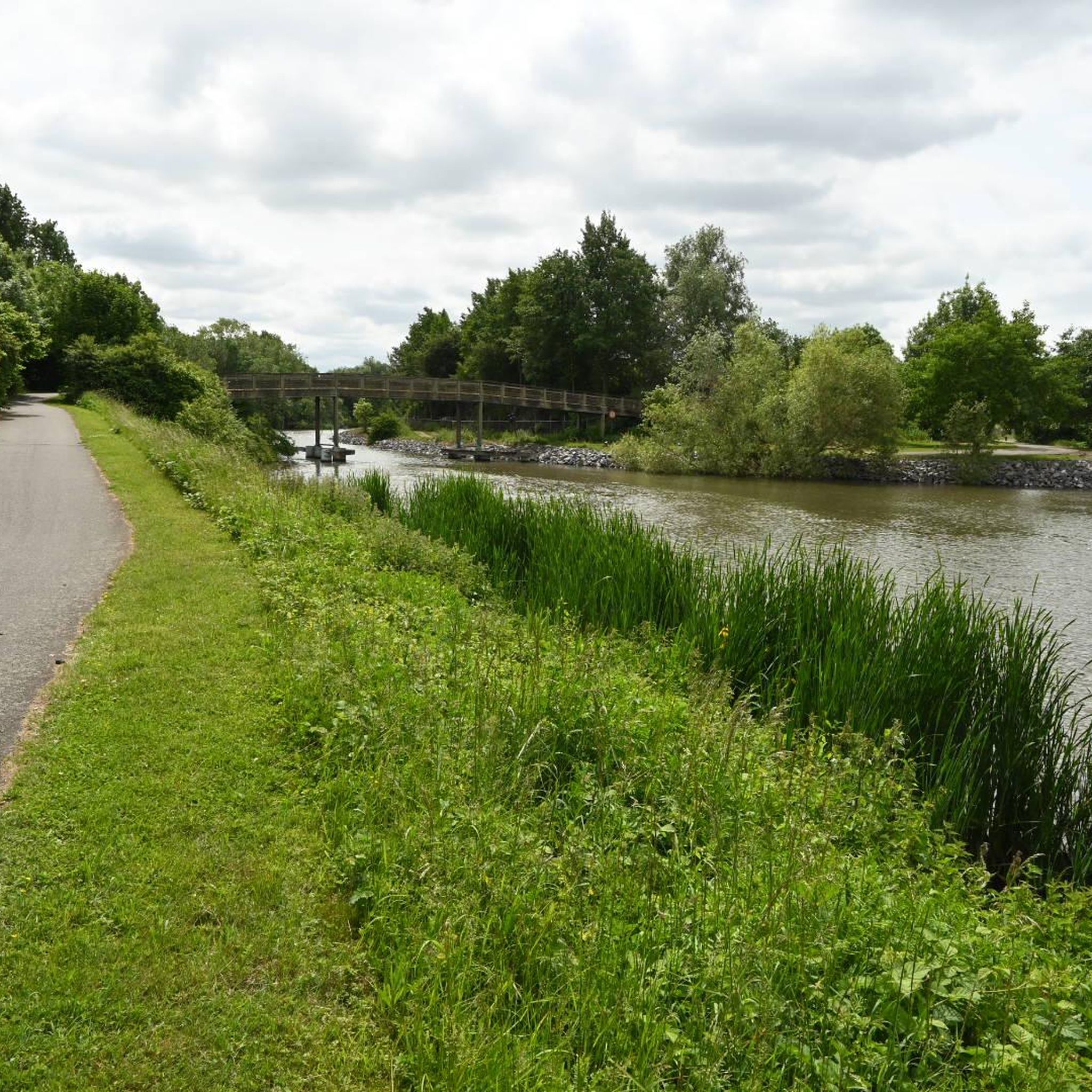
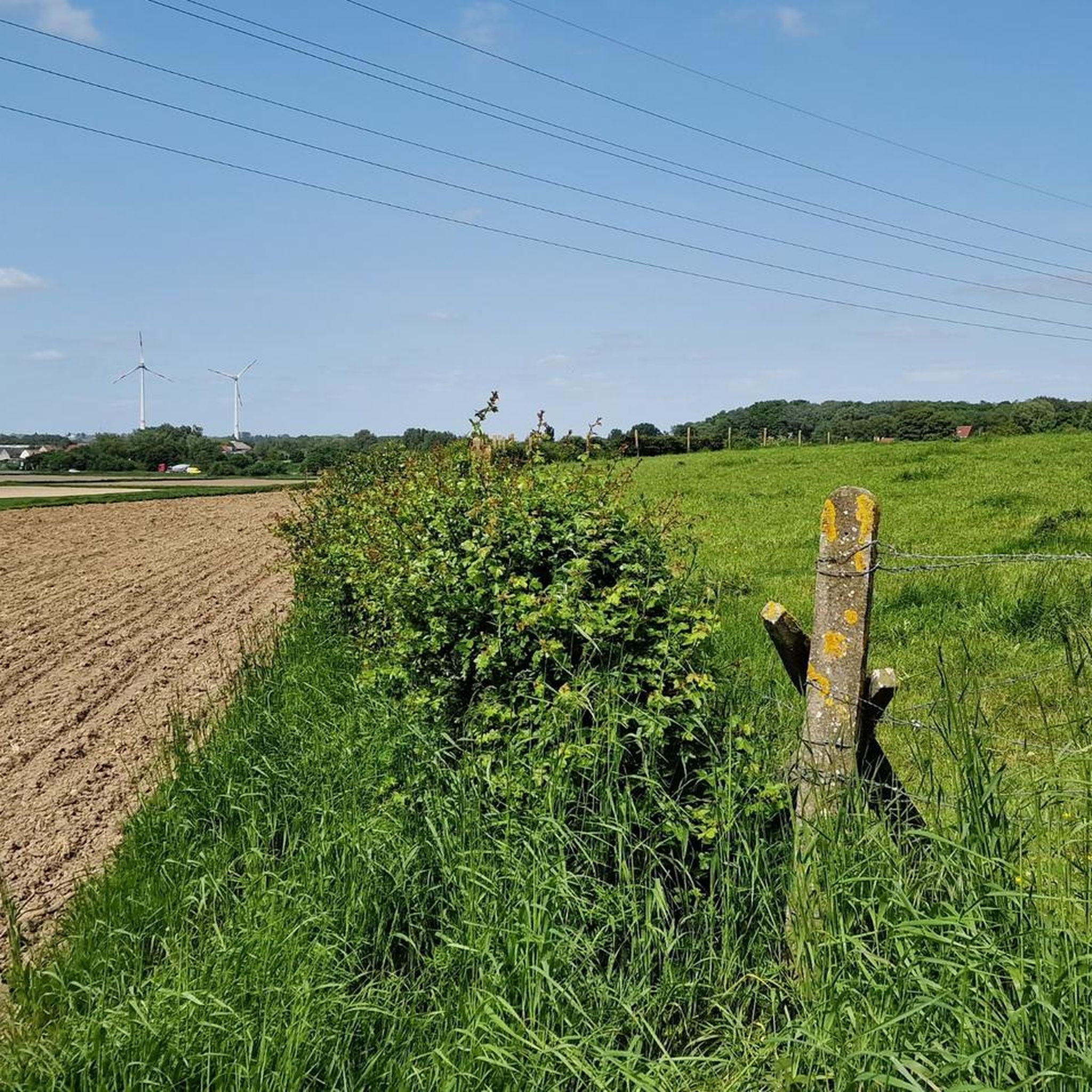
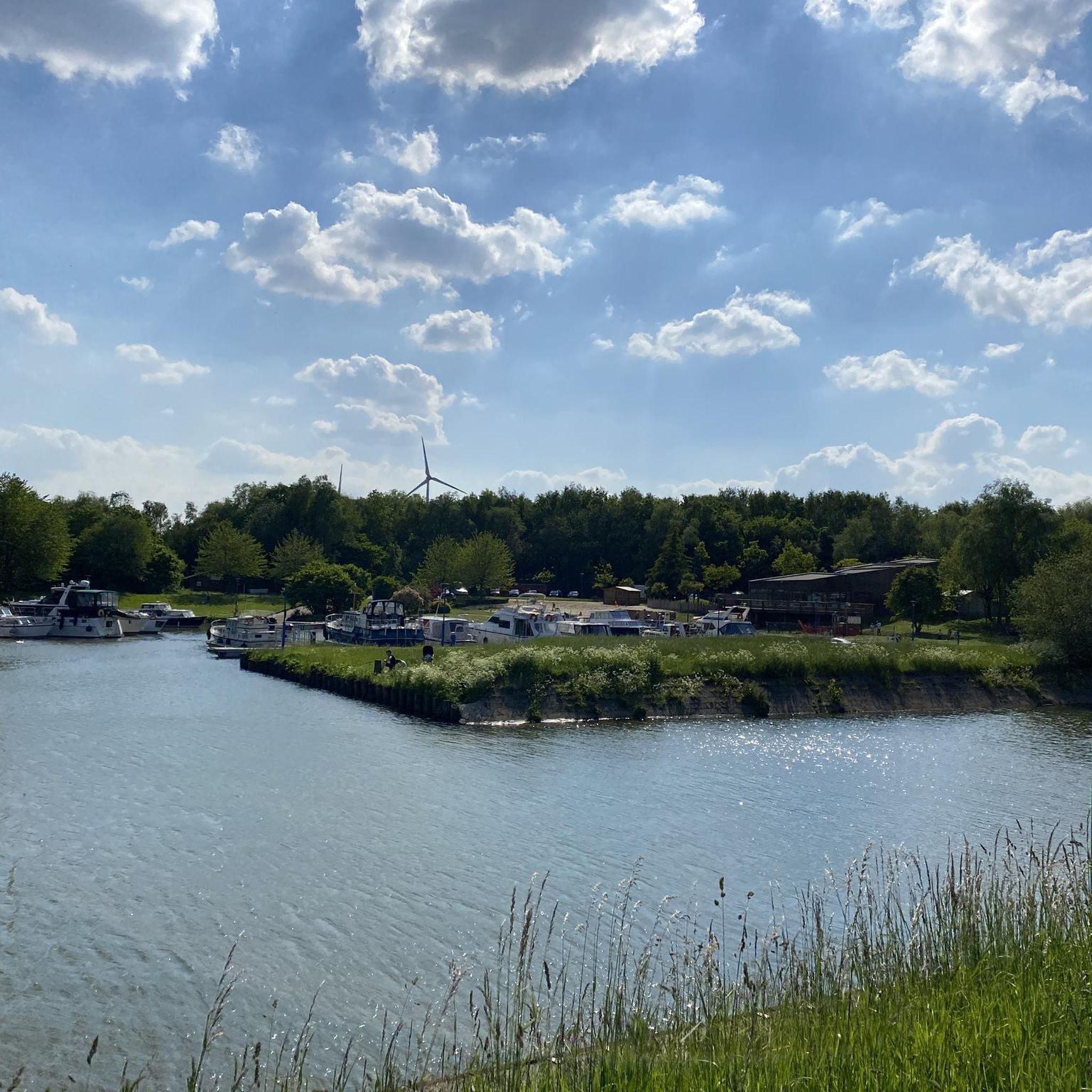

Tips from the Community

The Castle of the Counts is the only example of monumental civil architecture from before the 19th century in Mouscron. Four great families of Seigneurs succeeded one another here over six centuries. Today, on this vast estate, you can still admire the Tournai-style castle, as well as a farmyard surrounded by the remains of outbuildings from the 16th and 17th centuries, and a site surrounded by moats. A self-guided walk around the moats offers you the opportunity to explore the entire estate. Two major historical events have left a lasting mark on local tradition and folklore: the visit of Charles V, who spent the night in the castle, and the atrocities of the famous Hurlus, followers of Luther (during the Wars of Religion) who pillaged the region, occupied the castle for three months, and stole its furnishings. Source: visitwapi.be
4
0
In the 17th century, there was no park in Heule. There were meadows here. Later, in 1722, a farm was built here. A little later, the then mayor of Lagae built a castle. The garden as we know it today was created around 1900 by a Parisian landscape architect. The garden has been open to the public since 1965. Source: kortrijk.be
3
0

Marcel Marlier Centre "Draw Me, Mart" https://www.mouscron.be/fr/centre-marcel-marlier/accueil
1
1

The Polderhoek is currently a forgotten piece of land near the A19 motorway, next to the Witches Monument. It is almost unthinkable, but during the war there was a beautiful park in the Polderhoek valley. The southern Polderhoek Castle stood in the middle of the park. The Polderhoek Castle, popularly known as the “Flower Castle”, was one of the most beautiful castles in the region. The castle was built around 1850, was over 30 hectares in size and had Italian architectural influences. From the beginning of the First World War, the beautiful park was occupied by the Germans. In 1914, the front ran right through it and the park was then on German territory. On 4 October 1917, British troops succeeded in taking the northeastern part of the park. However, they did not get any further and the offensive was stopped on the ridge. The entire area was shot to pieces and the Reutelbeek, which flowed through the park, formed a wide swamp. Triggered? Want to know more about the war past? Click through to https://www.toerismezonnebeke.be/nl/zien-en-doen/polderhoek-chateau-verdwenen-kasteel/
1
0
In the park behind the Vanackere castle (the current town hall) there are two gloriettes. These gazebos, probably built before the construction of the castle in 1896, initially bordered the park. A wall ran between the two, which was demolished when the park was expanded. The pavilion to the east of the town hall has a double landing staircase and a built-in ice cellar. No original interior elements were preserved in the pavilions. Source: Inventory of Immovable Heritage
5
0
Between 1894 and 1896, Jules Aimée Constant Van Ackere had his mansion replaced by a castle in an eclectic architectural style. The Kortrijk architect Cyriel Vanhoutte was inspired by various neo-styles for this building. The castle and park were closed off from the public road by a cast-iron fence with two gates. With the reconstruction of the Kortrijk-Menen road in 1960, the fence in front of the castle disappeared. During the First and Second World Wars, the house was requisitioned by the German occupiers to function as an "Ortskommandantur". Purchased in its entirety by the municipality in 1953. To this day, it serves as a town hall. Source: Inventory of Immovable Heritage
3
0

The Castle of the Counts replaces an earlier castle, built on the "Mont-à-Leux" hill, owned by Rogier de Ramées around 1300, which was destroyed by a Breton duke named John III between 1315 and 1340 during the General Wars. The lords of Mouscron, elevated to a county in 1627, barely inhabit it anymore, except for the latter, de la Barre (1332-1592), who fortified it, and de Liedekerke (1592-1645), who renovated it to the condition recorded by Sanderus in 1641. for the Basta’s (1645-1682) and the d’Ennetières (1682-1795-1875) it never meant more than a foothold on land until the end of the “ancien régime”, by furnishing part of the interior in Louis XV style and by providing crossbeams at the windows of the Louis XVI houses.
7
0
The castle of Beselare, where the Van der Woestine family lived for 400 years, was located between the Keiberg and the Kortrijkdreve. The decline began in the second half of the 18th century. Seized by a display of exaggerated splendor and wastefulness, Marquis François III Maximiliaan Antoon Van der Woestine began to sell homesteads, estates and forests around 1770. The wealthy bailiwick family Duval from Beselare was usually the buyer. The horrors of the French revolution did the rest. The hunt for the nobles was on and the marquis fell into the hands of the French and was beheaded on May 12, 1794 on the scaffold at Cambrai, together with other nobles. His son and successor Charles Ghislain Van der Woestine became the last lord and margrave of Beselare. The French Revolution had abolished feudalism. The Marquis, also called the old Marquis or the Kwa Marquis, left the castle on September 7, 1796 and fled abroad. Many of the goods were publicly sold in 1802 and 1803 by the office of notaries Jan Baptiste Meersseman van Beselare and J. Vandermeersch van Ypres. A few years later, the plundered castle was also sold and shortly afterwards (around 1813) demolished. There are still two copper engravings of the former glorious castle, one by J. Milheuser from 1641 and one by an unknown artist. They are located in the convent of the Sisters of Mary in Izegem.
1
0
Frequently Asked Questions
What kind of historical sites and castles can I expect to find near Halluin?
While Halluin itself does not have fully intact, publicly accessible castles in the traditional sense, the surrounding region offers a rich history of fortified structures and noble residences. You can explore historical parks, sites of former castles, and remnants of older fortifications. Examples include the historical green space of Heule Castle Park and the grounds of Moeskroen Castle, which features a Tournai-style castle and remains of 16th and 17th-century outbuildings.
Are there any castle ruins or archaeological sites to visit near Halluin?
Yes, the area has several sites with historical significance, even if the original structures no longer stand. The Polderhoek Château (Lost Castle), once known as the 'Flower Castle' with Italian architectural influences, was largely destroyed during World War I, but remains a historical site. Historically, the medieval Château d'Halluin was completely razed after 1579, and the Château Lespières was destroyed by fire in 1793. The Castle of Beselare was also demolished around 1813, with only historical records and engravings remaining.
Which historical sites or parks near Halluin are suitable for families?
Several locations offer family-friendly experiences. Heule Castle Park, with its historical green space created around 1900, has been open to the public since 1965 and is ideal for a family outing. Moeskroen Castle offers a self-guided walk around its moats, allowing families to explore the vast estate and its historical remnants. The Gloriettes in the Park of Vanackere Castle also provide a pleasant historical setting for families.
What outdoor activities can I do near these historical sites and castles?
The region around Halluin is excellent for outdoor activities. You can find numerous routes for hiking, road cycling, and gravel biking. For hiking, explore trails like the 'Ferme du Mont Saint-Jean – Single Bousbecque loop' or the 'Country Path – Saint Alphonse Church loop'. Cyclists can enjoy routes such as 'Kortrijk — Along the Leie' for road cycling or 'The River Lys at Wervicq' for gravel biking. You can find more details and routes in the Hiking around Halluin, Road Cycling Routes around Halluin, and Gravel biking around Halluin guides.
Are there any historical sites near Halluin that offer public access or tours?
While many historical châteaux in Halluin are private or exist only as ruins, some sites are publicly accessible. Heule Castle Park is open to the public. At Moeskroen Castle, you can enjoy a self-guided walk around the moats to explore the estate. The former Vanackere Castle, now the town hall, has its park with Gloriettes accessible to visitors.
What is the historical significance of the castles and sites around Halluin?
The region's castles and historical sites reflect centuries of conflict and noble life. The medieval Château d'Halluin, for instance, was a significant fortress in the 14th century, facing multiple attacks and destructions. Moeskroen Castle has been home to four great families over six centuries and witnessed events like the visit of Charles V and occupation by the Hurlus. The Polderhoek Château, though lost, played a role in World War I, with its beautiful park becoming a battleground.
Can I find parking facilities at the historical sites near Halluin?
Yes, some historical sites offer parking. For example, Heule Castle Park is known to have parking facilities, making it convenient for visitors arriving by car.
What kind of architecture can I observe in the historical buildings near Halluin?
The architecture in the region often showcases a blend of Flemish styles. Moeskroen Castle is noted for its Tournai-style architecture. The former Vanackere Castle, now the town hall, was built in an eclectic architectural style, drawing inspiration from various neo-styles. The lost Polderhoek Château was described as having Italian architectural influences.
Are there any historical parks or gardens to visit near Halluin?
Absolutely. Heule Castle Park is a prime example, featuring a historical green space designed by a Parisian landscape architect around 1900. It has been open to the public since 1965. The grounds of Moeskroen Castle also offer a vast estate with moats and remnants of outbuildings, perfect for a historical walk. Additionally, the Gloriettes in the Park of Vanackere Castle provide a glimpse into historical garden design.
What do visitors enjoy most about the historical sites and castles around Halluin?
Visitors appreciate the blend of historical significance and natural beauty. The opportunity to explore historical green spaces like Heule Castle Park, or to take a self-guided walk around the moats of Moeskroen Castle, is highly valued. The region's rich past, evident in the remnants and stories of its former castles, provides a unique historical context for exploration.
Most popular routes around Halluin
Most popular attractions around Halluin

Get inspired with the komoot mobile app


Explore more
Looking for the best castles somewhere else? Discover other guides around Halluin:
