Attractions and Places To See in Kotor - Top 20
Attractions and places to see in Kotor include a UNESCO World Heritage site nestled within the Bay of Kotor, offering a blend of historical landmarks and natural beauty. The region features ancient fortifications, picturesque islands, and a dramatic mountainous landscape. Visitors can explore a variety of sites, from medieval urban centers to national parks.
Best attractions and places to see in Kotor
- The most popular attractions is St. John Fortress (Sveti Ivan Fortress), a castle located above the old…
Last updated: October 9, 2026
Old Town alley, Kotor
Highlight • Historical Site
Translated by Google •
Tip by

St. John Fortress (Sveti Ivan Fortress)
Highlight • Castle
Translated by Google •
Tip by

Sign up now to discover places like this
Get recommendations on the best single tracks, peaks, & plenty of other exciting outdoor places.
Saint Tryphon Cathedral
Highlight • Religious Site
Translated by Google •
Tip by

Kotor City Walls
Highlight • Monument
Translated by Google •
Tip by

Lepetane–Kotor: Kotor Bay Coastal Road
Highlight • Cycleway
Translated by Google •
Tip by

Bridge to Kotor's North Gate
Highlight • Bridge
Translated by Google •
Tip by
Church of Our Lady of Health (Gospe od Zdravlja)
Highlight • Religious Site
Translated by Google •
Tip by
Sea Gate (main entrance to Kotor Old Town)
Highlight • Historical Site
Translated by Google •
Tip by

Pima Palace
Highlight • Historical Site
Translated by Google •
Tip by
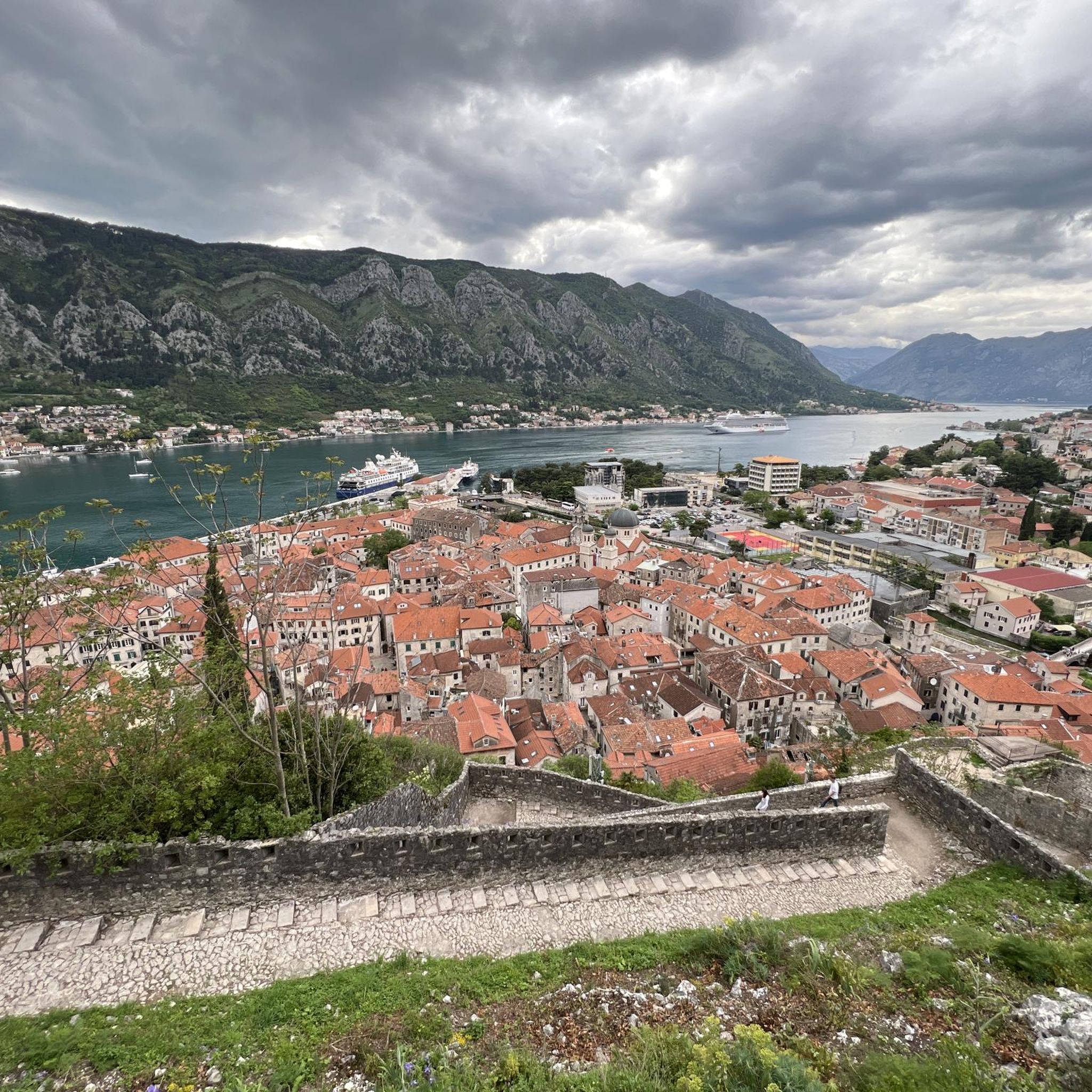
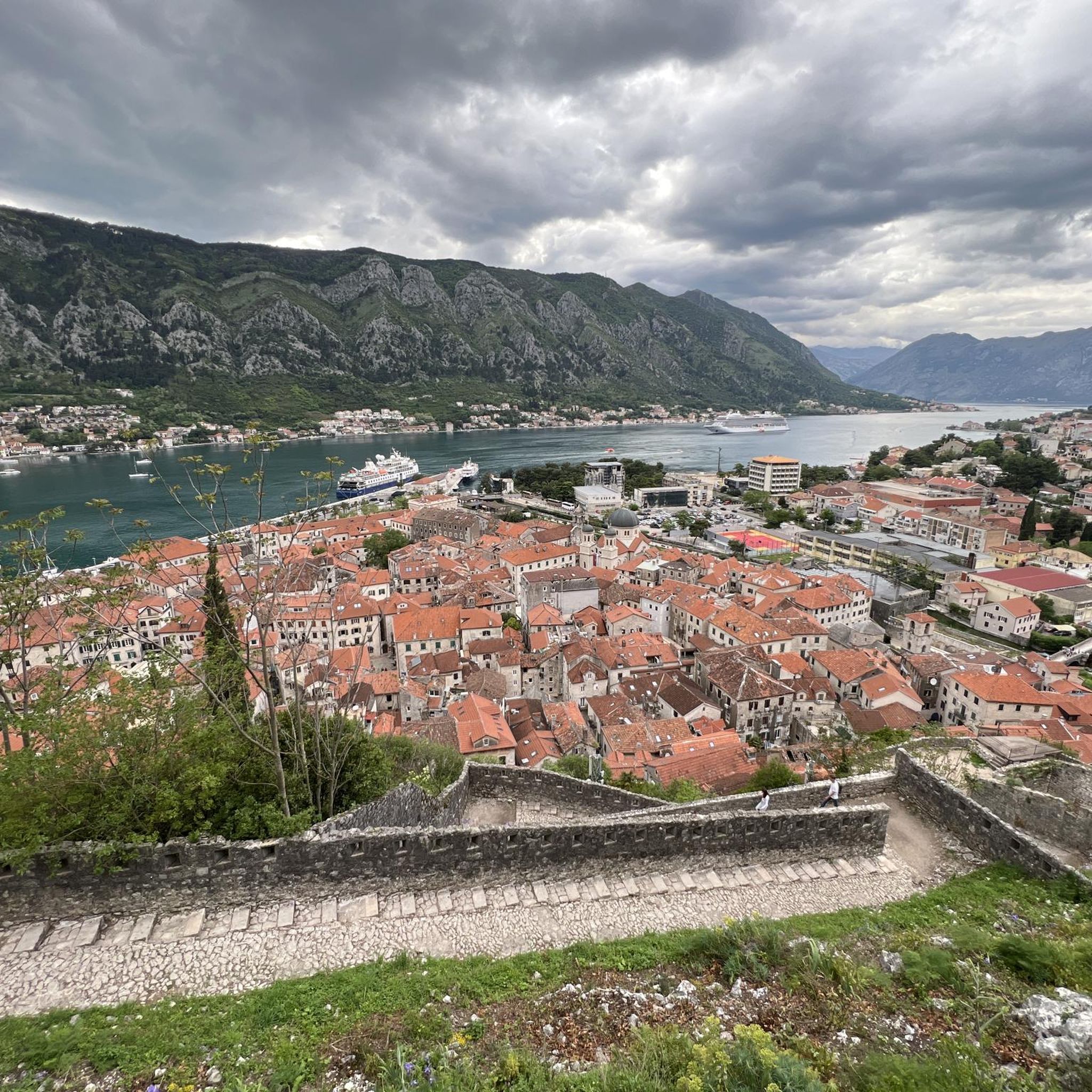
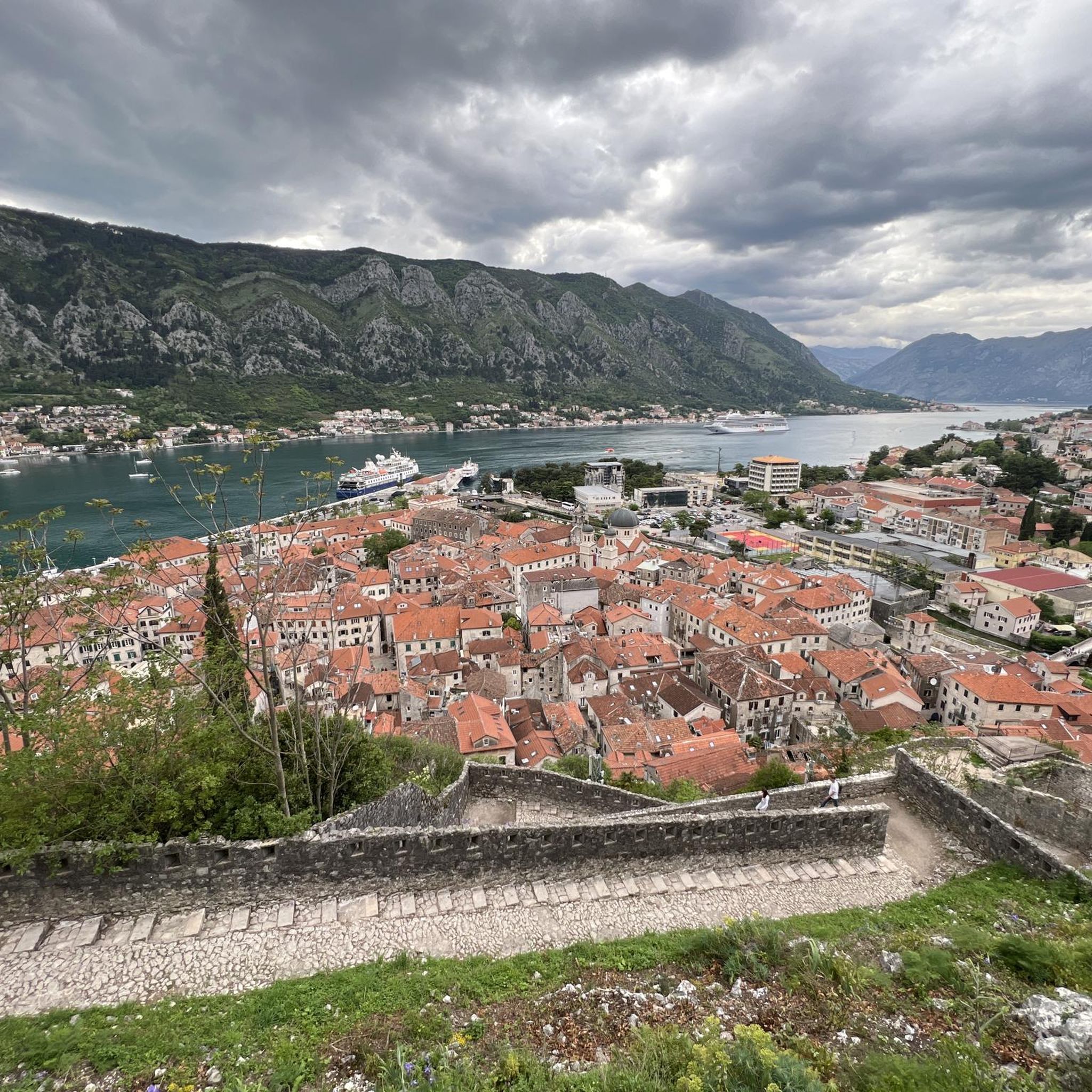
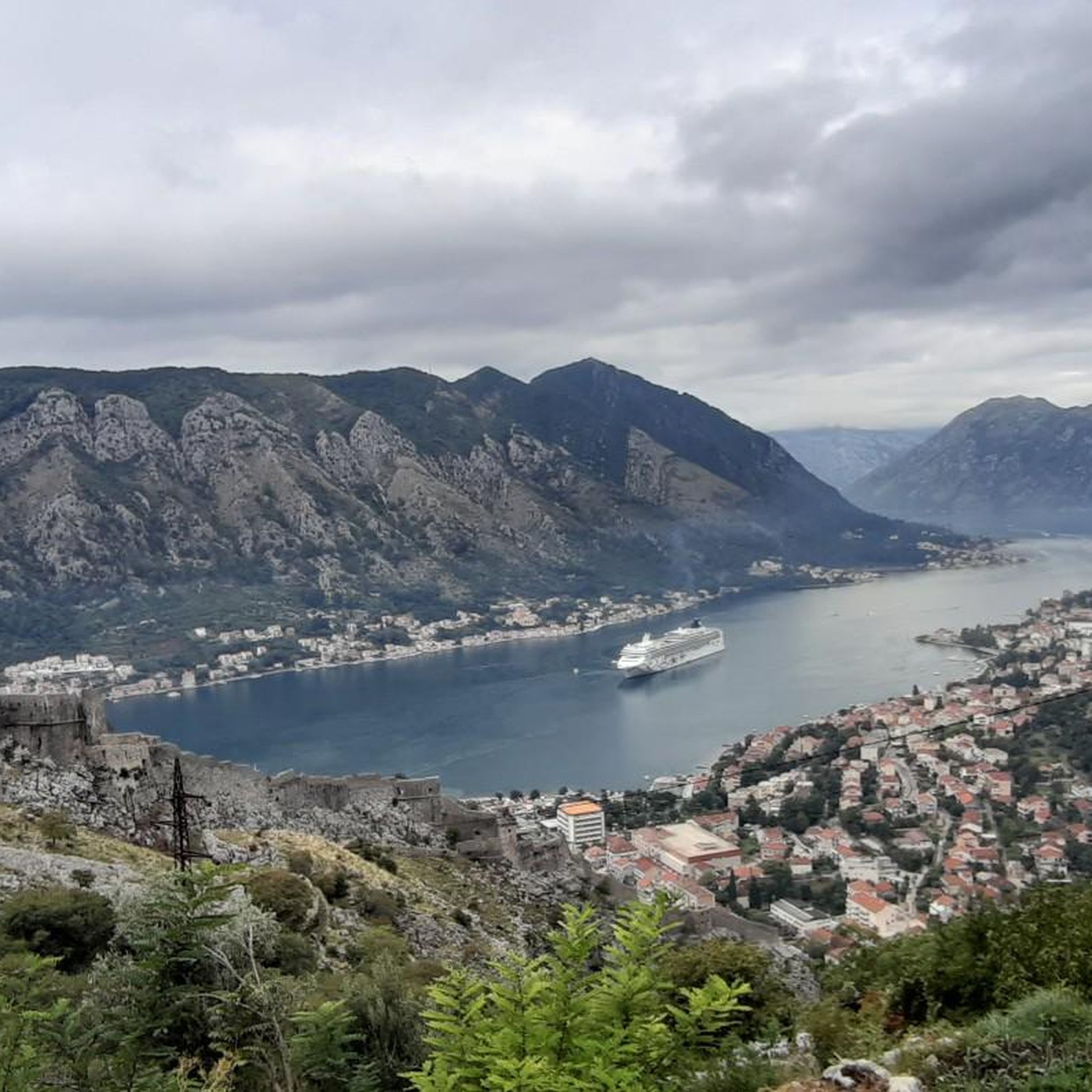
View of Kotor Bay from St. John's Fortress
Highlight • Viewpoint
Translated by Google •
Tip by
Sign up for free to discover even more attractions in Kotor.
Already have an account?
Start today with a free account
Your next adventure awaits.

Tips from the Community

The church, dedicated to the Madonna, is located relatively isolated outside the city, halfway up the castle. The church tower, with its dome and crowned with a cross, clearly towers over the church and, due to its prominent location, which affords visitors a beautiful view, is a defining feature of the landscape. The title "Unserer Lieben Frau" (Our Lady) for Mary is not very common in German, but is used in several other languages as a common form of address for the Mother of God.
0
0

beautiful building in the old town
0
0

Beautiful old town, definitely worth a visit.
2
0

The opposite side of Perast is much more beautiful and a pleasure to cycle
0
0

It was built between 1124 and 1166 and dedicated to the patron saint of the city, St. Tryphon
7
0
In the heart of the city centre stands the most important sacral building of the Old Town of Kotor, which has been on the UNESCO World Heritage List since 1979
5
0
Admire the numerous frescoes from the 12th century
5
0
Here you can admire the ancient walls of the building
6
0
Frequently Asked Questions
What historical sites can I explore within Kotor's Old Town?
Kotor's Old Town, a UNESCO World Heritage site, is rich in history. You can wander through its labyrinthine streets, explore the Old Town alley, Kotor, and visit significant landmarks like the Saint Tryphon Cathedral, a Romanesque masterpiece. Other notable sites include the Clock Tower in the Square of Arms, and various churches such as St. Nicholas' Church and St. Luke's Church. The impressive Kotor City Walls also encircle the Old Town, offering a glimpse into its defensive past.
Where can I find the best panoramic views of Kotor and its bay?
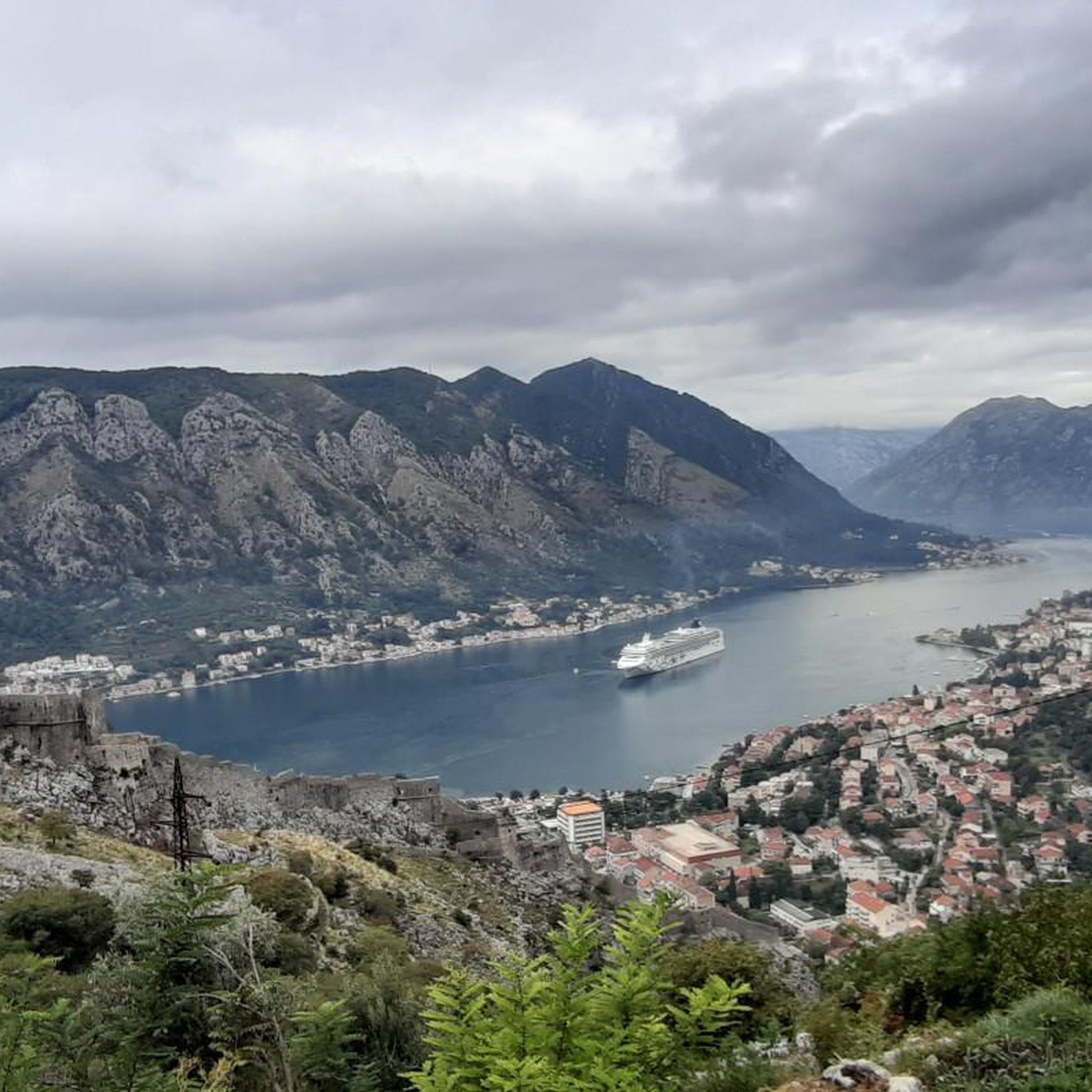
For breathtaking panoramic views, hike up to St. John Fortress (Sveti Ivan Fortress), located above the Old Town. The ascent offers stunning vistas of the Old Town and the entire Bay of Kotor. The Kotor City Walls themselves also provide excellent viewpoints as they climb the mountain. Additionally, Lovcen National Park, accessible via the Kotor Cable Car, offers expansive views over the bay and the Adriatic coastline.
Are there opportunities for hiking near Kotor's attractions?
Yes, Kotor offers several hiking opportunities. The most popular is the challenging ascent to St. John Fortress (Sveti Ivan Fortress), which involves climbing approximately 1350 steps. For more extensive hikes, you can explore routes in Lovcen National Park, which is a short distance from Kotor. You can find various mountain hikes, including loops around Kotor Fortress and the Ladder of Kotor, on the Mountain Hikes in Kotor guide.
What natural wonders are there to see around Kotor?
The primary natural wonder is the magnificent Bay of Kotor, often referred to as Europe's southernmost fjord, surrounded by dramatic mountains. A short drive from Kotor, Lovcen National Park offers stunning landscapes, dense forests, and panoramic viewpoints. For adventurous travelers, Škurda Canyon provides opportunities for canyoning, involving hiking, swimming, and abseiling.
What cycling routes are available in the Kotor Bay area?
The Kotor Bay area offers diverse cycling routes. A particularly scenic option is the Kotor Bay Coastal Road from Lepetane to Kotor, known for its wonderful views and charming villages. You can find various cycling tours, including loops around the Bay of Kotor and routes with views of Our Lady of the Rocks, on the Cycling in Kotor guide.
Are there family-friendly attractions in Kotor?
Kotor offers several family-friendly attractions. The Old Town alley, Kotor, with its car-free streets and historical charm, is great for exploring with children. The Saint Tryphon Cathedral and the Sea Gate (main entrance to Kotor Old Town) are also accessible and interesting for families. The unique Cat Museum in Kotor can be a fun and quirky stop for all ages.
What is the best time to visit Kotor for outdoor activities?
The best time to visit Kotor for outdoor activities like hiking and cycling is typically during the spring (April-May) and autumn (September-October). During these months, the weather is pleasant, temperatures are moderate, and the crowds are generally smaller than in the peak summer season. This allows for more comfortable exploration of the Old Town, fortress, and surrounding trails.
What is the significance of Kotor's UNESCO World Heritage status?
Kotor's UNESCO World Heritage status, designated in 1979, recognizes the 'Natural and Culturo-Historical Region of Kotor' for its outstanding universal value. This includes the well-preserved medieval urban center of Kotor Old Town, its impressive fortifications, and the unique cultural landscape of the Bay of Kotor. The status highlights the blend of natural beauty and historical architecture that has been shaped over centuries by various civilizations.
What are some unique cultural attractions beyond the main historical sites?
Beyond the main historical sites, Kotor offers unique cultural experiences. The Maritime Museum of Montenegro, housed in the 18th-century Grgurina Palace, showcases the rich seafaring history of the Bay of Kotor. A short boat trip from Kotor will take you to Our Lady of the Rocks, an artificial island near Perast with a beautiful church and museum, steeped in local legend. Perast itself is a charming historic town with Renaissance and Baroque palaces.
Are there any less crowded attractions or 'hidden gems' in Kotor?
While Kotor Old Town can get busy, especially when cruise ships are in port, exploring its winding side alleys and smaller squares can offer a quieter experience. Visiting the various smaller churches within the Old Town, such as St. Nicholas' Church or St. Luke's Church, can also provide a more serene historical insight. For a truly unique and less conventional experience, the quirky Cat Museum is a delightful hidden gem.
How long should I plan to spend exploring Kotor Old Town?
To fully appreciate Kotor Old Town, including its main squares, churches, and the ascent to the St. John Fortress (Sveti Ivan Fortress), plan for at least half a day, or even a full day. This allows time to wander the Old Town alley, Kotor, visit the Saint Tryphon Cathedral, and enjoy the panoramic views from the fortress without feeling rushed.
What outdoor activities can I do in the winter in Kotor?
While some outdoor activities might be less appealing in colder weather, winter in Kotor offers a unique charm. Hiking to St. John Fortress (Sveti Ivan Fortress) is still possible, often with fewer crowds and crisp, clear views. Exploring the Old Town's historical sites and museums remains a great option. The Bay of Kotor also offers a tranquil atmosphere for walks along the coast, and you can enjoy the local cuisine in cozy restaurants without the summer rush.
Most popular routes in Kotor
Most popular attractions in Kotor

Get inspired with the komoot mobile app


Explore more
Still not found the Highlight you’re looking for? See guides of the top attractions in other regions:
