Top 5 Caves around Plombières-Lès-Dijon
Best caves around Plombières-Lès-Dijon are situated in a region characterized by its karst topography, offering a variety of underground formations. The area features natural caves, chasms, and rock shelters within a landscape popular for outdoor activities. These sites provide insights into geological processes and natural history. The terrain around Plombières-Lès-Dijon includes cliffs and forests, contributing to diverse natural features.
Best caves around Plombières-Lès-Dijon
- The most popular caves is La Roche Virante, a natural monument known for its rugged cliffs…
Last updated: July 5, 2026
La Roche Virante
Highlight • Natural Monument
At the bottom …
Translated by Google •
Tip by

Gouffre du creux Percé
Highlight • Viewpoint
Translated by Google •
Tip by

Sign up now to discover places like this
Get recommendations on the best single tracks, peaks, & plenty of other exciting outdoor places.
Sign up for free
Célerons Caves
Highlight • Cave
Translated by Google •
Tip by

Caves of Parc de Jouvence
Highlight • Cave
Translated by Google •
Tip by

Start today with a free account
Your next adventure awaits.
Login or Signup
Tips from the Community

Much more impressive in person than in photos and it's possible to get close to the chasm. Not to be missed
0
0

Be careful when going down the 10 meters of the small path to see the chasm. Even in dry weather it is slippery and there is nothing to prevent you from falling into the chasm. So be careful.
1
0

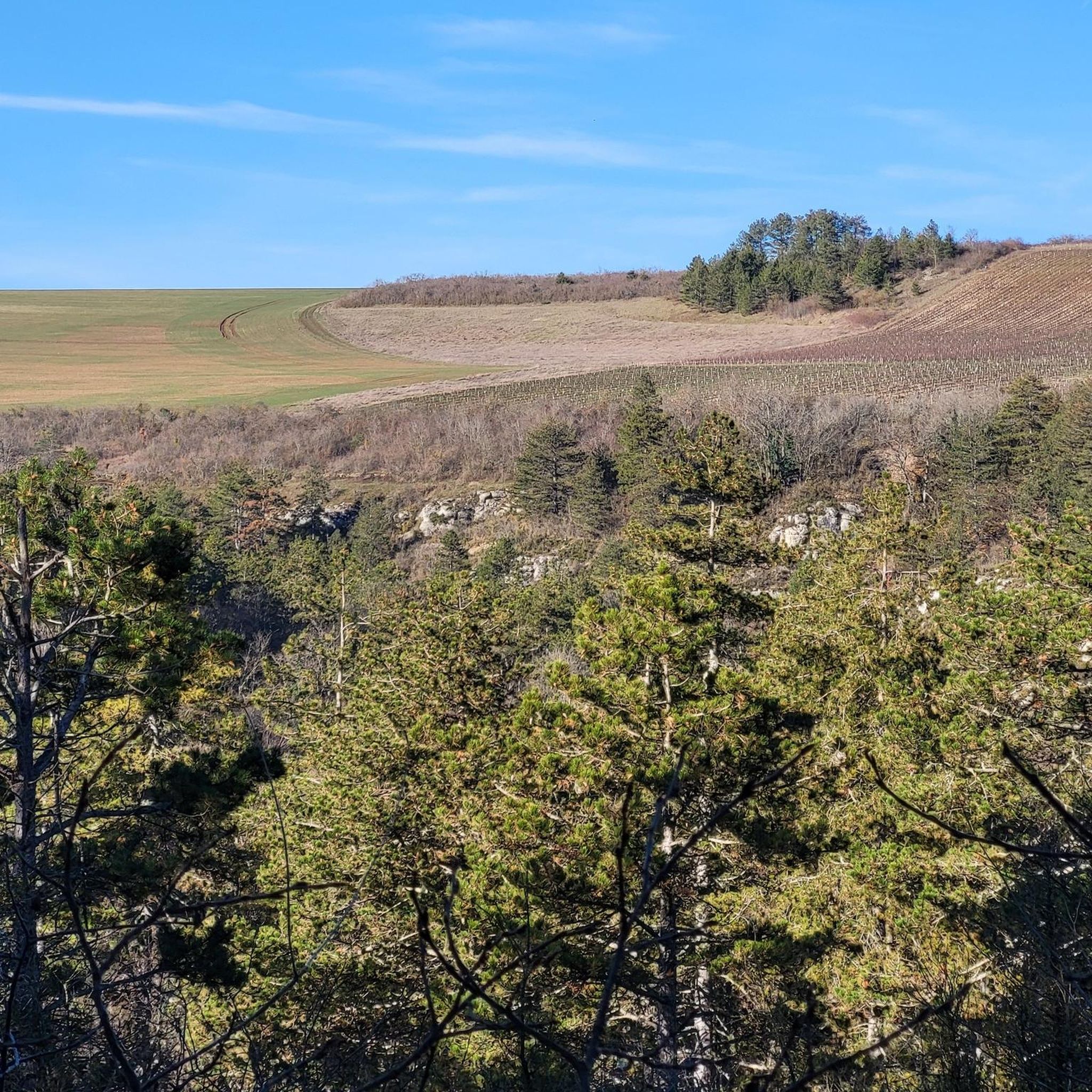
The Creux Percé is an inverted cone-shaped collapsed chasm approximately 60 m deep and with a circumference ranging from 35 to 25 m at the surface. This chasm is primarily known to speleologists. Exploration of this chasm and its lateral networks began in the 19th century. This site has long been a natural icehouse with a bottom that reaches sub-zero temperatures, even in summer. https://www.bourgogne-tourisme.com/ In May 2025, a special outing, supervised by the Dijon Speleo Club, will allow visitors to descend into this crater.
1
0
Of the three caves, two are relatively easy to access. One can even be walked through—a beautiful place.
3
0

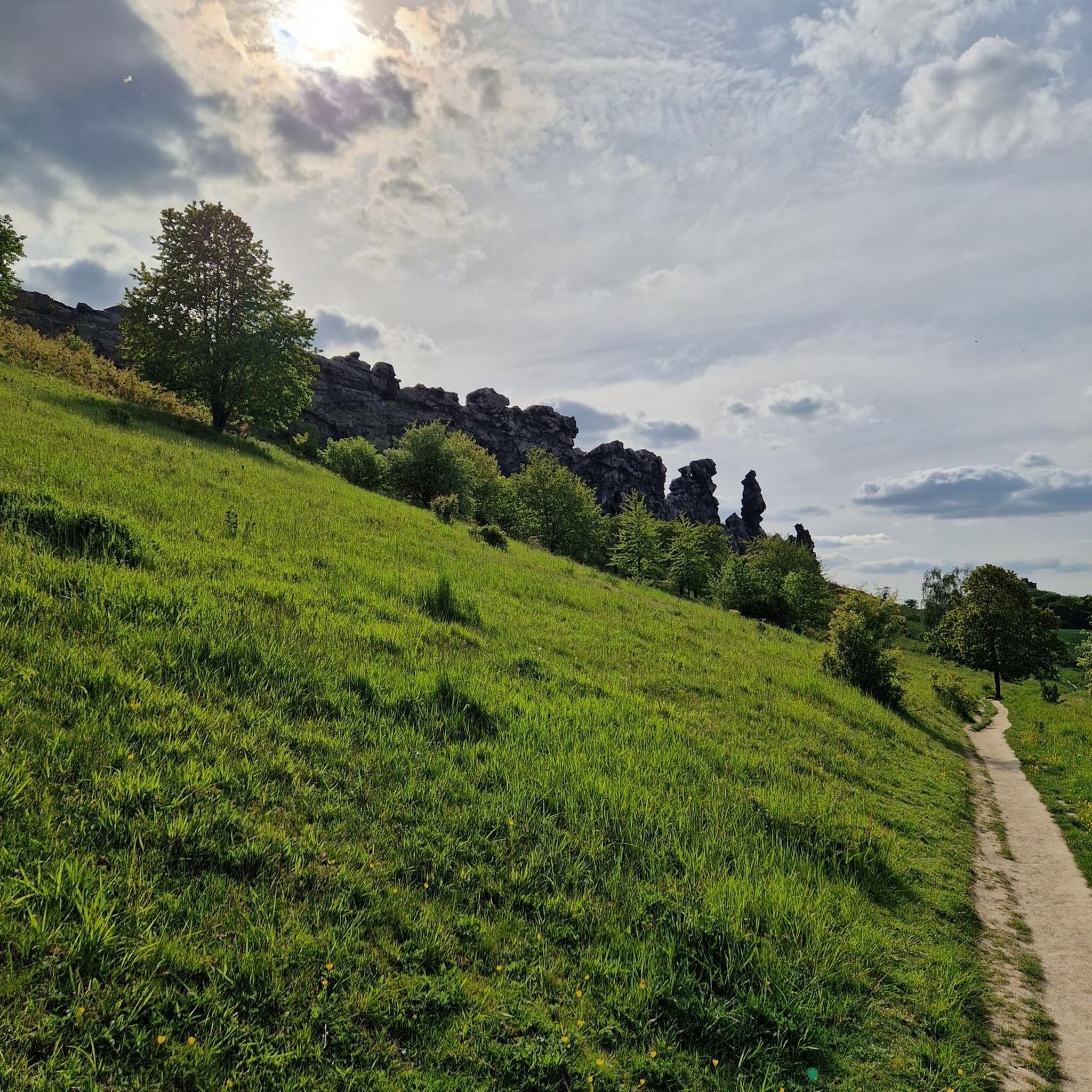
At the top of the valley, this huge rock is a top climbing spot. The view is also impressive.
2
0
There are three caves there. One of them would have been used by smugglers who stored salt there. Is the name related to this activity?
3
0

An interesting article to read here: https://www.lunetoile.com/2018/03/13/labime-du-creux-perce-pasques-21/
3
0
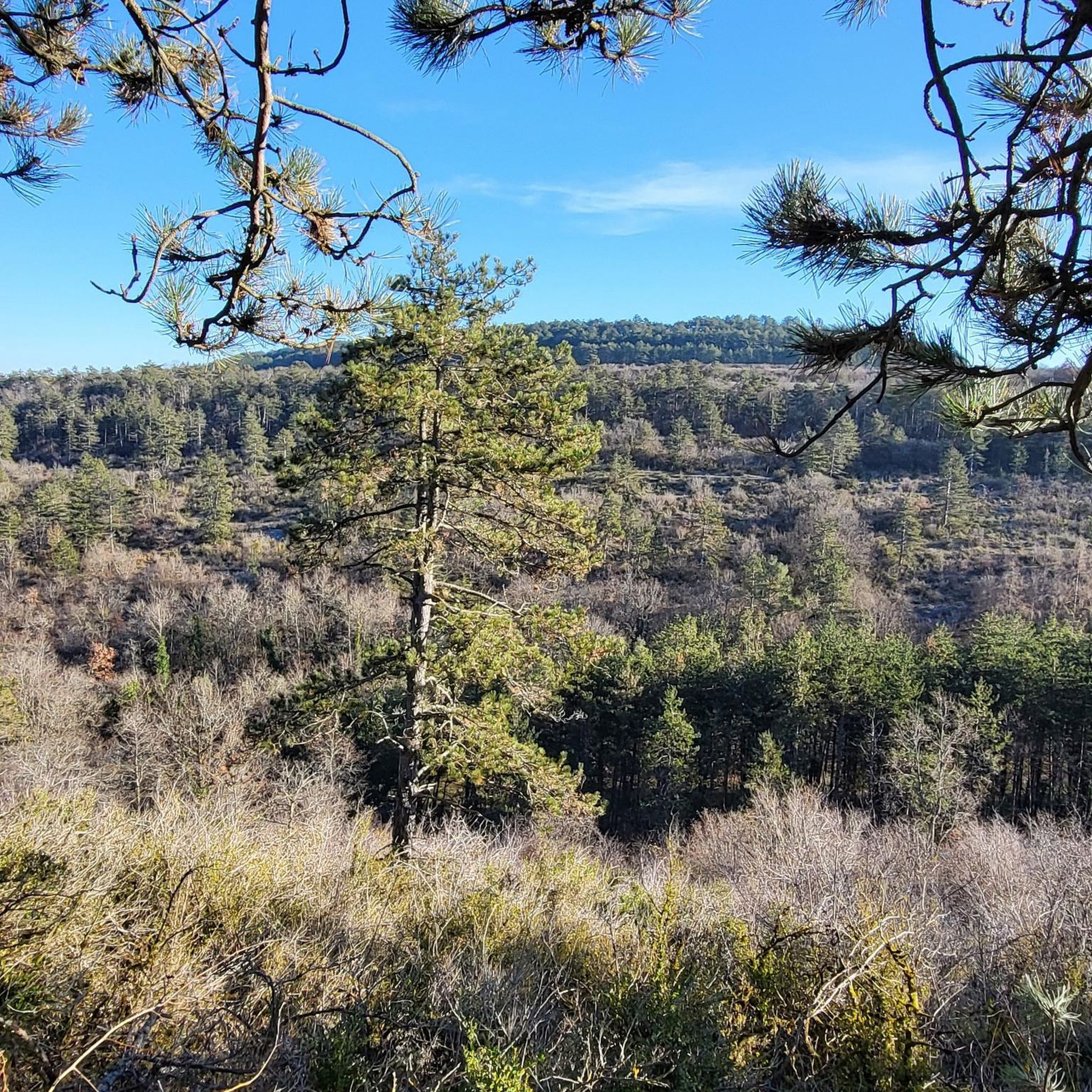
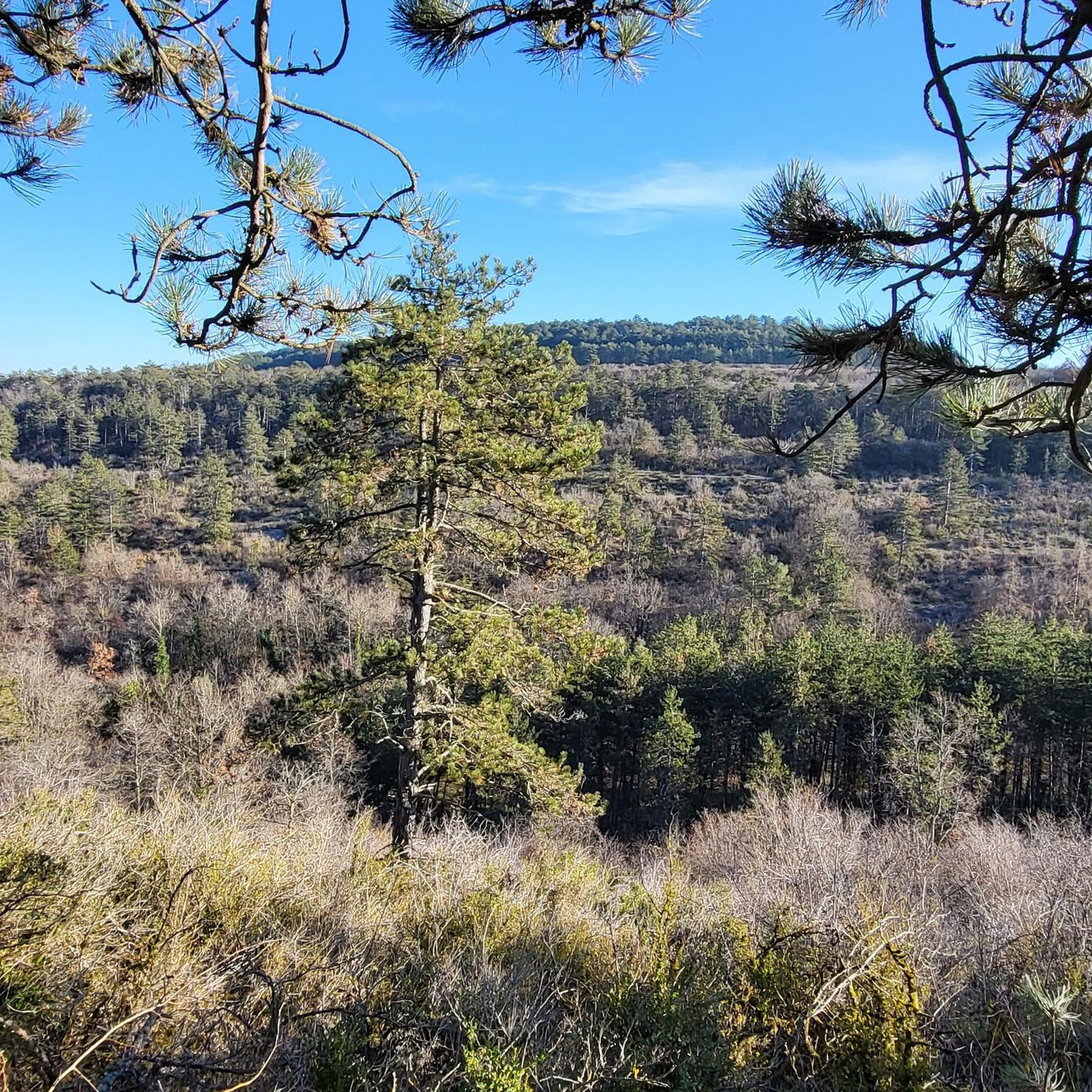
This chasm or sinkhole, in the town of Pasques, in the middle of the woods, is impressive and really worth a detour. It can also be the goal of a hike or mountain bike. Especially since a chalet built nearby offers a nice shelter - for a picnic, or a bivouac.
2
0
Frequently Asked Questions
What unique geological features can be found in the caves around Plombières-Lès-Dijon?
The region's karst topography offers diverse underground formations. For instance, the Grotte de Neuvon is known for its impressive concretions and extensive network. At La Roche Virante, you'll find unique rock formations, some said to resemble mammoths, amidst rugged cliffs. The Gouffre du creux Percé is an impressive chasm, approximately 60 meters deep, historically known as a natural icehouse.
Are there any caves with significant historical or paleontological importance in the area?
Yes, the Grotte de Neuvon is highly significant for its paleontological discoveries. Researchers have found a large number of cave bear and lion bones, some dating back at least 100,000 years. The cave walls also display extensive bear claw marks, stretching over 300 meters, offering a glimpse into prehistoric life.
What kind of wildlife can be found in the caves of this region?
The Grotte du Contard, though currently closed to the public, is a crucial habitat for bats and has been designated a Natura 2000 site for their protection. It supports at least 13 bat species, including the highly endangered Schreiber's bent-winged bat.
Are there any caves that are easy to access for visitors?
The Célerons Caves are noted for their accessibility, with two of the three caves being relatively easy to enter, and one even traversable. The area around La Roche Virante is also accessible for hiking, offering a scenic landscape.
Can I explore the Grotte de Neuvon?
Access to the Grotte de Neuvon is managed to protect its fragile environment. While a new, more accessible entry point was opened in 2012, certain parts, especially those with paleontological significance, are not publicly accessible to prevent damage. Speleologists or those interested in paleontology may be able to arrange guided visits with relevant organizations.
Are there any caves in the area that are closed to the public?
Yes, the Grotte du Contard, located in the Plombières-lès-Dijon state forest, is currently closed to the public and even to speleologists. This closure is due to its designation as a Natura 2000 site, established to protect its significant bat populations.
What outdoor activities can I do near these caves?
The area around Plombières-Lès-Dijon is popular for various outdoor activities. You can find numerous cycling routes, including those around the Burgundy Canal, as detailed in the Cycling around Plombières-Lès-Dijon guide. For mountain biking, explore trails like the Baulme-la-Roche Stream loop, available in the MTB Trails around Plombières-Lès-Dijon guide. Gravel biking options are also available, such as routes around Lake Kir, found in the Gravel biking around Plombières-Lès-Dijon guide.
Are there hiking trails near the caves?
Yes, the area is well-suited for hiking. La Roche Virante is a popular spot for hiking, offering a quasi-mountainous atmosphere. The Caves of Parc de Jouvence serve as a starting point for many hikes in an important karst area. You can also hike to the Gouffre du creux Percé.
What do visitors enjoy most about the caves around Plombières-Lès-Dijon?
Visitors appreciate the diverse natural features, from the rugged cliffs and unique rock formations at La Roche Virante to the accessible and historically rich Célerons Caves. The opportunity for hiking and exploring the natural beauty of the region, often leading to impressive viewpoints, is also highly valued.
Is there a cave with a local legend?
Yes, La Roche Virante is associated with a local legend. A large, balanced rock known as the "Roche Branlante" or "Roche Virante" is said to rotate completely on its axis every year on December 31st at midnight.
Are there any caves that were historically used for purposes other than shelter?
The Célerons Caves have a rumored history of being used by smugglers, possibly for storing salt. Additionally, the Gouffre du creux Percé was historically known as a natural icehouse due to its bottom reaching sub-zero temperatures even in summer.
Most popular routes around Plombières-Lès-Dijon
Most popular attractions around Plombières-Lès-Dijon

Get inspired with the komoot mobile app


Explore more
Extend your search for the best caves by checking out these guides of the top ones around Plombières-Lès-Dijon:
