Top 4 Castles around Clermont-L'Hérault
Best castles around Clermont-L'Hérault are found in a region characterized by its historical significance and diverse landscapes. Clermont-L'Hérault is situated in the Hérault plain, offering views of the surrounding area. The area features a mix of medieval architecture and natural beauty, including the nearby Salagou lake. This setting provides a backdrop for exploring historical sites and outdoor activities.
Best castles around Clermont-L'Hérault
- The most popular castles is Lauzières Castle ruins, a castle that is also suitable for cycling. It…
Last updated: July 6, 2026
Lauzières Castle ruins
Highlight • Castle
Translated by Google •
Tip by

Château de Dio
Highlight • Castle
Translated by Google •
Tip by

Sign up now to discover places like this
Get recommendations on the best single tracks, peaks, & plenty of other exciting outdoor places.
Sign up for free
From Octon to Clermont l'Hérault on the GR®P Avène - Salagou
Highlight (Segment) • Trail
Translated by Google •
Tip by

Start today with a free account
Your next adventure awaits.
Login or Signup
Popular around Clermont-L'Hérault
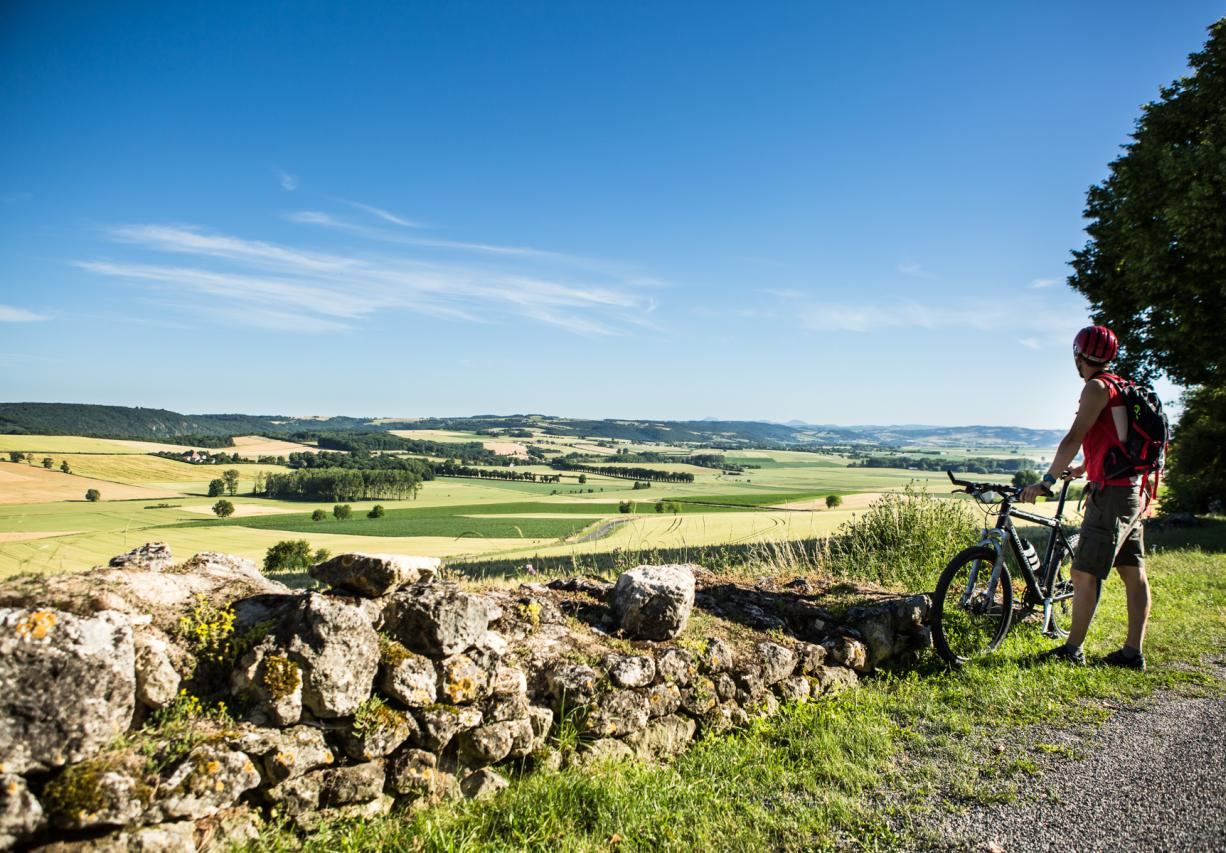
The Grande traversée du Massif Central by gravel bike
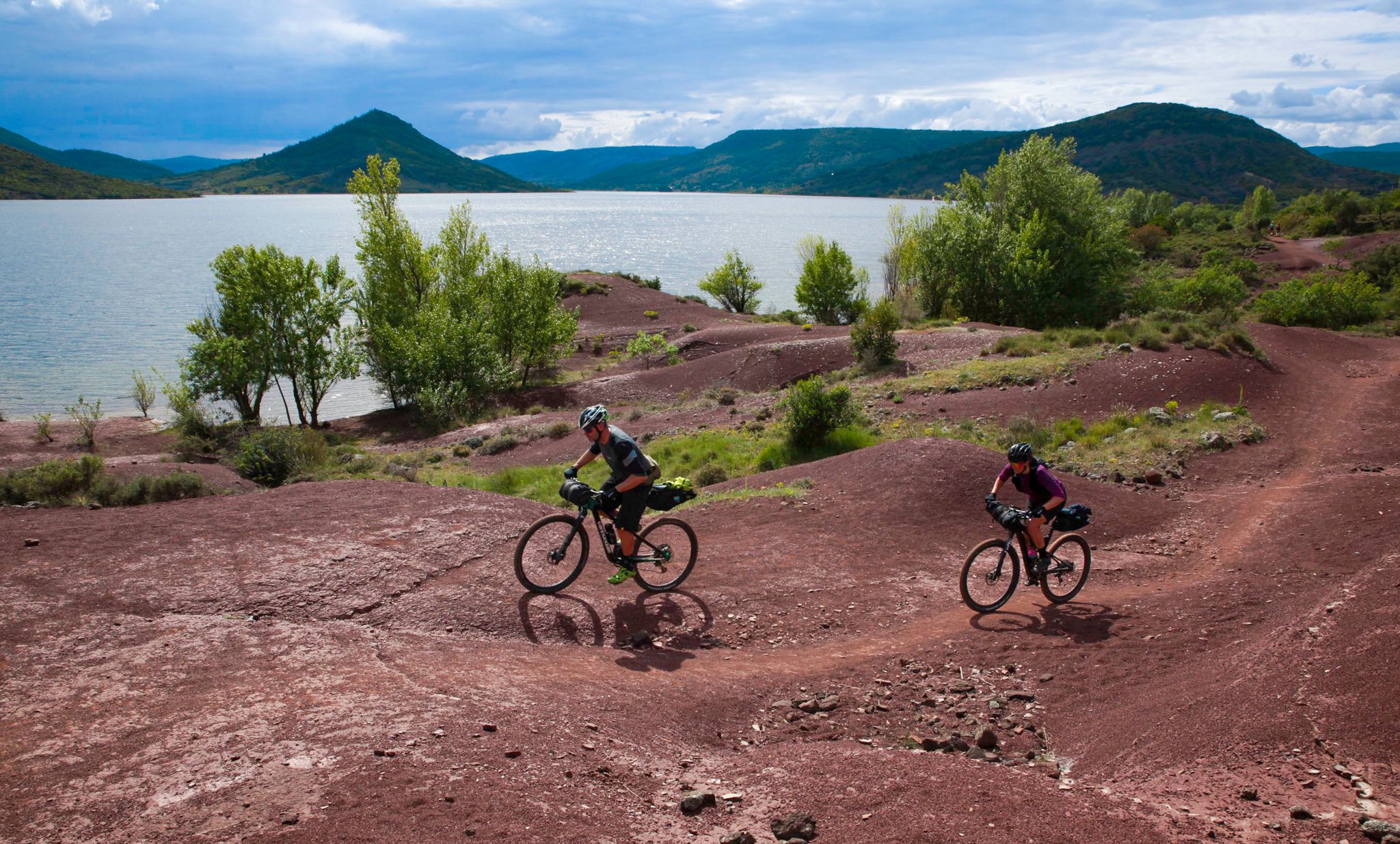
The Great Crossing of France's Massif Central by mountain bike
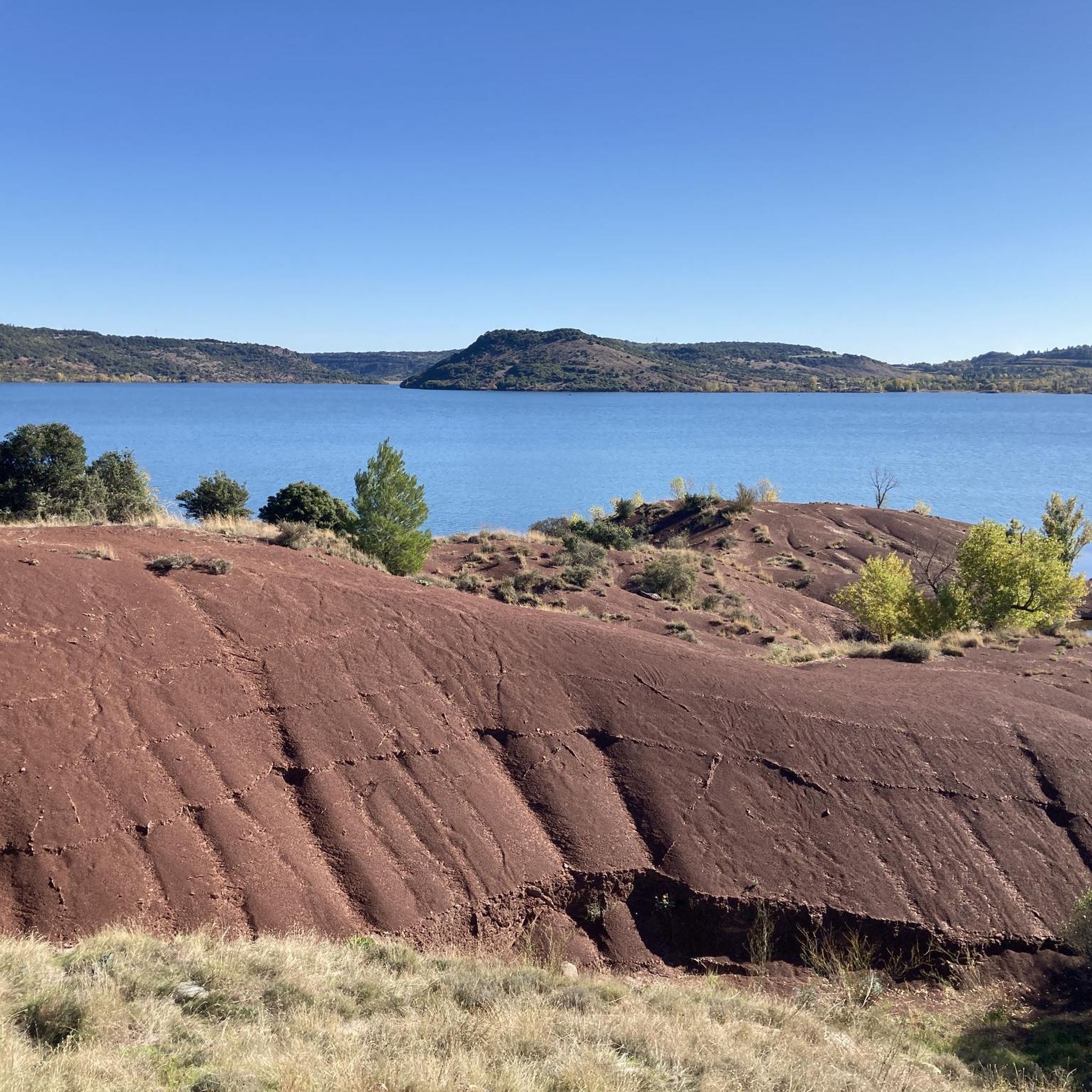
Hiking around Clermont-L'Hérault
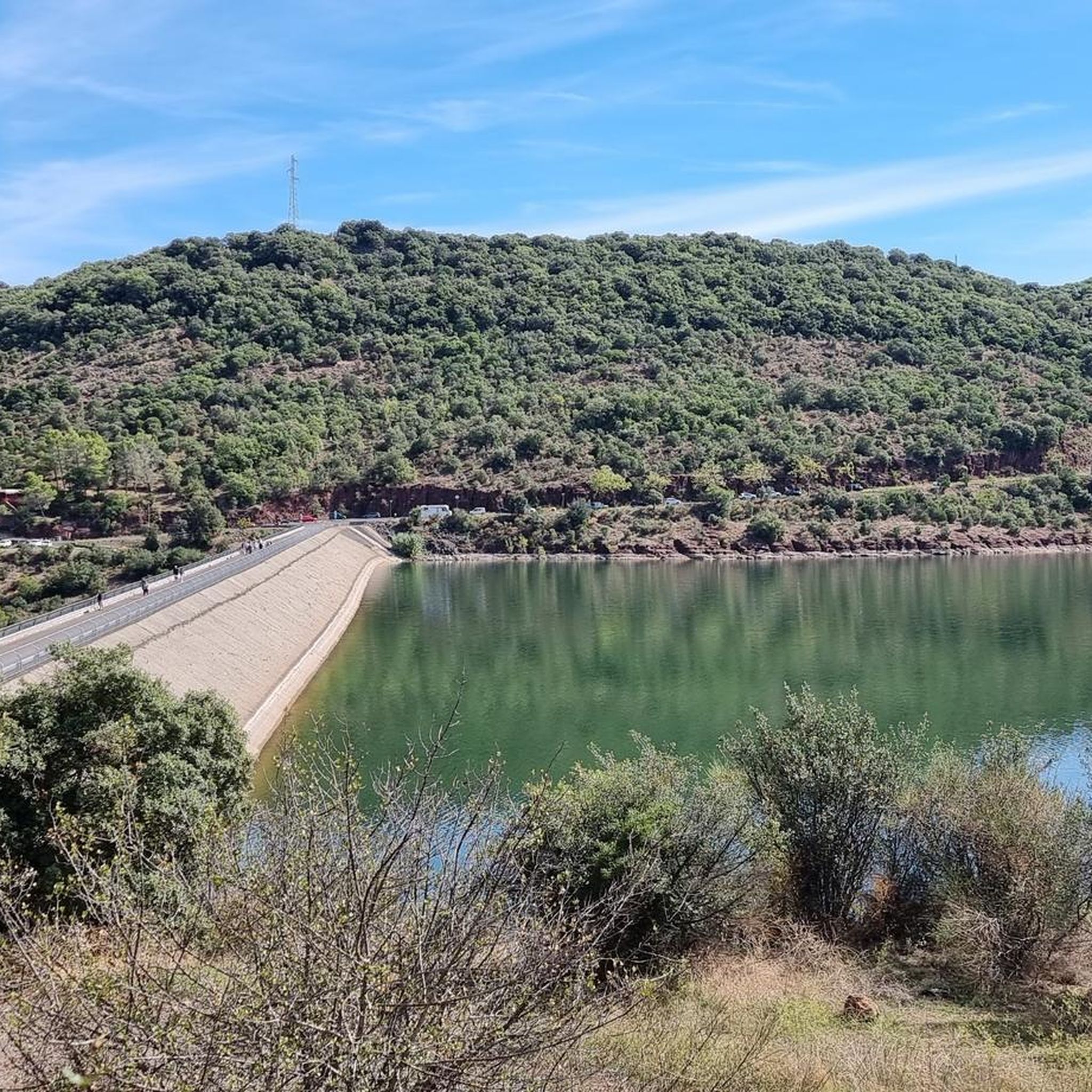
Road Cycling Routes around Clermont-L'Hérault
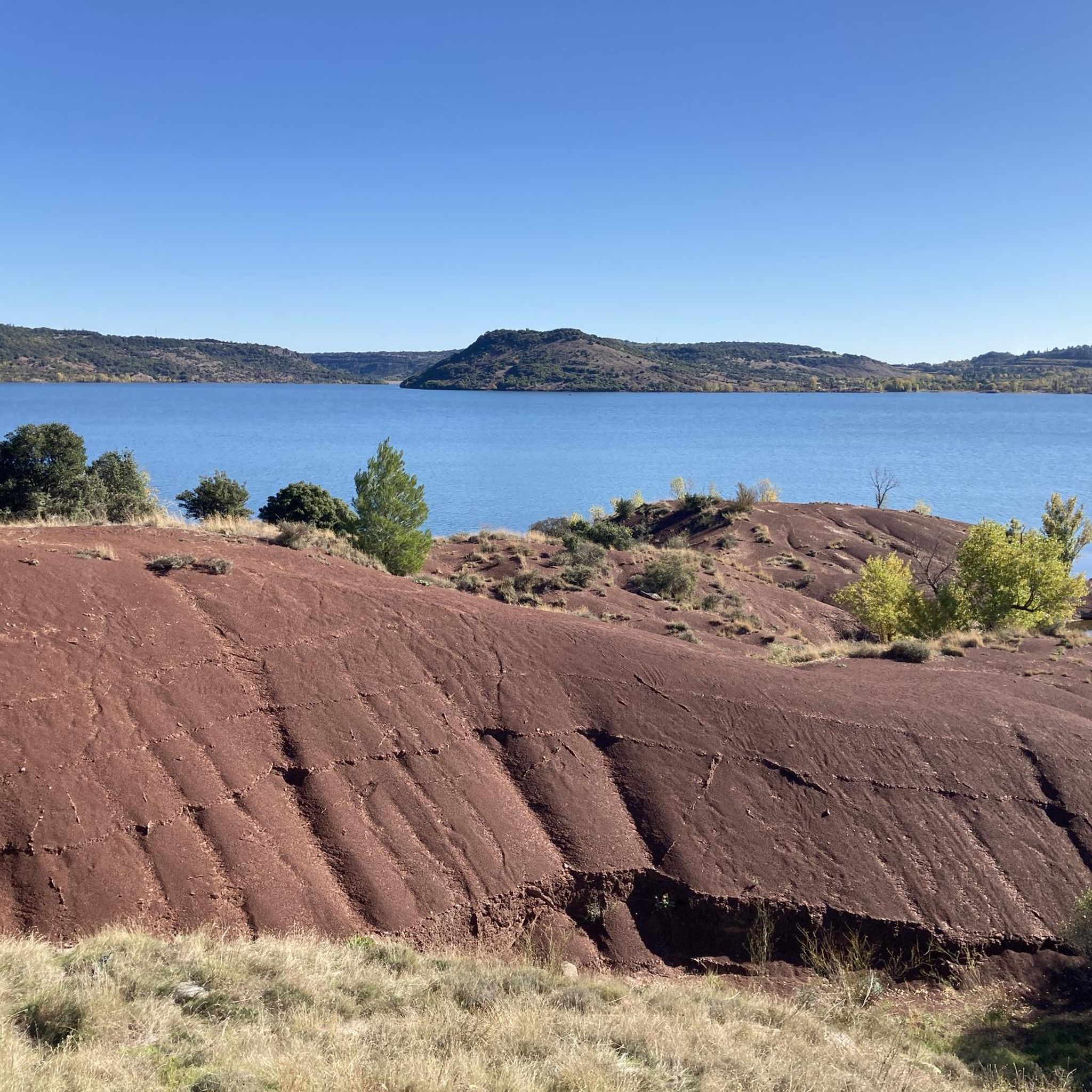
Running Trails around Clermont-L'Hérault
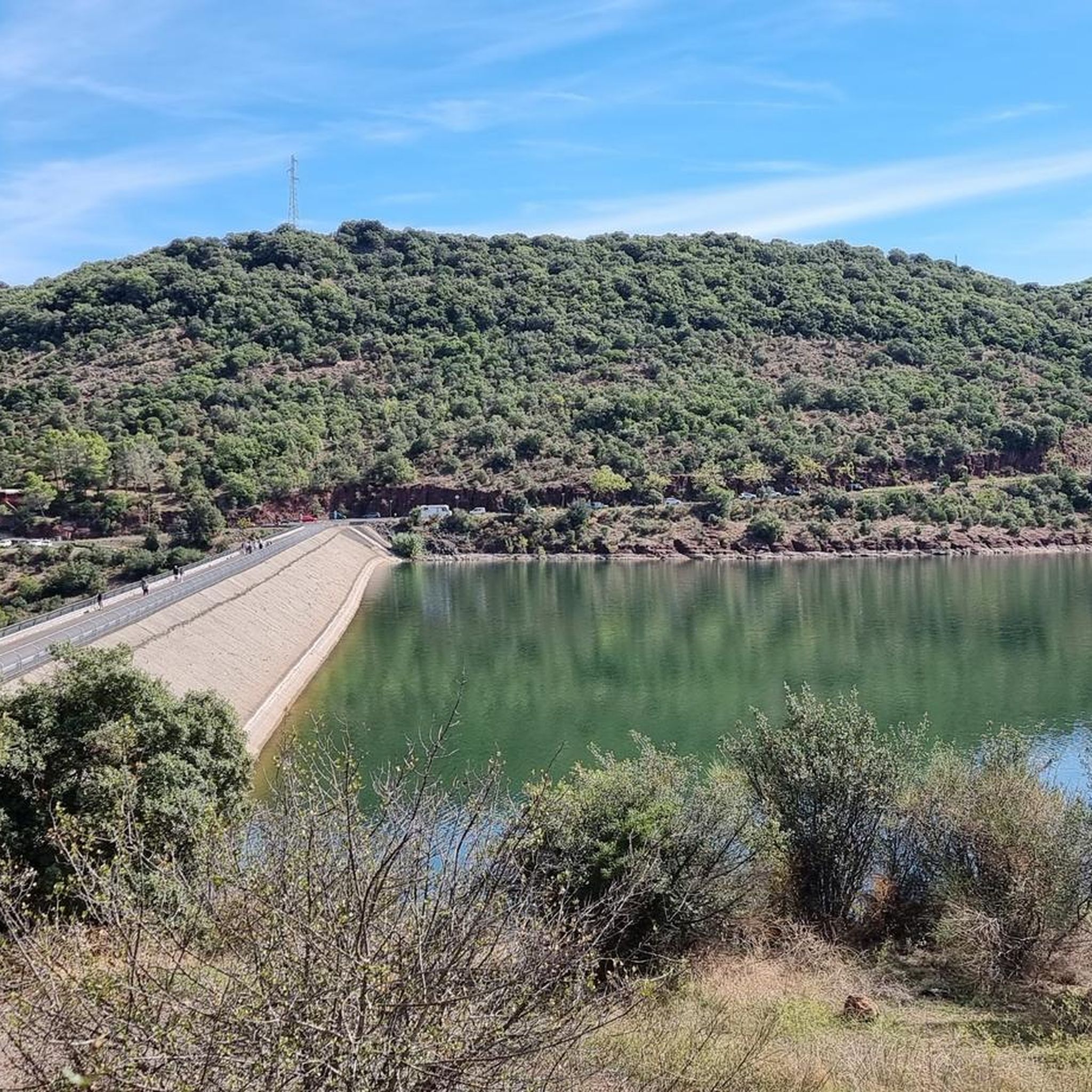
MTB Trails around Clermont-L'Hérault
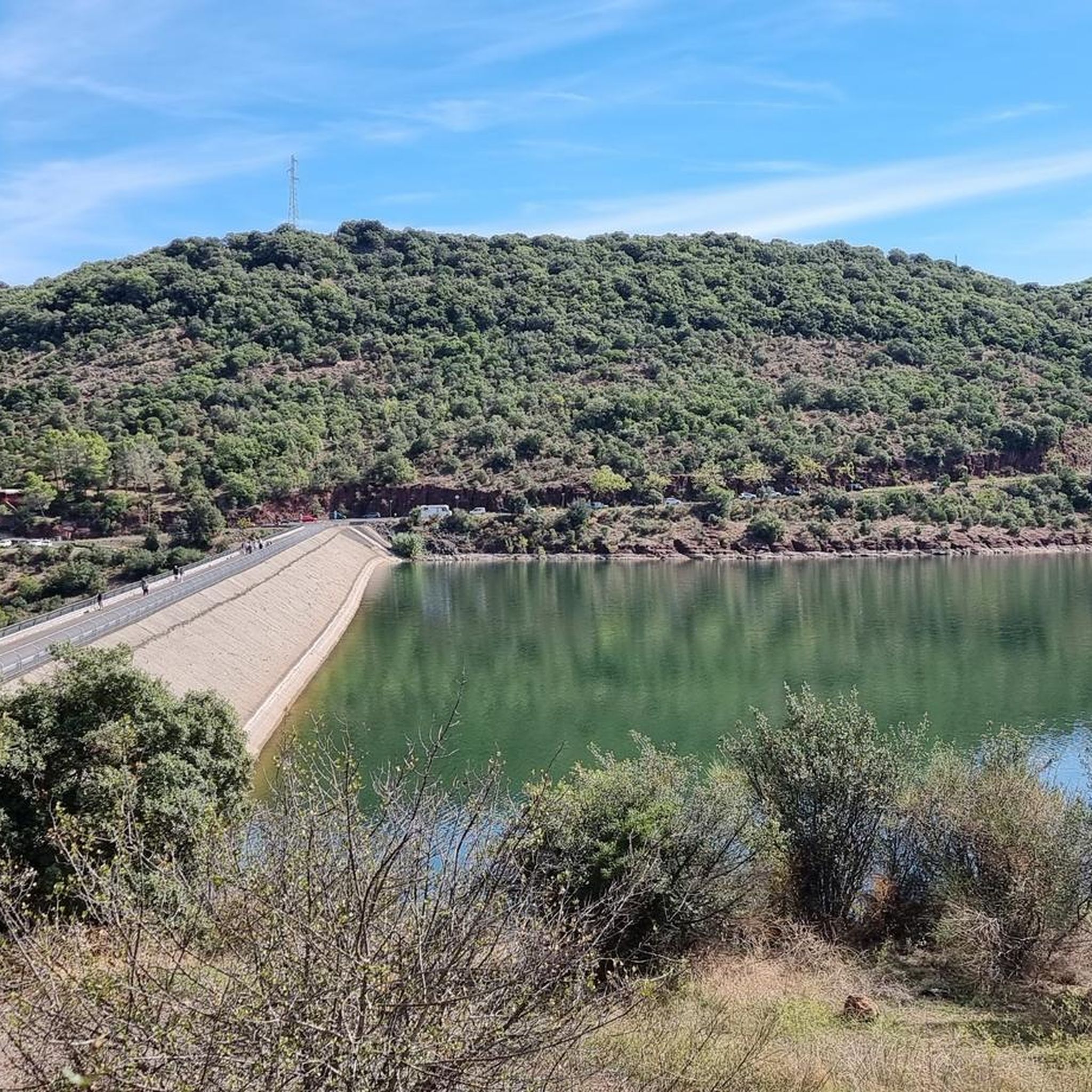
Cycling around Clermont-L'Hérault

Gravel biking around Clermont-L'Hérault


Tips from the Community

A place worth a little detour and not particularly difficult to access.
0
0

Easy hike, also suitable for cycling
0
0

Octon is a 'favorite' village, symbolic of the special atmosphere of the villages of the Grand Site. Its houses with multi-colored facades made of local stone, its wine cellars (Mas des chimères, Mas du Salagou, Trois terres, etc.) and the charming fountain on the square give a Mediterranean feel to this very lively village in the summer. The official end of the Sentier des 2 lacs is at the level of the Arcades campsite and the 'totem' of the Grande Traversée du Massif Central à VTT. A remarkable viewpoint over the Salagou lake awaits you: reed beds, Neck de la Roque, etc. It's a shame not to continue the adventure: we continue on the southern banks of the lake! We start by crossing the ford on the Salagou river, which gives its name to the lake (be careful, it gets wet after heavy rain!). Then it is an uninterrupted series of pretty red paths, vineyards and rolling hills of ruffes, with breathtaking views of the lake, the Sure hill, the Rouens peninsula and the Liausson mountain. With a few swimming spots to boot, welcome in summer: it gets hot on the ruffes… From the banks of Liausson, it is highly recommended to take a detour to Mont Liausson by taking the PR marked in yellow. A 9km route for a little less than 500m of elevation gain, with a nice climb from the Col des Portes to reach the summit. The Grand Site Salagou – Cirque de Mourèze seen from above… An exceptional panoramic view full of colours: the blue of the lake, the red ruffes, the yellow of the broom and the mosaic of vines. On the other side, the gaze stops on the ghostly shapes of the Cirque de Mourèze. If you don't have the time or the courage to make the detour to Mont Liausson, at least go up to the charming village of Liausson: magical panorama of the vineyards and the lake! On the banks of Clermont, the view of the lake at the end of the day from the pontoon is a delight for lovers of beautiful landscapes and perfect shots! You can eat there, stay there, have a drink, or simply enjoy a beautiful shaded beach. Only 6 km to go to the end of the journey: a pretty path with views of the lake, a stretch of road, a quiet track to cross a pass, and the descent towards Clermont-l'Hérault by a pretty greenway... A little gourmet stop at the Miellerie du Salagou, a few housing developments then we find a panoramic path that leads to the Guilhem castle. A tip: when the castle site is open, cross it to find the trail markings on the heights of old Clermont. You will be impressed by the magnificent views of the city and the plain from the castle grounds. All that remains is to let yourself be guided through the city and discover the imposing St Paul church: a remarkable example of southern Gothic. The interior is incredibly bright and airy… The end of the adventure will be on the terrace, on the Allées Salengro: the living heart of the city, and a wonderful Languedoc atmosphere, plane trees and wines to boot…
0
0

This 11th and 14th century castle, somewhat isolated, is a medieval stronghold. It is classified as a historic monument and has benefited from several restorations in recent years.
3
0

A photo break before tackling the steep climb.
2
0
Frequently Asked Questions
What are the main castles to explore around Clermont-l'Hérault?
The primary historical site is the Château des Guilhem, located directly in Clermont-l'Hérault. While largely in ruins, it offers significant historical context and panoramic views. Other notable castles in the broader region include Lauzières Castle ruins, known for being accessible by cycling, and Château de Dio, an 11th and 14th-century medieval stronghold that has undergone recent restorations.
Can I visit the Château des Guilhem in Clermont-l'Hérault?
The Château des Guilhem is a significant historical landmark. While it offers breathtaking panoramic views of the Hérault Valley, its accessibility can vary due to safety concerns and ongoing restoration efforts. It's advisable to check local information before planning your visit. When accessible, wear sturdy shoes for the climb.
Are there hiking trails that include castles near Clermont-l'Hérault?
Yes, several routes incorporate historical sites. The trail From Octon to Clermont l'Hérault on the GR®P Avène - Salagou features a panoramic path leading to the Guilhem castle, offering views of the Salagou lake. Another route, From Joncels to Dio on the GR®P Entre 2 Lacs Avène - Salagou, leads to the imposing Château de Dio.
What kind of views can I expect from the castles in the region?
The castles around Clermont-l'Hérault are often situated on elevated points, providing stunning panoramic vistas. From the Château des Guilhem, you can see the town of Clermont-l'Hérault and the surrounding Hérault plain. The Château de Dio also offers magnificent views, especially from the paragliding take-off point of Montjoux nearby, overlooking Bédarieux and le Caroux.
Are there any family-friendly options for visiting castles or nearby areas?
While specific family-friendly castle activities aren't detailed, the region offers natural beauty that families can enjoy. The hiking routes around Clermont-l'Hérault include easy options like the 'Rives de Clermont beach – Volcanic rock loop from Liausson' (4.93 km), which could be suitable for families. The area around Lake Salagou, often visible from castle sites, also provides opportunities for outdoor enjoyment.
What outdoor activities are available near the castles?
The region around Clermont-l'Hérault is excellent for outdoor activities. You can find numerous hiking trails, including those around Lake Salagou. For cyclists, there are touring bicycle routes and road cycling routes that explore the diverse landscapes, often passing by historical sites or offering views of them.
Is there parking available near the castles?
Information on specific parking facilities for each castle is not detailed. However, for the Château des Guilhem, visitors typically park in Clermont-l'Hérault and then undertake a steep climb to the ruins. For other castles like Lauzières Castle ruins, which is described as 'not particularly difficult to access,' parking is generally available nearby.
What is the historical significance of the castles in Clermont-l'Hérault?
The castles in the region, particularly the Château des Guilhem, played a crucial role in controlling the Hérault valley and trade routes during the medieval period. Built between the late 11th and early 12th centuries, the Château des Guilhem is an outstanding example of 13th-century royal military design. Château de Dio is also classified as a historic monument, reflecting its long history.
Are there any cafes or pubs near the castles?
While direct amenities at the castle ruins are limited, the town of Clermont-l'Hérault, located at the base of the Château des Guilhem, offers various options. The Allées Salengro in Clermont-l'Hérault is described as the 'living heart of the city' with terraces, providing opportunities for food and drink after your visit.
Can I visit the castles with my dog?
Specific regulations for dogs at each castle site are not provided. However, many of the surrounding hiking trails and natural areas around Clermont-l'Hérault are generally dog-friendly, especially if kept on a leash. It's best to check local signage or official websites for specific castle access rules regarding pets.
What is the best time of year to visit the castles and surrounding area?
The region experiences warm summers, especially on the 'ruffes' (red earth hills) around Lake Salagou. Spring and autumn generally offer milder temperatures, which are ideal for exploring the castle ruins and undertaking hiking or cycling activities in comfort. During summer, the presence of swimming spots near Lake Salagou can enhance a visit.
Are there any less crowded castles or historical sites to visit?
While the Château des Guilhem is a prominent landmark, its current state of disrepair and varying accessibility might mean fewer crowds compared to fully restored sites. Lauzières Castle ruins is described as 'not particularly difficult to access' and 'worth a little detour,' suggesting it might offer a more tranquil experience. The Château de Dio is somewhat isolated, which could also contribute to a less crowded visit.
Most popular routes around Clermont-L'Hérault
Most popular attractions around Clermont-L'Hérault

Get inspired with the komoot mobile app


Explore more
Looking for the best castles somewhere else? Discover other guides around Clermont-L'Hérault:
