Top 5 Caves around Claret
Best caves around Claret are found within the surrounding Hérault region, an area recognized for its viticulture and historic climbing crags. This region features a diverse underground landscape with unique geological formations and historical significance. The natural features provide opportunities for exploration and discovery near Claret. These subterranean sites offer various experiences, from accessible tourist caves to more challenging natural cavities.
Best caves around Claret
- The most popular caves is Aven of Sauve, a challenging cave and natural monument…
Last updated: July 6, 2026
grotte-abri du Lamalou n°2
Highlight • Cave
Be careful, I strongly advise people who are sensitive to vertigo, have difficulty moving, or have …
Translated by Google •
Tip by

Aven of Sauve
Highlight • Cave
I was able to go down there several times.
Be …
Translated by Google •
Tip by

Sign up now to discover places like this
Get recommendations on the best single tracks, peaks, & plenty of other exciting outdoor places.
Sign up for free
Bois de Paris Cave
Highlight • Cave
Translated by Google •
Tip by

Baume de Rédier
Highlight • Cave
A small access allows one to progress a little more than a few meters only.
Translated by Google •
Tip by
Grotte Louis Martin
Highlight • Cave
Then a drop of about 3 meters is visible, followed by a shaft of about 20 meters!
For cavers only!
Translated by Google •
Tip by
Sign up for free to discover even more caves around Claret.
Sign up for free
Already have an account?
Start today with a free account
Your next adventure awaits.
Login or Signup
Tips from the Community

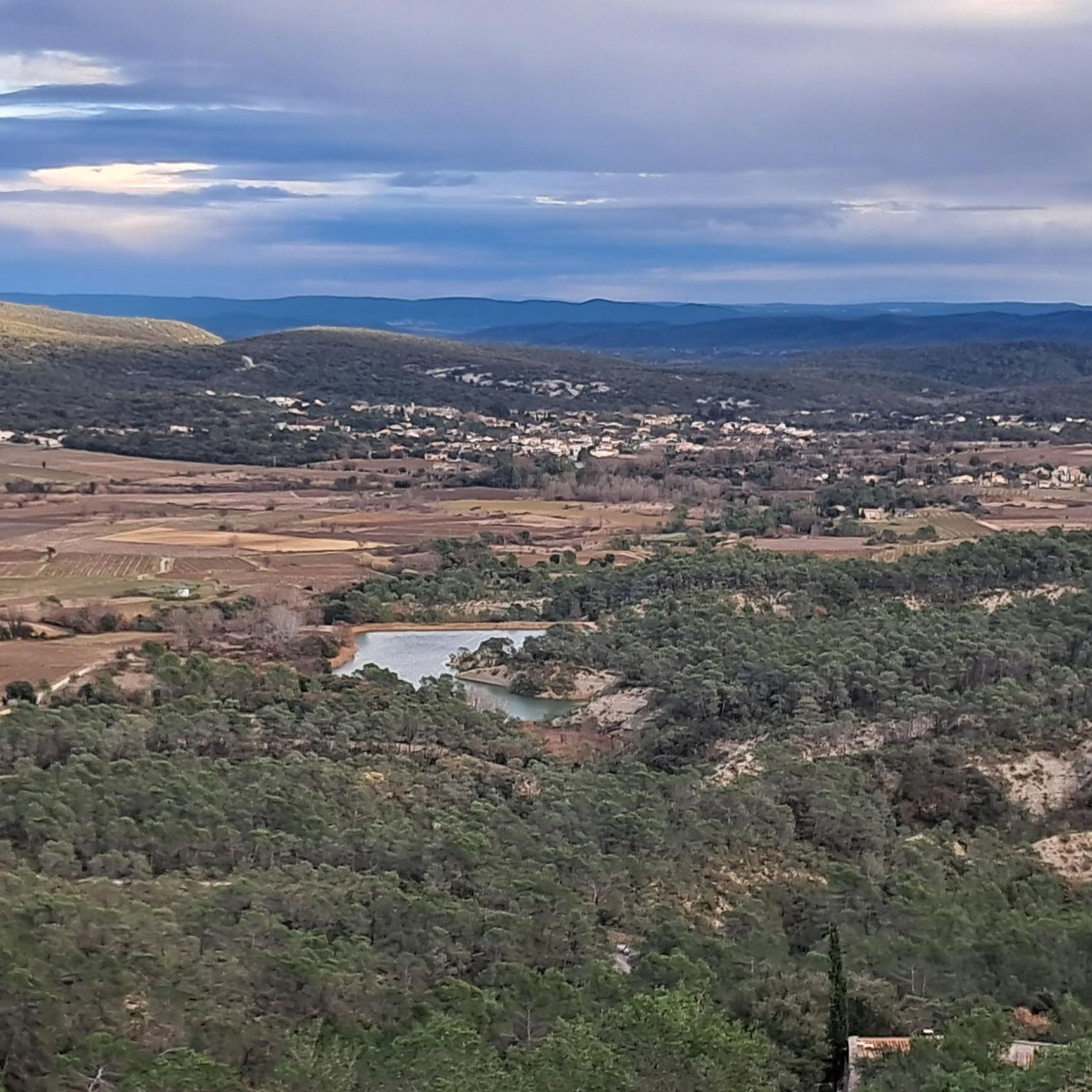
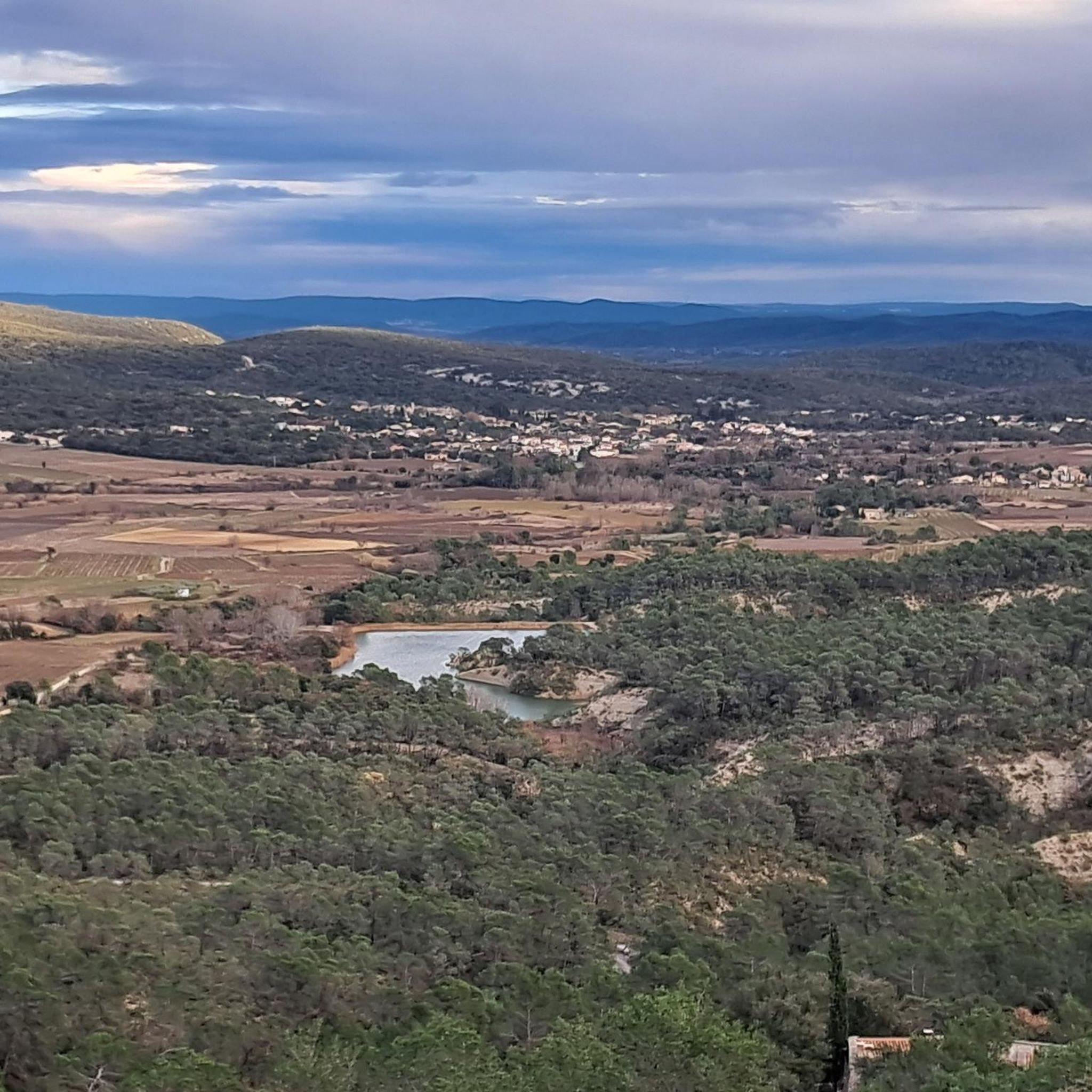
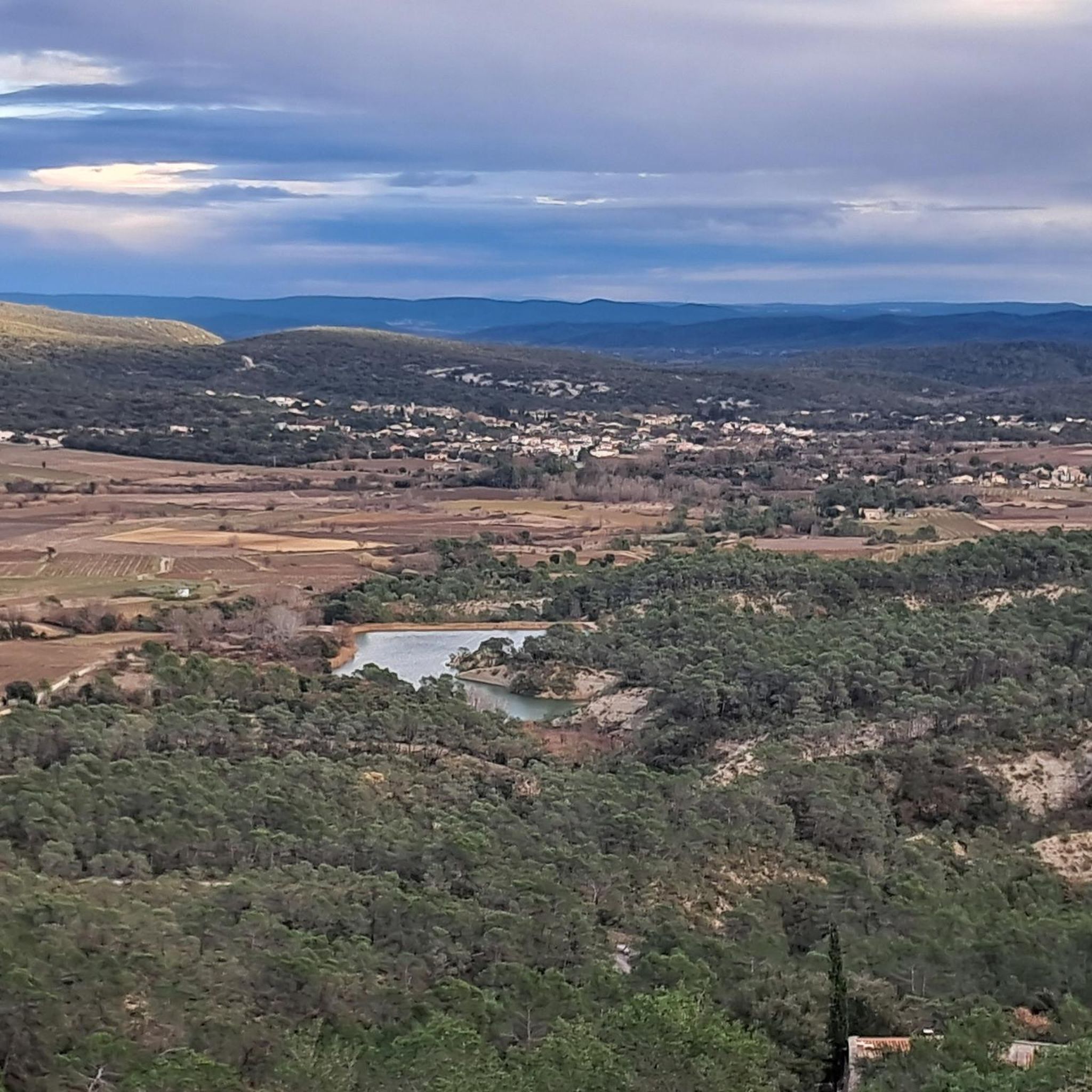
WARNING: This is not the Grotte des Demoiselles (Cave of the Maidens)! I requested that its REAL name be changed to "Grotte - Abri de Lamalou 2" (Lamalou Cave - Shelter 2). Some nice points of interest along the way! The path is sometimes challenging, so caution is advised. I also encountered a few people rock climbing. The ladder in the old "Hermite" cave is stable, but be careful nonetheless. Once at the top, it's easy to slip (it's on a slope). The visit is short, but there are a few tricky sections to explore a little further. Naturally, this makes it all the more dangerous! Not recommended for people with vertigo or who are not comfortable with heights.
0
0
Easy access for a maximum of 10-15 meters! Then a drop of about 3 meters is visible, followed by a shaft of about 20 meters! For cavers only! For the curious, there's a climb, followed by an awkward 30-meter ledge to bypass a lake, followed by a slide of about ten meters. At the bottom, this is practically the end of the tunnel. Some have dug a little, but nothing has yet been found.
0
0

Be careful of particularly slippery surroundings on rainy days or after rain.
1
0

excellent...lighting needed
0
0
A 40m deep and 90m circumference sinkhole is an attraction in the Sauve area, for tourists and also for potholers. I was able to go down there several times. Be careful, there is no barrier! Watch where you put your feet, children and animals! At the bottom is a cave that is not very big, with two parts. First lower part, which overlooks a well, then where you have to crawl quite a bit to end up on "nothing". On the other side, you fall quite quickly above a LAKE, with a height of about 15m. The water from this LAKE flows into the Sauve resurgence, located at the bottom of the village, after the stone bridge, towards the children's park. This one spits with all its power during the rains.
3
0

It is especially the path that leads to this place that will amaze you! Be careful, I strongly advise people who are sensitive to vertigo, have difficulty moving, or have young children not to take the path that leads to this place (in either direction).
0
0
A rock shelter of a few meters, where one can easily stand up. A small access allows one to progress a little more than a few meters only.
1
0
Provide frontal, the lighting of the phone is very limited.
1
0
Frequently Asked Questions
What are some of the most impressive show caves to visit near Claret?
Beyond the local natural caves, the Hérault region offers several renowned show caves. The Grotte de Clamouse, known as the 'Cave of a Thousand Colors,' is celebrated for its diverse concretions and a spectacular sound and light show. The Grotte des Demoiselles, often called the 'Underground Cathedral,' impresses with its immense chambers and is accessible via a funicular. Both offer guided tours and are well-developed for visitors.
Are there any family-friendly cave experiences near Claret?
Yes, several options cater to families. The Grotte de Clamouse offers traditional guided tours and a more adventurous Spéléopark. The Grotte de Labeil provides an immersive 'Cave Safari' experience, equipped with headlamps, allowing both children and adults to explore like true explorers. For a less strenuous option, the Bois de Paris Cave is intermediate and features a staircase for descent, making it suitable for cooling off in warmer months.
What kind of geological formations can I expect to see in the caves around Claret?
The caves in the region showcase a wide array of geological wonders. You can find eccentric stalactites, aragonite crystals, and delicate lacy draperies in caves like Grotte de Clamouse and Grotte de la Fileuse de Verre. The Aven of Sauve features a 40m deep sinkhole with a lake 15m below ground level, while Grotte de Labeil is a 'living' cave where you can observe an active underground river sculpting limestone formations.
What is the best time of year to visit the caves near Claret?
Caves maintain a relatively constant cool temperature year-round, making them an excellent destination in any season. They are particularly popular during warmer months as a refreshing escape from the heat. However, some natural caves, like the Aven of Sauve, can have slippery surroundings after rain, so caution is advised during wet periods.
Are there any caves with historical significance in the Claret area?
Yes, the Grotte de Labeil holds historical importance, having been used to store Roquefort cheese. Archaeological finds also suggest its occupation during the Bronze Age and Neolithic period. While not a cave, the Baume de Rédier is a rock shelter that offers a glimpse into ancient human use of natural shelters.
What outdoor activities can I combine with a cave visit near Claret?
The region around Claret offers diverse outdoor activities. You can explore numerous hiking trails, with options ranging from moderate to challenging, such as 'The Bridge of Chance – Notre-Dame du Château Chapel loop from Claret'. For cycling enthusiasts, there are extensive gravel biking routes and mountain biking trails. You can find more details on these activities in the Hiking around Claret, Gravel biking around Claret, and MTB Trails around Claret guides.
Are there any challenging caving experiences for experienced explorers?
For those seeking a more challenging experience, the Aven of Sauve is a notable natural monument featuring a 40m deep sinkhole, popular with potholers. The grotte-abri du Lamalou n°2 also offers a challenging path with sections requiring caution. Additionally, the Grotte Louis Martin is described as being for cavers only beyond its initial easy access, featuring a drop and a shaft.
What should I wear when visiting caves in the Claret region?
Caves maintain a cool and often damp environment, typically around 12-14°C (54-57°F), regardless of the outside temperature. It's advisable to wear comfortable walking shoes with good grip and bring a light jacket or sweater, even in summer. For more adventurous or undeveloped caves, headlamps and appropriate caving gear are essential.
Is there a caving museum in the area?
Yes, the Grotte de la Fileuse de Verre (also known as Grotte de la Devèze) uniquely hosts the first museum of caving, adding an educational dimension to your visit alongside its intricate and diverse concretions.
What do visitors particularly enjoy about the caves around Claret?
Visitors appreciate the diversity of experiences, from the spectacular formations and light shows in developed tourist caves to the authentic, wilder adventures in natural cavities. The opportunity to cool off in the caves during warm weather is also a highlight. The paths leading to some locations, like the grotte-abri du Lamalou n°2, are also noted for their scenic views.
Are there any caves near Claret that are easily accessible?
The Grotte des Demoiselles is known for its accessibility, featuring a large funicular that transports visitors into its immense chambers and well-lit, landscaped paths. While not all caves are easily accessible, this option is suitable for a wide range of visitors.
Most popular attractions around Claret

Get inspired with the komoot mobile app


Explore more
Extend your search for the best caves by checking out these guides of the top ones around Claret:
