Top 4 Castles around Chevincourt
Best castles around Chevincourt are found within the Oise department in the Hauts-de-France region, an area rich in historical sites and châteaux. While Chevincourt itself does not feature prominent castles, its location provides access to several notable examples of French history and architecture. The surrounding vicinity offers diverse historical experiences, from medieval fortresses to classical residences.
Best castles around Chevincourt
- The most popular castles is Château de Compiègne, a castle that served as a former royal and imperial residence.…
Last updated: July 6, 2026
Château de Compiègne
Highlight • Castle
Translated by Google •
Tip by

Château Mennechet
Highlight • Castle
Translated by Google •
Tip by

Sign up now to discover places like this
Get recommendations on the best single tracks, peaks, & plenty of other exciting outdoor places.
Sign up for free
Compiègne Palace - Les Beaux Monts
Highlight (Segment) • Castle
Translated by Google •
Tip by

Château des Bonshommes
Highlight • Castle
Tip by

Ribécourt Castle
Highlight • Castle
Translated by Google •
Tip by
Start today with a free account
Your next adventure awaits.
Login or Signup


Tips from the Community

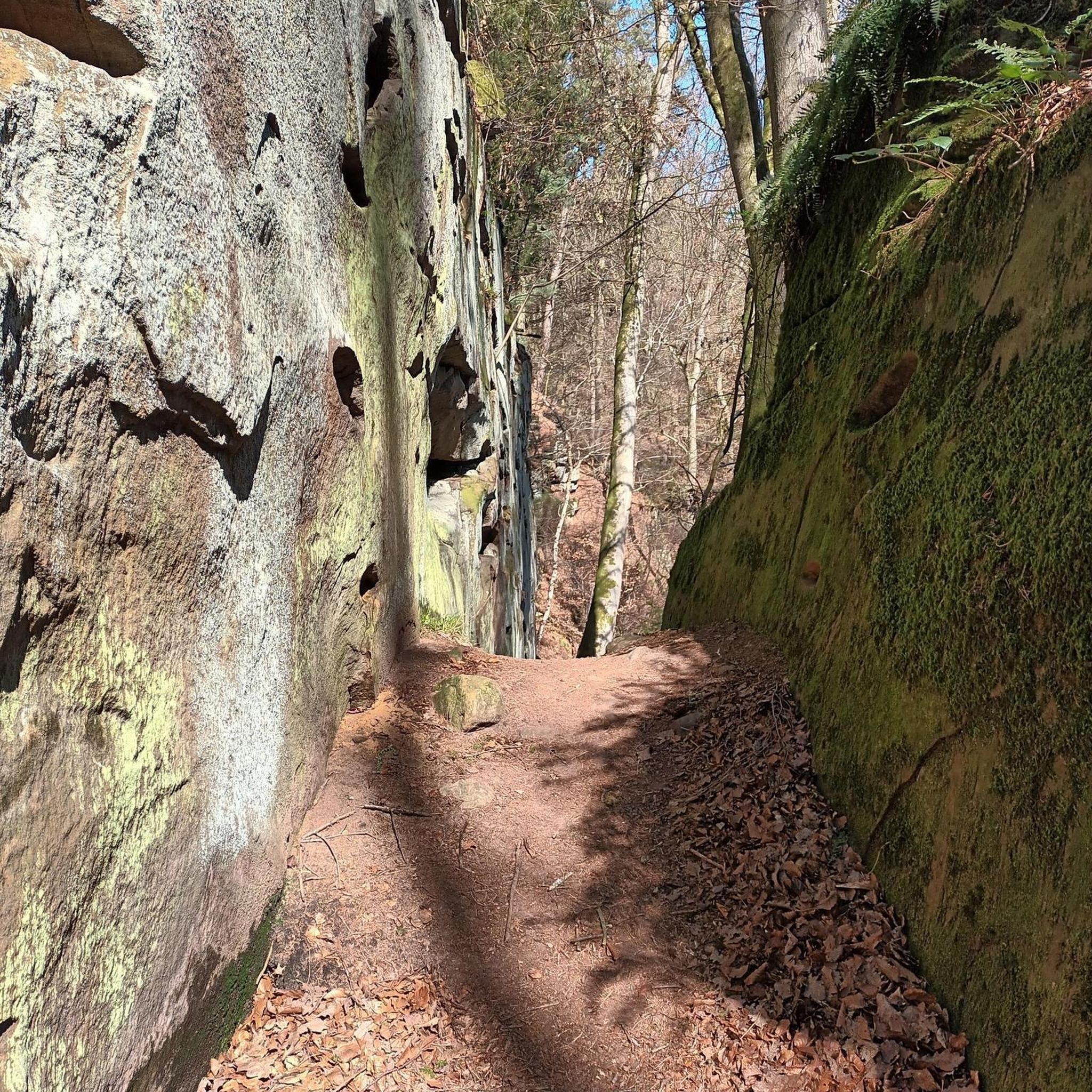
The Château du Francport is an historic château in Choisy-au-Bac, Oise, Hauts-de-France. It was built in the 19th century. A photograph taken by Count Olympe Aguado is in the collection of the J. Paul Getty Museum in Los Angeles, California. According to photographer Edward O. Haars for the War Department, this building is where German emissaries were housed during the Armistice negotiations in November 1918 at the Forest of Compiègne. See photos attached with NARA source on the images. Acquired by the Anglo-French Hotel Management Limited to turn it into a luxury hotel, the project fell through in 2009. However, by 2014 it was owned by Terres de Kéops and run as a restaurant known as the Château des Bonshommes.
5
0
Built by Count Nonant de Raray in the 18th century on the remains of an old castle, Ribécourt Castle was used as a prison camp in 1919. Its last owner, Miss Alyette de Lareinty Tholozan, was awarded the Croix de Guerre, then the Croix de la Légion d'honneur. In 1920, she donated the property to the Ministry of Veterans Affairs for the rehabilitation of the disabled. The residence, located in the commune of Ribécourt-Dreslincourt, now houses the Horticultural High School.
5
0

Perfect for a picnic in the castle grounds!
0
0


In good weather, the garden is peaceful for relaxing or strolling. The cherry on the cake is inside the castle: beautiful reconstructions and conservations
0
0
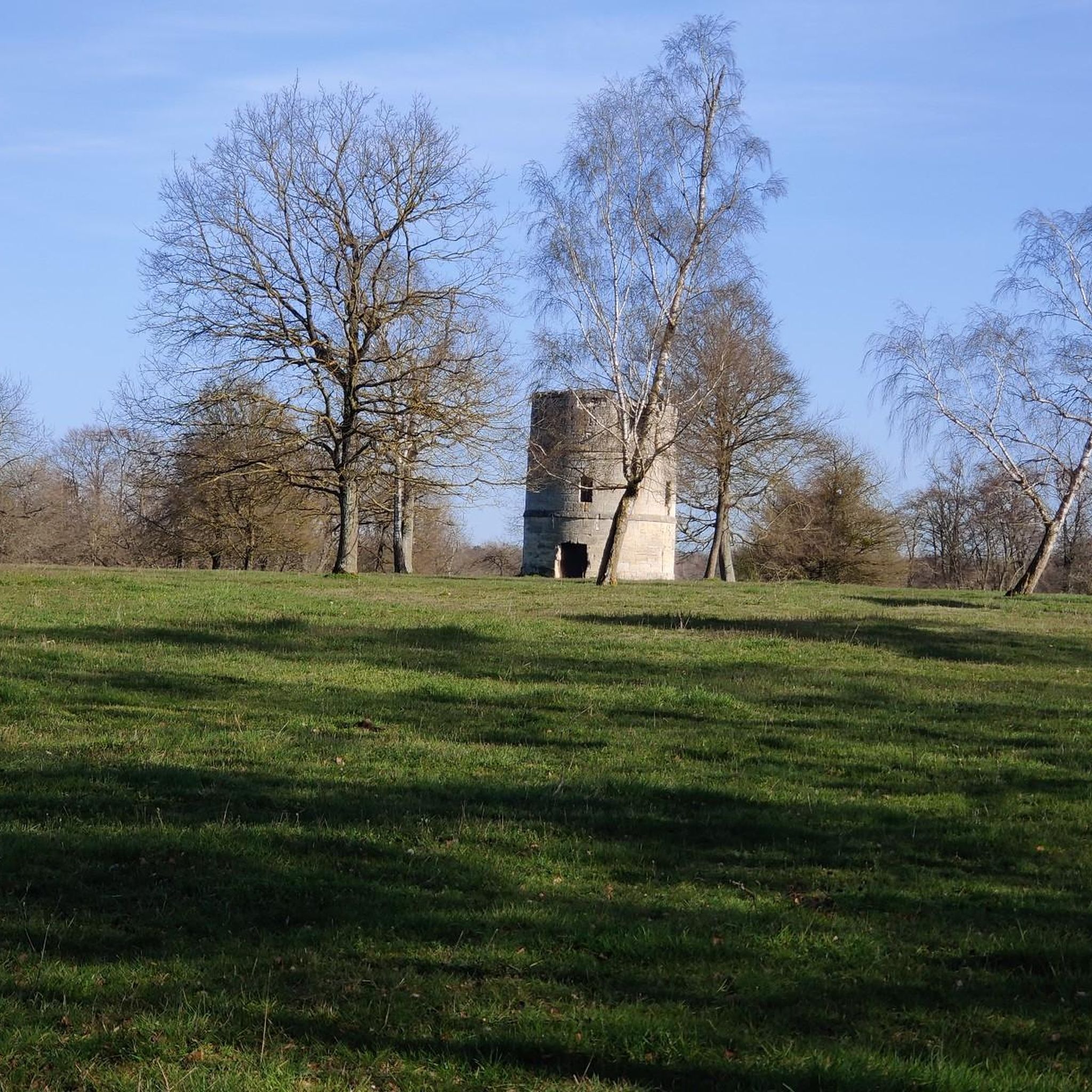
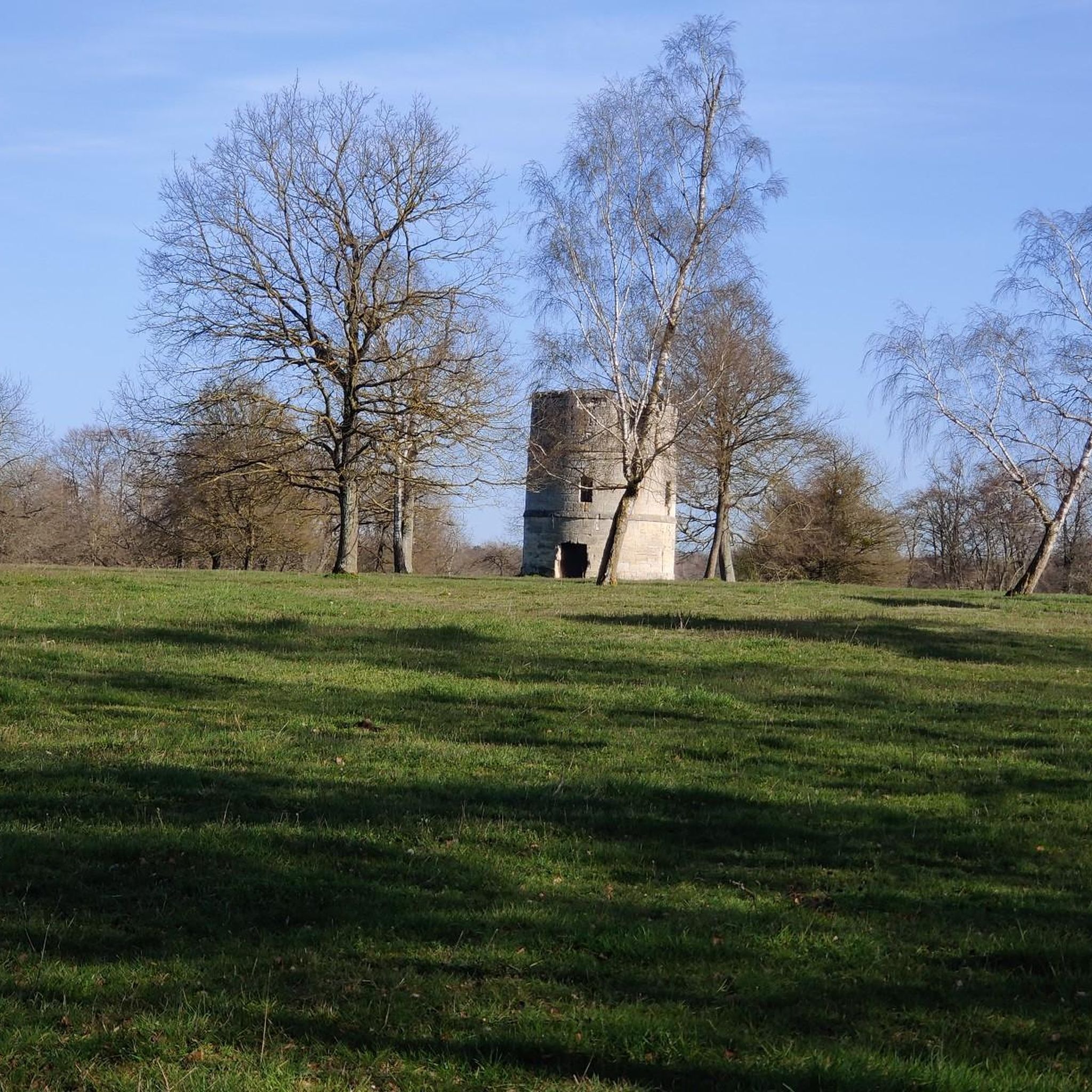
The Château Mennechet is a historic castle located in Chiry-Ourscamp, in the Hauts-de-France region. The castle was built at the end of the 19th century by Alphonse Mennechet de Barival, a wealthy and learned man. It was originally intended as a richly decorated gallery, but it was never completed. Architecture: The castle is an example of neo-Gothic architecture with beautiful sculptural decorations. The building is surrounded by an ornate garden and has an imposing facade with detailed stonework. The ruins of the castle can still be admired and offer a unique insight into the rich history and culture of the region.
2
0

Mennechet Castle is now in ruins, but it still offers a glimpse of the grandeur and art of its former owner, Alphonse Mennechet de Barival. You can explore the remains of the castle-gallery, designed to house Mennechet's collection of paintings, sculptures and earthenware. You can also admire the panoramic views of Mont-Conseil and the Oise valley from the castle's location on the hillside. As the castle is private property, you will need to obtain permission from the owner before visiting.
3
0

You have no idea of the importance of the castle until you have stood in front of it: a magnificent complex with a wonderful park. Compiegne had great royal times before the name was much later overshadowed by the armistice in 1918.
1
0
Frequently Asked Questions
What kind of castles can I explore near Chevincourt?
The region around Chevincourt offers a diverse range of castles, from medieval fortresses to classical residences. You can find impressive royal and imperial palaces like Château de Compiègne, which showcases French neo-classical style, as well as the romanticized medieval architecture of Château de Pierrefonds. There are also significant ruins like Château Mennechet, offering a glimpse into neo-Gothic design, and the historical remnants of the Castle of Senlis.
Are there any castles with significant historical importance near Chevincourt?
Yes, several castles in the vicinity hold deep historical significance. Château de Compiègne served as a royal and imperial residence for centuries. Montépilloy Castle, with its imposing keep, hosted figures like Joan of Arc during the Hundred Years War. The Vestiges of the Castle of Senlis date back to the 12th century and were a royal presence until the French Revolution. Ribécourt Castle, built in the 18th century, was notably used as a prison camp in 1919.
Which castles near Chevincourt are family-friendly?
The Château de Compiègne is considered family-friendly, offering three different museums within its complex and a large castle park that is free to enter. Its historical significance and beautiful grounds provide an engaging experience for all ages. Château de Pierrefonds, with its fairy-tale appearance and extensive restoration, also captivates younger visitors.
Can I visit castles that are in ruins or have unique architectural styles?
Absolutely. Château Mennechet is a notable example of a castle now in ruins, offering a unique insight into its neo-Gothic architecture and the artistic vision of its former owner. The Vestiges of the Castle of Senlis also provide a journey through centuries of architectural evolution, despite being largely in ruins. Montépilloy Castle, though fortified, showcases well-preserved medieval military architecture.
What outdoor activities can I do near these castles?
The region around Chevincourt and its castles is excellent for outdoor activities. You can find numerous running, hiking, and cycling routes. For instance, there are several running loops around Montagne du Paradis, hiking trails from Élincourt-Sainte-Marguerite, and cycling routes that pass by castles like Pierrefonds and Mennechet. You can explore more options on the Running Trails around Chevincourt, Hiking around Chevincourt, and Cycling around Chevincourt guide pages.
Are there hiking trails around the castles near Chevincourt?
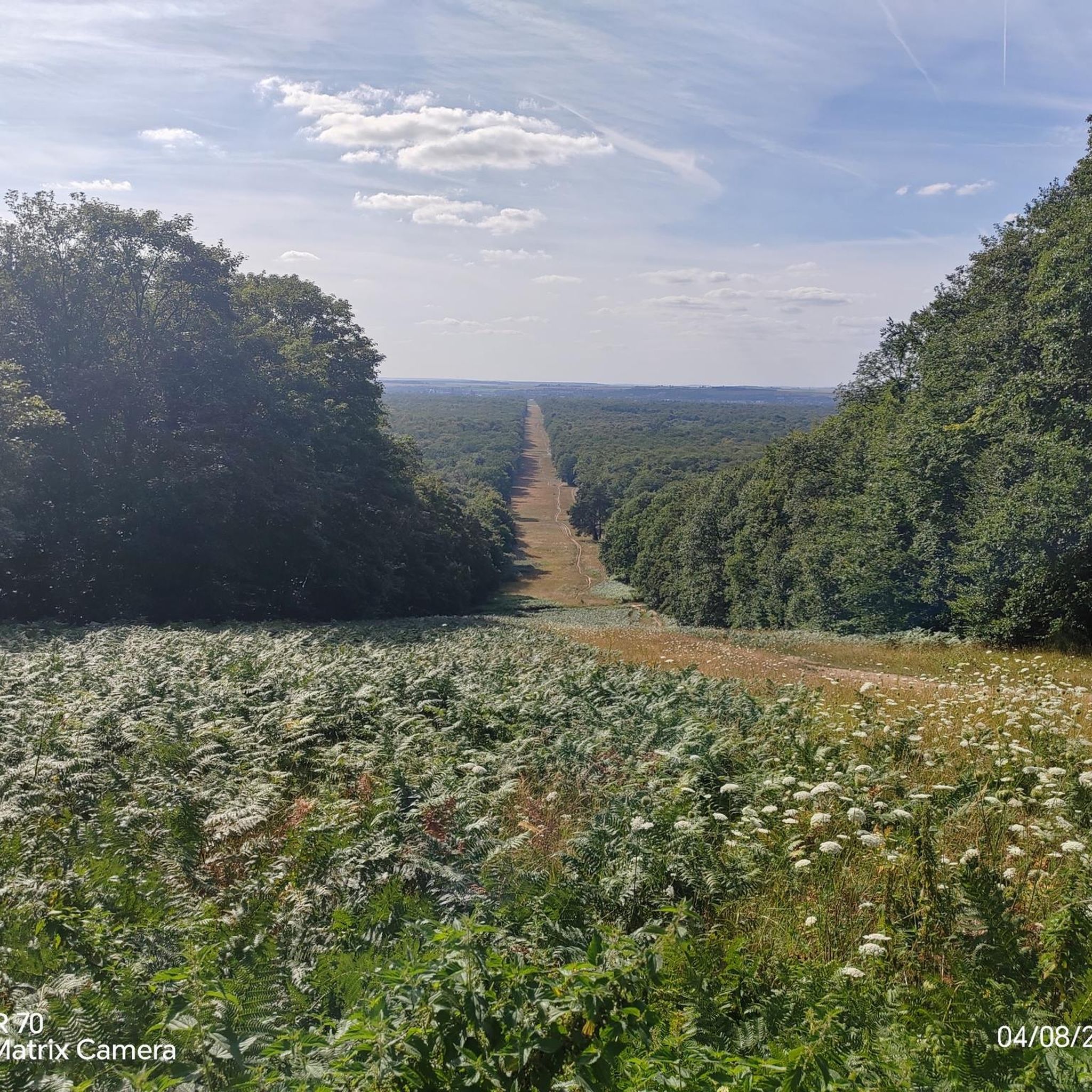
Yes, there are many hiking opportunities. For example, near Compiègne Palace - Les Beaux Monts, you can embark on a climb to the Beaux Monts, offering breathtaking views of Compiègne and its forest. The Oise department, where these castles are located, features various trails suitable for different difficulty levels. Check the Hiking around Chevincourt guide for detailed routes.
What is the best time to visit the castles in the Chevincourt region?
The best time to visit the castles and explore the region is generally during spring (April-May) and autumn (September-October) when the weather is mild and the natural scenery is particularly beautiful. Summer (June-August) is also popular, though it can be warmer. Winter visits are possible, but some outdoor areas or specific castle sections might have reduced hours or closures.
How can I get to the castles near Chevincourt using public transport?
While Chevincourt itself is a smaller commune, the larger towns like Compiègne and Senlis, which host significant castles, are more accessible by public transport. From these towns, local buses or taxis might be available to reach specific castle sites. It's advisable to check local transport schedules for the Oise department when planning your visit.
Are there options for accommodation or dining near the castles?
Yes, you'll find various options for accommodation and dining in the towns surrounding the castles, such as Compiègne, Senlis, and even smaller villages. These range from hotels and guesthouses to local restaurants and cafes. For example, Château des Bonshommes, though a historical site, now operates as a restaurant, offering a unique dining experience.
Are there any castles near Chevincourt that are particularly impressive or fairy-tale like?
Château de Pierrefonds, located approximately 19 km from Chevincourt, is widely considered a fairy-tale castle. Its extensive 19th-century restoration by Eugène Viollet-le-Duc gave it a magnificent, romanticized medieval appearance with formidable defenses and rich interiors, making it a truly impressive sight.
What do komoot visitors appreciate most about the castles in this region?
Komoot visitors highly appreciate the historical depth and architectural beauty of the castles. They enjoy the opportunity to explore sites like Château de Compiègne for its royal history and museums, and the panoramic views from places like Compiègne Palace - Les Beaux Monts. The community has shared over 30 photos and given more than 170 upvotes, highlighting the visual appeal and engaging experiences these sites offer.
Can I bring my dog to the trails or castle grounds?
While many outdoor trails in the Oise department are dog-friendly, specific castle grounds or interiors often have restrictions. It's best to check the individual castle's policy before visiting. For example, the Oise-Pays de France Regional Natural Park, which encompasses some castle areas, has specific dog policies. Always keep your dog on a leash where permitted.
Are there any castles that offer a glimpse into early industrial history?
Yes, Coye-la-Forêt Castle, though generally not open for public visits, played a role in early industrial activity with a scarf factory established in its outbuildings. This provides a unique historical context beyond just royal or military functions, showcasing the region's broader heritage.
Most popular routes around Chevincourt
Most popular attractions around Chevincourt

Get inspired with the komoot mobile app


Explore more
Looking for the best castles somewhere else? Discover other guides around Chevincourt:
