Top 9 Caves around Lans-En-Vercors
Best caves around Lans-En-Vercors are found within the Vercors Massif, a region recognized for its extensive subterranean networks, featuring over 3,500 caves. Lans-en-Vercors serves as a starting point for exploring these underground environments. The area's geology has created diverse formations, including rivers, waterfalls, wells, and limestone structures. These caves offer various exploration opportunities, from accessible routes to more technical speleological adventures.
Best caves around Lans-En-Vercors
- The most popular caves is Cuves Trail, a cave that follows a path along…
Last updated: July 6, 2026
Cuves Trail
Highlight (Segment) • Cave
Translated by Google •
Tip by

Corrençon Natural Icehouse
Highlight • Cave
Translated by Google •
Tip by

Sign up now to discover places like this
Get recommendations on the best single tracks, peaks, & plenty of other exciting outdoor places.
Sign up for free
Grotte de la Ture
Highlight • Cave
This cave gives an easy start for underworld …
Tip by

Grotte de Bournillon
Highlight • Cave
and well over 100 meters high entrance portal to the largest in Europe. Together with the Grotte de Luire it is a huge cave system.
Translated by Google •
Tip by
Moulin-Marquis Waterfall and Bournillon Cave
Highlight • Waterfall
Translated by Google •
Tip by

Sign up for free to discover even more caves around Lans-En-Vercors.
Sign up for free
Already have an account?
Start today with a free account
Your next adventure awaits.
Login or Signup
Popular around Lans-En-Vercors
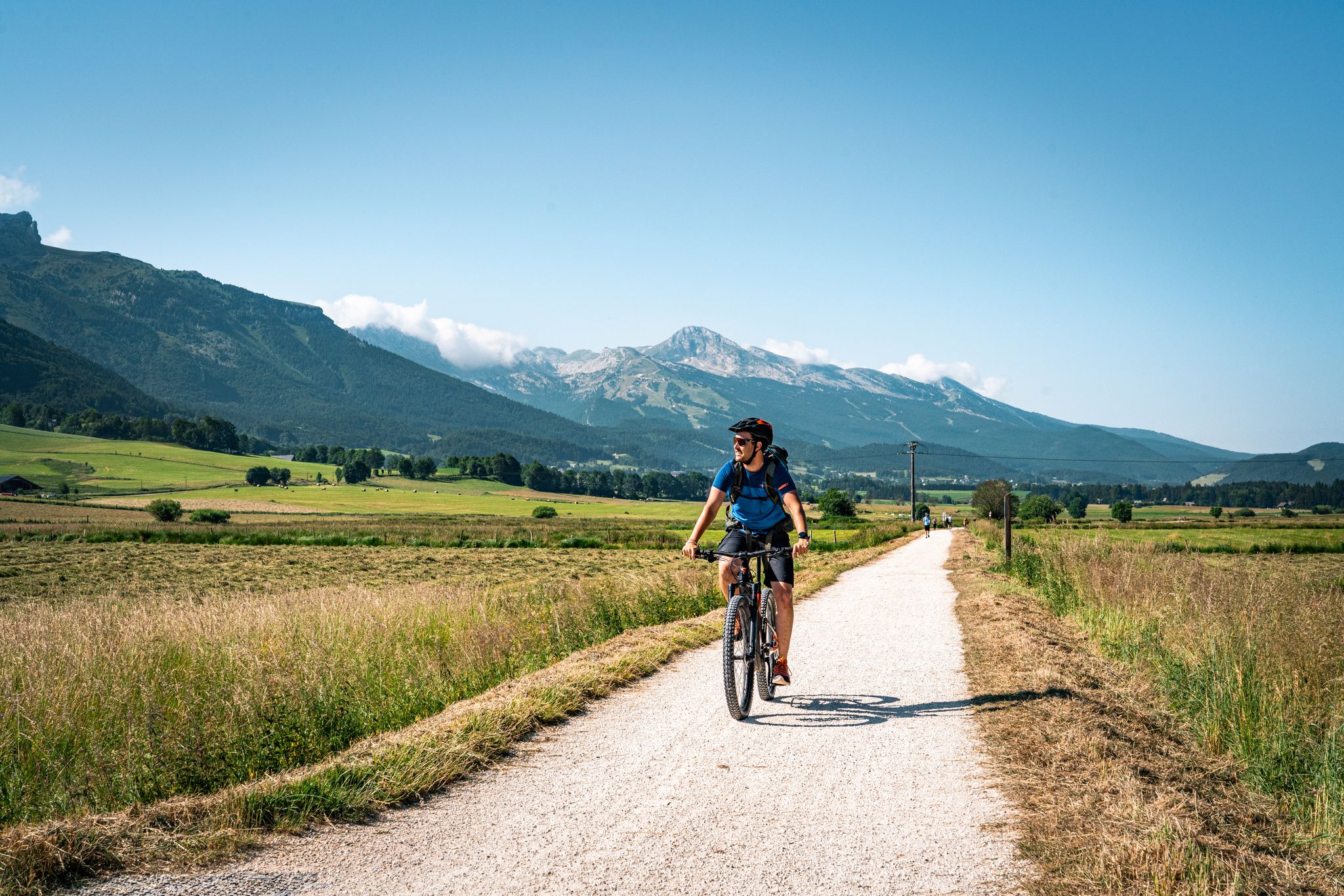
Vercors — the best gravel and mountain bike routes
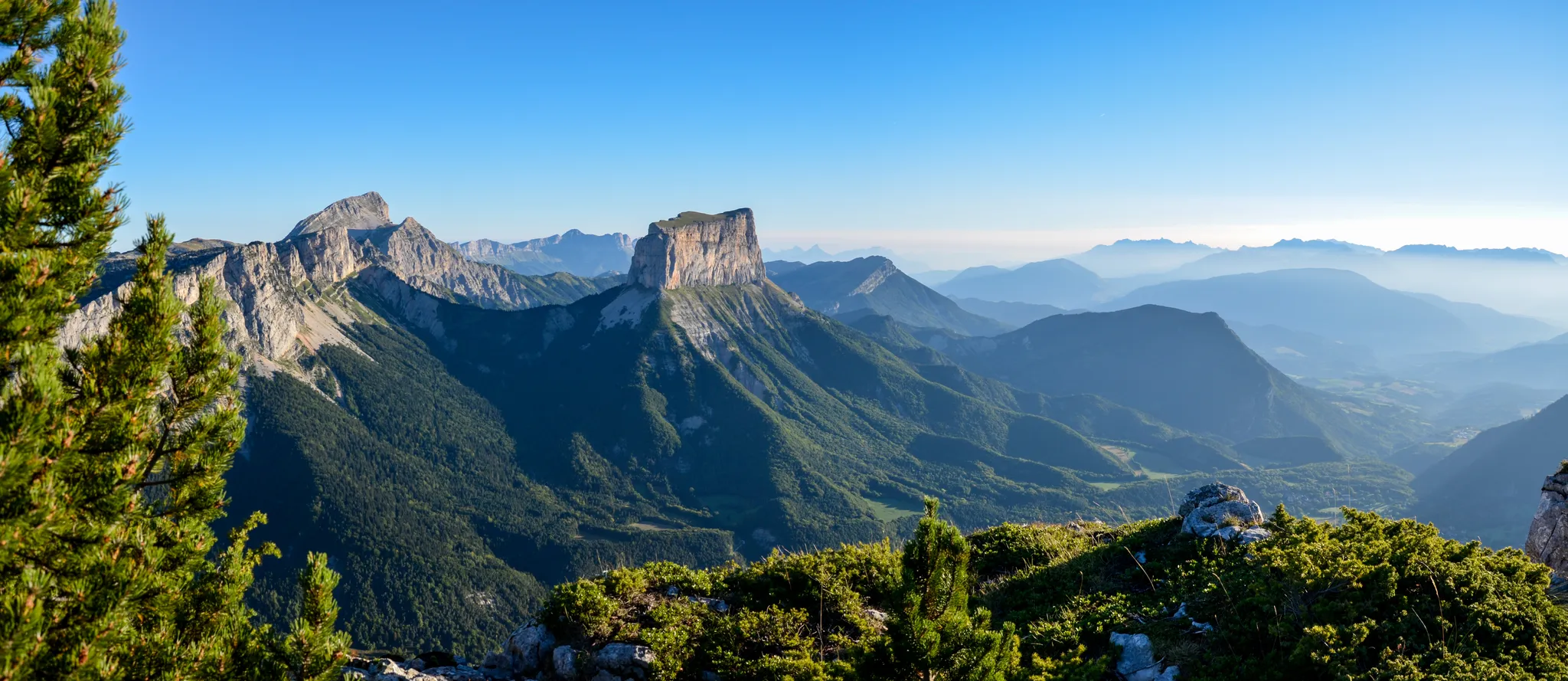
Grand Tour of the Vercors – first section
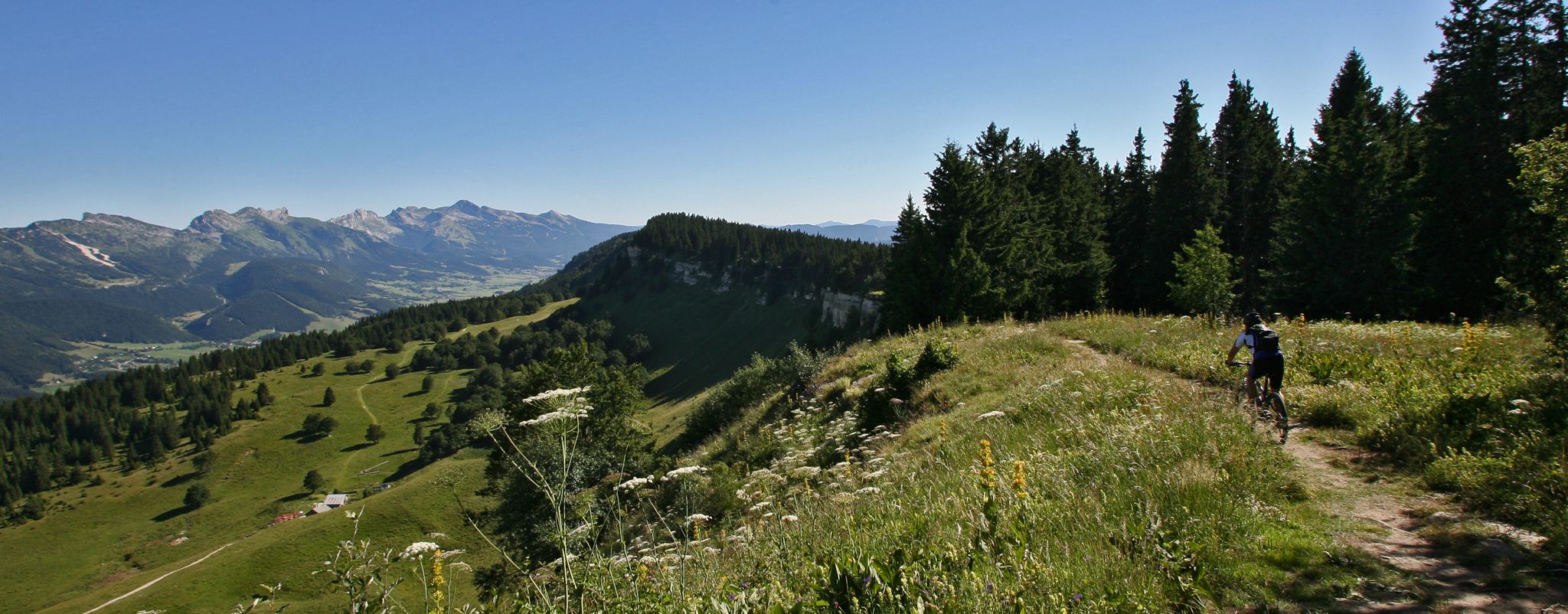
Legendary MTB routes in the bike paradise of Vercors Isère
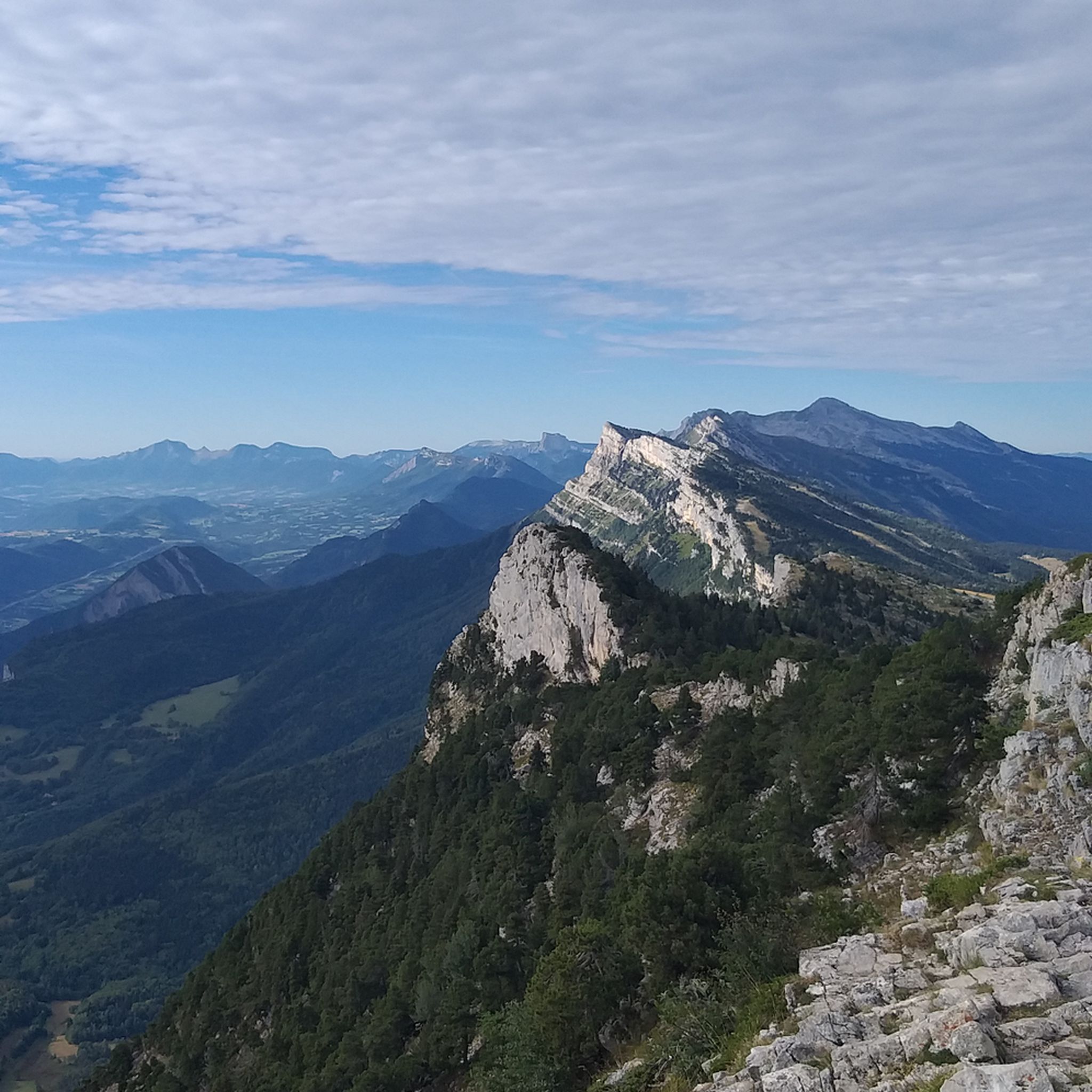
Hiking around Lans-En-Vercors
MTB Trails around Lans-En-Vercors
Cycling around Lans-En-Vercors
Road Cycling Routes around Lans-En-Vercors
Running Trails around Lans-En-Vercors
Gravel biking around Lans-En-Vercors
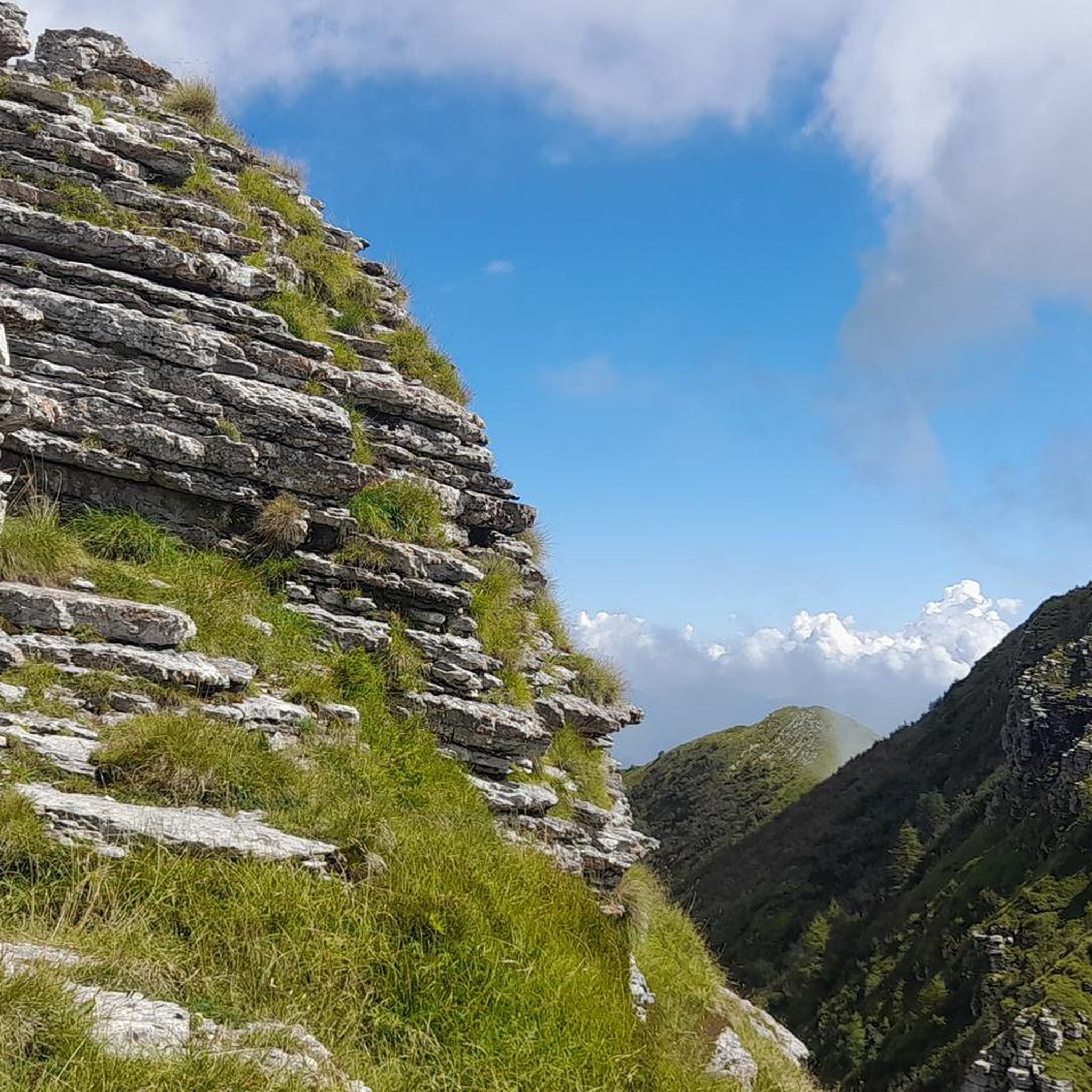
Mountain Hikes around Lans-En-Vercors
Other adventures around Lans-En-Vercors


Tips from the Community

The path of the vats is a very easy hike, the Furon at one point plunges under the rock. Spectacular
0
0
the waterfall dominates the Bournillon cave
0
0

The Moulin-Marquis waterfall or Bournillon waterfall is a French waterfall about 400 meters high. It is located in Choranche in Isère, in the Bournillon cirque, downstream from the Bourne gorges.
1
0

Ice reserve still exploited not so long ago (until the mid-20th century). Interesting explanatory panels.
1
0

Easy climb, ideal for the kids, to a majestic cave!
1
0

La Glacière is a 14 m deep cave. It is the result of the dissolution and erosion of limestone by the long work of water. In the 1700s, landmarks bear witness to the presence of men who came here to exploit the ice. The latter will engrave various inscriptions on the wall. But it was at the beginning of the 20th century that this cave was mainly exploited. Indeed, the ice extracted using a sled is used by cafeterias in Grenoble and hospitals. In 1964, the cooler was 4 m thick, today it is endangered. The rockslides made access to the cooler dangerous and it was closed to the public in 1999.
0
0
The Cuves are very easy to access. You can park near the chateau de sassenage. The route is very well signposted, the start is via stairs carved into the rock. After entering the cave, continue on the right bank of the Furon to the waterfall. A footbridge makes it possible to cross the Furon and to return by the left bank of the Furon and thus to make a loop. It's a family outing, which doesn't require any special skills, you just need a good pair of shoes.
2
0

Frequently Asked Questions
Are there family-friendly caves to explore near Lans-en-Vercors?
Yes, several caves are suitable for families. The Cuves Trail, which follows a path along La Furon to the entrance of the Cuves de Sassenage, is well-signposted with stairs carved into the rock, making it an easy family outing. Additionally, the Grotte Roche Labyrinthe near Villard de Lans is excellent for beginners and families with children as young as 6 for discovery level exploration, offering diverse routes and even a fossil gallery.
What kind of natural features can I expect to see in the caves around Lans-en-Vercors?
The caves in the Vercors Massif are known for their diverse natural features. You can find impressive limestone formations, stalagmites, and stalactites, as seen in Grotte de la Ture. Many caves also feature underground rivers, waterfalls, and wells, such as the Choranche Cave with its crystal-clear water and the Gournier Cave with its underground river and lake.
Are there any caves with historical significance in the region?
Yes, the region has caves with interesting historical connections. The Corrençon Natural Icehouse is a natural monument that was historically exploited for ice until the mid-20th century, with evidence of its use dating back to the 1700s. The Grotte de Thaïs features a reproduction of a prehistoric habitat, offering a unique historical perspective, and the Grotte de l'Ours hosted resistance fighters during WWII.
What is the difficulty level for caving in Lans-en-Vercors?
Caving difficulty varies significantly. For beginners and families, the Grotte Roche Labyrinthe is considered the easiest, offering walking, crawling, and short ladder climbs. More challenging experiences, like Eymards Cave, involve abseiling wells and rope lifts, often requiring guided speleology outings lasting around 4.5 hours. The Gournier Cave offers an 8-hour caving experience, considered a 'pearl of Vercors' for more advanced explorers.
Can I find guided cave tours in the Lans-en-Vercors area?
Yes, qualified guides and instructors are available to lead excursions into the fascinating underground worlds of the Vercors. Caves like Eymards Cave are popular for guided speleology outings due to their challenging nature, which includes pits and mazes. For introductory experiences, the Grotte Roche Labyrinthe also offers guided tours suitable for various skill levels.
What outdoor activities can I do near the caves around Lans-en-Vercors?
Beyond caving, the Lans-en-Vercors area offers a variety of outdoor activities. You can explore numerous mountain hikes, with routes like the Pic Saint-Michel loop. There are also running trails, including challenging routes around Saint-Michel Peak. For cyclists, gravel biking routes such as the ViaVercors loops provide opportunities to explore the scenic landscapes. You can find more details on these activities in the Mountain Hikes, Running Trails, and Gravel biking guides for the region.
What is the best time to visit the caves in the Vercors Massif?
The Vercors Massif offers caving opportunities throughout much of the year, but conditions can vary. During wet seasons, some caves like the Grotte de la Luire can experience high water levels, which might affect accessibility or require specific equipment. For general exploration, warmer, drier months might be more comfortable, though the underground environment maintains a relatively constant temperature. Always check local conditions and guided tour availability.
Are there any caves that are particularly known for their geology or unique formations?
The Vercors Massif is geologically rich. The Eymards Cave, for instance, formed due to a tectonic gap and features various concretions and protruding walls. Grotte de la Ture is a fossil cave known for its spectacular stalagmites and stalactites. The Choranche Cave is famous for its crystal-clear water and impressive formations, while the Grotte de Thaïs boasts a maze of red and black concretions.
What should I wear for a caving trip in Lans-en-Vercors?
For caving, it's generally recommended to wear sturdy, comfortable clothing that you don't mind getting dirty. Layers are advisable as cave temperatures can be cool. Good quality hiking boots with ankle support and grip are essential. Depending on the cave and activity, you might also need a helmet, headlamp, and gloves, especially for more technical explorations involving crawling or ropes. Guided tours typically provide specialized equipment.
Are there any caves that are less known or 'hidden gems' in the area?
While many caves in the Vercors are well-documented, the region's extensive network of over 3,500 caves means there are always less-explored spots. The Moulin Marquis Spring, where the spring gushes from a small cave-like crevice, offers a pleasant atmosphere and a more subtle cave experience. For more adventurous explorers, local guides can often lead to lesser-known sections or systems.
What do visitors enjoy most about the caves around Lans-en-Vercors?
Visitors appreciate the diverse experiences offered, from easy family outings to challenging speleological adventures. The accessibility of some caves, like the Cuves Trail, makes them popular. The spectacular natural formations, underground rivers, and the unique historical aspects of sites like the Corrençon Natural Icehouse are frequently highlighted. The opportunity for a true underground exploration, often involving unique physical challenges, is also a major draw.
Most popular routes around Lans-En-Vercors
Most popular attractions around Lans-En-Vercors

Get inspired with the komoot mobile app


Explore more
Extend your search for the best caves by checking out these guides of the top ones around Lans-En-Vercors:
