Top 5 Castles around Les Plans
Best castles around Les Plans are found in a region characterized by its diverse landscapes, from picturesque villages to river valleys and the red earth surrounding Salagou lake. This area, historically part of Languedoc, features a rich past with medieval strongholds and ancient settlements. Visitors can explore a mix of rebuilt castles, historical ruins, and fortified structures nestled within natural settings like the Monts d'Orb national forest. The region offers opportunities to combine historical exploration with outdoor activities.
Best castles…
Last updated: May 9, 2026
Lunas
Highlight • Settlement
Translated by Google •
Tip by

Lauzières Castle ruins
Highlight • Castle
Translated by Google •
Tip by

Sign up now to discover places like this
Get recommendations on the best single tracks, peaks, & plenty of other exciting outdoor places.
Sign up for free
Château de Dio
Highlight • Castle
Translated by Google •
Tip by

From Octon to Clermont l'Hérault on the GR®P Avène - Salagou
Highlight (Segment) • Trail
Translated by Google •
Tip by

From Joncels to Dio on the GR®P Entre 2 Lacs Avène - Salagou
Highlight (Segment) • Trail
Translated by Google •
Tip by
Sign up for free to discover even more castles around Les Plans.
Sign up for free
Already have an account?
Start today with a free account
Your next adventure awaits.
Login or Signup
Tips from the Community

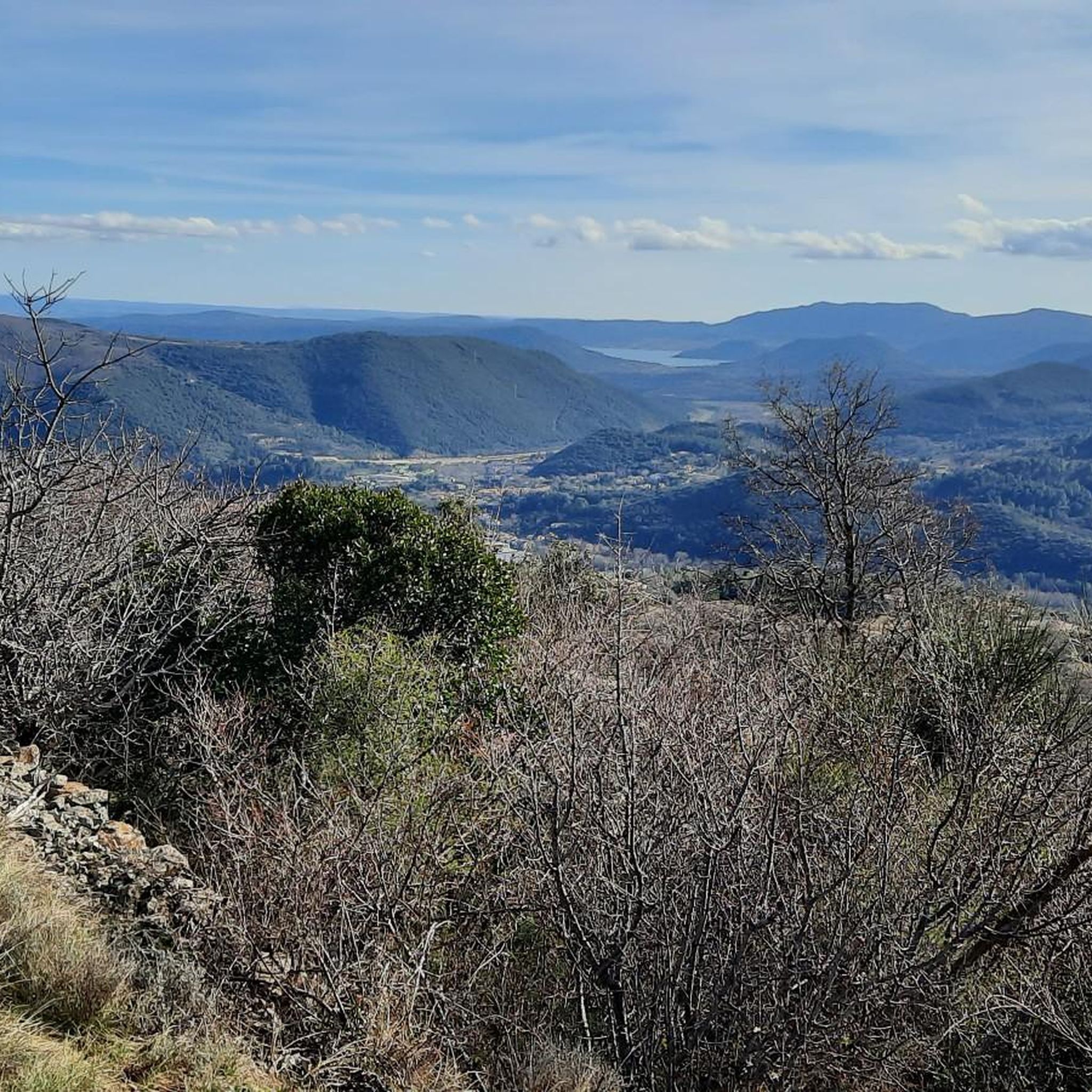
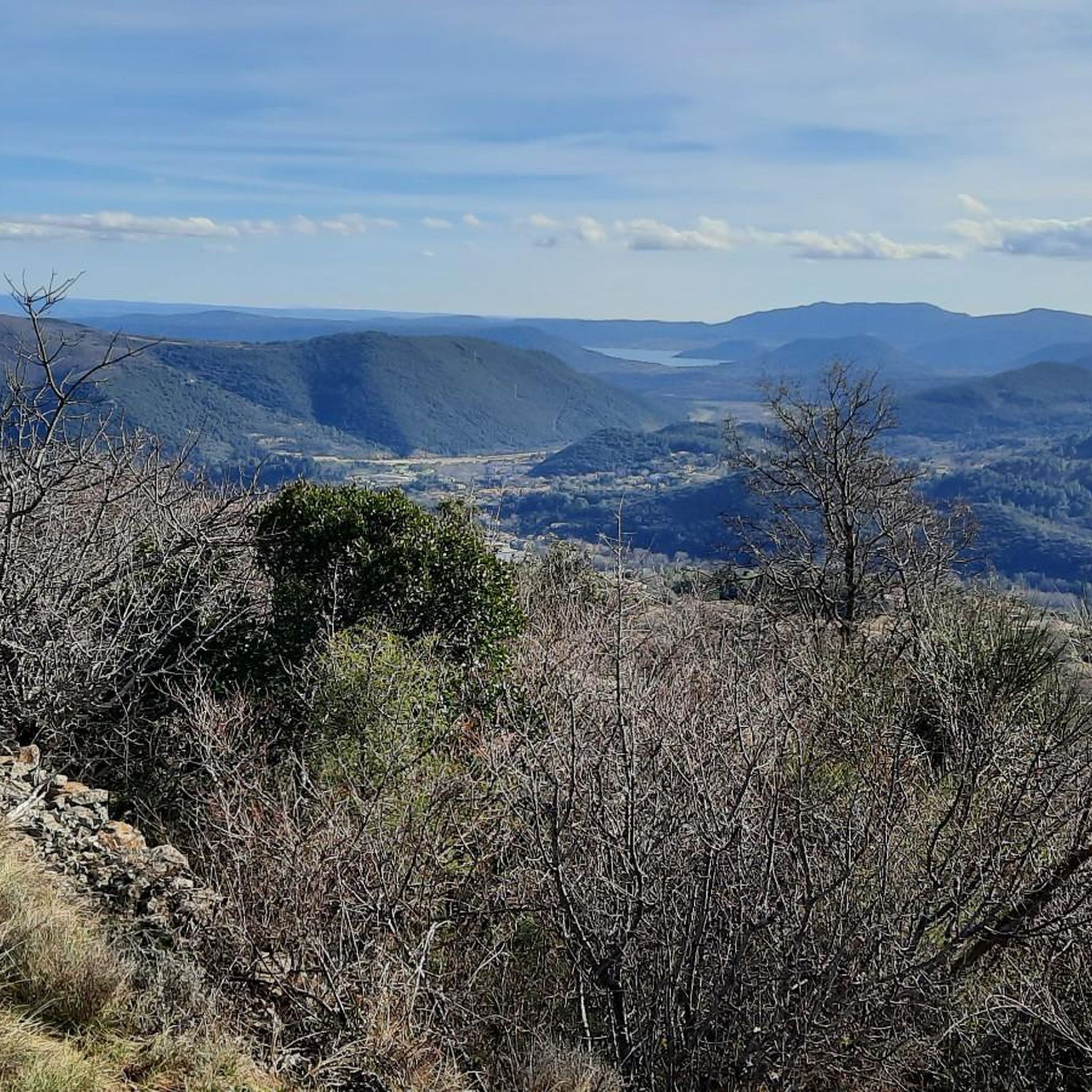
A place worth a little detour and not particularly difficult to access.
0
0

Easy hike, also suitable for cycling
0
0

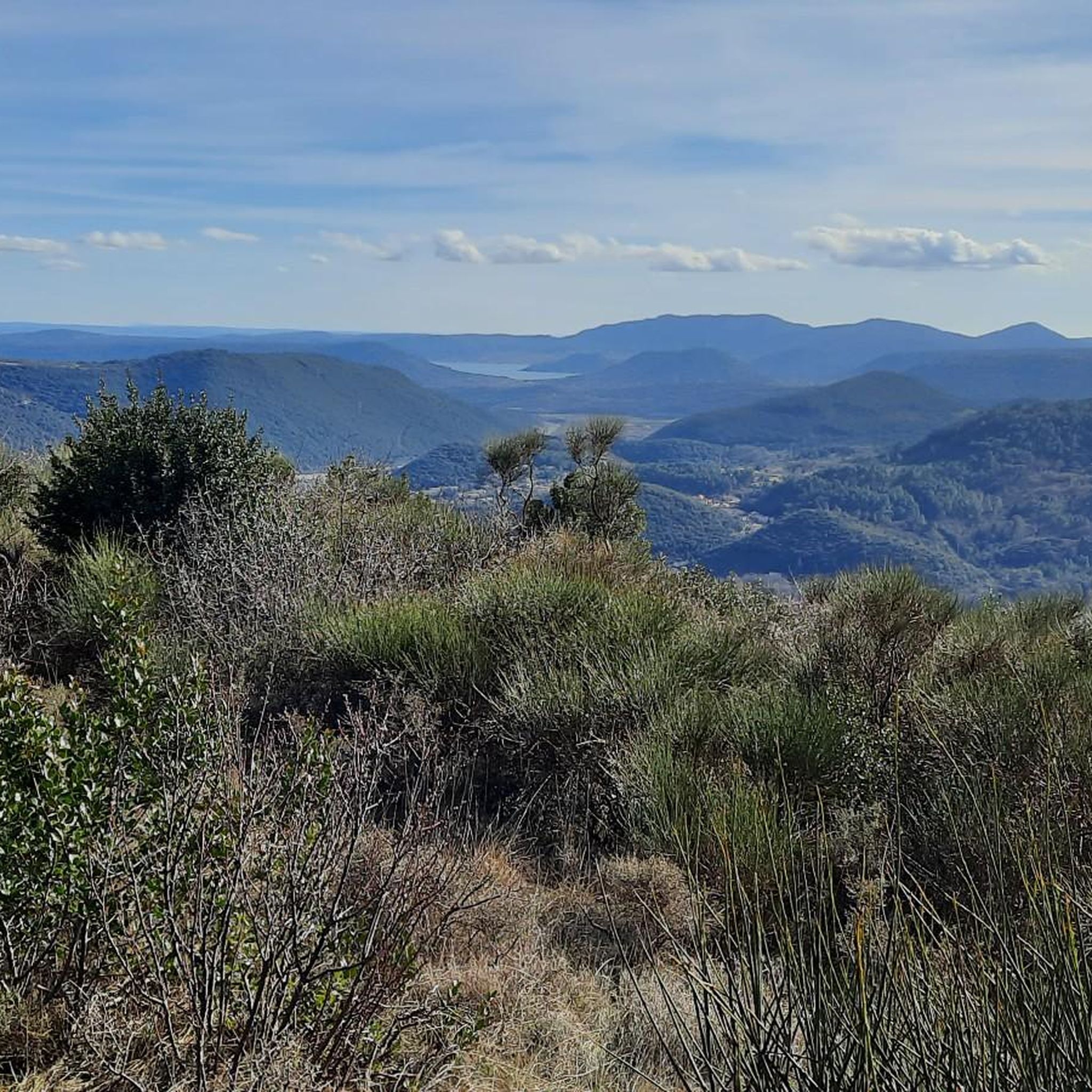
Joncels dominates the Gravezon valley, and is crossed by narrow streets with picturesque houses. A stopover for pilgrims on their way to Compostela from Lodève, Joncels preserves the remains of a Benedictine Abbey whose origins date back to the 8th century and which was one of the most important in Languedoc in the Middle Ages. After crossing the cloister, the path heads towards Lunas, following the Way from Arles to Compostela. In Lunas, a pretty village nestled at the confluence of the Gravezon, Nize and Dourdou, detours are essential to enjoy the leisure centre of La Prades, and a break at the site of the Saint-Georges chapel, then it climbs steeply to reach the Dio plateau, finding the salutary shade of the Monts d'Orb national forest. We leave the route of the Grandes Traversées VTT du Massif Central and de l’Hérault to enjoy beautiful views of the Orb valley, to reach a magnificent panorama at the paragliding take-off point of Montjoux: Bédarieux, le Caroux… A pretty path, then a visual shock: you arrive at Dio! Sheltered by white limestone cliffs and emerging from the red earth characteristic of the surroundings of the Salagou lake, the village nestles under the imposing silhouette of its castle, a true legendary fortress.
0
0
Octon is a 'favorite' village, symbolic of the special atmosphere of the villages of the Grand Site. Its houses with multi-colored facades made of local stone, its wine cellars (Mas des chimères, Mas du Salagou, Trois terres, etc.) and the charming fountain on the square give a Mediterranean feel to this very lively village in the summer. The official end of the Sentier des 2 lacs is at the level of the Arcades campsite and the 'totem' of the Grande Traversée du Massif Central à VTT. A remarkable viewpoint over the Salagou lake awaits you: reed beds, Neck de la Roque, etc. It's a shame not to continue the adventure: we continue on the southern banks of the lake! We start by crossing the ford on the Salagou river, which gives its name to the lake (be careful, it gets wet after heavy rain!). Then it is an uninterrupted series of pretty red paths, vineyards and rolling hills of ruffes, with breathtaking views of the lake, the Sure hill, the Rouens peninsula and the Liausson mountain. With a few swimming spots to boot, welcome in summer: it gets hot on the ruffes… From the banks of Liausson, it is highly recommended to take a detour to Mont Liausson by taking the PR marked in yellow. A 9km route for a little less than 500m of elevation gain, with a nice climb from the Col des Portes to reach the summit. The Grand Site Salagou – Cirque de Mourèze seen from above… An exceptional panoramic view full of colours: the blue of the lake, the red ruffes, the yellow of the broom and the mosaic of vines. On the other side, the gaze stops on the ghostly shapes of the Cirque de Mourèze. If you don't have the time or the courage to make the detour to Mont Liausson, at least go up to the charming village of Liausson: magical panorama of the vineyards and the lake! On the banks of Clermont, the view of the lake at the end of the day from the pontoon is a delight for lovers of beautiful landscapes and perfect shots! You can eat there, stay there, have a drink, or simply enjoy a beautiful shaded beach. Only 6 km to go to the end of the journey: a pretty path with views of the lake, a stretch of road, a quiet track to cross a pass, and the descent towards Clermont-l'Hérault by a pretty greenway... A little gourmet stop at the Miellerie du Salagou, a few housing developments then we find a panoramic path that leads to the Guilhem castle. A tip: when the castle site is open, cross it to find the trail markings on the heights of old Clermont. You will be impressed by the magnificent views of the city and the plain from the castle grounds. All that remains is to let yourself be guided through the city and discover the imposing St Paul church: a remarkable example of southern Gothic. The interior is incredibly bright and airy… The end of the adventure will be on the terrace, on the Allées Salengro: the living heart of the city, and a wonderful Languedoc atmosphere, plane trees and wines to boot…
0
0
A charming village nestled at the confluence of the Gravezon, the Nize and the Dourdou! The history of Lunas dates back to the Roman road that linked the lower Languedoc to Rouergue. Surely succeeding a Gallo-Roman oppidium, the Lunarenses castrum is mentioned as early as 806 in a charter of the Gélone abbey (that of Saint-Guilhem-le-Désert). The town is dominated by the Redondel rock, an ancient fortified castle belonging to the baron of Faugères, Viscount of Béziers. Razed in 1627, it was rebuilt on the banks of the Gravezon in 1641 by Henry de Narbonne. A true summary of the history of Languedoc, and a very pleasant cultural, refreshing and gastronomic stopover… A small detour to enjoy the leisure center of Prades, and a break on the site of the Saint-Georges chapel are essential in Lunas
1
0

A village quite representative of Languedoc
1
0

Cute little town with train connections and beautiful climbs in all directions
0
0

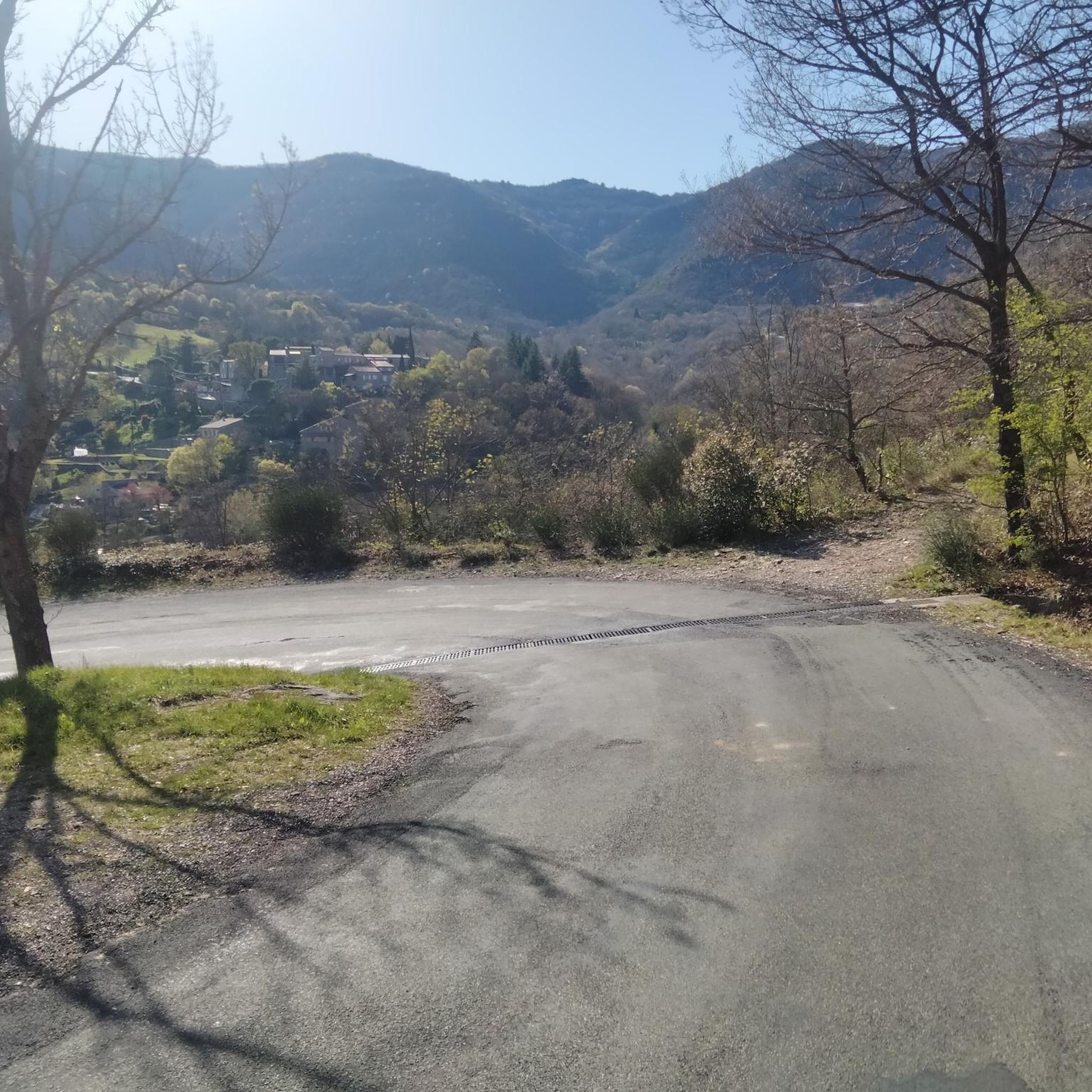
This picturesque little village has been classified as a green station. We find traces of its existence until 909. Four hamlets were located below the castle which was destroyed during the wars of religion. Rebuilt in the center of the village, it is still inhabited. Lunas is located on one of the routes to Santiago de Compostela. It also has the particularity of having a railway station.
1
0
Frequently Asked Questions
What types of castles can I explore around Les Plans?
The region around Les Plans offers a variety of historical sites, including rebuilt castles, ancient ruins, and fortified structures. You can find well-preserved medieval strongholds like Château de Dio, as well as picturesque villages with castles like Lunas, and historical castle ruins such as Lauzières Castle ruins.
Are there family-friendly castles to visit near Les Plans?
Yes, Lunas is classified as a family-friendly settlement and historical site. It's a picturesque village with a rebuilt castle in its center, offering a pleasant experience for all ages. The village is also a 'green station' and has train connections.
What kind of historical significance do the castles around Les Plans have?
The castles in this area reflect a rich past, with many being medieval strongholds. For example, Château de Dio dates back to the 11th and 14th centuries and is classified as a historic monument, having undergone several restorations. Lunas has traces of existence from as early as 909 and was rebuilt after being destroyed during the wars of religion.
Can I combine a castle visit with outdoor activities?
Absolutely. Many castle sites are situated in natural settings, offering opportunities for outdoor activities. For instance, Lauzières Castle ruins are suitable for an easy hike or cycling detour. The region also features diverse landscapes, from river valleys to the red earth surrounding Salagou lake, perfect for combining historical exploration with activities like hiking or cycling.
What are some popular routes for outdoor activities near the castles?
Near the castles, you can find various routes for different sports. For mountain biking, consider routes like the 'View of the Lauroux Valley loop from Lodève' or 'Lake Salagou – Lake Salagou loop from Lodève'. If you prefer road cycling, the 'Tour of Lac du Salagou' is a popular choice. For running, there are trails like the 'Running loop from Lodève'. You can find more details on these and other routes in the MTB Trails around Les Plans, Running Trails around Les Plans, and Road Cycling Routes around Les Plans guides.
Are there any castles that offer good viewpoints?
Yes, Château de Dio is noted as a viewpoint. Its somewhat isolated position as a medieval stronghold provides opportunities for scenic photo breaks, especially before tackling the steep climb to reach it. The trail 'From Joncels to Dio on the GR®P Entre 2 Lacs Avène - Salagou' also mentions magnificent panoramas near Dio.
What do visitors particularly enjoy about the castles and surrounding areas?
Visitors appreciate the picturesque nature of the villages, such as Lunas, which is described as a 'cute little town' with beautiful climbs. The historical sites like Lauzières Castle ruins are considered worth a detour for their historical value and accessibility. The overall blend of history and natural beauty, including the red earth around Salagou lake, is also highly valued.
Is there a castle-like accommodation option in Les Plans itself?
While Les Plans doesn't feature historical fortresses open to the public in the traditional sense, there is an accommodation called Le Château des Plans - Les Manoirs. It offers a charming, castle-like experience with a turret, swimming pool, and wooded garden, providing a unique stay in the area.
Are there any castles that are part of longer trails or pilgrimage routes?
Yes, Lunas is located on one of the routes to Santiago de Compostela, making it a historical stopover for pilgrims. The trail 'From Joncels to Dio on the GR®P Entre 2 Lacs Avène - Salagou' also mentions Joncels as a stopover for pilgrims on their way to Compostela from Lodève, with the path heading towards Lunas.
What kind of natural features can I expect to see when visiting castles around Les Plans?
The region is characterized by diverse natural landscapes. You'll encounter river valleys, the distinctive red earth surrounding Salagou lake, and areas like the Monts d'Orb national forest. Trails near castles, such as those around Dio, offer views of the Orb valley and the dramatic white limestone cliffs contrasting with the red earth.
Are there any castles that are less crowded or considered 'hidden gems'?
While specific crowd levels aren't detailed, Château de Dio is described as 'somewhat isolated,' suggesting it might offer a more tranquil experience compared to more heavily visited sites. Its location under white limestone cliffs and emerging from red earth gives it a unique, almost legendary, appearance.
Most popular routes around Les Plans
Most popular attractions around Les Plans

Get inspired with the komoot mobile app


Explore more
Looking for the best castles somewhere else? Discover other guides around Les Plans:
