Top 9 Castles around Assay
Castles around Assay, a commune in the Indre-et-Loire department of France, are situated within the historical Centre-Val de Loire region. This area is notable for its rich concentration of historical sites, particularly castles, due to its proximity to the Loire Valley. The landscape features a blend of historical architecture and natural settings, offering diverse exploration opportunities. The region provides a historical context for understanding French heritage.
Best castles around Assay
- The most popular castles is Château du Rivau, a…
Last updated: July 6, 2026
Royal Fortress of Chinon
Highlight • Castle
Translated by Google •
Tip by

Château du Rivau
Highlight • Castle
Translated by Google •
Tip by

Sign up now to discover places like this
Get recommendations on the best single tracks, peaks, & plenty of other exciting outdoor places.
Sign up for free
Royal Fortress of Chinon
Highlight • Castle
Translated by Google •
Tip by

Champigny-sur-Veude
Highlight • Castle
Translated by Google •
Tip by
Château de Basché
Highlight • Castle
Translated by Google •
Tip by

Sign up for free to discover even more castles around Assay.
Sign up for free
Already have an account?
Start today with a free account
Your next adventure awaits.
Login or Signup


Tips from the Community

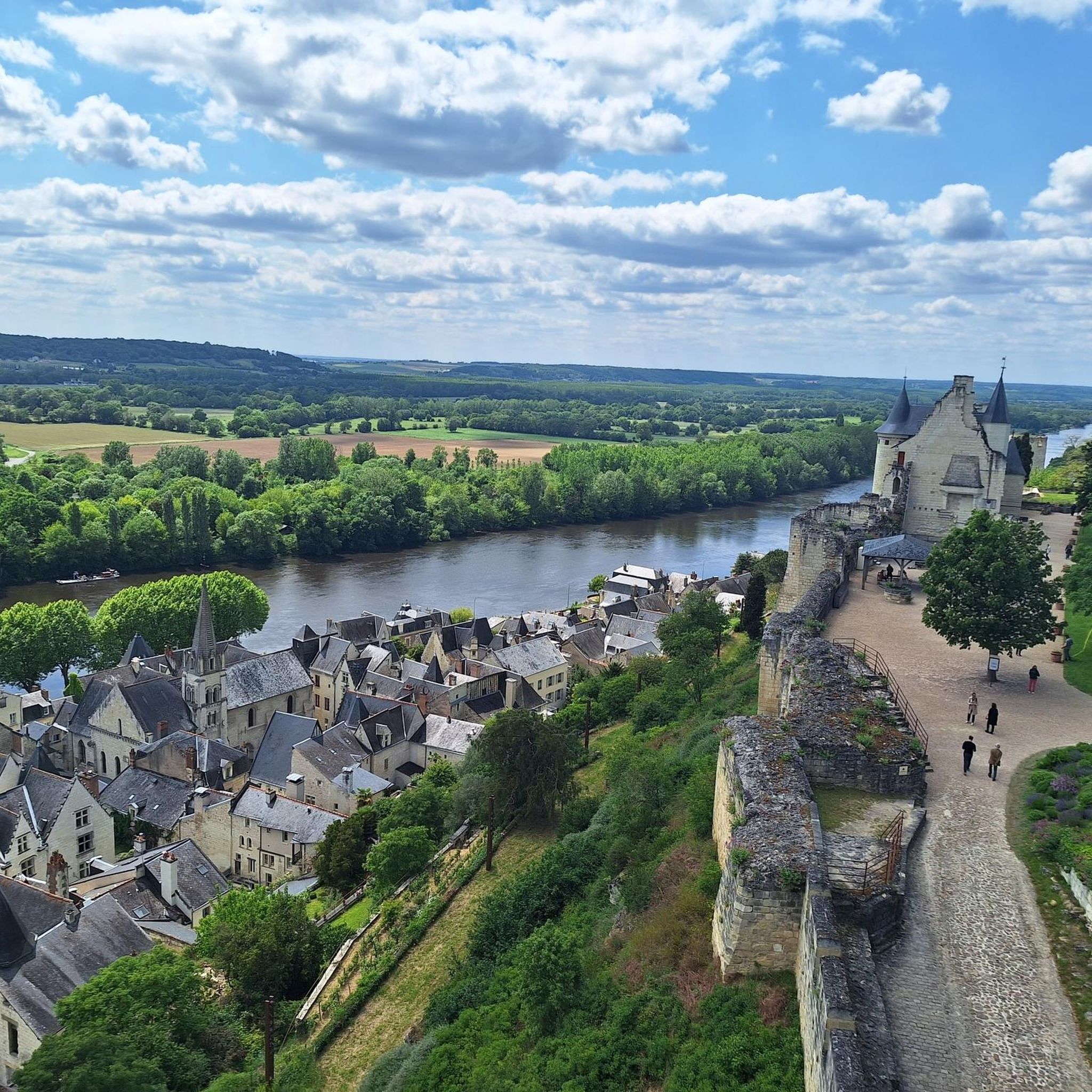
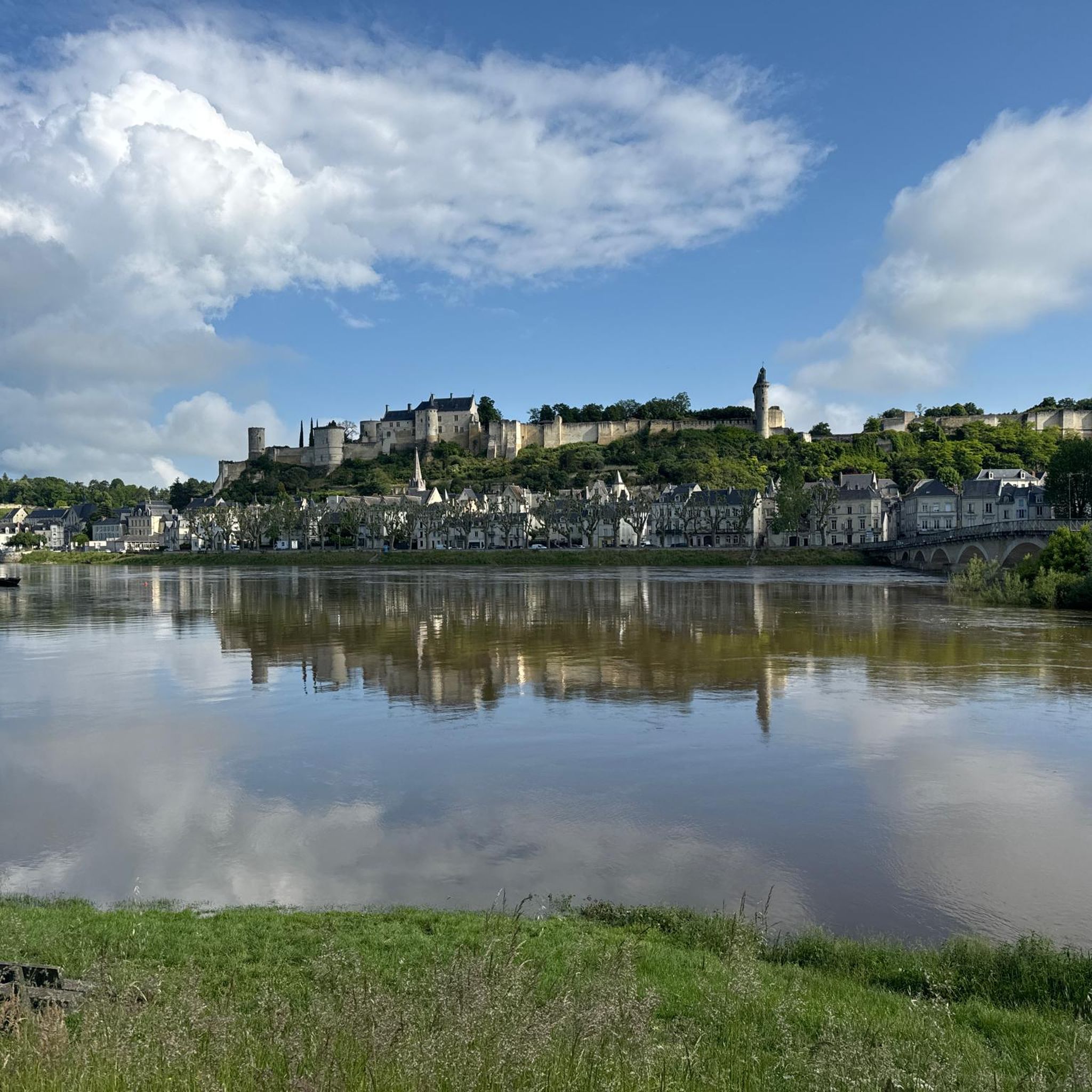
History in brief Antiquity: the site is strategically located on a promontory and has been inhabited for 3,000 years. It was not fortified until the end of the Roman Empire. Middle Ages: in 1154, the new King of England, Henry II Plantagenet, became ruler of an empire stretching from Scotland to the Pyrenees and made Chinon his continental capital. He had a large palace built next to the fortress, which has now disappeared. In 1189, abandoned by his sons, Richard the Lionheart and John Lackland, and fleeing from the King of France, he eventually died there. Philippe Auguste had the defensive Tour du Coudray built there after the siege of 1205. Renaissance: in 1454, the fortress became the main residence of Queen Marie d'Anjou, who lived there without her husband. She spent lavishly on decorating the house to her taste. From the 16th century onwards, the fortress was gradually abandoned and fell into disrepair. Despite the dangerous nature of the terrain, it became a public promenade in 1824 and was listed as a monument in 1840. The restoration of the estate began in 1854 thanks to the efforts of the writer Prosper Mérimée. Source: https://loirelovers.fr/en/visit-royal-fort-chinon/
6
0

Beautiful gardens and an art collection in the castle.
0
0

The road out of Chinon towards the Loire, to get back on the Eurovelo 6 (towards Tours) had huge hills beyond my skill set with a lot added bike. Check elevations. I ended up catching a train two stops.
0
0


Chinon lives from its historical heritage and especially from its castle. On July 14th, a wonderful fireworks display can be viewed from the bridge over the Venant. An unforgettable experience!
1
0

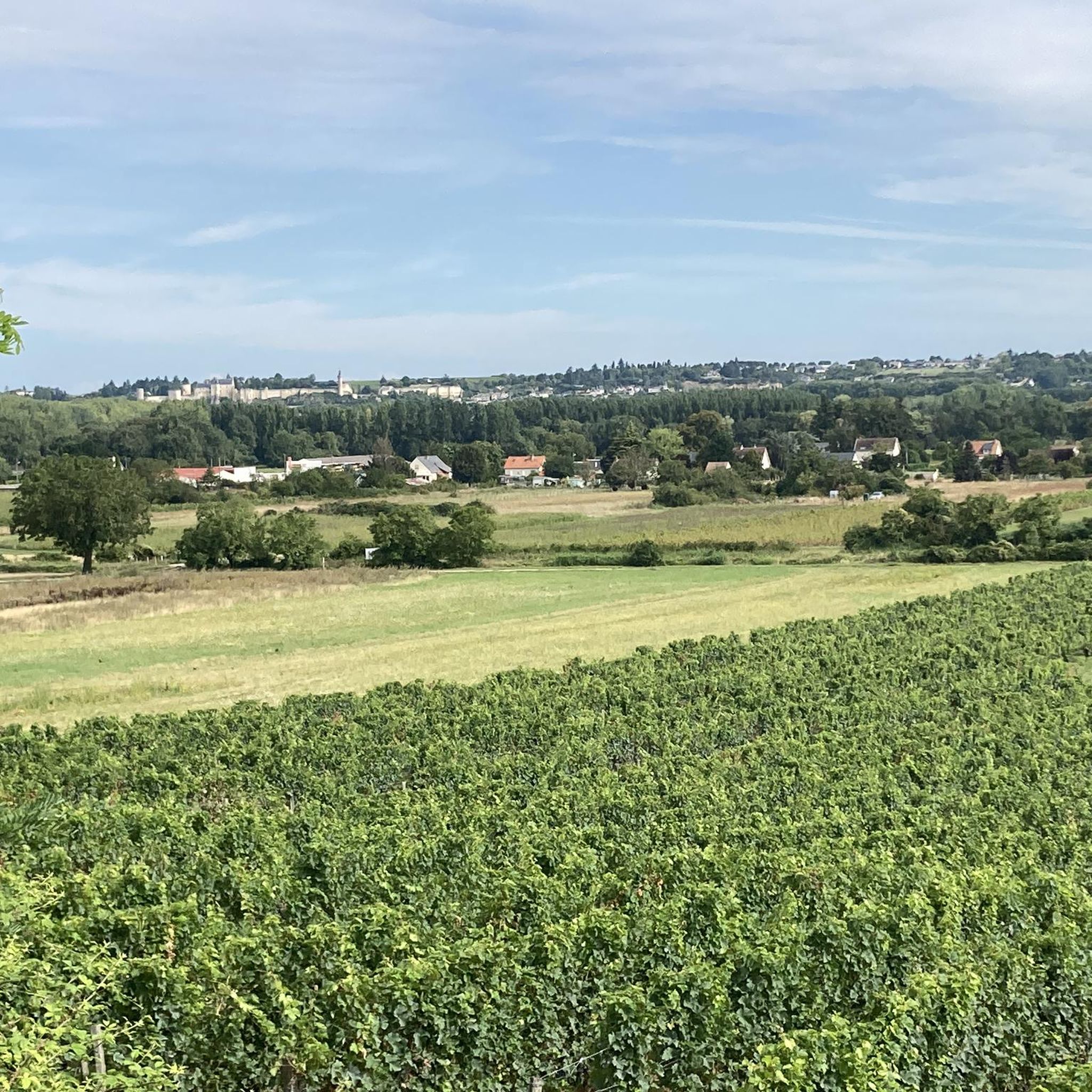
The fortress site has been occupied for three thousand years. The castle itself took shape between the 6th and 10th centuries.
1
0

Very nicely restored castle with an interesting art collection and beautiful gardens
0
0
Lovingly restored castle with an interesting art exhibition and beautiful gardens
0
0
Frequently Asked Questions
Which castles around Assay are particularly good for families?
Several castles in the region offer engaging experiences for families. The Royal Fortress of Chinon is highly recommended, featuring a permanent museum, a high-tech 'histopad' guided tour, and family events like an Escape Game during holidays. The Château du Rivau is also very family-friendly, known for its enchanting fairytale gardens and sculpture garden, which can spark imagination.
What kind of historical significance do the castles near Assay hold?
The castles around Assay are steeped in French history. The Royal Fortress of Chinon is famously where Joan of Arc met the Dauphin (future King Charles VII). It has been occupied for 3,000 years and was once the continental capital of Henry II Plantagenet. The Champigny-sur-Veude castle is part of a very old village dating back to 1080, showcasing Renaissance architecture. The Château des Brétignolles is a rare example of 15th-century Gothic style in the Loire region.
Are there opportunities for hiking or outdoor activities near the castles?
Yes, the Assay region offers various outdoor activities. You can find several hiking routes, such as the 'In the Footsteps of Cardinal Richelieu Trail' (easy, 5.8 km) or the 'Assay Pond Trail' (moderate, 10.7 km). For more options, explore the hiking guide around Assay. There are also running and gravel biking routes available, often passing by or near these historical sites.
Which castle offers unique architectural styles?
The Château du Rivau stands out with its blend of medieval, Gothic, and Renaissance styles, featuring pretty towers and an elaborate inner courtyard. The Château des Brétignolles is notable as a rare example of Gothic architecture from the 15th century in the Loire region. The original Château d'Assay itself is a 15th and 18th-century monument, showcasing defensive elements like watchtowers and machicolations, unique for its homogeneous architectural character.
What is the best time of year to visit the castles around Assay?
The Loire Valley, where Assay is located, is generally pleasant from spring to early autumn (April to October). During these months, the weather is mild, and the castle gardens, like those at Château du Rivau, are in full bloom. Summer offers longer daylight hours and more events, but can be crowded. Visiting in spring or early autumn allows for comfortable exploration with fewer tourists.
Can I find accommodation or dining options near the castles?
Yes, the region offers various amenities. For example, the Château de Basché itself operates as a hotel within an 8-hectare park, offering a unique historical stay. The city of Chinon, home to the Royal Fortress of Chinon, has a very pleasant city center with cafes, pubs, and restaurants. Many villages surrounding the castles will also have local establishments.
Are there any castles known for their gardens or natural surroundings?
Absolutely. The Château du Rivau is renowned for its fairytale gardens and sculpture garden, which are recognized as 'remarkable gardens' by the Ministry of Culture, offering a journey into the art of roses. The Château de Basché is set within a beautiful 8-hectare park, providing a serene natural environment.
What are some unique features of the Royal Fortress of Chinon?
The Royal Fortress of Chinon is unique for comprising three distinct castles: Fort du Coudray, Château du Milieu, and Fort Saint-Georges. It boasts more medieval elements than many other Loire Valley castles and offers a high-tech 'histopad' guided tour that enhances the visitor experience, bringing its rich history, including Joan of Arc's meeting with the Dauphin, to life.
Is there a castle near Assay that inspired a famous fairytale?
Yes, the Château d'Ussé (not listed in highlights but mentioned in region research), located about 20 km east-north-east of Assay, is famously known as the 'Sleeping Beauty Castle.' Charles Perrault is said to have been inspired by its enchanting setting to write his famous tale. Visitors can experience the castle through scenes related to the fairytale.
What kind of trails are available for running near Assay's castles?
For runners, there are several moderate routes available. You can find a 'Running loop from Château du Rivau' (8.6 km), a 'Chateau de Basché – Château de Basché loop from Assay' (8.9 km), or a 'Champigny-sur-Veude loop from Champigny-sur-Veude' (8.6 km). These routes offer a chance to enjoy the scenic surroundings while getting some exercise. More running options are detailed in the running guide around Assay.
Are there any castles that are less commonly known but still worth visiting?
While the major castles are popular, the Château des Brétignolles is a rare example of a Gothic-style Loire castle from the 15th century. It's primarily visible from its entrance gate, but the peaceful small roads around its park offer alternative views, making it a notable stop for those interested in specific architectural styles away from the main crowds. The original Château d'Assay, a 15th and 18th-century monument, is also a significant historical site with unique defensive features.
What are the options for gravel biking near the castles?
Gravel biking enthusiasts can explore several routes in the area. Options include a 'View of Candes-Saint-Martin – Saumur loop from Chinon' (65.9 km, moderate) or a 'View of Ussé Castle – Ussé Castle loop from Chinon' (48.3 km, moderate). These routes allow you to combine cycling with castle sightseeing. For more details, refer to the gravel biking guide around Assay.
Most popular attractions around Assay

Get inspired with the komoot mobile app


Explore more
Looking for the best castles somewhere else? Discover other guides around Assay:
