Top 6 Caves around Saint-Guilhem-Le-Désert
Best caves around Saint-Guilhem-le-Désert are situated near the medieval village, nestled within the Hérault gorges. This region is characterized by its natural landscapes and significant geological formations. The area offers a variety of subterranean experiences, from accessible show caves to more challenging natural shelters. These sites provide insight into the geological history and natural beauty of the South of France.
Best caves around Saint-Guilhem-Le-Désert
- The most popular caves is The Fairy Cave, a forest cave that is worth the…
Last updated: August 30, 2026
The Fairy Cave
Highlight • Forest
Translated by Google •
Tip by

Grotte de Clamouse
Highlight • Cave
Translated by Google •
Tip by

Sign up now to discover places like this
Get recommendations on the best single tracks, peaks, & plenty of other exciting outdoor places.
Sign up for free
Baume de l'Olivier and Baume Charlotte
Highlight • Cave
Translated by Google •
Tip by
Grottes Jumelles
Highlight • Cave
The path is quite narrow, with a few landslides when I passed, but is still quite easy to use.
Translated by Google •
Tip by

Baumettes du Caylaret and Natural Arch
Highlight • Cave
Once you leave the GR path, it is not easy at all to follow any semblance of a path... The best thing is to follow my tracks, …
Translated by Google •
Tip by
Sign up for free to discover even more caves around Saint-Guilhem-Le-Désert.
Sign up for free
Already have an account?
Start today with a free account
Your next adventure awaits.
Login or Signup
Tips from the Community

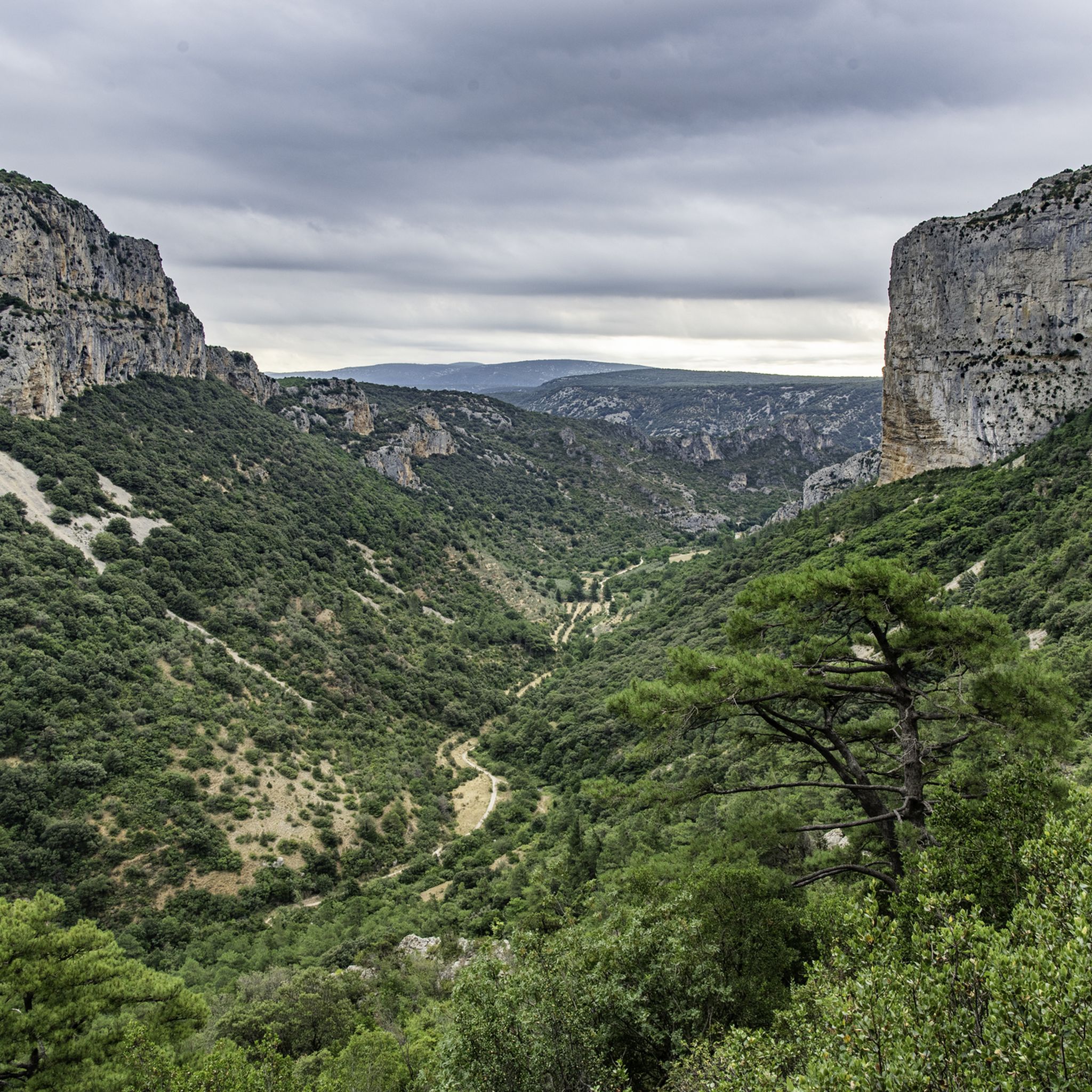
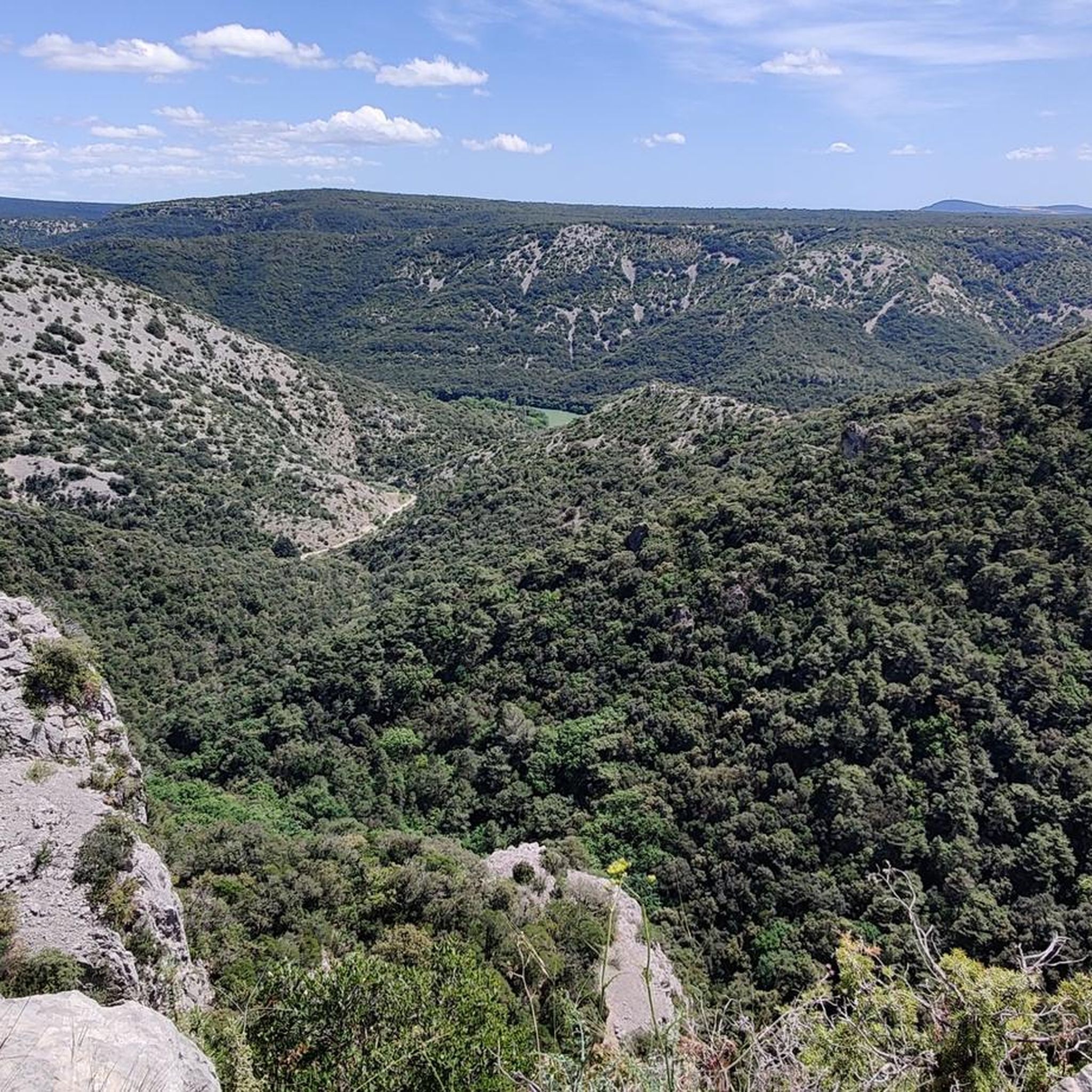
WARNING DANGEROUS PATH! Once you leave the GR path, it is not easy at all to follow any semblance of a path... The best thing is to follow my tracks, BUT given how well the GPS works at this point, it will be complicated. You have to go around the massive rock (roughly), and then pass between the two large rocks. The slope is steep, with some slippery passages. People who are not comfortable with heights, or a bit of climbing, do not venture there. Once at the top, between the two rocks, you will pass under a beautiful arch, then going down, and going back up on your left, you will come across a cave. For the other caves, you will have to climb a little more on the GR, and join a clearly visible fault, then cross the ledge! Access is also dangerous, full of voids. Then you can see another cave a little further, which will require a little impractical climbing.
0
0

The cave was first discovered by speleologists in 1945 and to date over 4 km of passages have been explored. A 900 meter long path has been opened as a show cave and takes over an hour to walk through.
2
0
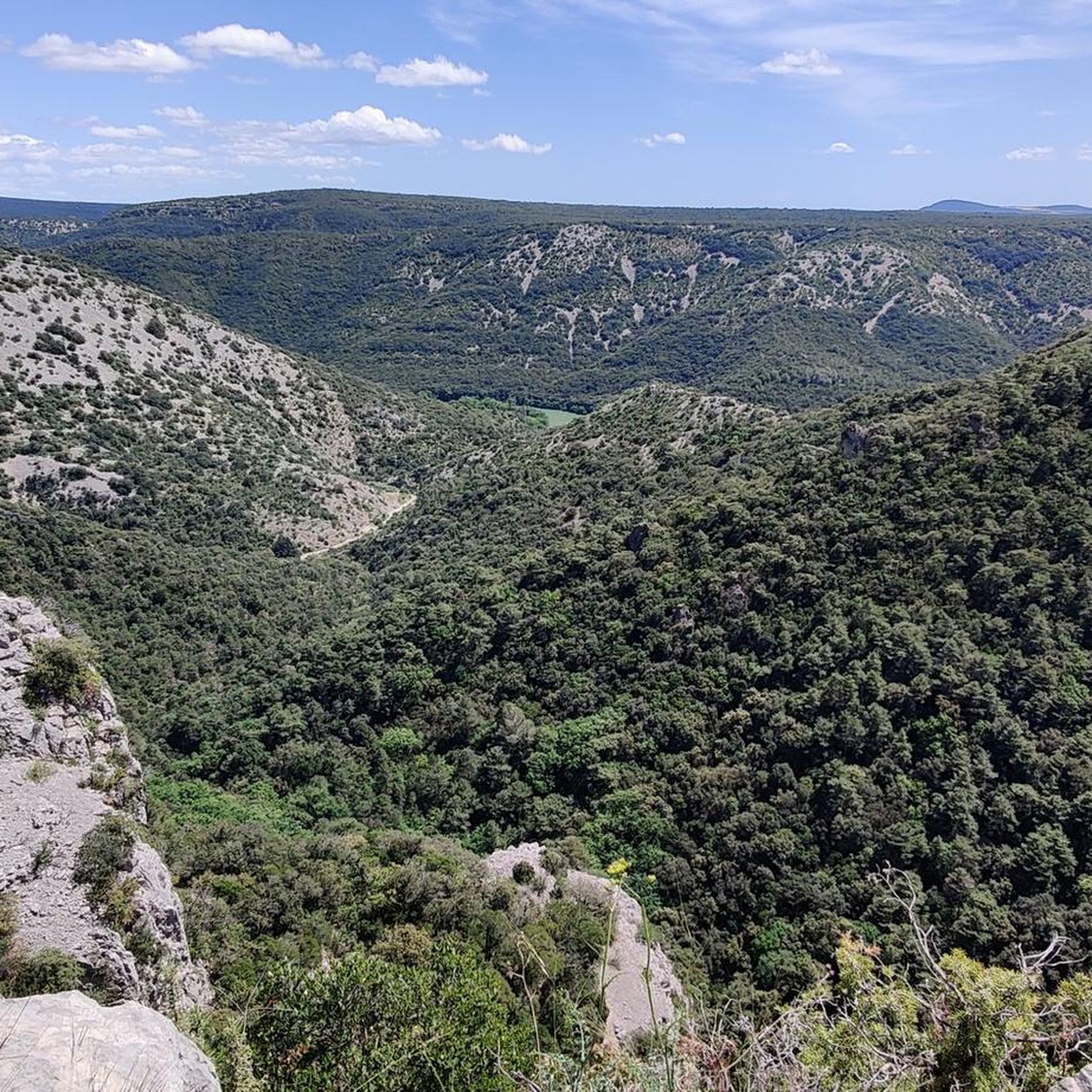
The Jumelles caves are located by leaving the GR74 for a few hundred meters. The path is quite narrow, with a few landslides when I passed, but is still quite easy to use. Access to the first cavity on the left is quite simple. The second is more difficult, you will have to climb a little! It is quite slippery, be careful! The cavities are short however, but it is always nice to go there.
1
0
Unmissable places in the St Guilhem le Désert area, and also a place of meditation in the Charlotte cave. The cave is a simple rock shelter. La Baume de l'Olivier also, no obvious and known continuation.
1
0
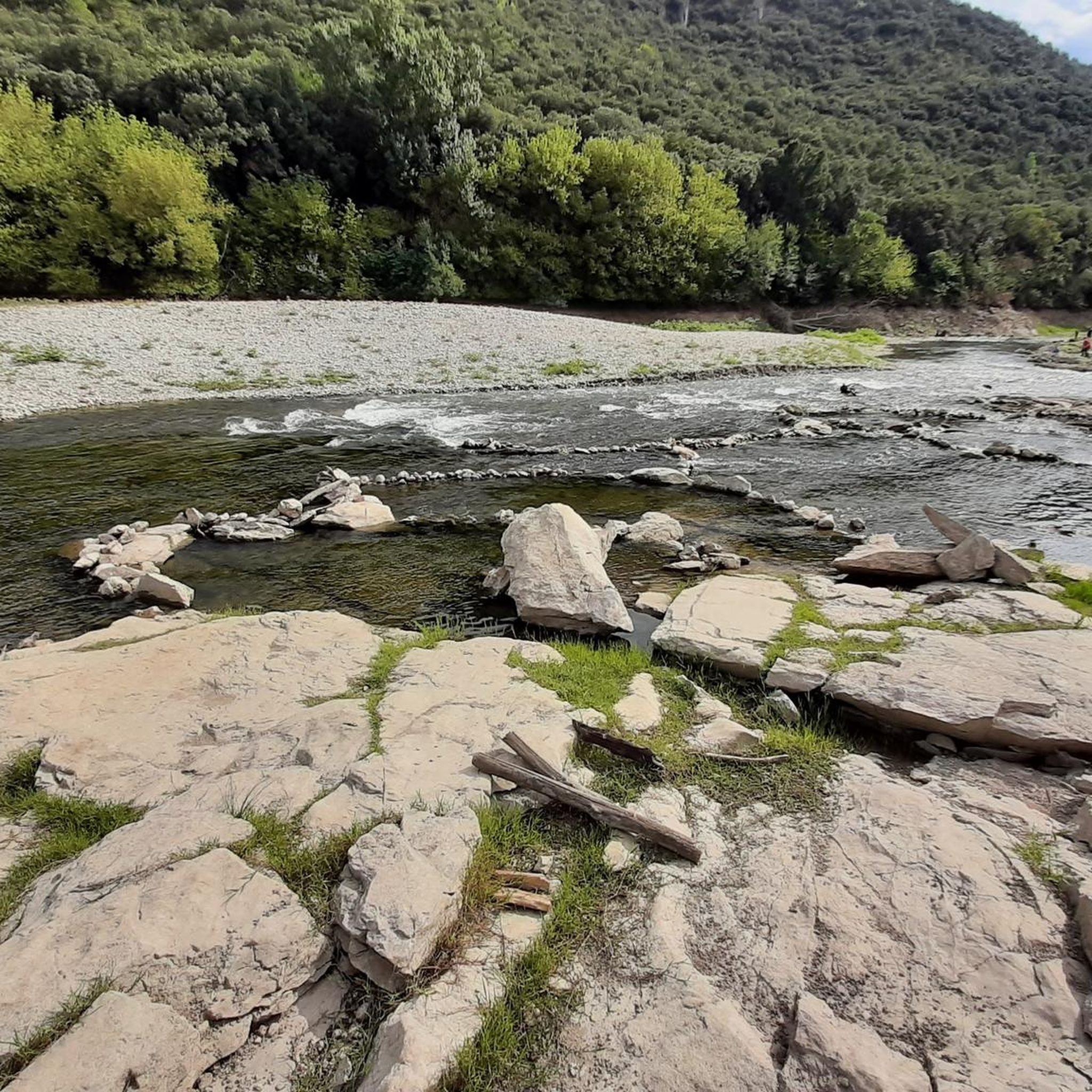
Cave that does not pose any danger, except to venture there without light. Short cave of about 40m. Dry and degraded concretions. it is worth the detour, but nothing impressive either. Just follow the Joncas river then climb to the heights following the cairns and footprints.
2
0

The Fairy Cave is a mysterious and enchanting place. Nestled deep in the forest, this cave is home to amazing rock formations and local legends.
0
0

A remarkable site, the Baume de l'Olivier was inhabited until recently by Michel Dross known as "Frigoule" (1927-2009) who lived there as a hermit and left his mark on the place.
2
0

Impressive cave (not open to tourists) and a pleasant cool down in summer.
2
1
Frequently Asked Questions
What are some of the most notable caves to visit around Saint-Guilhem-le-Désert?
The region offers a variety of fascinating subterranean experiences. Among the most renowned is Grotte de Clamouse, celebrated for its exceptional concretions, including rare aragonite and eccentric crystals. For a historical and meditative experience, consider Baume de l'Olivier and Baume Charlotte, a site once inhabited by a hermit. Another unique spot is The Fairy Cave, a forest cave known for its short, intriguing passages.
What makes Grotte de Clamouse a special destination?
Grotte de Clamouse is often considered one of the most beautiful caves in the South of France, renowned for its rich and diverse underground landscapes. It features rare aragonite and eccentric crystals, and was the first tourist cave in Europe to be entirely equipped with an eco-responsible LED lighting system. Visitors can explore a 900-meter path on guided tours, or for the more adventurous, try the Speleopark activities.
Are there any caves with historical significance in the area?
Yes, Baume de l'Olivier and Baume Charlotte is a remarkable historical site. This cave was inhabited by a hermit, Michel Dross (known as "Frigoule"), until recently, leaving a distinct mark on the place and offering a unique spot for reflection. Additionally, the Grotte de la Devèze, while further afield, is one of France's oldest caves open to the public, with a history dating back to its discovery during railway construction in the late 19th century.
Are there family-friendly options for visiting caves around Saint-Guilhem-le-Désert?
Absolutely. Grotte de Clamouse is categorized as family-friendly, offering guided tours suitable for all ages. For older children (8 and up) and adventurous families, the Speleopark at Clamouse provides a sporty tour with headlamps, zip-line descents, and suspension bridge crossings.
What kind of geological features can I expect to see in these caves?
The caves in this region are celebrated for their diverse and stunning geological formations. Grotte de Clamouse is particularly famous for its rare aragonite and eccentric crystals, as well as formations resembling jellyfish and organs. The Grotte de la Devèze, known as 'The Palace of the Glass Spinner,' showcases extraordinary speleothems, including fragile needles, and transparent or white calcite and aragonite formations.
What is the typical duration of a cave tour?
For Grotte de Clamouse, traditional guided tours typically last around 80 minutes and cover about 1 kilometer of the cave's path. If you visit the Grotte de la Devèze, guided tours usually last about an hour.
Are there any challenging or adventurous cave experiences available?
Yes, for those seeking a more adventurous experience, the Speleopark at Grotte de Clamouse offers a sporty tour with headlamps, zip-line descents, and suspension bridge crossings, suitable for ages 8 and up. Additionally, natural cavities like Grottes Jumelles and Baumettes du Caylaret and Natural Arch are described as challenging, involving narrow paths, climbing, and steep sections, requiring caution and a good level of comfort with heights.
What outdoor activities can I do near the caves around Saint-Guilhem-le-Désert?
The area around Saint-Guilhem-le-Désert is perfect for various outdoor pursuits. You can explore numerous hiking trails, including popular routes like Les Fenestrettes Loop or the Saint-Guilhem-le-Désert – Cirque de l'Infernet loop. For cyclists, there are excellent cycling routes through the Hérault Gorges, and gravel biking options like the Devil's Bridge – Ridges of the Rocher des Vierges loop.
What is the best time to visit the caves in this region?
Caves generally maintain a stable, cool temperature year-round, making them a great destination regardless of the season. However, visiting during spring or autumn allows for comfortable exploration of the surrounding natural landscapes and villages like Saint-Guilhem-le-Désert, avoiding the peak summer heat or winter chill. Always check specific cave opening hours, as these can vary seasonally.
Are there any specific access or parking considerations for Grotte de Clamouse?
Grotte de Clamouse is located in Saint-Jean-de-Fos, near the medieval village of Saint-Guilhem-le-Désert and the Pont du Diable. There is dedicated parking available at the site. For detailed access information and to plan your visit, it's advisable to check the official tourism website: grandpicsaintloup-tourisme.fr.
What do visitors enjoy most about the caves around Saint-Guilhem-le-Désert?
Visitors frequently appreciate the unique natural beauty and geological wonders found within these caves, particularly the impressive concretions and crystal formations. The historical context of sites like Baume de l'Olivier also adds a layer of intrigue. Many find the experience of exploring these subterranean environments to be both awe-inspiring and a refreshing escape, especially during warmer months, with the added benefit of being close to the charming village of Saint-Guilhem-le-Désert and the Hérault gorges.
Most popular routes around Saint-Guilhem-Le-Désert
Most popular attractions around Saint-Guilhem-Le-Désert

Get inspired with the komoot mobile app


Explore more
Extend your search for the best caves by checking out these guides of the top ones around Saint-Guilhem-Le-Désert:
