Top 5 Gorges around Armissan
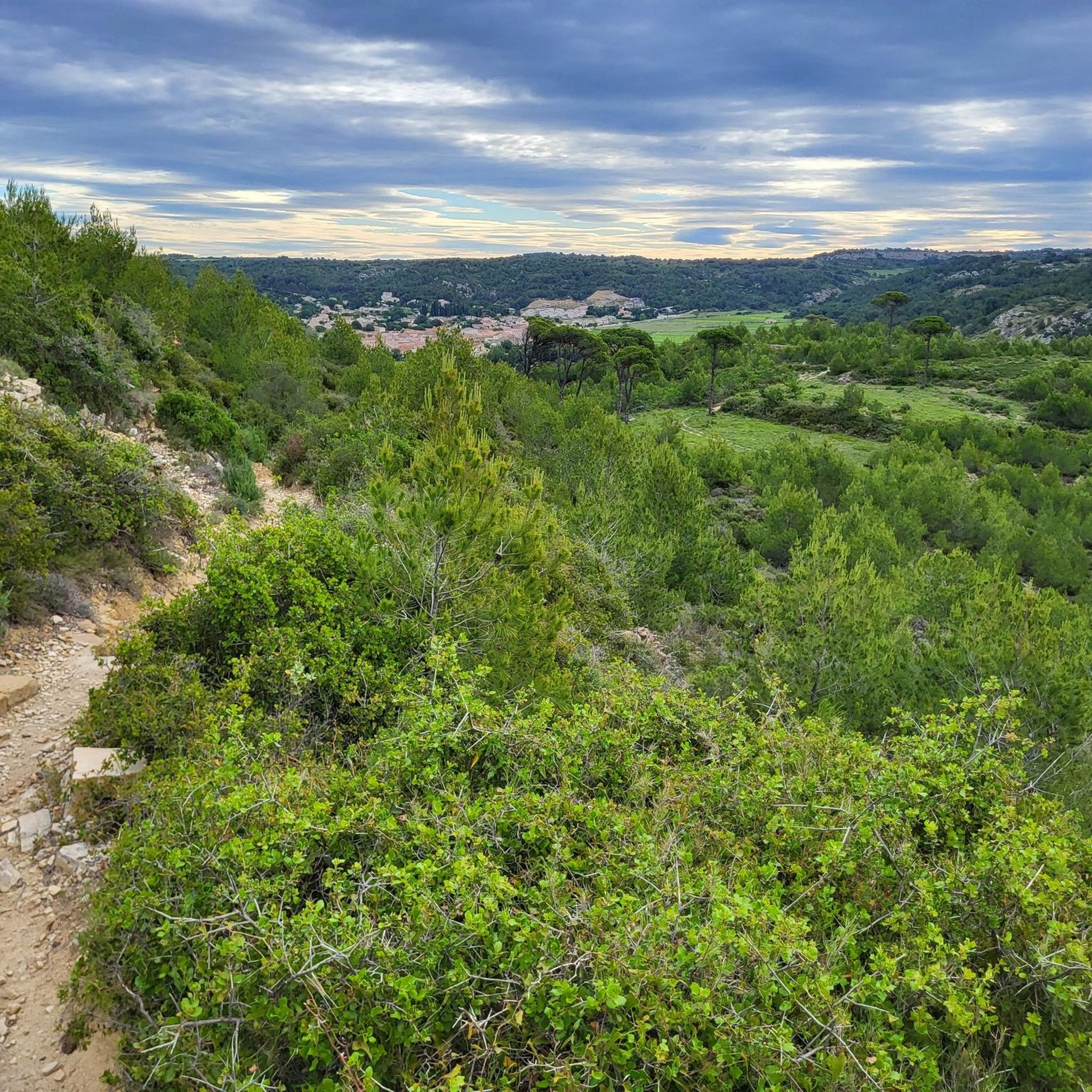
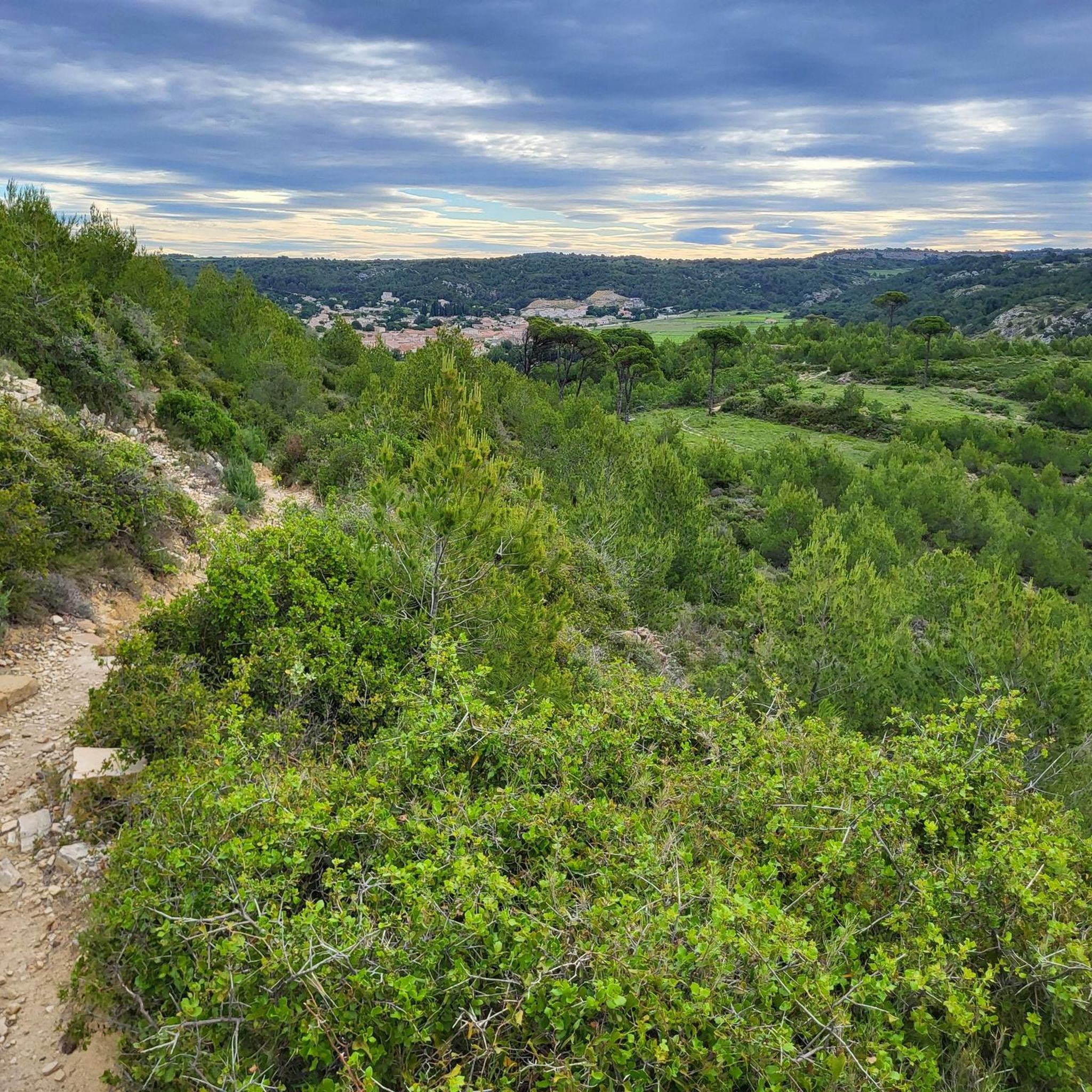
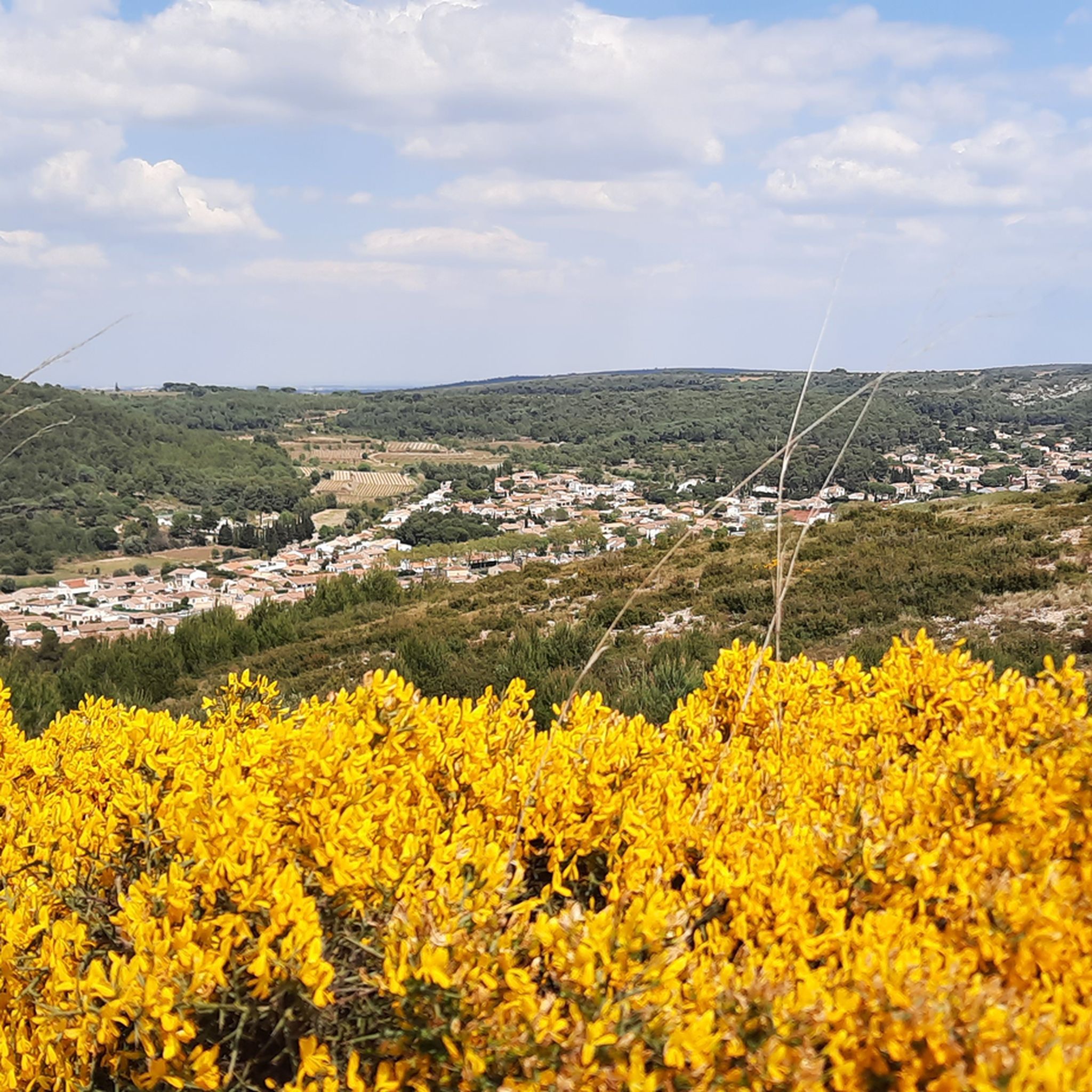
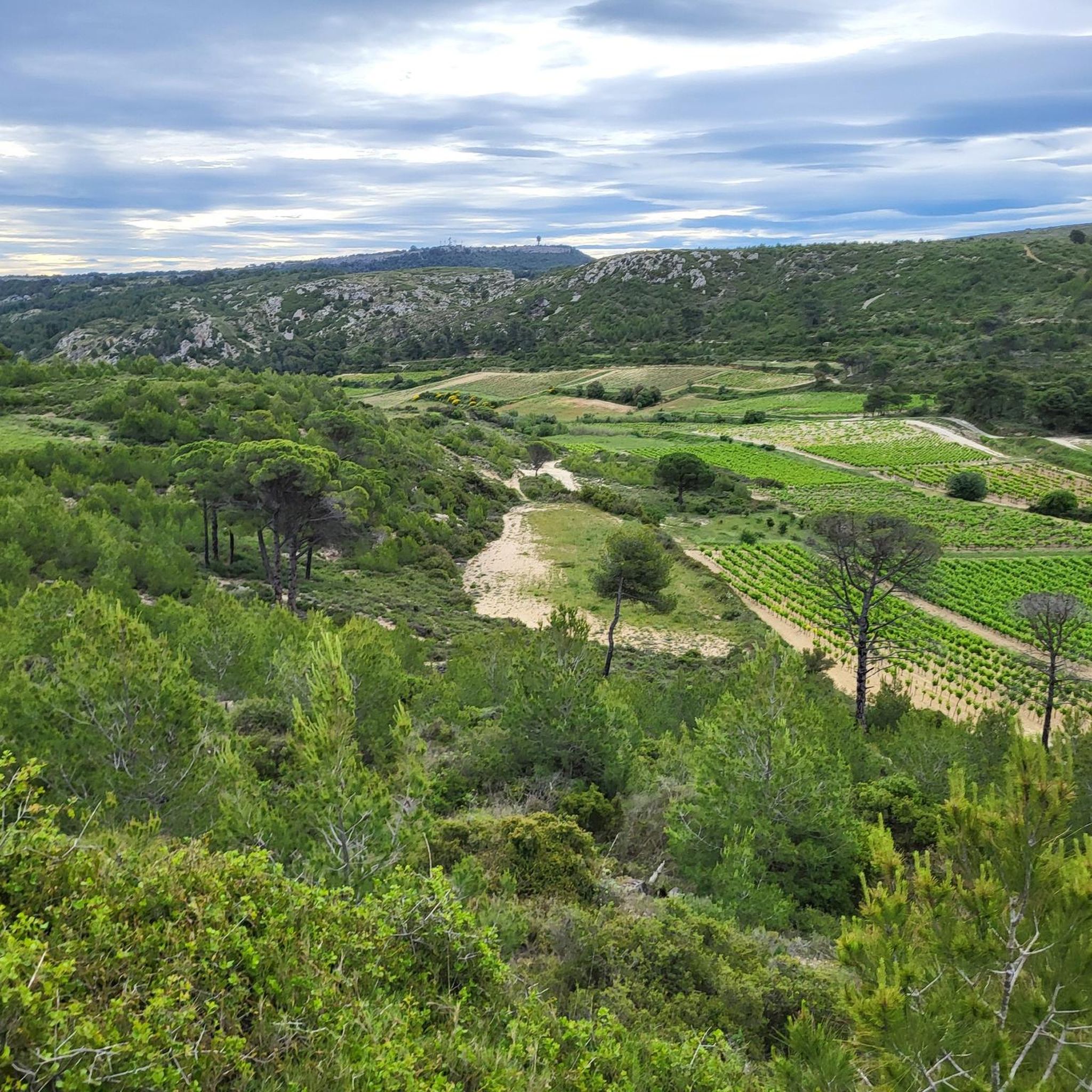
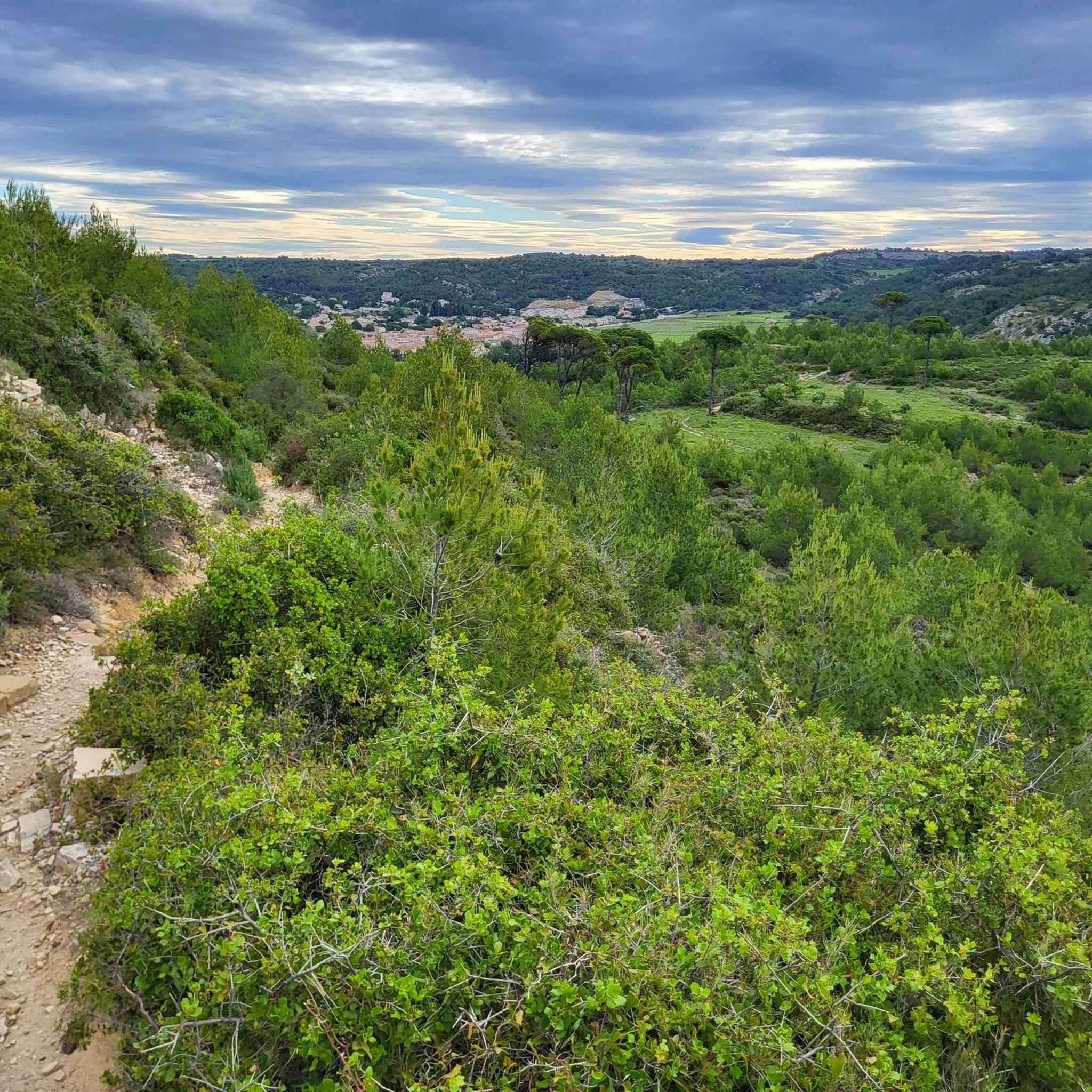
Best canyons around Armissan are found within the Massif de la Clape, a limestone mountain range located between Narbonne and the Mediterranean Sea. This region is characterized by its karstic relief, featuring numerous cliffs, ravines, and combes. The erosion of diverse limestone formations has created a rugged and irregular terrain, offering varied landscapes. The massif, which was once an island, culminates at 214 meters.
Best canyons around Armissan
- The most popular canyons is Œil Doux Sinkhole, a lake and…
Last updated: August 30, 2026
Œil Doux Sinkhole
Highlight • Lake
Translated by Google •
Tip by

Gorges du Rec
Highlight (Segment) • Gorge
Translated by Google •
Tip by

Sign up now to discover places like this
Get recommendations on the best single tracks, peaks, & plenty of other exciting outdoor places.
Sign up for free
Grouzade Cave
Highlight • Cave
Translated by Google •
Tip by
Trou de la Crouzade Trail
Highlight • Gorge
Translated by Google •
Tip by

Start today with a free account
Your next adventure awaits.
Login or Signup

Tips from the Community

cave closed until the end of 2025
0
0

Way up to the cave is at least grade medium. Be careful when wet
0
0

From below it looks good, but is walled up and closed
0
0
MASSIF Denied access to the date. FIRE !
1
1

Magnificent landscaped path along the bed of the Rec stream which forms a small canyon and allows you to observe the entrance to the Crouzade cave.
1
2

A superb site, this path which passes near the Trou de la Crouzade!
0
0

Frequently Asked Questions
What kind of natural formations can I expect to find around Armissan?
The Armissan area, particularly within the Massif de la Clape, features impressive canyon-like geological formations. These are characterized by karstic relief, including cliffs, ravines, and combes, formed by the erosion of limestone. While not suitable for technical canyoning, these areas offer rugged and picturesque landscapes ideal for hiking and exploration.
What are some popular natural features or viewpoints to explore in the region?
Visitors often enjoy the Œil Doux Sinkhole, a natural monument and lake known for its scenic beauty and excellent views. Another popular spot is Gorges du Rec, which offers a magnificent landscaped path along the Rec stream.
Are there any caves to visit near Armissan?
Yes, the Grouzade Cave is a notable natural monument associated with a gorge. While its entrance is restricted, its size is impressive. You can also observe the entrance to the Crouzade cave along the path at Gorges du Rec.
What is the difficulty level of hiking trails in the canyon-like areas?
The terrain in the Massif de la Clape can be rugged and irregular. Trails like the Trou de la Crouzade Trail are considered challenging, featuring steep stone staircases and narrow paths along slopes, sometimes with chains for assistance. Other trails may range from easy to moderate, offering diverse experiences.
Are there family-friendly options for exploring the natural features around Armissan?
While some trails can be challenging, areas like the landscaped path at Gorges du Rec can be suitable for families, provided appropriate footwear is worn and caution is exercised. For easier hiking, you can find various routes around Armissan, including those listed in the Hiking around Armissan guide.
What is the best time of year to visit the canyon-like areas near Armissan?
The Massif de la Clape can be enjoyed throughout much of the year. However, it's advisable to check local conditions, especially during summer months when there might be risks of forest fires, which can lead to temporary closures of certain areas like the Œil Doux Sinkhole. Spring and autumn generally offer pleasant temperatures for outdoor activities.
What outdoor activities can I do near these canyon-like features?
Beyond exploring the geological formations, the Armissan area offers various outdoor activities. You can find numerous hiking trails, mountain biking routes, and running trails that wind through the diverse landscapes of the Massif de la Clape.
What do visitors enjoy most about the natural sites around Armissan?
Visitors frequently praise the scenic beauty and tranquility of the area. The Œil Doux Sinkhole is often highlighted for its stunning views, while the Gorges du Rec is appreciated for its magnificent landscaped path and quiet atmosphere. The unique geological formations and varied landscapes are a major draw.
Is technical canyoning available in Armissan?
The immediate vicinity of Armissan, within the Massif de la Clape, does not feature widely recognized or named canyons suitable for technical canyoning activities. For dedicated canyoning experiences with waterfalls, natural slides, and abseiling, you would typically need to travel to other parts of the Occitanie region, such as the Gorges de Galamus or the Cévennes.
Are there any unique natural species to look out for in the Massif de la Clape?
Yes, the Massif de la Clape is home to unique flora, including the Centaurée de la Clape (Centaurea corymbosa). This rare and endemic species is found exclusively on the cliffs of the massif, adding to the natural appeal and biodiversity of the area.
Where can I find more information about the Massif de la Clape's geological history?
The Massif de la Clape is a small limestone mountain range that was once an island. Its karstic relief and diverse geological formations are a result of extensive erosion. You can learn more about its geological background and unique characteristics on Wikipedia.
Most popular routes around Armissan
Most popular attractions around Armissan

Get inspired with the komoot mobile app


Explore more
Already discovered everything in this region? See additional gorges around Armissan for your next adventure:
