Top 4 Castles around Le Pin
Best castles around Le Pin offers a journey through historical architecture and scenic landscapes. The region features a variety of castles, from medieval ruins to well-preserved structures, often strategically located on hillsides overlooking valleys. These sites provide insight into the area's past, including its defensive importance and architectural evolution. Exploring these castles can be combined with hiking routes through the surrounding countryside.
Best castles around Le Pin
- The most popular castles is View of the Ruins of Le Castellas, a castle that is strategically located on a rocky pyramid. The ruins date from the 11th to the 12th century, offering views over the Tave plain and the Rhône valley.
- Another must-see spot is Saint-Siffret Medieval Village, a settlement featuring a castle. This picturesque village includes cobbled streets, a Roman-Byzantine church, and two castles within its medieval setting.
- Visitors also love View of the Château de La Capelle, a castle situated on a wooded hill. This castle features four corner towers protecting four curtain walls and a square tower, visible from the exterior.
- Le Pin is known for medieval castles, historical sites, and settlements with castle features. The area provides a variety of castles to see and explore, ranging from ancient ruins to more intact structures.
- The castles around Le Pin are appreciated by the komoot community, with more than 25 upvotes and 6 photos shared across the highlights.
Last updated: July 7, 2026
Saint-Siffret Medieval Village
Highlight • Settlement
Translated by Google •
Tip by

View of the Château de La Capelle
Highlight • Castle
Translated by Google •
Tip by

Sign up now to discover places like this
Get recommendations on the best single tracks, peaks, & plenty of other exciting outdoor places.
Sign up for free
View of the Ruins of Le Castellas
Highlight • Castle
The ruins date from the 11th to the 12th century. From the way the fortress was designed, it seems impregnable. You can observe it along this road which slaloms between the large limestone rocks.
Translated by Google •
Tip by
Château de la Fare
Highlight • Castle
Translated by Google •
Tip by

Start today with a free account
Your next adventure awaits.
Login or Signup

Tips from the Community

On a wooded hill you discover this castle in gray stone. It cannot be visited, but know that it has four corner towers which protect four curtain walls and a square tower.
0
0

Saint Siffret is a magnificent medieval village located on the foothills of a limestone plateau a few kilometers from Uzès. Its cobbled streets, its Roman-Byzantine church, its stone houses and its 2 castles are worth the detour and a short visit.
1
0


The history of the Château de la Fare begins in the 12th century with the construction of a watchtower, at the foot of which a fortified house was built in the 13th century, blending into the village walls. The current castle dates from the 16th century and was rebuilt after a fatal fire.
1
0
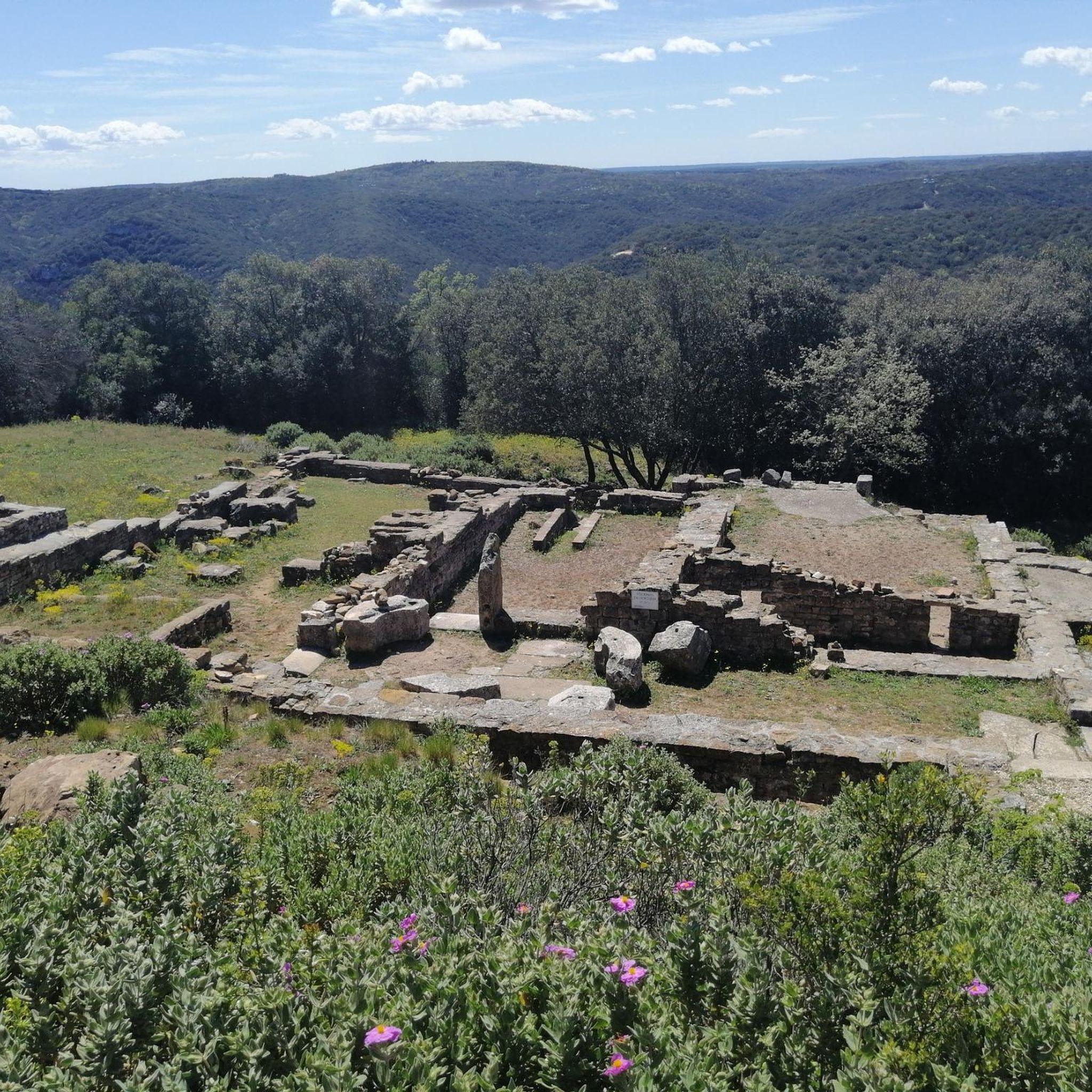
The Castellas is not to be confused with the Château de Saint-Victor-Lacoste, which is a hotel found in the center of the village of the same name. Here are the ruins of an ancient castle strategically located on a rocky pyramid. From up there you overlook the Tave plain and the Rhône valley. The ruins date from the 11th to the 12th century. From the way the fortress was designed, it seems impregnable. You can observe it along this road which slaloms between the large limestone rocks.
2
0

Nice little village. There is a tap, but do not fill your water bottle at the fountain which is not drinkable.
0
0
At the bottom of the descent arriving at St Victor, the road winds between the rocks....
1
0

a small but picturesque village with many little streets and alleys
1
0
Frequently Asked Questions
What kind of castles can I expect to find around Le Pin?
The region around Le Pin features a variety of castles, from ancient ruins to more intact structures, often strategically located on hillsides. You'll find medieval castles, historical sites, and settlements with castle features, offering a glimpse into the area's past and architectural evolution.
Are there hiking opportunities near the castles around Le Pin?
Yes, the area offers various hiking opportunities that can be combined with castle visits. For example, you can find routes like the 'Oppidum of Saint-Vincent loop from Gaujac' or 'Viewpoint – Oppidum of Saint-Vincent loop from Le Pin'. You can explore more hiking trails in the region by visiting our Hiking around Le Pin guide.
Which castles offer scenic views in the Le Pin area?
For breathtaking vistas, visit View of the Ruins of Le Castellas. Strategically located on a rocky pyramid, it offers panoramic views over the Tave plain and the Rhône valley. The ruins themselves date from the 11th to the 12th century.
Can I visit a medieval village with castle features near Le Pin?
Absolutely. Saint-Siffret Medieval Village is a picturesque settlement featuring cobbled streets, a Roman-Byzantine church, and two castles within its medieval setting. It's a magnificent village located on the foothills of a limestone plateau a few kilometers from Uzès.
What is the best time of year to visit the castles around Le Pin?
The castles around Le Pin can be enjoyed throughout the year. Spring and autumn offer pleasant weather for exploring both the historical sites and the surrounding hiking trails. Summer is also popular, though it can be warmer. Visiting in winter might offer a quieter experience, but check specific opening hours as some sites might have reduced schedules.
Are there any castles that are particularly good for exploring their exterior architecture?
Yes, the View of the Château de La Capelle is notable for its exterior. Situated on a wooded hill, this gray stone castle features four corner towers protecting four curtain walls and a square tower, all visible from the outside. While the interior cannot be visited, its external architecture is impressive.
What kind of historical significance do the castles in this region hold?
The castles around Le Pin, such as the 11th-12th century ruins of Le Castellas and the 16th-century Château de la Fare, reflect the region's long history. They often served strategic defensive purposes, guarding valleys and important routes, and have evolved through various periods of construction and rebuilding.
Are there cycling routes available near the castles?
Yes, the area around Le Pin is also suitable for cycling. You can find routes like the 'Château de la Fare – La Chapelle Saint-Martin loop from Le Pin' for touring bicycles, or longer road cycling routes. Discover more options in our Cycling around Le Pin and Road Cycling Routes around Le Pin guides.
What do visitors particularly enjoy about the castles and sites around Le Pin?
Visitors appreciate the picturesque nature of the medieval villages, the historical depth of the ruins, and the stunning views offered from strategic castle locations. The combination of historical exploration with opportunities for outdoor activities like hiking and cycling is also highly valued by the komoot community.
Is there a castle with a long history of reconstruction and adaptation?
Yes, the Château de la Fare has a rich history of adaptation. Starting as a 12th-century watchtower, it saw a fortified house built in the 13th century, and the current castle dates from the 16th century, rebuilt after a significant fire. This demonstrates its continuous evolution over centuries.
How long should I allocate for visiting a castle or medieval village in the area?
The time needed varies. For a site like Saint-Siffret Medieval Village, a short visit of 1-2 hours might suffice to explore its cobbled streets and castle features. For ruins like Le Castellas, you might spend less time at the site itself but more time enjoying the surrounding views or incorporating it into a longer hike.
Most popular attractions around Le Pin

Get inspired with the komoot mobile app


Explore more
Looking for the best castles somewhere else? Discover other guides around Le Pin:
