Top 3 Waterfalls around Échevannes
Best waterfalls around Échevannes are found within the broader Bourgogne-Franche-Comté region, known for its diverse natural landscapes. This area features a variety of waterfalls, including powerful torrents, unique tufa formations, and impressive karst springs. Many of these natural wonders are integrated into hiking trails, providing varied outdoor experiences. The region offers opportunities to explore significant geological features and water sources.
Best waterfalls around Échevannes
- The most popular waterfalls is Source de la Loue, a powerful karst spring that emerges from a 150-meter high rock wall, forming a spectacular cirque. It is one of the largest springs in the karst area, with almost 7000 liters/second.
- Another must-see spot is Source du Pontet, a karst spring emanating from a deep cave. This waterfall expels its waters with impressive power, and the site features walls and vaults of limestone tuff.
- Visitors also love Vau Waterfall, a waterfall located at the bottom of the Vau valley. This site includes petrifying streams and is discovered along a pleasant forest path.
- Échevannes is known for its karst springs, tufa formations, and diverse waterfalls. The region offers a variety of water features to explore, from powerful torrents to unique geological formations.
- The waterfalls around Échevannes are appreciated by the komoot community, with over 200 upvotes and 90 photos shared.
Last updated: July 7, 2026
Source de la Loue
Highlight • Cave
The site is easily accessible and is via marked GR trails.
Translated by Google •
Tip by

Source du Pontet
Highlight • Cave
Also, lovers of geological curiosities will notice the walls and vaults of limestone tuff (porous rock common in the region).
Translated by Google •
Tip by
Sign up now to discover places like this
Get recommendations on the best single tracks, peaks, & plenty of other exciting outdoor places.
Sign up for free
Vau Waterfall
Highlight • Waterfall
Translated by Google •
Tip by

Start today with a free account
Your next adventure awaits.
Login or Signup
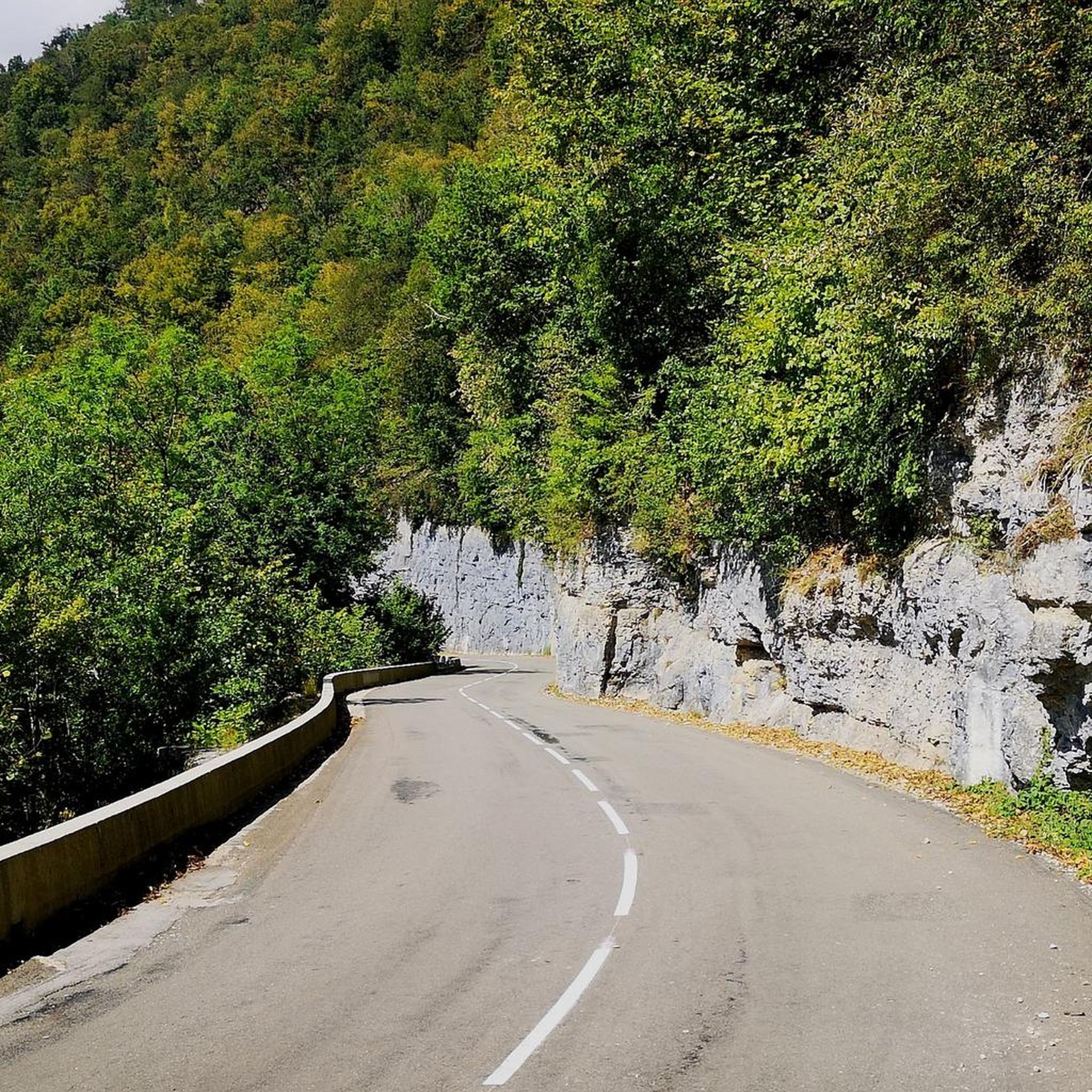
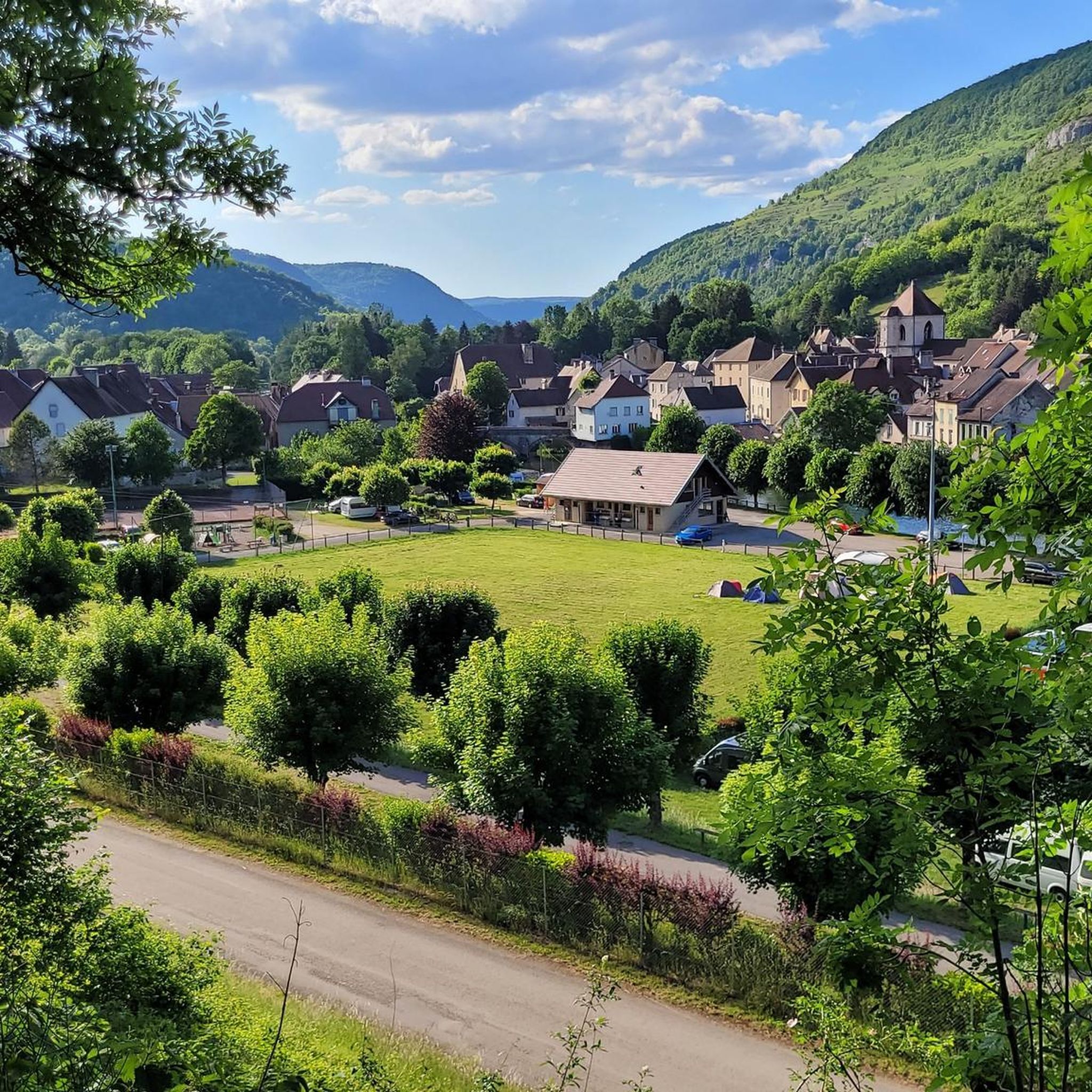
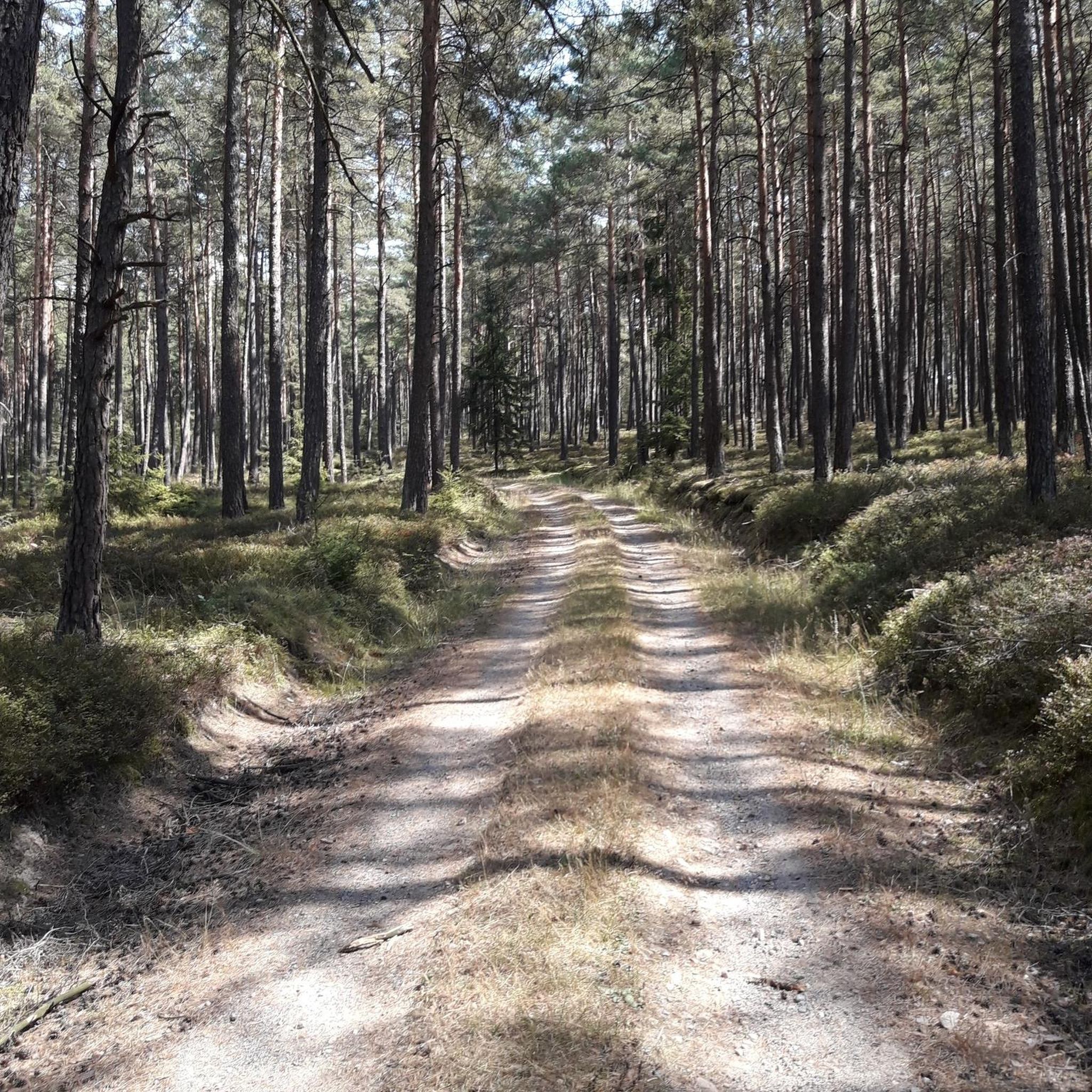
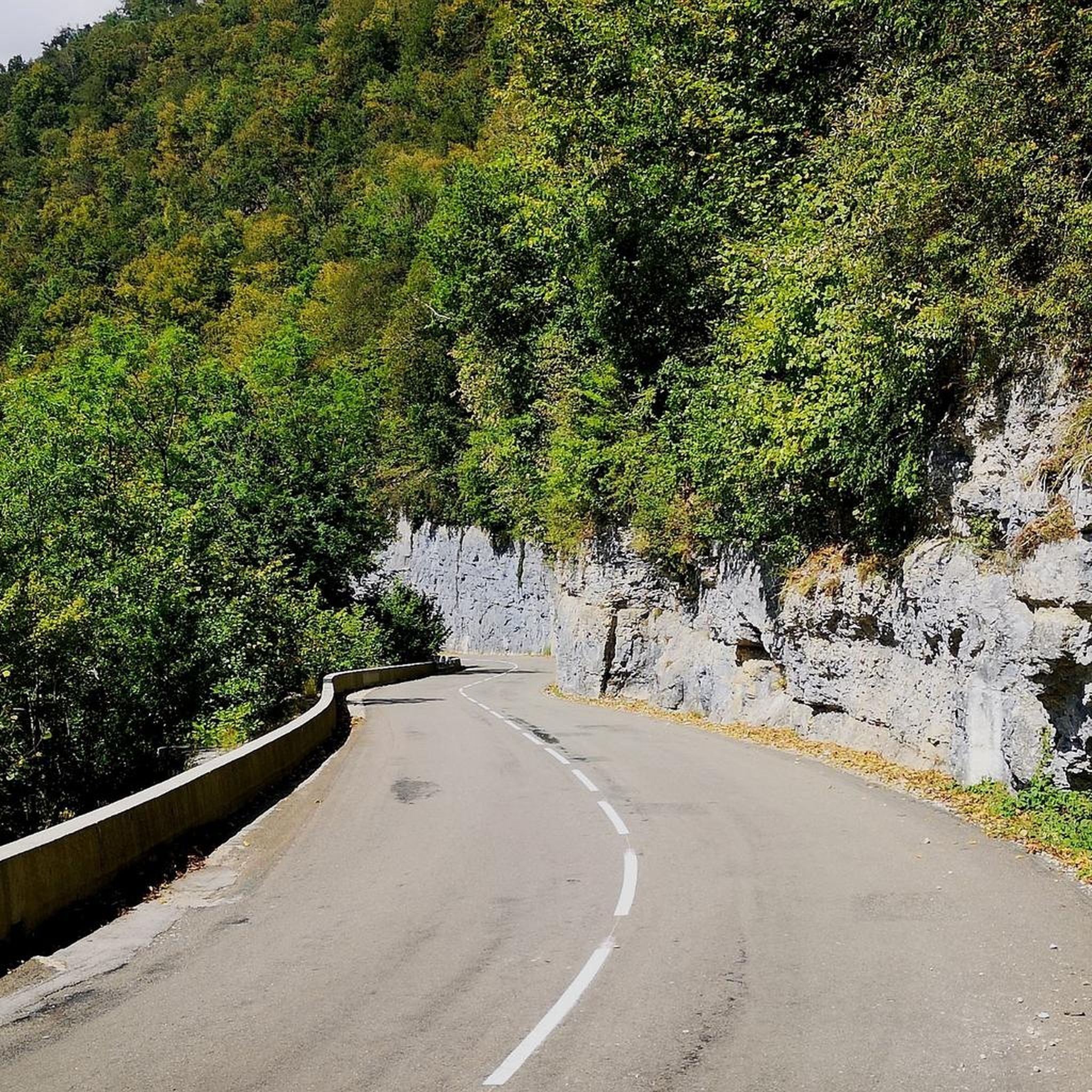

Tips from the Community

The source of the Loue River is announced by the rushing water even before you see it. It's impressive and magical to stand beneath the 150-meter-high cliffs and watch the river rush out of its cave.
5
1

A waterfall at the bottom of the Vau valley and petrifying streams will be your discovery at the bend of a pleasant forest path.
0
0

This cavern is impressive, the immense cliff seems to crush this “small” opening in the wall, from which clear waters gush. The lights and the tranquility of the place are remarkable. Consider bringing a headlamp to explore the caves a little more. Climbing enthusiasts will notice some equipped routes with quite an overhang.
2
2

One of the largest springs in the entire Jura region. Very impressive after long periods of rain.
3
0

This is truly a magical place! A whole river that comes straight out of the rock. There is a huge parking lot just a few hundred meters away, which takes some of the magic out of the place. So I would recommend visiting this place out of season. And instead of starting from the parking lot, take a long walk along the surrounding hiking trails, which are definitely worth it.
5
1

When you finally reach the source, you are greeted by a 150 meter high rock face - a magnificent cirque. Below, you will see the source of the Loue.
2
0
On a hike, you have to go to the source of the Loue by climbing the Nouailles gorges. It's a wonderful hike but you have to be well-shod and to be avoided in wet weather.
5
0

At the source of the Loue, you are faced with a steep rock wall 150 meters high, which forms a spectacular cirque. It is from this monument that the Loue springs. The site is easily accessible and is via marked GR trails.
4
2
Frequently Asked Questions
What are some of the most impressive waterfalls in the broader region around Échevannes?
While Échevannes itself is a charming area, the wider Bourgogne-Franche-Comté region is home to several spectacular waterfalls. Notable examples include the Source de la Loue, the Source du Pontet, and the Vau Waterfall. Further afield, the Hérisson Waterfalls, the Saut du Doubs, and the unique Tuff Waterfalls offer diverse natural beauty.
What makes the Hérisson Waterfalls a popular destination?
The Hérisson Waterfalls (Cascades du Hérisson) are a major natural site featuring a series of seven distinct cascades along a 3.7 km torrent. Highlights include Le Grand Saut, with a 60-meter free fall, and the stepped Cascade de l'Éventail. A 7 km loop trail allows visitors to explore all the waterfalls, and the 'Maison des Cascades' provides insights into the valley's history and legends.
Are there any unique geological waterfall formations in the area?
Yes, the Cascades des Tufs (Tuff Waterfalls) are known for their unique tufa limestone formations. These natural formations create a distinctive fan-shaped appearance, presenting a 15-meter spectacle surrounded by lush vegetation. This porous limestone creates a picturesque and unusual environment.
What can I expect at the Source de la Loue?
At the Source de la Loue, you'll encounter a steep, 150-meter-high rock wall forming a spectacular cirque, from which the Loue river springs. This mighty karst spring, one of the largest in the region with almost 7000 liters per second, was a favorite spot of painter Gustave Courbet. The site is easily accessible via marked GR trails.
Tell me more about the Source du Pontet.
The Source du Pontet is a fascinating karst spring emanating from a deep cave. It expels its waters with impressive power. Geologically, you'll notice walls and vaults of limestone tuff, a porous rock common in the region. It's the lowest entrance of the Grotte des faux Monnayeurs cave system.
Is the Vau Waterfall easily accessible?
The Vau Waterfall is located at the bottom of the Vau valley and can be discovered at the bend of a pleasant forest path. It's categorized as an intermediate natural monument, suggesting a moderate level of effort to reach, offering a rewarding experience amidst the forest.
What is the best time of year to visit the waterfalls around Échevannes?
The waterfalls in the Bourgogne-Franche-Comté region can be enjoyed in any season. Spring often brings higher water flows due to snowmelt and rain, making the cascades particularly powerful. Summer offers pleasant hiking weather, while autumn provides beautiful foliage. Even in winter, some waterfalls can be stunning with ice formations, though accessibility might vary.
Are there family-friendly options for visiting waterfalls?
Many waterfalls in the region, such as the Hérisson Waterfalls, are integrated into well-maintained hiking trails suitable for families. The 7 km loop trail at Hérisson, for instance, allows visitors of various ages to discover the cascades. Always check specific trail difficulties and conditions before heading out with children.
What outdoor activities can I do near these waterfalls?
The area around Échevannes and its waterfalls is excellent for various outdoor activities. You can find numerous hiking trails, including moderate routes like 'La Roche de Hautepierre' or 'Old Bridge of Vuillafans – Old water mill loop'. Cycling is also popular, with options ranging from moderate touring bicycle routes like 'Vuillafans – Val d'Ornans cycle path loop' to more challenging road cycling routes. For more details, explore the Hiking around Échevannes or Cycling around Échevannes guides.
Are there hiking trails near the waterfalls around Échevannes?
Yes, the waterfalls are often integrated into hiking trails. For example, the Source de la Loue is accessible via marked GR trails. You can find a variety of hiking routes in the region, from moderate loops like 'La Roche de Hautepierre — loop from Lods' (11 km) to shorter options. For a comprehensive list of trails, check out the Hiking around Échevannes guide.
What is the Saut du Doubs and what makes it special?
The Saut du Doubs is an impressive 27-meter-high waterfall located along the Doubs River, forming part of the border between France and Switzerland. It was formed approximately 14,000 years ago by a paleohistoric landslide. This site offers magnificent landscapes reminiscent of Canadian canyons and is classified as a major national site, with observation points available from both the French and Swiss sides.
Most popular routes around Échevannes
Most popular attractions around Échevannes

Get inspired with the komoot mobile app


Explore more
Happy to travel a little further afield? Then browse these guides for the best waterfalls around Échevannes:
