Top 3 Caves around Barretaine
Best caves around Barretaine are found in the Jura department of France, a region characterized by its geological formations and blind valleys. This area is rich in subterranean landscapes, offering a variety of caves and grottoes. The geology of the Jura Mountains, shaped by water over millions of years, has created diverse underground features. Exploring these sites provides insight into the natural history and unique ecosystems of the region.
Best caves around Barretaine
- The most popular caves is The Lodge…
Last updated: July 7, 2026
Grotte de Saint-Bilbalbo
Highlight • Cave
Translated by Google •
Tip by

The Lodge at Maillet
Highlight • Cave
It would have sheltered a hermit.
Translated by Google •
Tip by

Sign up now to discover places like this
Get recommendations on the best single tracks, peaks, & plenty of other exciting outdoor places.
Sign up for free
Entrance to Grotte de la Borne aux Cassots
Highlight • Cave
A beautiful stream, very rich in stalactite jewelry, but also
very dangerous during melting snow or long rainy days.
As a …
Translated by Google •
Tip by

View of Poligny from Trou de la Lune
Highlight • Cave
Translated by Google •
Tip by

Moidons Caves
Highlight • Cave
Translated by Google •
Tip by

Start today with a free account
Your next adventure awaits.
Login or Signup


Tips from the Community

A small but great cave - flashlight recommended.
0
0

The grotto is currently not open! A fire completely destroyed the visitor center this spring. It is not yet known when the grotto will be open to visitors again. https://www.grottesdesmoidons.com/en/useful-information.htm
0
0

After years of bans or restricted access, the Jura Departmental Speleology Committee reached an agreement with the municipality of Nevy-sur-Seille, and is now tenant of the cavity. The rental lease requires that the entrance be closed by an armored door, and its access reserved for clubs and individual members of the French Speleology Federation, or a foreign federation. Before any visit, to obtain the access code, you must submit a request to the C.D.S du Jura. (http://juraspeleo.ffspeleo.fr/grottes/topoguide/fiches/cassots.htm)
4
0


This small cavity has the ceiling pierced at the beginning and at the end of the gallery. It would have sheltered a hermit.
0
0

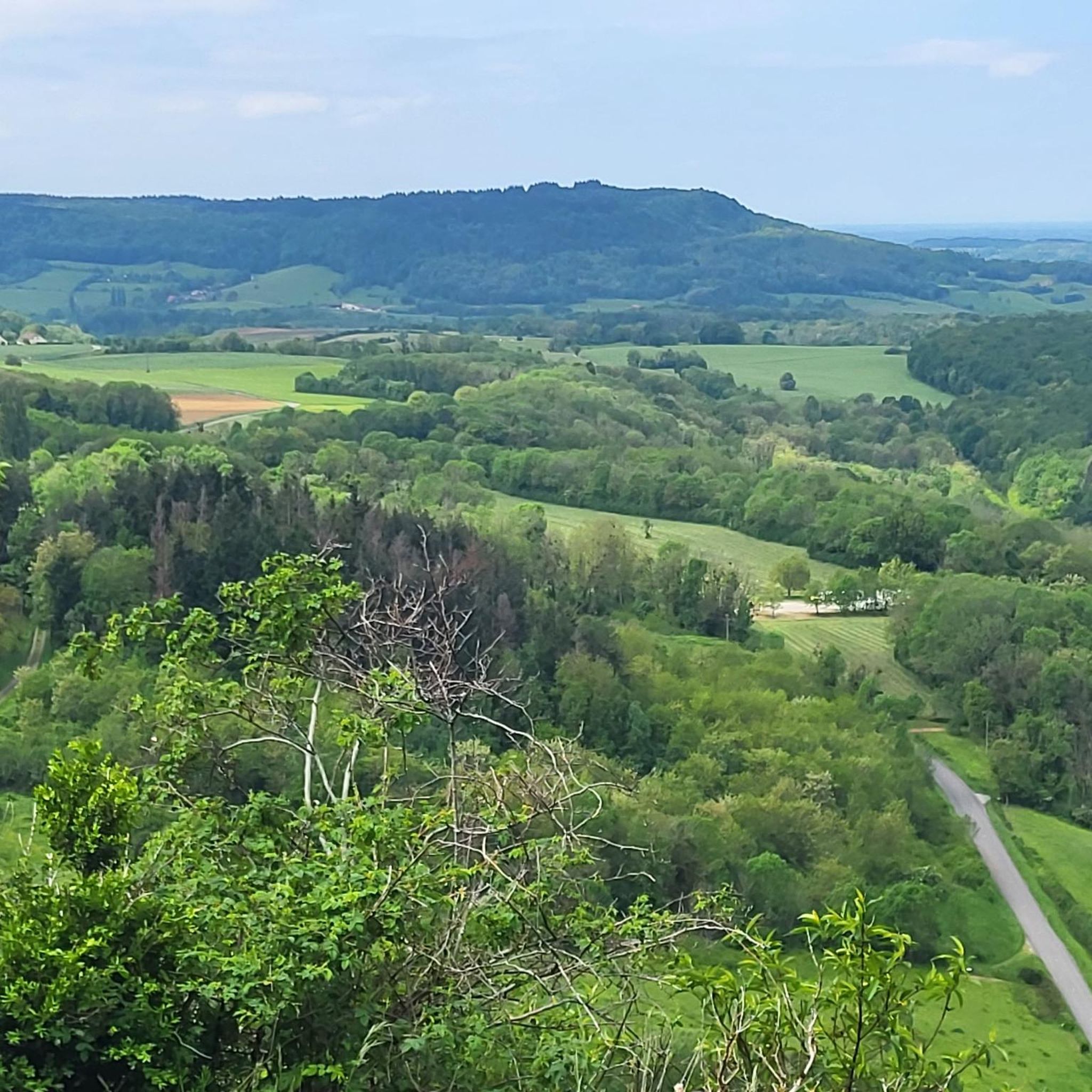
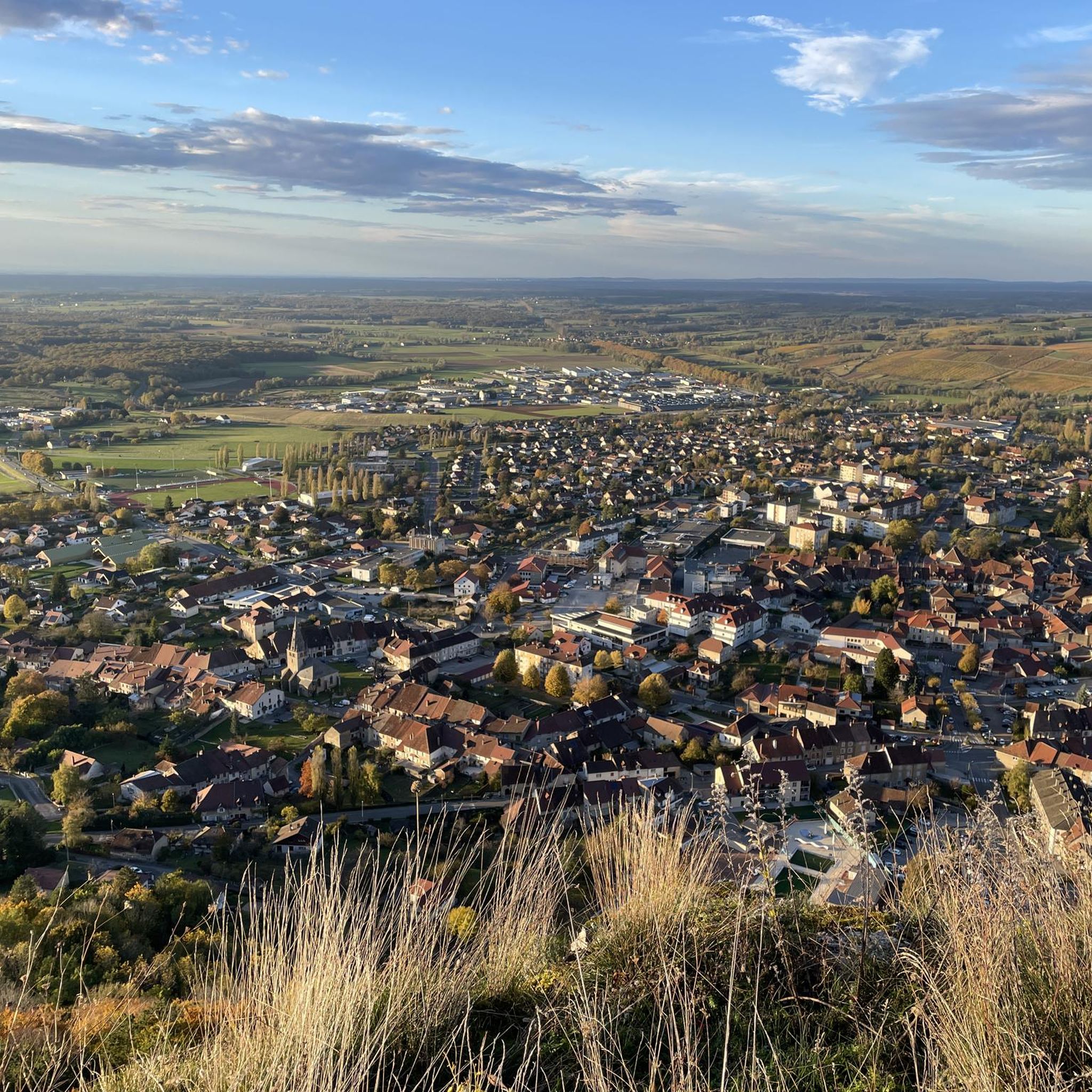
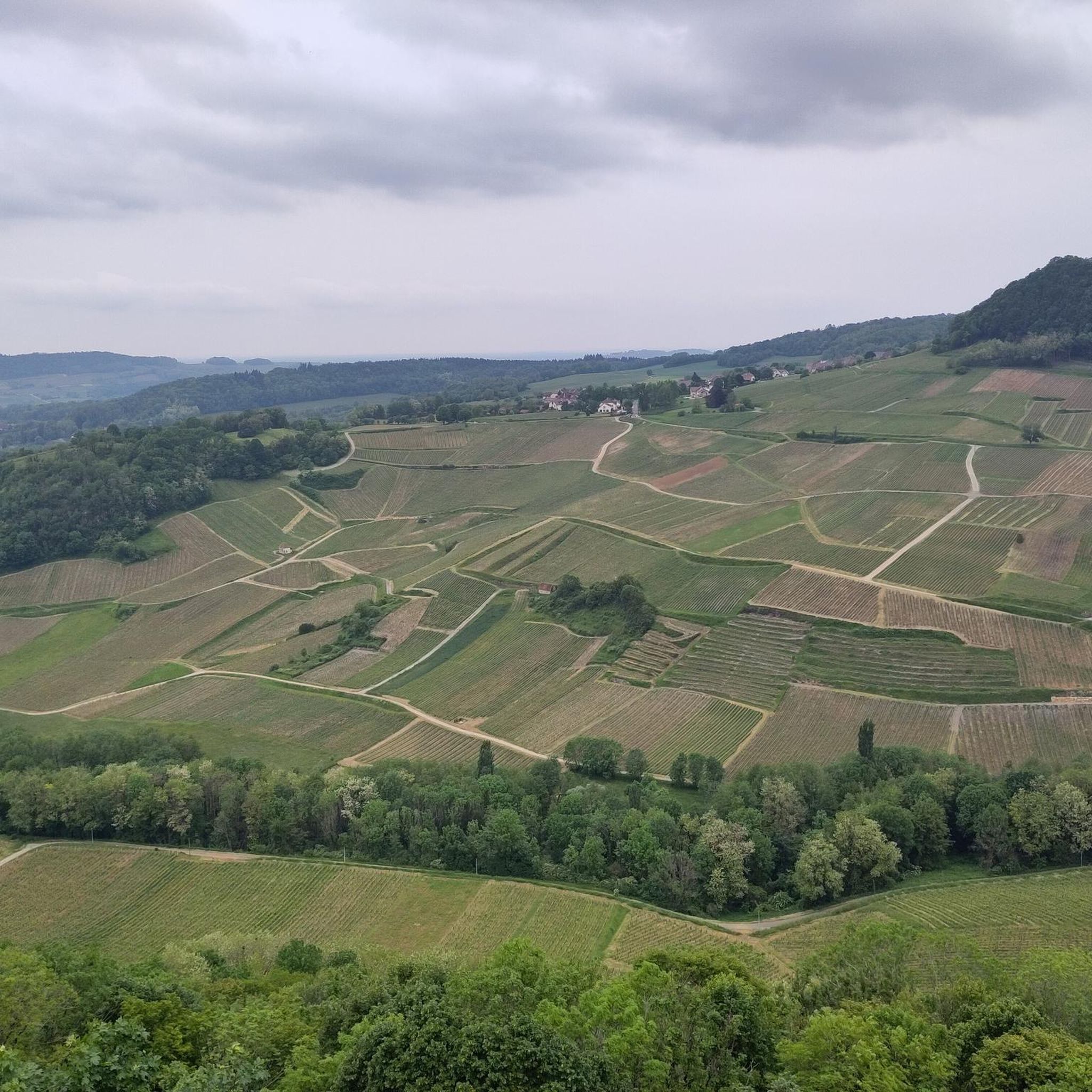
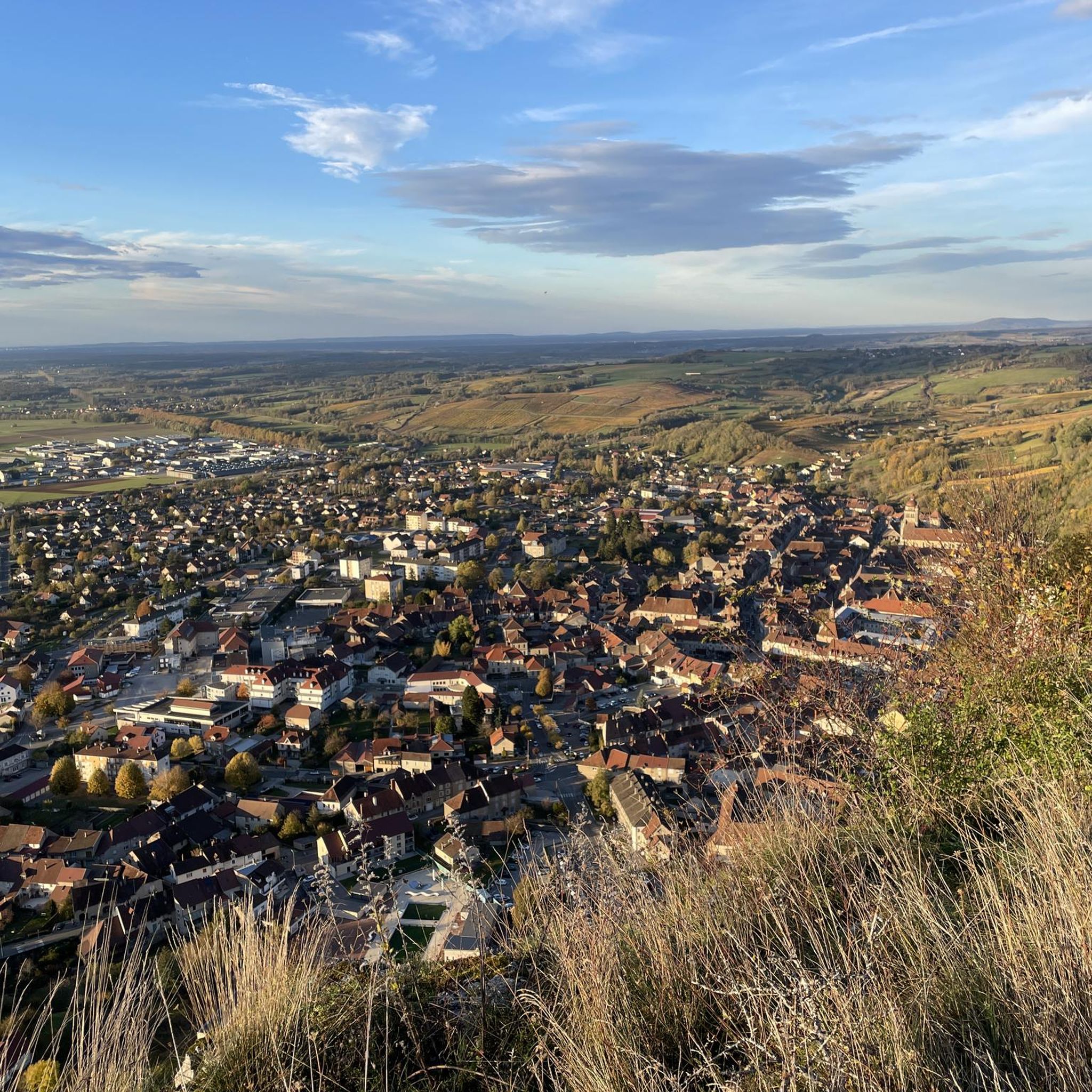
The Hole of the Moon is a cave dug in the limestone rock of the cliffs overlooking Poligny and its vineyards.
1
0

A good 16 km of underground passages and galleries. A beautiful stream, very rich in stalactite jewelry, but also very dangerous during melting snow or long rainy days. As a result, the cave is also closed and access is only for organized cave exploration accessible.
8
0

Great experience! Flashlight indispensable.
0
0
Frequently Asked Questions
What are some of the most impressive caves to visit near Barretaine?
Beyond the local highlights, the Jura region offers several spectacular caves. The Grottes de Baume-les-Messieurs are renowned for their majestic atmosphere, geological formations, and subterranean rivers. Another significant site is the Grotte des Planches-près-Arbois, featuring intricate crystalline formations and a rich history of archaeological discoveries. For a family-friendly option, the Moidons Caves offer modern infrastructure, a sound-and-light show, and a bat corner.
Are there any caves around Barretaine that are suitable for families?
Yes, the Moidons Caves are considered a great family destination. They offer modern infrastructure, a sound-and-light show, an underground river, and a 'bat corner' with a maze. These features make them engaging for visitors of all ages.
What kind of geological formations can I expect to see in the caves of the Jura region?
The caves in the Jura region, including those near Barretaine, are rich in diverse geological formations. You can expect to see shimmering stalactites, majestic stalagmites, limestone draperies, and subterranean rivers and lakes. Notable examples include the impressive diaclases (rock fissures) and water-filled chambers in the Grottes de Baume-les-Messieurs, and the intricate crystalline formations in the Grotte des Planches-près-Arbois.
Which caves offer historical or archaeological insights?
The Grotte des Planches-près-Arbois has a rich history, with prehistoric remains and traces of human occupation from the Upper Paleolithic, Neolithic, and Bronze Age found within its galleries. Additionally, the View of Poligny from Trou de la Lune is a historical site where prehistoric artifacts have been excavated. The The Lodge at Maillet is also a historical site, believed to have sheltered a hermit.
What is the best time of year to visit the caves near Barretaine?
Many of the major show caves in the region, such as the Grottes de Baume-les-Messieurs, are typically open from early April to early October, with varying hours throughout the season. It's always advisable to check the specific opening times for each cave before planning your visit. During periods of heavy rain or snowmelt, some natural caves like the Entrance to Grotte de la Borne aux Cassots can become dangerous or inaccessible due to high water levels.
Are there any challenging caves for experienced cavers near Barretaine?
Yes, the Entrance to Grotte de la Borne aux Cassots is a significant challenge. With almost 16 km of underground passages and galleries, it is the largest active water cave in the Jura department. Access is restricted to organized speleologists who are members of the French Speleology Federation or a foreign federation, and requires obtaining an access code. The Grotte de Saint-Bilbalbo also presents a challenging experience, located in a gorge and requiring a flashlight for exploration.
What should I wear or bring when exploring caves in the Barretaine area?
For caves like the Grotte de Saint-Bilbalbo, a flashlight is indispensable. Generally, caves maintain a cool, constant temperature, so layers of clothing are recommended. Sturdy, non-slip footwear is also essential due to potentially wet and uneven surfaces. For more adventurous or restricted caves like the Entrance to Grotte de la Borne aux Cassots, specialized caving gear and safety equipment are required.
Are there hiking opportunities near the caves around Barretaine?
Yes, the region offers various hiking trails. For instance, you can find routes like the 'Croix du Dan and Trou de la Lune Loop Trail' or the 'Poligny, capital of Comté cheese – Dan Cross loop from Poligny' which are part of the Hiking around Barretaine guide. These trails allow you to explore the natural landscapes surrounding the cave sites.
What other outdoor activities can I do near the caves?
Besides hiking, you can find options for running and gravel biking. The Running Trails around Barretaine guide features routes like the 'Running loop from Poligny'. For cyclists, the Gravel biking around Barretaine guide includes routes such as 'The Old Railway Tunnel – Révigny Metal Viaduct loop from Domblans - Voiteur'.
Are there any caves that offer panoramic views?
Yes, the View of Poligny from Trou de la Lune is a cave dug into the limestone cliffs that offers beautiful views over Poligny and its vineyards. It serves as both a historical site and a viewpoint.
What makes the Osselle Cave unique in the broader Jura region?
The Osselle Cave, located in the broader Jura region, is notable as one of the oldest caves in the world open to tourists, with visits dating back to the 16th century. It is famous for its prehistoric treasures, particularly the skeletons of cave bears, and features multi-colored walls due to mineral deposits, as well as an underground river.
Is there a particularly large underground chamber in the Jura region?
Yes, the Gouffre de Poudrey, near Besançon, is nicknamed the 'Underground Cathedral' because it is one of the largest underground halls in France. It is deep enough to fit the Notre-Dame-de-Paris inside, showcasing the impressive scale of the subterranean world in the Jura.
Most popular routes around Barretaine
Most popular attractions around Barretaine

Get inspired with the komoot mobile app


Explore more
Extend your search for the best caves by checking out these guides of the top ones around Barretaine:
