Top 11 Lakes around Île-Aux-Moines
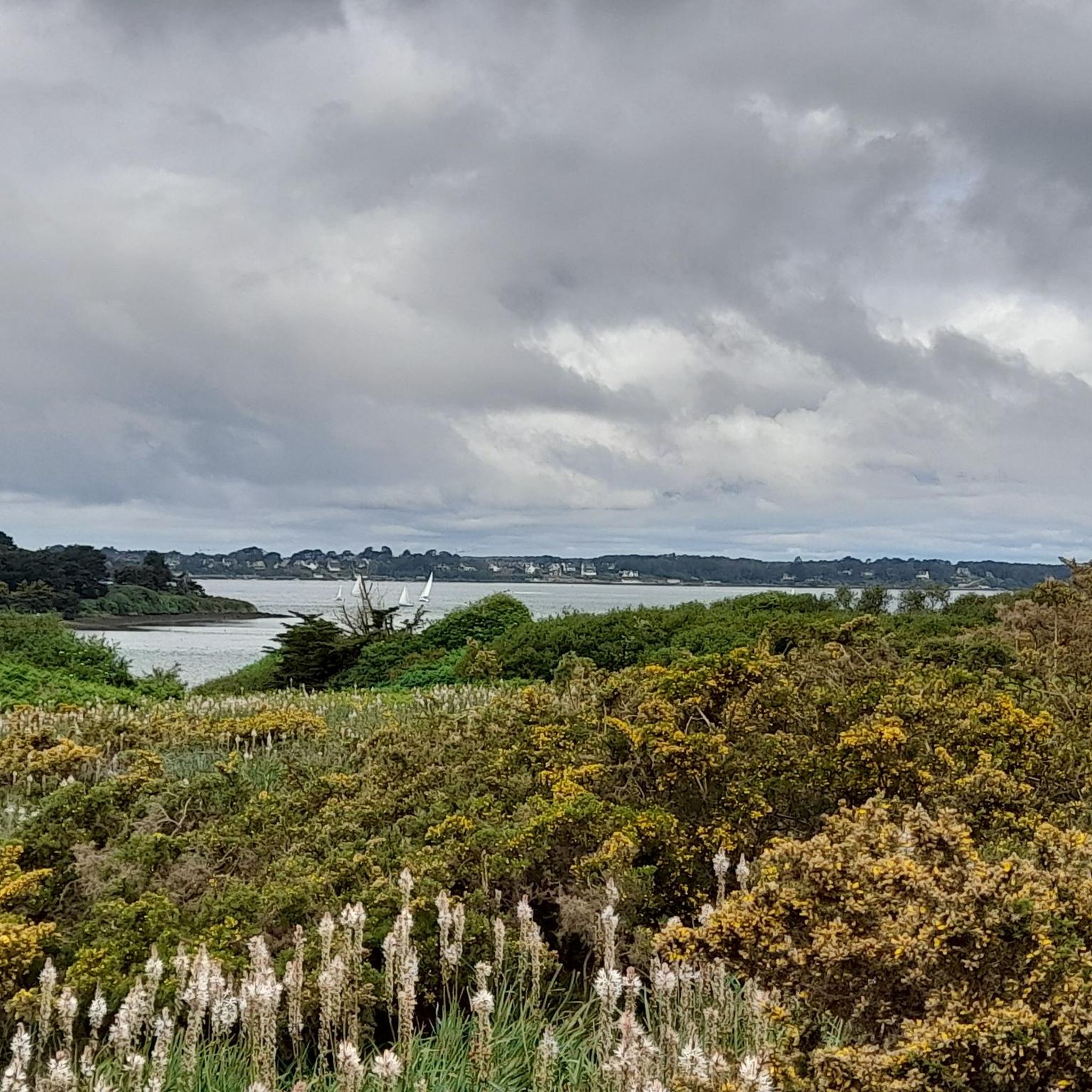
Best lakes around Île-Aux-Moines are primarily found in the surrounding Gulf of Morbihan, which features tidal coves and marshes rather than large inland freshwater lakes. This car-free island is known for its coastal landscapes, beaches, and extensive network of walking and cycling paths. The appeal of Île-Aux-Moines lies in its unique island atmosphere and varied natural features.
Best lakes around Île-Aux-Moines
- The most popular lakes is Bernon Cove, a beach that offers views of the Gulf of Morbihan. This…
Last updated: July 8, 2026
Lasné Marsh
Highlight • Natural
Translated by Google •
Tip by

Bernon Cove
Highlight • Beach
Translated by Google •
Tip by

Sign up now to discover places like this
Get recommendations on the best single tracks, peaks, & plenty of other exciting outdoor places.
Sign up for free
Anse de Mancel
Highlight • Natural
Translated by Google •
Tip by

View of the Gulf of Morbihan
Highlight • Viewpoint
Translated by Google •
Tip by

Duke's Pond
Highlight • Lake
Translated by Google •
Tip by

Sign up for free to discover even more lakes around Île-Aux-Moines.
Sign up for free
Already have an account?
Start today with a free account
Your next adventure awaits.
Login or Signup

Tips from the Community

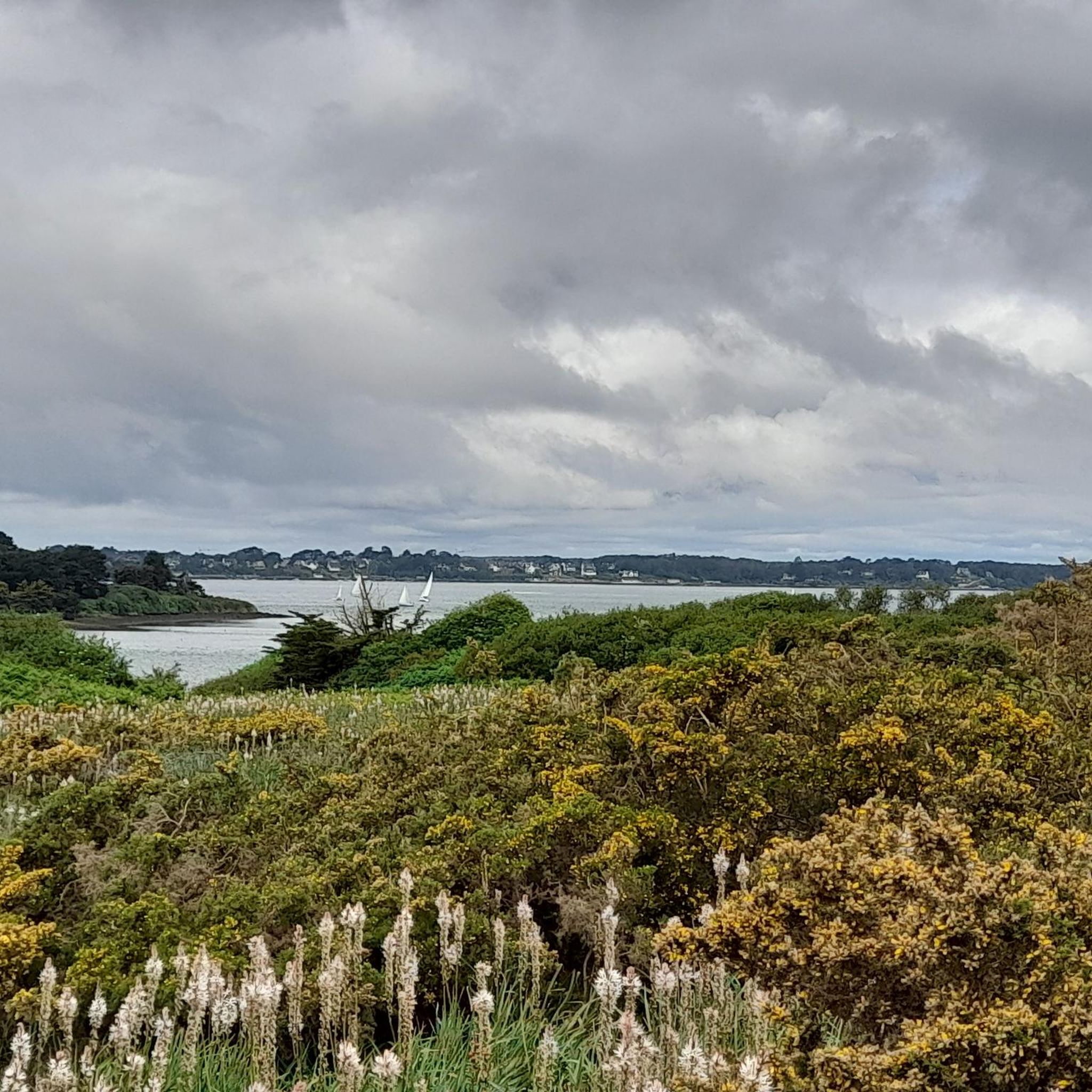
In the middle of the Gulf of Morbihan, Île-aux-Moines is the perfect place to admire the national reserve at 360 degrees. Exploring the island by bike is a delight.
0
0

This portion of the coastal path offers a breathtaking view of Bernon Cove. Some passages are not equipped and require you to step over rocks.
0
0

With a total surface area of 30 hectares, the marsh has been divided into three equal zones: an oyster farm, a quiet area for birds and a salt pan. In addition to their landscapes, the marshes bordering the Gulf of Morbihan are home to a wide diversity of birds.
2
0

Like the numerous marshes that embroider the interior of the Gulf of Morbihan, the Lasné marsh maintains a rich animal diversity. Every year, thousands of birds come to feed and nest in its waters. When walking, be discreet and equip yourself with a binocular to observe them.
0
0

From the path you can see the Cairn de Gavrinis and the cromlech of Er Lannic
0
0

The cove of Mancel includes an island, the island of Mancel. The villages of Mousterian and Montsarrac are located on either side of the cove. It is almost completely emerged at low tide and totally submerged during high tides. It is rich in eelgrass which attract waterfowl, such as geese, shelducks, swans and egrets. The sacred ibis is also common there since its accidental introduction into the gulf.
1
0
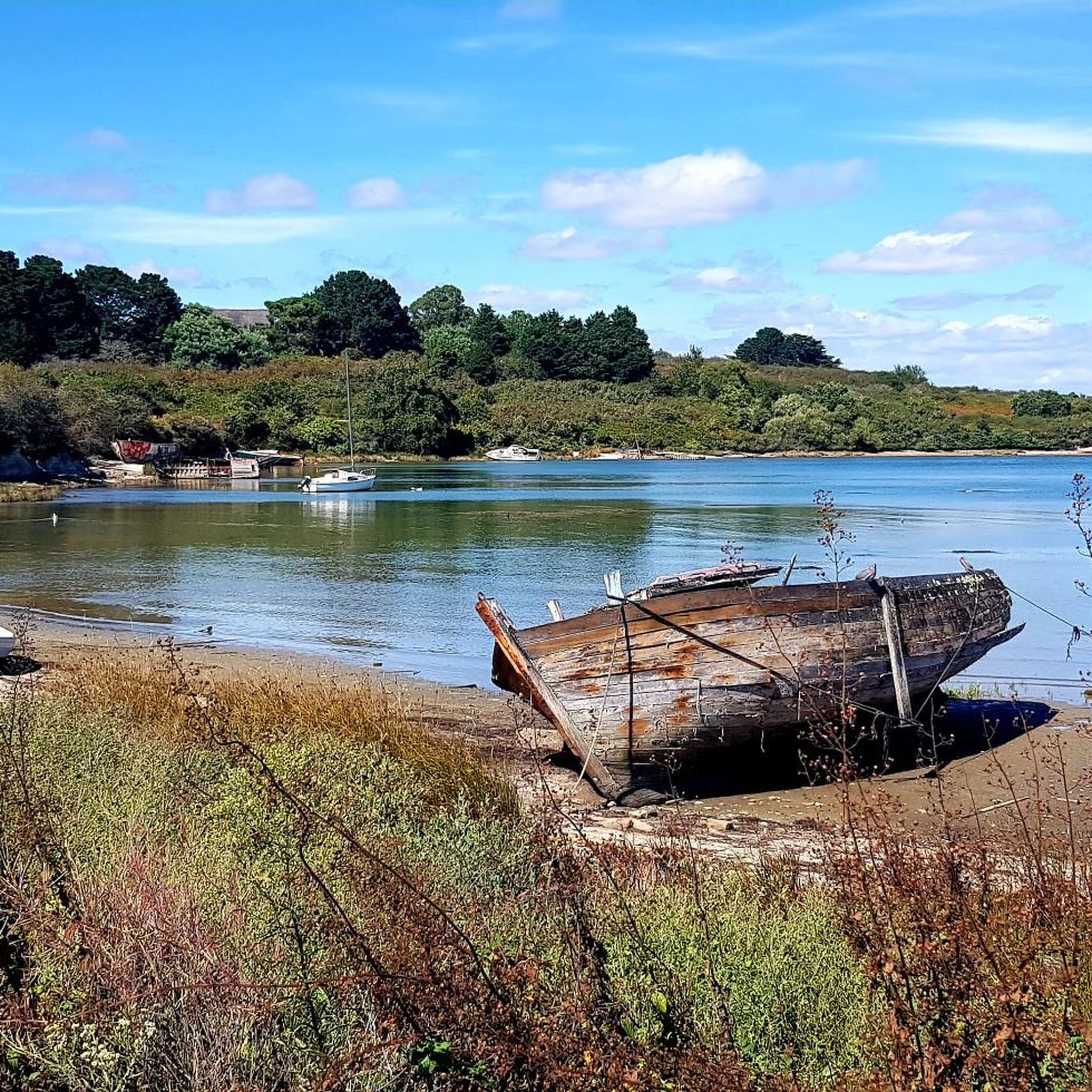
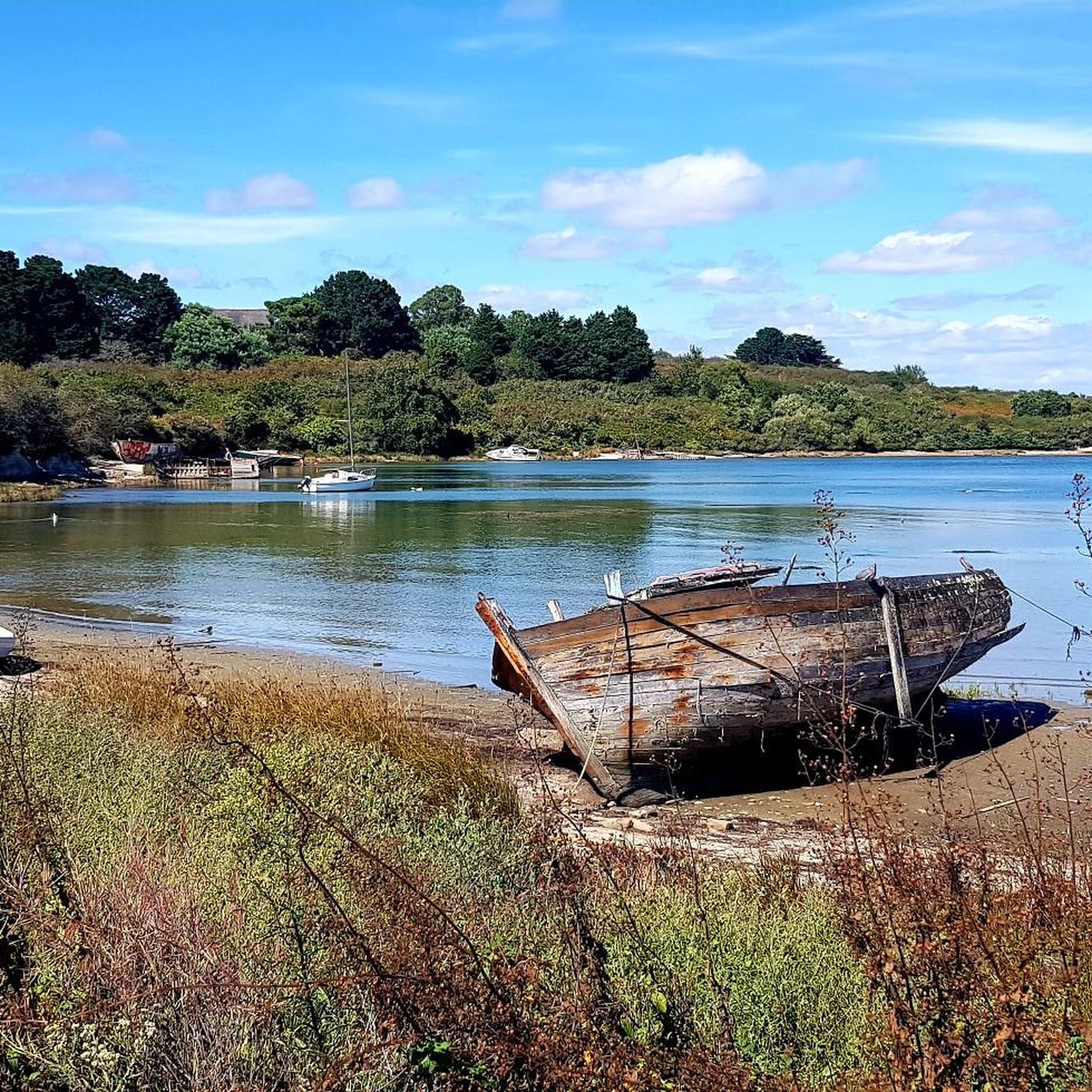
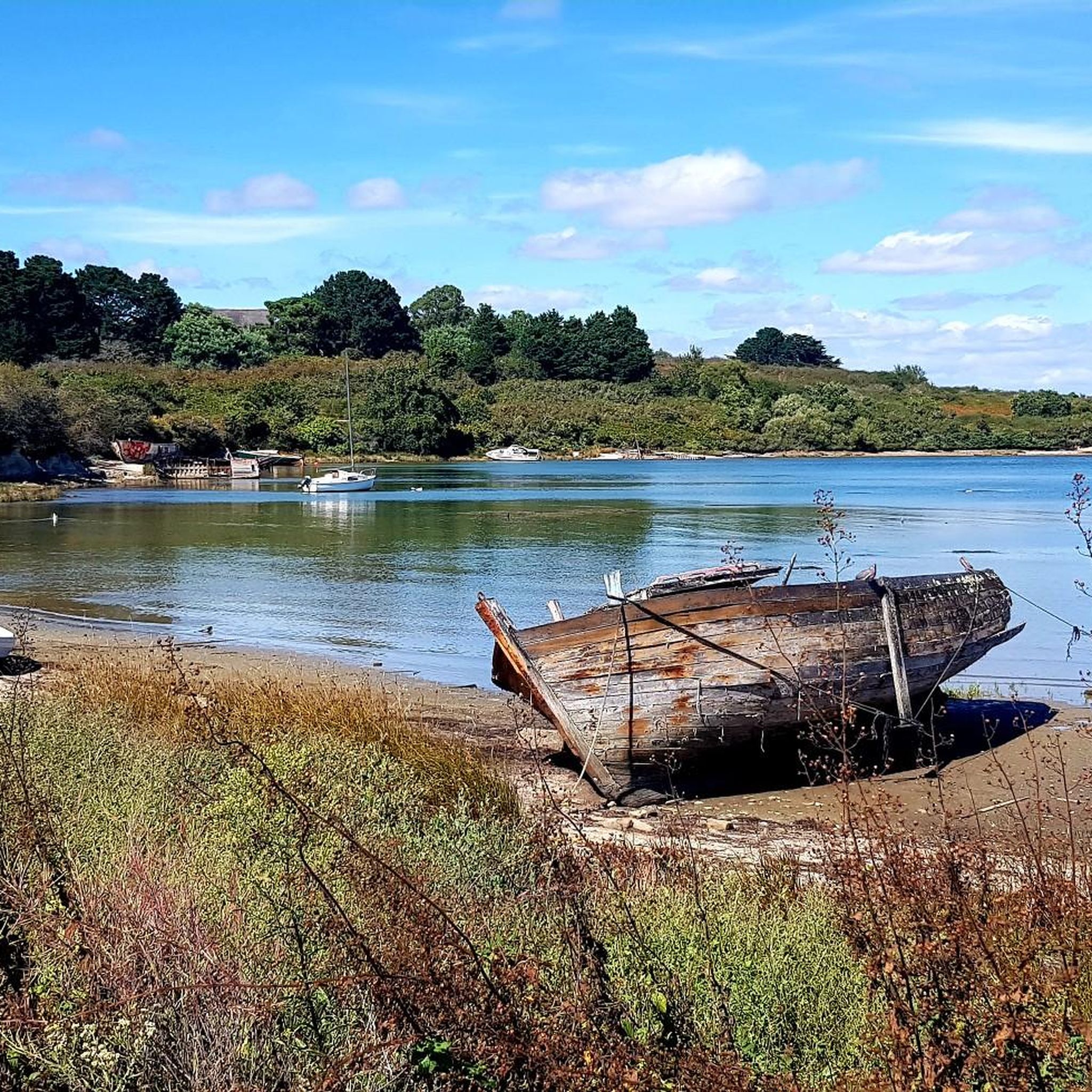
This immense expanse of water, 10 hectares and 2 to 3 meters deep, would probably be an old quarry from which the stones necessary for the construction of the first Gallo-Roman city were extracted, at the time when Vannes was still called Dariorithum. In addition, a legend is also attached to this body of water, that of a tragic story of a soldier in love with a mermaid. https://www.vannes-bretagne-sud.bzh/
1
0

This seemingly natural lake was actually built by monks in the 12th century and is great to run around in - thank you monks!
3
0
Frequently Asked Questions
What kind of 'lakes' can I expect to find on Île-aux-Moines?
Île-aux-Moines does not feature large inland freshwater lakes. Instead, the term 'lakes' in this context refers to the tidal coves, marshes, and viewpoints within the protected Gulf of Morbihan, which functions more like an inland sea. The island's appeal lies in its coastal landscapes and unique island atmosphere.
Are there any specific natural areas or marshes worth visiting?
Yes, Lasné Marsh is a significant natural area. This 30-hectare marsh is divided into zones for oyster farming, bird habitats, and salt pans, supporting a rich diversity of birds. It's an excellent spot for birdwatching.
Where can I find the best views of the Gulf of Morbihan?
The island offers numerous panoramic viewpoints. A popular spot is the View of the Gulf of Morbihan, which provides 360-degree vistas of the national reserve. The coastal paths around the island also offer magnificent views.
Are there any historical or man-made 'lakes' on the island?
Yes, Duke's Pond is a notable example. This seemingly natural lake was actually built by monks in the 12th century and is believed to have been an old quarry. It also has a local legend attached to it.
What are the best outdoor activities to do near these coastal features?
The island is ideal for walking and cycling. You can explore the extensive network of paths, including the coastal path. For more structured routes, consider the various hiking and cycling routes available around Île-aux-Moines.
Are there family-friendly spots or activities related to the water?
Many areas are family-friendly. Beaches like Grande Plage, Port Miquel, and Goret beach offer opportunities for swimming. Anse de Mancel is another family-friendly natural cove known for its wildlife, especially waterfowl.
What is the best time of year to visit Île-aux-Moines?
The island benefits from a mild microclimate, making it pleasant for visits throughout much of the year. Spring and autumn are particularly lovely for walking and cycling, with abundant flora and comfortable temperatures.
What kind of wildlife can I observe in the marsh areas?
The marshes, such as Lasné Marsh and Anse de Mancel, are rich in bird diversity. You can spot thousands of birds, including geese, shelducks, swans, egrets, and the sacred ibis, especially during migration seasons. Binoculars are recommended for observation.
Are there any significant historical sites on the island?
Yes, Île-aux-Moines is home to important Neolithic remains. These include the Kergonan cromlech, a horseshoe-shaped formation of 24 menhirs, and the Pen Hap dolmen, offering a glimpse into the island's ancient past.
How can I get around Île-aux-Moines, especially to reach coastal areas?
Île-aux-Moines is largely car-free, promoting a peaceful environment. The best ways to explore are on foot or by bicycle, which can be rented upon arrival. Regular ferry services connect the island to the mainland, making it easily accessible.
What makes Bernon Cove a popular spot?
Bernon Cove is a popular beach that offers stunning views of the Gulf of Morbihan. From its coastal path, you can also see the Cairn de Gavrinis and the cromlech of Er Lannic, combining natural beauty with historical interest.
Are there easy walking routes suitable for beginners or families?
Yes, there are several easy walking routes on the island. For instance, the 'Gored Beach – Port of Île-aux-Moines loop' is an easy 6.7 km hike. You can find more options in the hiking guide for Île-aux-Moines.
Most popular routes around Île-Aux-Moines
Most popular attractions around Île-Aux-Moines

Get inspired with the komoot mobile app


Explore more
Still not found your perfect lake around Île-Aux-Moines? Check out the guides of these regions to see even more beautiful places.
